
BLOG
Digital Dentistry for Laminate Veneer Planning: A Modern Smile Design Workflow
Why digital planning matters in porcelain laminate veneers
Porcelain laminate veneers are often described as “conservative,” yet their success depends on highly detailed planning: where the finish line will sit, how much enamel can be preserved, how the planned contours will affect phonetics, and whether the gingival architecture supports the intended smile design. Digital dentistry has transformed veneer planning by moving key decisions earlier—before enamel is reduced—through standardized photography, intraoral scanning, CAD-based previews, and test-drive mock-ups.
In a city like Istanbul—where patients frequently request natural-looking, high-aesthetic outcomes and may travel for short, time-limited visits—predictable planning is not just a marketing advantage; it’s a clinical safety net. For dental professionals and students, a structured digital workflow also improves documentation, interdisciplinary communication, and case acceptance while supporting minimal-prep principles whenever clinically appropriate. This content is for educational purposes and does not replace individualized clinical judgment.
The digital veneer planning workflow (from records to delivery)
1) Patient interview and risk assessment
Digital planning starts with analog fundamentals: understanding the patient’s chief complaint, expectations, and risk profile. Common veneer-related concerns include discoloration, diastema closure, incisal wear, minor malalignment, and shape discrepancies. Equally important is identifying parafunction (e.g., bruxism), caries risk, periodontal stability, and existing restorative status.
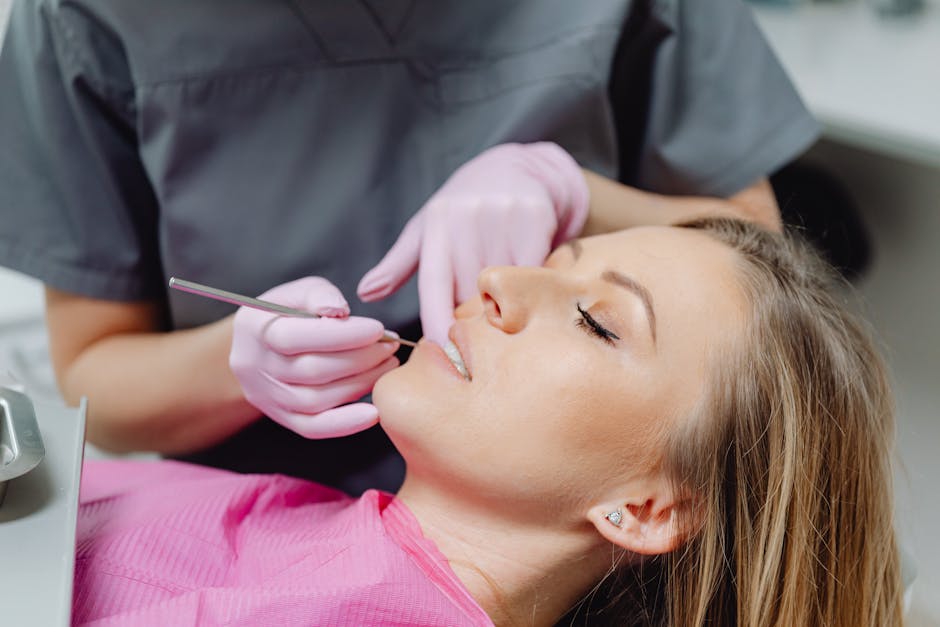
Periodontal screening is essential because soft-tissue inflammation can distort digital scans and mislead smile design decisions (gingival zeniths, papilla fill, and symmetry). If gingival bleeding or edema is present, the outcome may look “perfect” on-screen but fail clinically. For a focused periodontal overview, see clinical insights on early signs and risk factors for gum disease, which can support better triage before aesthetic procedures.
2) Digital photography: the foundation of smile design
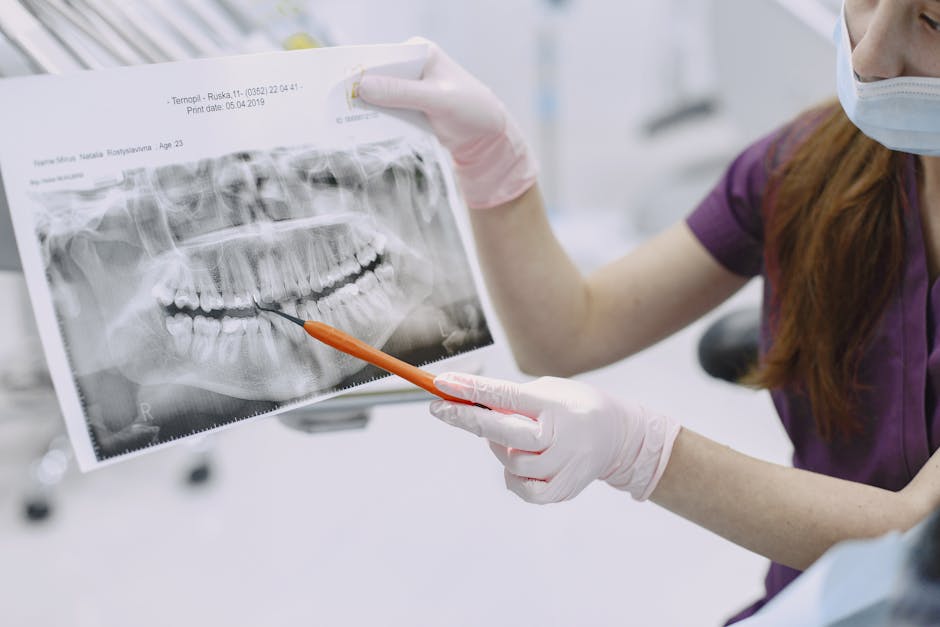
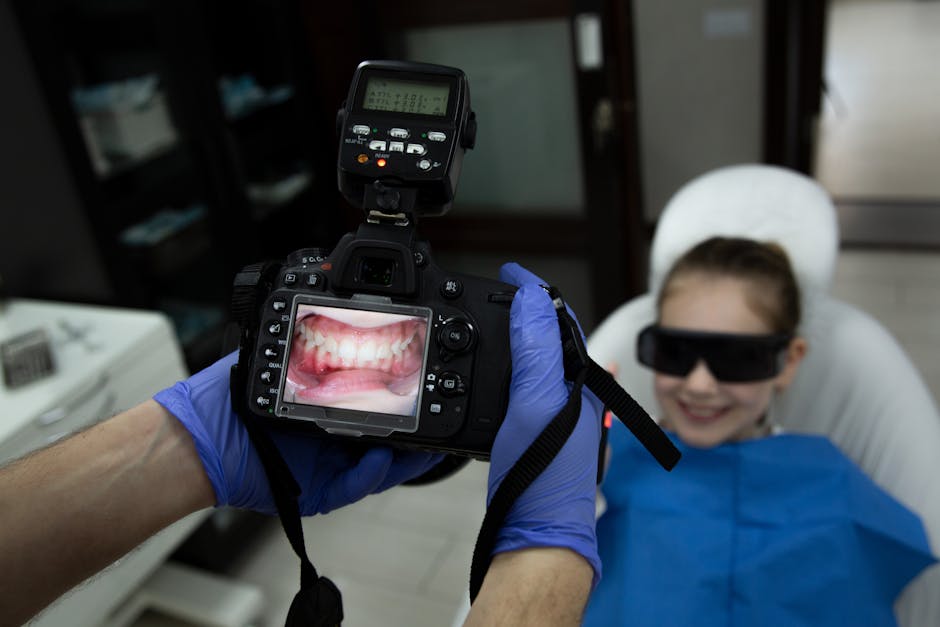
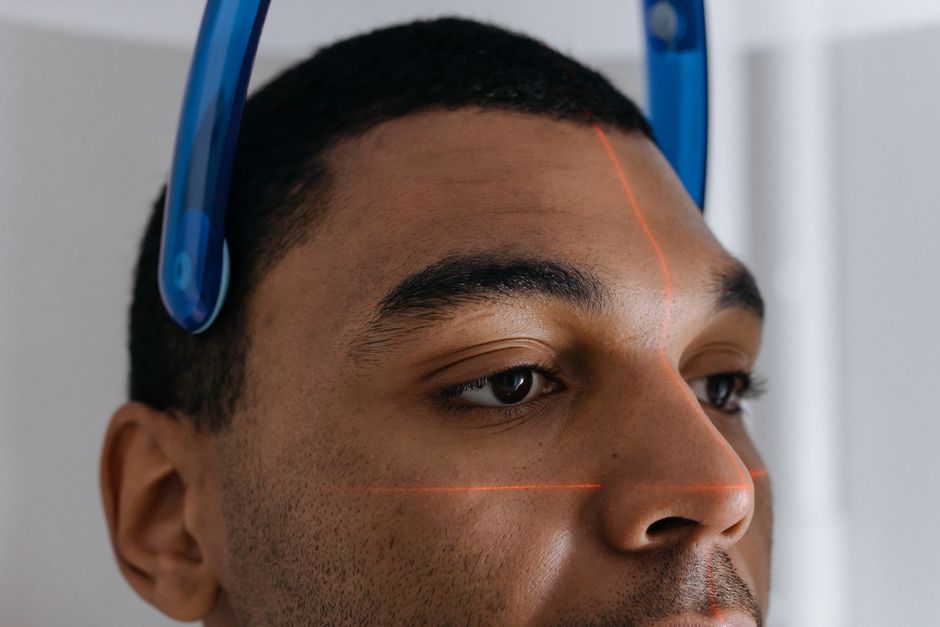
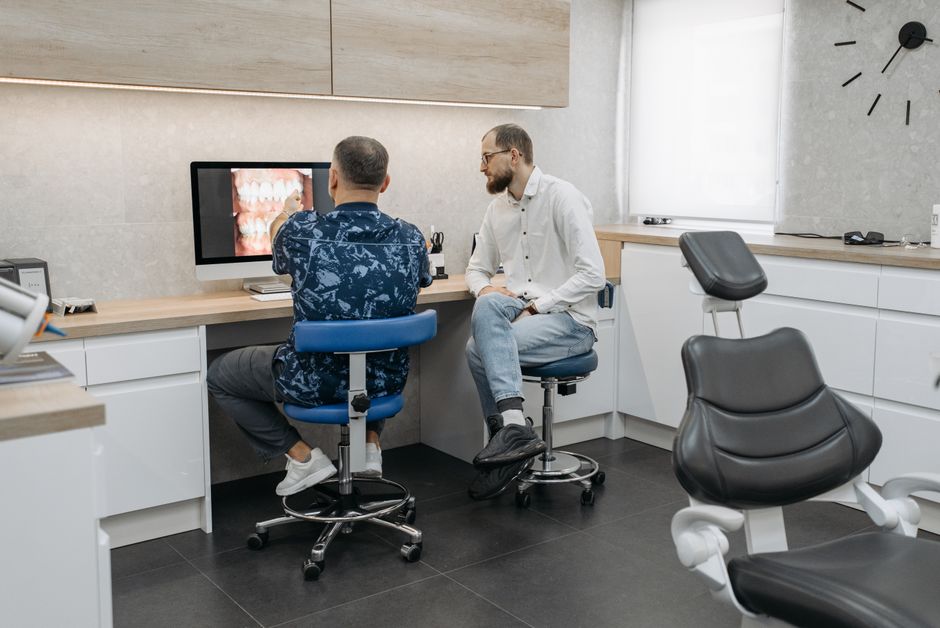
High-quality dental photography remains the backbone of digital smile design (DSD). Standardized images allow reproducible analysis of midline, smile arc, tooth proportions, buccal corridors, and lip dynamics. A recommended set often includes full-face at rest and smiling, retracted frontal views, lateral views, and occlusal shots. Short video clips (phonetics and smile) can add value by capturing dynamic lip-tooth relationships.
From an educational standpoint, photography is one of the fastest ways to improve planning accuracy and patient communication. At Istanbul Dental Academy, veneer planning is frequently taught alongside dental photography protocols to help clinicians build a consistent record-taking routine that integrates seamlessly with scanning and design.
3) Intraoral scanning (or lab scan) and data quality control
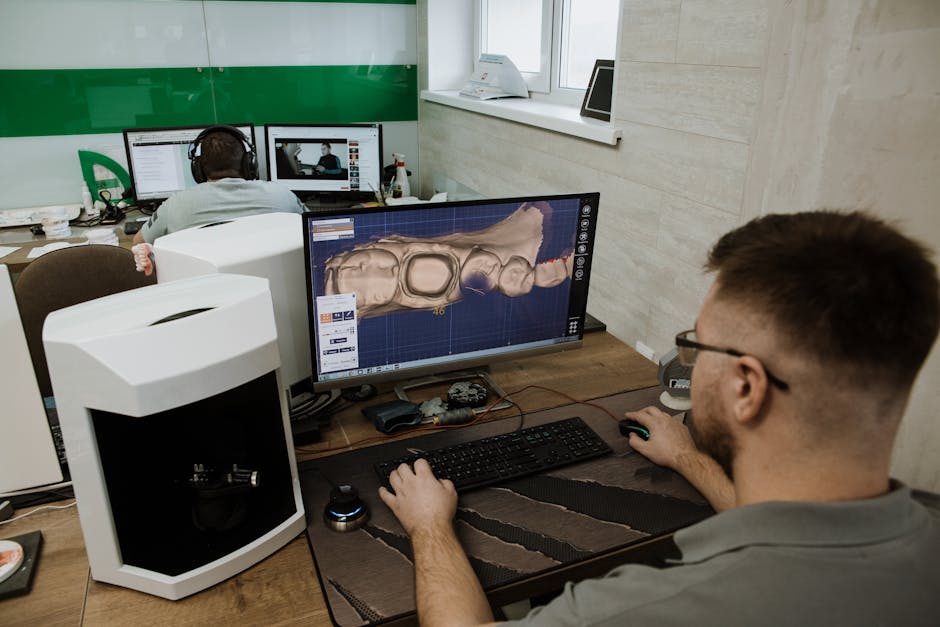
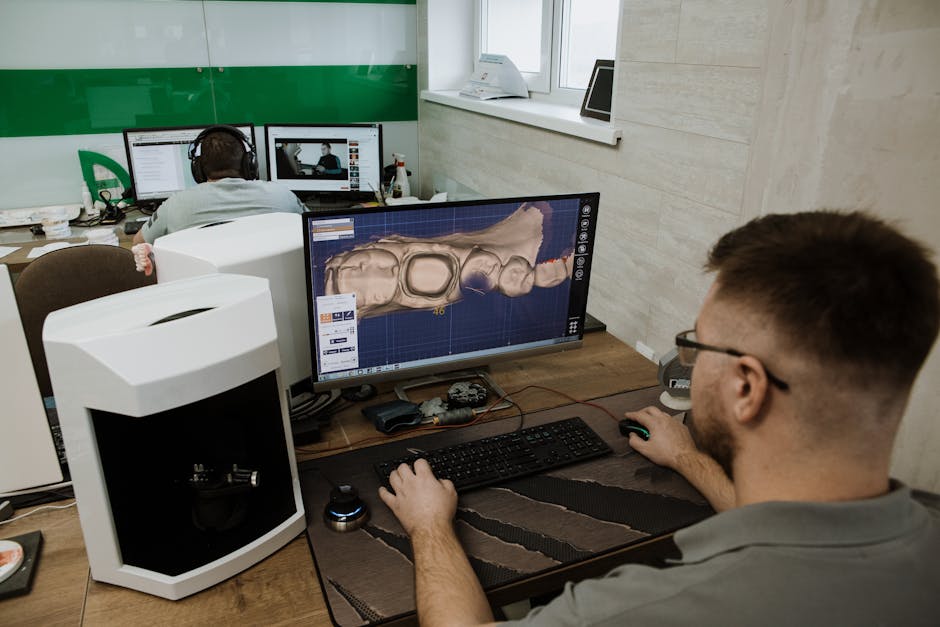
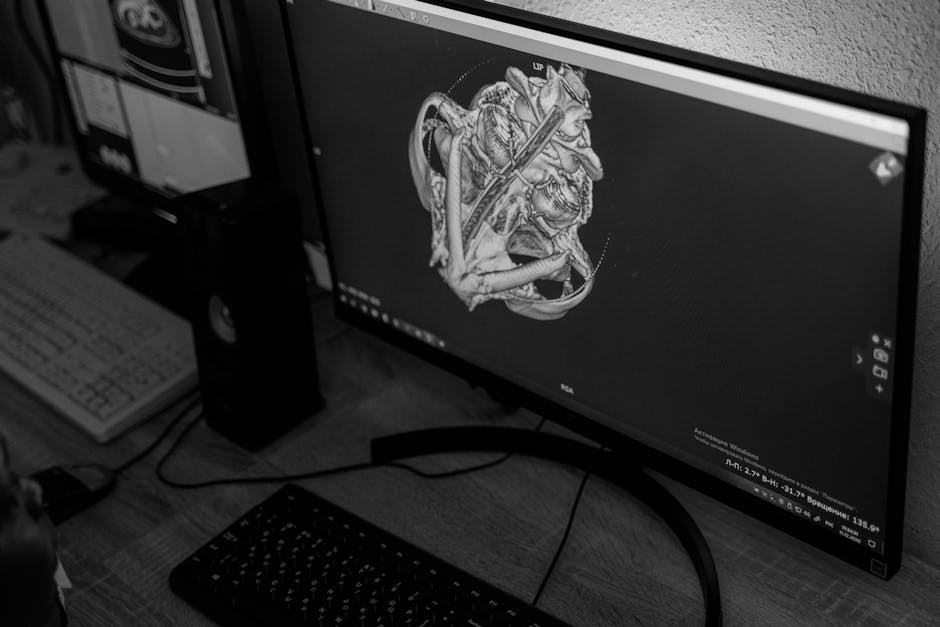
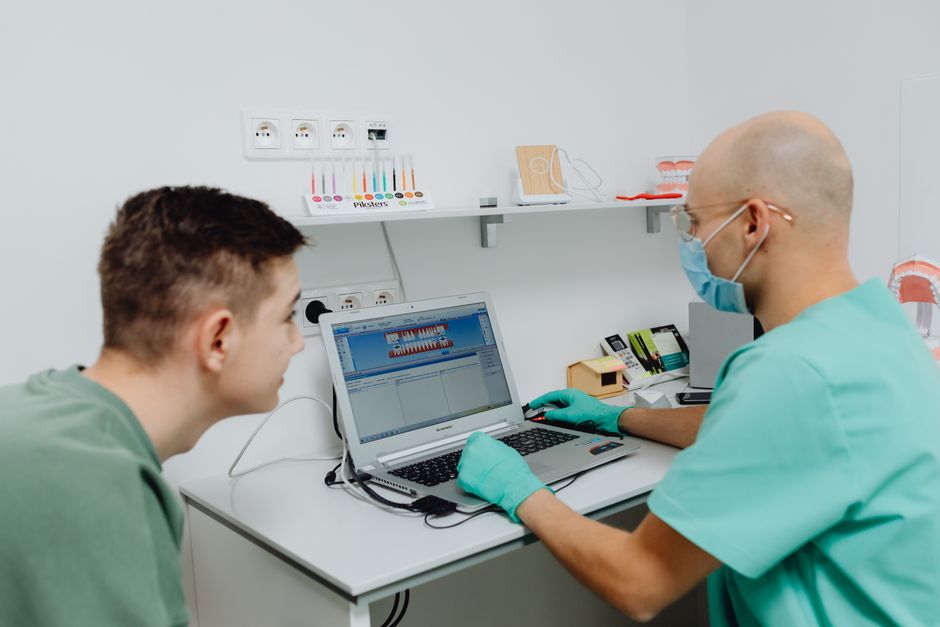
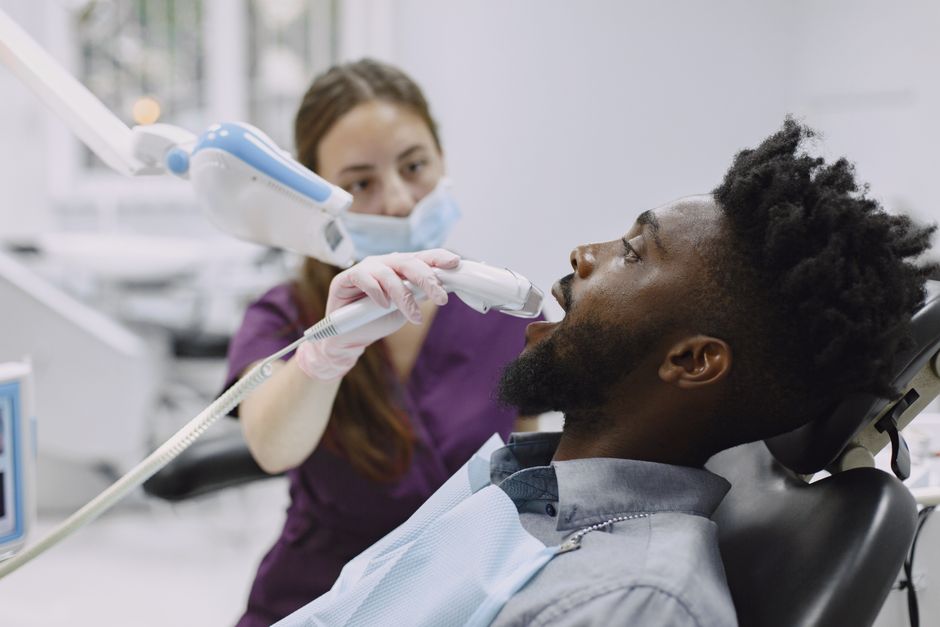
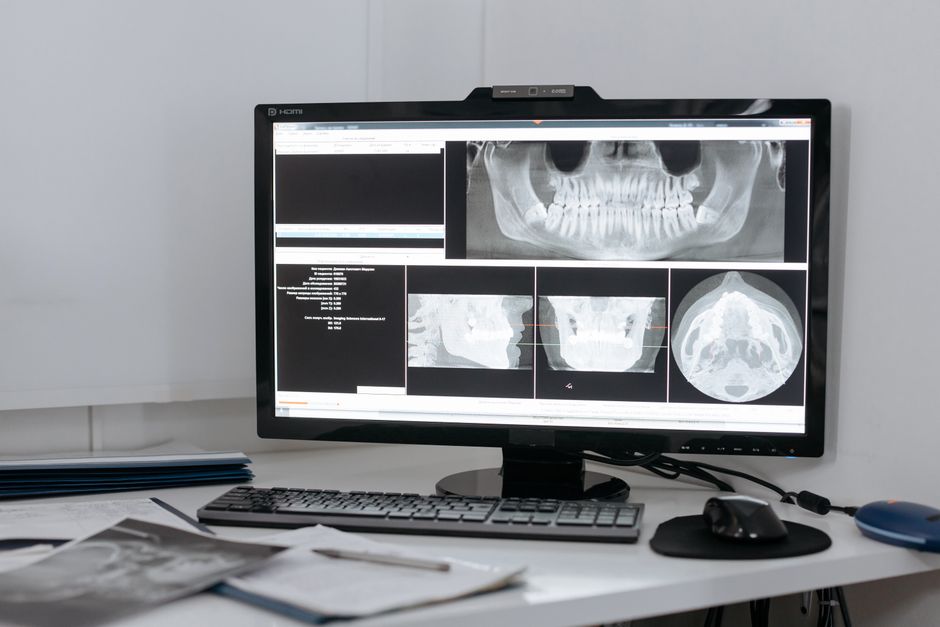
Intraoral scanners enable detailed capture of tooth morphology, occlusal relationships, and soft-tissue contours. However, scan quality determines design quality. Common pitfalls include stitching errors, incomplete margins, saliva contamination, and distorted gingival contours due to inflammation or retraction issues. A practical habit is performing an immediate “scan audit” chairside: verify occlusal contacts, cervical areas, and interproximal zones before dismissing the patient.
When scanning for veneers, clinicians should think ahead: Will the margin be supragingival? Will any finish line be partially subgingival for masking? If so, retraction and tissue management protocols become part of the digital plan, not an afterthought.
4) Digital wax-up: designing with function in mind
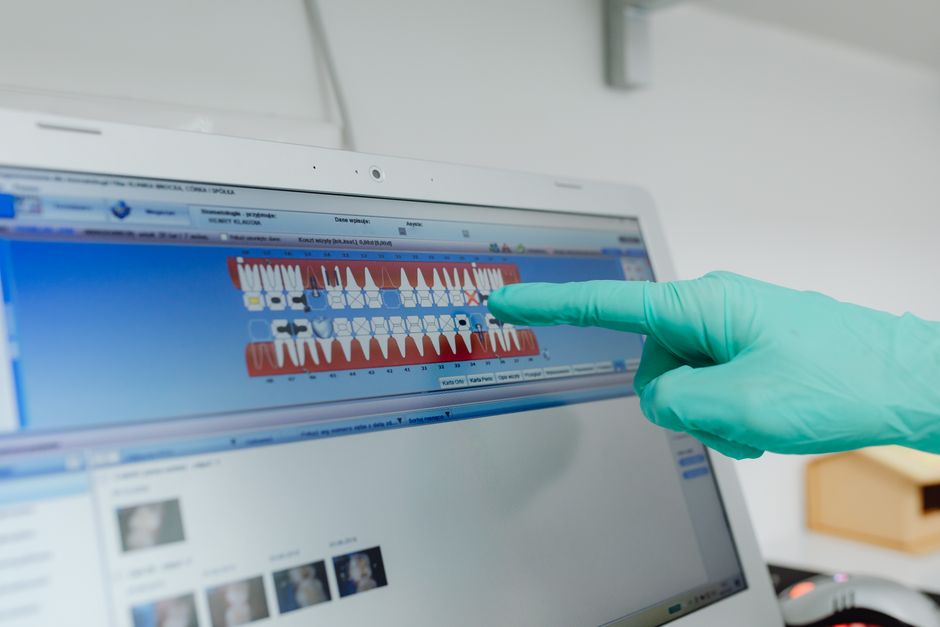
A digital wax-up is more than “making teeth whiter and straighter.” It is a functional proposal that should respect occlusion, anterior guidance, envelope of function, and phonetics. The wax-up can be created in dedicated smile design software or CAD modules and should be validated against: (1) facial reference lines (interpupillary line, midline), (2) lip dynamics, and (3) occlusal parameters.
Key design checkpoints include incisal edge position (often the most critical aesthetic and functional variable), emergence profile, contact point location (papilla support), and surface texture. The goal is not to over-design, but to create a restoratively realistic plan that can be delivered with predictable preparation and bonding protocols.
5) The “test drive”: printed models and mock-ups
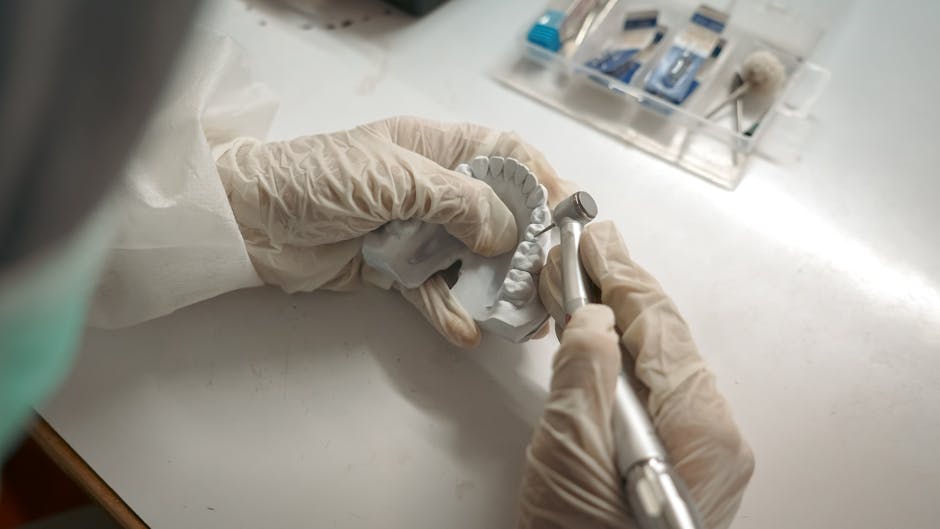
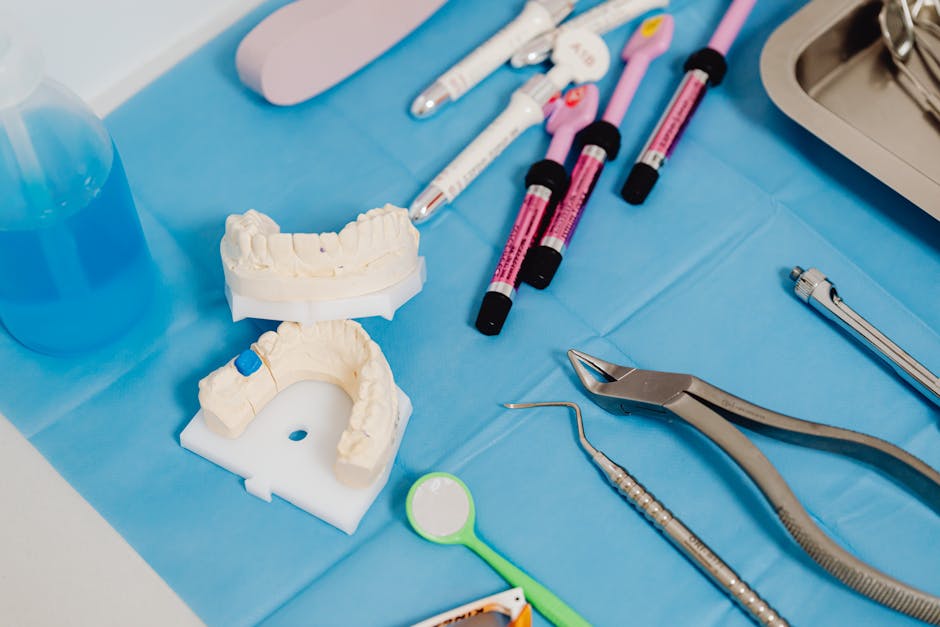
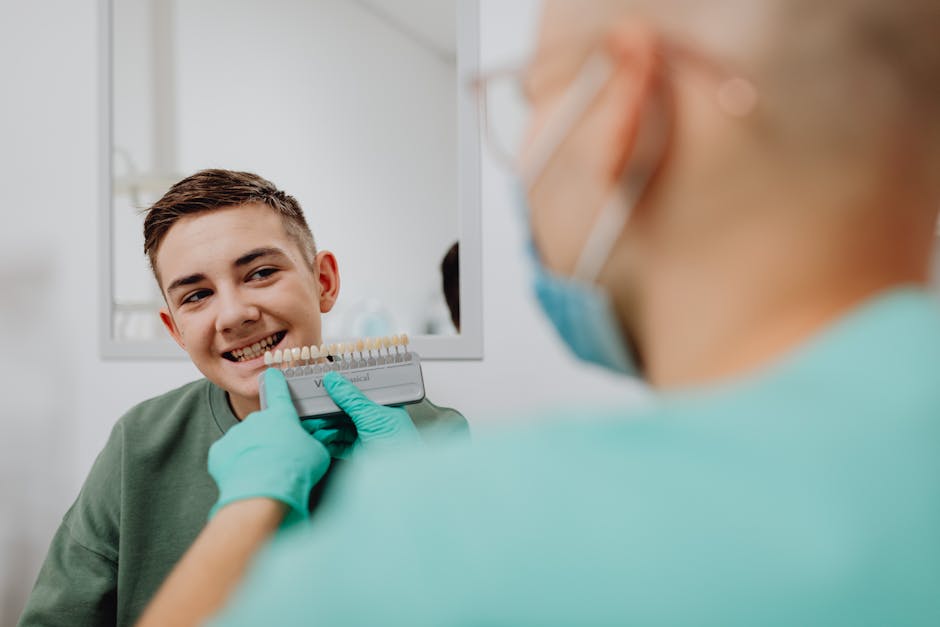
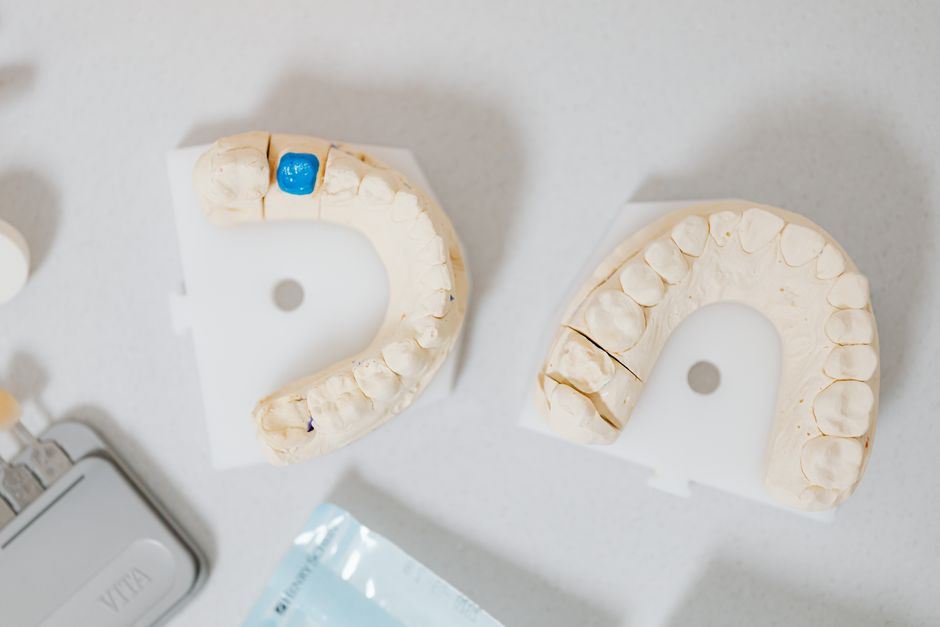
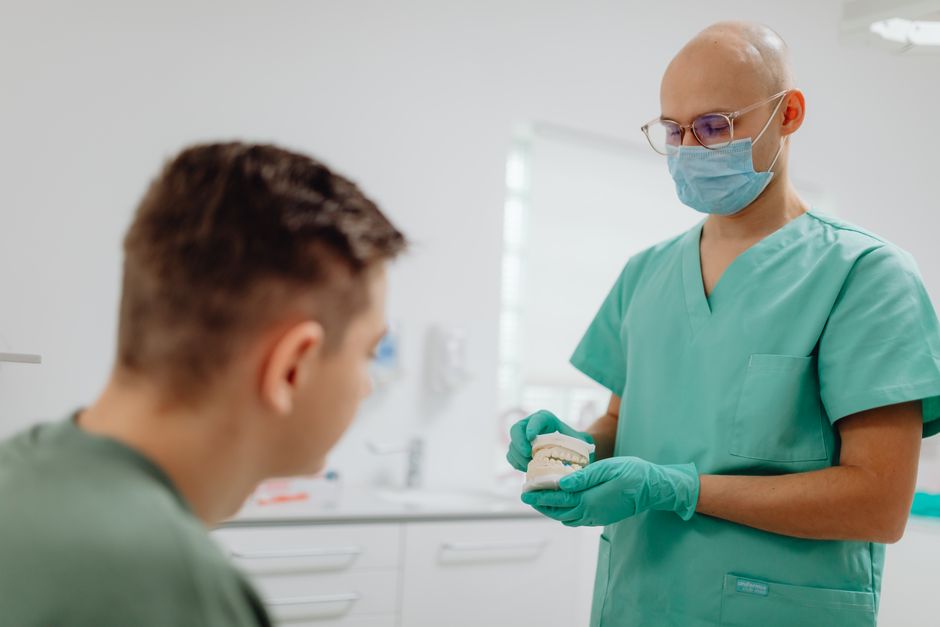
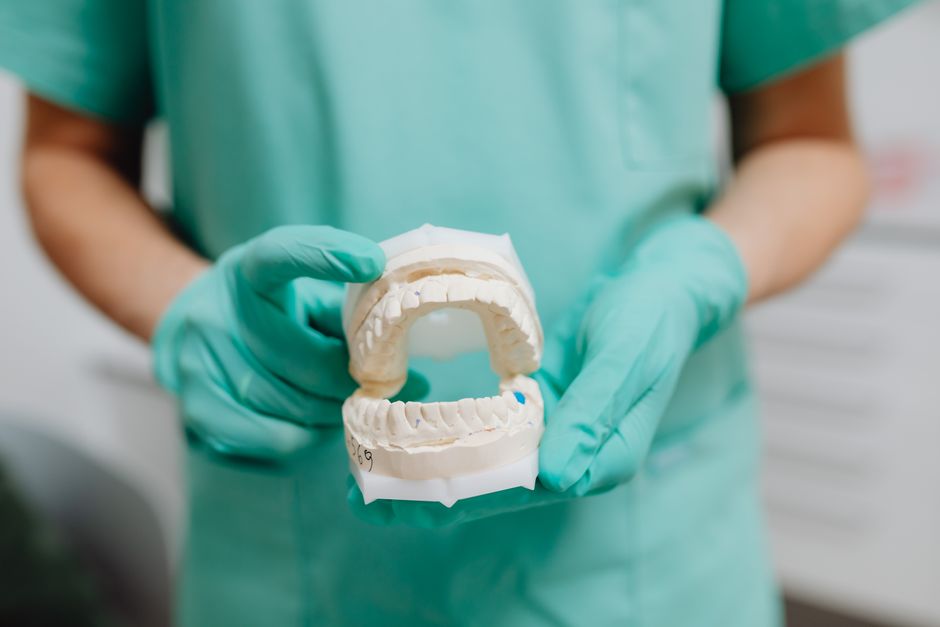
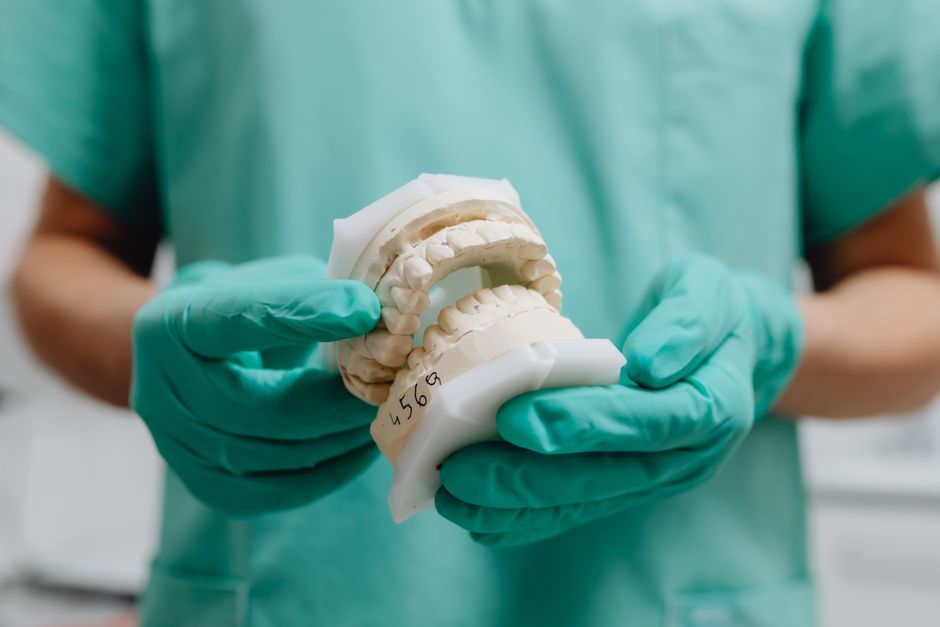
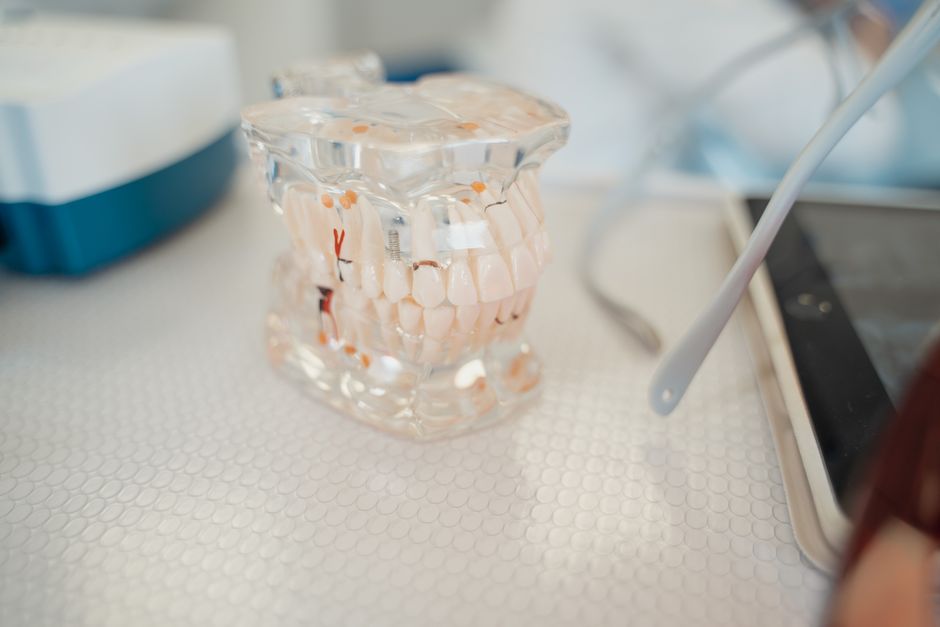
One of the most valuable advantages of digital dentistry is the ability to translate a digital wax-up into a clinical mock-up using printed models and silicone keys (or direct resin mock-ups). This lets both clinician and patient preview tooth length, contour, and incisal display before committing to irreversible changes.
From a training perspective, mock-ups are also a powerful teaching tool: they reveal where reduction is truly needed (and where it isn’t). This supports enamel preservation and helps clinicians avoid unnecessary aggressive preparation—especially in cases where additive or minimal-prep veneers may be feasible.
Preparation planning: minimal-prep, additive, and the enamel-first mindset
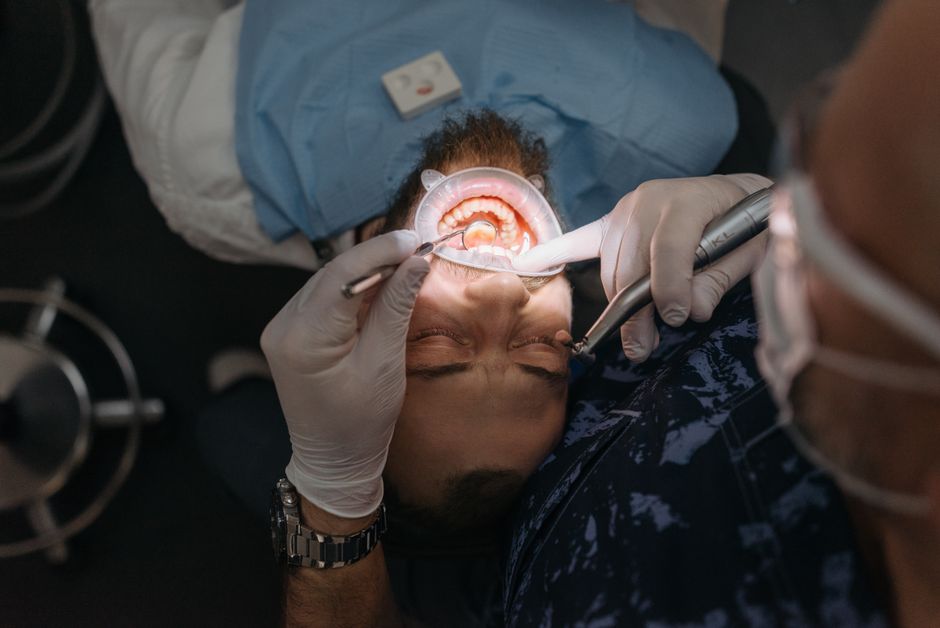
Contemporary veneer dentistry emphasizes controlled, guided reduction with maximum enamel preservation whenever clinically suitable. Digital planning supports this by allowing “reduction maps” or comparison overlays between the existing tooth and the wax-up.
Clinical considerations that may influence preparation depth include:
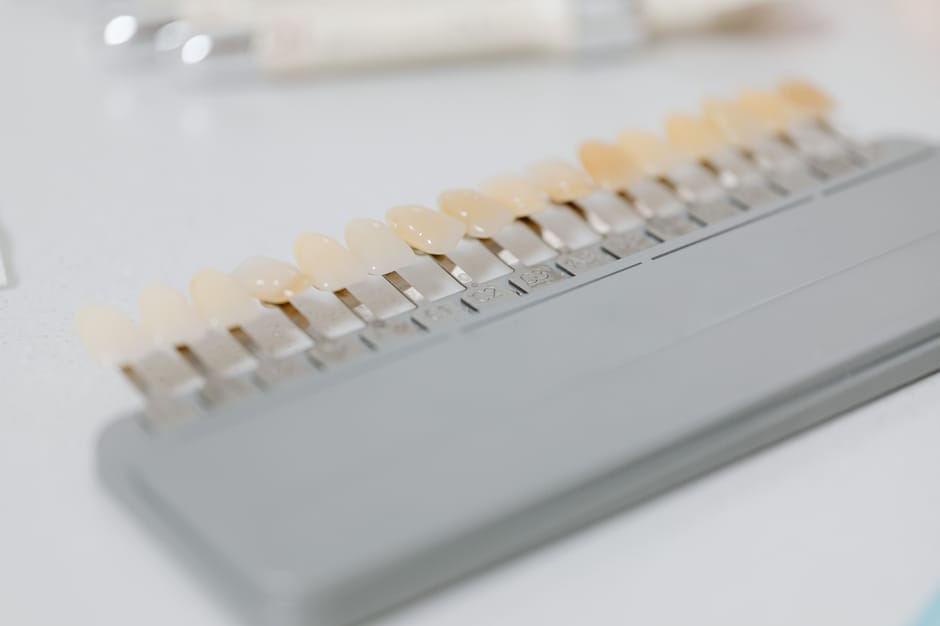
Discoloration: Severe intrinsic staining may require more space for ceramic thickness and opacity control.
Alignment and volume: Rotations or labial prominence can necessitate selective reduction to avoid over-contouring.
Margins and hygiene: Supragingival margins can improve cleansability and bonding predictability, but must align with aesthetic requirements.
Parafunction: Occlusal risk may influence ceramic selection and thickness, as well as protective splint planning.
Digital tools do not replace clinical skill; rather, they make preparation decisions measurable and repeatable—especially useful in educational settings where beginners benefit from visual guides and objective checkpoints.
Interdisciplinary thinking: when veneer planning meets implants
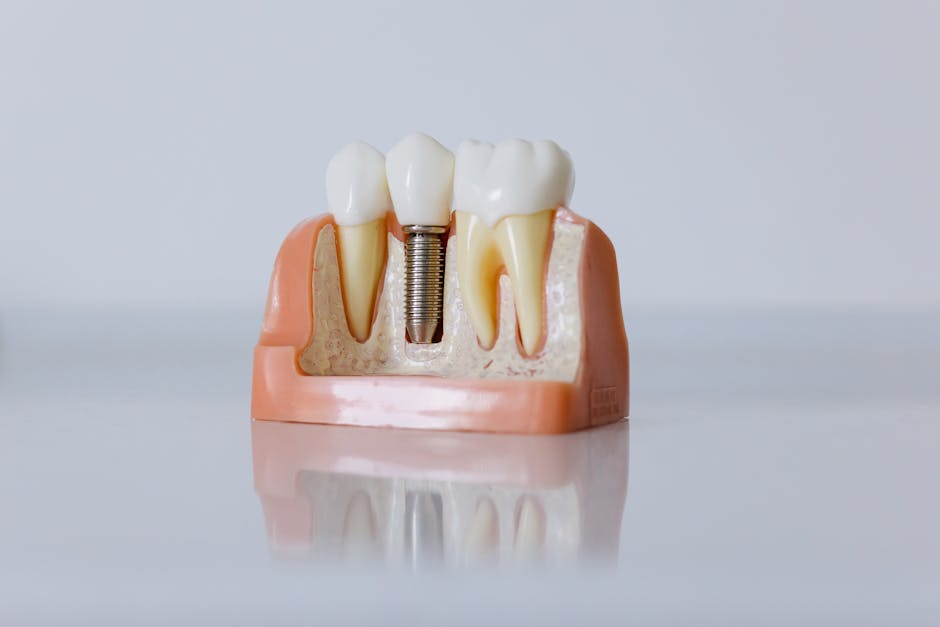
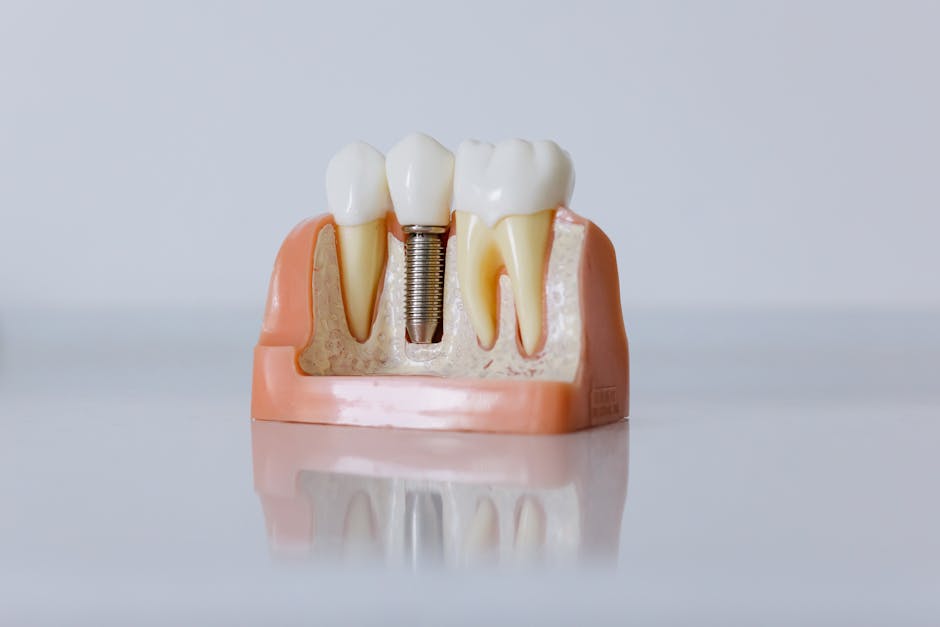
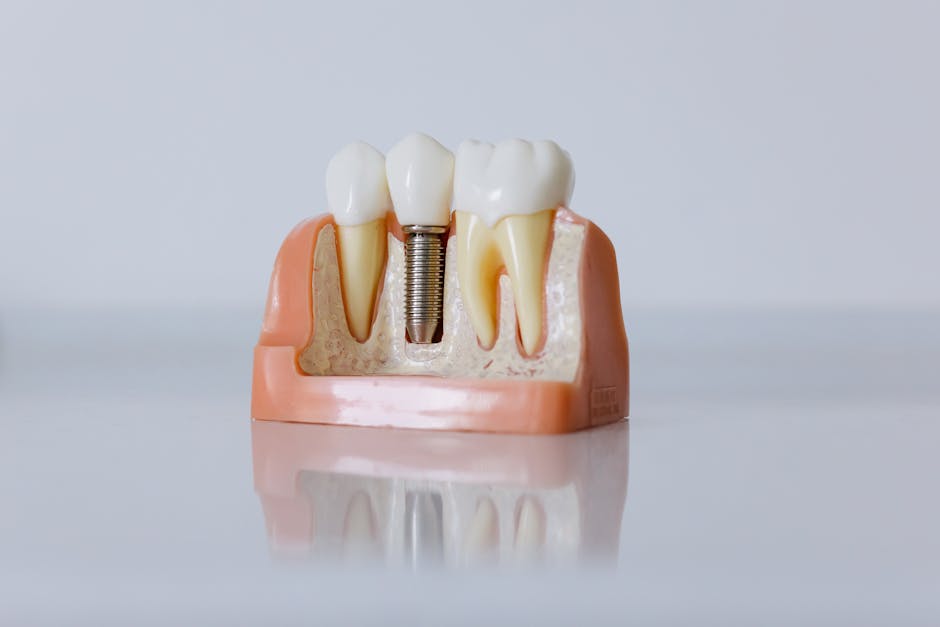
Many aesthetic cases are not “veneers only.” Missing teeth, failing restorations, or compromised roots may require implant-supported solutions alongside veneer-based smile design. In such scenarios, digital planning can unify the prosthetic end goal (tooth position and gingival architecture) with surgical decision-making (implant position, emergence profile, and provisionalization).
For example, if a patient presents with a compromised anterior tooth that may not be restorable, the timeline and esthetic strategy change significantly. Clinicians often explore extraction with immediate implant placement when appropriate; the key is that implant planning must be prosthetically driven and coordinated with the smile design blueprint. For an educational overview of this workflow, read a clinical guide to same-day extraction and immediate implant placement.
Bone and soft-tissue prerequisites in aesthetic zones
In the anterior region especially, veneer aesthetics depend on gingival symmetry and papilla stability—features that are also influenced by underlying bone volume. If implants are part of the plan, bone grafting decisions may affect not only implant survival but also the final smile frame. Understanding current grafting materials, indications, and limitations supports better interdisciplinary planning; see current approaches to bone grafting techniques in implant dentistry for a clinician-oriented discussion.
Learning from common pitfalls: digital planning cannot fix surgical errors
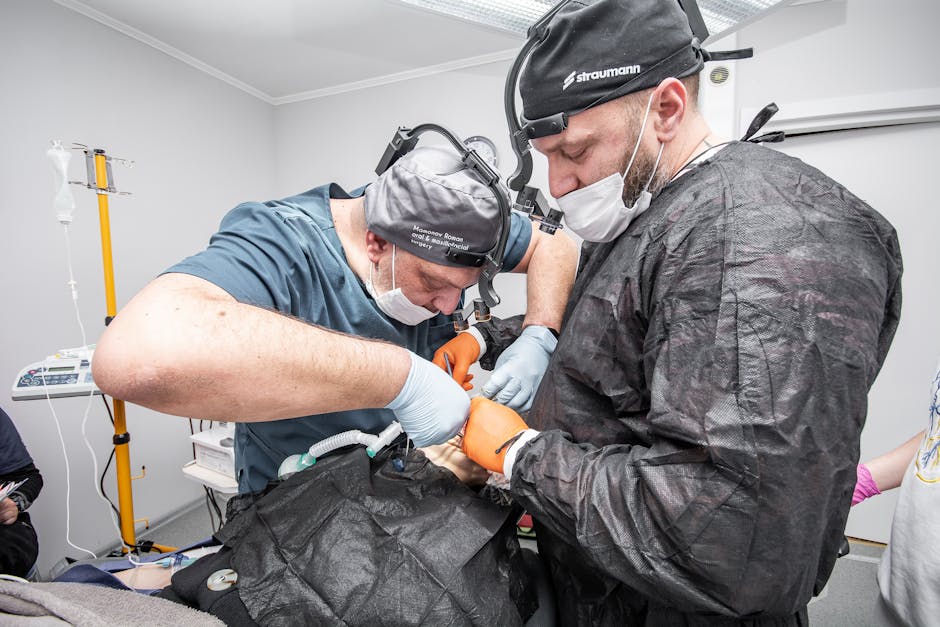
Digital tools can simulate ideal outcomes, but they cannot compensate for poor execution—especially in implant surgery. If implant positioning is incorrect, the restoration may require compromised contours that affect hygiene, soft tissue stability, and overall aesthetics, which can undermine even the most meticulous veneer work nearby. For a practical review of avoidable errors, consider implant surgery mistakes beginners make—and how to prevent them.
Systemic factors: planning around diabetes and healing risk
Medical history matters in smile design cases that may involve surgery, tissue management, or prolonged treatment. Diabetes, for example, can influence periodontal health, healing response, and infection risk. While many patients can be treated successfully with appropriate assessment and collaboration, clinicians should evaluate systemic status carefully and communicate realistic expectations. For an educational primer, see what clinicians should know about dental implants for patients with diabetes. Even in veneer-focused cases, this perspective helps teams plan sequencing, maintenance, and risk communication.
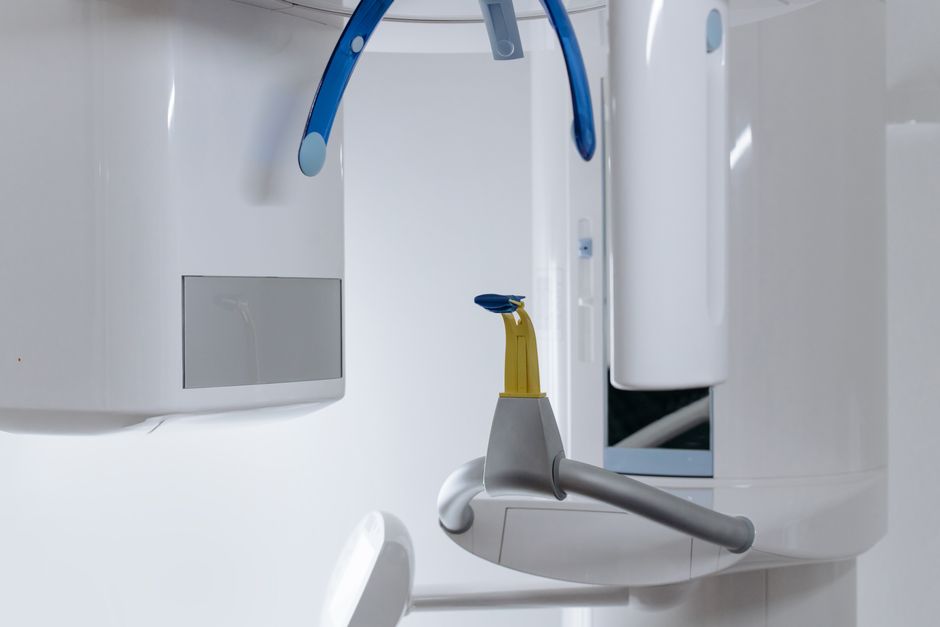
Material and manufacturing choices in a digital veneer workflow
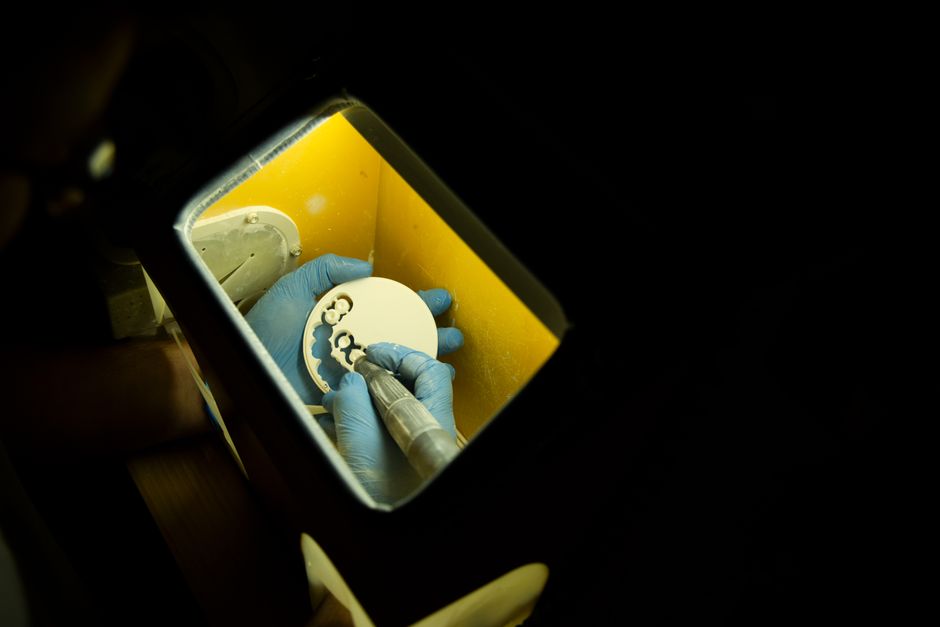
Digital planning naturally connects to digital manufacturing, but the “best” material depends on clinical conditions and laboratory collaboration. Commonly used ceramics for laminate veneers may include feldspathic porcelain and lithium disilicate, selected based on aesthetic demands, available enamel for bonding, and functional load.
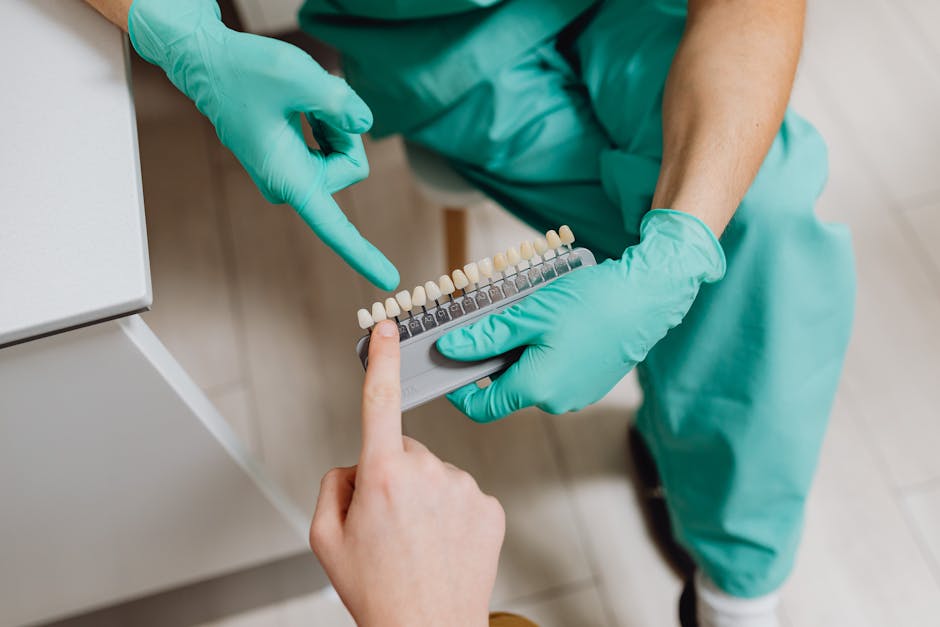
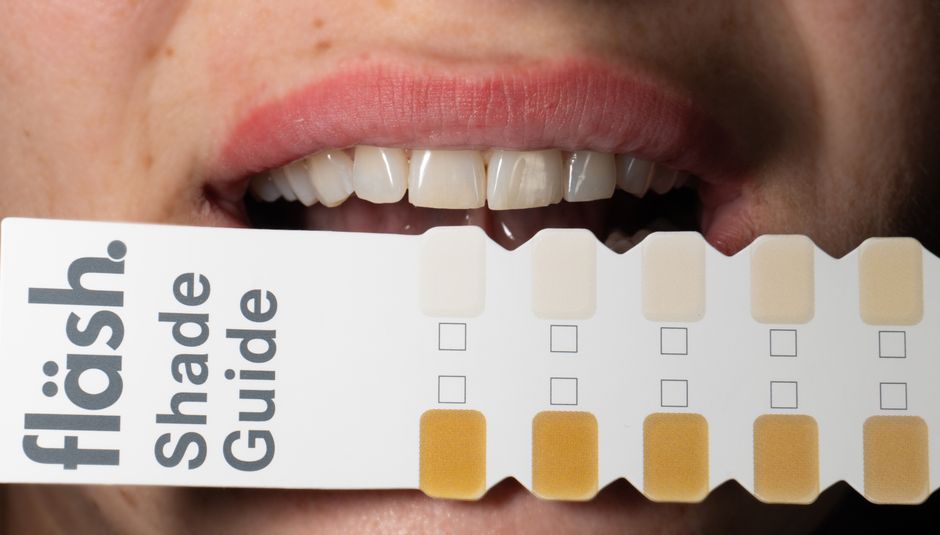
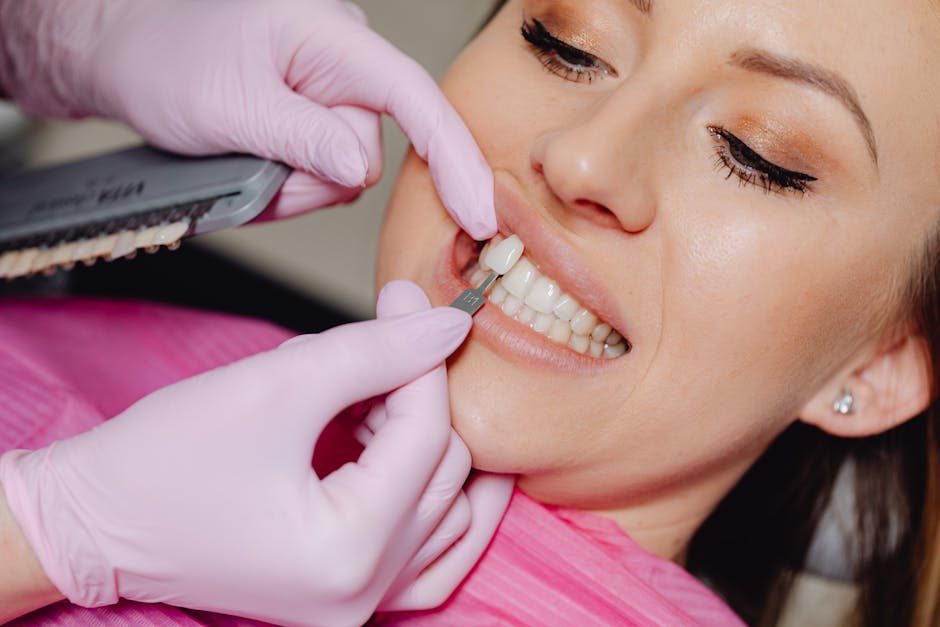
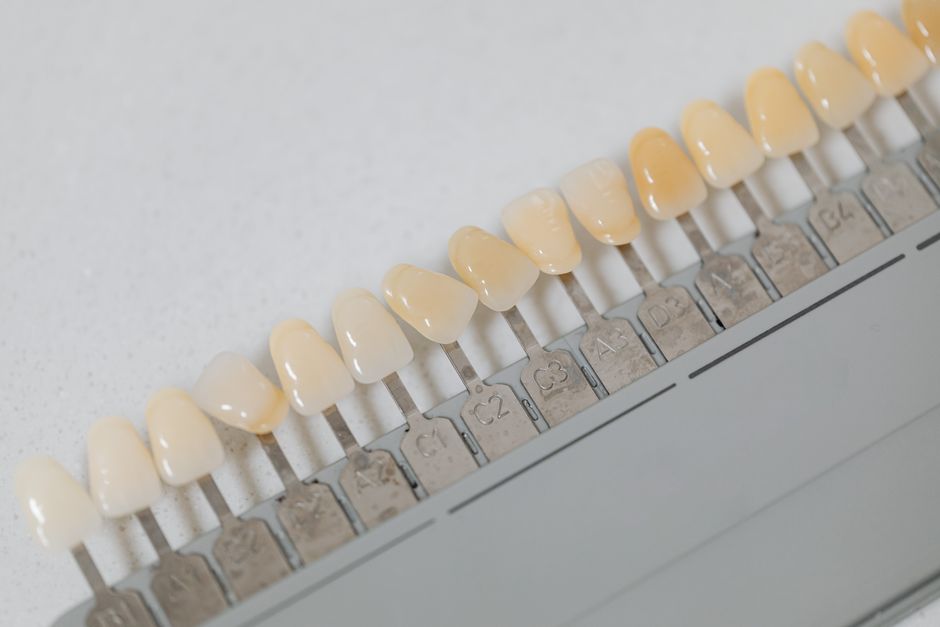
CAD/CAM workflows can improve turnaround time and standardization, yet highly characterized, layered ceramics still play an important role in elite aesthetic cases. The key is matching the design (thickness, translucency, surface texture) with an appropriate material strategy and realistic shade protocol—supported by accurate photography and consistent lighting.
Communication: aligning patient expectations with measurable planning
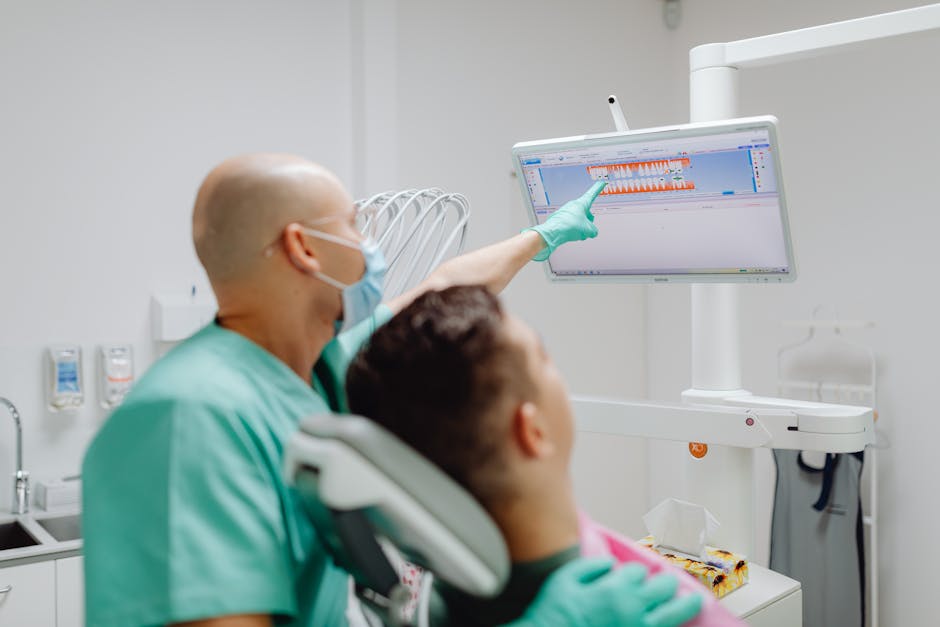
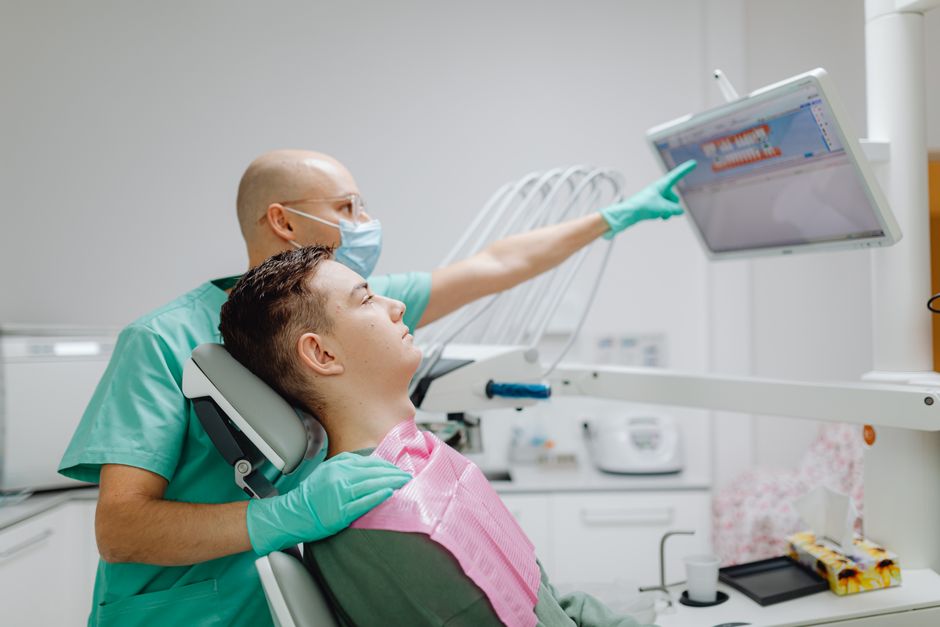
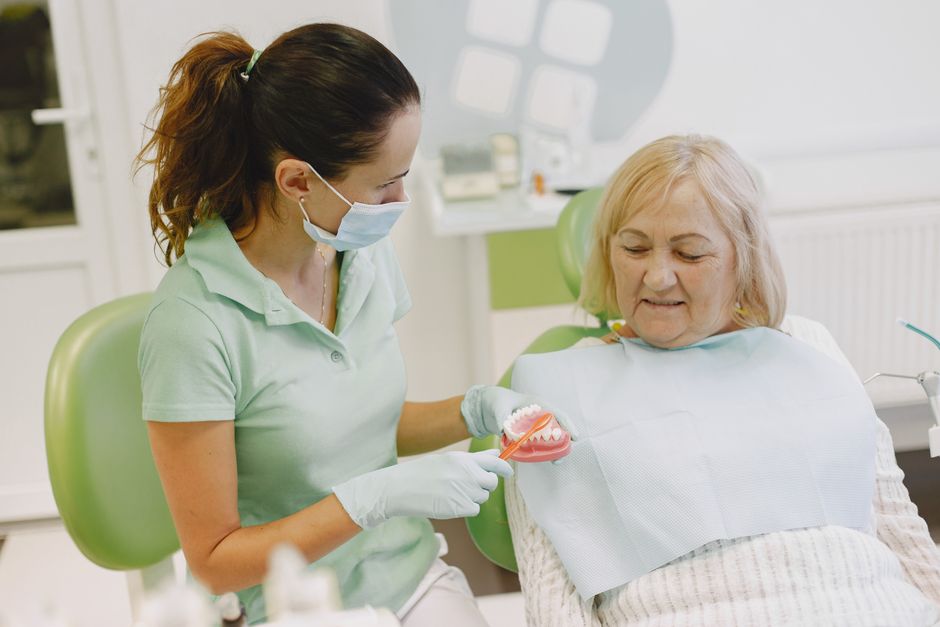
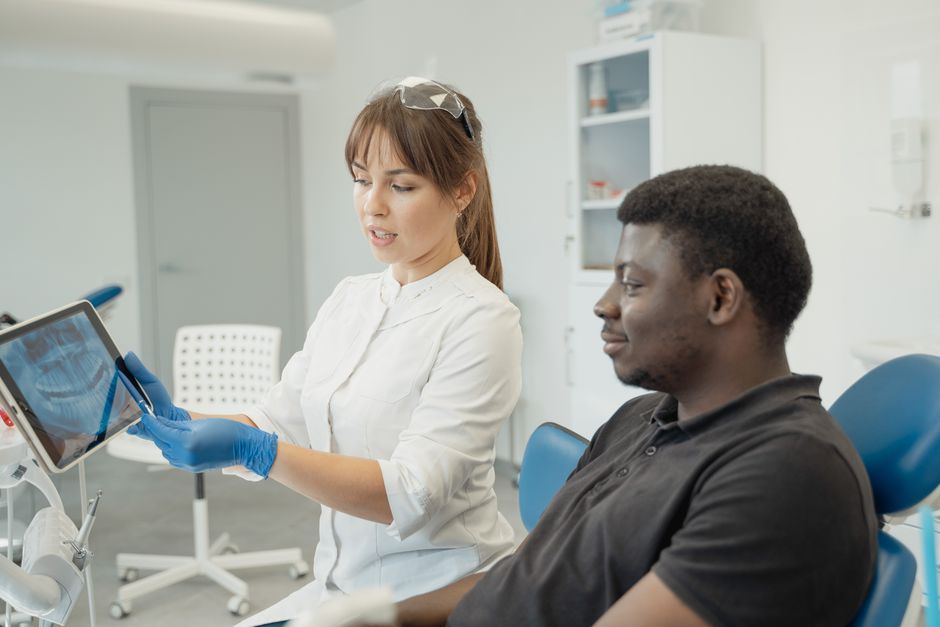
One of the strongest benefits of digital veneer planning is communication: patients can visualize potential outcomes, while clinicians can explain limitations and trade-offs clearly. Useful communication tools include side-by-side comparisons, calibrated smile design overlays, and mock-up try-ins.
However, ethical communication is essential. Digital simulations are not guarantees; they are planning aids. Explaining that final results depend on biological variables (tissue response), material behavior, and clinical execution helps prevent misunderstandings and supports informed consent. This content is for educational purposes and does not constitute medical or treatment advice.
How Istanbul Dental Academy supports clinicians in digital veneer planning
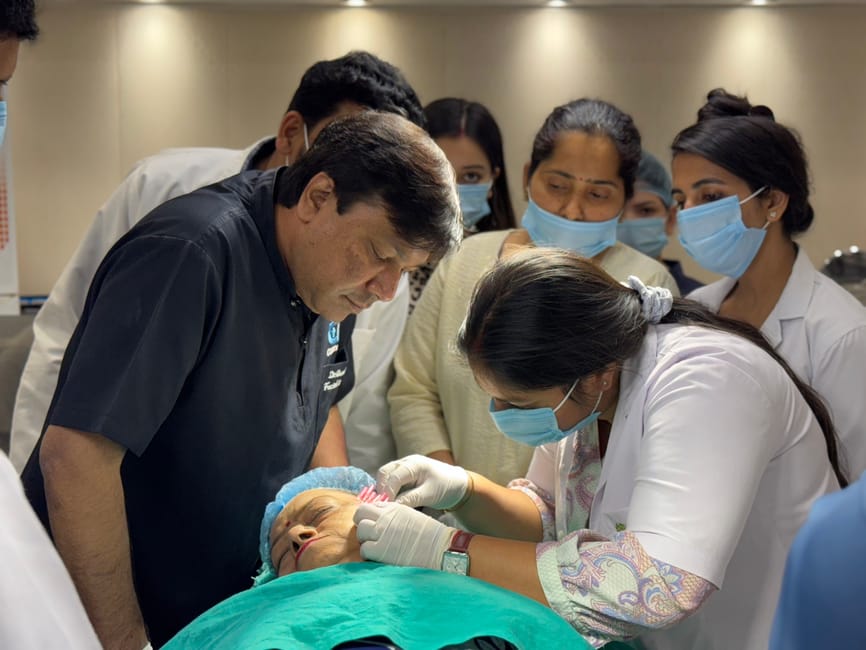
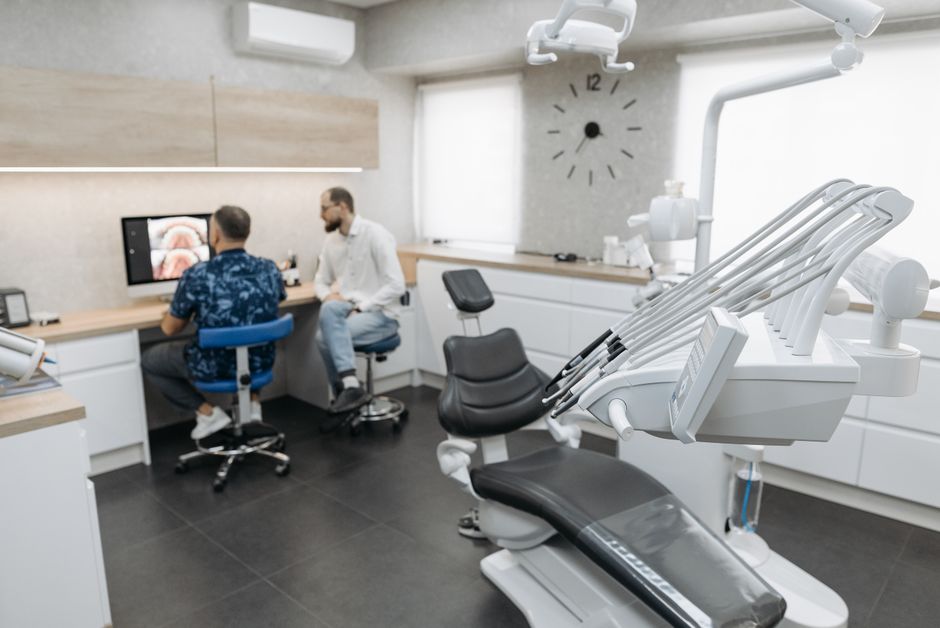
Digital veneer planning is not a single software skill—it’s a workflow that merges diagnosis, photography, scanning, occlusal principles, preparation design, and adhesive protocols. Istanbul Dental Academy integrates these steps into continuing dental education with an emphasis on hands-on training, allowing participants to practice records, digital wax-ups, mock-up transfer, and preparation guidance in a structured environment.
For dentists and dental students looking to strengthen predictability in aesthetic cases, focusing on repeatable protocols—rather than “one-off artistry”—can make veneer outcomes more consistent, measurable, and teachable across the clinic team.
Key takeaways
Digital dentistry improves predictability in laminate veneer planning through standardized records, measurable design, and mock-up validation.
Biology still leads the plan: periodontal stability, enamel preservation, and functional occlusion remain central.
Interdisciplinary cases benefit most: when implants, grafting, or extractions are involved, a single digital end goal supports better sequencing and communication.
Education is workflow-based: mastering photography, scanning, wax-ups, and guided preparation is what turns digital tools into clinical outcomes.
Diğer Yazılar