
BLOG
All-on-4 vs All-on-6: Key Differences for Full-Arch Implant Planning
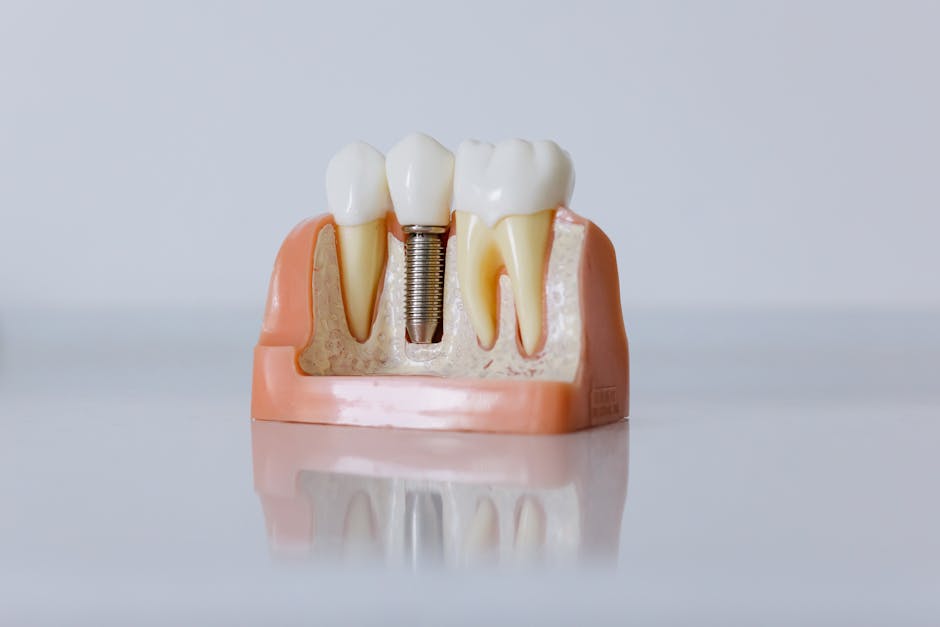
Understanding Full-Arch Implant Concepts in Modern Prosthodontics
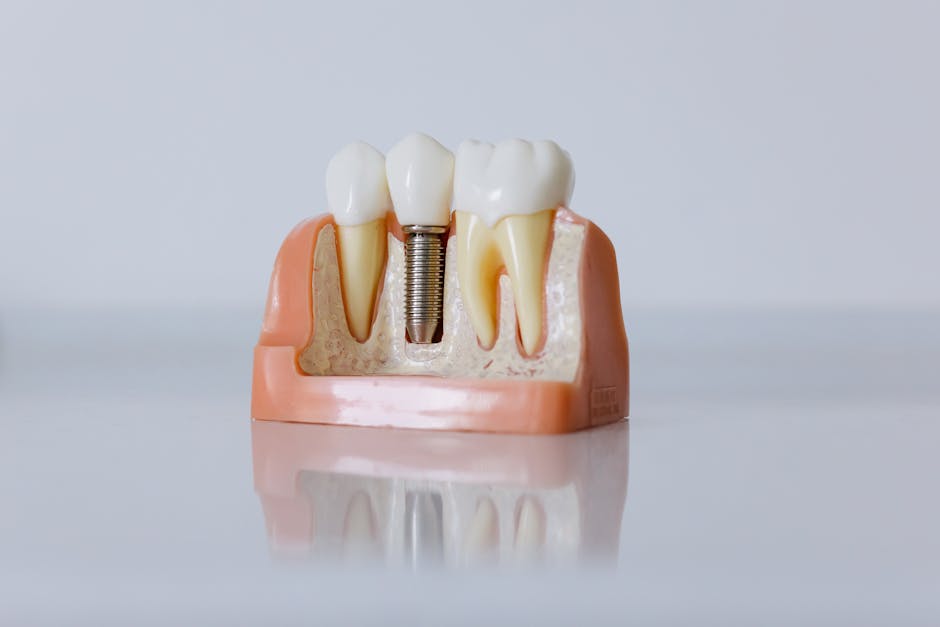
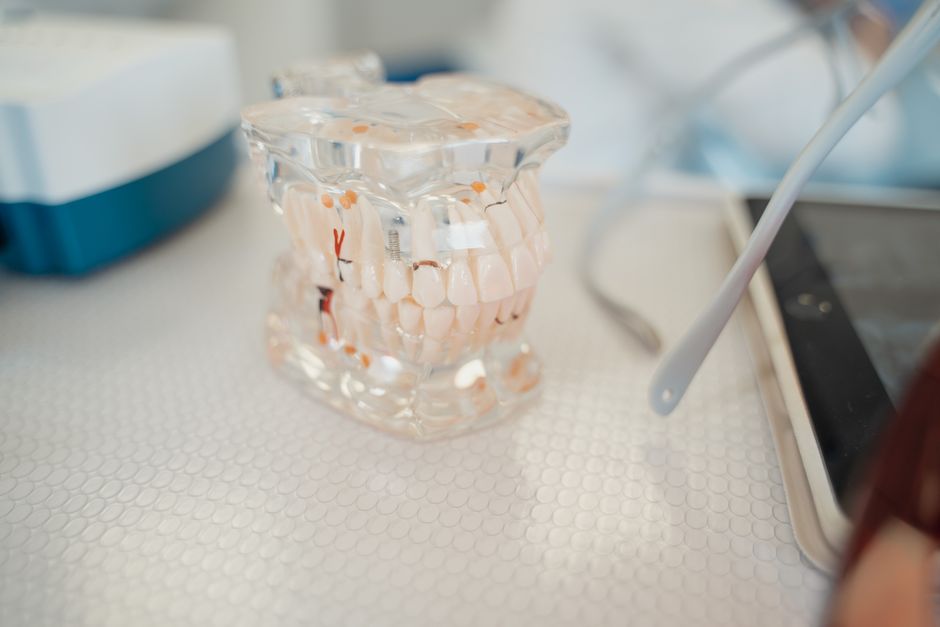
For clinicians navigating complete-arch rehabilitation, the “All-on” concepts have become a cornerstone of contemporary implant dentistry—especially in cases where patients present with terminal dentition, severe tooth loss, or failing prostheses. In broad terms, All-on-4 and All-on-6 describe full-arch restorations supported by four or six implants, typically combined with a fixed hybrid or fixed full-arch prosthesis.
Yet the choice is rarely just a matter of “more implants is better.” Implant number influences biomechanics, surgical complexity, prosthetic design, cost, maintenance, and how you manage risks such as posterior bone limitations, occlusal loading, and soft-tissue stability. This article is for educational purposes and aims to help dental professionals compare the two approaches in a clinically meaningful way—while highlighting how structured continuing education and hands-on training at Istanbul Dental Academy can strengthen full-arch decision-making.
All-on-4 vs All-on-6: What the Terms Really Mean
All-on-4 in a nutshell
All-on-4 typically uses two anterior implants (often relatively axial) and two posterior implants placed with a distal tilt to improve anteroposterior (A–P) spread and reduce cantilever length when posterior bone height is limited. This concept is frequently discussed alongside immediate loading protocols, but immediate loading is not automatically indicated for every All-on-4 case.
All-on-6 in a nutshell
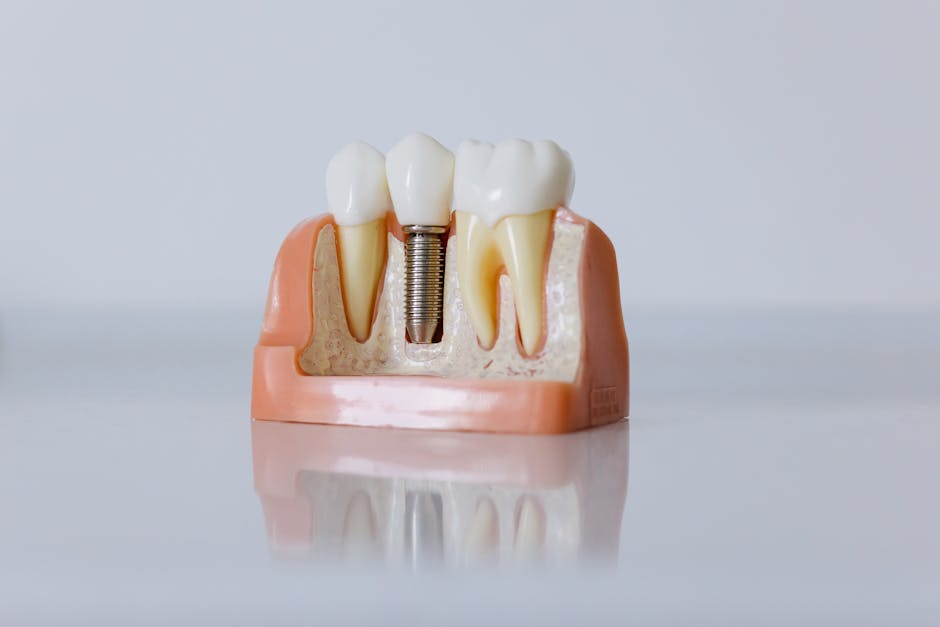
All-on-6 usually places six implants across the arch to distribute forces over more fixtures. It may allow a shorter distal cantilever and can support certain prosthetic designs with increased flexibility. However, it often requires adequate bone volume (or grafting), and the surgical/prosthetic workflow may be more involved.
Core Differences That Affect Clinical Planning
1) Biomechanics and load distribution
From a biomechanical viewpoint, adding implants can reduce the load per implant and may improve redundancy if one implant fails. That said, the clinical reality depends on multiple variables: implant diameter/length, bone density, implant distribution, prosthetic material, occlusal scheme, parafunction, and cantilever design.
All-on-4 relies heavily on strategic implant positioning and prosthetic planning to control cantilevers and manage bending moments. All-on-6 can offer a broader distribution, but it is not immune to mechanical complications if occlusion, passivity, or prosthetic material selection is suboptimal.
2) Bone availability and anatomy
One reason All-on-4 became widely adopted is its ability to work around posterior anatomical limitations (e.g., maxillary sinus pneumatization, reduced posterior mandibular height above the inferior alveolar nerve). Tilted posterior implants may help engage available bone without extensive grafting in select cases.
All-on-6 can be ideal when bone volume permits a more uniform implant distribution. In some patients, however, achieving six well-positioned implants may require advanced site development. Soft-tissue and mucogingival considerations matter too—especially if you anticipate high smile lines, thin biotype, or a need for tissue augmentation.
For clinicians exploring tissue management options, Istanbul Dental Academy also covers emerging biomaterials in periodontology and implant adjuncts. For example, you may find it useful to review Asellüler Dermal Matriks: Diş Hekimliğinde Kullanımı to understand how soft-tissue approaches can complement full-arch planning in selected cases.
3) Surgical complexity and risk management
All-on-4 may reduce the number of osteotomies and implants, which can shorten surgical time in some workflows. However, tilted implant placement requires precise angulation control, often benefiting from surgical guides and a well-rehearsed protocol to avoid positional errors that complicate prosthetics.
All-on-6 adds implants and therefore adds surgical steps and potential sites for complications, but it may reduce reliance on long cantilevers and can provide a more forgiving distribution in certain arches. In both concepts, clinicians should approach patient selection carefully, considering systemic factors, smoking, periodontal history, and hygiene capacity.
When systemic conditions are involved, risk stratification becomes essential. Istanbul Dental Academy discusses evidence-informed considerations for medically complex patients in resources such as Dental Implants for Patients with Diabetes: What Clinicians Should Know, which can support more structured pre-op assessment and patient communication.
4) Immediate loading: possibility vs predictability
Many patients request “teeth in a day,” and some clinics market one-day solutions aggressively. Clinically, immediate loading can be successful when primary stability, implant distribution, and prosthetic design meet specific criteria. But clinicians must distinguish what is possible from what is predictable for a given patient.
All-on-4 is commonly associated with immediate provisionalization, yet not every case is suitable—especially in poor bone quality, uncertain insertion torque, or when occlusal risk is high. All-on-6 may support immediate loading as well, but the same biological and mechanical prerequisites still apply.
For a nuanced, educational discussion on timing and workflow, see Is One-Day Dental Implant Treatment Really Possible? and consider how protocols can be standardized through hands-on courses and supervised clinical simulations.
5) Prosthetic design options and maintenance
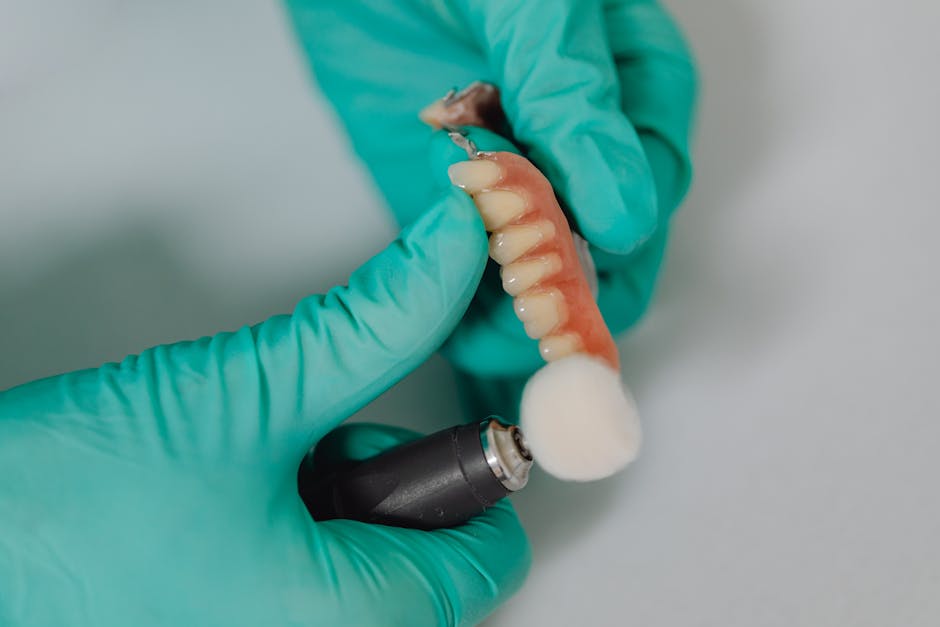
Whether you choose All-on-4 or All-on-6, the prosthesis must be designed for hygiene access, strength, and retrievability. Common restorations include screw-retained full-arch hybrids with metal frameworks and acrylic/composite teeth, or monolithic/segmented zirconia solutions depending on vertical space, esthetic demands, and parafunction.
All-on-4 often requires careful management of prosthetic cantilever and the occlusal scheme to reduce posterior overload. All-on-6 may allow a shorter cantilever and can sometimes provide more flexibility in segmenting the prosthesis or distributing occlusal contacts—though again, material selection and passive fit remain critical.
Clinical Indications: When Each Approach May Be Considered
There is no universal rule, but the following educational frameworks can help clinicians structure their thinking.
All-on-4 may be considered when:
• Posterior bone height/width is limited and a tilted approach can avoid extensive grafting in selected cases.
• A simplified implant count supports the planned budget and maintenance model.
• The team has strong experience with guided surgery and immediate provisional workflows.
• The occlusal plan can control cantilever forces, particularly in the mandible and in parafunctional patients.
All-on-6 may be considered when:
• Bone volume permits broader implant distribution without compromising implant positioning.
• The case demands additional support due to occlusal risk factors or prosthetic material choices.
• The clinician anticipates benefits from reduced cantilever length and increased redundancy.
• The patient’s functional goals and long-term maintenance capacity align with the proposed plan.
Digital Dentistry’s Role in Full-Arch Predictability
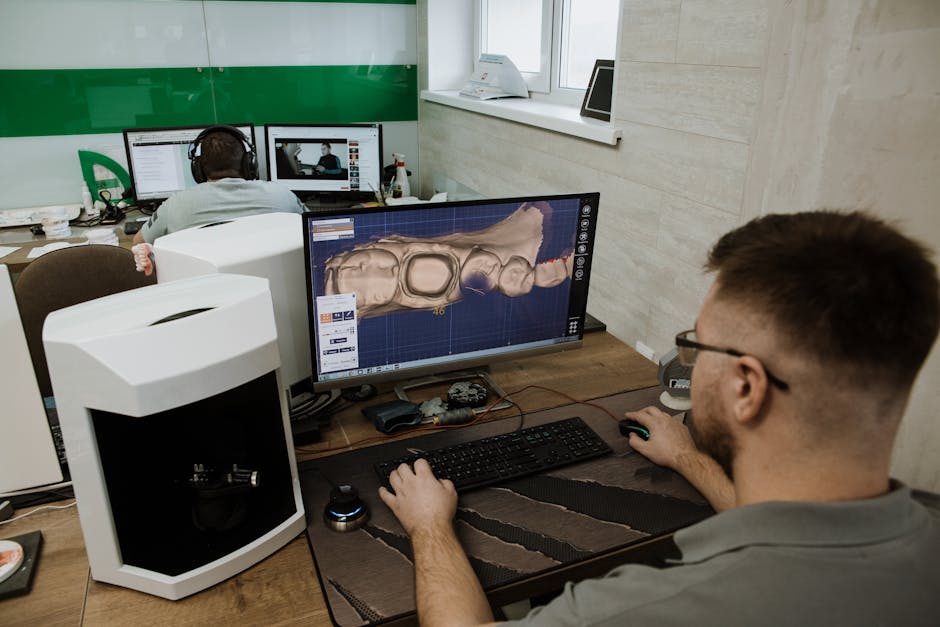
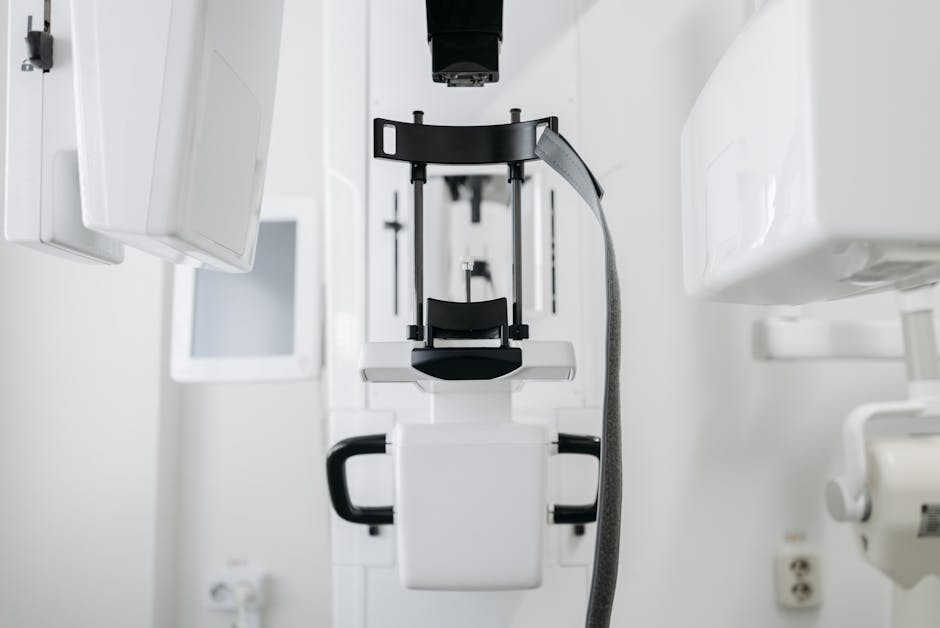
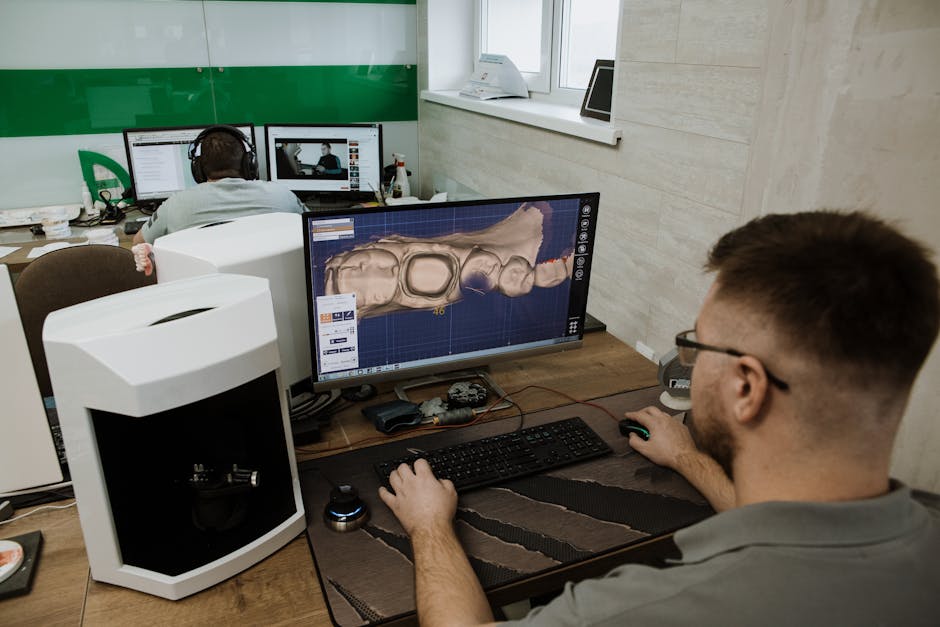
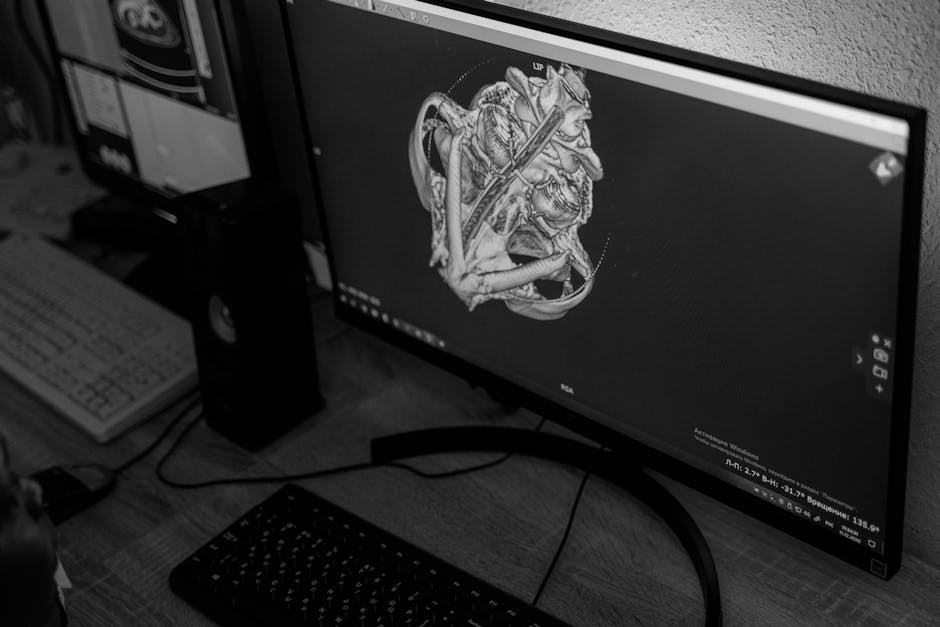
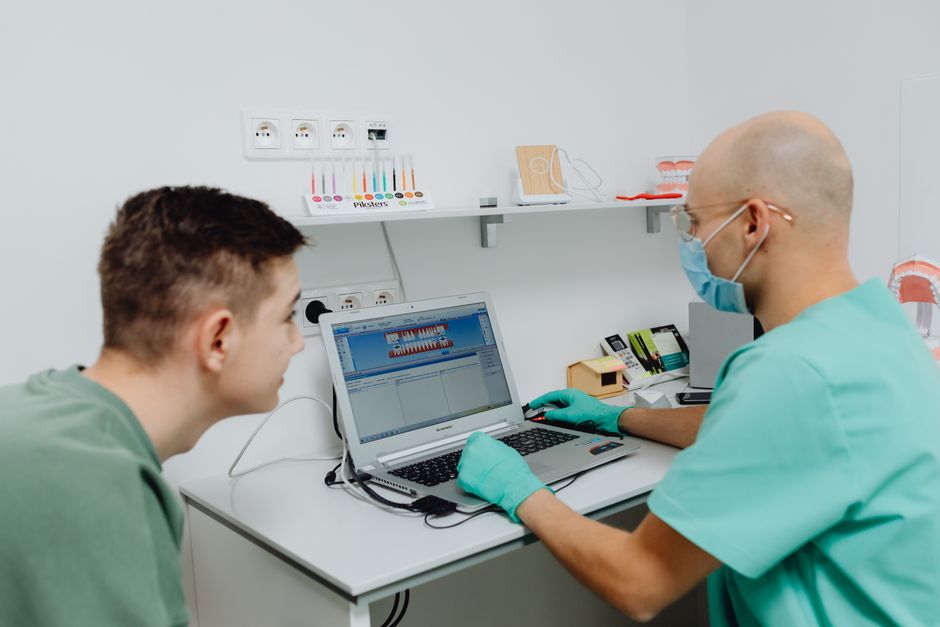
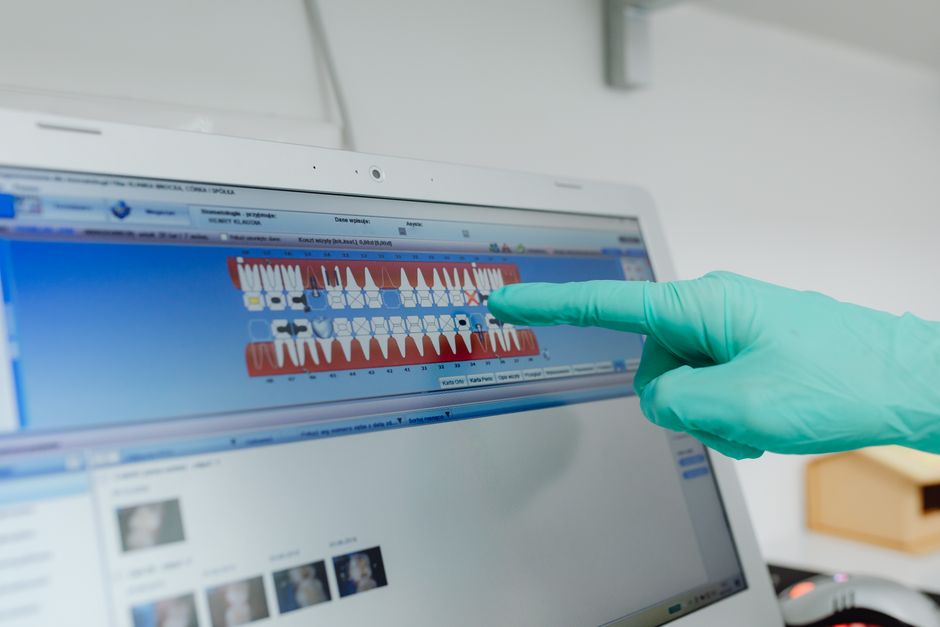
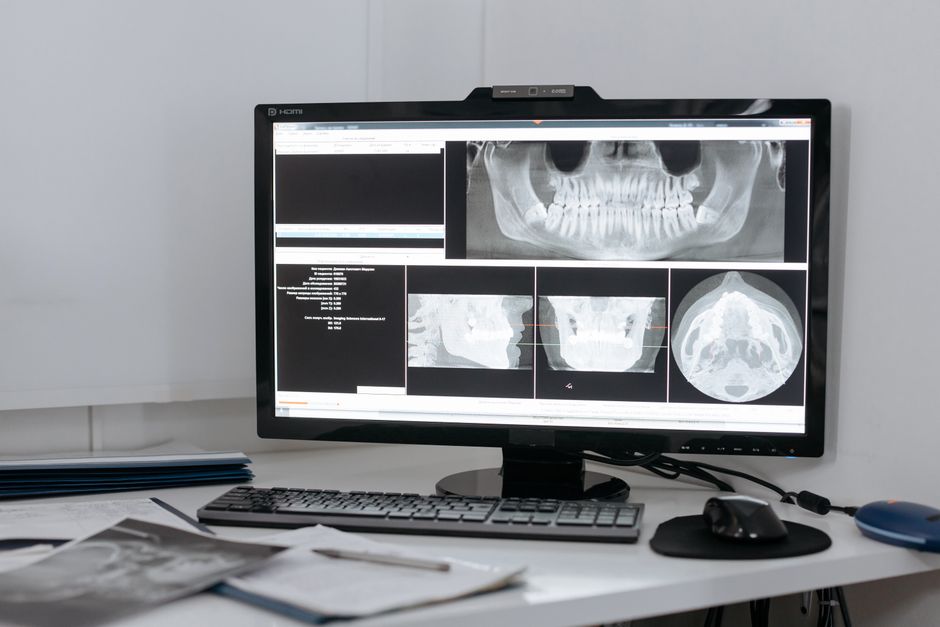
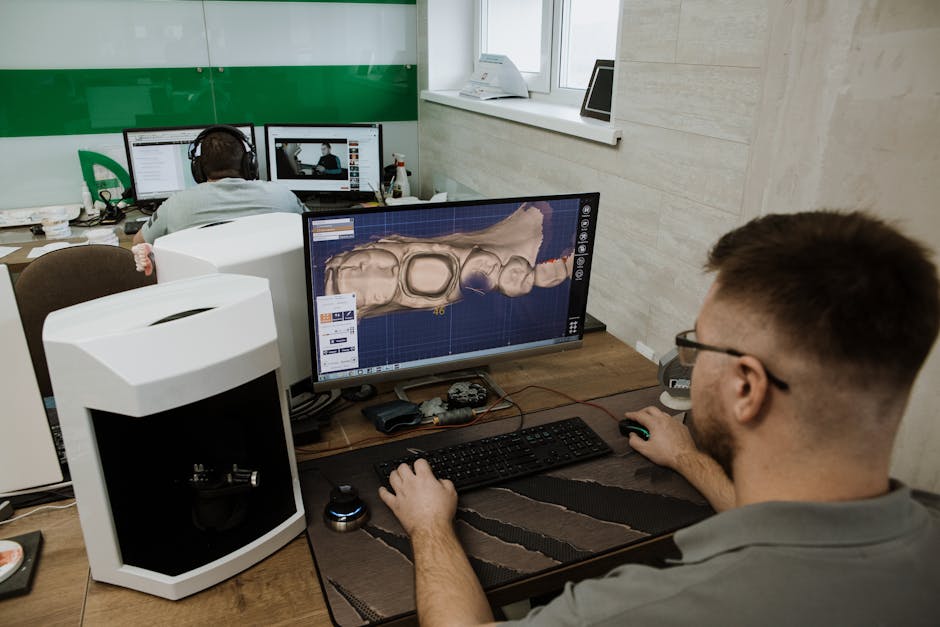
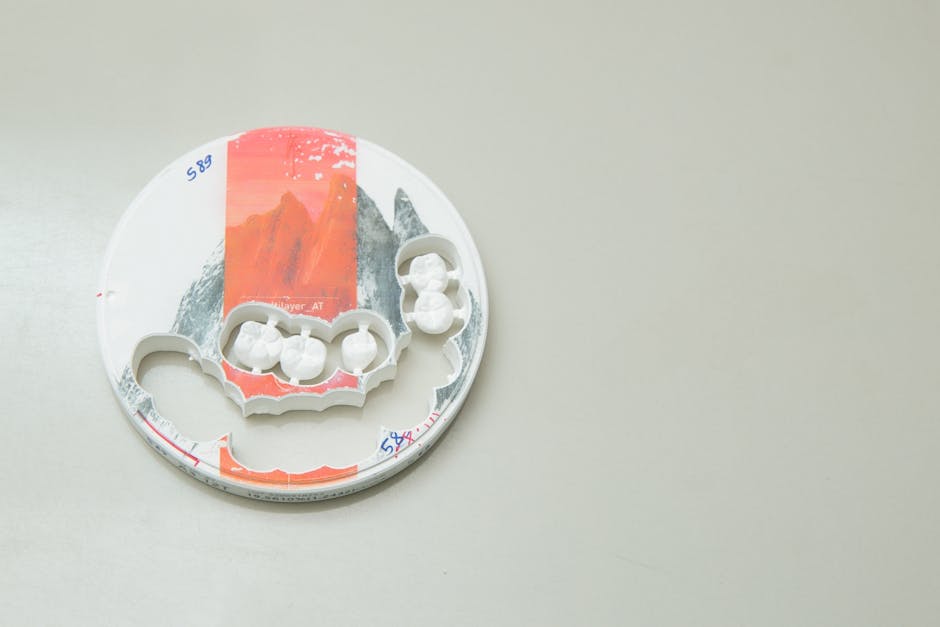
Digital workflows have reshaped how clinicians plan All-on-4 and All-on-6 cases in Istanbul and globally. CBCT-based planning, intraoral scanning (or high-quality model scanning), and CAD/CAM provisionalization can help teams visualize implant distribution, prosthetic space, and emergence profiles earlier in the process.
Digital planning also supports team communication: surgeons, restorative dentists, and dental technicians can align around a prosthetically driven plan. In education settings, digital case planning allows participants to practice decision-making repeatedly—reviewing alternative implant positions, comparing A–P spread, and troubleshooting angulation issues before a real surgery.
At Istanbul Dental Academy, hands-on implant education emphasizes not only placement principles but also the restorative endpoint: occlusion, prosthetic passivity, screw access planning, and maintenance design.
Soft Tissue, Hygiene, and the Often-Ignored Variables
Full-arch implant success isn’t only about osseointegration. Peri-implant soft-tissue management, prosthesis contouring, and patient hygiene capability influence long-term stability and inflammation control. For instance, bulky intaglio contours or limited access under the prosthesis can increase plaque accumulation and mucositis risk.
Even seemingly unrelated factors—like saliva quality and flow—can shape the oral ecosystem, comfort, and caries risk for any remaining teeth (in mixed cases), and can influence patient satisfaction with prosthesis wear. For broader preventive context, the article Why Saliva Matters: The Unsung Protector of Oral Health is a useful reminder that successful dentistry is not only surgical and prosthetic, but also biological and behavioral.
Esthetics and “Smile Design” in Full-Arch Cases
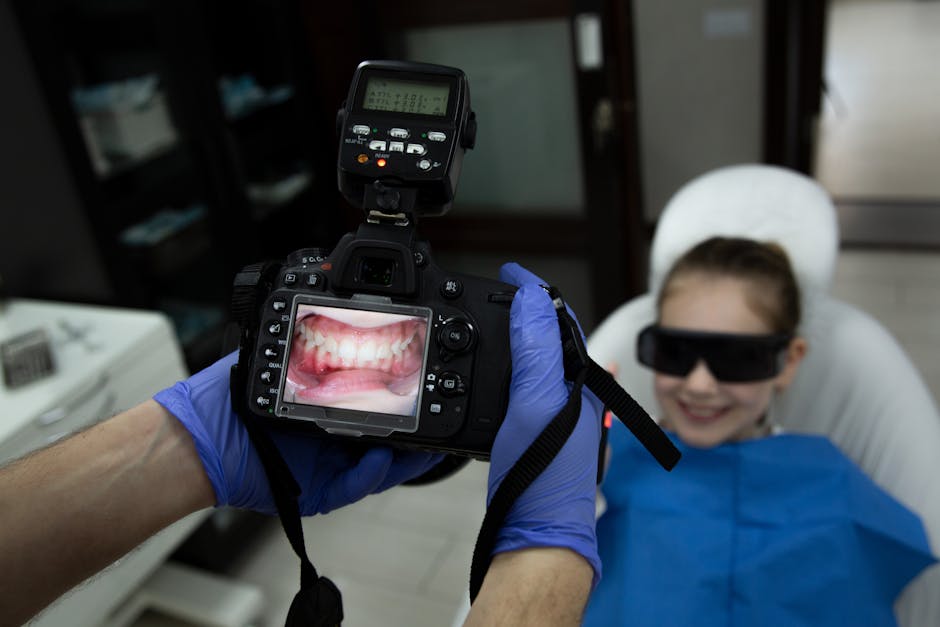
Patients increasingly request natural-looking outcomes—gingival architecture, tooth proportions, and phonetics included. Full-arch implant prosthodontics often involves creating a new smile line and tooth display, sometimes compensating for lost lip support and alveolar resorption through prosthetic flange design. Clinical photography and digital smile design tools can be valuable in communicating expectations and verifying midline, occlusal plane, and incisal edge position.
Although porcelain laminate veneers are typically associated with minimally invasive cosmetic dentistry rather than edentulous arches, the adhesive mindset—attention to isolation, material selection, and precision—translates directly into full-arch prosthetic success. For clinicians refining restorative detail, Porselen Lamina Simantasyonunda Kritik Noktalar offers a structured look at cementation variables and technique sensitivity—concepts that resonate with the broader theme of controlling small steps to improve predictability.
Training Takeaways for Clinicians and Students
Think in systems, not in implant count
All-on-4 versus All-on-6 is best approached as a systems question: diagnosis, patient goals, anatomy, occlusion, materials, maintenance, and team capability. Implant count is only one lever among many.
Prosthetically driven planning is non-negotiable
Start with the restorative endpoint: vertical dimension, tooth position, occlusal scheme, and hygiene space. Then plan implant distribution to support that endpoint. This is where guided planning, diagnostic waxing, and provisional prototypes become educationally powerful.
Hands-on education bridges the gap between theory and chairside reality
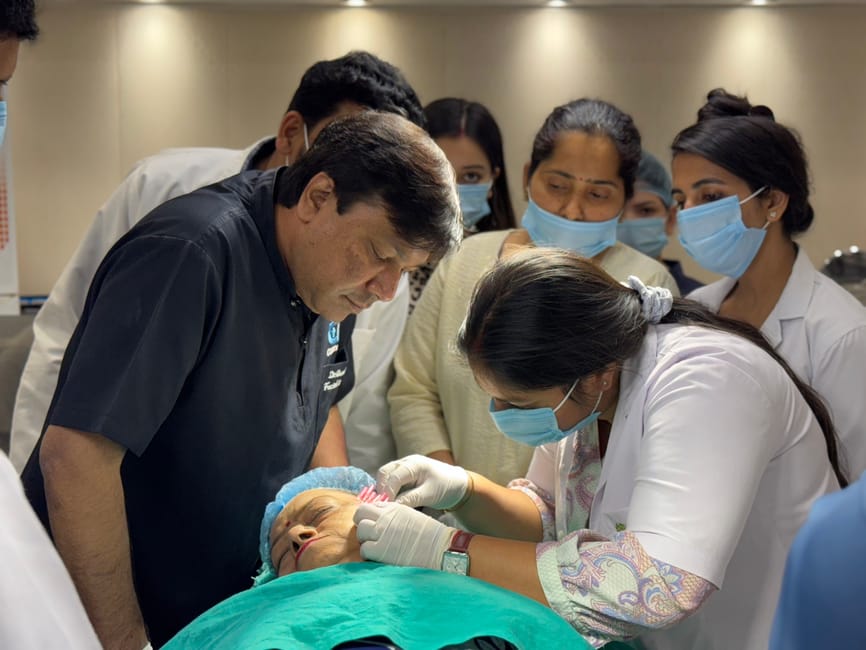
Reading protocols is essential—but full-arch implant cases involve tactile skills (osteotomy control, soft-tissue handling, multi-unit abutment selection) and team choreography (impressions/scans, bite records, provisional delivery). Istanbul Dental Academy’s continuing dental education approach emphasizes supervised hands-on practice so clinicians can refine techniques, troubleshoot complications, and build confidence in real-world workflows.
Conclusion: Choosing Between All-on-4 and All-on-6
Both All-on-4 and All-on-6 can be effective full-arch solutions when applied thoughtfully. All-on-4 often leverages strategic angulation and reduced implant count to manage posterior anatomy, while All-on-6 can offer broader load distribution and potentially shorter cantilevers when anatomy allows. The most reliable outcomes come from comprehensive diagnosis, prosthetically driven planning, meticulous execution, and a maintenance-focused mindset.
This content is for educational purposes and should not be interpreted as individualized medical or treatment advice. For dentists and students aiming to deepen their understanding of full-arch implant protocols—along with digital planning, prosthodontic sequencing, and surgical fundamentals—Istanbul Dental Academy provides structured courses designed to translate evidence-based concepts into predictable clinical workflows.
Diğer Yazılar