
BLOG
What Is Gum Disease? Early Signs, Risk Factors, and Clinical Insights
Gum Disease in Daily Practice: Why Early Recognition Matters
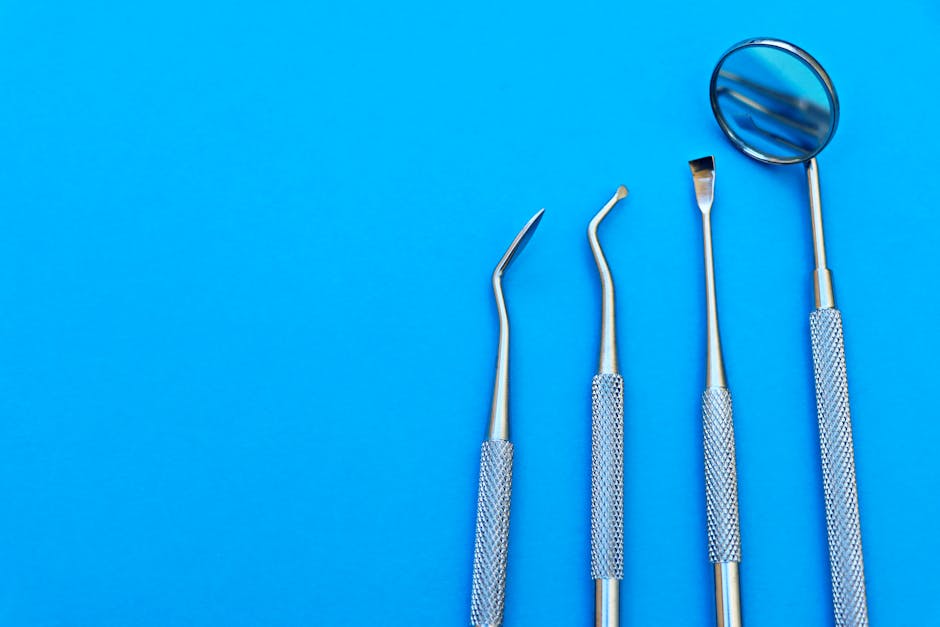
Gum disease (periodontal disease) is a biofilm-induced inflammatory condition affecting the gingiva and, in more advanced stages, the periodontal ligament and alveolar bone. For dental professionals and students, it is a foundational topic that touches nearly every discipline—from restorative margin design and prosthodontic treatment planning to implant dentistry and smile design. Importantly, the earliest stage can be subtle and painless, which means that detection relies on systematic screening, risk assessment, and effective patient communication.
This content is for educational purposes and is not a substitute for diagnosis or individualized treatment planning. For clinicians refining their periodontal decision-making, structured continuing education and hands-on calibration can be particularly valuable—especially when integrating periodontal findings with esthetic and implant workflows.
What Exactly Is Gum Disease?
“Gum disease” is an umbrella term commonly used for two main entities:
Gingivitis: inflammation limited to the gingiva, typically characterized by bleeding on probing (BOP), erythema, and edema, without radiographic bone loss. Gingivitis is generally reversible with effective plaque control and professional care.
Periodontitis: a destructive inflammatory disease associated with dysbiotic biofilms, resulting in clinical attachment loss, periodontal pocketing, and alveolar bone loss. Periodontitis is managed rather than “cured,” with long-term supportive periodontal care often required.
Modern classification systems emphasize staging (severity/complexity) and grading (progression risk), helping clinicians align therapy intensity, maintenance intervals, and long-term prognosis discussions.
Early Signs of Gum Disease: What Patients Notice vs. What You Measure
Common early symptoms patients may report
Many individuals first notice gum disease through changes they can see or feel. Typical early complaints include:
• Bleeding during brushing or flossing
• Swollen or “puffy” gums
• Persistent halitosis or a bad taste
• Gum sensitivity (often nonspecific)
• Mild gingival recession or “teeth looking longer”
Because symptoms may fluctuate, patients may normalize them. This is where brief, structured education—paired with objective findings—improves motivation and adherence.
Clinical indicators that often precede patient awareness
From a clinical perspective, early disease detection relies on consistency in periodontal charting and tissue evaluation. Key findings include:
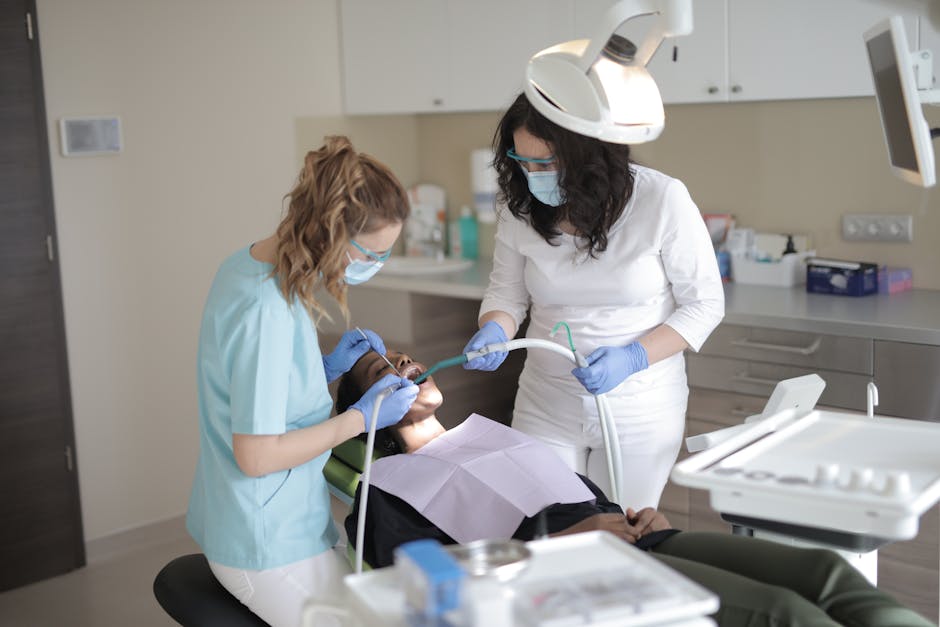
• Bleeding on probing (an early, measurable sign)
• Increased probing depths (site-specific, not generalized)
• Changes in gingival contour and texture (loss of stippling, edema)
• Plaque indices and calculus deposits
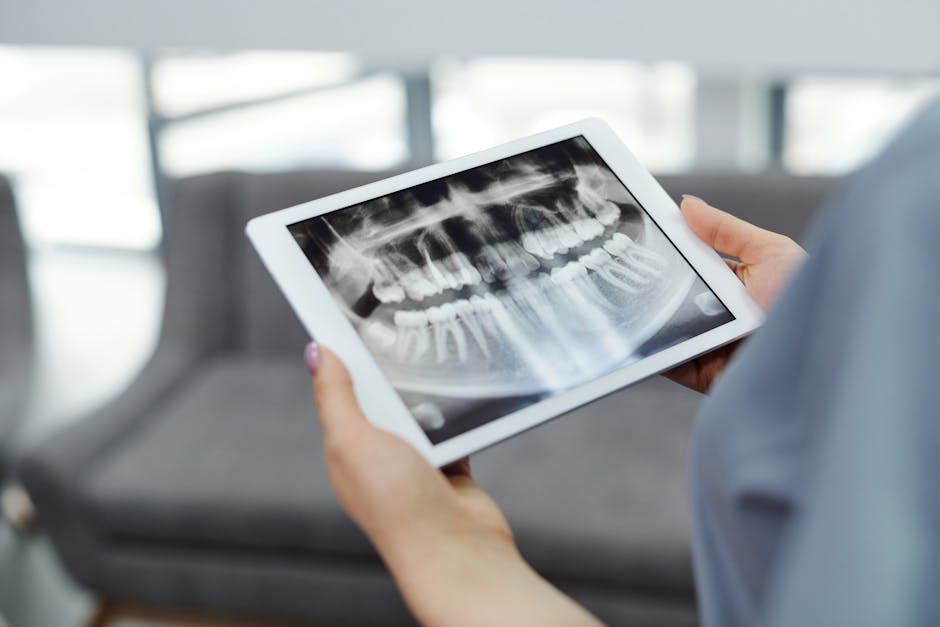
• Radiographic assessment for crestal bone level changes (in suspected periodontitis)
In education settings, calibration of probing pressure, angulation, and documentation standards is essential for reliable staging—especially for clinicians transitioning into advanced restorative or implant cases.
Why Gum Disease Happens: Biofilm, Host Response, and Modifiers
Periodontal inflammation is initiated by dental plaque biofilm, but tissue breakdown is largely mediated by the host inflammatory response. This explains why two patients with similar plaque levels can show different patterns of disease expression. Risk factors and modifiers help clarify this variability.
Risk factors and modifiers to assess routinely
Important contributors commonly discussed in periodontal risk assessment include:
• Tobacco use (strong association with disease severity and treatment response)
• Poor glycemic control in diabetes (influences inflammation and healing)
• Stress and sleep quality (behavioral and immunologic pathways)
• Xerostomia and altered saliva composition
• Genetic predisposition and family history
• Medications impacting gingival tissues or salivary flow
• Iatrogenic factors: overhangs, open contacts, subgingival margins, and rough restorative surfaces
Saliva is frequently overlooked in periodontal discussions. Yet buffering capacity, antimicrobial components, and lubrication are relevant to biofilm ecology and patient comfort. A deeper preventive lens can be supported by the article Why saliva matters for oral health and tissue resilience, which complements periodontal counseling—particularly for patients with dry mouth complaints.
Stages of Gum Disease: From Gingivitis to Advanced Periodontitis
Clinically, it is helpful to present periodontal disease progression as a continuum while maintaining precise diagnostic criteria. A simplified overview:
Gingivitis: inflammation with BOP, no attachment loss or bone loss.
Early periodontitis: initial attachment loss at select sites, mild radiographic changes; may be asymptomatic.
Moderate periodontitis: deeper pockets, more generalized attachment loss, possible furcation involvement, and early mobility.

Advanced periodontitis: deep pockets, significant bone loss, mobility, pathologic migration, occlusal trauma considerations, and potential tooth loss risk.
For dental teams, the key takeaway is that early intervention is typically less invasive, more predictable, and less costly—while also protecting outcomes in restorative dentistry, prosthodontics, and esthetic workflows.
Gum Disease and Restorative/Aesthetic Dentistry: The Foundation Before the Finish
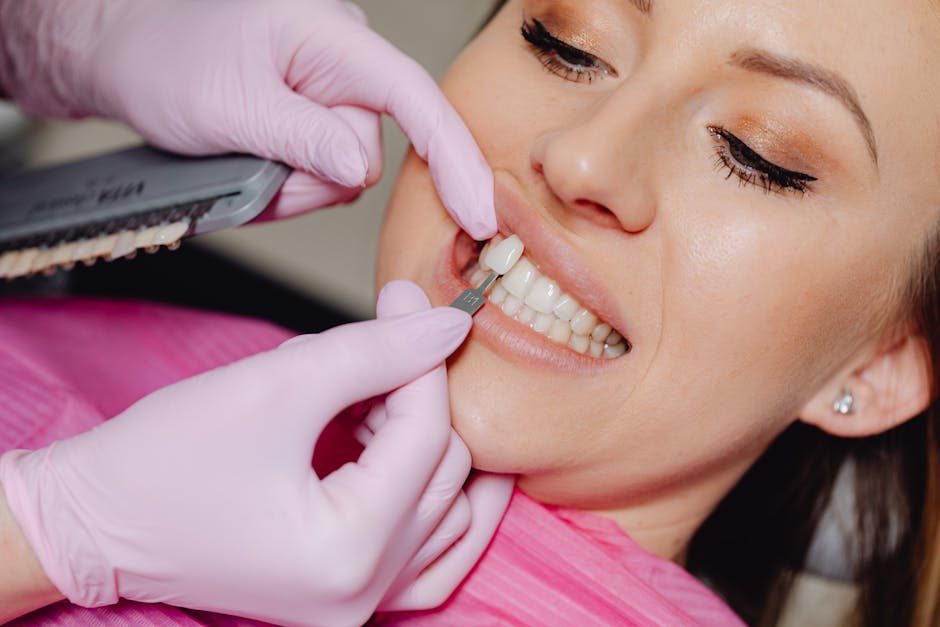
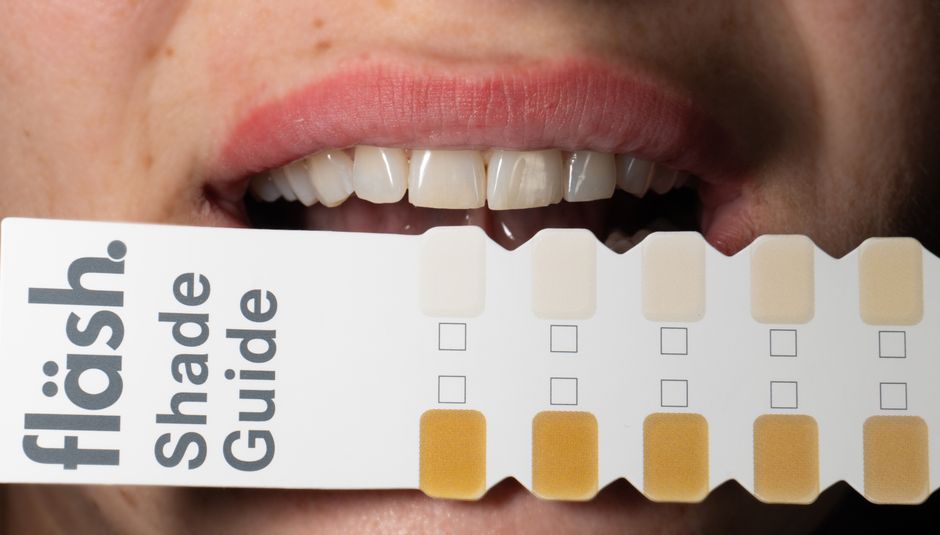
Patients often seek cosmetic improvements—whiter teeth, veneers, or smile design—without recognizing that inflamed tissues compromise both esthetics and longevity. Bleeding, edema, and recession can influence shade matching, impression accuracy, and margin integrity. Tissue inflammation can also increase risk of postoperative sensitivity and plaque retention around restorations.
For clinicians working with porcelain laminate veneers, soft-tissue stability and clean field isolation are critical. Cementation protocols and gingival management become more challenging when tissues bleed easily or sulcular fluid flow is excessive. For technique-focused reading, see critical points in porcelain laminate veneer cementation, which aligns well with a periodontal-first approach to esthetic success.
Periodontal Health and Implant Dentistry: Planning, Timing, and Risk
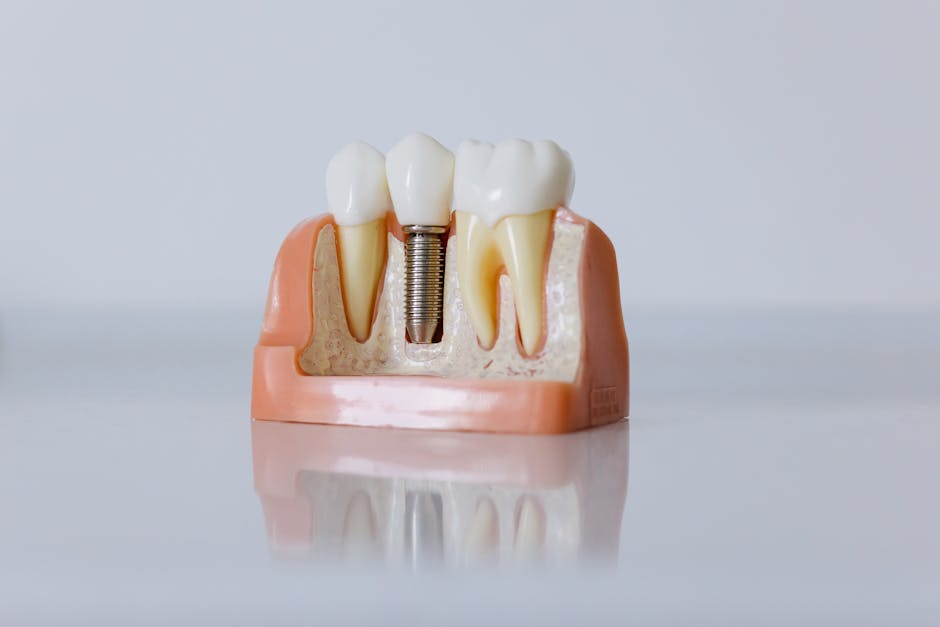
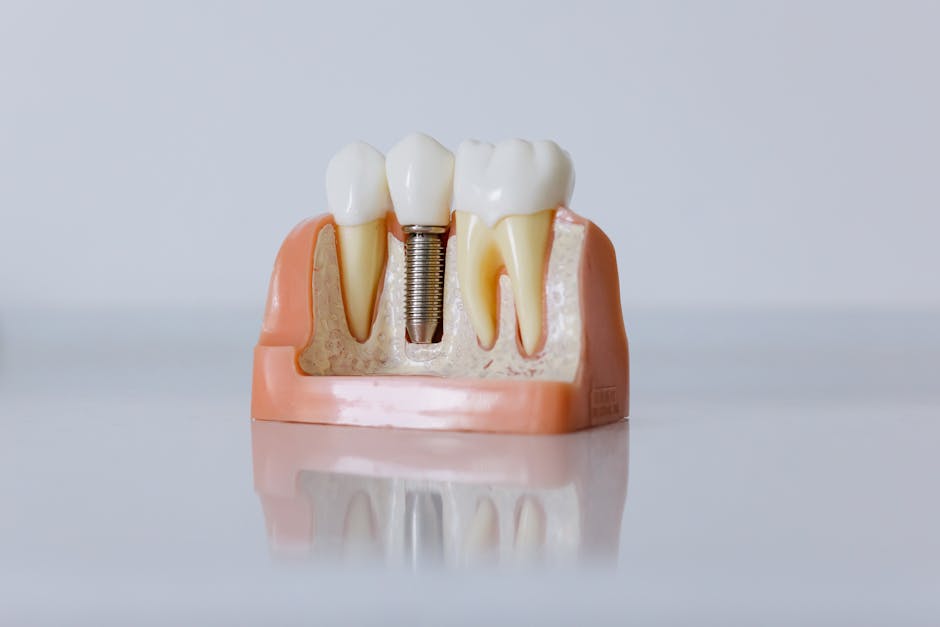
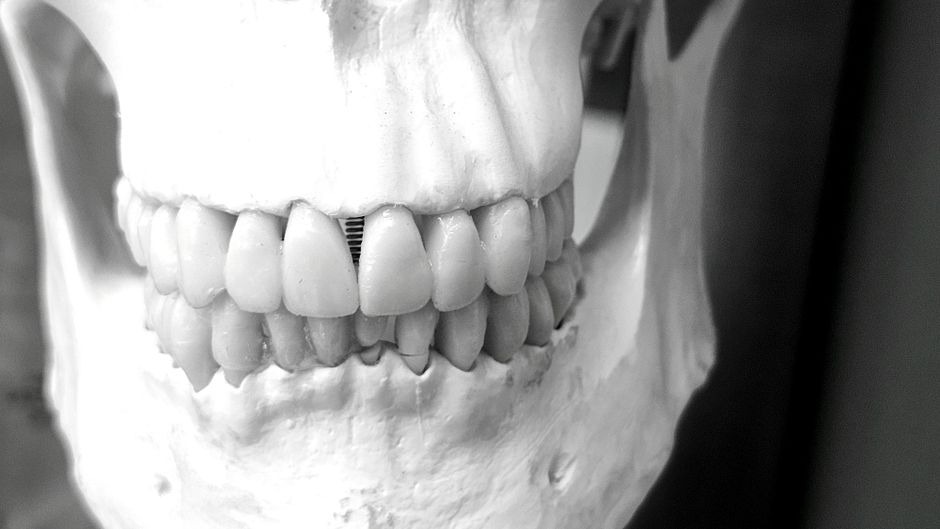
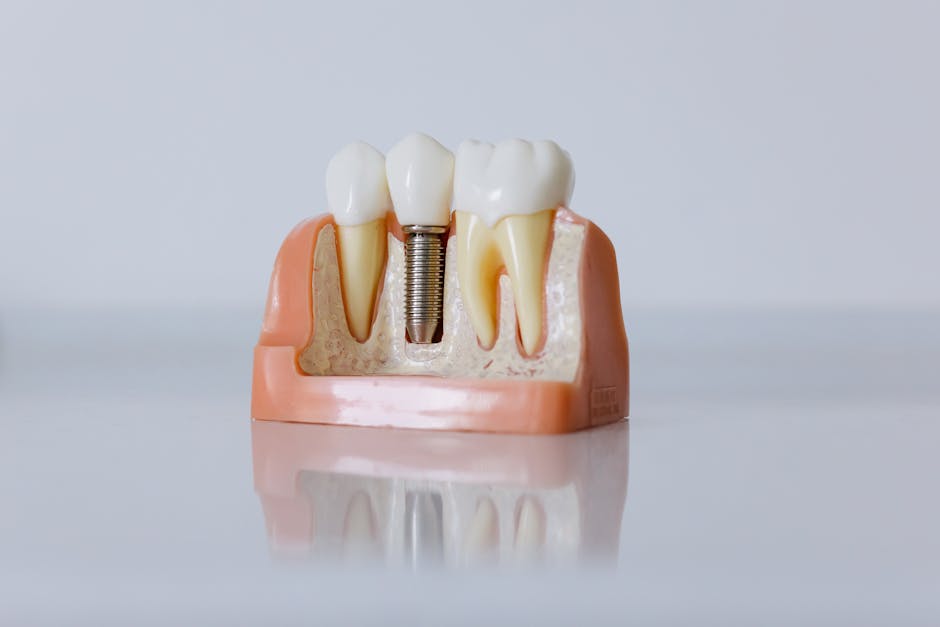
Implant outcomes are closely tied to peri-implant tissue health and the patient’s overall periodontal status. A history of periodontitis can increase the risk of peri-implant disease if biofilm control and maintenance are inadequate. For this reason, implant planning typically benefits from a structured periodontal evaluation, risk modification, and a realistic maintenance strategy.
Patients commonly ask whether implants can be placed quickly. Immediate or accelerated protocols may be possible in selected cases, but they require careful case selection, tissue assessment, and occlusal planning. The discussion in Is one-day dental implant treatment really possible? is a useful educational companion when explaining timing decisions—especially when periodontal inflammation or active infection is present.
Diabetes and periodontal-implant considerations
Diabetes is a common modifier of periodontal inflammation and wound healing. In implant dentistry, clinicians often consider glycemic control, patient adherence, and supportive therapy when discussing risks and prognosis. For an evidence-informed overview, read dental implants for patients with diabetes: what clinicians should know. Integrating this kind of risk communication into daily practice helps set appropriate expectations and encourages long-term maintenance behaviors.
When Tissue Volume Is Limited: Soft-Tissue Augmentation and Biomaterials
In periodontology and peri-implant therapy, soft-tissue thickness and keratinized tissue are frequently discussed as factors influencing comfort, cleansability, and long-term stability. While clinical decisions should be individualized, clinicians benefit from understanding available biomaterials and techniques used in soft-tissue management.
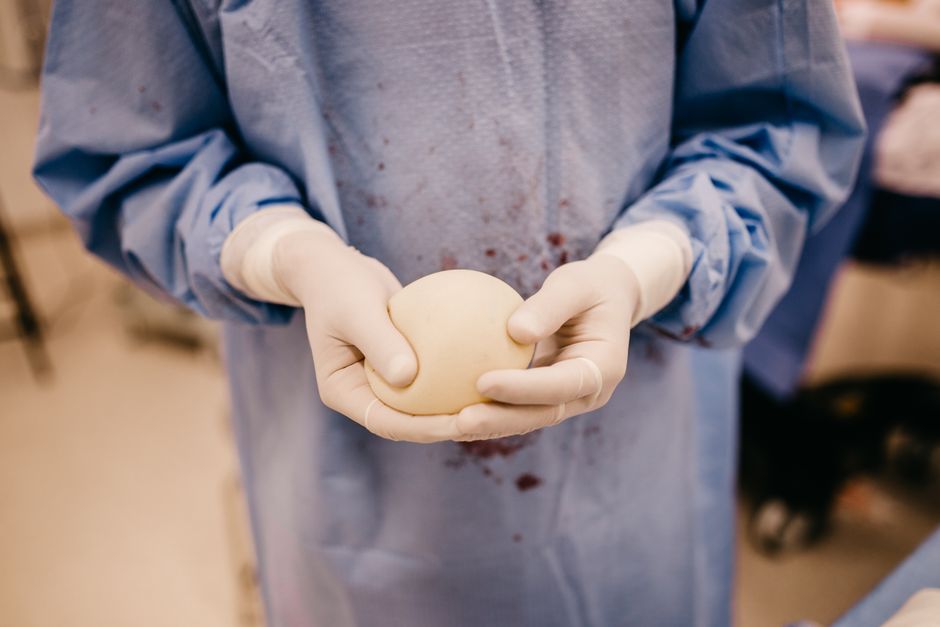
One biomaterial category used in selected periodontal and peri-implant indications is acellular dermal matrix. To explore its applications and clinical considerations, see acellular dermal matrix in dentistry: uses and indications. Educational familiarity with these materials can strengthen interdisciplinary treatment planning across oral surgery, periodontology, and prosthodontics.
Screening and Documentation: Practical Clinical Workflow
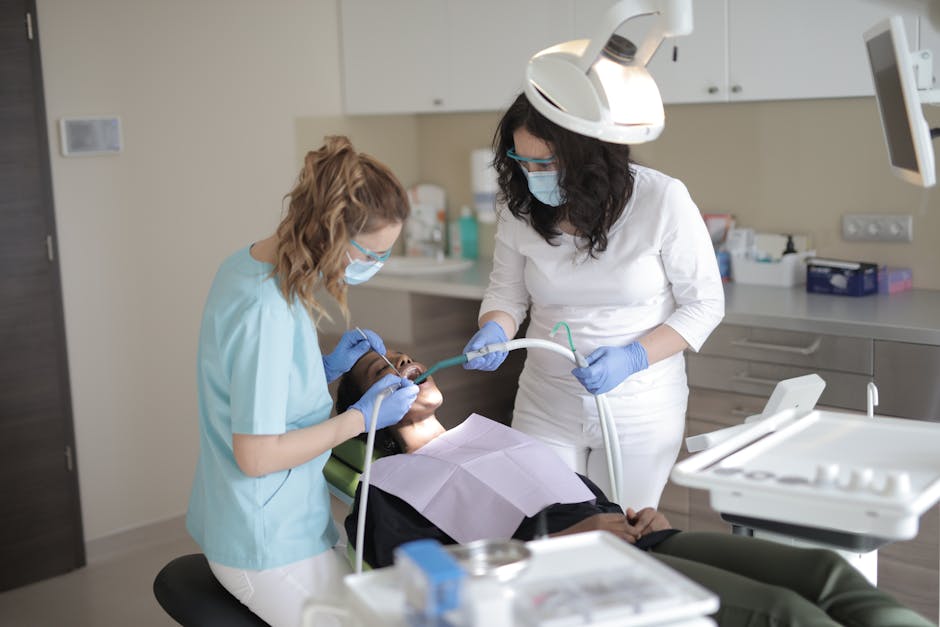
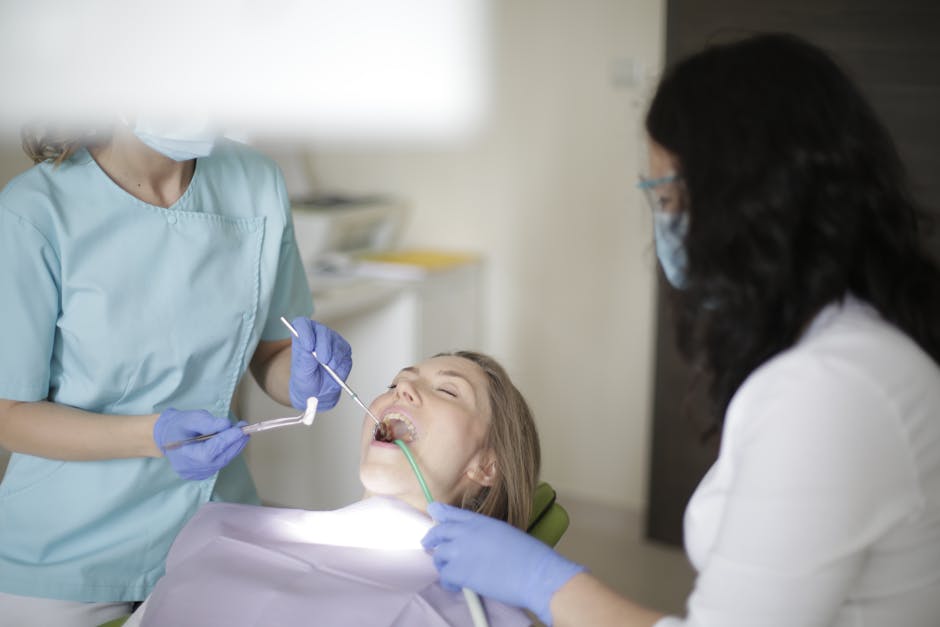
Consistent periodontal screening supports earlier identification and clearer communication. A practical workflow may include:
1) Medical and dental history updates: smoking status, diabetes status, medications, pregnancy, xerostomia complaints, previous periodontal therapy.
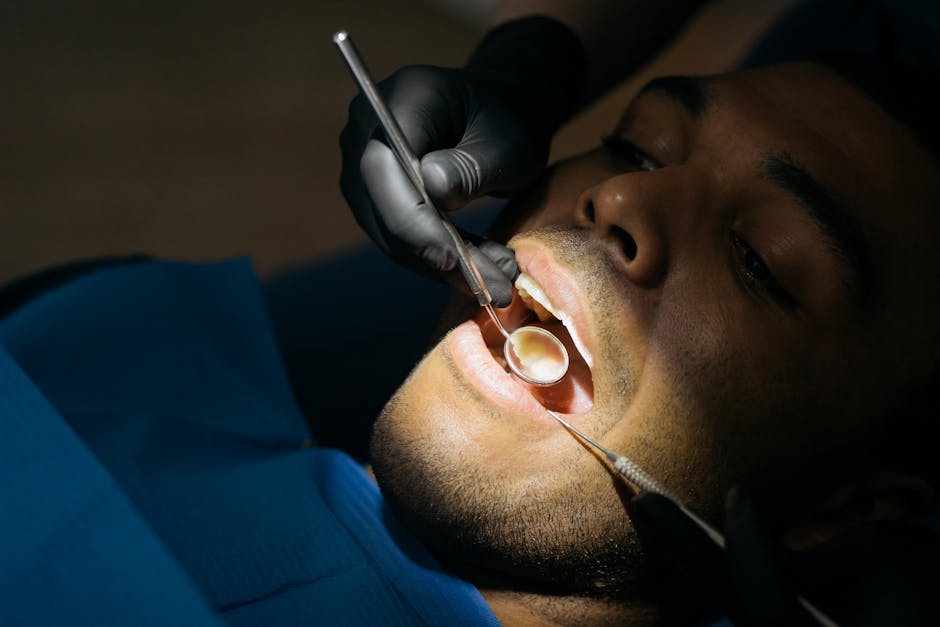
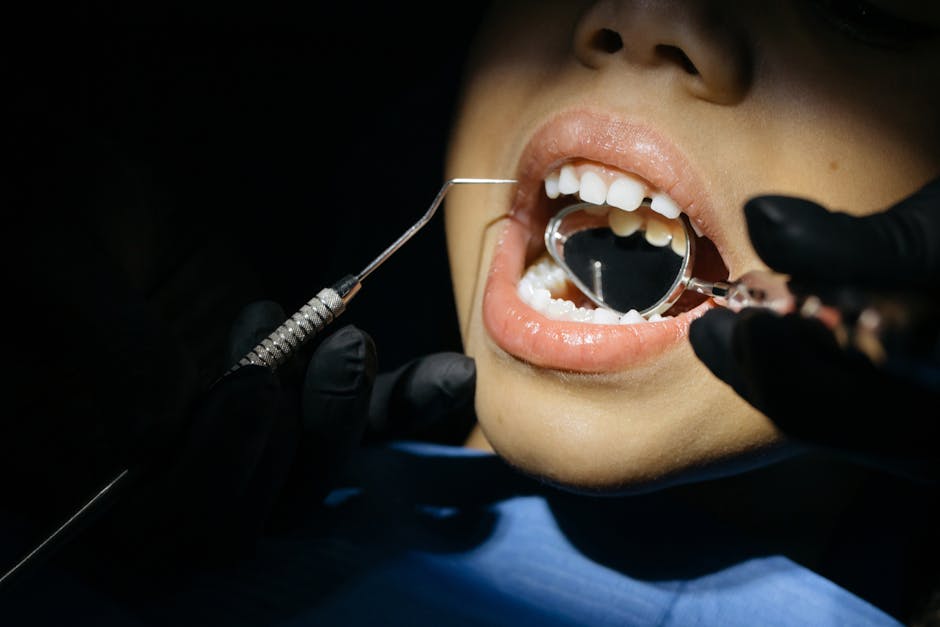
2) Periodontal charting: probing depths, recession, clinical attachment levels, BOP, suppuration, mobility, furcations.
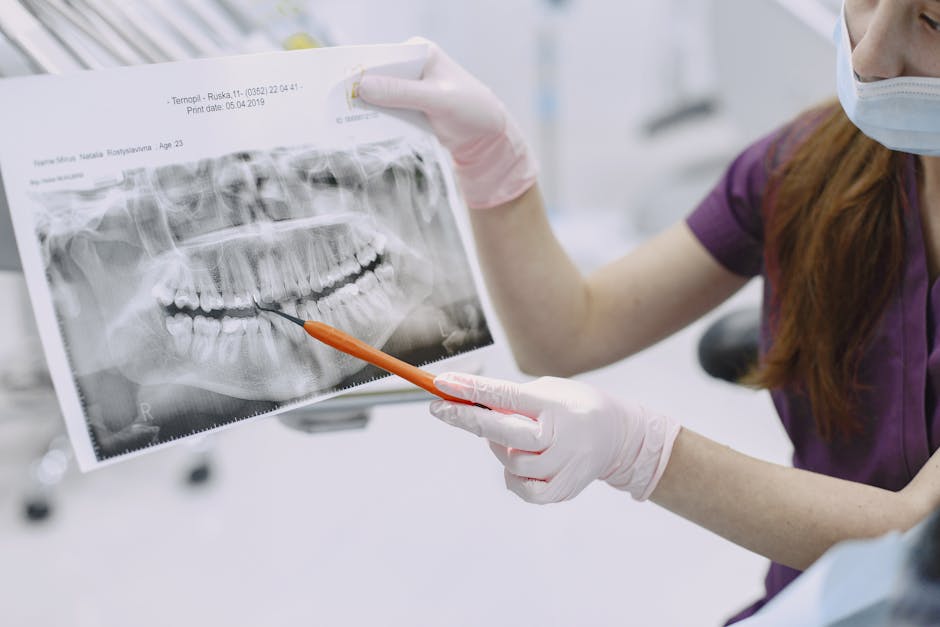
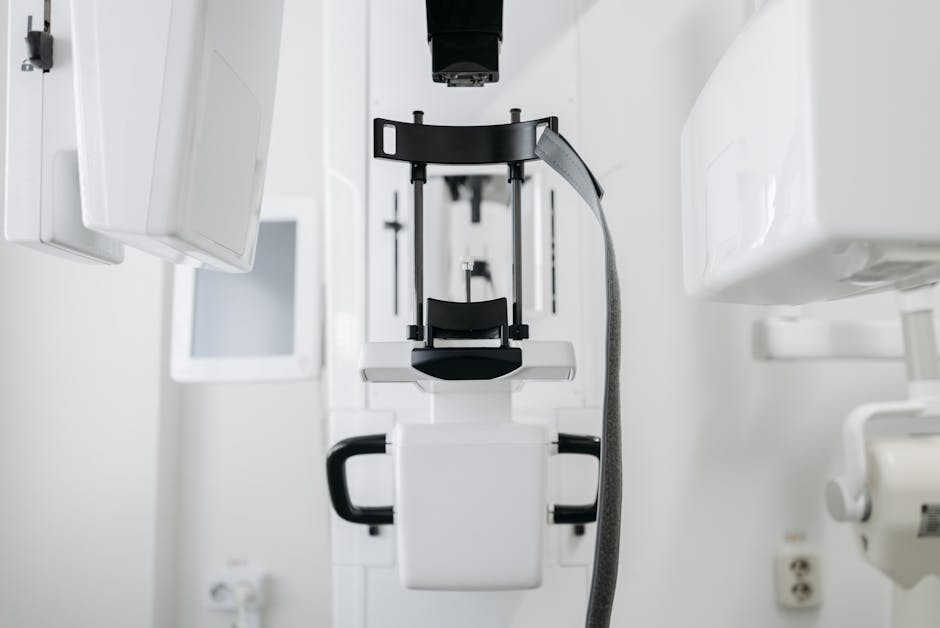
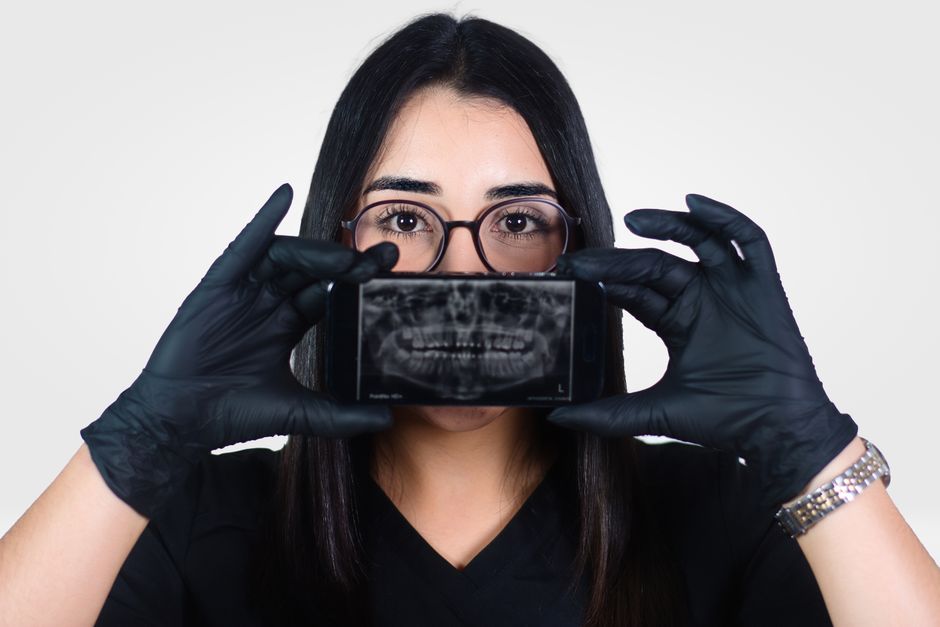
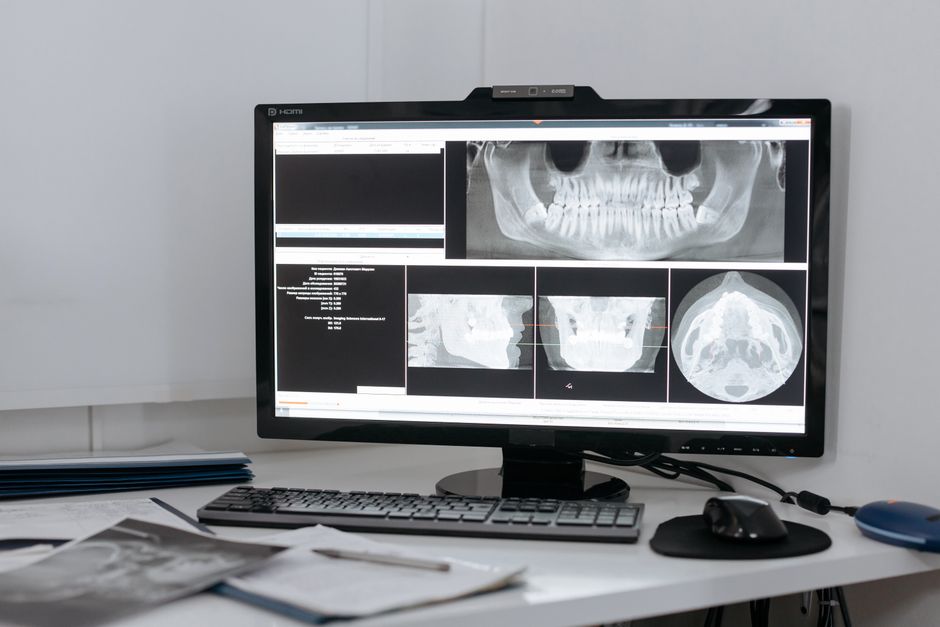
3) Radiographic review: bone levels, calculus, furcation radiolucencies, endo-perio differentials when indicated.
4) Risk communication: personalized explanation of findings and how they affect restorations, implants, and esthetics.
5) Maintenance planning: supportive periodontal therapy intervals and home-care goals tailored to risk.
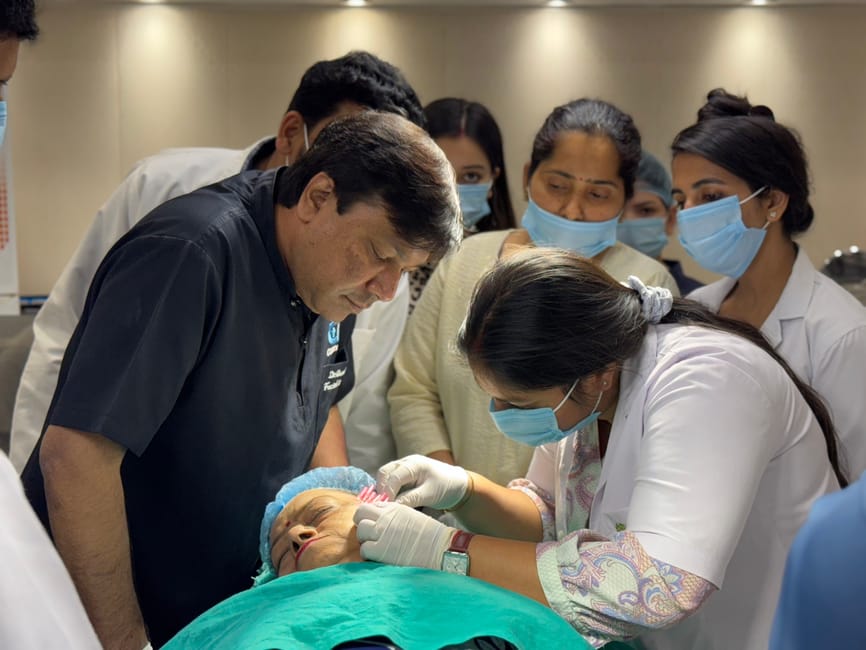
In educational environments, clinicians often find that calibration exercises (probing, radiographic interpretation, and case-based staging/grading) significantly improve diagnostic confidence.
Education Focus: Building Periodontal Competence for Modern Dentistry
Periodontology is not an isolated specialty topic; it is the biological “platform” for contemporary dentistry—especially in complex cases involving implants, full-mouth rehabilitation, and esthetic reconstruction. At Istanbul Dental Academy, periodontal principles are integrated into hands-on learning paths that also include implant dentistry, prosthodontics, restorative workflows, and digital dentistry. This interdisciplinary lens supports clinicians in making clearer decisions about timing (stabilize tissues first), predictability (control inflammation), and long-term maintenance (prevent relapse and peri-implant disease).
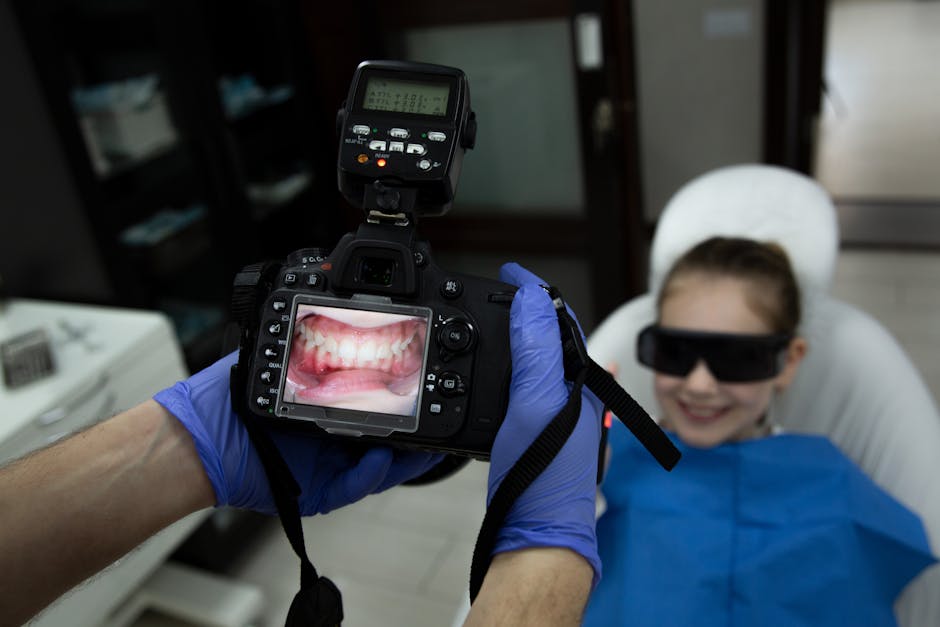
Hands-on training—whether focused on surgical soft-tissue management, prosthetic planning, or documentation through dental photography—can help clinicians translate periodontal concepts into repeatable chairside protocols.
Key Takeaways
• Gum disease often begins quietly; bleeding on brushing or probing can be an early signal.
• Gingivitis is typically reversible; periodontitis involves attachment and bone loss and requires long-term management.
• Risk assessment (smoking, diabetes, xerostomia, restorative factors) supports better prognosis and patient communication.
• Periodontal stability underpins esthetic dentistry, veneer cementation quality, and implant treatment planning.
• Continuing education and hands-on calibration can strengthen periodontal diagnosis and interdisciplinary outcomes.
This content is for educational purposes only and does not replace professional diagnosis or individualized treatment planning. Clinicians should evaluate each patient’s periodontal status, systemic factors, and restorative goals before selecting any procedure.
Diğer Yazılar