
BLOG
Snoring and Sleep Apnea in Dentistry: Screening, Oral Appliances, and Interdisciplinary Care
Why snoring and sleep apnea matter in a dental setting
Snoring is often perceived as a “lifestyle” concern, yet it can be a visible sign of sleep-disordered breathing. Obstructive sleep apnea (OSA), in particular, is a medical condition characterised by repeated upper-airway collapse during sleep, resulting in oxygen desaturation and fragmented sleep. For dentists and dental teams, OSA matters not only because many patients first raise the complaint chairside (“My partner says I snore”), but also because oral anatomy, occlusion, temporomandibular joint (TMJ) status, and restorative/implant plans can influence—directly or indirectly—how patients breathe and sleep.
In Istanbul, busy schedules, long commutes, and high stress can amplify fatigue-related complaints. Patients may present to dental clinics for aesthetics, implant rehabilitation, or restorative care while also reporting morning headaches, dry mouth, bruxism, or daytime sleepiness—symptoms that warrant thoughtful screening and referral rather than a purely cosmetic focus. This content is for educational purposes and is not a substitute for diagnosis or treatment by a qualified medical professional.
Understanding the dental relevance: anatomy, function, and risk indicators
Airway anatomy and oral findings
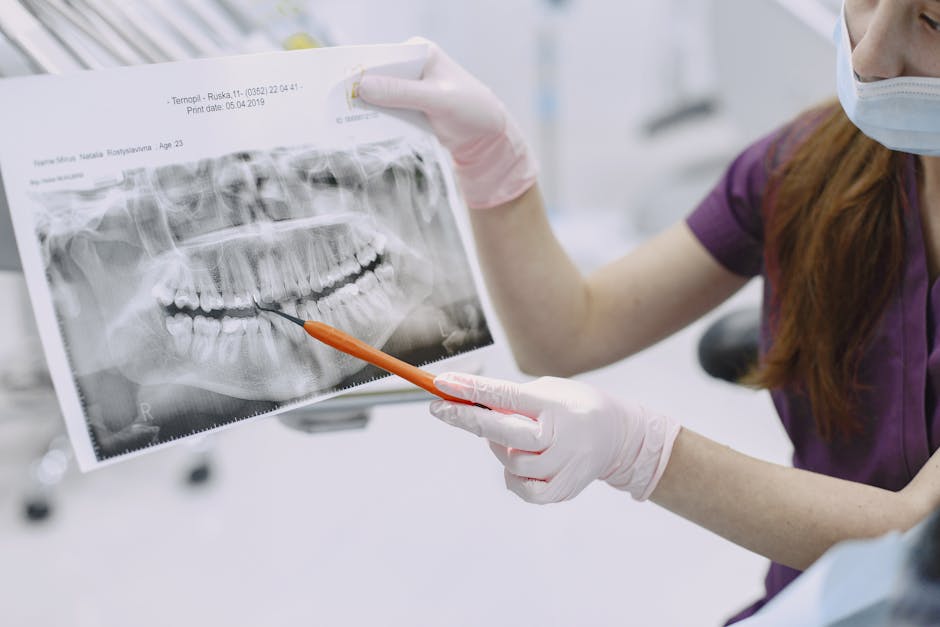
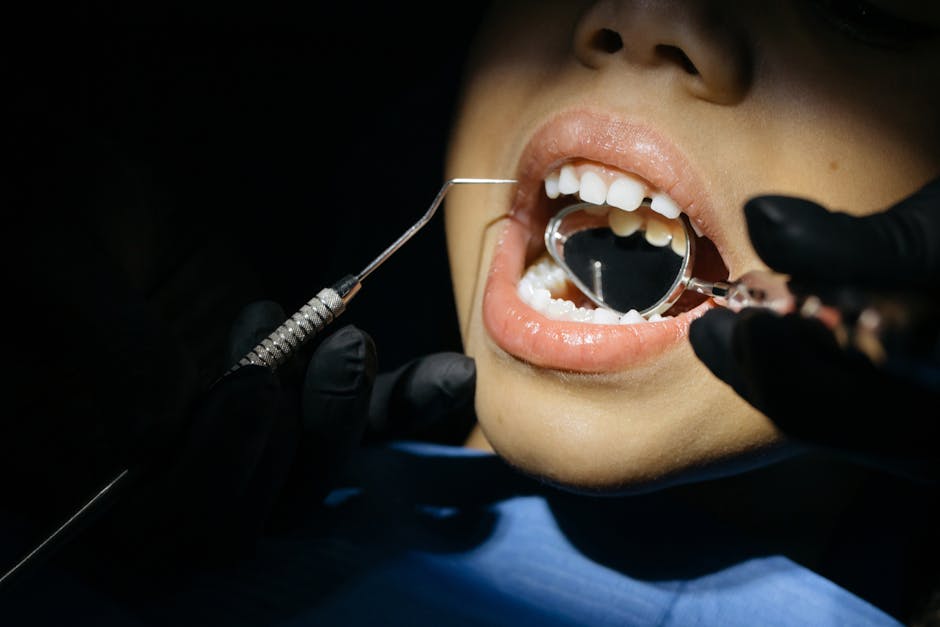
Dentists routinely evaluate structures that are also relevant to airway patency: tongue size and posture, soft palate, uvula, tonsillar region, nasal breathing indicators, and craniofacial morphology. Common clinical observations that may coexist with sleep-disordered breathing include:
• Scalloped tongue edges, signs of nocturnal parafunction (wear facets), mucosal dryness, and erythematous throat tissue.
• Narrow maxillary arch, high palatal vault, retrognathic mandible, or increased lower facial height patterns.
• Periodontal inflammation potentially exacerbated by mouth breathing and xerostomia, with secondary caries risk.
These findings do not confirm OSA; however, they can justify structured questioning and a referral pathway.
Occlusion, bruxism, and restorative planning
Sleep fragmentation and micro-arousals have been associated in the literature with increased parafunctional activity in some patients, which can affect restorations and prostheses. A clinician planning posterior composites, onlays, full-arch implant prostheses, or aesthetic veneers may need to consider functional risk, protective splints (when indicated), and material selection.
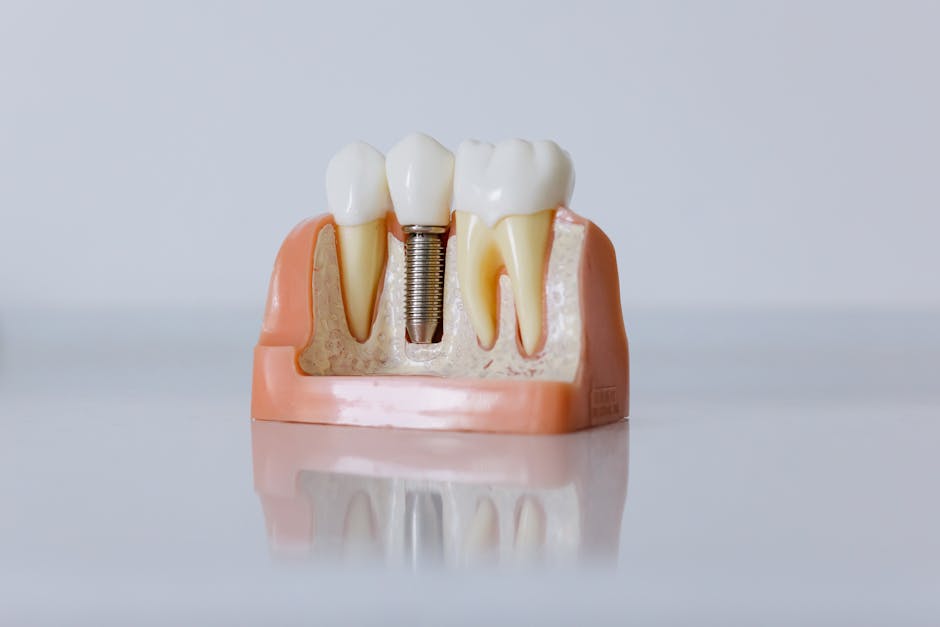
For example, when designing long-span or implant-supported prostheses, controlling occlusal load and ensuring accuracy is essential. Learning how to achieve stability and reduce mechanical complications is a core part of contemporary implant education, including concepts such as achieving passive fit in implant-supported prostheses, which becomes even more important when patients also report clenching or heavy nocturnal forces.
Chairside screening: what dentists can do responsibly
Ask the right questions (and document them)
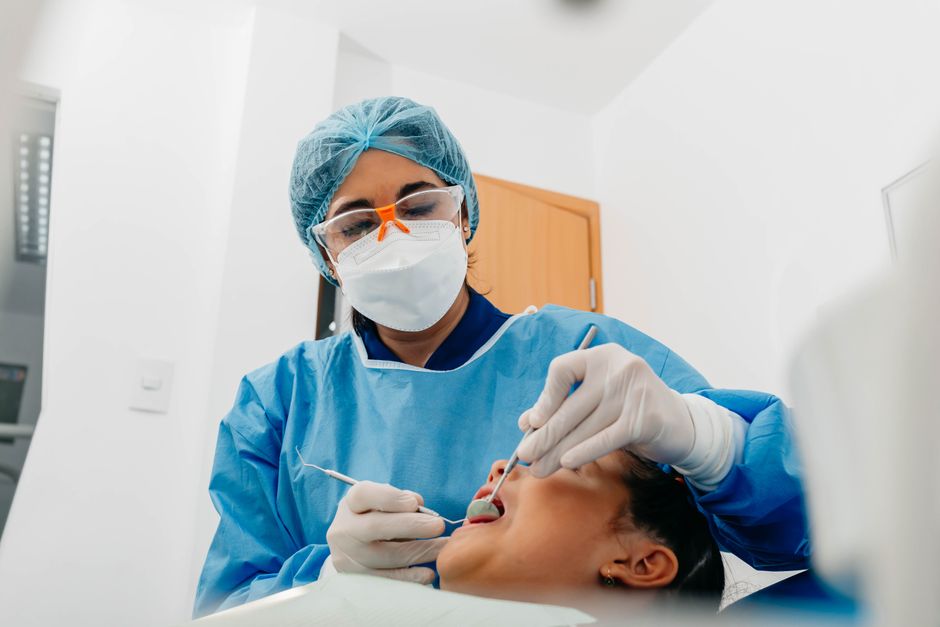
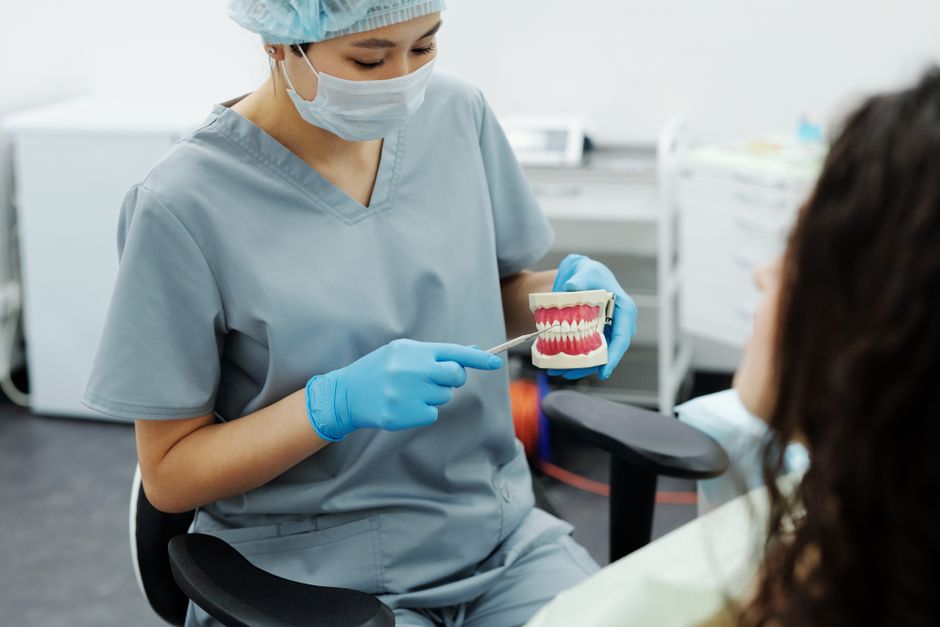
Dentists are not expected to diagnose OSA, but they can screen and refer. Incorporating a short, consistent set of questions into medical history updates can be a practical starting point, such as: snoring frequency, witnessed breathing pauses, daytime sleepiness, morning headaches, nocturia, and history of hypertension. Many clinics also use validated questionnaires (e.g., STOP-Bang, Epworth Sleepiness Scale) as part of a broader assessment.
Clear documentation matters. If you identify red flags, record the patient’s responses, the oral findings, and your recommendation for medical evaluation. This approach supports patient safety—especially before sedation, lengthy surgical appointments, or major oral rehabilitation.
Clinical examination points dentists already perform
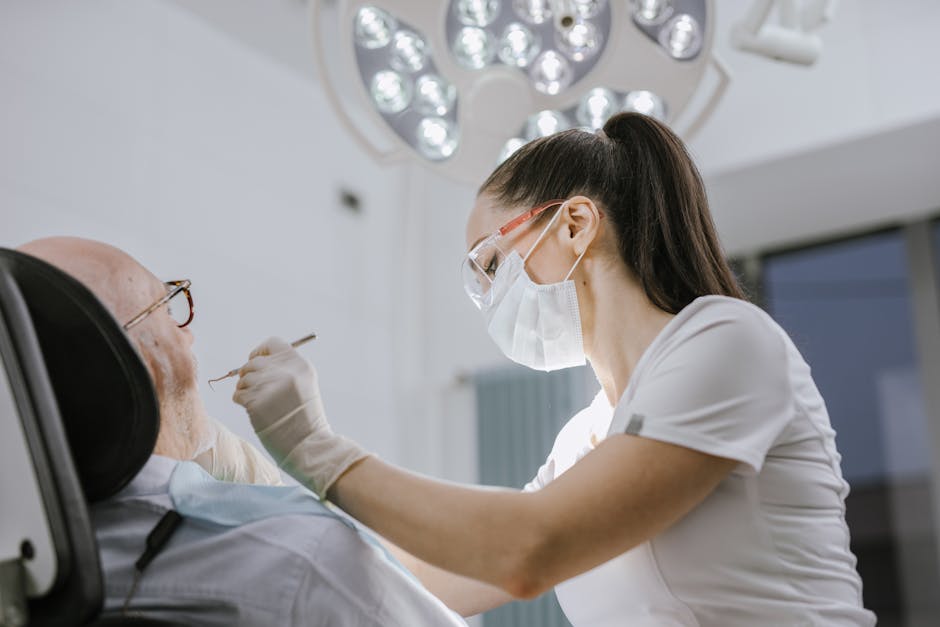
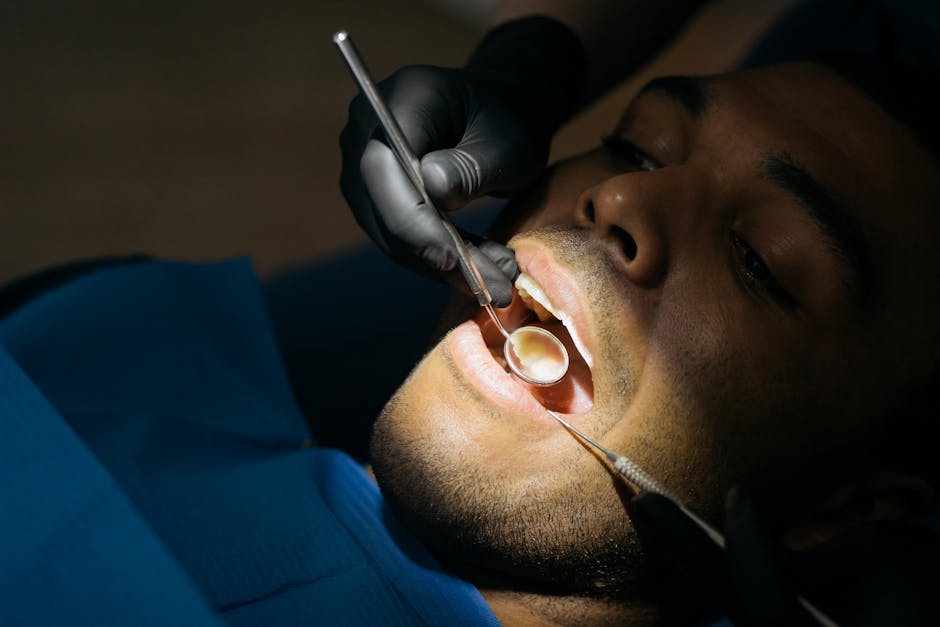
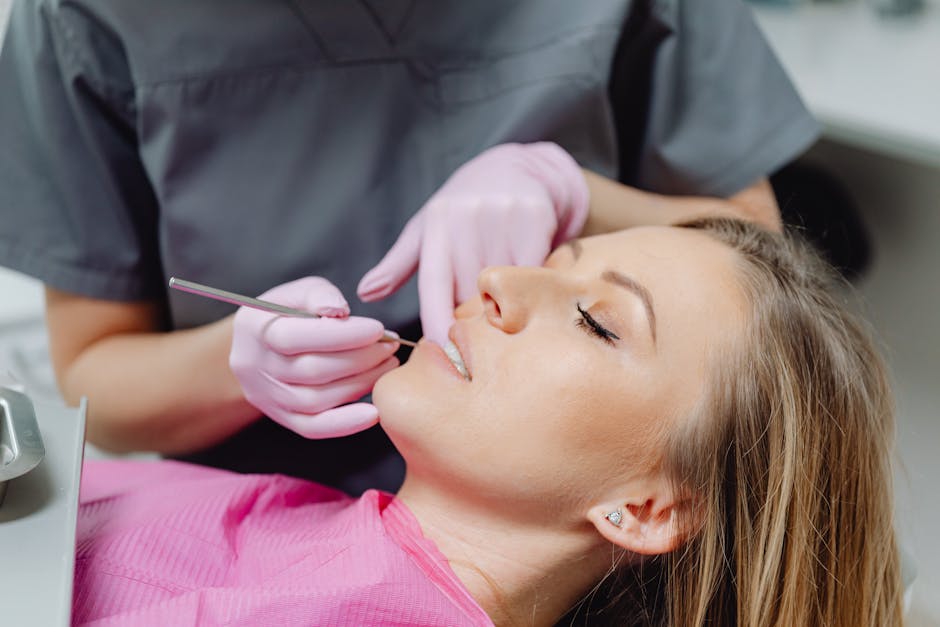
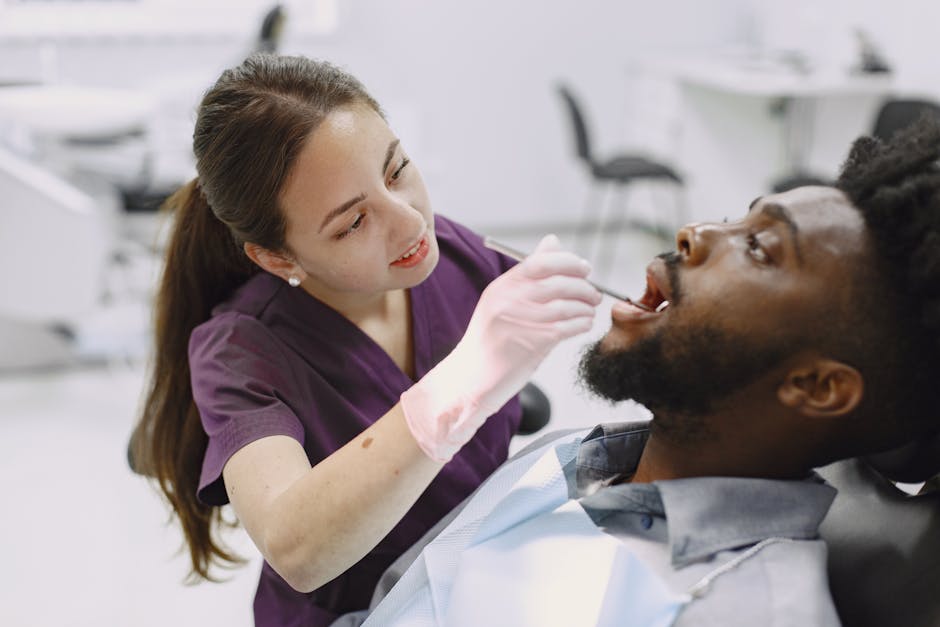
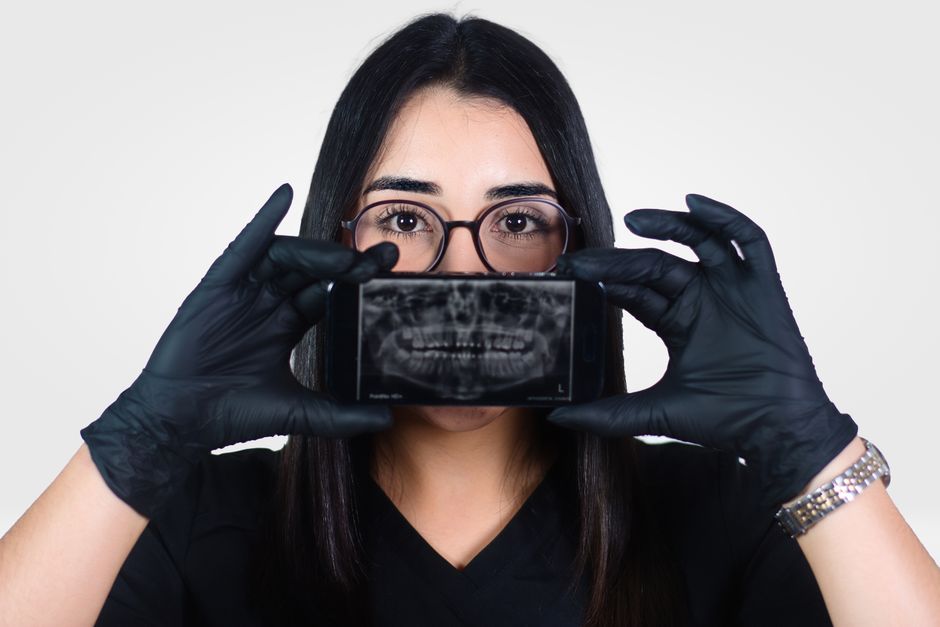
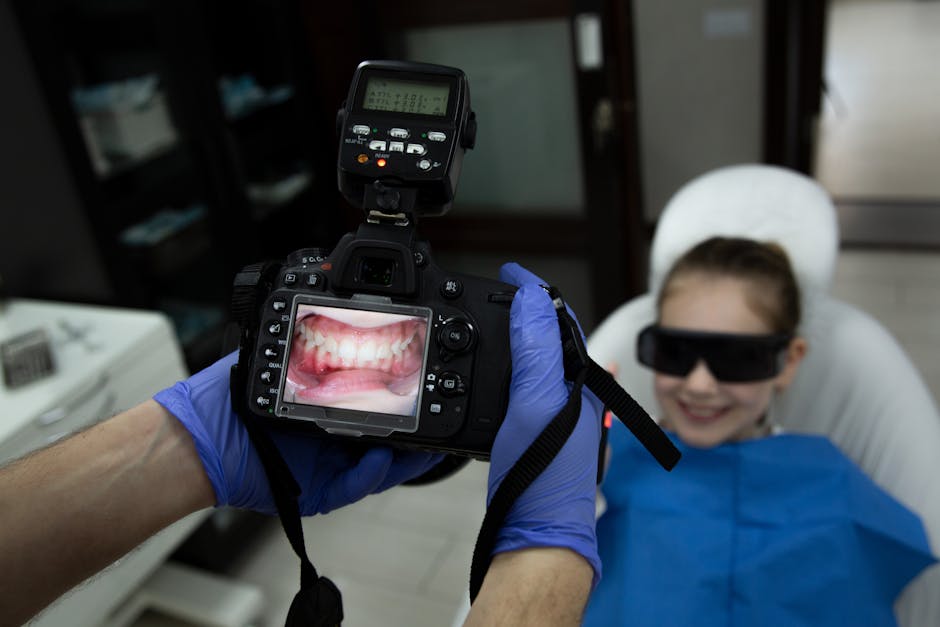
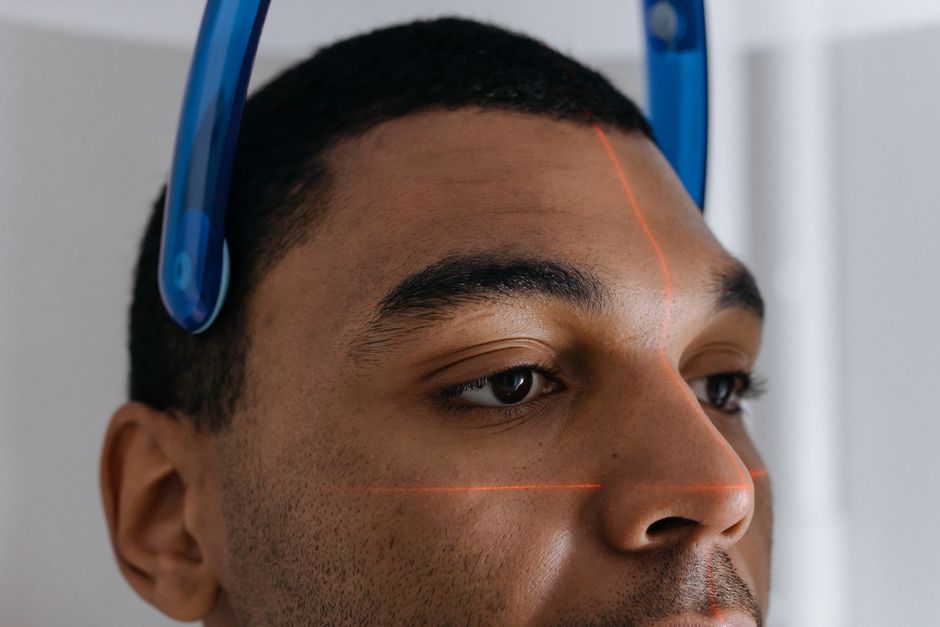
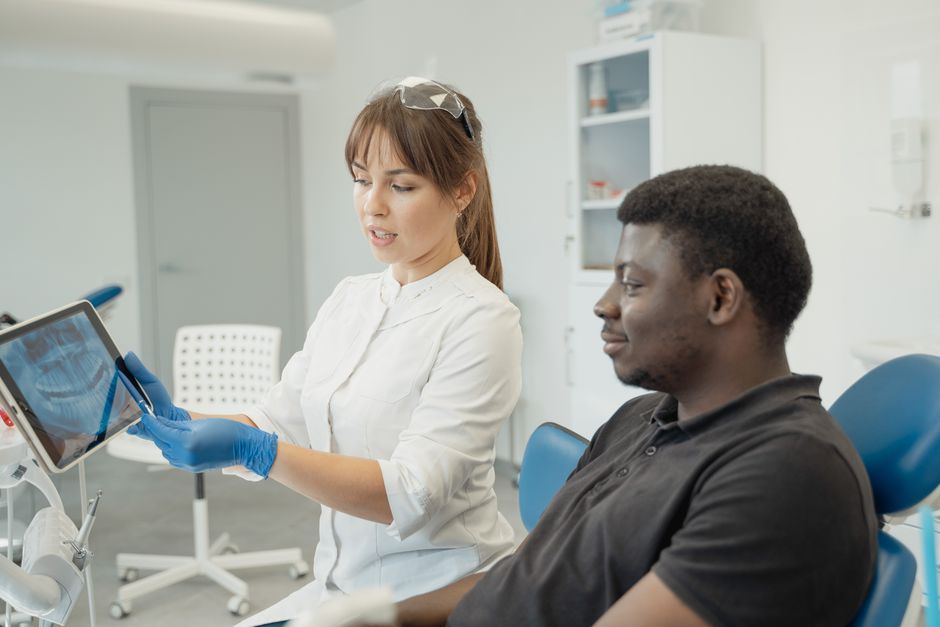
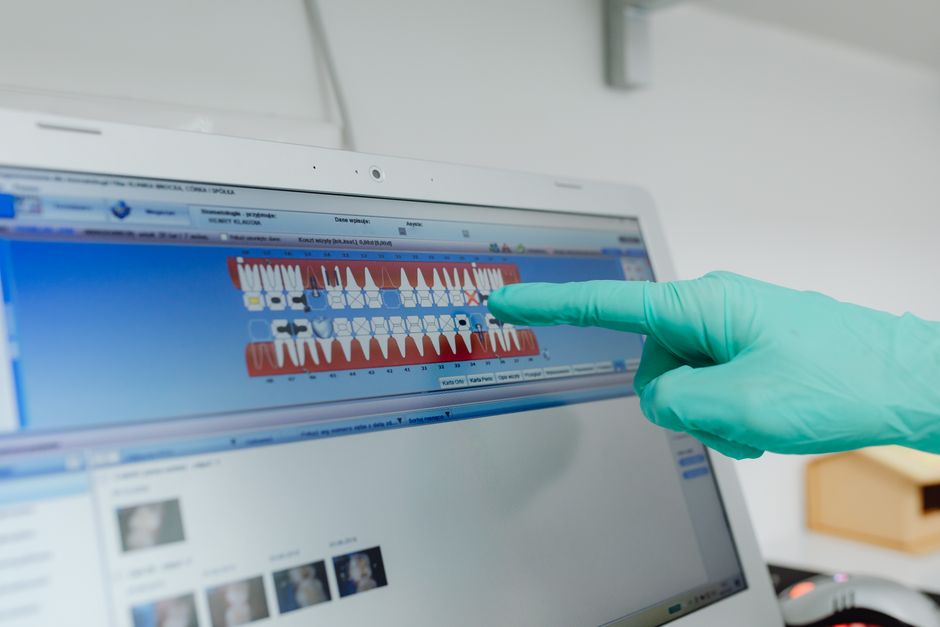
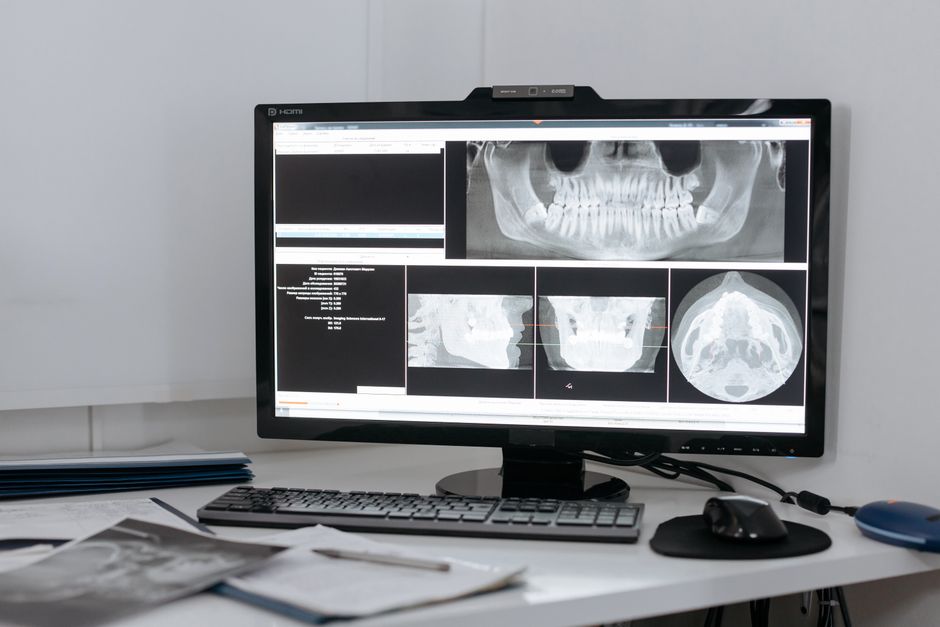
Dental professionals can add a few airway-relevant observations to their standard exam workflow: Mallampati score (as an estimate of oropharyngeal visibility), neck circumference notes (when appropriate), nasal breathing observation, and signs of mouth breathing. Photographic documentation may help communicate with physicians and also serve as baseline records for dental treatment planning.
At Istanbul Dental Academy, we emphasise that high-quality documentation is a clinical skill. It supports interdisciplinary communication and is often integrated into hands-on education, particularly when trainees are already building competencies in digital workflows and photography.
Oral appliance therapy: where dentistry can contribute
Mandibular advancement devices (MADs) and case selection
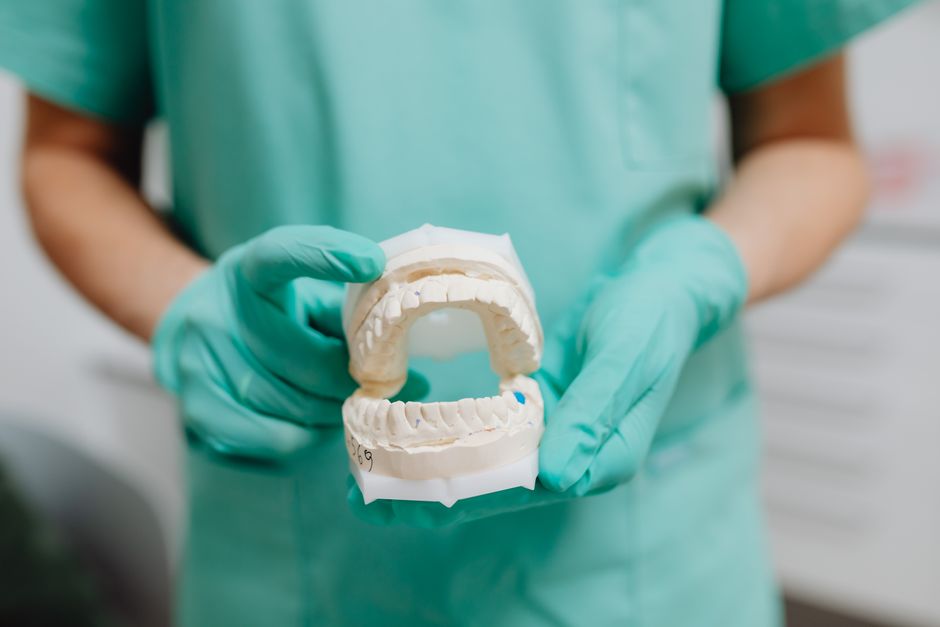
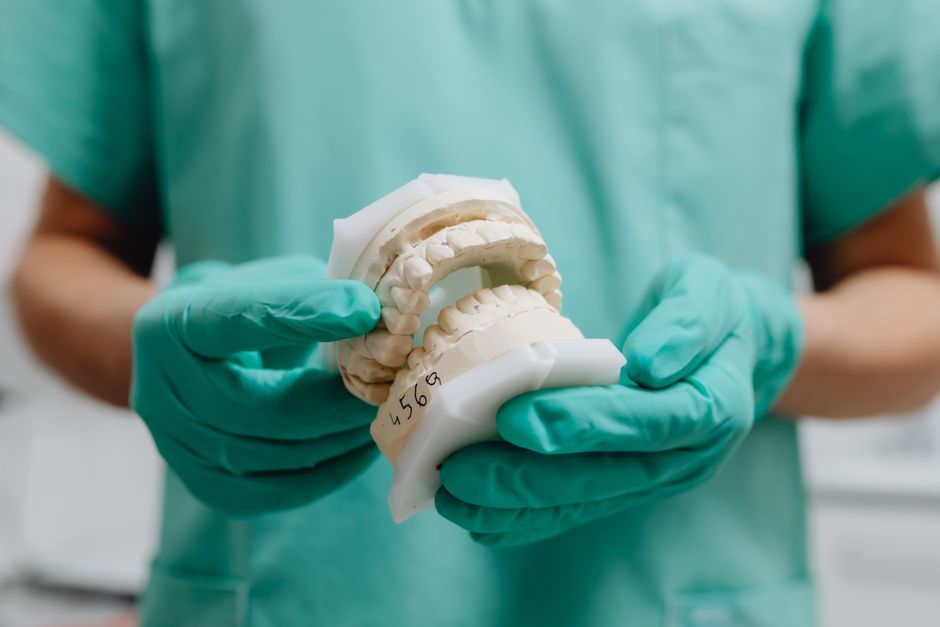
For selected patients with physician-diagnosed OSA—often mild to moderate cases, or CPAP-intolerant patients—custom oral appliances can be part of a shared-care plan. Mandibular advancement devices position the mandible forward to help maintain airway patency during sleep. Their design, titration, and follow-up require careful occlusal assessment, periodontal evaluation, caries control, and TMJ monitoring.
From a dental perspective, responsible appliance therapy includes baseline occlusal records, risk discussion (e.g., bite changes, discomfort), and periodic reviews. Importantly, confirmation of therapeutic effect is typically medical-led, often requiring sleep testing as advised by the sleep physician.
How digital dentistry supports appliance workflows
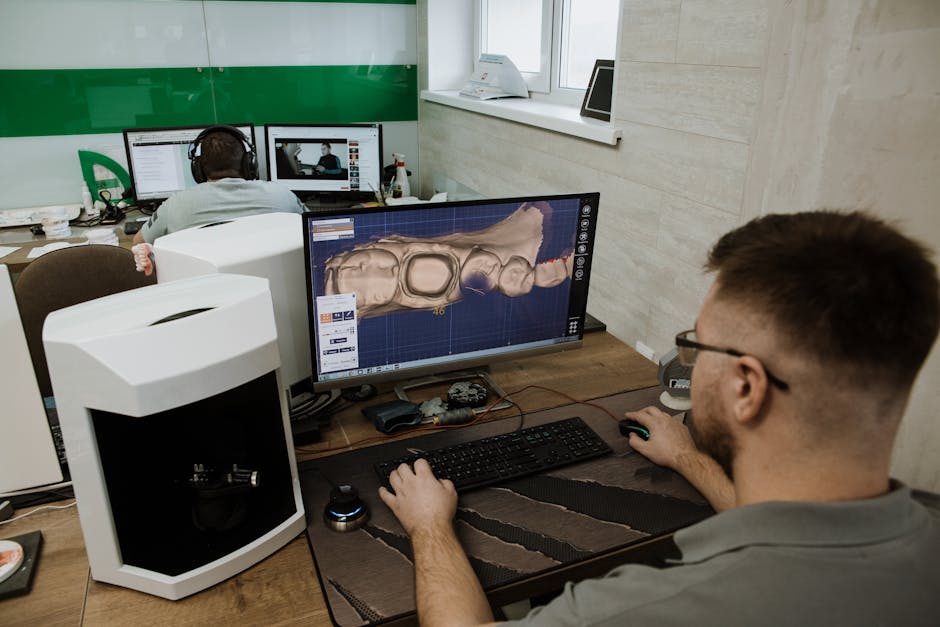
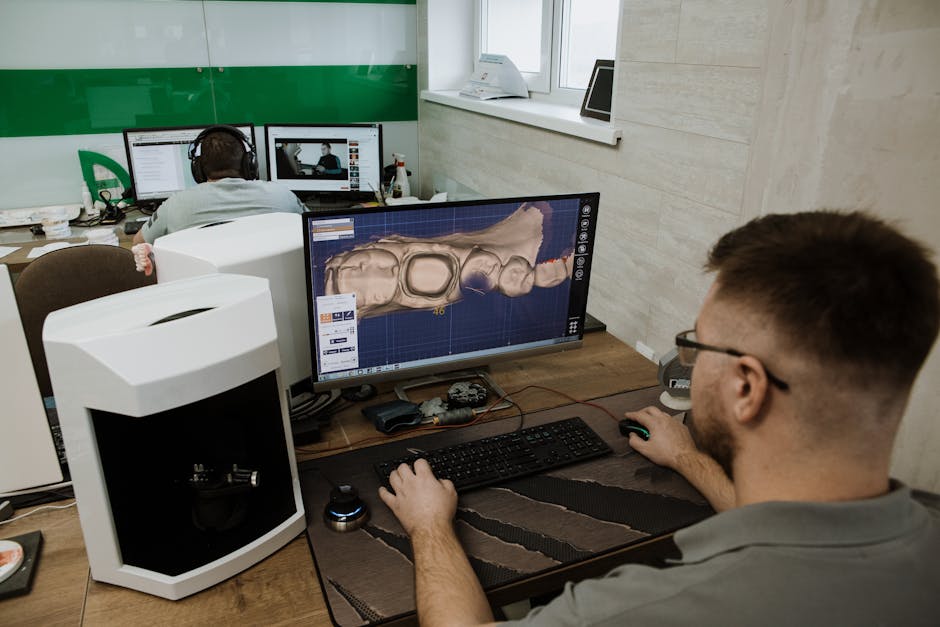
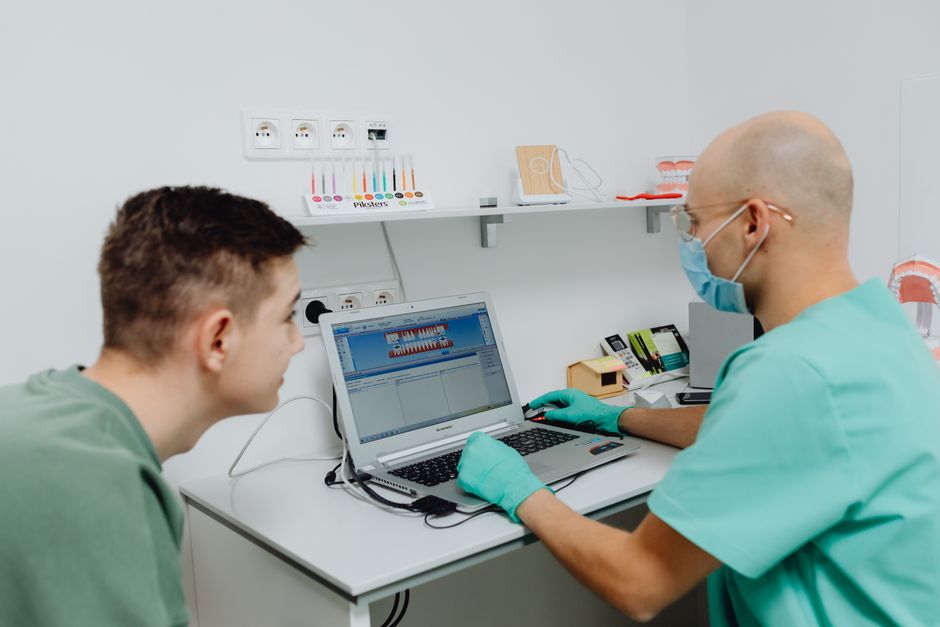
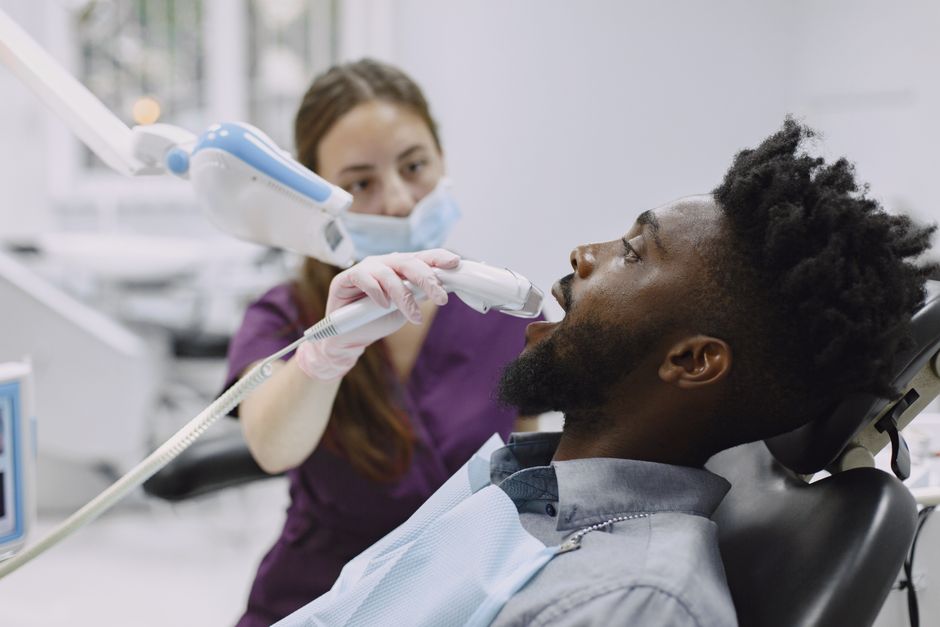
Modern intraoral scanning and digital bite registration can improve comfort and efficiency in appliance fabrication. Digital files facilitate lab communication and reproducibility, particularly when adjustments or remakes are required. Dentists developing these competencies may find it useful to study broader prosthodontic scanning protocols as well, such as digital impression techniques for implant-supported prostheses, because the principles of accuracy, soft-tissue management, and occlusal recording overlap across disciplines.
Intersections with core dental disciplines
Restorative dentistry and adhesive choices under functional stress
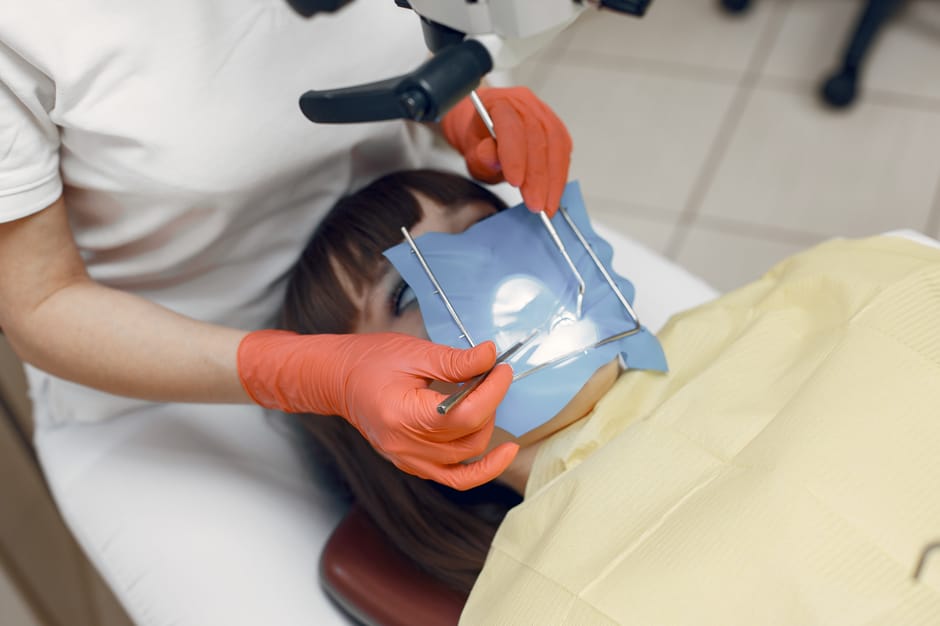
Sleep-related parafunction may increase the risk of marginal breakdown, cusp fracture, and restoration wear. For posterior restorations, dentists benefit from being up to date on adhesive protocols, isolation strategies, and material selection—especially when occlusal forces are high or when vertical dimension is being reorganised. A practical, clinical-oriented refresher on contemporary adhesive techniques for posterior restorations can support predictable outcomes in patients who also report bruxism, snoring, or non-restorative sleep.
Periodontology, xerostomia, and mouth breathing
Mouth breathing and reduced salivary flow can aggravate gingival inflammation and caries risk. In periodontal maintenance, it is helpful to explore contributory behaviours: nasal obstruction, allergy history, and sleeping posture. While periodontal therapy does not treat OSA, stabilising periodontal health and addressing xerostomia-related risk supports overall oral resilience—especially when a patient is using CPAP (which may cause dryness) or an oral appliance.
Implant dentistry and surgical planning: thinking beyond teeth
OSA screening is also relevant in implant dentistry. Patients seeking implant rehabilitation may be older, may have systemic conditions, and may require longer appointments or surgical interventions. Clinicians should consider medical referrals when symptoms suggest sleep-disordered breathing, and they should plan surgical workflows with patient safety in mind.
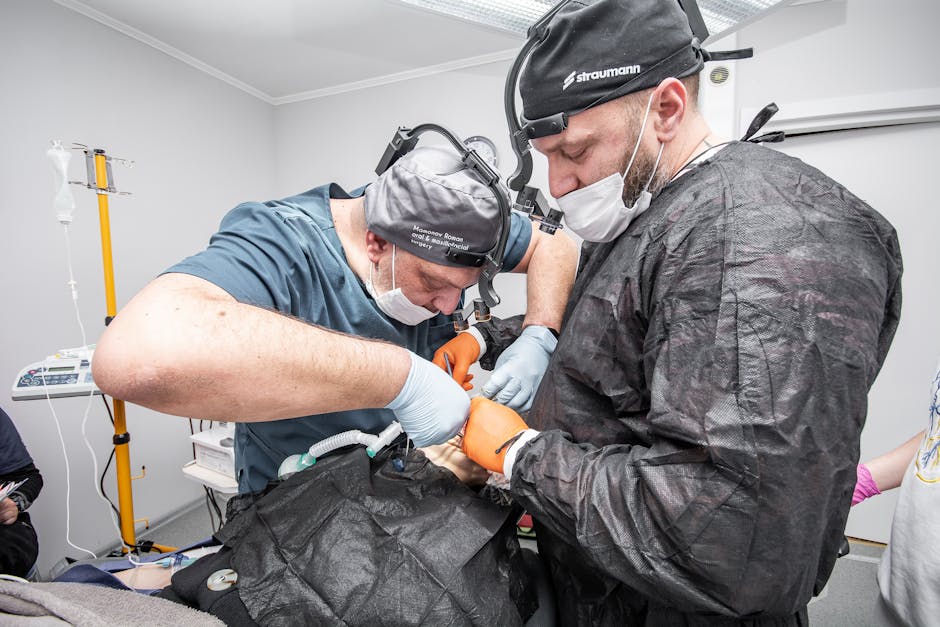
When extraction and implant placement are planned in a time-efficient manner, structured protocols and training can improve predictability. If you are refining your surgical decision-making and timelines, see Same-Day Tooth Extraction and Immediate Implant Placement: Workflow and Training Insights for an educational overview that complements hands-on learning.
Prosthodontics and full-arch cases: occlusion, vertical dimension, and airway
Complex prosthodontic rehabilitation often involves changes to occlusal scheme, vertical dimension, and mandibular position—factors that may influence comfort and function. While dentists should avoid claiming that prosthodontic changes “treat” sleep apnea, they can acknowledge that craniofacial relationships and mandibular posture are relevant to airway mechanics. In full-arch implant cases, precision is critical; errors in fit or occlusion can lead to overload, discomfort, and mechanical complications.
For clinicians advancing in implant prosthodontics, understanding achieving passive fit in implant-supported prostheses is foundational—especially when treating patients who may have heavy nocturnal functional patterns.
Aesthetics and “smile makeovers” in patients who report poor sleep
Smile design with a functional lens
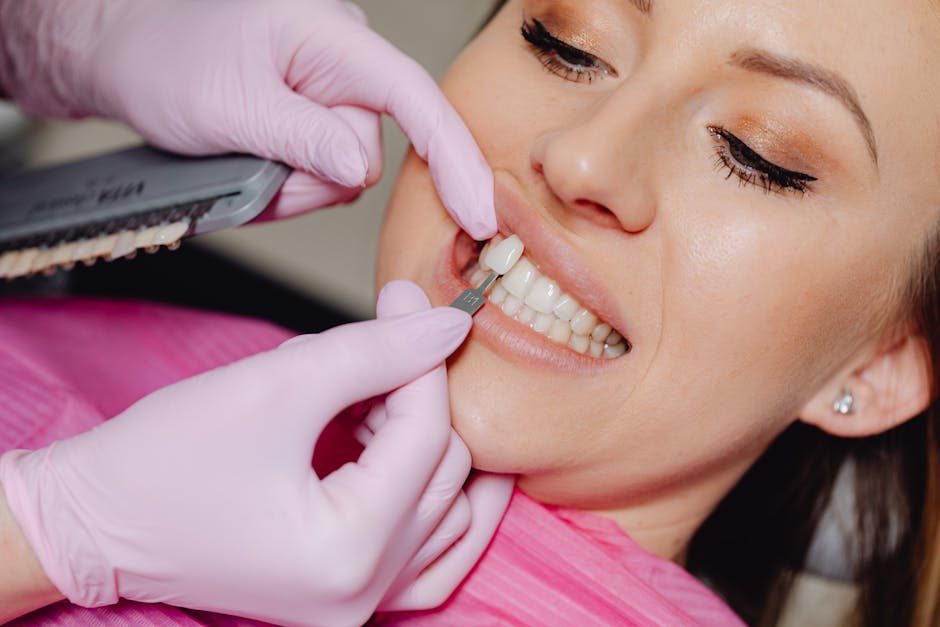
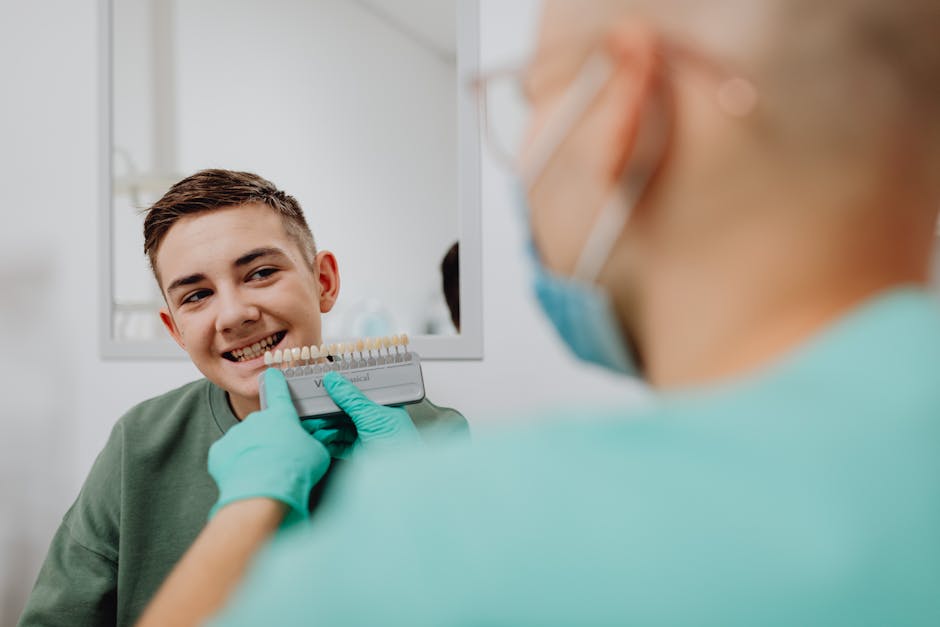
Patients seeking aesthetic transformation—porcelain laminate veneers, full ceramic crowns, or a “Hollywood Smile”—may also have signs of erosion, attrition, and muscle tenderness. In these cases, a careful functional assessment (including sleep-related symptoms) protects aesthetic investment. It is often wise to address disease control, stabilise occlusion, and plan protective strategies before finalising ceramics.
In consultations, setting realistic expectations about sequencing and timelines can improve patient satisfaction. For an educational discussion of planning considerations, refer to How Long Does a Hollywood Smile Take? Timeline, Steps, and Clinical Considerations—a useful framework when coordinating elective dentistry with broader health evaluations.
Building an interdisciplinary pathway: how to refer and collaborate
Who to collaborate with
Effective care for suspected OSA typically involves sleep medicine physicians, ENT specialists, pulmonologists, and sometimes cardiologists. Dentists can contribute by providing structured oral findings, periodontal status, TMJ assessment, and appliance-related documentation when indicated.
A practical referral note can include: chief complaint (snoring, witnessed apneas), screening questionnaire score (if used), relevant medical history, BMI or neck circumference if recorded, oral examination findings (e.g., Mallampati, tongue scalloping), and your request for sleep evaluation.
Follow-up and monitoring in dental practice
If a physician prescribes oral appliance therapy, the dentist’s follow-up typically focuses on fit, comfort, titration steps (as guided by the prescribing team), occlusal changes, and monitoring of periodontal and caries risk. For CPAP users, dental visits can help address dryness, mucosal irritation, and bruxism-related wear that may persist.
Education and clinical upskilling at Istanbul Dental Academy
Dentistry is increasingly interdisciplinary, and sleep-related complaints are part of real-world patient communication. For dental professionals, confidence comes from structured training: taking a targeted history, documenting with photos and digital records, recognising functional risk, and planning restorations and prostheses that are durable under load.
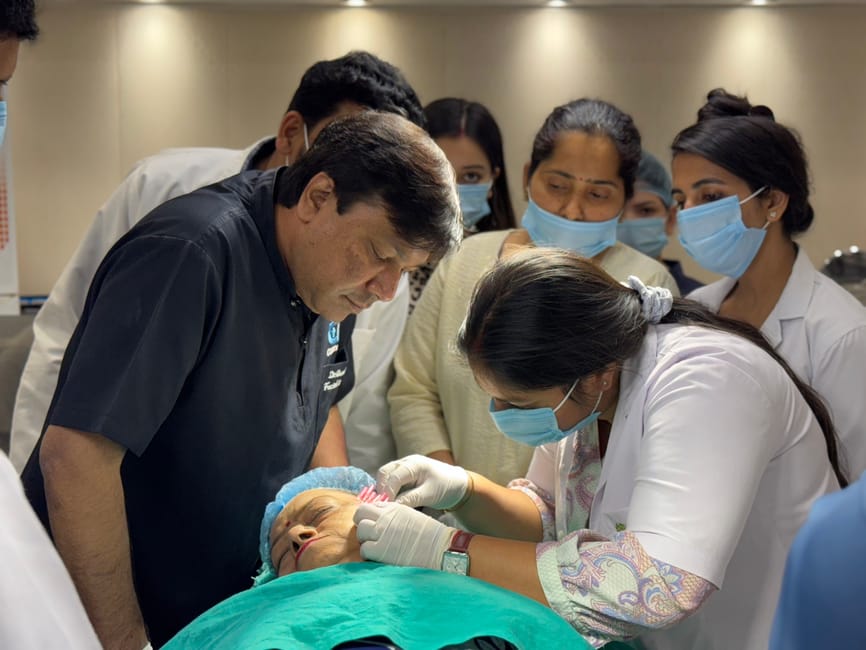
Istanbul Dental Academy supports clinicians through continuing dental education and hands-on courses that strengthen the skill sets most relevant to these cases: digital workflows (scanning and bite records), restorative adhesion, implant surgery principles, and prosthodontic accuracy. While our courses are not a replacement for medical sleep training, they are designed to help dentists integrate screening awareness into comprehensive treatment planning—whether the patient is undergoing posterior restorations, aesthetic rehabilitation, or implant-supported prostheses.
Key takeaways for dental professionals
• Snoring can be a sign of sleep-disordered breathing; dentists can screen, document, and refer responsibly.
• Oral findings (wear, dryness, tongue scalloping, narrow arches) may justify a structured medical referral rather than assumptions.
• Oral appliance therapy is typically part of shared care after physician diagnosis; it requires careful occlusal and TMJ monitoring.
• Sleep-related parafunction can influence restorative and prosthodontic decisions—material selection, adhesion, and precision fit matter.
• Continuing education in digital dentistry, restorative protocols, and implant prosthodontics supports safer, more predictable outcomes.
This content is for educational purposes only and does not constitute medical advice. Patients with suspected sleep apnea should be evaluated by a qualified physician or sleep specialist.
Diğer Yazılar