
BLOG
Daily Gum Care Guide: Practical Habits for Healthier Gingiva

Why daily gum care matters (beyond “fresh breath”)
When dental professionals discuss long-term oral health, “healthy gums” is often the starting point—not the finish line. Gingival health supports patient comfort, esthetics, and function, and it directly influences the predictability of restorative dentistry, prosthodontics, and implant therapy. Inflamed gingiva can compromise impressions and digital scans, increase bleeding during bonding procedures, and mask or mimic deeper periodontal issues. For patients, gum discomfort and bleeding frequently become the first signs that motivate a dental visit.
From an educational standpoint, daily gum care is also one of the most teachable, measurable aspects of preventive dentistry. Whether you are a dental student refining your patient communication skills or a clinician integrating advanced workflows, the ability to assess gingival status, explain risk factors, and prescribe individualized home-care protocols is a core competency. This content is for educational purposes and is not a substitute for individualized diagnosis or treatment planning.
What “healthy gingiva” looks like clinically
Gingival health is more than “pink and firm.” Clinically, it involves tissue color appropriate to phenotype and pigmentation, minimal bleeding on probing, absence of edema, stable probing depths, and patient-reported comfort during brushing and eating. In day-to-day practice, quick indicators such as bleeding on brushing, persistent halitosis, and sensitivity around the gingival margin can hint at plaque-induced inflammation—yet they can also be influenced by systemic factors and habits.
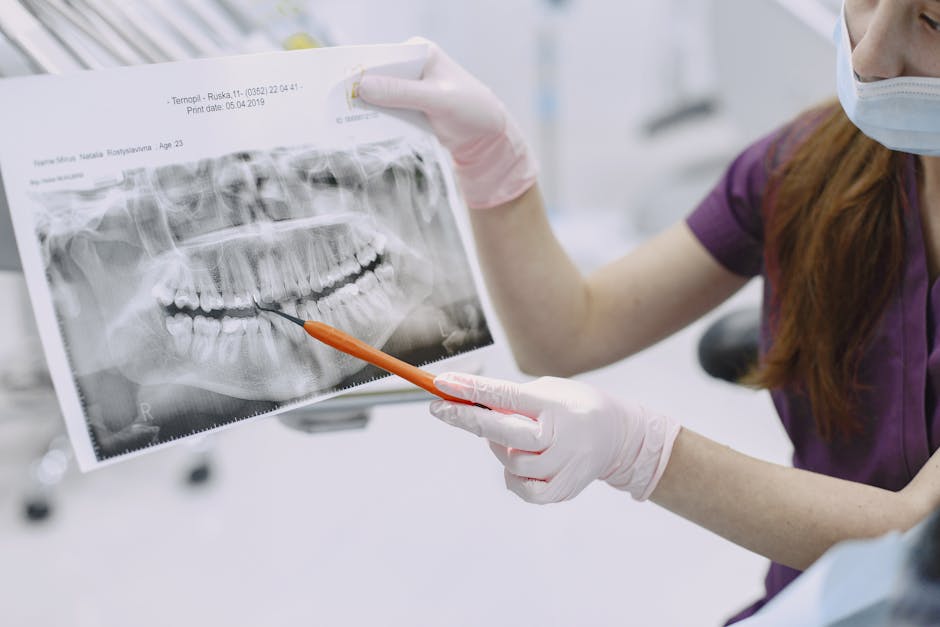
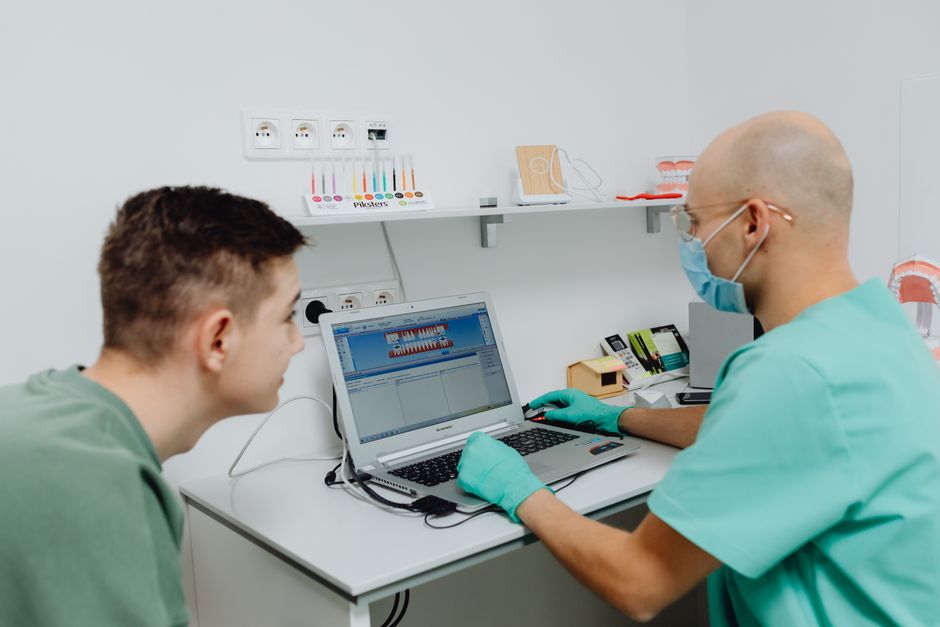
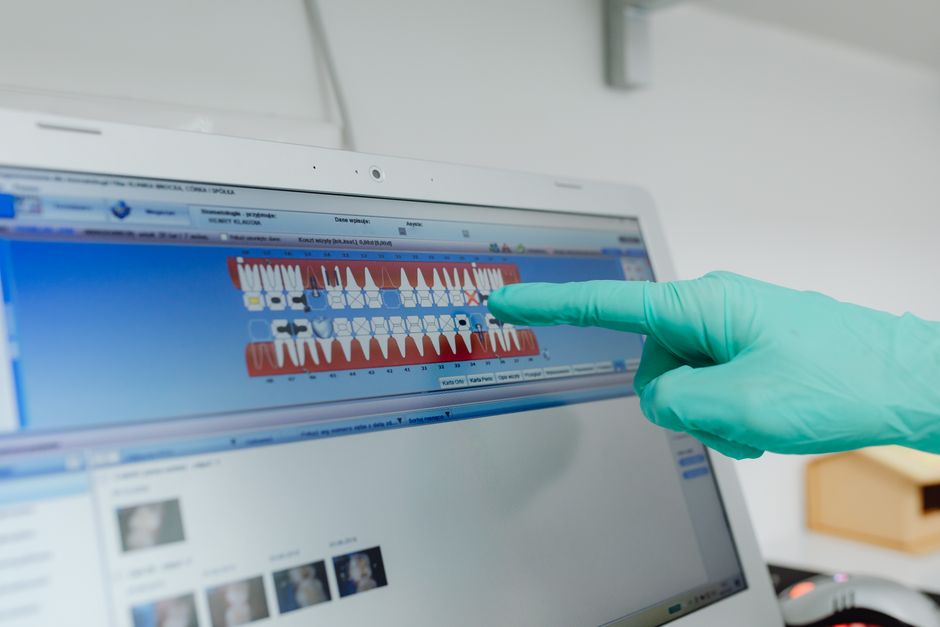
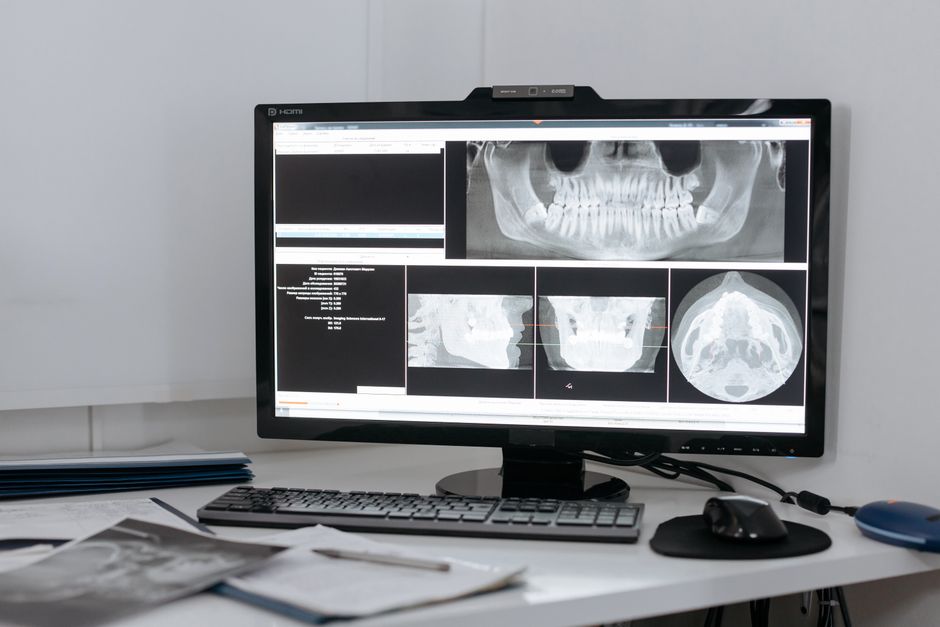
Because gingival health is dynamic, documentation matters. Periodontal charting, indices (e.g., bleeding scores), and standardized intraoral photography help monitor changes over time—especially when patients are undergoing smile rehabilitation, aligner therapy, or implant maintenance.
A practical daily gum-care routine for patients (and how to teach it)
1) Brushing technique: margin-focused, gentle, and consistent
For most patients, gum inflammation improves when brushing shifts from “scrubbing teeth” to “cleaning the gumline.” A soft-bristled brush, small head size, and gentle pressure reduce trauma while improving plaque disruption at the gingival margin. Power brushes can help patients with limited dexterity, but technique and compliance remain the determining factors.
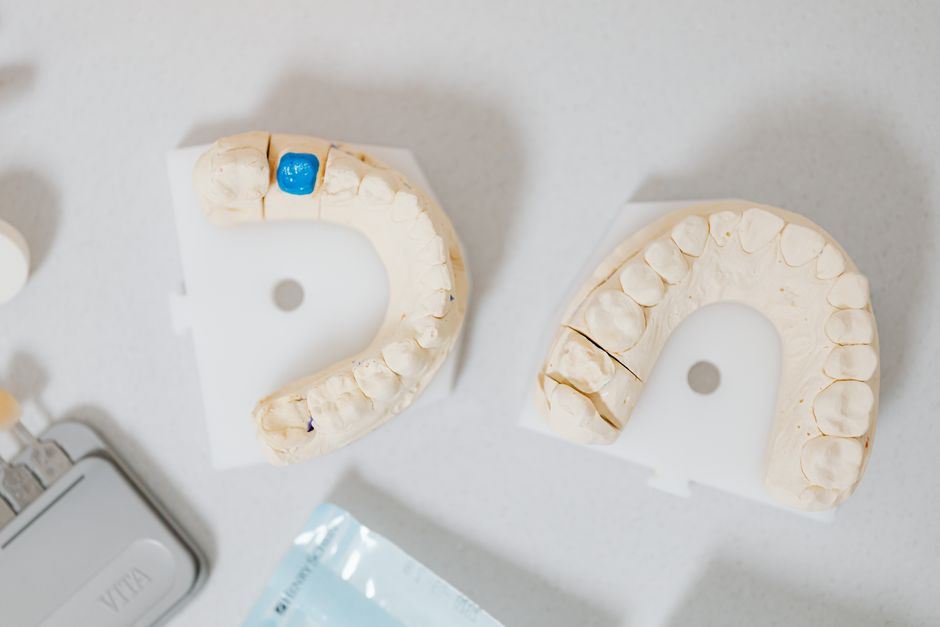
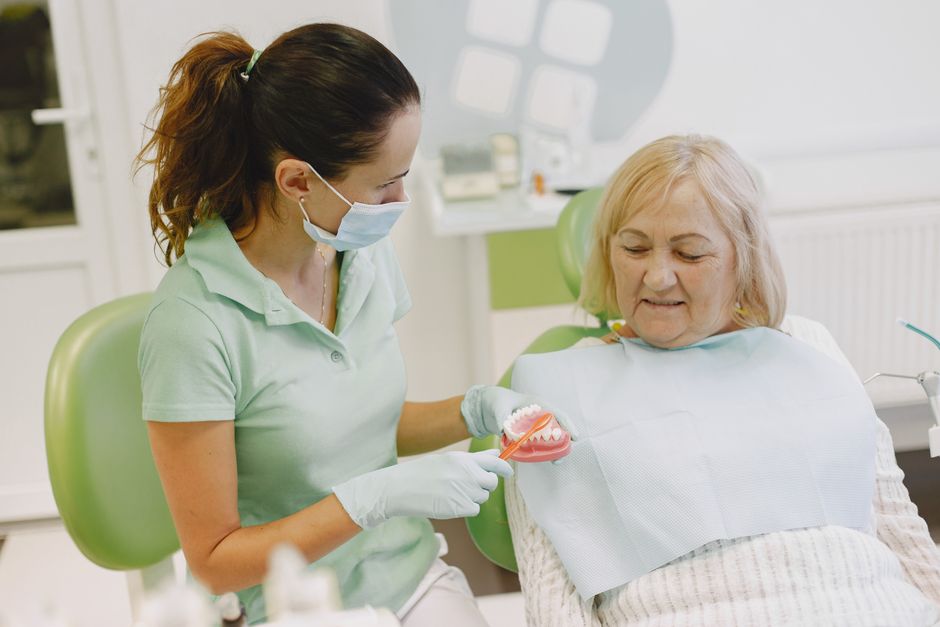
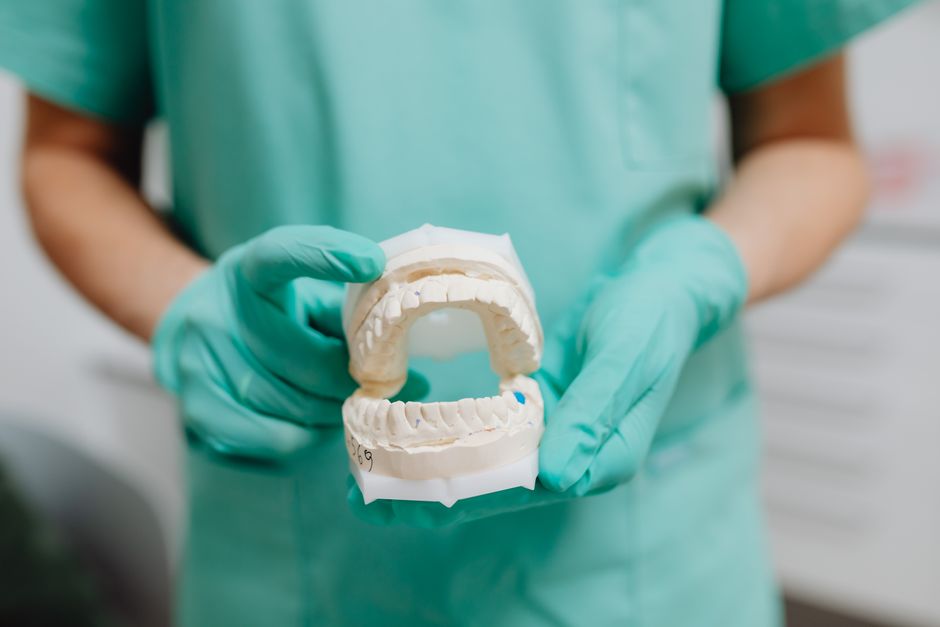
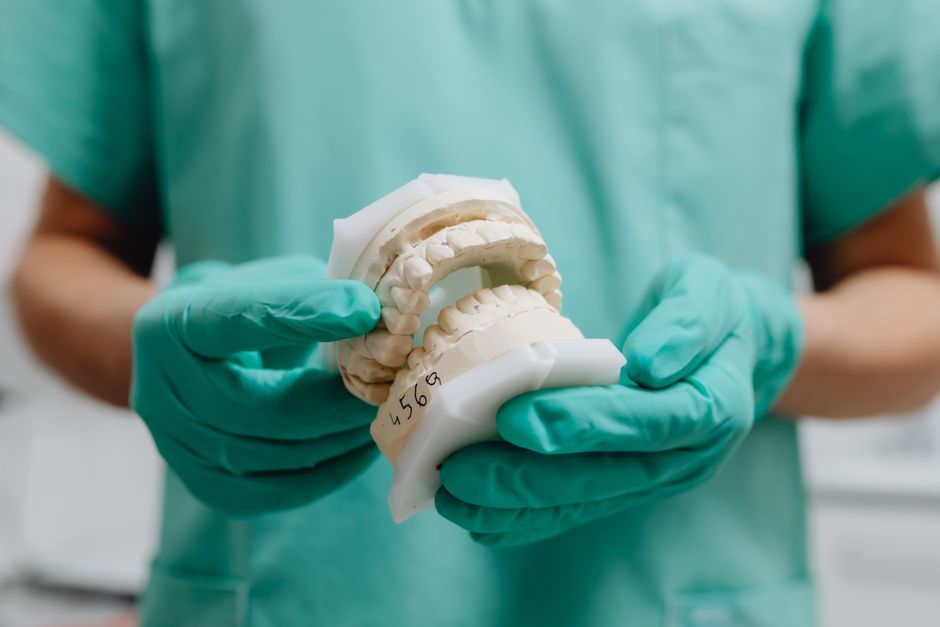
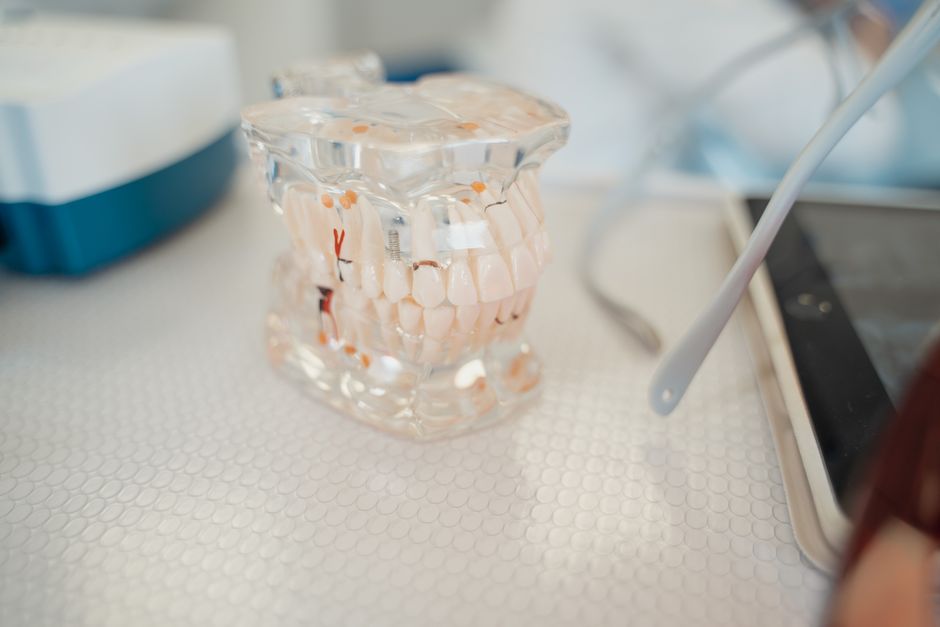
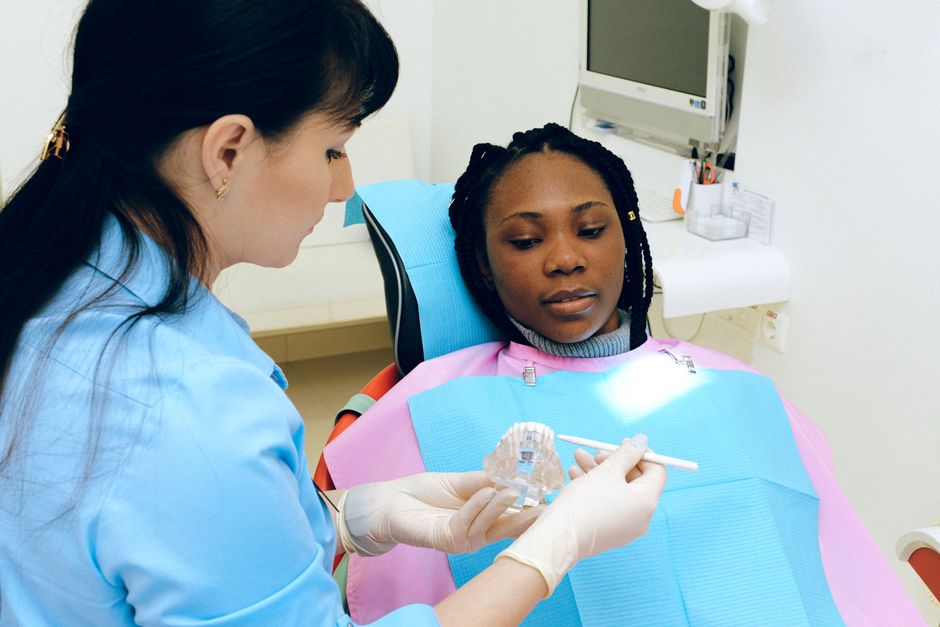
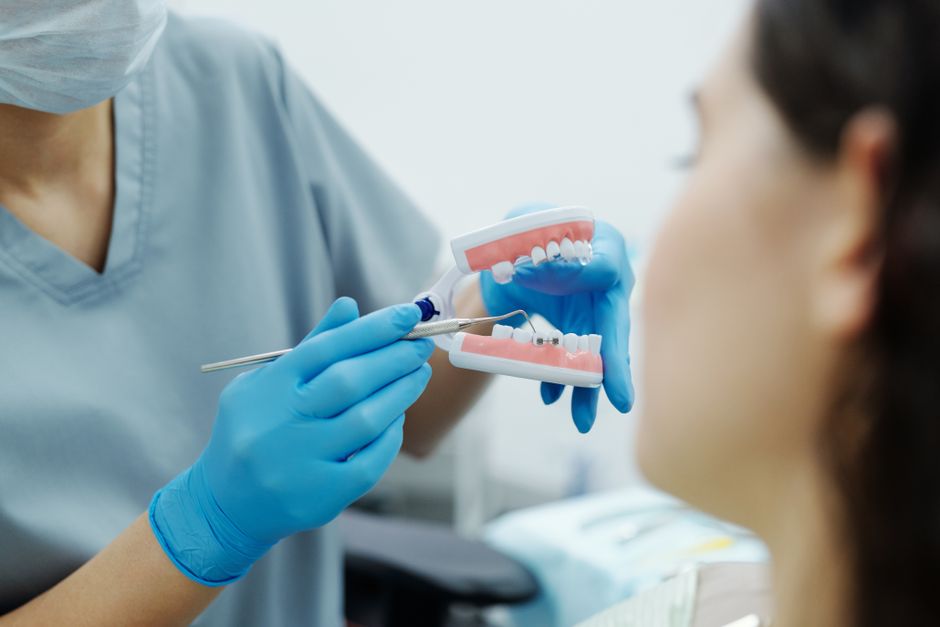
In clinical education, it’s useful to coach patients using a mirror and short, concrete instructions: angulation toward the sulcus, small vibratory strokes, and a timed routine. Consider demonstrating on a model chairside and reinforcing at recall visits—brief repetition often outperforms one-time detailed lectures.
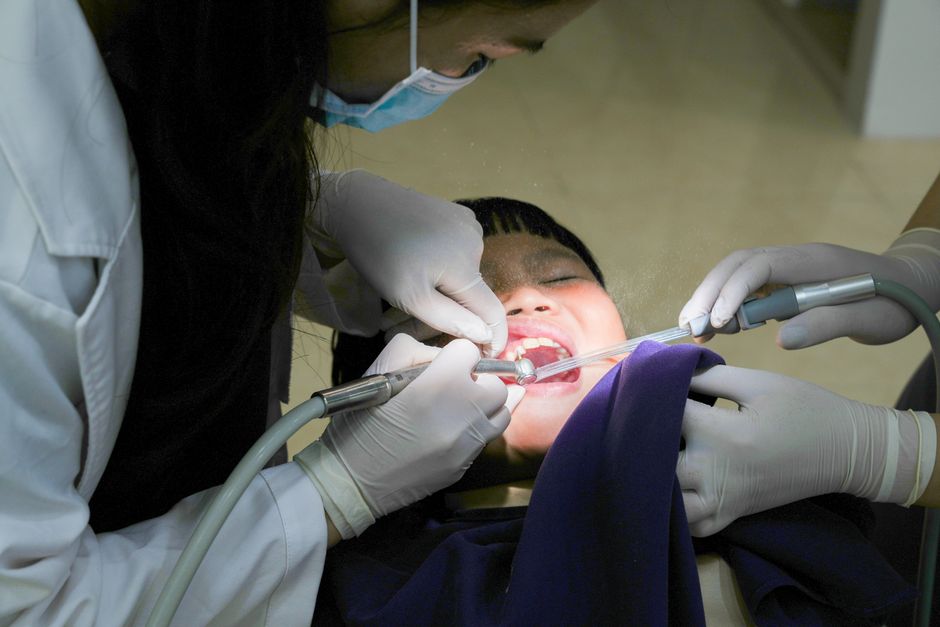
2) Interdental cleaning: select the tool that will be used
Interdental plaque is a major driver of gingival inflammation. However, the “best” interdental tool is the one the patient can perform daily. Floss may be effective in tight contacts, while interdental brushes can be easier and more efficient in embrasures, around fixed prostheses, and near implant-supported restorations. Water irrigators may support patients with braces, dexterity limitations, or deep periodontal maintenance needs—yet they should not be framed as a complete substitute for mechanical plaque removal.
In restorative and prosthodontic cases, interdental access can be influenced by contact design and emergence profile. Teaching patients interdental cleaning is therefore not only preventive—it is a continuation of your clinical design choices.
3) Antimicrobial adjuncts: careful selection and expectations
Mouthrinses can be helpful for short-term control of gingival inflammation or post-procedure hygiene support, but they should be positioned as adjunctive rather than primary therapy. Alcohol-free formulations may be preferred for patients with xerostomia or mucosal sensitivity. For specific active agents (e.g., chlorhexidine), clinicians should emphasize limited duration and potential side effects such as staining or taste alteration. Individual recommendations should be based on clinical findings and patient-specific factors.
4) Tongue and appliance hygiene: a common blind spot
Biofilm does not stop at the gingival margin. Tongue cleaning can contribute to oral malodor management and overall hygiene habits. Retainers, night guards, and removable prostheses also require daily cleaning with appropriate products to reduce microbial load and mucosal inflammation risk. In practice, asking “How do you clean your retainer?” can uncover major contributors to persistent gingival issues.
Everyday risk factors that undermine gum health
Smoking, stress, and acute gingival breakdown
Some patients present with gingival conditions that escalate rapidly, especially under combined behavioral and systemic stressors. Tobacco use can alter vascular responses and clinical appearance, potentially masking inflammation while periodontal breakdown continues. Stress may correlate with immunologic changes, parafunctional habits, and reduced self-care. For a deeper professional discussion, see Smoking, stress, and necrotizing gingivitis: what dental professionals should know, which reviews clinical implications and considerations in patient education.
Systemic and medication-related factors
Diabetes control, hormonal fluctuations, and medications associated with gingival enlargement or xerostomia can influence daily periodontal stability. While clinicians should avoid oversimplifying cause-and-effect, it is often valuable to incorporate medical history updates into periodontal maintenance visits and to coordinate with physicians when appropriate.
Occlusion, parafunction, and restorative contours
Although plaque is a primary etiologic factor in gingivitis, local contributors—overhanging margins, bulky provisional restorations, subgingival contours, and parafunctional load—can aggravate inflammation and complicate home care. This is especially relevant in esthetic cases where patients are highly motivated but struggle to clean around new restorations.
Gum health as the foundation for esthetics: veneers and smile design
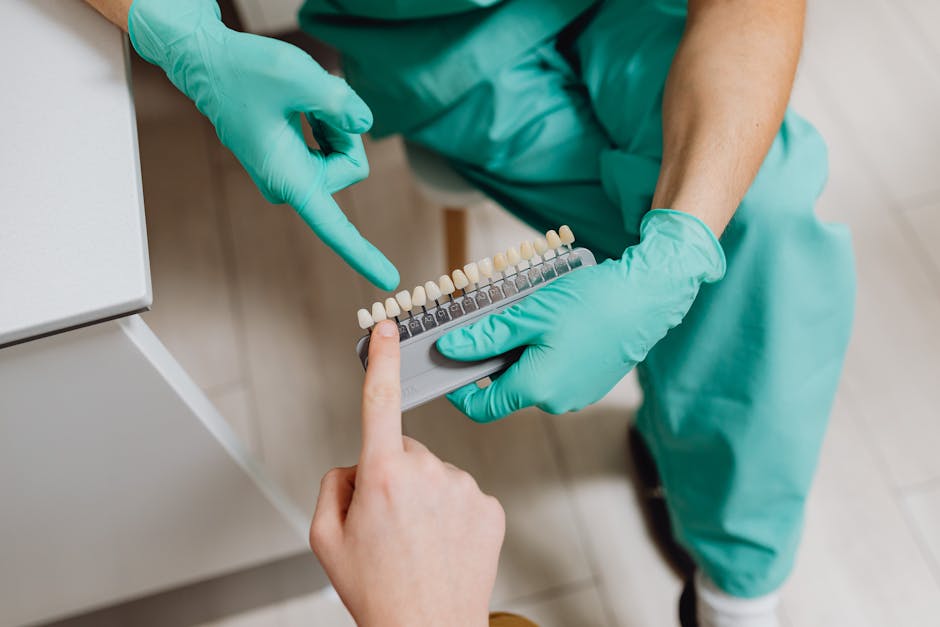
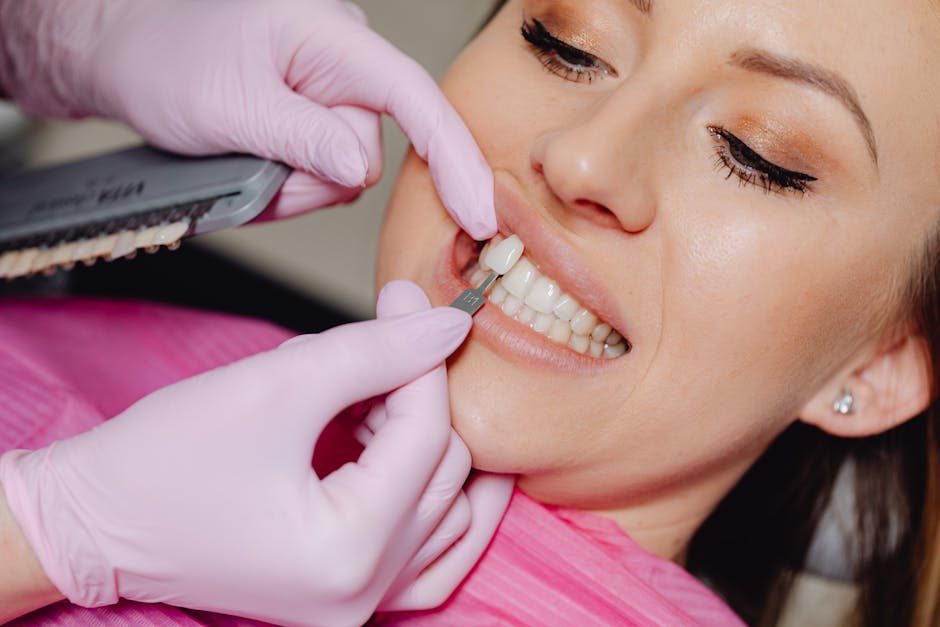
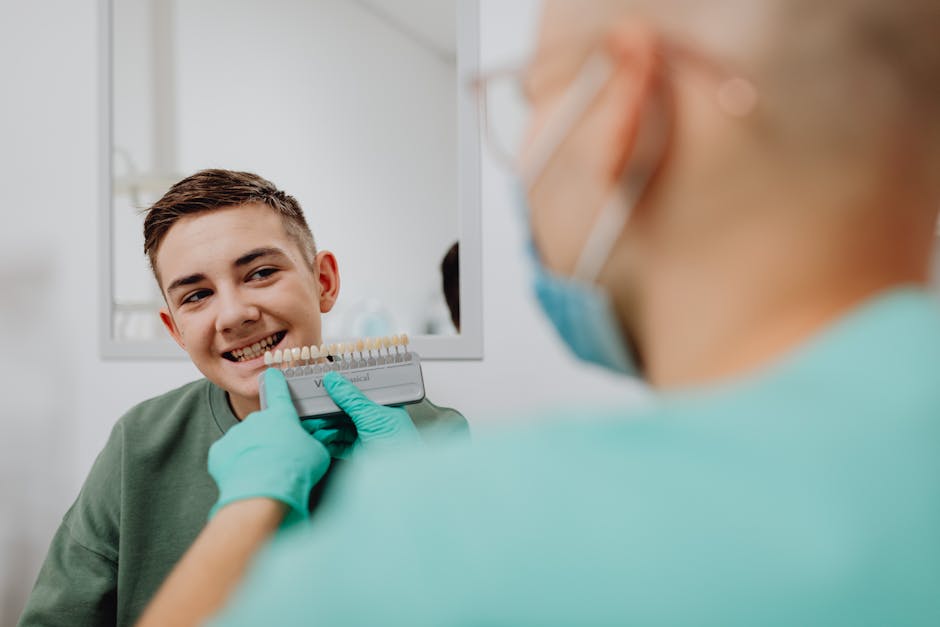
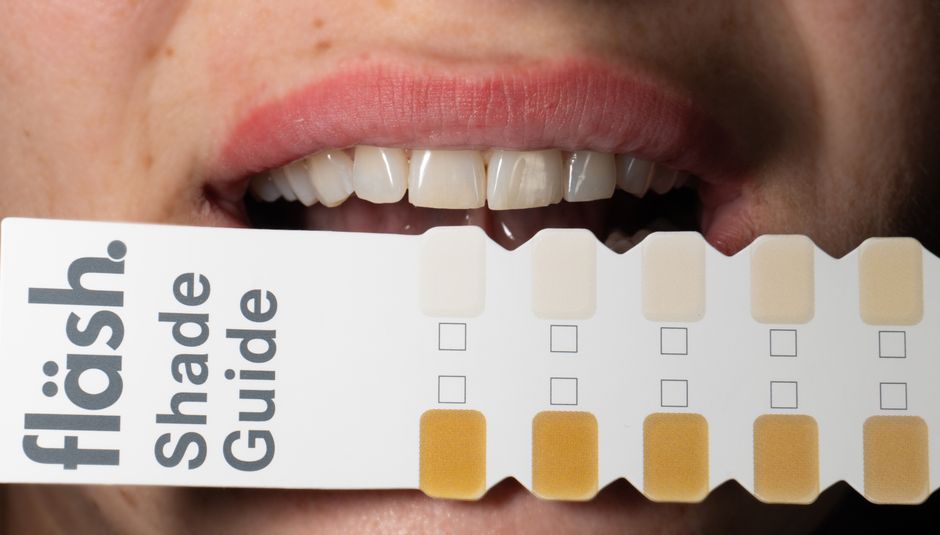
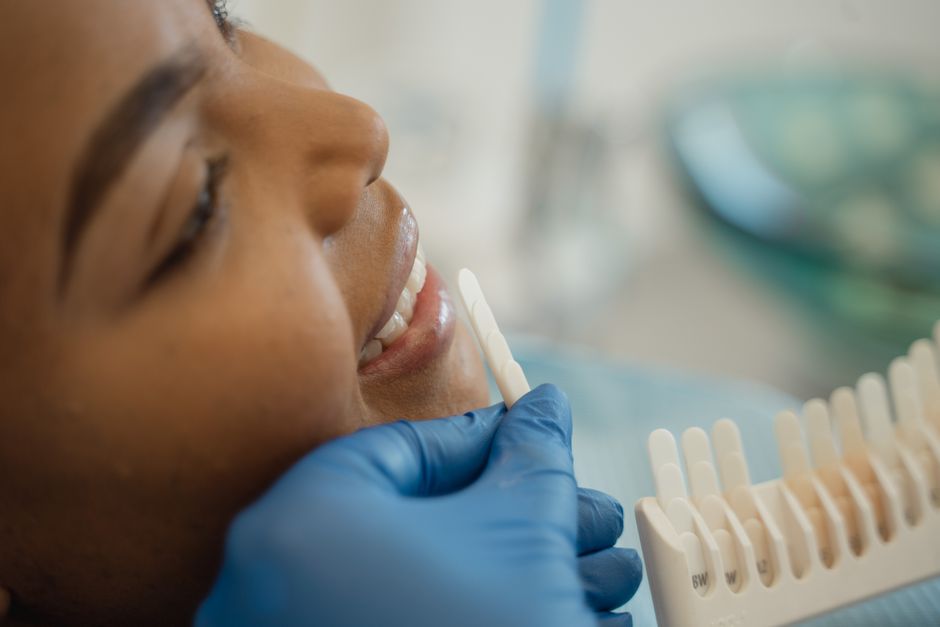
In smile makeovers, healthy and stable gingival tissues are essential for predictable shade selection, margin placement, and photography-based communication. Inflamed tissues can bleed during bonding, distort the gingival zenith, and lead to patient dissatisfaction even if the restorations are technically excellent.
When planning minimally invasive esthetic dentistry, clinicians must consider whether the soft tissues are stable enough to proceed—and whether changes in contour are expected after hygiene optimization or periodontal therapy. Istanbul Dental Academy emphasizes this interdisciplinary thinking in continuing education pathways that connect diagnosis, planning, and hands-on execution.
For clinicians reviewing restorative indications and constraints, Case selection for porcelain laminate veneers: a clinical guide is a helpful reference to align esthetic goals with biological principles, including the role of gingival health in margin design and long-term maintenance.
Similarly, What is smile design? Candidates, workflow, and clinical considerations provides a broader view of how soft-tissue status, patient expectations, and digital planning converge—reinforcing that “beautiful” must also be “maintainable.”
Implants and gingiva: daily maintenance for peri-implant health
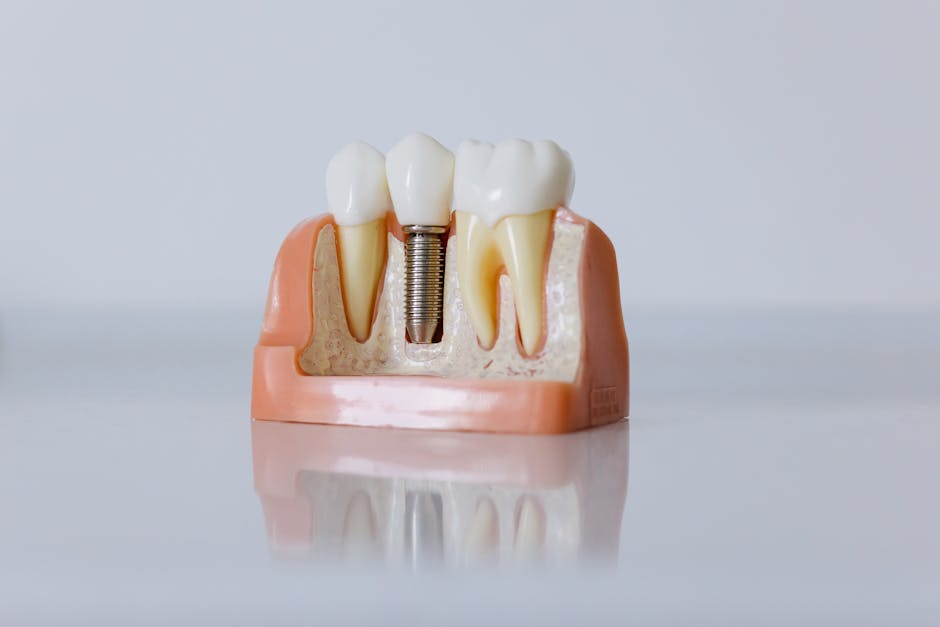
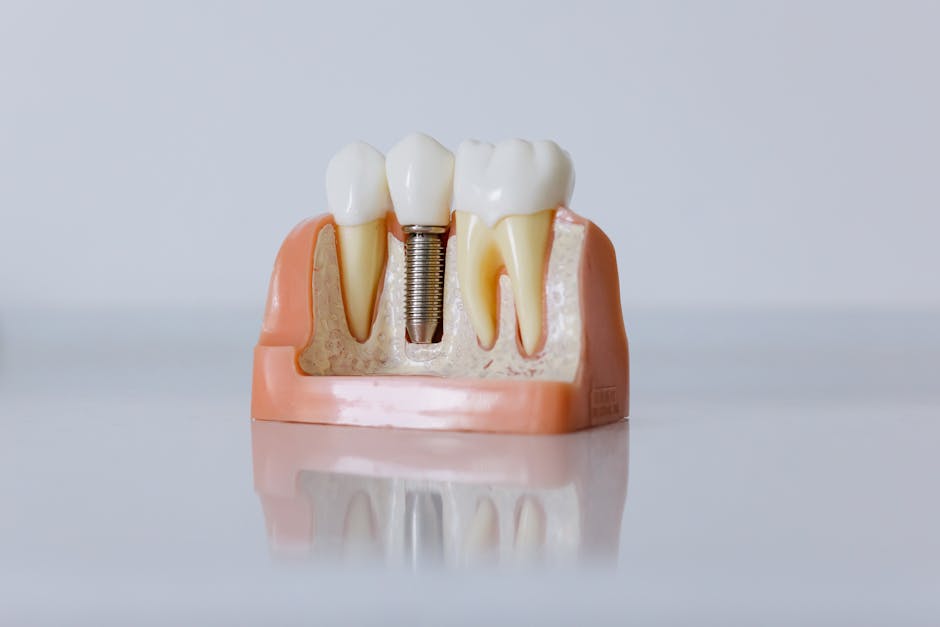
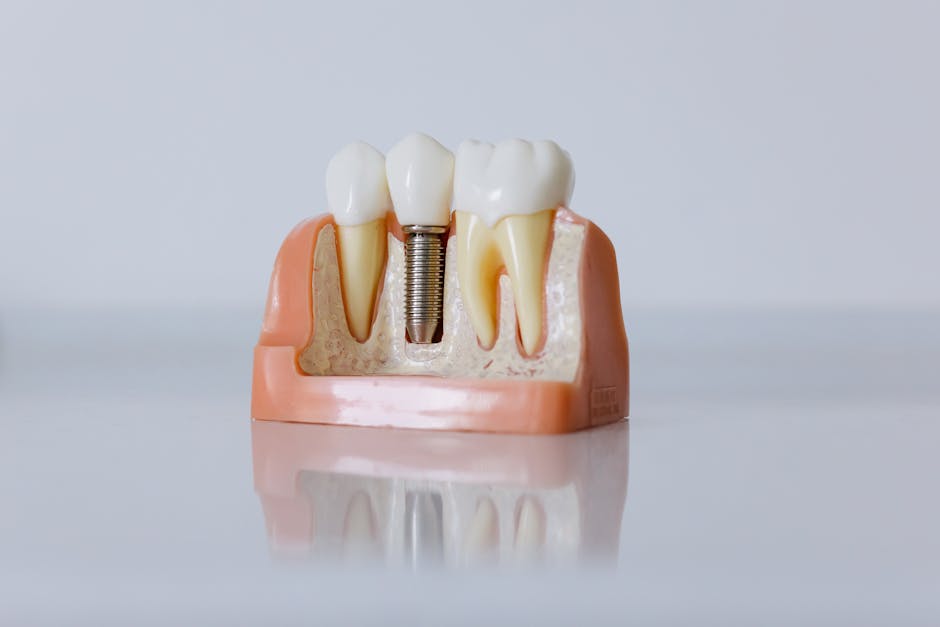
As implant dentistry becomes a routine part of comprehensive care, daily plaque control around implants deserves specific attention. Implant-supported restorations often have contours and access limitations that differ from natural teeth, and patients may not intuitively adjust their hygiene technique. Interdental brushes (appropriate size), superfloss, and targeted instruction can be critical, especially around fixed full-arch cases.
Maintenance is not only about preventing inflammation; it also supports the longevity of complex treatments. For clinicians counseling patients on expectations and long-term care, How long can All-on-4 implants last? Longevity, maintenance, and clinical factors discusses how daily habits and professional follow-up contribute to outcomes over time.
In cases requiring augmentation, soft-tissue stability and plaque control remain central before and after surgical phases. Clinicians who want to update their evidence-informed approach can explore Current approaches to bone grafting techniques in implant dentistry, which underscores how surgical success and maintenance protocols are closely linked in comprehensive implant care.
Professional routines: how clinicians can systematize gum health in practice
Use a “gingival checkpoint” at every appointment
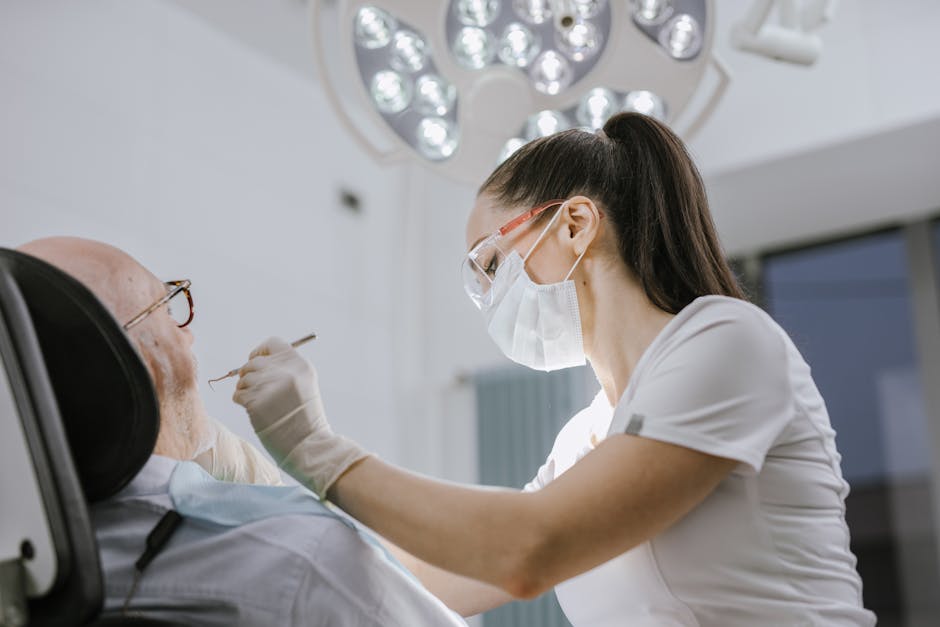
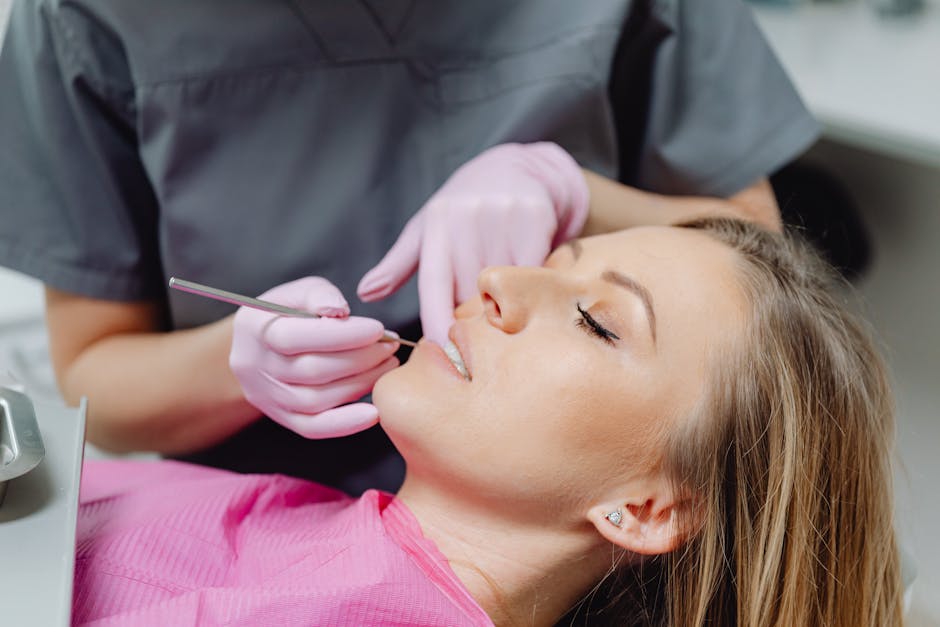
Even in appointments focused on endodontics, prosthodontics, or cosmetic dentistry, a short periodontal checkpoint (bleeding, plaque, pocket screening, mobility, and patient hygiene review) can improve outcomes and reduce complications. Many practices adopt a consistent workflow: quick screening, reinforcement of one key hygiene behavior, and documentation using photos or indices.
Leverage dental photography for motivation and monitoring
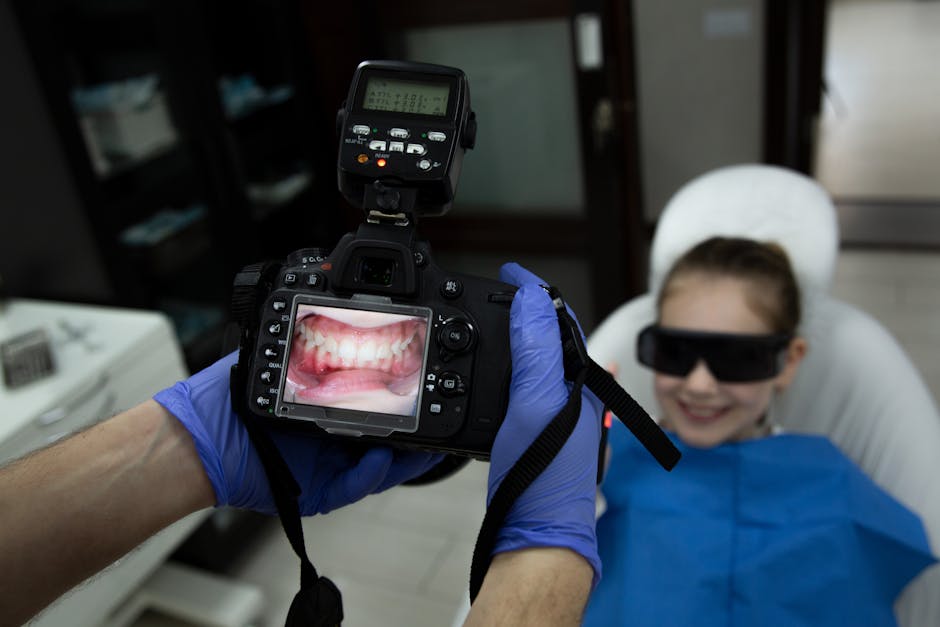
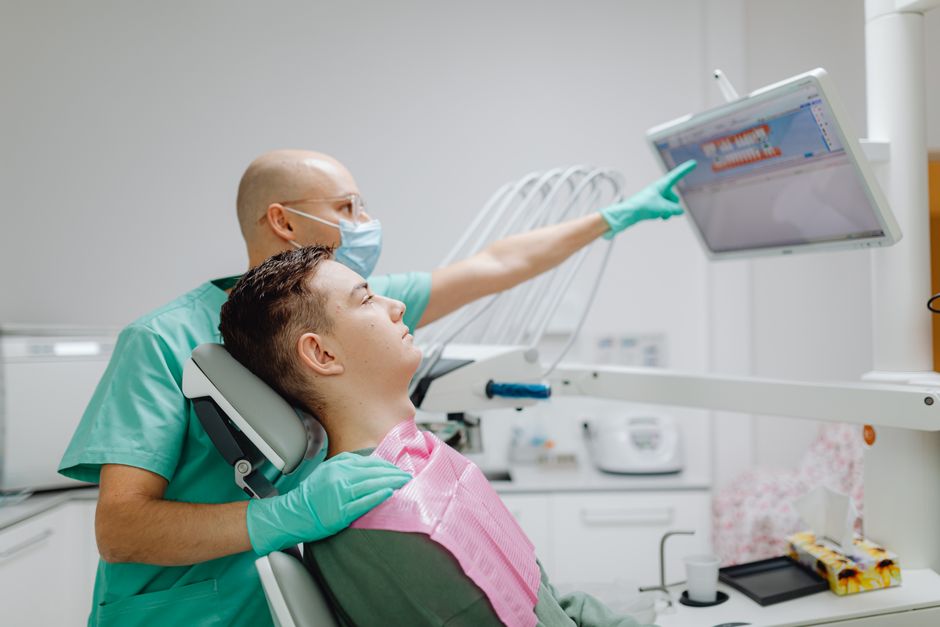
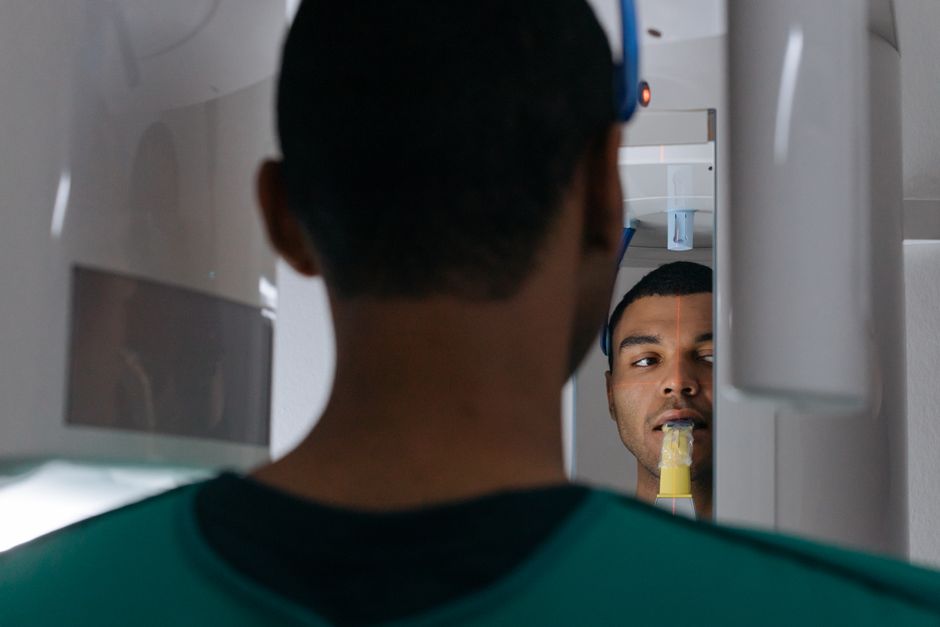
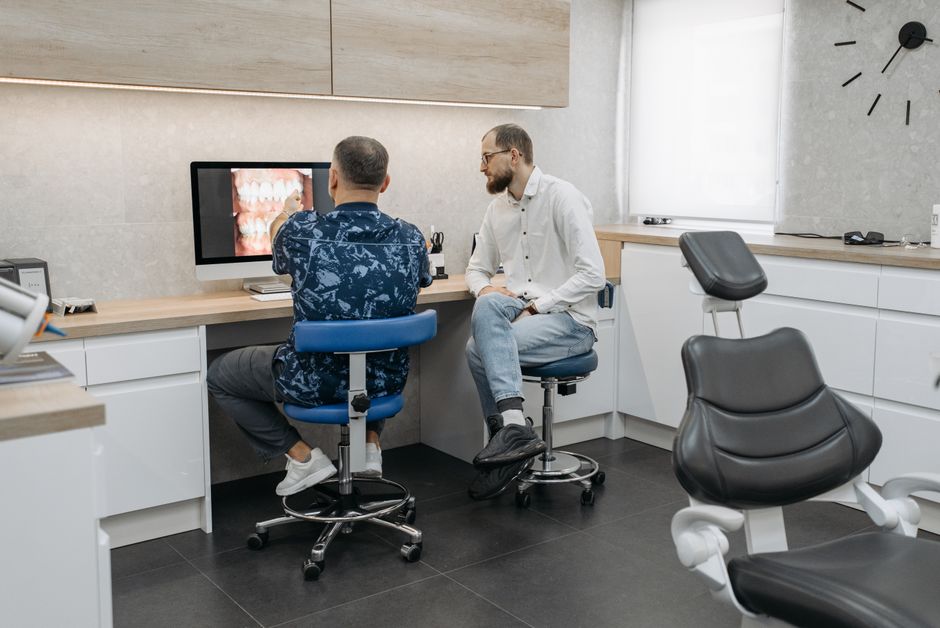
High-quality intraoral photos can transform a vague recommendation (“clean better here”) into a clear, patient-specific instruction (“this margin bleeds consistently; let’s change how you brush and use an interdental brush”). For dental professionals, photography also supports case presentation, interdisciplinary communication, and educational portfolios—especially in esthetic and implant workflows where soft-tissue details matter.
Digital dentistry: scanning considerations with inflamed tissues
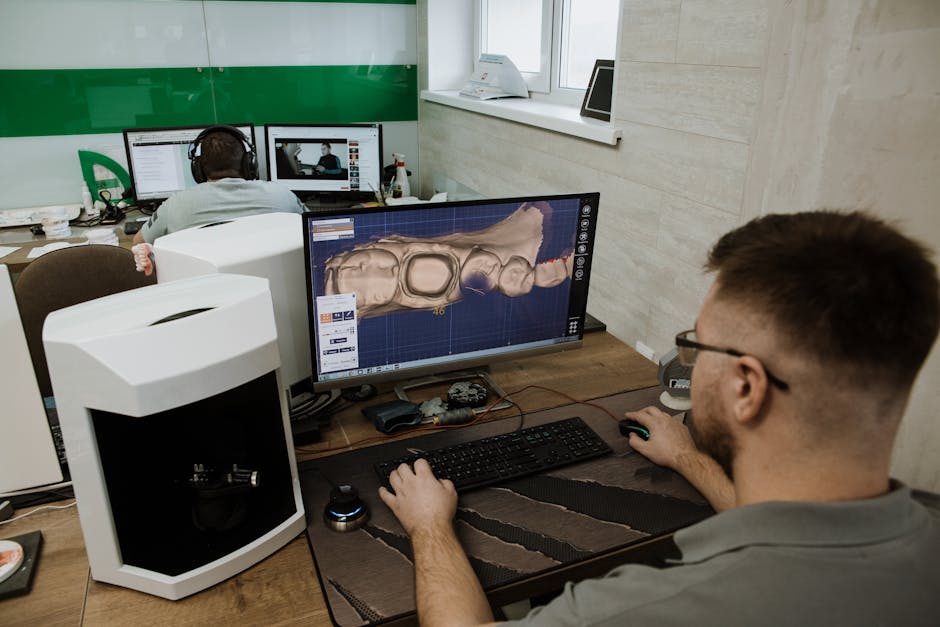
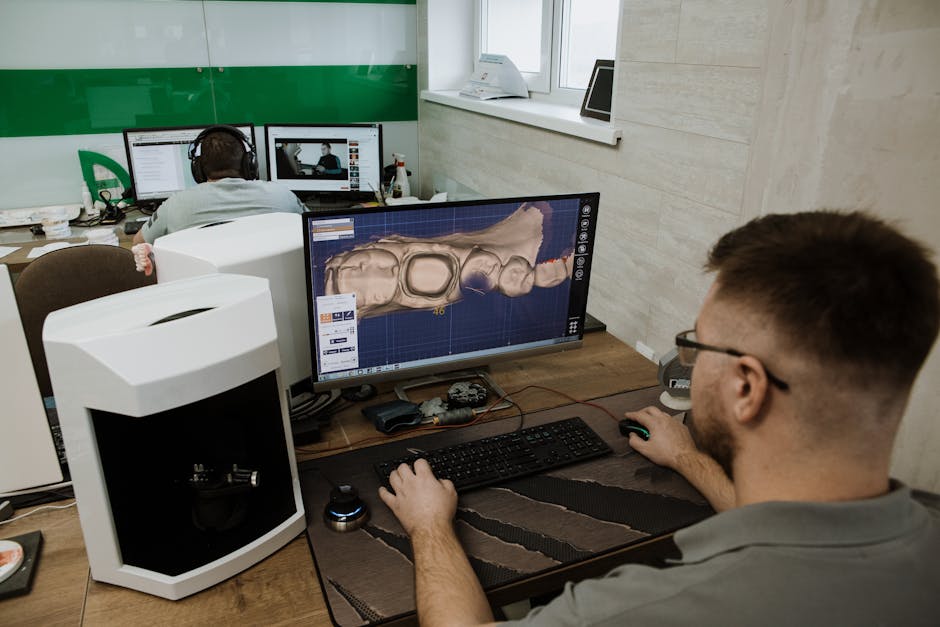
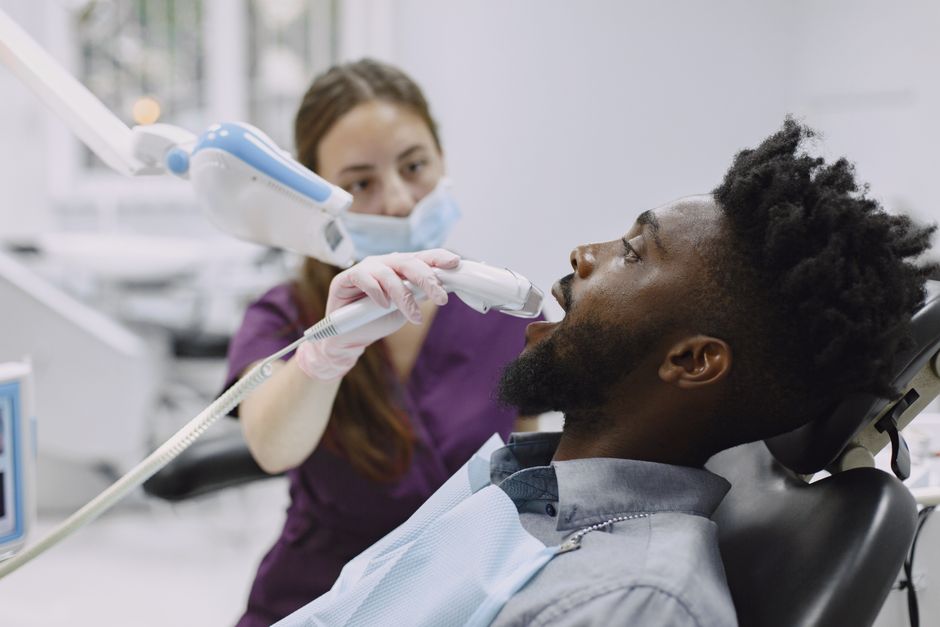
Inflammation and bleeding can affect scan quality, margin capture, and gingival displacement outcomes. When clinicians integrate intraoral scanning, it becomes even more important to schedule definitive impressions/scans after tissue stabilization or to use interim steps that support gingival healing (e.g., well-contoured provisionals and reinforced home care). This is a practical example of how “daily gum care” translates into measurable improvements in digital workflows.
When daily care isn’t enough: referral and re-evaluation triggers
Patients may follow instructions diligently and still experience persistent bleeding, swelling, recession, or discomfort. In such situations, clinicians should reassess etiologic factors (plaque retention, calculus, iatrogenic margins, systemic contributors), update periodontal charting, and consider appropriate periodontal therapy or referral pathways. Educational messaging should remain cautious: avoid promising that home care alone will resolve all gingival problems, and emphasize that professional evaluation is essential when symptoms persist.
Learning focus: turning gum-care principles into clinical skill
For dental professionals and students, mastering gum health is not limited to memorizing indices or recommending floss. It includes accurate diagnosis, patient-specific coaching, tissue-friendly restorative design, and a maintenance mindset that protects advanced treatments like veneers and implants. At Istanbul Dental Academy, our continuing dental education philosophy emphasizes practical, hands-on learning—connecting periodontal fundamentals with real clinical workflows in restorative, prosthodontic, and implant dentistry.
This content is for educational purposes only and should not be considered personalized medical advice. Clinical decisions should be made based on individual patient assessment, current evidence, and professional judgment.
Diğer Yazılar