
BLOG
Natural Ways to Increase Saliva Flow: A Clinical Guide for Dental Professionals
Why saliva matters more than we think
Saliva is not simply “moisture.” It is a complex biofluid with mechanical, antimicrobial, buffering, remineralising, and lubricating functions. In daily practice, reduced salivary flow (hyposalivation) or the subjective feeling of dry mouth (xerostomia) can quietly undermine outcomes across preventive, restorative, prosthodontic, and surgical disciplines. For dental professionals, understanding how to support salivary function—especially with practical, low-risk “natural” approaches—helps improve patient comfort and can contribute to more predictable treatment planning.
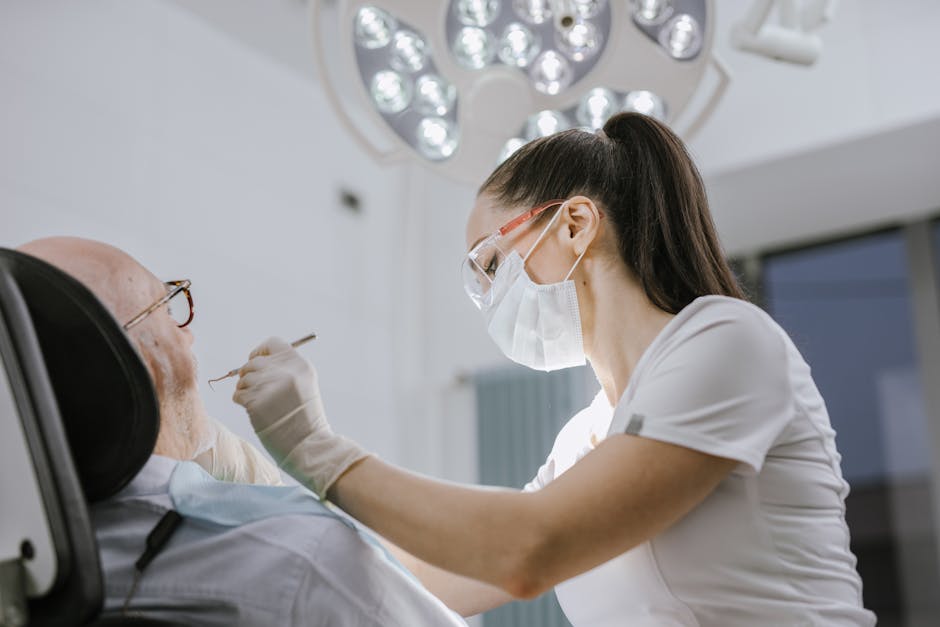
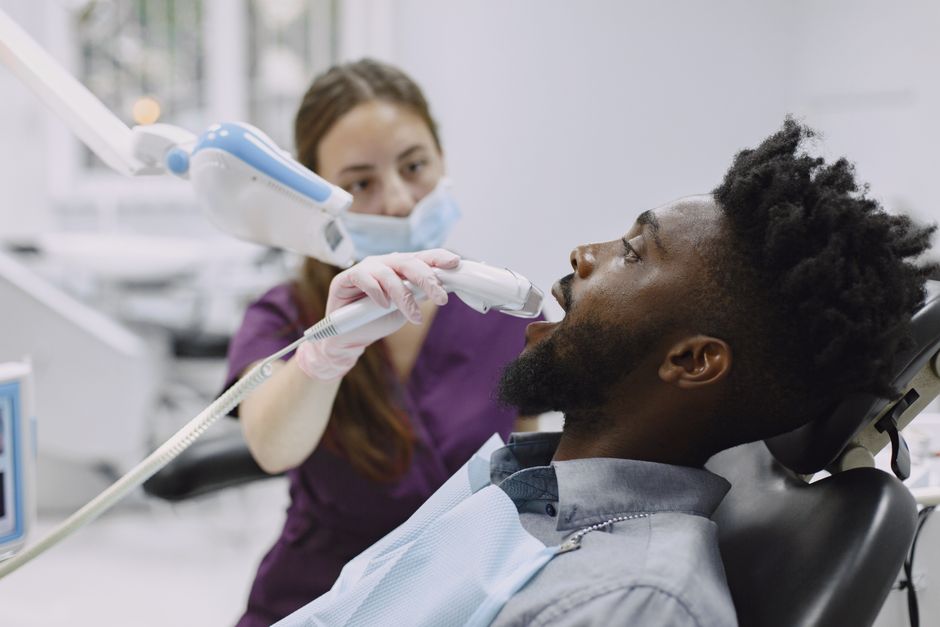
From a clinical standpoint, saliva influences plaque ecology, pH stability, mucosal integrity, denture retention, and the performance of adhesive interfaces. Patients may present with burning sensations, taste changes, difficulty swallowing, altered speech, mucosal soreness, increased caries activity, and challenges wearing removable prostheses. These effects often show up first in the dental chair.
This content is for educational purposes and does not replace individualised diagnosis or treatment advice. Patients with persistent xerostomia should be assessed by a qualified clinician to identify underlying causes and appropriate management.
Saliva, halitosis, and the patient experience
Dry mouth frequently coincides with halitosis, creating a quality-of-life issue that patients may find embarrassing and underreport. Reduced salivary clearance allows volatile sulphur compounds to accumulate, while compromised buffering can change the oral environment and exacerbate periodontal inflammation. For a deeper clinical discussion of this relationship, see our related article: Halitosis and saliva—what every clinician should connect at chairside.
Framing the conversation sensitively is essential. Many patients are unaware that common medications, lifestyle factors, and systemic conditions can influence salivary flow. A supportive approach encourages disclosure and improves adherence to preventive recommendations.
Common contributors to low salivary flow (a quick chairside checklist)
Before recommending “natural” strategies, dental teams benefit from identifying likely contributors:
Medication burden: Antidepressants, antihistamines, antihypertensives, anticholinergics, and many others can reduce salivary flow.
Systemic conditions: Sjögren’s syndrome, diabetes, thyroid disorders, and autoimmune conditions may be associated with xerostomia or salivary gland dysfunction.
Radiation therapy: Head and neck irradiation can cause long-term salivary gland hypofunction.
Dehydration and lifestyle: Low fluid intake, high caffeine or alcohol intake, mouth breathing, and smoking/vaping may aggravate dryness.
Sleep-related factors: Snoring, obstructive sleep apnoea, and nighttime mouth breathing can intensify morning dryness.
Clinically, it helps to distinguish between subjective dryness and measurable hyposalivation. When in doubt, consider salivary flow assessment and a structured history to guide referral or co-management.
Natural ways to support salivary flow: practical, patient-friendly strategies
1) Hydration habits (beyond “drink more water”)
Hydration is foundational, yet many patients sip infrequently or rely on dehydrating beverages. Encourage patients to:
• Sip water regularly rather than consuming large volumes at once.
• Keep water accessible at work and bedside (nighttime dryness is common).
• Consider humidifying the bedroom if dryness is worse on waking (especially for mouth breathers).
For patients with high caries risk, emphasise water as the default beverage over acidic or sugar-containing drinks.
2) Stimulate saliva with sugar-free chewing gum or lozenges
Masticatory stimulation is one of the simplest non-pharmacologic methods to increase salivary flow in many individuals. Sugar-free gum (often xylitol-containing) can be a practical option, particularly after meals. In addition to salivary stimulation, xylitol may help reduce cariogenic bacterial activity in some patients when used appropriately as part of a broader preventive plan.
Clinical note: In patients with temporomandibular disorders or bruxism, gum use may need to be moderated to avoid overloading the masticatory system.
3) Taste-based stimulation (useful, but be selective)
Sour flavours (e.g., lemon) can stimulate salivary flow via gustatory pathways. However, frequent exposure to acidic foods or beverages may increase erosion risk, particularly in patients with existing wear, GERD, or high consumption patterns.
A balanced message is to use gentle stimulation and avoid prolonged acid contact. If patients use citrus, pairing with water rinsing and limiting frequency may help reduce erosive challenge—always in the context of individual risk assessment.
4) Reduce oral drying triggers
Some “natural” gains come from removing aggravating factors:
• Limit alcohol (including alcohol-containing mouthrinses, if irritating or drying).
• Moderate caffeine intake if it worsens symptoms for the patient.
• Encourage smoking/vaping cessation support when relevant.
• Address mouth breathing: nasal obstruction, allergies, or sleep-related issues may warrant medical evaluation.
5) Prioritise nasal breathing and sleep hygiene
Nighttime xerostomia often reflects mouth breathing. While dentistry does not “treat” airway disease, screening questions about snoring, daytime sleepiness, and morning dryness can guide appropriate referral. Simple measures like nasal saline, allergy management under medical guidance, and room humidification may improve comfort. For denture wearers or patients with mucosal sensitivity, night dryness can be particularly disruptive.
6) Food texture, fibre, and mindful eating
Crunchy, fibrous foods (e.g., celery, carrots) can increase chewing time and salivary stimulation, whereas very dry, processed foods may worsen discomfort. Advising patients to eat slowly, chew thoroughly, and pair dry foods with water can make meals easier and more comfortable—especially for older adults or those with removable prostheses.
7) Stress reduction (the overlooked factor)
Stress and anxiety can influence perceived dryness and oral parafunction. While stress management is broader than dentistry, acknowledging the association helps validate patient symptoms. Simple recommendations—regular breaks, hydration cues, and awareness of clenching—can complement clinical care.
Implications for restorative dentistry, veneers, and smile makeovers
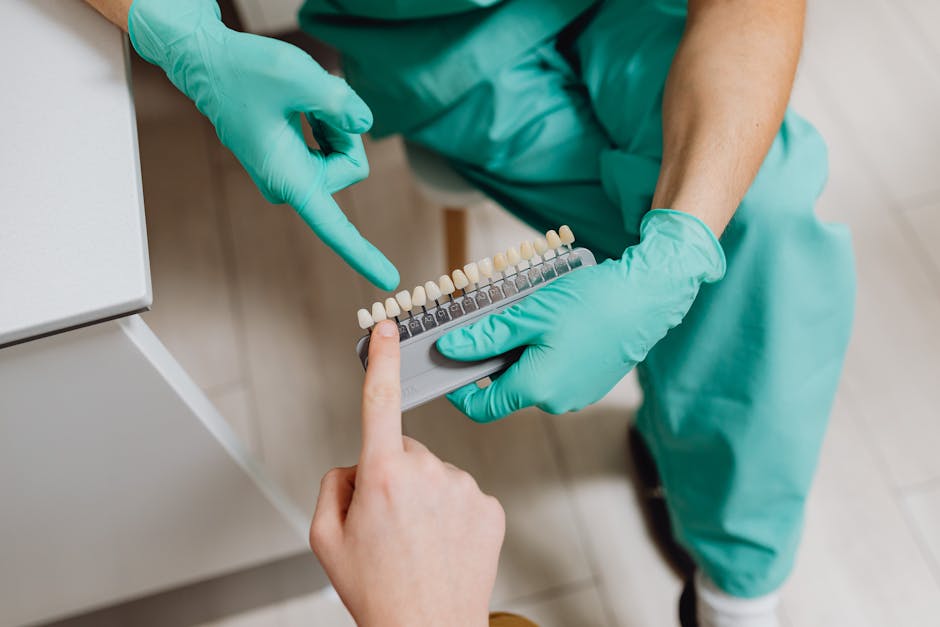
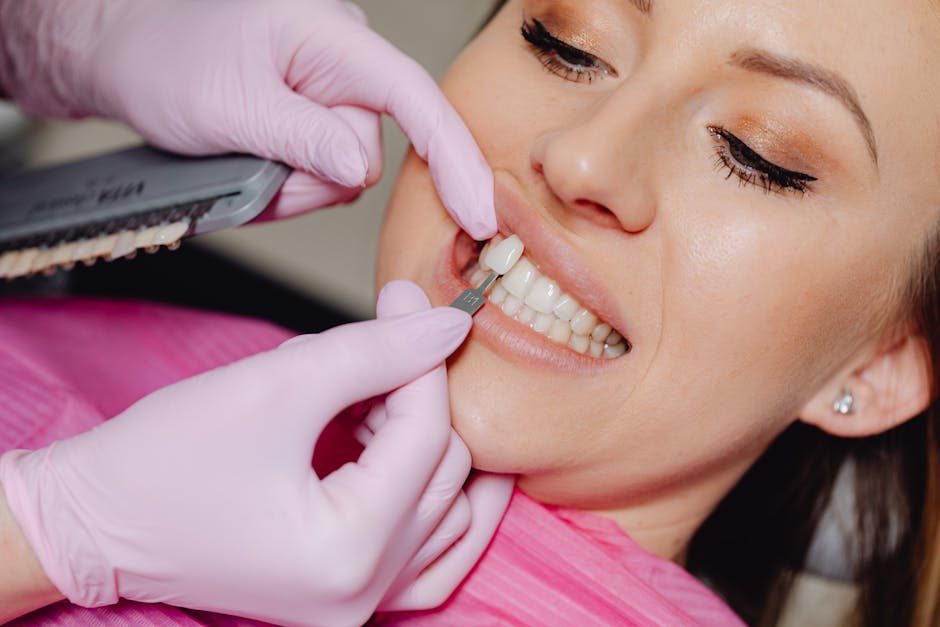
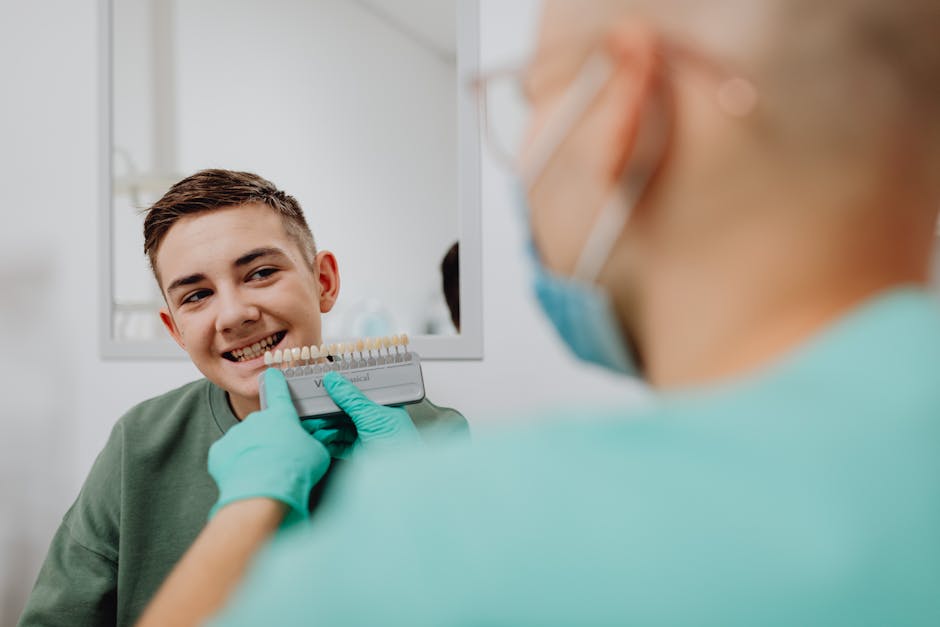
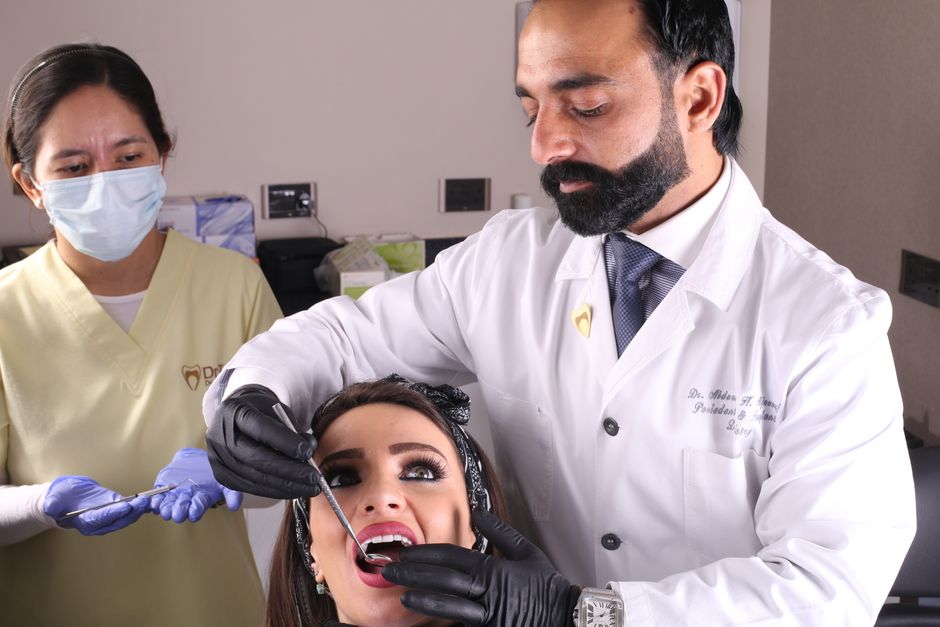
Low salivary flow affects the restorative environment in multiple ways: increased plaque accumulation, higher caries activity, mucosal fragility, and altered comfort during isolation. For anterior aesthetic cases, dry mouth can complicate shade perception, soft tissue appearance, and patient satisfaction—particularly when “dryness” translates into a dull, sticky smile line or lip discomfort.
When planning smile makeovers, clinicians often focus on digital previews and ceramic selection, but salivary status can influence maintenance and long-term stability. Our overview of contemporary aesthetic planning is discussed in Hollywood Smile and modern digital smile makeovers, where patient expectations and clinical sequencing are central. In xerostomic patients, it may be prudent to strengthen preventive protocols and recall structures before initiating elective aesthetic treatment.
Dry mouth can also increase the risk of marginal staining and secondary caries around veneers or bonded restorations if hygiene becomes more challenging. For clinicians aiming to refine their veneer workflows and avoid preventable complications, see common mistakes in porcelain laminate veneers—and how to avoid them. In practice, adding a salivary-risk lens to veneer planning can improve case selection and post-op maintenance strategies.
Considerations in implant dentistry and prosthodontics
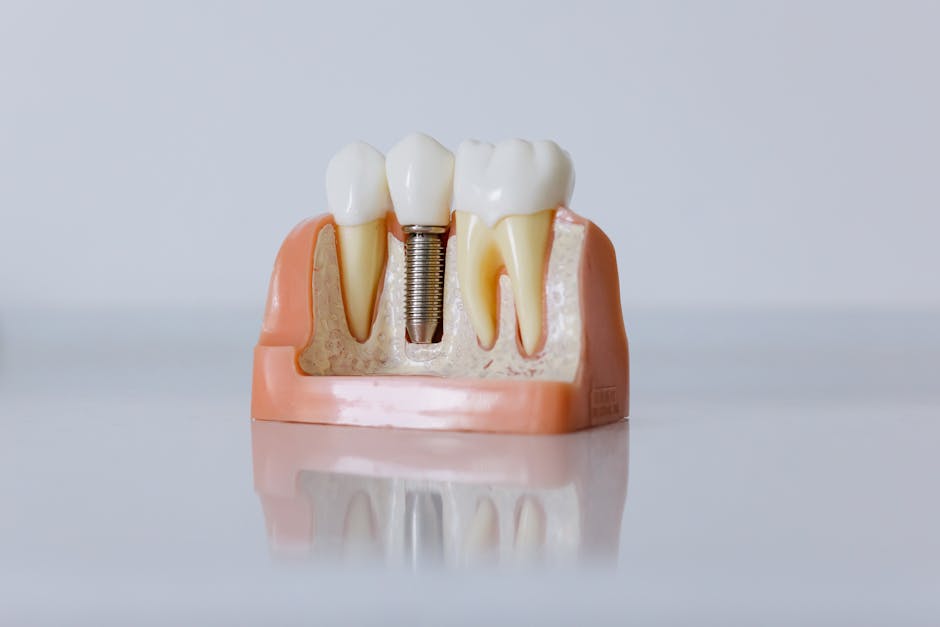
Patients with reduced salivary flow may report increased friction and soreness around prostheses, as saliva contributes to lubrication and comfort. While implant therapy is often discussed in terms of osseointegration and biomechanics, mucosal comfort and plaque control remain vital—especially for fixed full-arch designs where hygiene access is paramount.
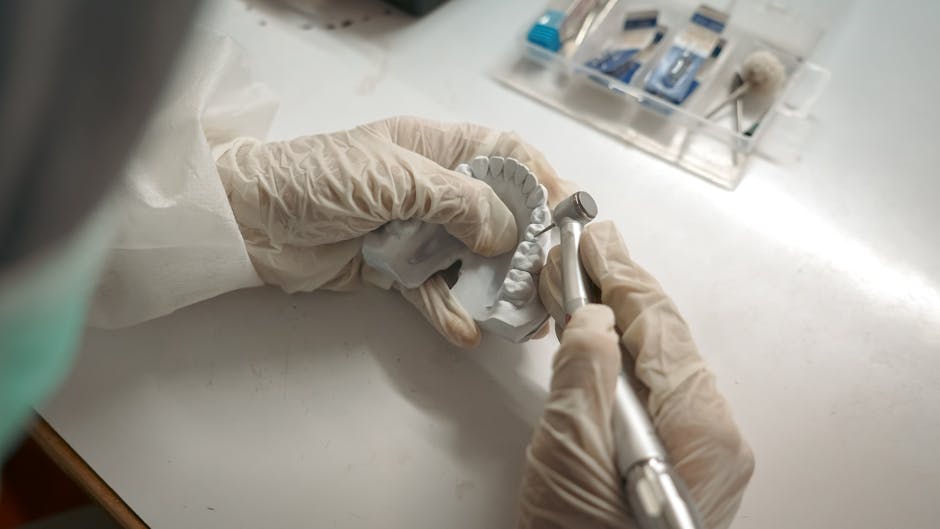
At the prosthetic level, precision and stability support patient comfort and cleansability. Passive fit in implant-supported frameworks is a key concept for predictable long-term outcomes. For a structured clinical-lab perspective, explore achieving passive fit in implant-supported prostheses. In xerostomic patients, minimising irritation points and enhancing cleansability can be even more important because mucosa may be less resilient.
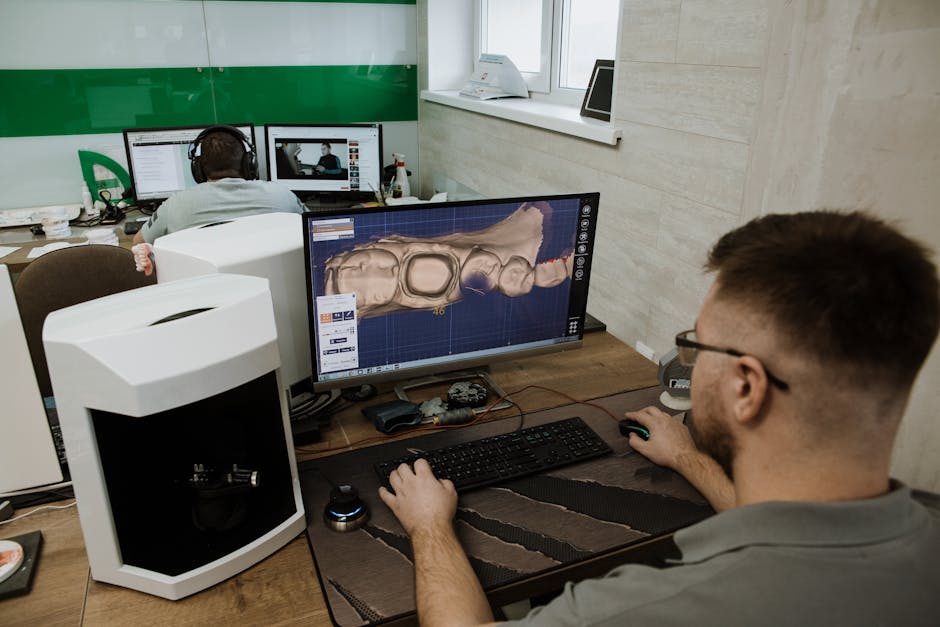
Digital dentistry also provides opportunities to improve accuracy, communication, and repeatability in implant prosthodontics. A streamlined digital approach can reduce remakes and chair time—beneficial for patients who fatigue easily or experience discomfort with prolonged appointments. Read more in how digital workflow enhances implant-supported prosthetics. For dental teams, integrating salivary considerations into digital treatment planning (materials, contours, hygiene space) can elevate outcomes beyond “fit” alone.
Chairside communication: how to discuss “natural ways” without oversimplifying
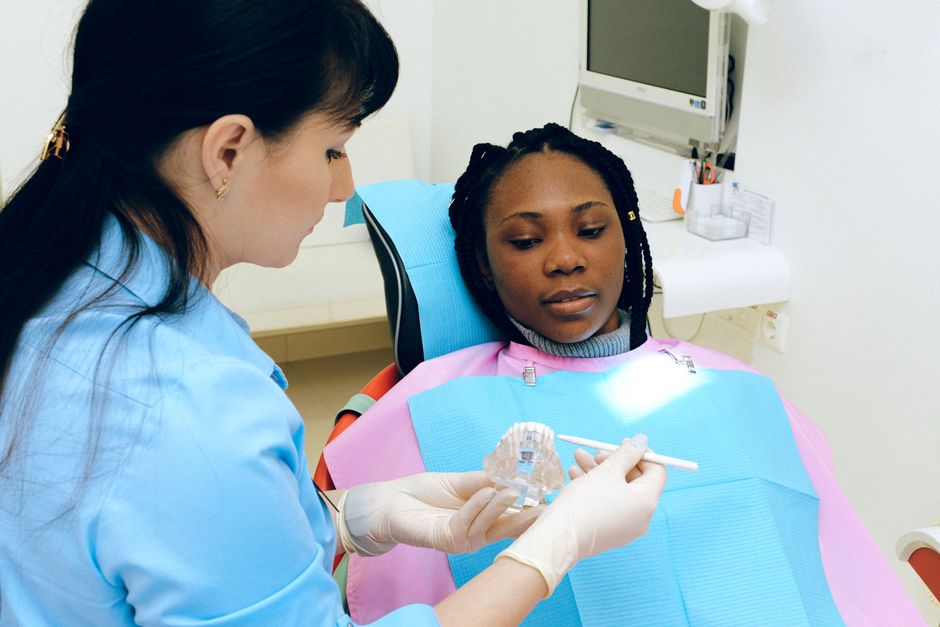
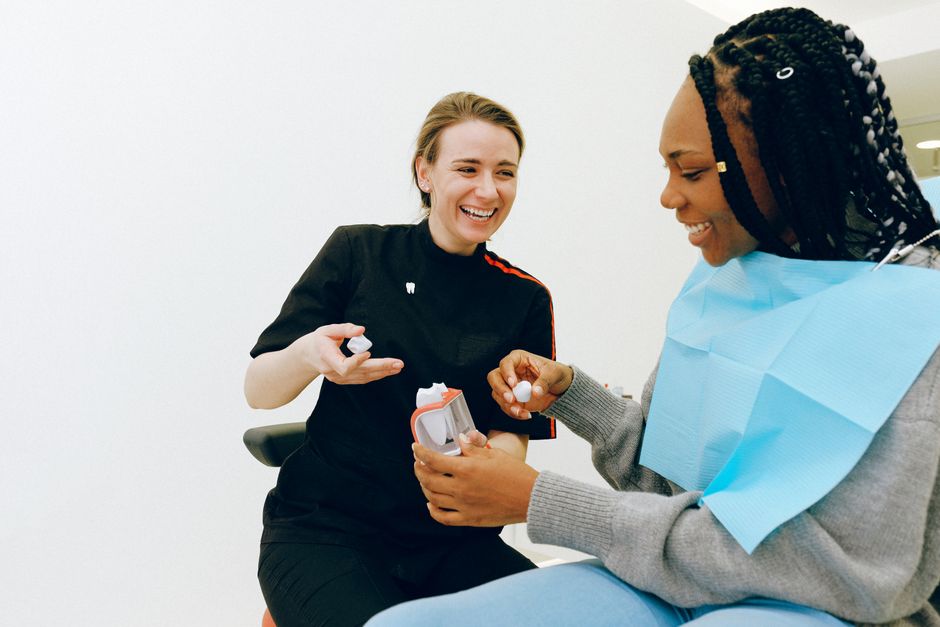
Patients often ask for “natural solutions,” which can be a helpful entry point for education. A practical approach is to explain that salivary flow is influenced by hydration, stimulation, medications, and general health—and that some causes require medical collaboration.
Consider documenting:
• Symptom timing (day vs night)
• Triggers (coffee, anxiety, certain medications)
• Associated signs (caries activity, candidiasis suspicion, mucosal soreness)
• Home strategies tried and perceived benefits
This positions the clinician to recommend safe behavioural strategies while also recognising when diagnostic work-up or referral is appropriate.
How continuing dental education supports better xerostomia management
Xerostomia is rarely managed by a single intervention. It intersects with prevention, periodontal maintenance, restorative durability, and prosthetic design. In hands-on training environments, clinicians can sharpen the skills that indirectly improve care for dry-mouth patients: efficient isolation, minimally traumatic tissue handling, prosthetic contouring for hygiene, and digital planning that reduces chairside adjustments.
At Istanbul Dental Academy, our continuing dental education programmes emphasise practical workflows—bridging diagnosis, planning, and execution across restorative dentistry, prosthodontics, implant dentistry, and digital dentistry. For clinicians and students, the real value of training is translating theory into chairside decisions that improve comfort, predictability, and long-term maintenance—especially in higher-risk patients such as those with low salivary flow.
Key takeaways for dental teams
• Saliva is central to comfort, caries control, and restorative success.
• “Natural” strategies—hydration, sugar-free chewing, reducing drying triggers, and sleep-focused approaches—can be practical first steps for many patients.
• Xerostomia should inform aesthetic and prosthetic planning, including veneers and implant-supported restorations.
• Persistent symptoms warrant professional assessment to identify medication-related, systemic, or therapy-related causes.
This content is for educational purposes. For individual patient recommendations, clinicians should rely on a comprehensive examination, risk assessment, and interprofessional collaboration when indicated.
Diğer Yazılar