
BLOG
Clinical Diagnostic Approach to TMD Patients: An Evidence-Informed Guide for Dentists
Why “Correct Diagnosis” Matters in TMD Cases
Temporomandibular disorders (TMD) remain one of the most common yet most misunderstood problem groups encountered in daily dentistry. Patients may report jaw pain, clicking, headaches, limited mouth opening, bite changes, or a vague sense that “something is wrong” with the joint. However, similar symptoms can arise from odontogenic pain, neuropathic conditions, cervical musculoskeletal issues, sinus disease, or even psychosocial stressors affecting parafunction.
For clinicians, the challenge is not simply naming a diagnosis, but choosing a defensible, structured pathway that separates red flags from routine presentations and identifies the most likely pain generator—muscle, joint, teeth, or a combination. This content is for educational purposes and is not a substitute for individualized clinical decision-making.
Step 1: Start With a Purposeful History (Not Just “Where Does It Hurt?”)
Chief complaint with time course and triggers
A high-quality TMD history clarifies onset (sudden vs gradual), duration, intensity, aggravating factors (chewing, yawning, stress, waking), and relieving factors (rest, heat, medications). Ask whether symptoms fluctuate throughout the day—morning-dominant pain may suggest nocturnal parafunction, while pain during function often points toward mechanical loading sensitivity.
Functional limitations and joint symptoms
Document limitations in mouth opening, deviations, locking episodes (closed lock/open lock), and joint sounds (clicking, popping, crepitus). A single click at a specific opening point can suggest disc displacement with reduction, while coarse crepitus may be associated with degenerative changes—though definitive classification requires correlation with clinical and, when indicated, imaging findings.
Medical, dental, and psychosocial context
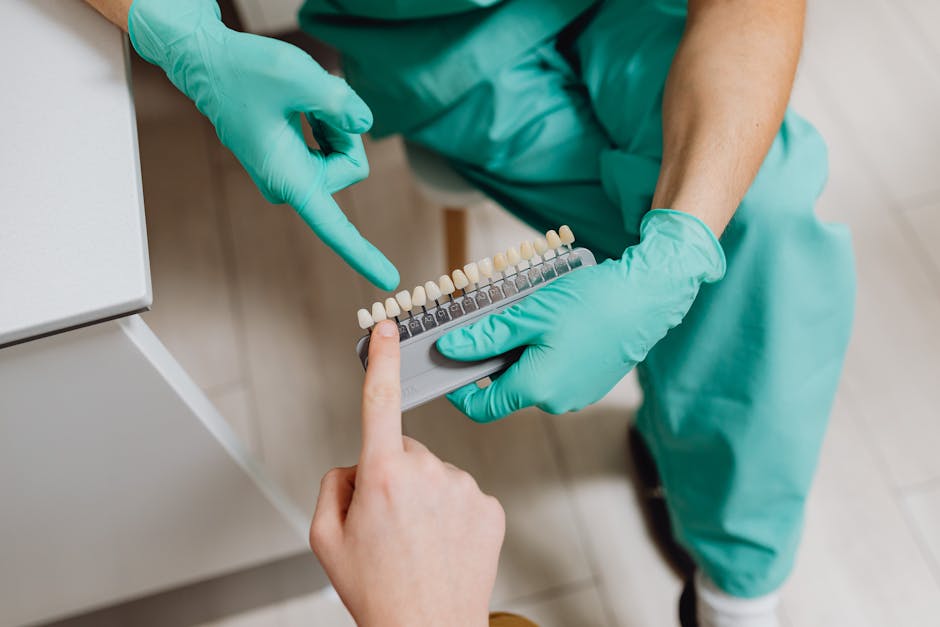
Systemic factors (rheumatologic disease, fibromyalgia), medication use, sleep quality, and stress are relevant because they influence pain modulation and parafunctional behavior. Recent dental procedures, new restorations, orthodontic changes, or prosthodontic work should be recorded carefully—without assuming causation. When patients are exploring esthetic rehabilitation, it can be helpful to set expectations that TMD assessment is part of comprehensive planning, similar to the diagnostic sequence described in smile design workflow and clinical considerations, where function and comfort must be addressed alongside esthetics.
Step 2: Screening for Red Flags and Urgent Differentials
Before proceeding to routine TMD classification, screen for red flags that may warrant medical evaluation or specialist referral: unexplained weight loss, fever, persistent swelling, sensory changes, progressive asymmetry, history of malignancy, significant trauma, or severe limitation with systemic signs. Otologic symptoms (tinnitus, fullness) may coexist with TMD, but unilateral hearing loss, vertigo, or recurrent infections require careful triage.
Periodontal and mucosal conditions can also mimic or amplify pain and should be ruled out early. For example, acute gingival infections and necrotizing periodontal conditions can produce significant discomfort and altered function; a structured periodontal assessment is part of responsible triage, similar to the systematic evaluation outlined in a clinical approach to Necrotizing Ulcerative Gingivitis (NUG).
Step 3: Clinical Examination—A Repeatable, Documentable Protocol
Extraoral inspection and functional observation
Observe posture, facial symmetry, mandibular movement pattern, and any protective behaviors. Record maximum interincisal opening (with and without pain), lateral excursions, protrusion, and deviations/deflections. A consistent documentation template improves inter-visit comparisons and communication with colleagues.
Palpation: muscles first, then the joint
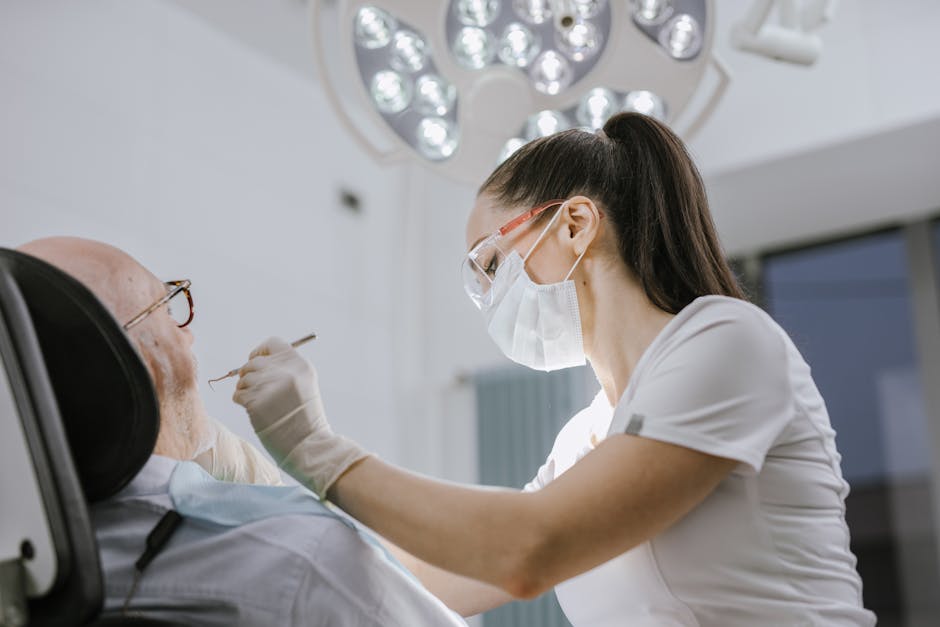
Palpate the masseter (origin/body/insertion), temporalis (anterior/middle/posterior), medial pterygoid region (with caution), and relevant cervical muscles. Note tenderness intensity, referral patterns, and whether palpation reproduces the patient’s familiar pain. Then assess the TMJ: lateral pole tenderness, posterior palpation (if indicated), and loading tests. Auscultation or palpation during opening/closing may help characterize joint sounds.
Intraoral assessment and occlusal considerations
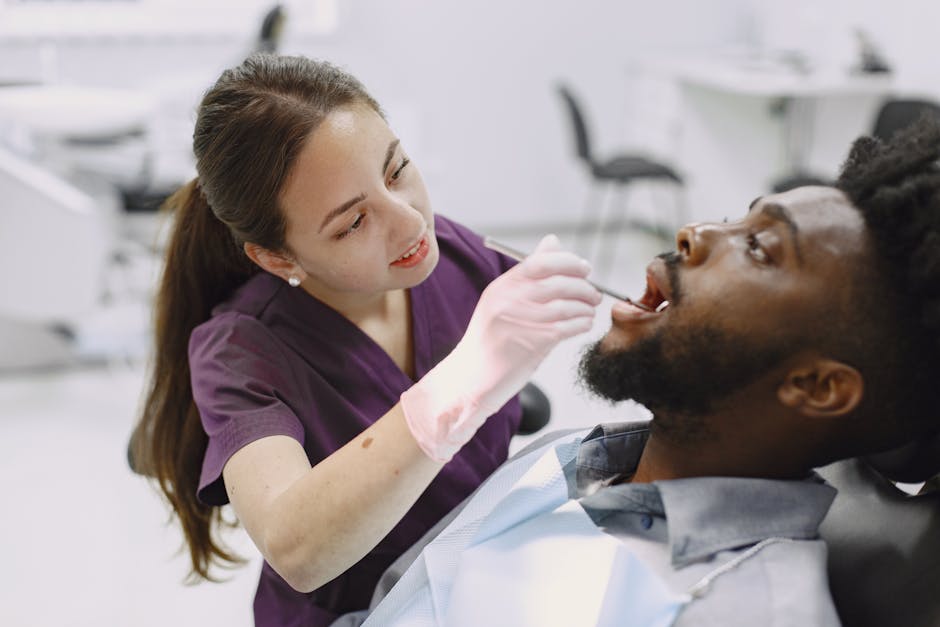
Check for tooth wear facets, fractures, mobility, fremitus, and signs of parafunction such as linea alba or scalloped tongue. Evaluate occlusion in a descriptive manner (e.g., intercuspation stability, guidance patterns) rather than attributing causality. Occlusion can be a contributing factor in some patients, but most contemporary frameworks emphasize a multifactorial model—biomechanical, neuromuscular, and psychosocial.
When restorative planning is underway—especially full-mouth rehabilitation, implant-supported prostheses, or esthetic cases—TMD screening should be integrated into the diagnostic workflow. An occlusal scheme that appears ideal on articulating paper may still be poorly tolerated in a sensitized system, so clinicians should proceed with a careful, reversible-first mindset.
Step 4: Provisional Classification—Muscle, Joint, or Mixed?
For practical chairside decision-making, many clinicians start by identifying whether the primary driver appears to be:
- Myogenous pain: tenderness in masticatory muscles, pain reproduced with muscle palpation or function, often associated with parafunction or stress.
- Arthrogenous pain: localized preauricular pain, pain with joint loading, mechanical symptoms (locking, specific click), possible degenerative indicators.
- Mixed presentations: common in real life; muscle guarding can develop secondary to joint pathology and vice versa.
Using standardized frameworks (e.g., DC/TMD) can improve reliability. Even if you do not apply the full criteria chairside, adopting its logic—symptom pattern recognition plus reproducible exam findings—supports more consistent records and referrals.
Step 5: Imaging—When It Helps, and What It Can (and Cannot) Prove
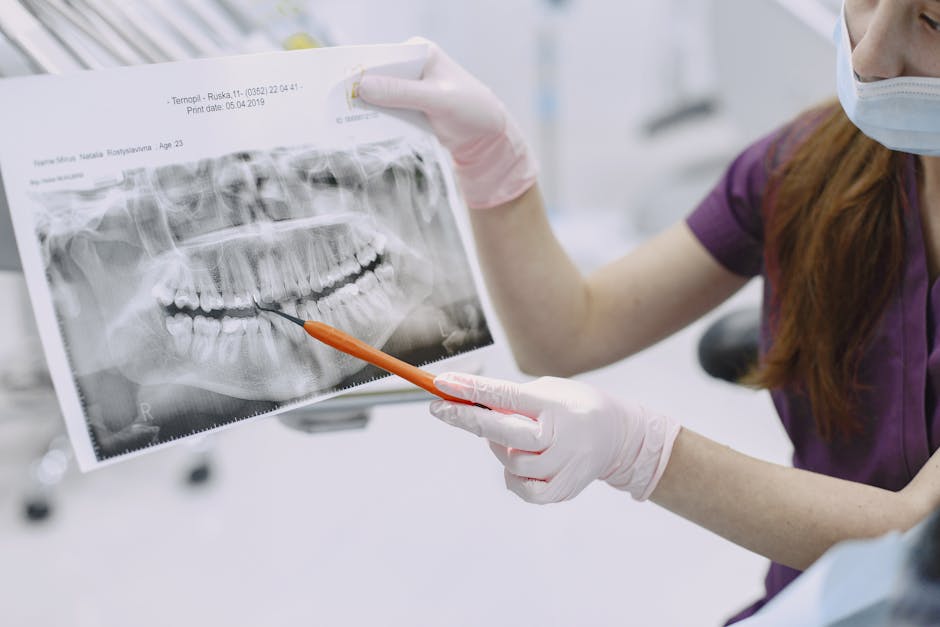
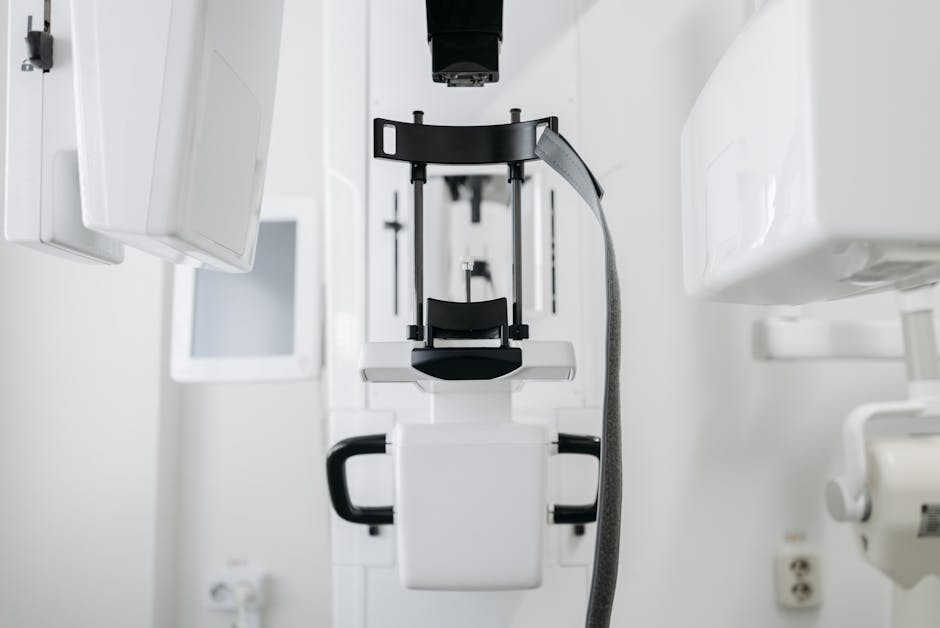
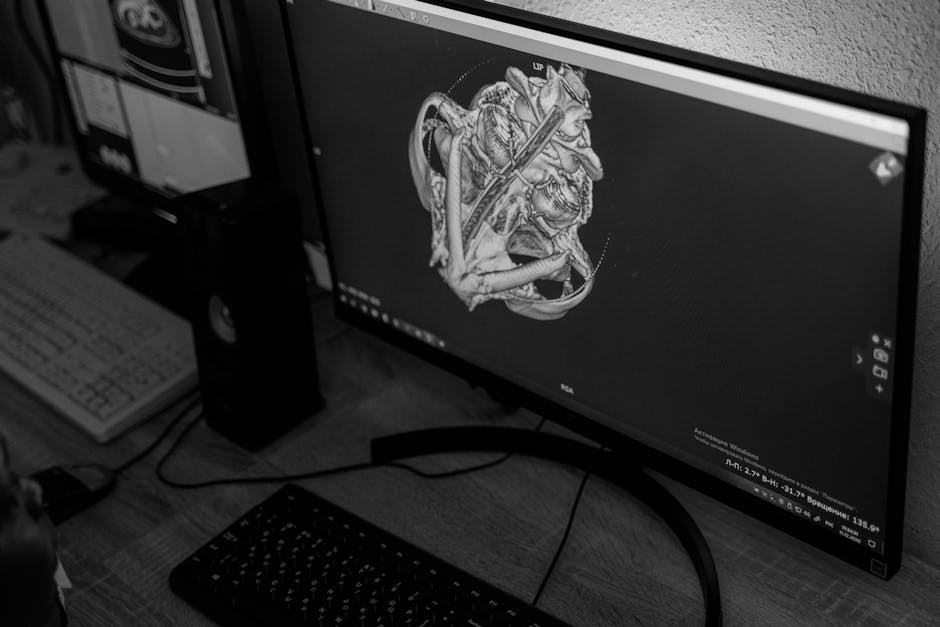
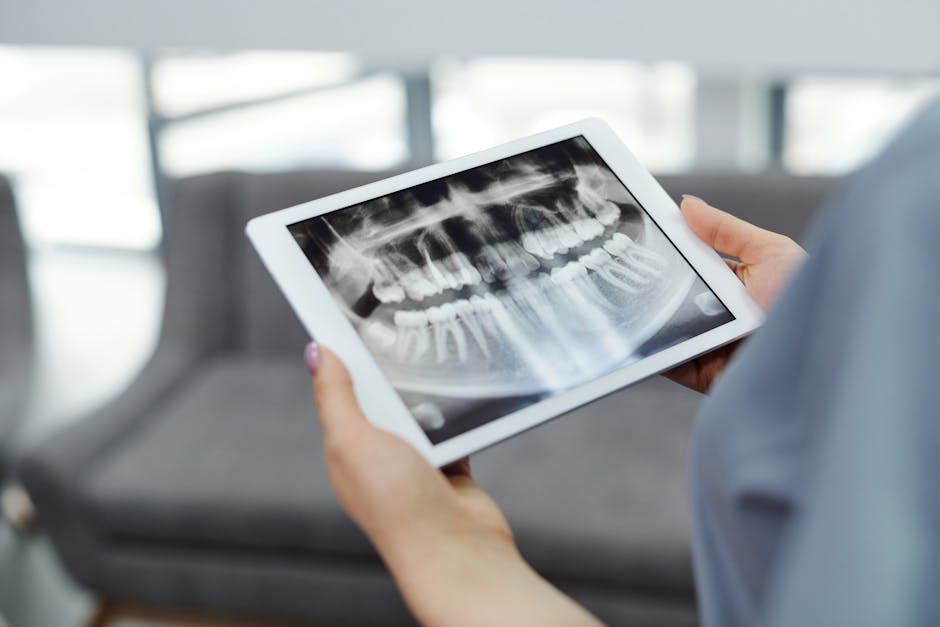
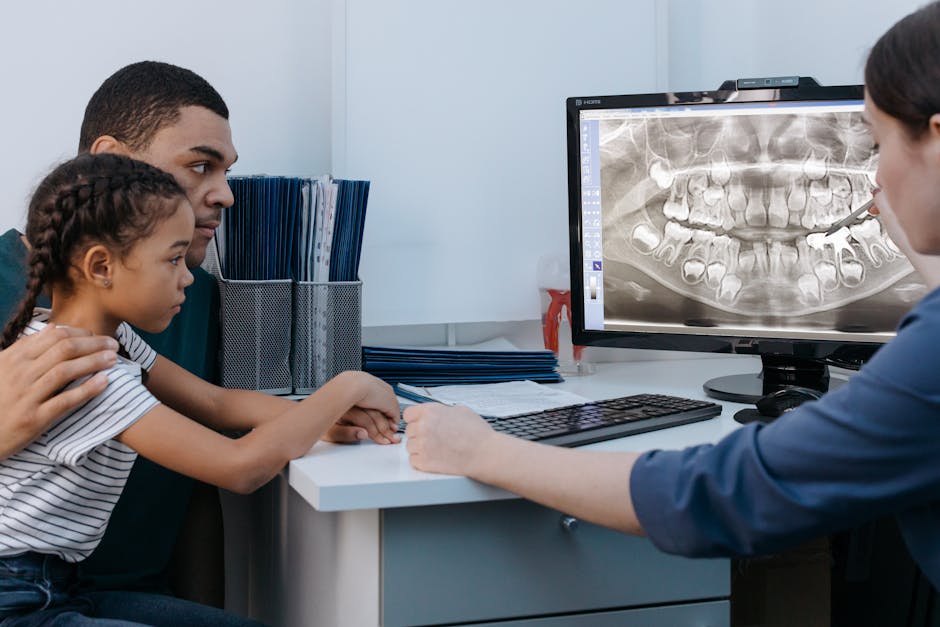
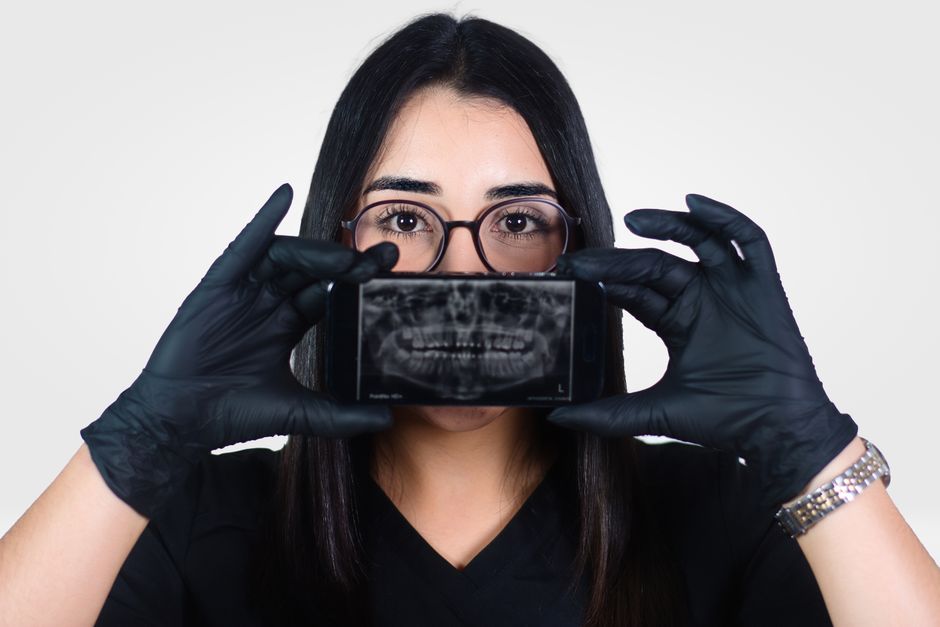
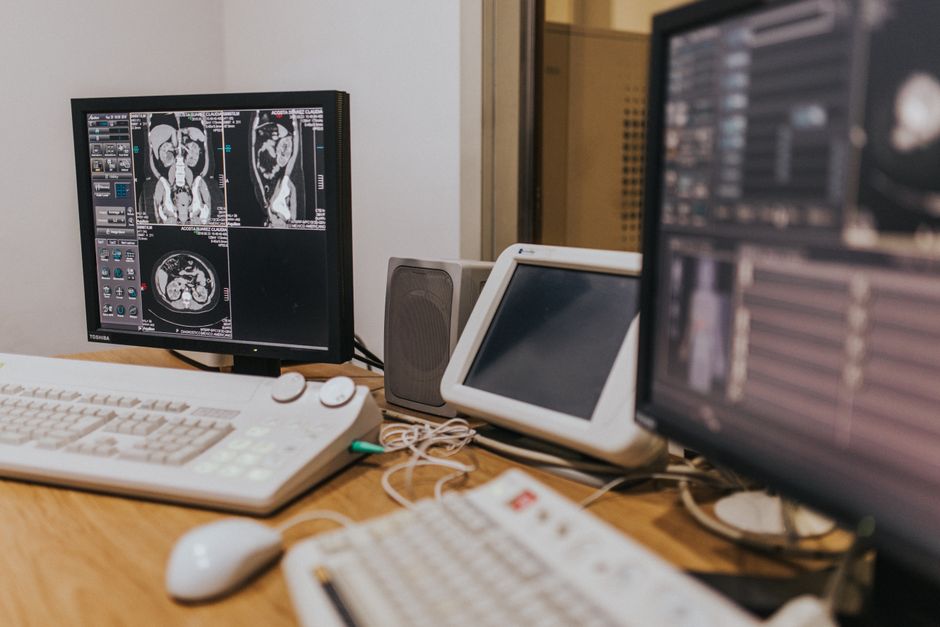
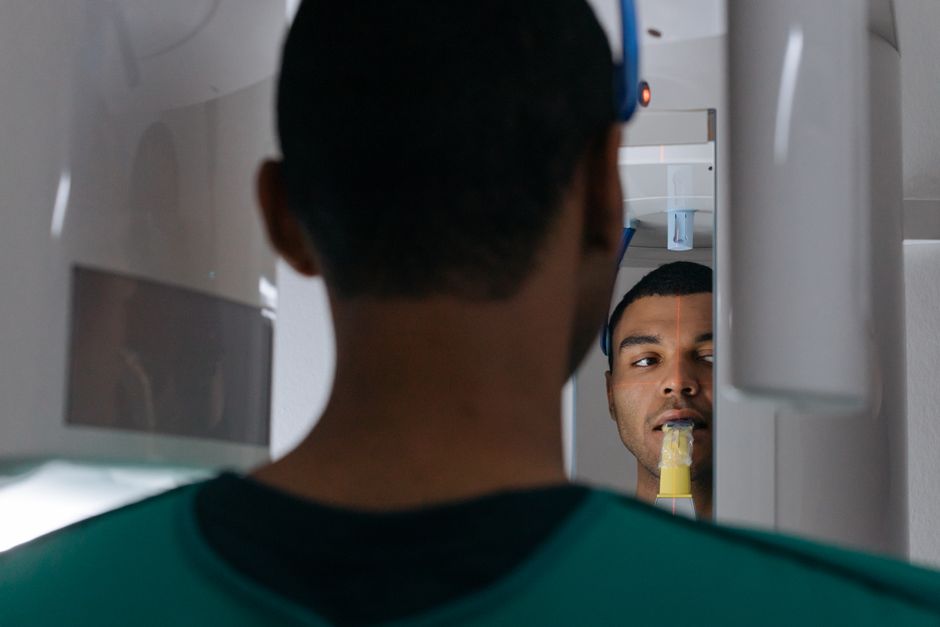
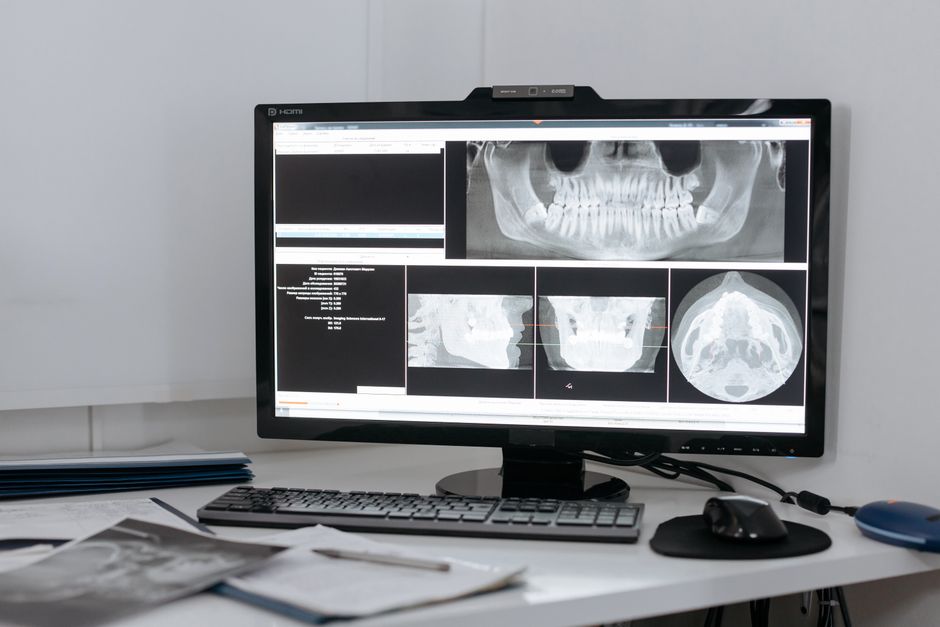
Imaging should be justified by the clinical question. Panoramic radiographs may reveal gross degenerative changes, asymmetries, or dental contributors, but are limited for detailed joint assessment. CBCT is more informative for osseous structures, while MRI remains the reference imaging modality for disc position and soft tissues.
Importantly, imaging findings do not always correlate with pain. Many asymptomatic patients show disc displacement or degenerative changes. The goal is not to “treat the scan,” but to integrate imaging with the clinical picture and functional limitations.
Step 6: Differential Diagnosis—Don’t Miss Tooth- and Tissue-Based Pain
A common diagnostic pitfall is anchoring on the TMJ when odontogenic or periodontal pain is the true source. Perform vitality testing and percussion when a tooth-related complaint is possible. Consider cracked tooth syndrome, apical pathology, and referred pain patterns. Similarly, periodontal inflammation, traumatic occlusion, or mucogingival stress can contribute to discomfort during function.
In complex rehabilitation cases, soft-tissue management and periodontal phenotype may influence comfort and long-term stability. While not a TMD “treatment,” understanding biomaterials used in periodontal and peri-implant soft-tissue management is part of comprehensive education; Istanbul Dental Academy discusses related concepts in topics such as acellular dermal matrix use in dentistry, where tissue considerations intersect with restorative planning and patient comfort.
Step 7: TMD and Implant/Prosthodontic Planning—Risk Awareness in Real Clinics
TMD symptoms may appear coincidentally during implant dentistry or prosthodontic treatment planning, creating anxiety for both patient and clinician. A careful diagnostic approach helps distinguish timing correlation from causation and supports informed consent.
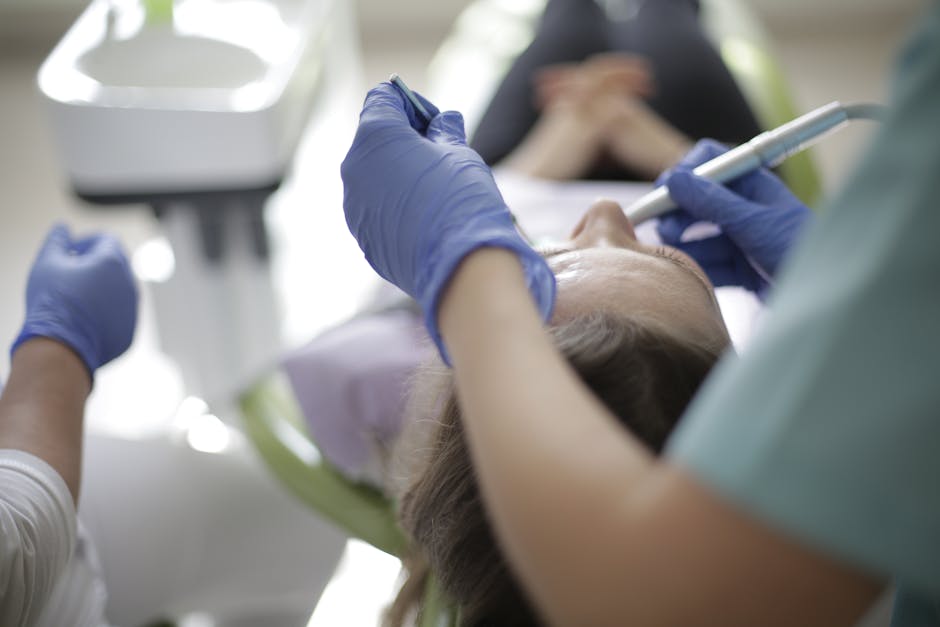
For example, in extraction-to-implant workflows, clinicians must consider surgical comfort, post-operative loading, and the patient’s capacity to tolerate altered chewing patterns. While the procedure itself is not a TMD therapy, comprehensive planning benefits from a broader diagnostic mindset, similar to the structured clinical thinking emphasized in same-day tooth extraction and immediate implant placement guidance.
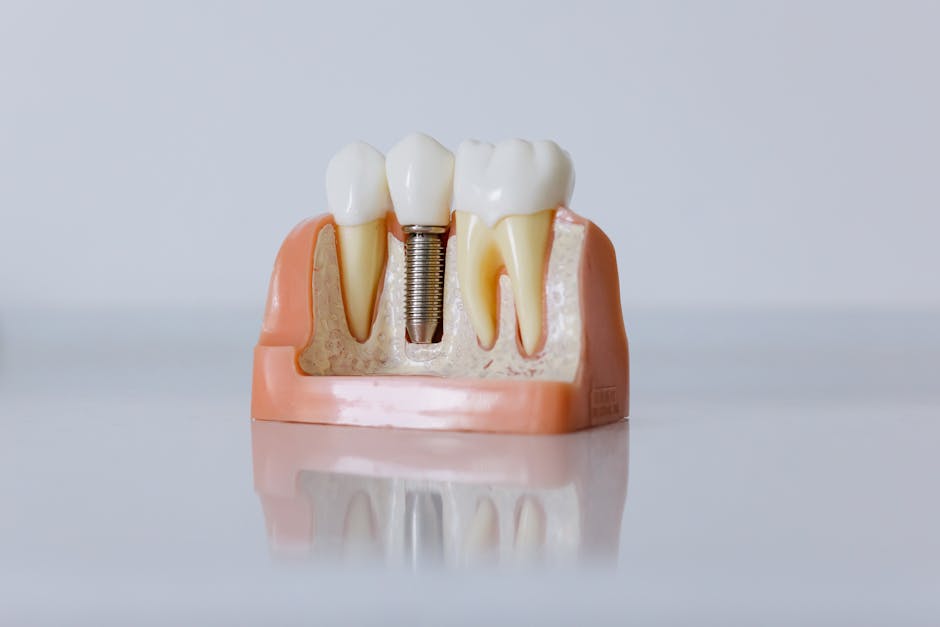
Likewise, when augmentation is indicated, biomechanics and staged planning can affect how a patient functions during healing. For clinicians who want to connect surgical sequencing with restorative stability, it is useful to review contemporary principles like those discussed in current approaches to bone grafting techniques in implant dentistry. In TMD-prone patients, the key is not to assume implants “cause TMD,” but to plan occlusion, temporization, and follow-up carefully—especially if parafunction is suspected.
Step 8: Communication and Documentation—Your “Clinical Safety Net”
TMD patients often arrive with prior opinions, internet research, and understandable worry about chronic pain. Clear communication is part of diagnosis: explain that TMD is typically multifactorial, that symptoms can fluctuate, and that initial management often prioritizes reversible, conservative steps while monitoring response.
Document baseline findings (pain scores, opening range, palpation map, joint sounds), working diagnosis, imaging rationale (if used), and agreed follow-up timeline. Good documentation strengthens continuity of care and supports interprofessional referrals when indicated.
Building Diagnostic Confidence Through Continuing Dental Education
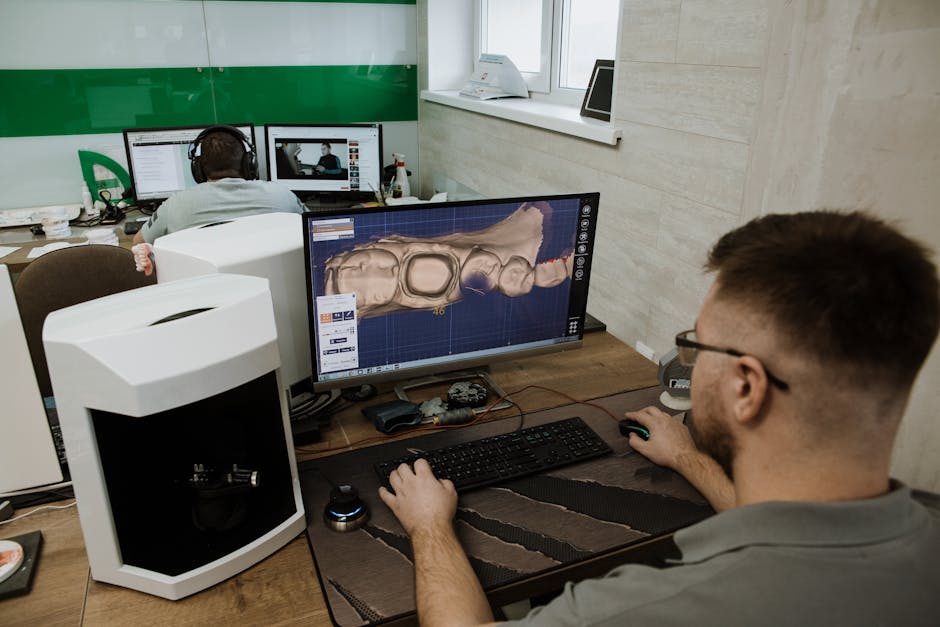
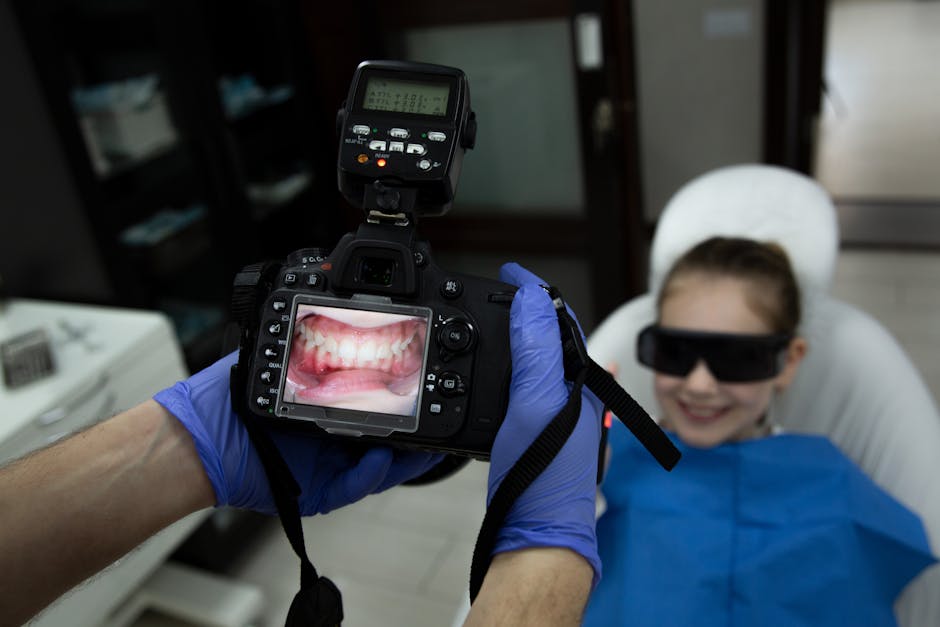
In busy practices, TMD assessment can feel time-consuming—until it becomes systematic. The most efficient clinicians rely on repeatable examination sequences, calibrated palpation, and accurate record-keeping. Skills such as dental photography (for documenting wear and asymmetry), digital dentistry (for occlusal analysis and provisional planning), and interdisciplinary case discussion all contribute to better diagnostic clarity.
At Istanbul Dental Academy, hands-on continuing education is designed to help dentists translate theory into chairside protocols—especially in multidisciplinary areas where prosthodontics, restorative dentistry, periodontology, and oral surgery overlap. When clinicians are trained to evaluate function alongside esthetics and surgical planning, they are better positioned to recognize TMD presentations early, communicate clearly, and plan treatment steps responsibly. This content is for educational purposes; clinicians should use professional judgment and refer when needed.
Key Takeaways for a Clinical TMD Diagnostic Pathway
- Use a structured history to identify triggers, time course, and functional limitations.
- Screen for red flags and rule out dental and periodontal sources of pain.
- Follow a repeatable exam: range of motion, muscle palpation, TMJ assessment, intraoral findings.
- Classify provisionally (muscle, joint, mixed) and use imaging only when it answers a specific question.
- Integrate TMD screening into smile design, restorative, and implant workflows to support predictable outcomes.
When approached systematically, “correct diagnosis” becomes less about a single label and more about clinical reasoning—identifying the most likely pain generator, recognizing contributing factors, and planning the next step with clarity.
Diğer Yazılar