
BLOG
10 Evidence-Informed Ways to Help Prevent Gum Recession at Home
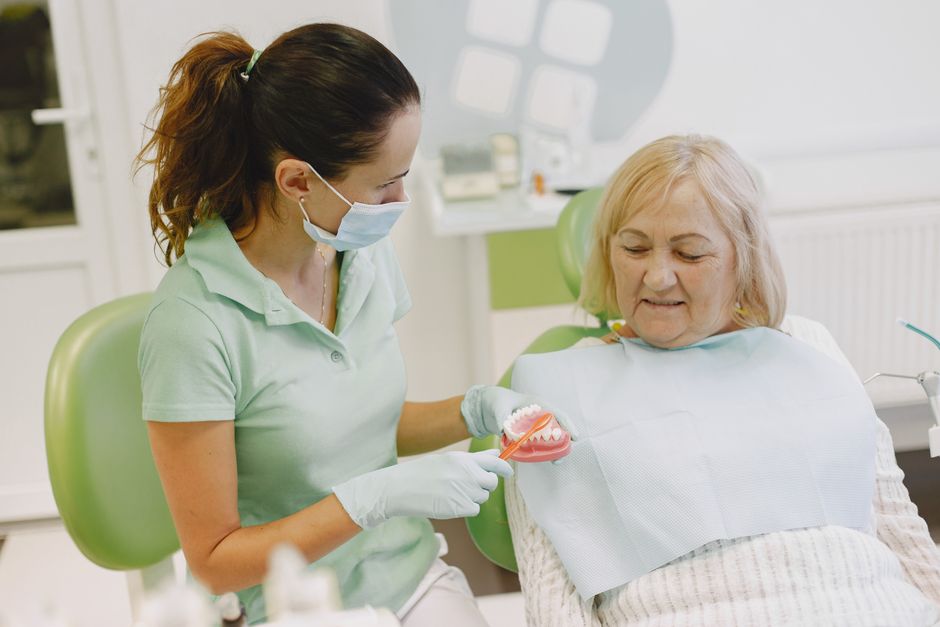
Why gum recession matters for dentists, students, and patients
Gum recession (gingival recession) is the apical migration of the gingival margin, leading to root exposure and a higher risk of hypersensitivity, root caries, cervical wear, and aesthetic concerns. In daily practice, recession rarely has a single cause; it is typically multifactorial—plaque-induced inflammation, mechanical trauma, thin periodontal phenotype, occlusal factors, iatrogenic restorative contours, and habits such as smoking all play roles.
For dental professionals and students, the topic is also a reminder that “home prevention” depends on accurate diagnosis. A patient may report “my gums are pulling back,” but the clinical scenario may involve non-carious cervical lesions, inflammatory enlargement, or tooth wear patterns. From a patient education standpoint, prevention begins with simple, repeatable behaviors—done correctly—supported by periodic professional assessment.
This content is for educational purposes and does not replace individualized diagnosis or treatment planning by a licensed dentist or periodontist.
Common risk factors to keep in mind
Before “10 ways,” it helps to map risk. Recession is more likely when patients have:
• Aggressive brushing techniques (excess force, hard bristles, horizontal scrubbing)
• Plaque-induced gingivitis/periodontitis leading to attachment loss
• Thin gingival phenotype and buccal bone dehiscence/fenestration
• Malpositioned teeth and crowding outside the alveolar envelope
• Smoking (including heated tobacco products)
• Traumatic occlusion and parafunction (bruxism/clenching)
• Poorly contoured restorations or overhanging margins affecting plaque control
Clinically, a useful counseling framework is: reduce inflammation, reduce mechanical trauma, and reduce destructive forces—while monitoring phenotype and anatomy.
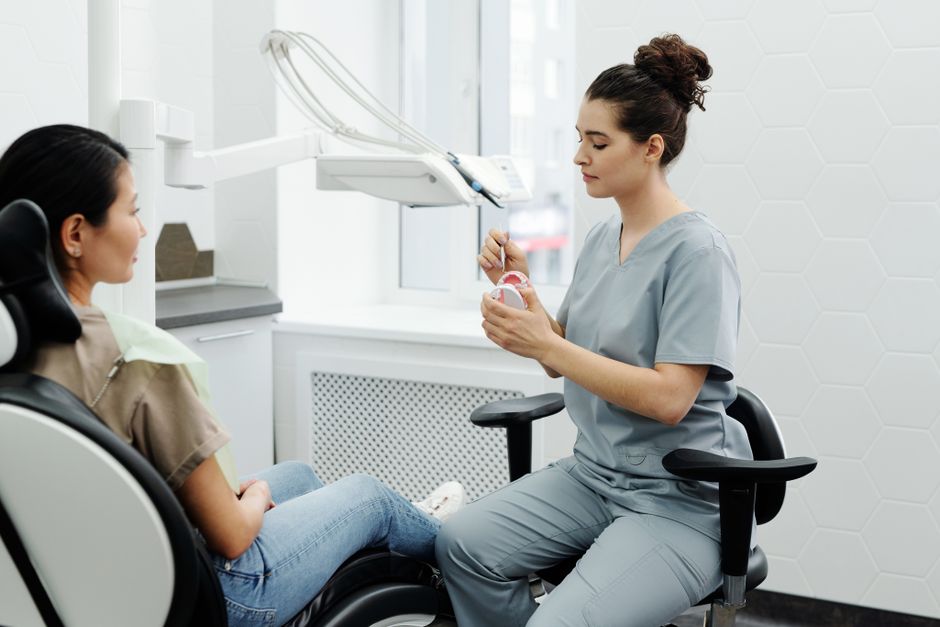
10 evidence-informed ways to help prevent gum recession at home
1) Use a soft-bristled brush and pressure control
Hard bristles and excessive force are consistently associated with traumatic lesions at the cervical area. Recommend a soft-bristled manual brush or an electric brush with pressure sensor feedback. A simple at-home tip is to “brush like you’re polishing,” not scrubbing—especially around canines and premolars where recession is frequently noticed.
2) Choose a gentle technique: modified Bass as a baseline
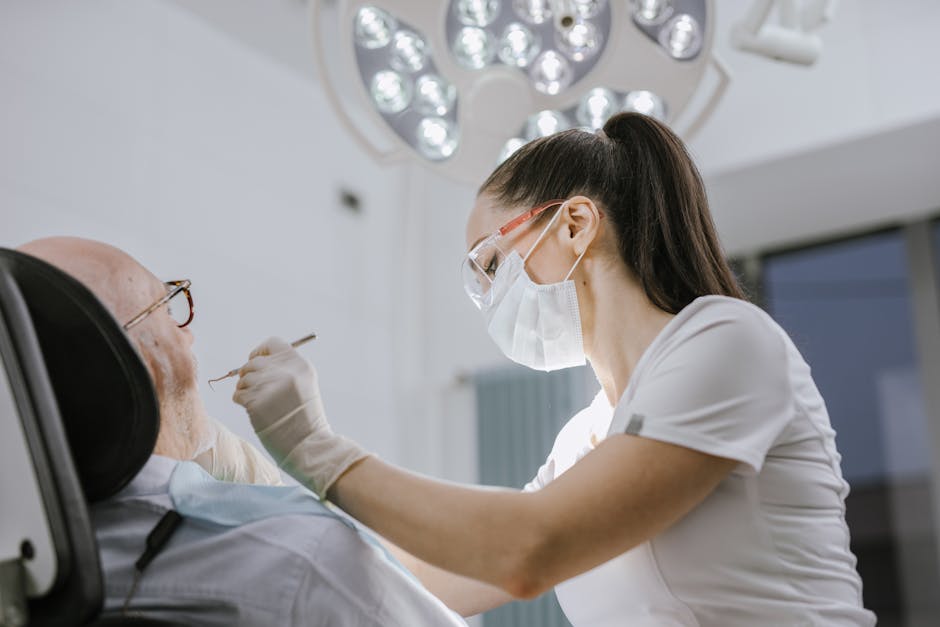
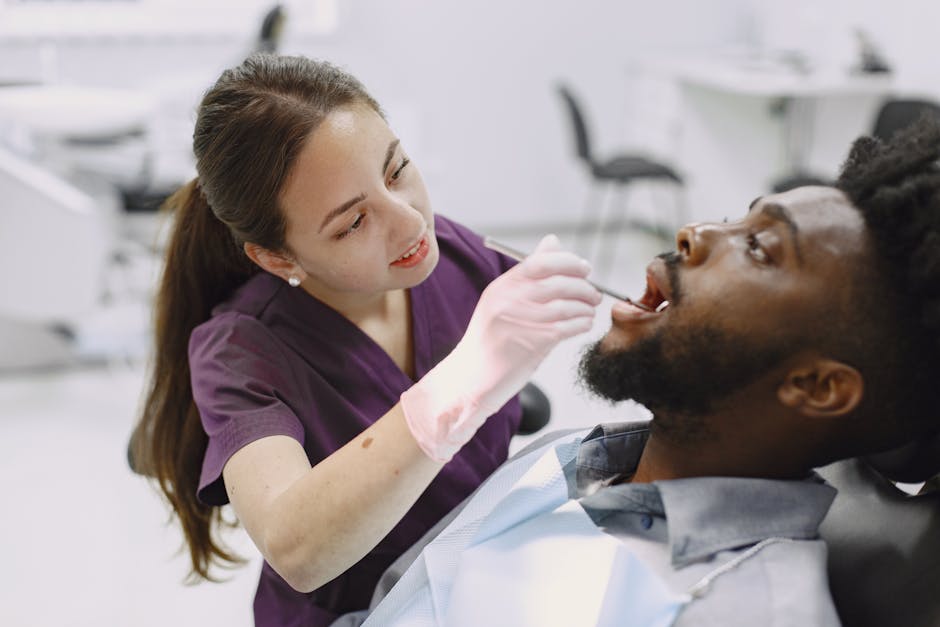
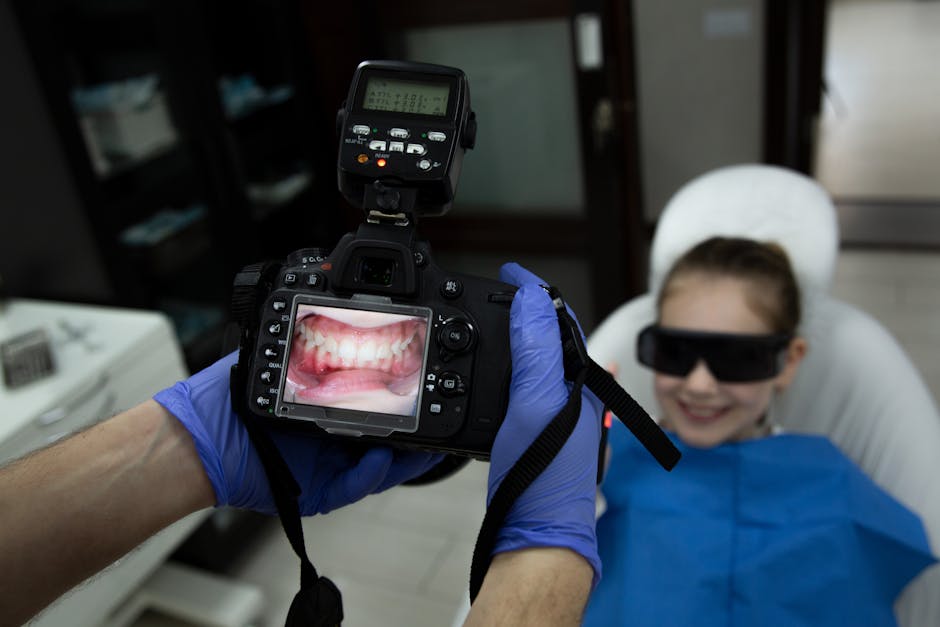
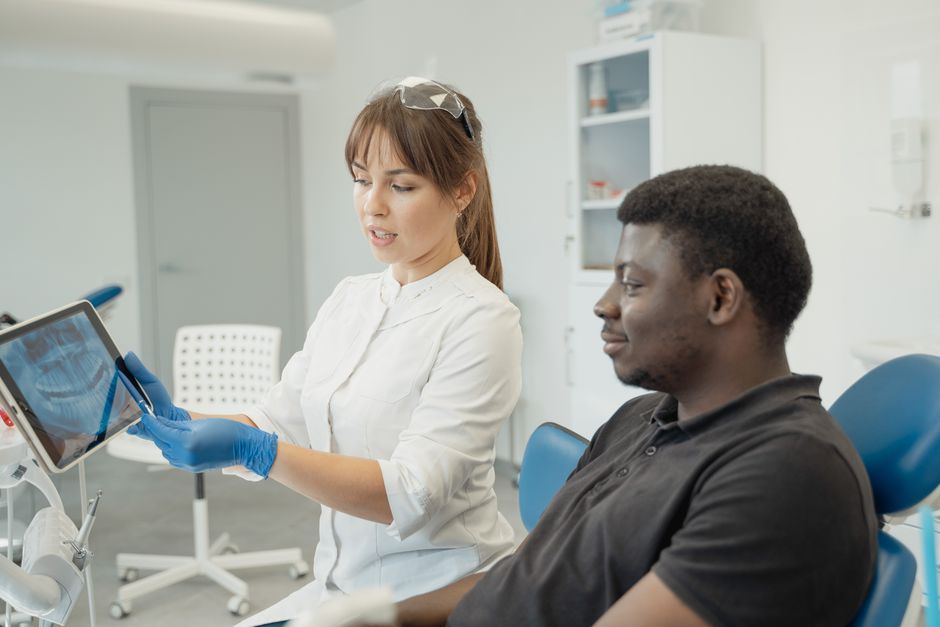
While technique must be individualized, the modified Bass approach (45° toward the gingival margin with small vibratory strokes) helps patients clean the sulcus without damaging tissues. Emphasize short strokes and a systematic sequence (e.g., quadrants) rather than long horizontal scrubbing. For dentists and students, this is a strong opportunity to use chairside coaching, mirrors, and intraoral photos to reinforce motor learning.
3) Clean interdentally every day (and match the tool to the embrasure)
Interdental plaque drives inflammation, which can accelerate attachment loss in susceptible patients. Floss can be effective in tight contacts, but interdental brushes are often more efficient in open embrasures. Patients should be fitted to the correct size to avoid trauma. Water flossers can be a useful adjunct for orthodontic patients or those with dexterity challenges—especially when inflammation is present.
4) Address inflammation early: bleeding is a sign, not “normal”
Patients often stop flossing when they see bleeding, but bleeding is commonly a signal of gingival inflammation. Encourage consistent plaque control and professional evaluation if bleeding persists beyond 1–2 weeks of improved home care. Inflammatory recession risk is not only about aesthetics; it can progress to more serious periodontal breakdown. For a clinician-focused discussion of prognosis, risk, and monitoring, see Can Gum Recession Lead to Tooth Loss? A Clinical Perspective for Dentists.
5) Use toothpaste strategically: low-abrasive options for high-risk patients
Abrasivity (RDA) and patient technique together influence cervical wear. For patients with exposed roots or non-carious cervical lesions, consider recommending a lower-abrasive toothpaste and reviewing “how much” paste they use (a pea-sized amount is enough for most adults). Desensitizing toothpastes can support comfort and may improve compliance with proper brushing.
6) Avoid nicotine exposure and manage xerostomia triggers
Smoking and nicotine exposure can impair gingival microcirculation and healing, and may mask bleeding—delaying care. Also, xerostomia from medications or lifestyle factors increases plaque retention and caries risk on exposed root surfaces. Practical home measures include hydration, sugar-free chewing gum (if appropriate), and discussing medication-related dryness with the patient’s physician. Clinicians should consider salivary risk in caries prevention planning when recession is present.
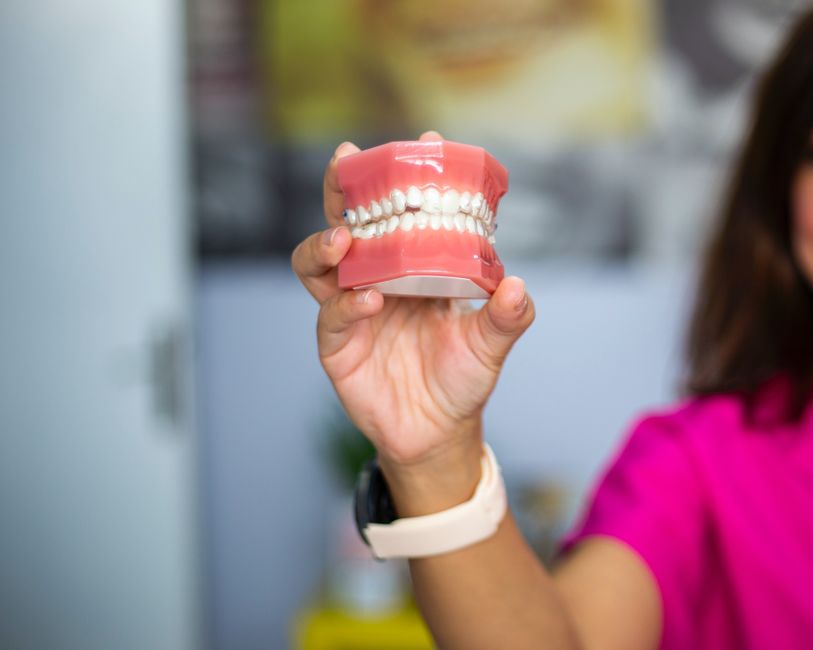
7) Protect against bruxism/clenching (reduce destructive forces)
While bruxism does not “cause” recession by itself, overload can exacerbate cervical stress, contribute to abfraction-like lesions, and complicate periodontal stability in inflamed tissues. At home, patients can begin with awareness strategies: avoiding daytime clenching (lips together, teeth apart), limiting caffeine late in the day, and stress management routines. If signs of parafunction exist, professional assessment for an occlusal appliance may be appropriate.
8) Be cautious with whitening, “charcoal,” and DIY abrasive trends
Overuse of whitening products or abrasive “natural” powders may increase sensitivity and surface wear—especially on exposed roots. Encourage patients to follow labeled instructions and seek professional guidance if sensitivity or cervical defects worsen. In clinical communication, showing baseline photos and tracking tissue changes improves understanding and adherence.
9) Ensure restorations support plaque control (and reassess cervical lesions)
Overhanging margins, bulky contours, or poorly finished interproximal areas increase plaque retention and inflammation—both linked to recession progression. Additionally, non-carious cervical lesions can confuse the picture: patients may perceive “recession” because of a notch or discoloration. For dentists making restorative decisions in these cases, conservative coverage options may help protect dentin and improve cleansability; see When to Choose Onlay vs Overlay Restorations: Clinical Decision-Making for decision-making principles that can support minimally invasive planning when structural loss is present.
10) Keep regular professional maintenance—and personalize to phenotype
Home care works best when calibrated with professional evaluation. Thin periodontal phenotype, high frenal attachments, malpositioned teeth, and mucogingival defects require tailored prevention strategies. Periodic periodontal charting, recession measurements, and risk-based recall intervals are foundational. For dental students and early-career dentists, learning to communicate phenotype and risk in simple language is a key clinical skill—especially when the patient’s goal is “stop it from getting worse.”
Red flags: when “at-home prevention” isn’t enough
Recommend professional assessment (and consider periodontal referral) when patients report:
• Increasing recession within months
• Persistent bleeding, swelling, or suppuration
• Mobility or new spacing (“black triangles”)
• Severe sensitivity, especially with visible root exposure
• Localized deep pockets or recession on a single tooth
• History of orthodontic movement with thin tissues
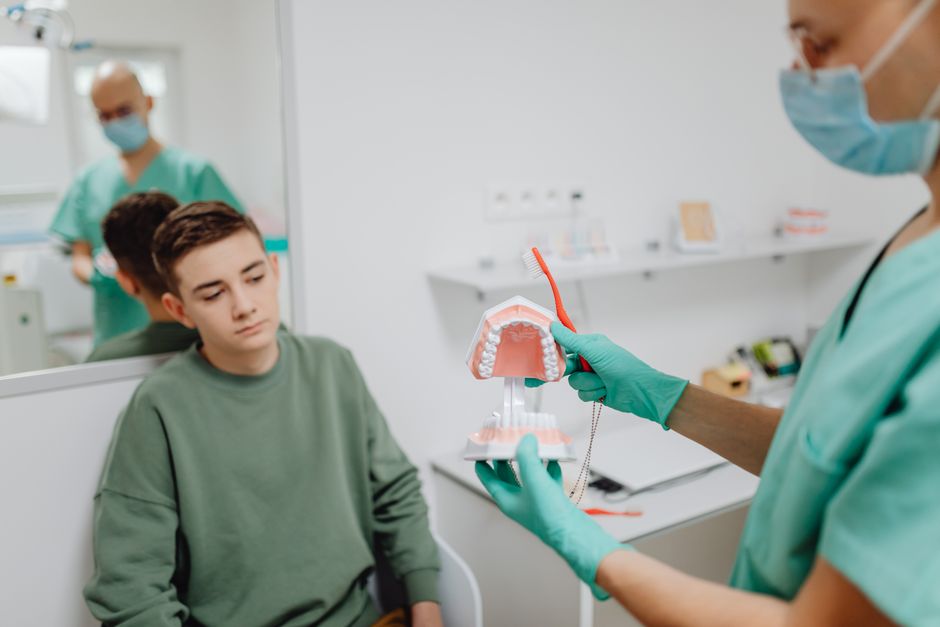
From a clinical standpoint, these may indicate active periodontal disease, traumatic factors, mucogingival problems, or combined lesions requiring diagnosis beyond home measures.
Clinical connections: recession intersects with restorative, endodontic, and implant workflows
Gingival margin position affects aesthetics and restorative outcomes. In smile design and porcelain laminate veneer planning, for example, uneven gingival margins and thin phenotype can influence final harmony and soft-tissue stability. In endodontics, recession-related root exposure can mimic endodontic pain due to hypersensitivity, and cervical lesions may complicate isolation and bonding.
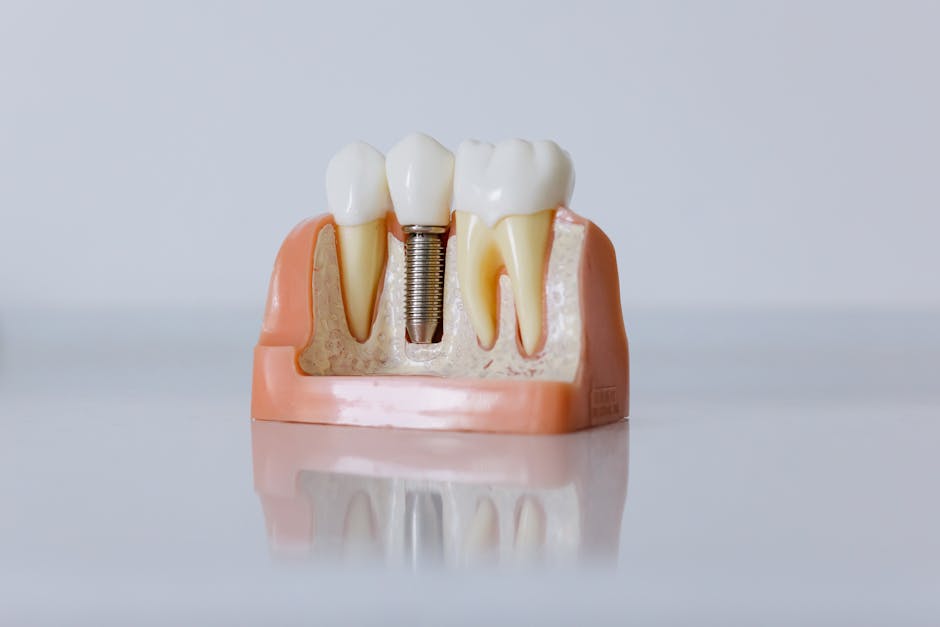
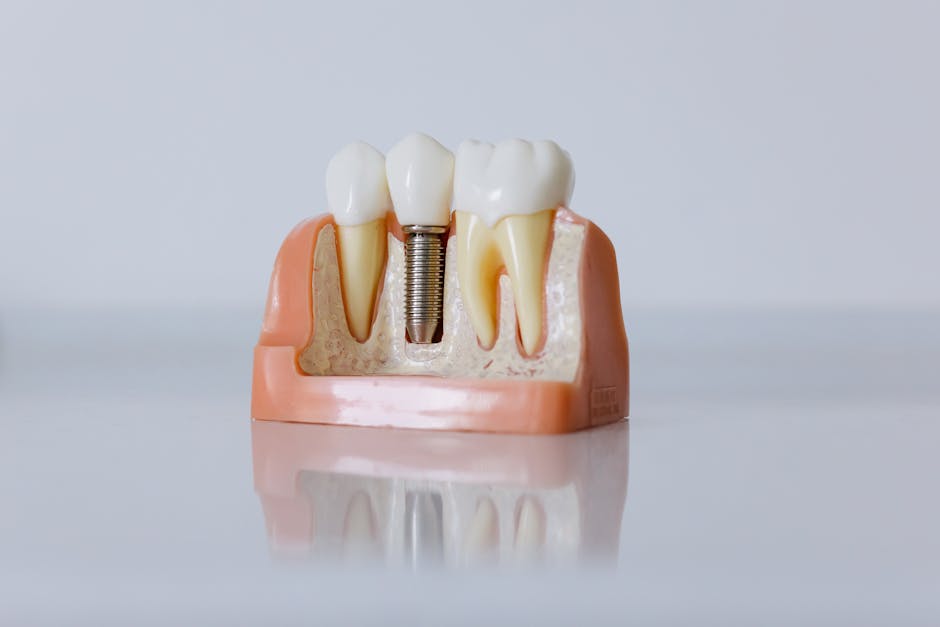
In implant dentistry, managing soft tissue health is essential—both around teeth and implants. Patients with poor plaque control or unaddressed periodontal inflammation may carry higher risk for peri-implant complications. For clinicians learning integrated surgical-restorative workflows, Istanbul Dental Academy frequently emphasizes planning and tissue management alongside hands-on protocols. If your clinical interests include extraction-to-implant sequencing, explore Same-Day Tooth Extraction and Immediate Implant Placement: Workflow and Training Insights and the patient-facing feasibility discussion in Is One-Day Dental Implant Treatment Really Possible?—both useful for understanding how soft tissues, biotype, and case selection affect outcomes.
Special note for dentists: sensitivity may have enamel and developmental components
Not all sensitivity linked to “recession” is purely root exposure. Developmental enamel defects and altered enamel structure can significantly change how patients experience thermal or tactile stimuli, and may influence prevention messaging and material selection. For a focused clinical overview, see Amelogenesis Imperfecta and Tooth Sensitivity: Clinical Insights for Dentists. This type of differential thinking—connecting symptoms to etiology—supports safer, more predictable care than relying on generic advice.
How Istanbul Dental Academy approaches gum recession education
Because recession is multifactorial, effective prevention teaching is multidisciplinary. At Istanbul Dental Academy, continuing dental education commonly integrates:
• Periodontal examination fundamentals (probing, phenotype assessment, recession classification concepts)
• Patient communication and motivation using intraoral photography and simple risk language
• Hands-on instrumentation and maintenance to support inflammation control
• Restorative and prosthodontic considerations for cervical defects, margins, and emergence profiles
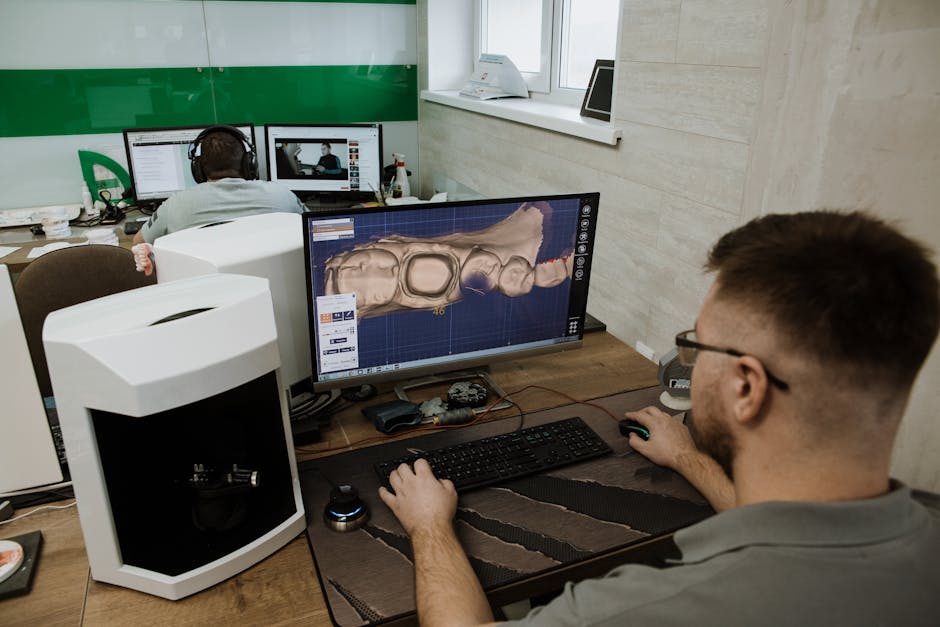
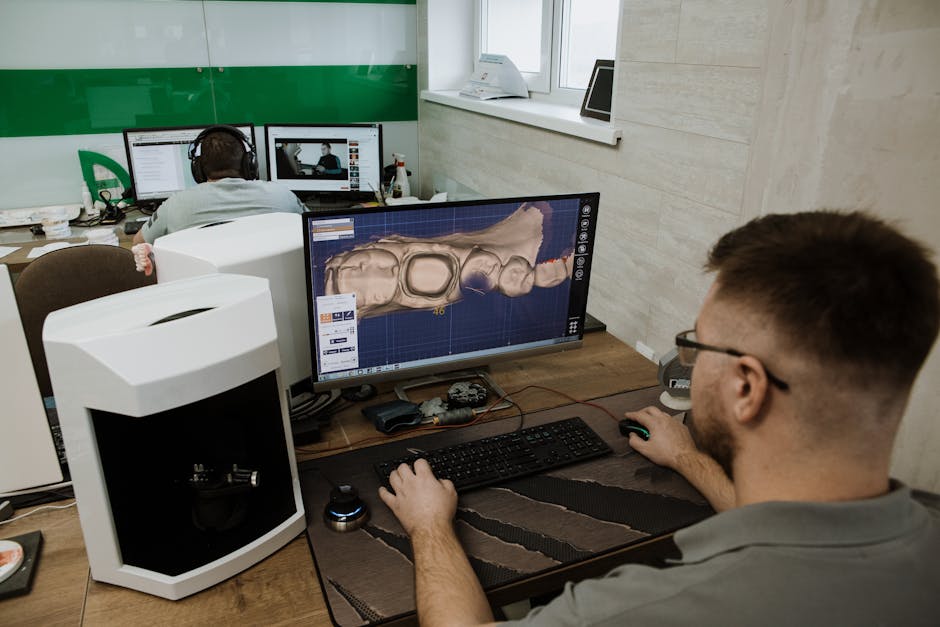
• Digital dentistry workflows to document changes over time and support case acceptance
For dentists and dental students building confidence, hands-on training bridges the gap between knowing the theory and delivering consistent clinical outcomes—especially in complex cases where recession, wear, and aesthetics overlap.
Takeaway
Preventing gum recession at home is less about “one miracle method” and more about combining gentle, consistent plaque control with reduced mechanical trauma, risk-factor management, and regular professional monitoring. When recession is progressing, bleeding persists, or sensitivity is severe, diagnosis should come first—followed by a tailored prevention and treatment plan. This content is for educational purposes and aims to support informed conversations between patients and dental professionals.
Diğer Yazılar