
BLOG
Immediate Implants in One Day: Clinical Guide to Same-Day Teeth
Immediate Implants and “New Teeth in One Day”: What It Really Means
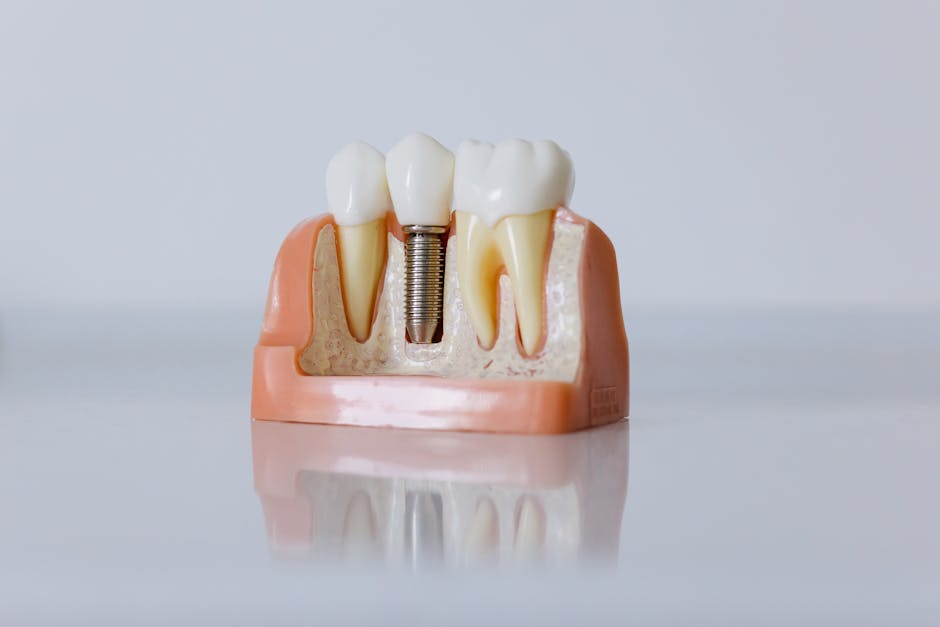
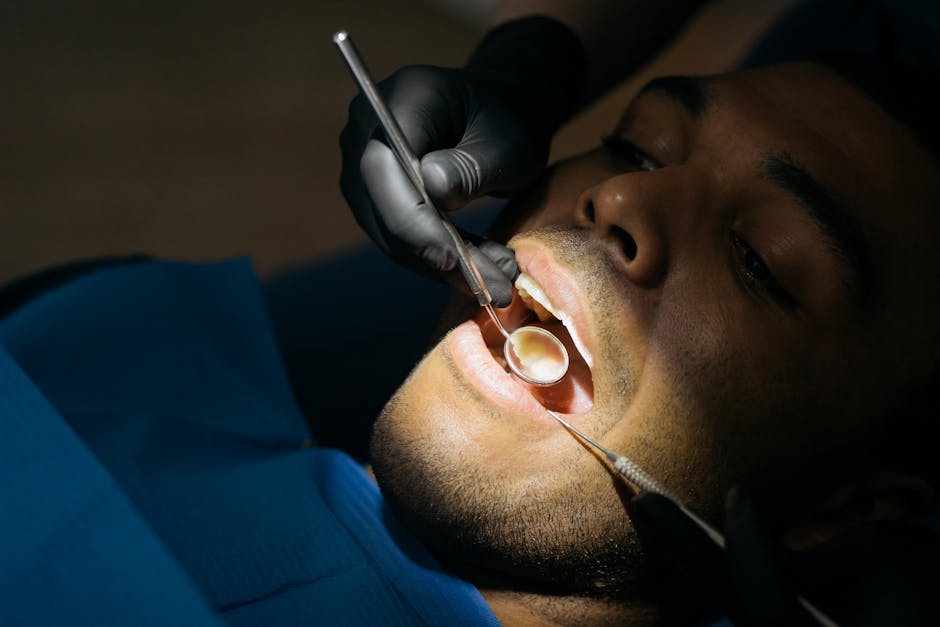
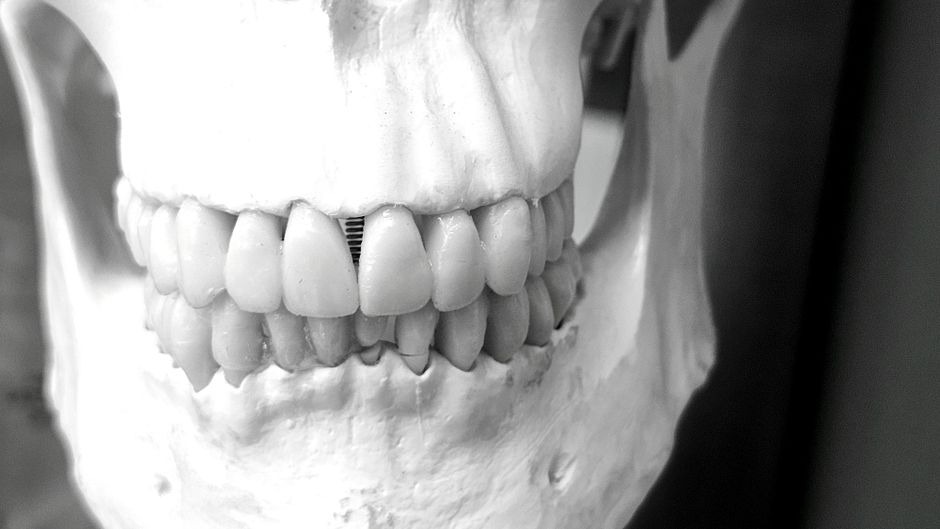
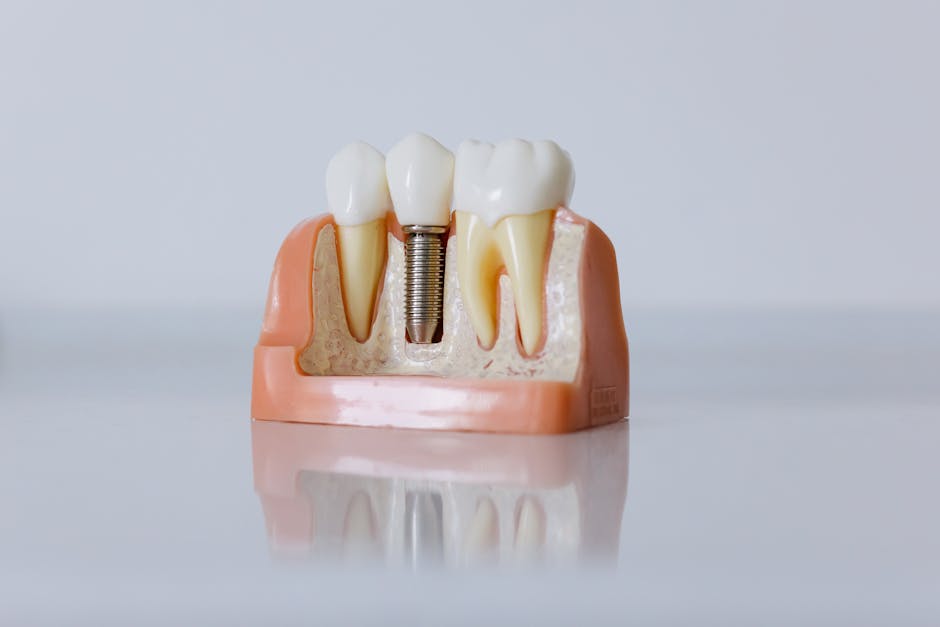
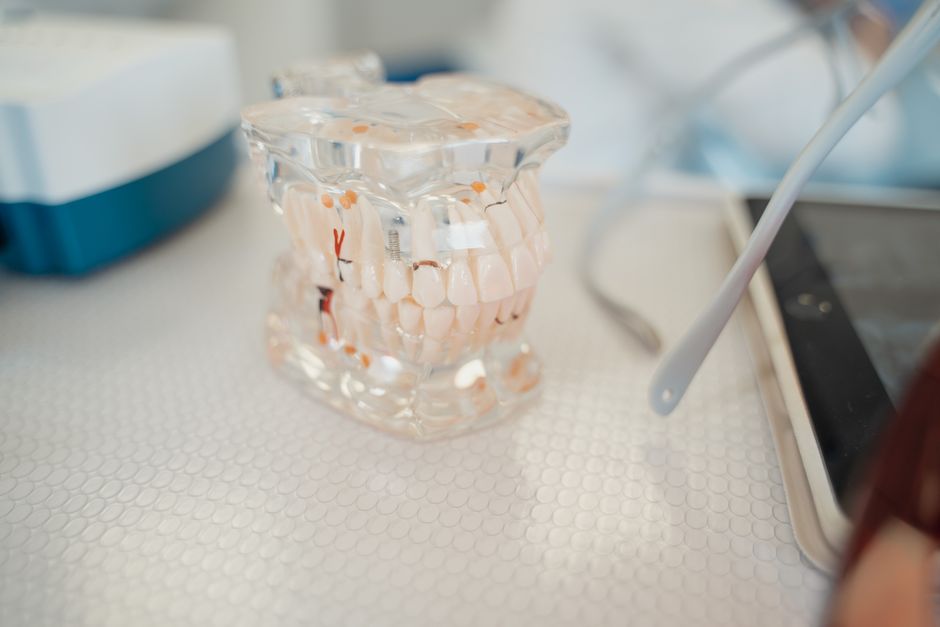
Patients often describe the goal as “new teeth in one day,” but clinically the phrase usually refers to an immediate implant placement combined with immediate provisionalization (a temporary tooth or bridge delivered quickly after surgery). In selected cases, an implant may be placed directly into a fresh extraction socket and restored with a provisional crown/bridge on the same day or within 24–72 hours.
For clinicians, the promise of speed must be balanced with biology and biomechanics: primary stability, soft-tissue management, occlusal control, and an evidence-informed maintenance plan. This content is for educational purposes and is not a substitute for individualized diagnosis, treatment planning, or clinical training.
Core Concepts: Immediate Placement vs Immediate Loading
Immediate placement
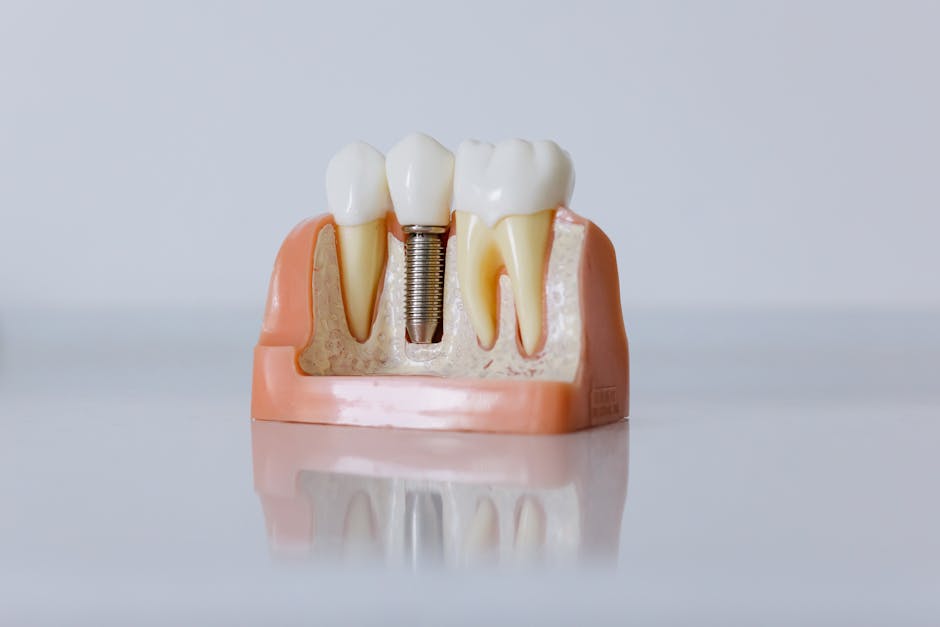
Immediate placement means inserting an implant at the same appointment as tooth extraction. The advantage is reduced overall treatment time and potentially improved ridge preservation, but the clinician must manage socket anatomy, infection status, and gaps between implant and socket walls.
Immediate loading
Immediate loading means connecting a restoration (often provisional) soon after implant placement. Loading can be functional (in occlusion) or non-functional (kept out of occlusion). In many “one-day teeth” cases, the provisional is designed to minimize occlusal forces during early healing.
Immediate provisionalization
Provisionalization is often the bridge between surgical success and aesthetic satisfaction. Provisional contours can shape the peri-implant soft tissue, particularly in the anterior zone, where emergence profile and papilla management are critical.
Indications and Case Selection: Who Is (and Isn’t) a Good Candidate?
Successful immediate implant therapy begins long before the extraction. Case selection typically considers:
Local factors: intact socket walls (especially the buccal plate), sufficient apical bone for engagement, keratinized tissue, and manageable biotype. Presence of acute infection does not automatically exclude treatment, but it raises the bar for debridement, antimicrobial strategy, and risk communication.
Occlusal factors: parafunction, uncontrolled occlusal contacts, and limited restorative space can complicate immediate loading protocols. For posterior regions, functional load management is often more challenging than anterior non-functional provisionals.
Systemic factors: smoking, uncontrolled diabetes, immunosuppression, and history of head/neck radiation are among the considerations that may shift a clinician toward delayed protocols or additional risk mitigation. Definitive decisions require patient-specific assessment.
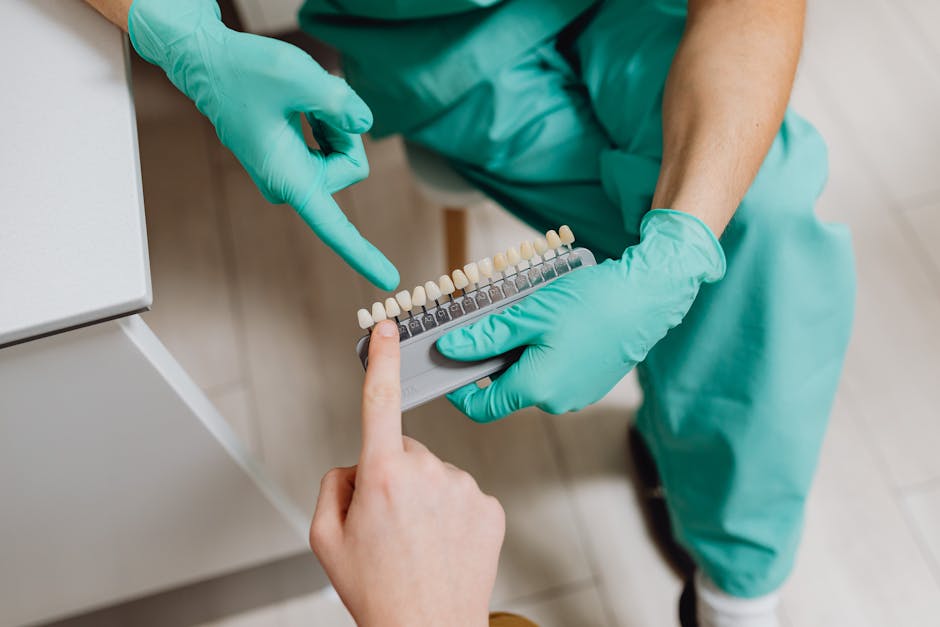
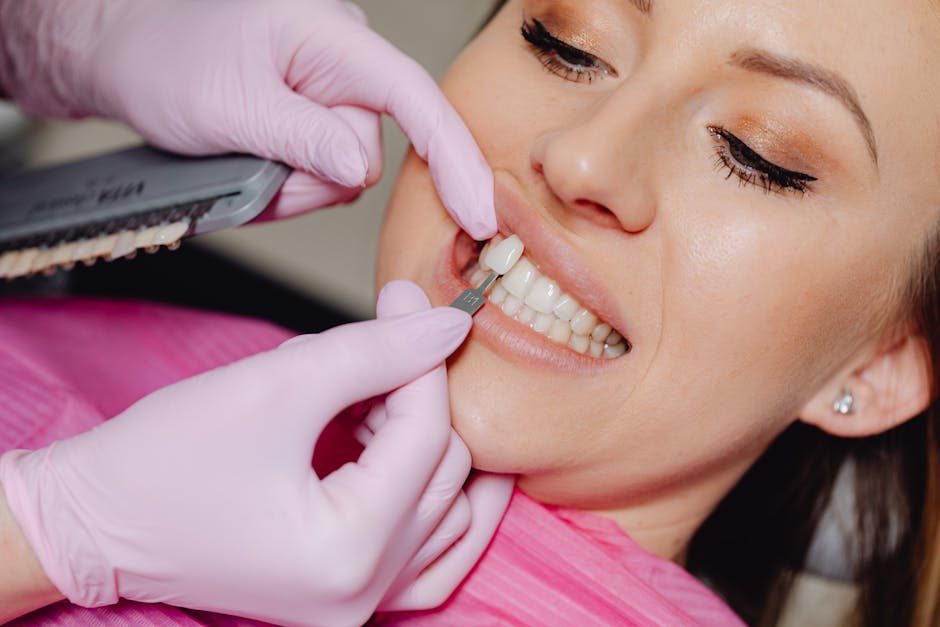
Aesthetic demands: In the aesthetic zone, patients frequently ask for “instant” results. Understanding the broader aesthetic plan—including adjacent teeth, gingival architecture, and facial parameters—helps align immediate implant decisions with a comprehensive outcome. Clinicians may find it useful to frame expectations using a structured aesthetic workflow, similar to the approach described in smile design candidates and clinical workflow considerations.
Pre-Operative Planning: Diagnostics That Reduce Surprises
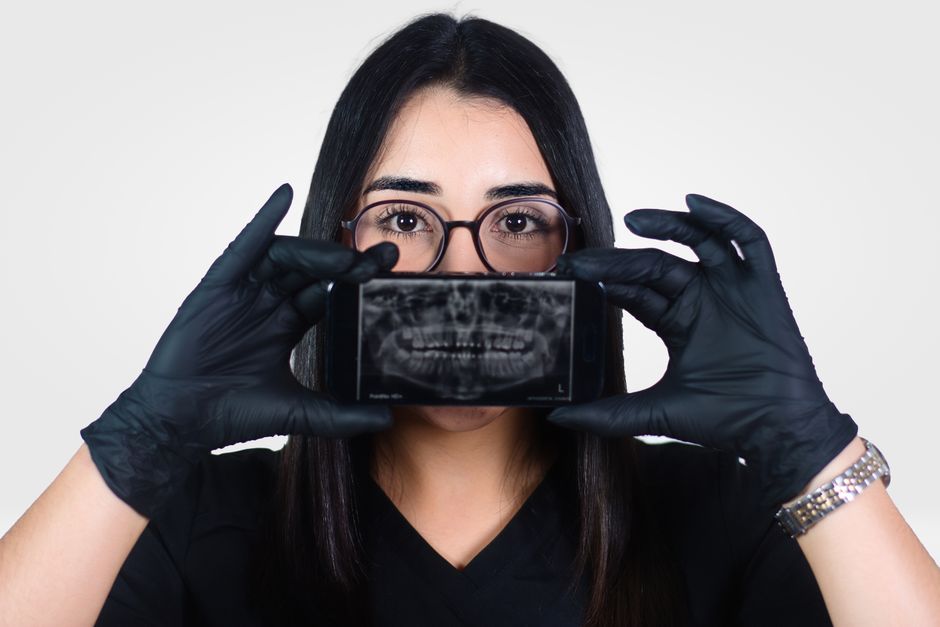
CBCT and 3D assessment
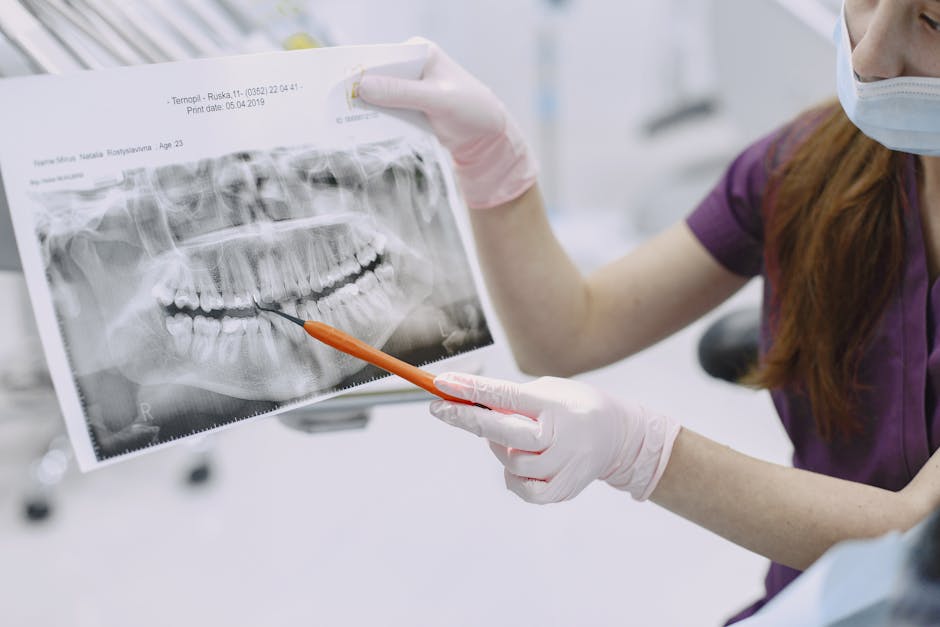
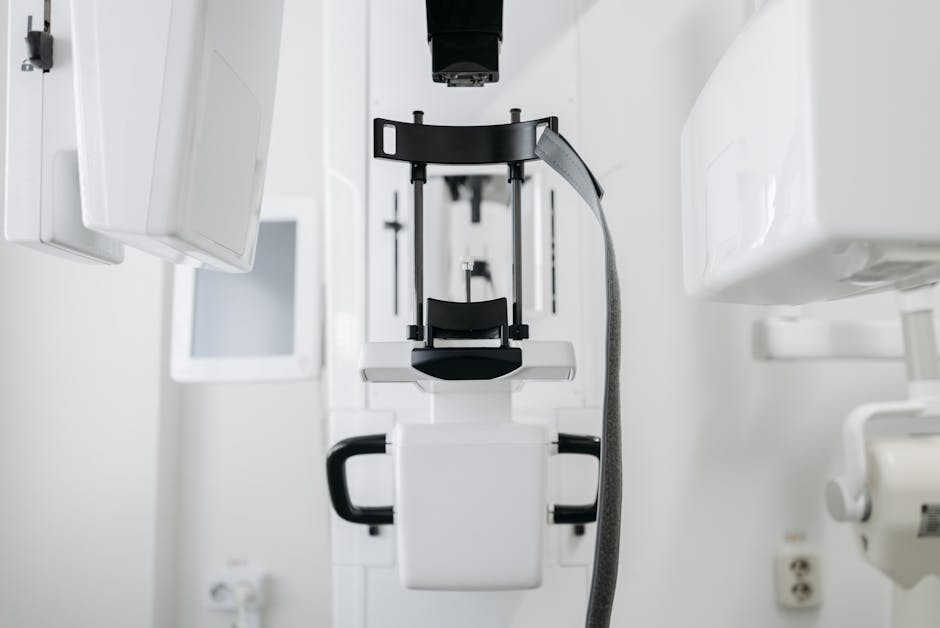
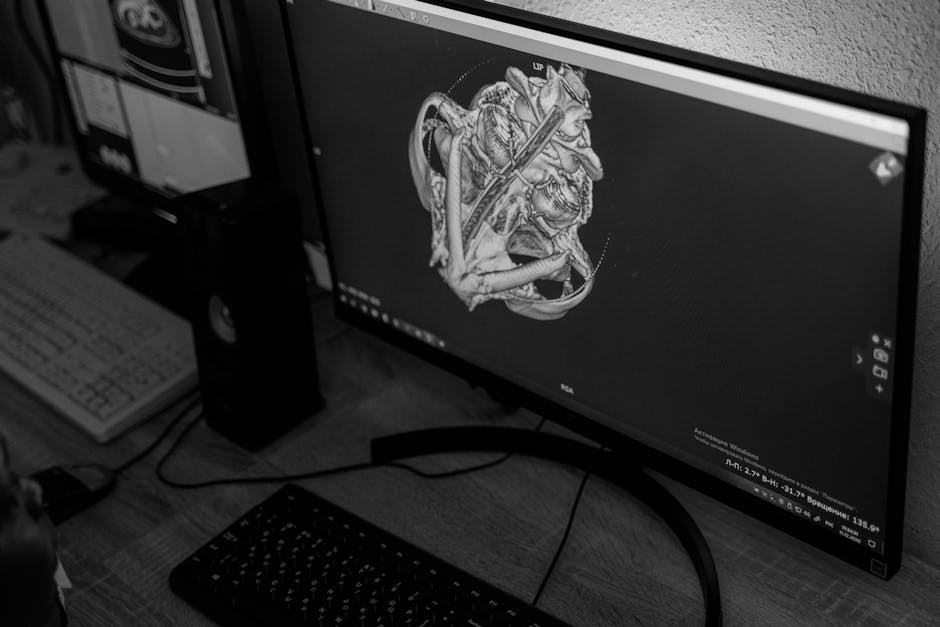
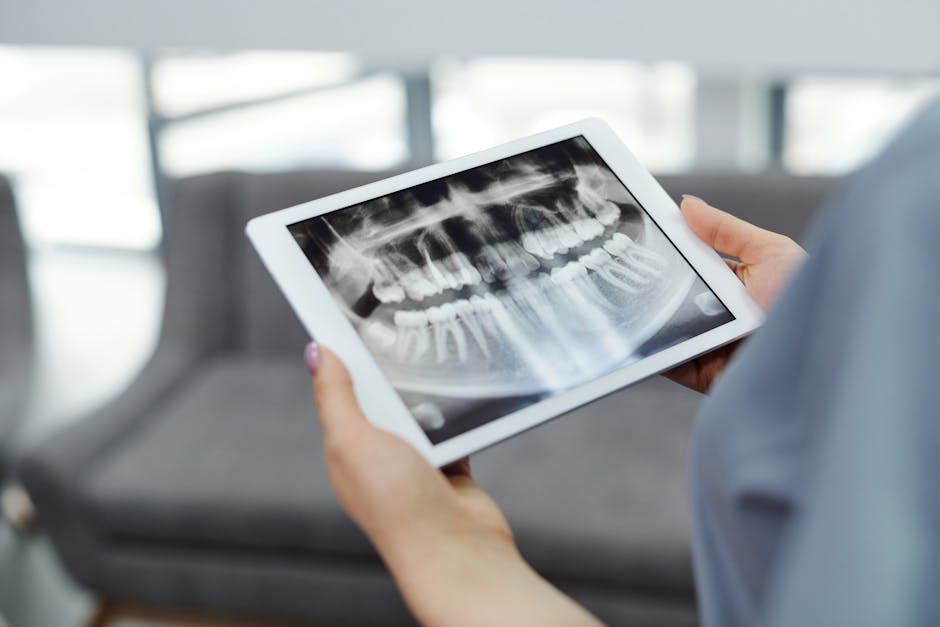
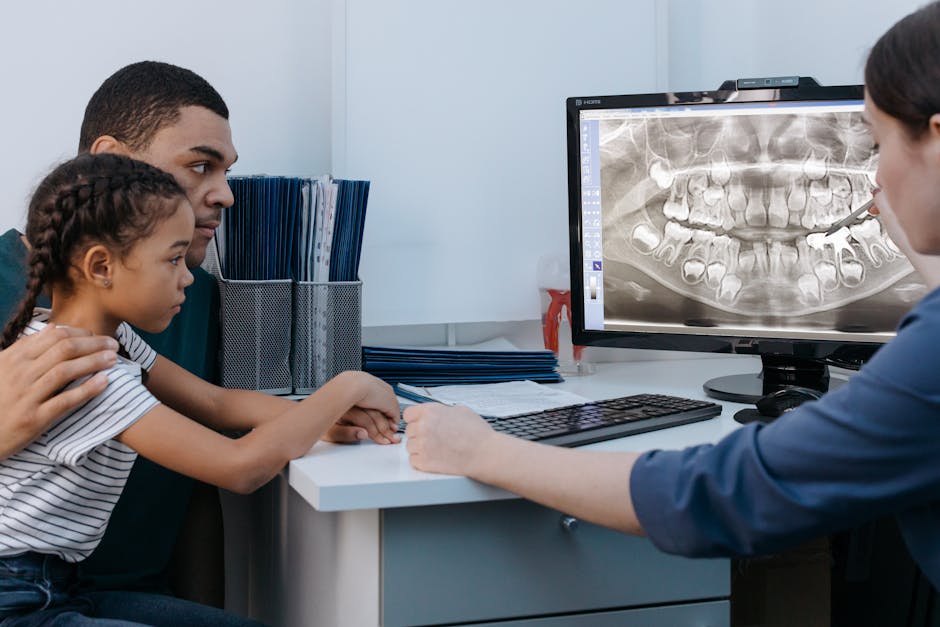
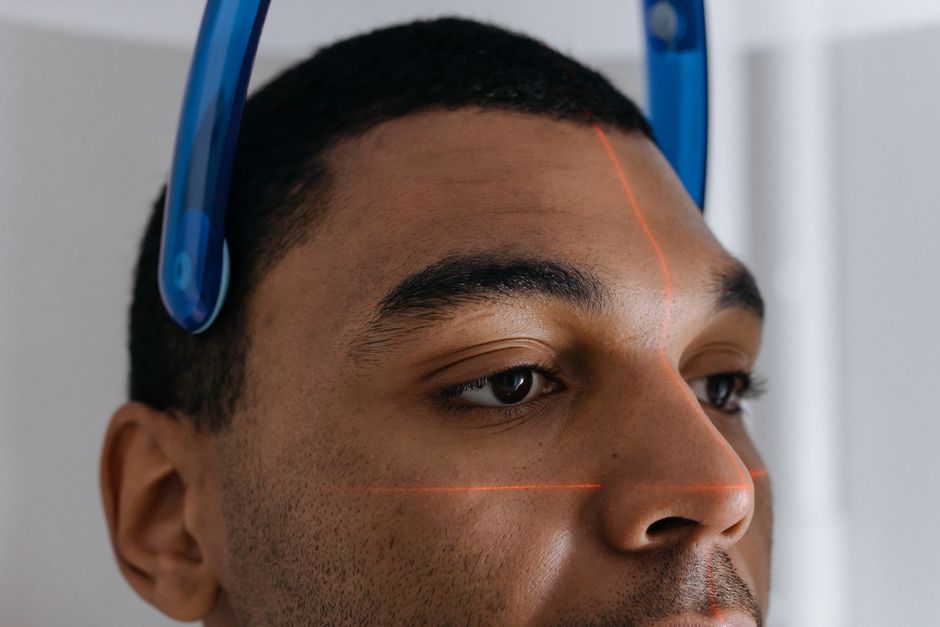
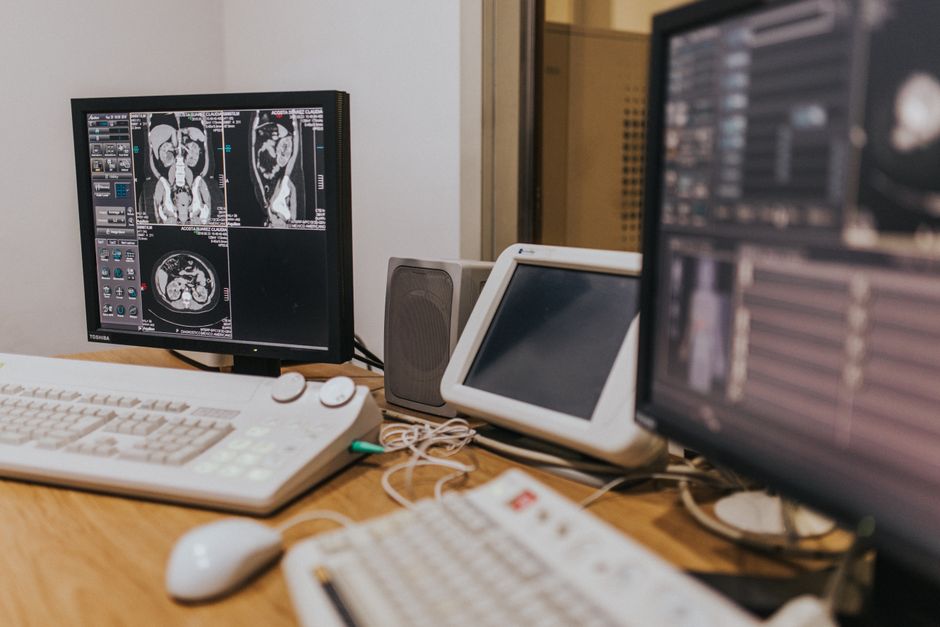
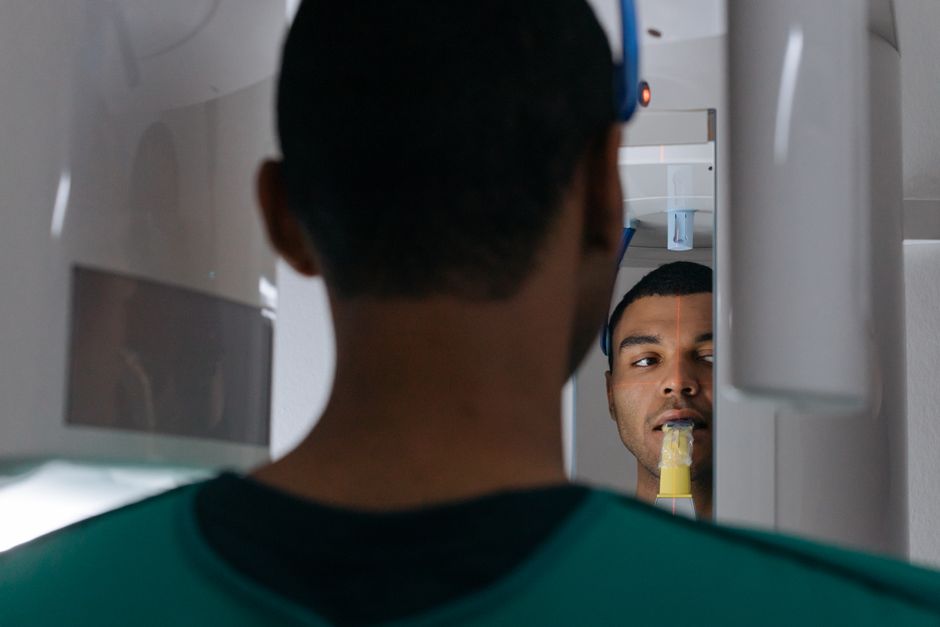
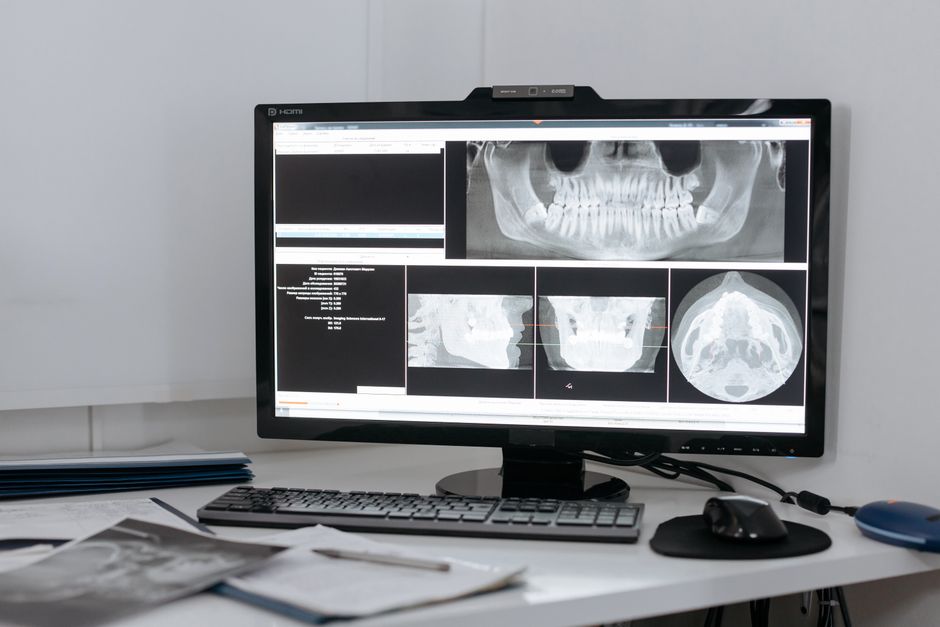
CBCT evaluation informs implant position, apical bone availability, proximity to vital structures, and buccal plate thickness. For immediate implants, the buccal plate is a frequent determinant of aesthetic and long-term stability.
Intraoral scanning and virtual wax-up
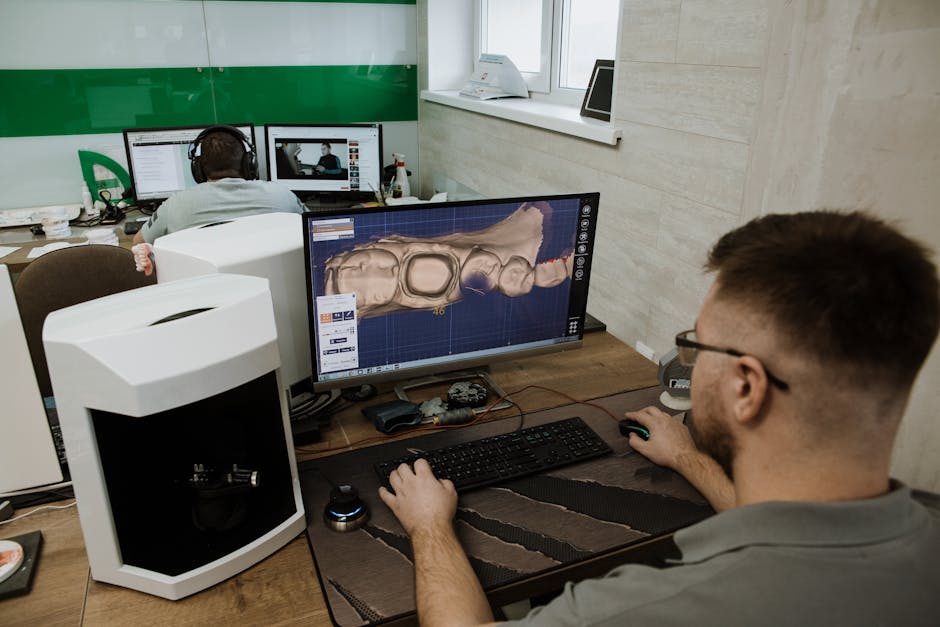
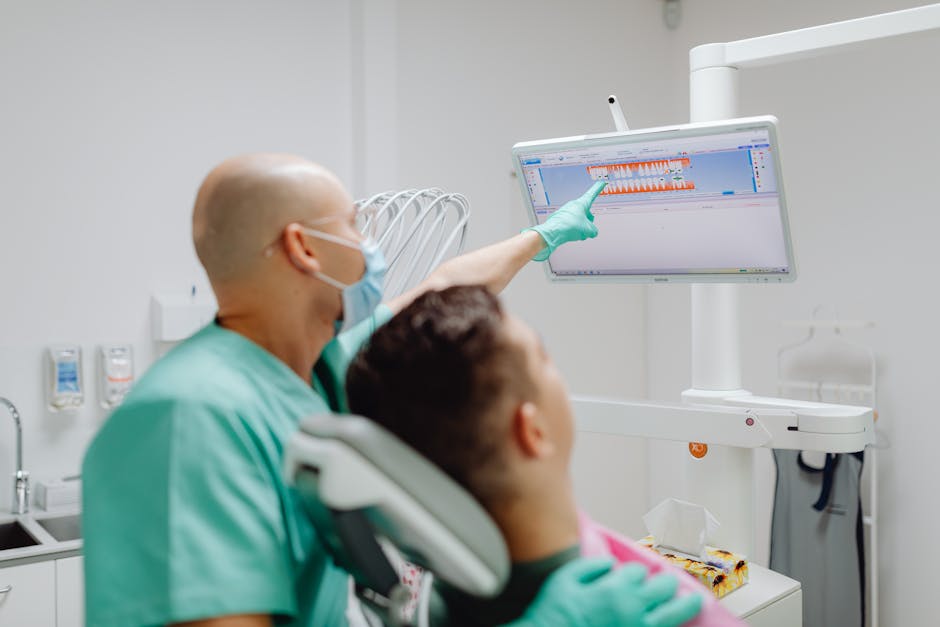
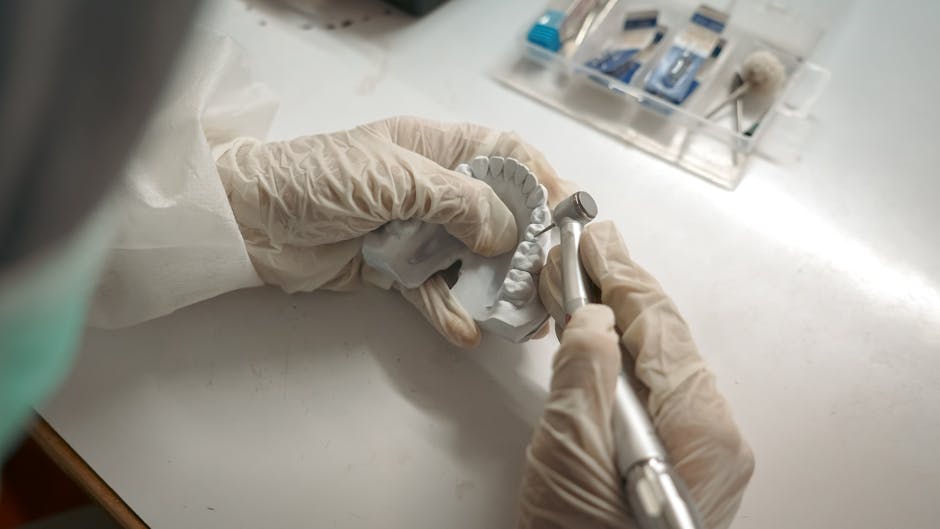
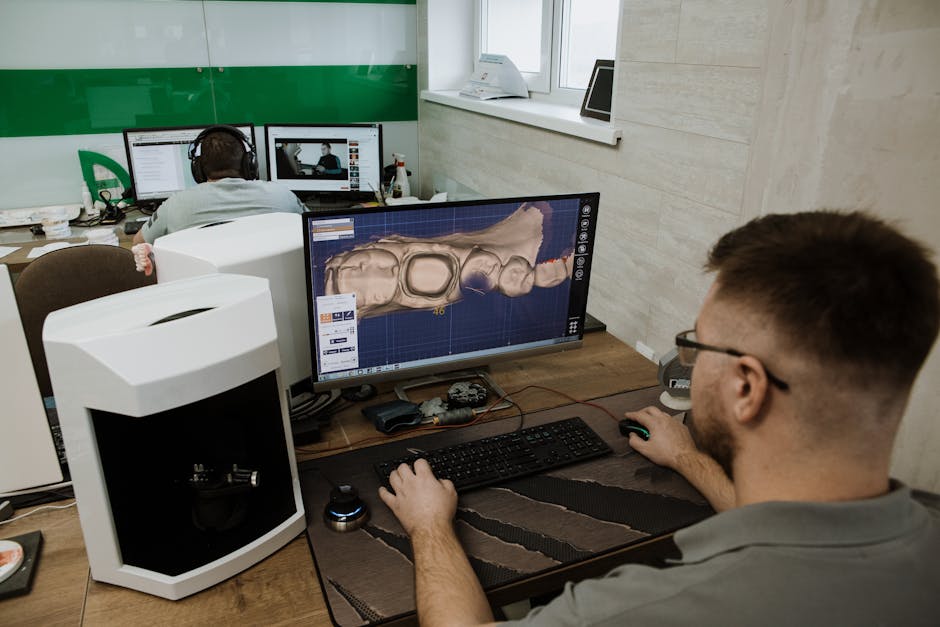
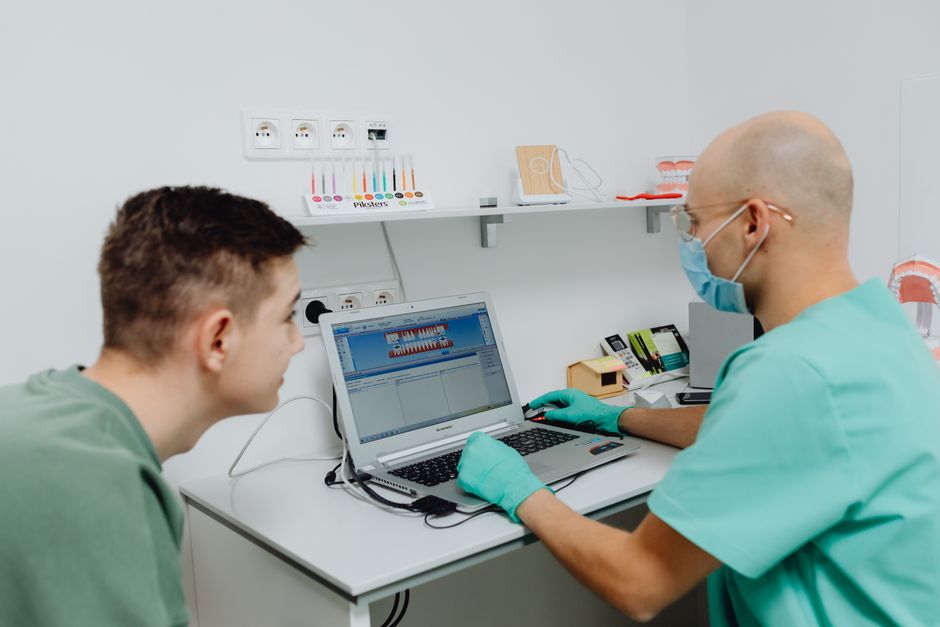
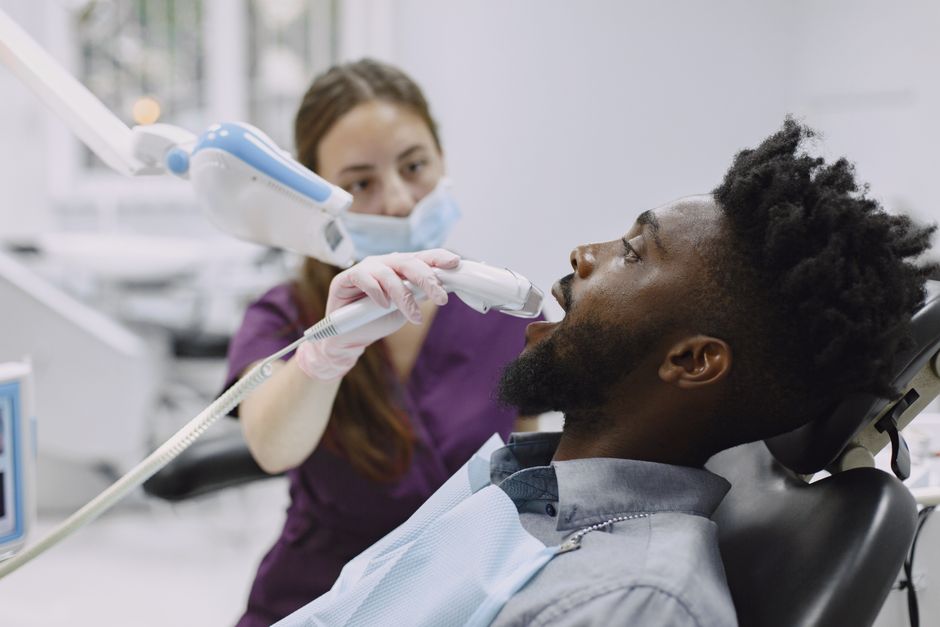
Digital impressions can support prosthetically driven planning—especially when immediate provisionalization is anticipated. A virtual wax-up can guide implant positioning to support emergence profile, restorative contours, and screw-channel trajectory.
Photography for communication
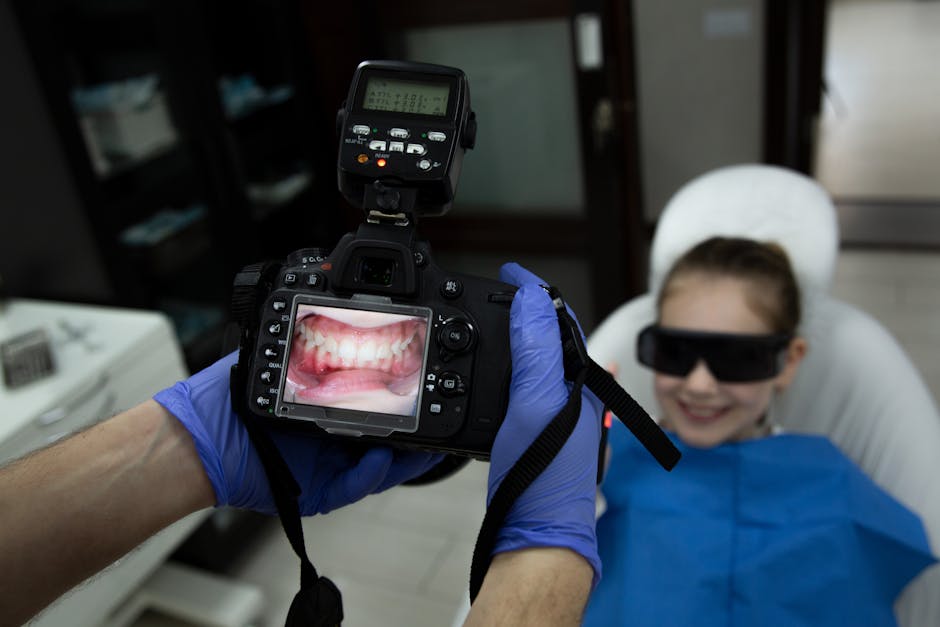
Standardized dental photography is useful for documenting baseline soft tissue levels, smile line, and midline. It also improves communication among the surgical and prosthodontic team, particularly when planning immediate temporaries.
Digital planning becomes even more impactful when it is integrated into the restorative phase. A deeper look at this integration is discussed in how digital workflow enhances implant-supported prosthetics, where scanning, planning, and prosthetic fabrication are aligned to reduce chair time and improve predictability.
Surgical Workflow: From Atraumatic Extraction to Implant Stability
Atraumatic extraction and socket debridement
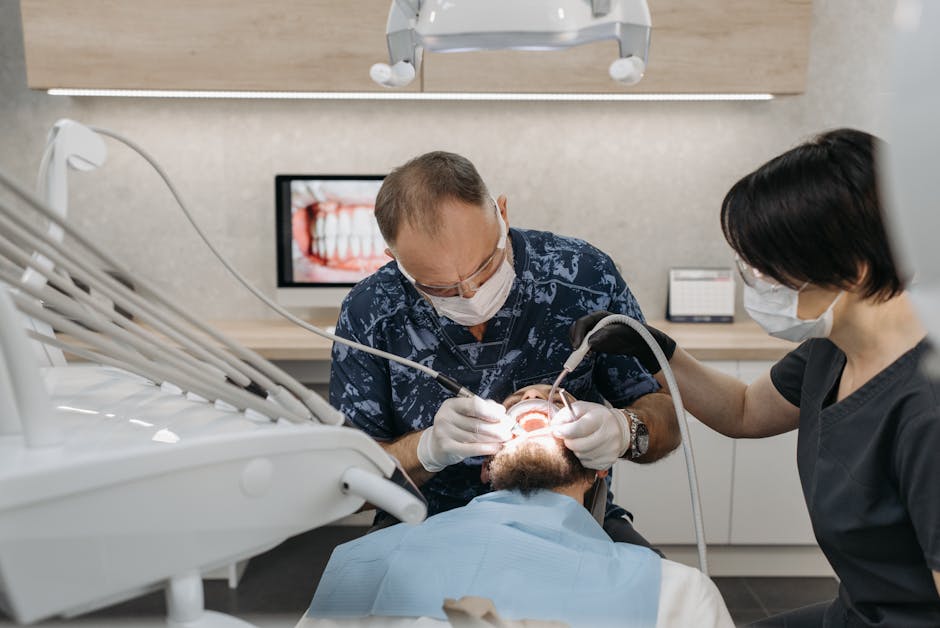
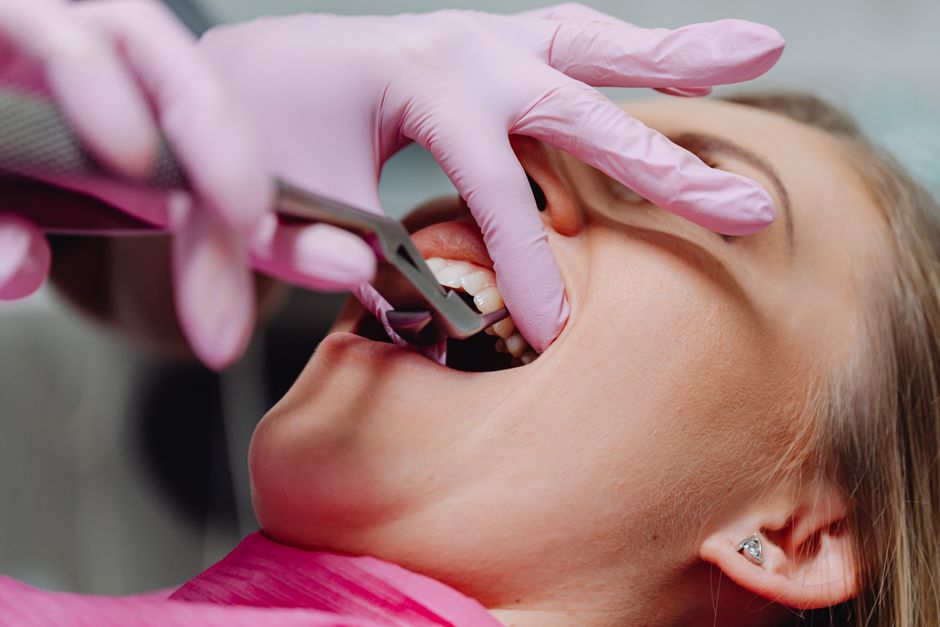
Immediate implant protocols typically prioritize preserving socket walls. Atraumatic techniques, careful luxation, and controlled sectioning (when needed) can help maintain the buccal plate. Thorough debridement is essential, particularly in endodontic or periodontal lesions, where granulation tissue may be present.
Implant positioning: prosthetically driven, biologically respectful
Immediate implants are often placed slightly palatal/lingual to protect the buccal plate and create room for a natural emergence profile. Depth is selected to support soft-tissue contours and restorative material thickness. Primary stability typically relies on apical and/or palatal bone engagement rather than the extraction socket walls.
Gap management and grafting principles
When a “jumping distance” exists between implant and buccal socket wall, clinicians may consider grafting strategies to support ridge contour. Material selection and membrane use depend on defect morphology, tissue thickness, and clinician preference. These decisions are nuanced and best learned through supervised training and careful review of current evidence.
Provisionalization: The Art and Engineering of Same-Day Temporaries
Non-functional immediate temporaries in the anterior
In the anterior zone, provisional crowns are often kept out of occlusion to protect osseointegration. The provisional is then used to guide soft tissue healing. Contour modifications over time can refine emergence profiles and gingival symmetry.
Posterior immediate loading: higher forces, different risks
Posterior regions experience greater occlusal loads. When immediate loading is considered, clinicians may prefer splinting, reduced cusp anatomy, and careful occlusal adjustments. In some cases, a delayed restoration may be chosen even if the implant is placed immediately.
Understanding restorative options and workflow choices is also relevant when immediate implants interface with adjacent restorative needs. For example, when planning occlusion and contact relationships near implant sites, clinicians may compare approaches similar to those reviewed in direct vs indirect posterior restorations and modern clinical workflows.
Full-Arch “Teeth in a Day”: Where All-on-X Fits
Many public “one-day teeth” cases refer to full-arch immediate load concepts, often using tilted posterior implants and a fixed provisional bridge. While single-tooth immediate implants require meticulous socket management, full-arch immediate protocols add complexity: cross-arch stabilization, prosthetic passivity, and careful control of cantilevers and occlusion.
All-on-4 vs All-on-6 planning considerations
Choosing implant number and distribution is not a simple marketing decision; it reflects bone volume, arch form, parafunction risk, prosthetic design, and long-term maintenance strategy. A structured comparison can be found in All-on-4 vs All-on-6: key differences for full-arch implant planning, which frames decision-making beyond slogans.
Why some clinicians prefer All-on-6
In appropriate cases, additional implants may improve load distribution and reduce biomechanical stress on components—especially in patients with higher functional demands. For a focused discussion on this rationale, see advantages of All-on-6 implants for full-arch stability and clinical predictability.
Complications and Risk Management: What to Watch For
Primary stability failure
Insufficient insertion torque or inadequate implant stability quotient (ISQ) can increase risk when loading immediately. In such scenarios, converting to a submerged/healing abutment protocol may be the prudent option.
Soft tissue recession in the aesthetic zone
Thin biotype, buccal plate remodeling, and improper implant positioning can contribute to recession. Provisional contours, grafting decisions, and restorative margin management all influence soft tissue outcomes.
Prosthetic complications
Fracture of provisionals, screw loosening, and occlusal overload are common early challenges in immediate load cases. A disciplined occlusal scheme and patient instructions (soft diet, hygiene protocol, night guard where indicated) can reduce mechanical risk.
Biological complications
Mucositis and peri-implantitis risk are influenced by plaque control, restorative contours, keratinized tissue, and systemic factors. Early monitoring and supportive periodontal therapy are important components of long-term success.
Clinical Training Perspective: Why Immediate Implants Are a Skills-Dependent Protocol
Immediate implant treatment is not defined by a single technique; it is an integrated workflow that spans diagnosis, extraction, implant placement, provisionalization, and maintenance. The learning curve involves both technical execution and decision-making—particularly recognizing when to avoid immediate loading or when to stage therapy for safety.
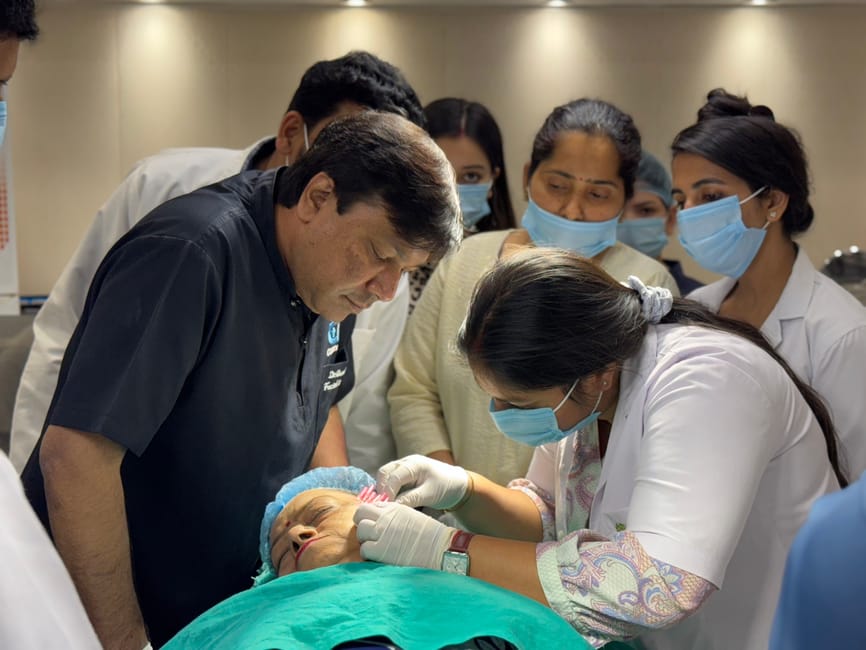
At Istanbul Dental Academy, many clinicians pursue continuing education to strengthen these competencies through structured modules that emphasize hands-on practice, digital planning, and prosthetically driven implant placement. When participants can rehearse steps such as atraumatic extraction, flap design choices, guided vs freehand positioning, and provisional contouring under supervision, they are better prepared to translate protocols into daily practice responsibly.
Key Takeaways for Clinicians
1) “One-day teeth” is a workflow, not a shortcut. Immediate placement and immediate loading require coordinated planning and careful occlusal control.
2) Case selection is the main predictor of predictability. Socket anatomy, stability potential, tissue biotype, and patient risk factors should guide protocol choice.
3) Digital dentistry supports consistency. CBCT + intraoral scanning + prosthetically driven planning can improve communication and reduce surprises, especially for immediate provisionals.
4) Long-term outcomes depend on maintenance. Peri-implant health is shaped by hygiene access, restorative contours, and ongoing periodontal support.
This content is for educational purposes and does not provide definitive medical or treatment advice. Clinical decisions should be made based on individual patient assessment, current evidence, and appropriate professional training.
Diğer Yazılar