
BLOG
Necrotizing Ulcerative Gingivitis (NUG): Symptoms, Causes, and Clinical Approach
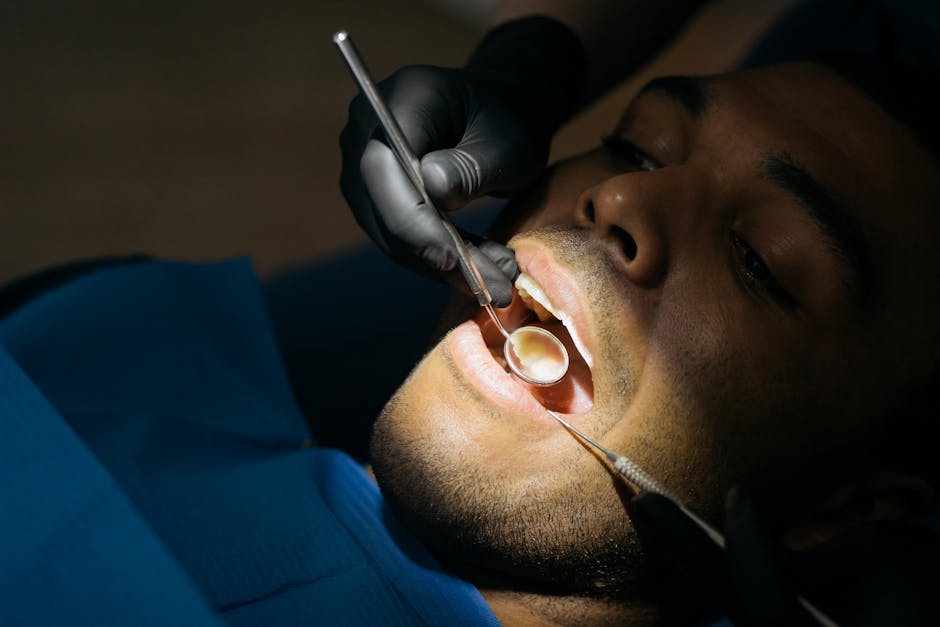
Necrotizing Ulcerative Gingivitis (NUG) in daily practice
Necrotizing ulcerative gingivitis (NUG)—historically associated with terms like “trench mouth”—is an acute, painful periodontal condition characterized by necrosis of gingival tissues and a rapid onset of symptoms. Although less common than chronic plaque-induced gingivitis, it remains clinically important because it can significantly affect patient comfort, function, and quality of life, and it may signal systemic or behavioral risk factors that require a broader clinical perspective.
In Istanbul, as in many large cities, clinicians may encounter NUG in patients with high stress levels, irregular sleep, smoking habits, limited access to routine care, or systemic vulnerability. For a wider foundation on periodontal pathology and risk profiling, see What Is Gum Disease? Early Signs, Risk Factors, and Clinical Insights, which contextualizes where necrotizing diseases sit within periodontal diagnoses.
This content is for educational purposes only. Diagnosis and management should be based on clinical examination, medical history, and professional judgment, with referrals when indicated.
How NUG differs from common gingivitis
Unlike typical plaque-induced gingivitis—often painless and slowly progressive—NUG is usually acute and painful. Tissue changes can appear dramatic over a short period. Clinically, the condition is associated with necrosis and ulceration of the interdental papillae, accompanied by spontaneous bleeding and a distinctive fetid odor.
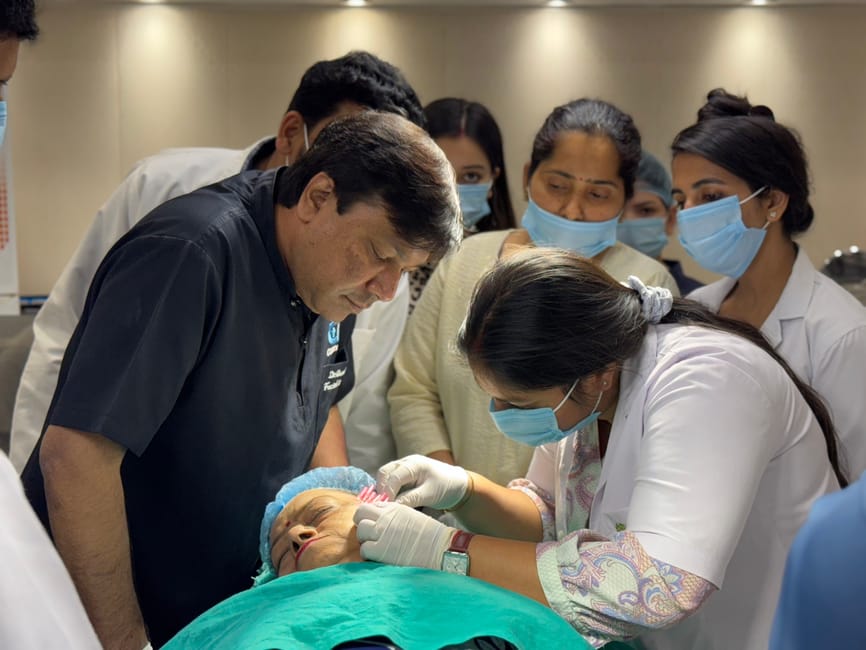
From a learning standpoint, NUG is a high-yield topic because it forces clinicians to integrate periodontal examination skills, differential diagnosis, patient communication, and risk-factor counseling. These are core competencies emphasized across periodontology-focused continuing education, including hands-on periodontal assessment and instrumentation training offered at Istanbul Dental Academy.
Classic signs and symptoms
Key clinical features
NUG is commonly identified by a cluster of findings rather than a single sign. In many cases, clinicians report:
• “Punched-out” interdental papillae: crater-like necrosis at papillary tips, often covered by a grayish pseudomembrane.
• Pain: gingival tenderness that may be disproportionate to visible plaque levels.
• Spontaneous bleeding: bleeding with minimal provocation or during gentle probing.
• Fetor oris: characteristic malodor that patients or relatives may notice.
• Metallic taste: sometimes described by patients, potentially linked to bleeding and tissue breakdown.
Possible systemic and regional findings
Depending on severity and patient status, additional features may include malaise, mild fever, cervical lymphadenopathy, and functional limitations such as difficulty eating or brushing. In educational settings, documenting these findings carefully helps sharpen diagnostic reasoning and supports appropriate referral pathways when systemic disease is suspected.
Etiology and risk factors: why NUG happens
NUG is generally understood as a polymicrobial infection occurring in a susceptible host, often in the presence of impaired local defenses and compromised immune response. In practice, the “why” is frequently multifactorial.
Local contributors
Local predisposing factors can include plaque accumulation, existing gingivitis, and inadequate oral hygiene due to pain, orthodontic appliances, or lifestyle barriers. Saliva is an important part of the oral ecosystem and host defense; reduced salivary flow or altered composition may contribute to dysbiosis and mucosal vulnerability. For a deeper look at saliva’s protective functions—relevant when evaluating dry mouth complaints, medication histories, or dehydration—read Why Saliva Matters: The Unsung Protector of Oral Health.
Behavioral and psychosocial risk factors
Smoking is consistently associated with periodontal breakdown and impaired healing; it is also frequently reported in NUG presentations. High stress, sleep deprivation, and poor nutrition may contribute by altering immune responses and increasing inflammation. In urban clinical practice, obtaining a respectful, nonjudgmental history about stress and habits is often as critical as intraoral findings.
Systemic vulnerability
Immunosuppression, certain systemic diseases, and severe nutritional deficiency may increase susceptibility. While many cases occur in otherwise healthy individuals, NUG can be a red flag in a patient with unexplained systemic symptoms or recurrent oral infections. From a dental education perspective, this is where structured history-taking training and interprofessional awareness become essential.
Clinical examination and differential diagnosis
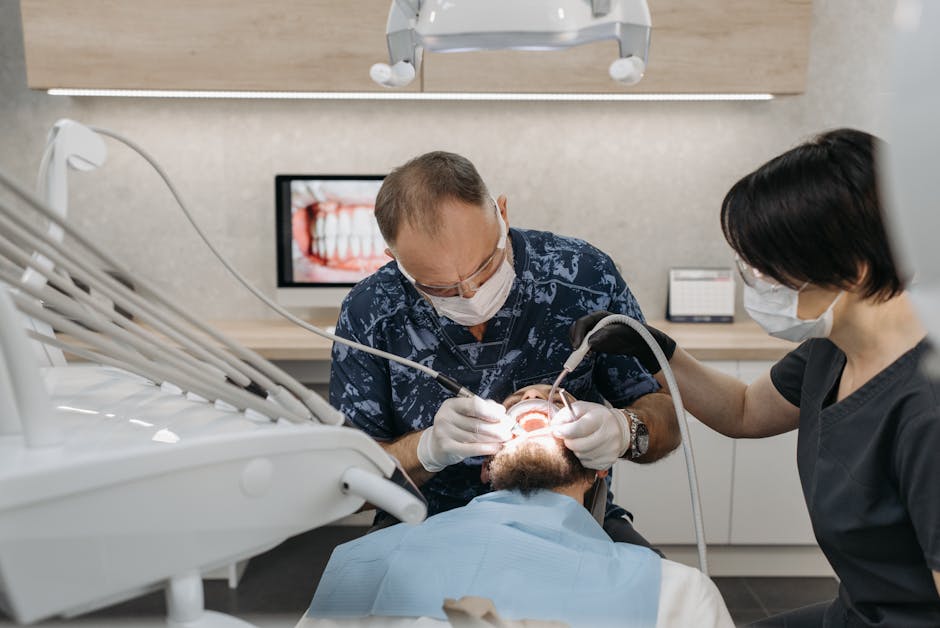
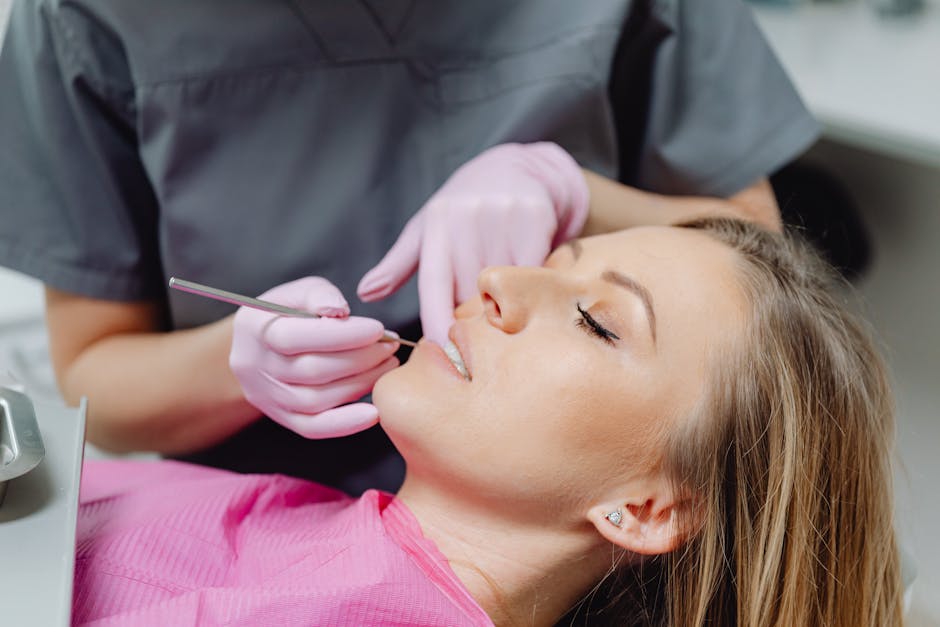
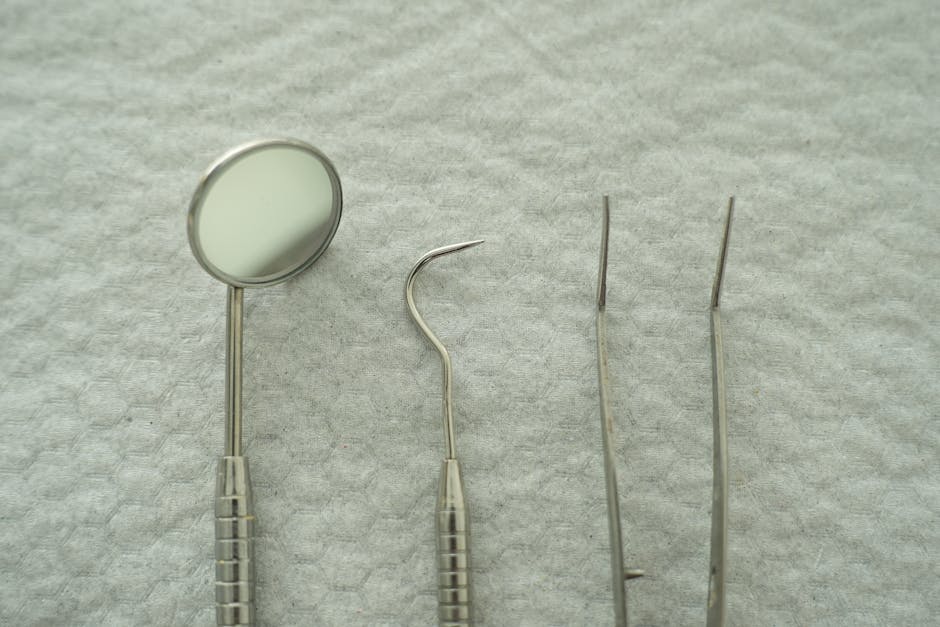
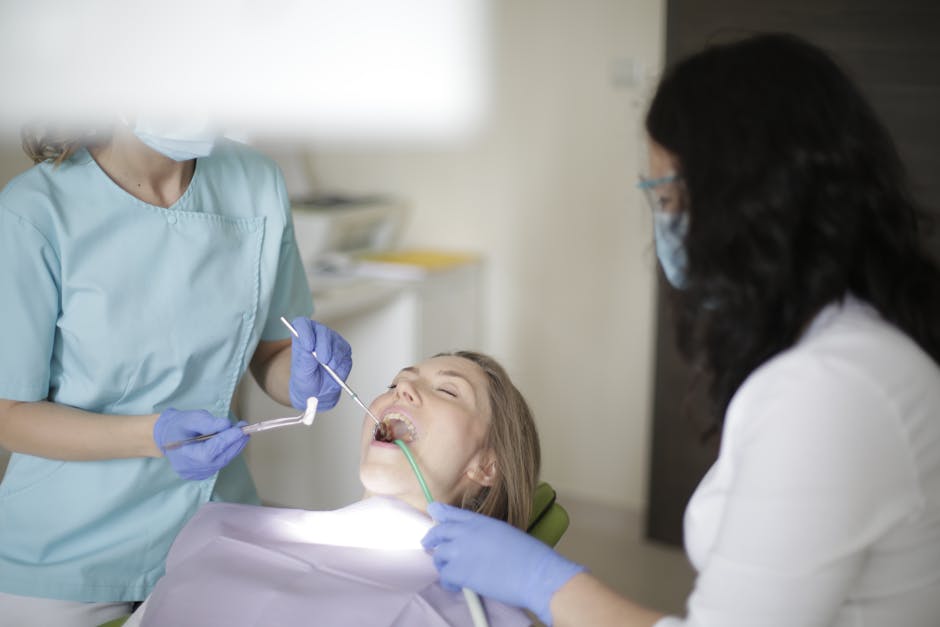
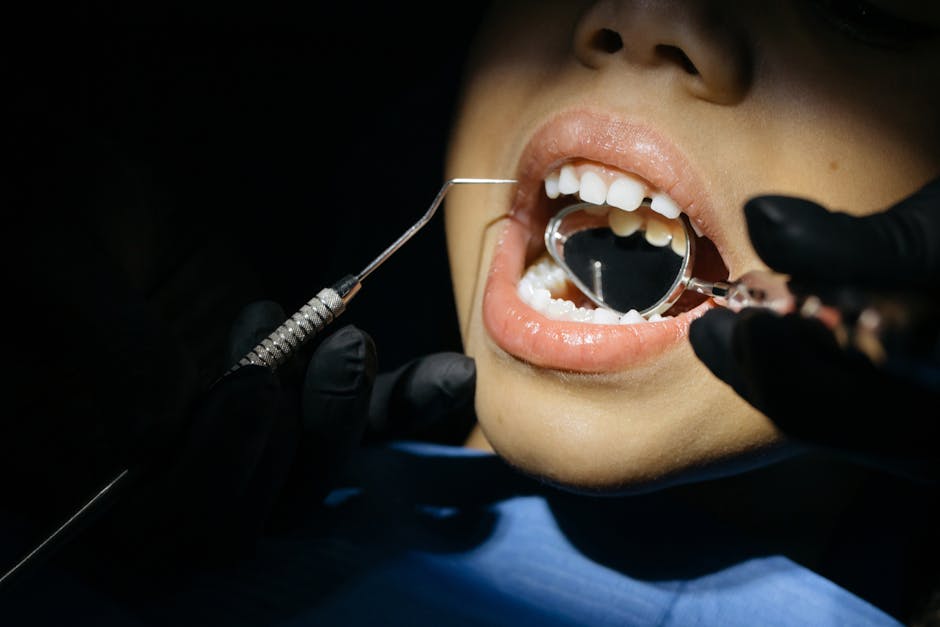
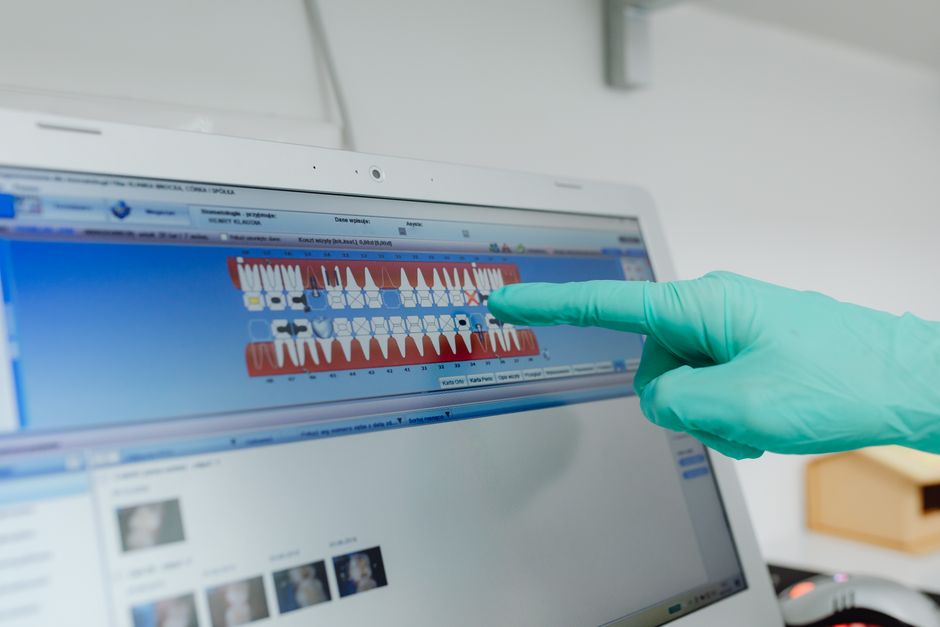
A focused periodontal exam typically includes evaluation of gingival contour, papillary architecture, bleeding tendency, plaque levels, and pain response, alongside periodontal charting where tolerated. Because NUG can be very painful, clinicians may need to adapt examination techniques, use gentle isolation, and prioritize patient comfort.
Conditions to consider
Differential diagnosis may include:
• Primary herpetic gingivostomatitis: often presents with diffuse ulcerations and systemic symptoms, commonly in younger patients.
• Desquamative gingivitis / mucocutaneous disorders: may have erythema, epithelial sloughing, and chronic course.
• Aggressive presentations of periodontitis: typically show attachment loss patterns that differ from an acute necrotizing episode.
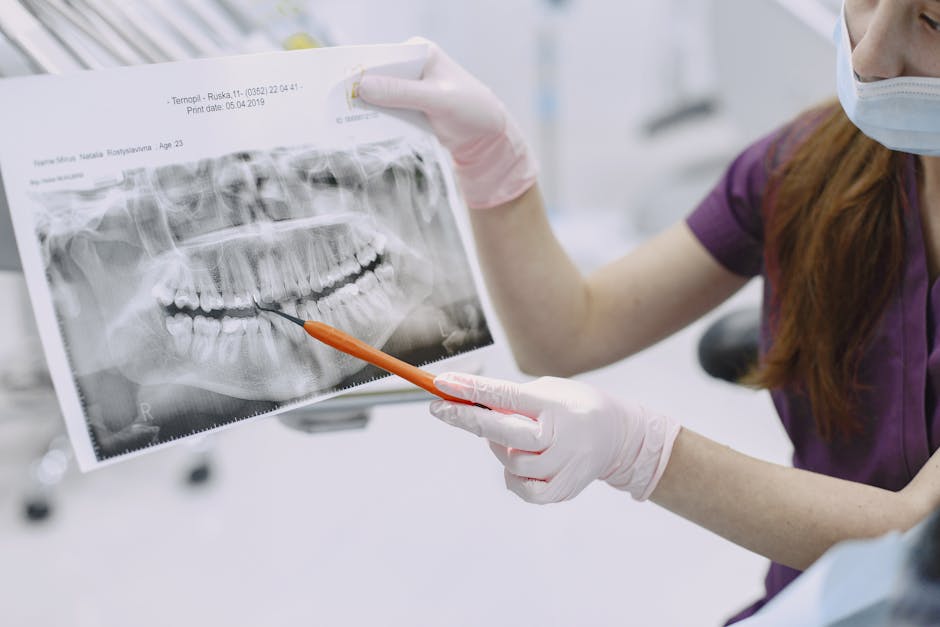
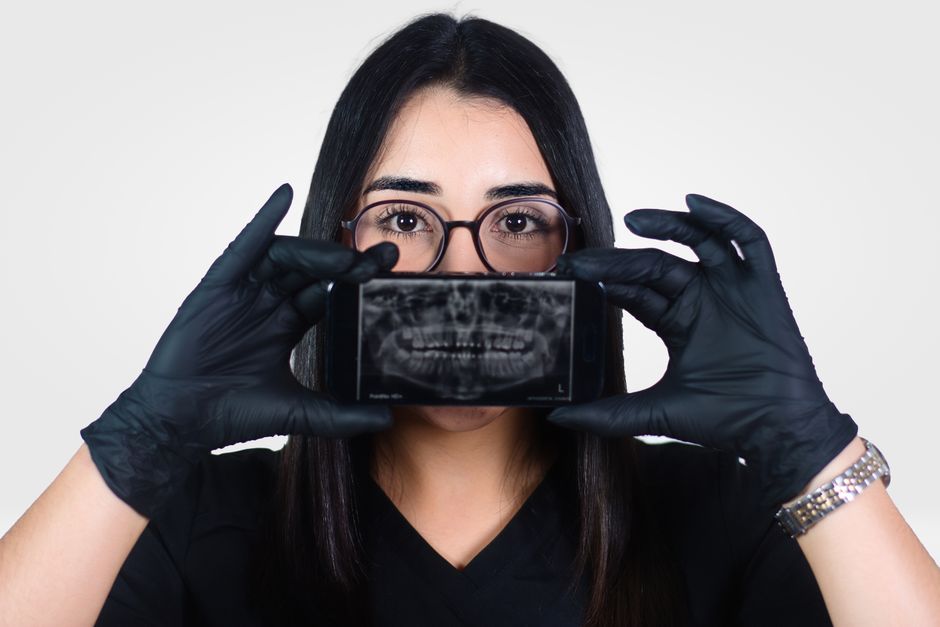
• Necrotizing periodontitis: when attachment and bone loss are present; careful probing and radiographic interpretation are important.
For dental professionals, the key is not to over-rely on a single sign (such as malodor) but to integrate clinical appearance, pain, bleeding, and patient history into a coherent diagnostic picture.
Management principles (educational overview)
NUG often requires prompt professional care focused on controlling infection, reducing inflammation, and addressing predisposing factors. However, treatment planning must be individualized. This section is an educational overview and not a substitute for clinical decision-making.
Initial phase: stabilize and reduce acute burden
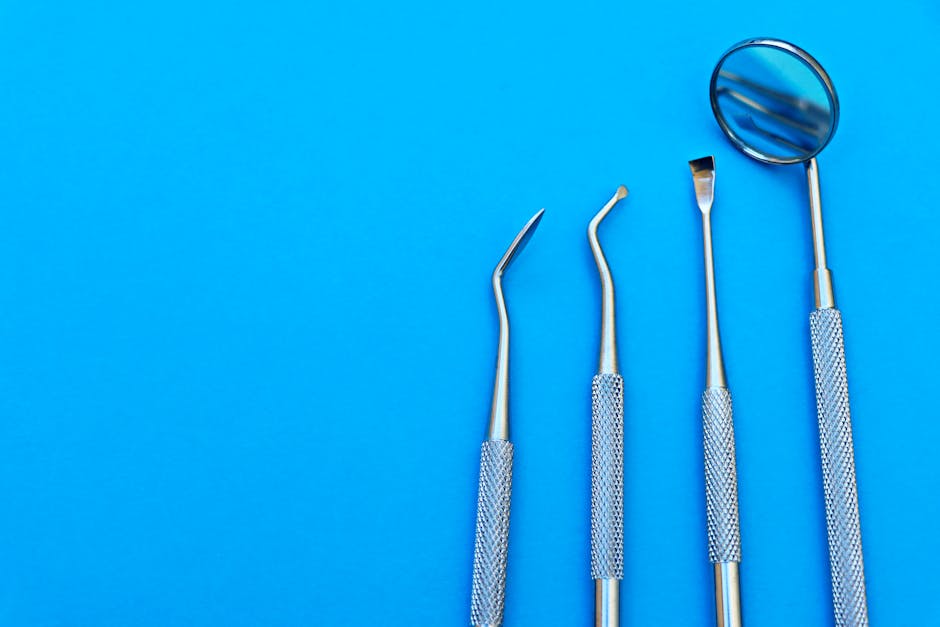
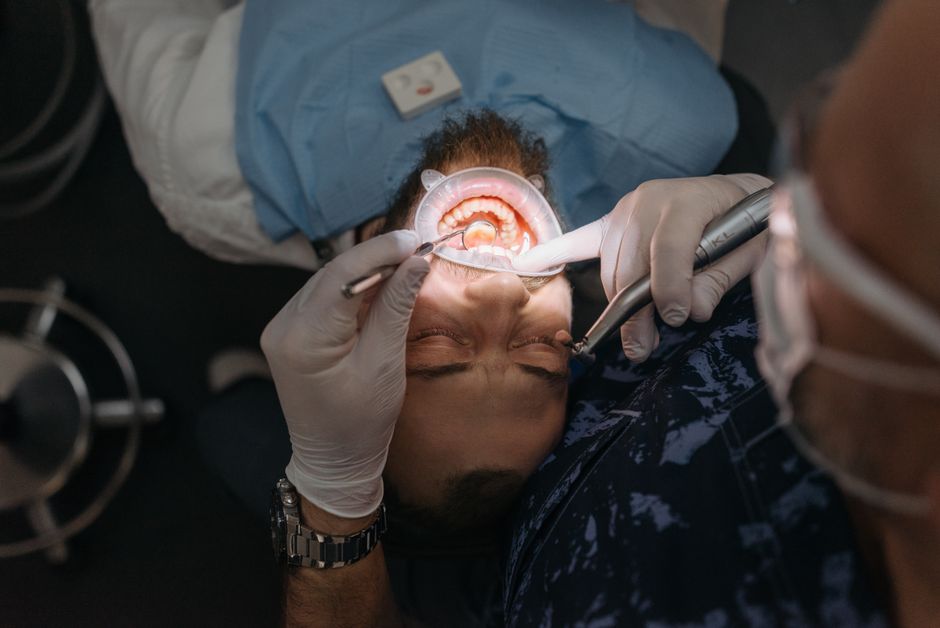
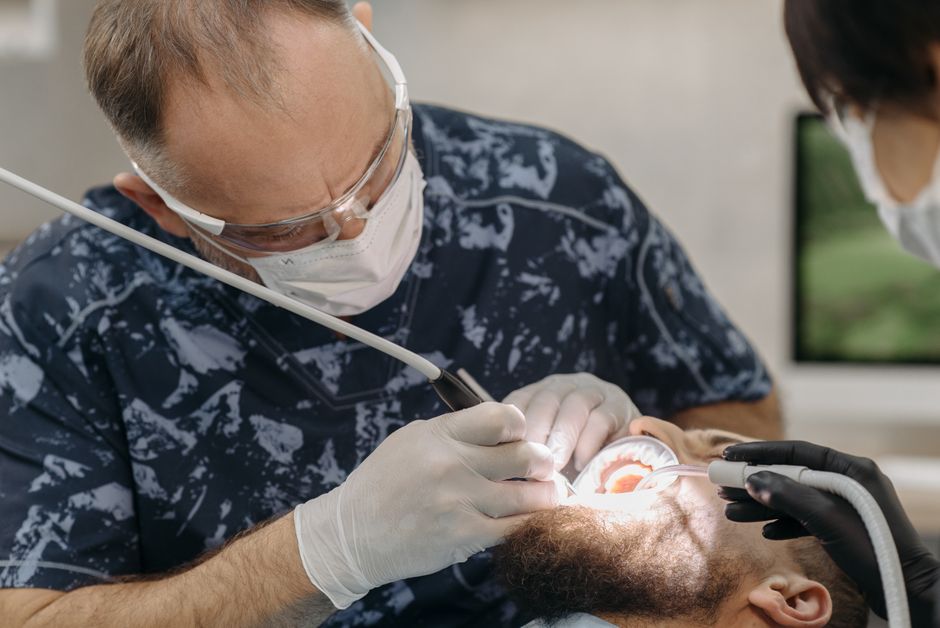
Common clinical principles include gentle debridement of necrotic tissue and plaque, careful supragingival and subgingival instrumentation as tolerated, and supportive measures to improve oral hygiene. Pain control strategies and antiseptic support may be considered depending on patient needs and clinician judgment.
In continuing dental education, this acute-phase approach is a valuable setting for refining instrumentation ergonomics and learning how to adapt debridement to fragile tissues—skills that are practiced in hands-on periodontology workshops at Istanbul Dental Academy.
Re-evaluation and risk-factor control
After initial stabilization, reassessment is essential. Clinicians typically evaluate tissue response, residual plaque retention factors, patient hygiene technique, and broader risks (smoking, stress, xerostomia, nutritional challenges). Education and behavior change support are often central to preventing recurrence.
When to refer or co-manage
Consideration for referral may arise if there are signs of systemic illness, suspected immunosuppression, extensive tissue involvement, or poor response to initial care. Collaboration with physicians may be appropriate in select cases.
Why NUG matters beyond periodontology: implications for restorative and aesthetic dentistry
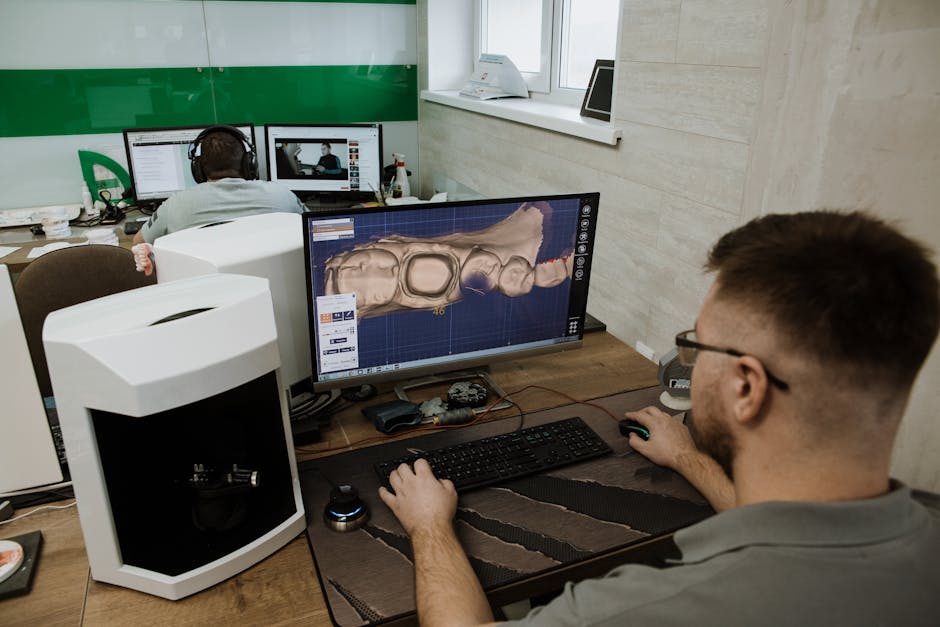
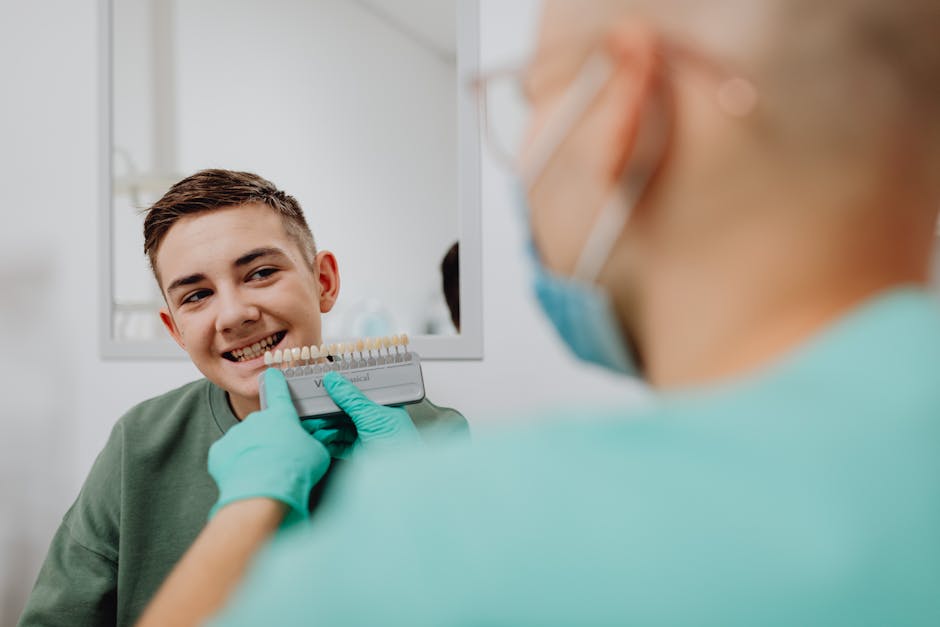
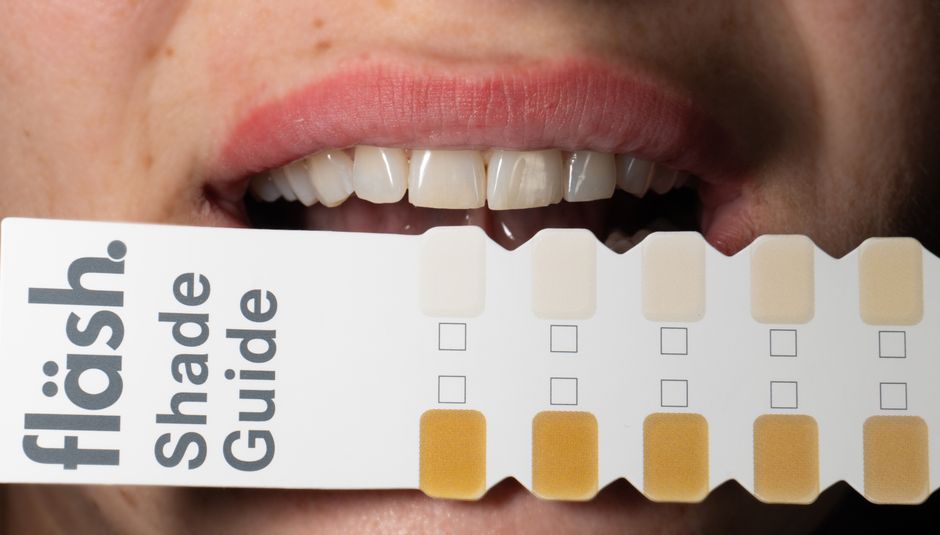
Even when NUG is successfully stabilized, the episode can influence future restorative planning. Inflamed, fragile gingiva compromises impression accuracy, isolation quality, and adhesive protocols. For clinicians providing aesthetic treatments, periodontal stability is a prerequisite—especially for veneers, where marginal integrity and soft-tissue health directly affect the long-term outcome.
If your practice includes laminate veneers, it is useful to review adhesive and marginal considerations in conjunction with periodontal health. Istanbul Dental Academy discusses these interdisciplinary links in courses and related reading such as Porselen Lamina Simantasyonunda Kritik Noktalar, where cementation steps and clinical precision are highlighted (periodontal health is a key prerequisite for predictability).
Advanced periodontal soft-tissue concepts: where regenerative materials may fit
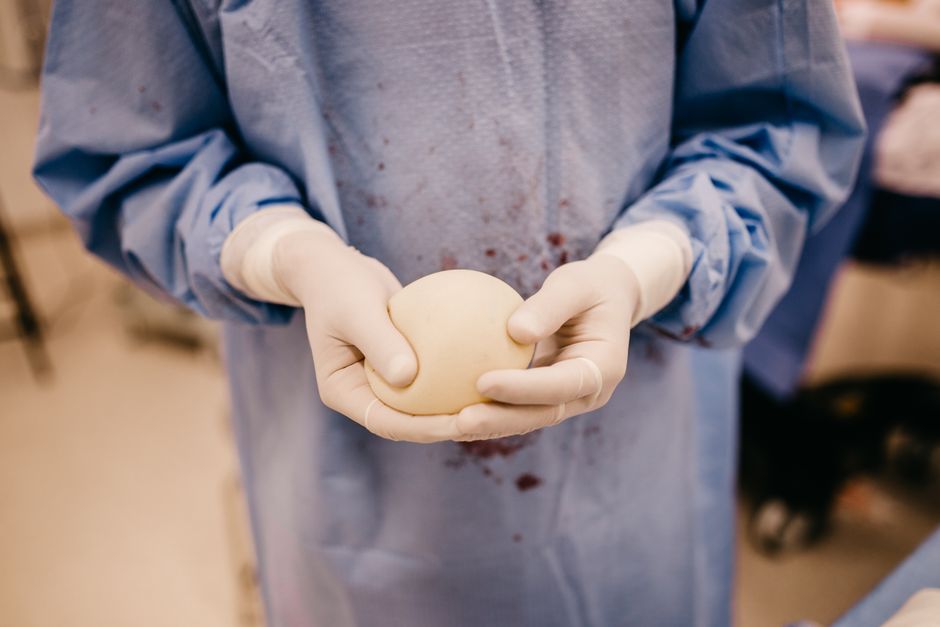
Necrotizing diseases can leave patients with soft-tissue deficiencies, papillary blunting, or recession patterns that affect esthetics and phonetics. While NUG itself is an acute condition, the broader topic of soft-tissue management is relevant to comprehensive care—particularly in cases requiring mucogingival correction or ridge/gingival enhancement for prosthetic planning.
For clinicians exploring biomaterials and surgical adjuncts used in periodontal and peri-implant plastic surgery, Asellüler Dermal Matriks: Diş Hekimliğinde Kullanımı provides an educational introduction to clinical applications and decision points.
NUG and implant dentistry: planning with tissue health in mind
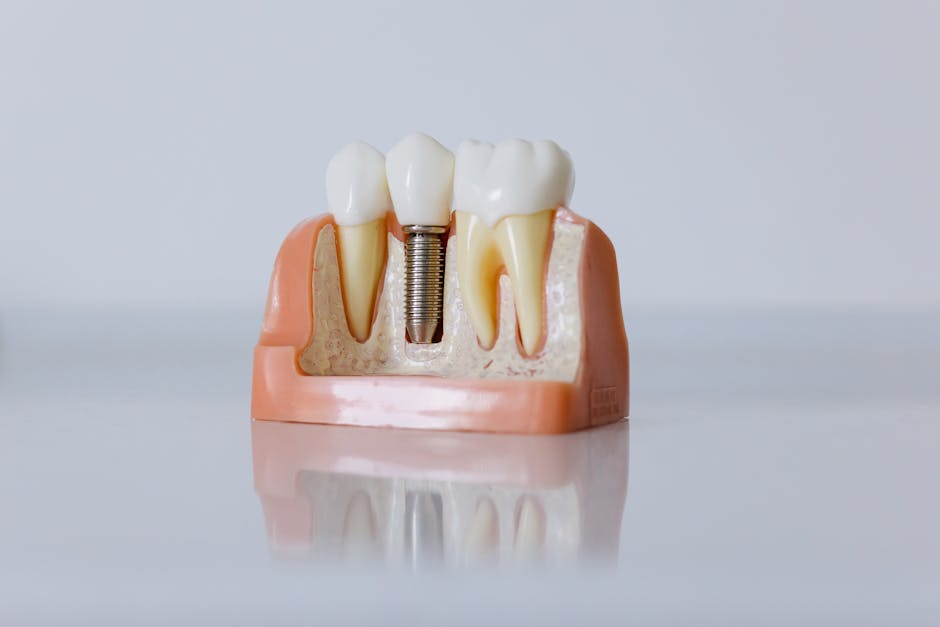
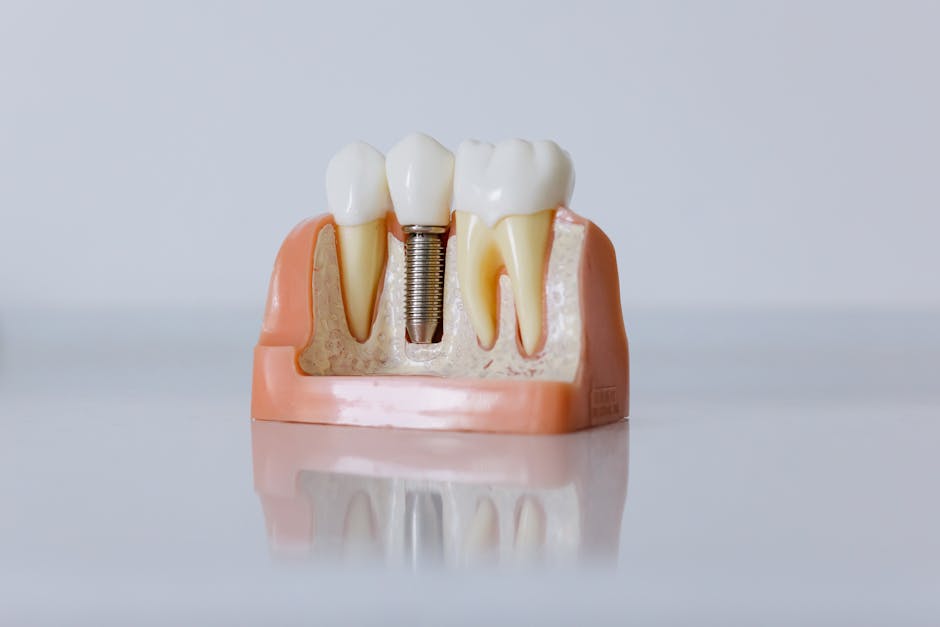
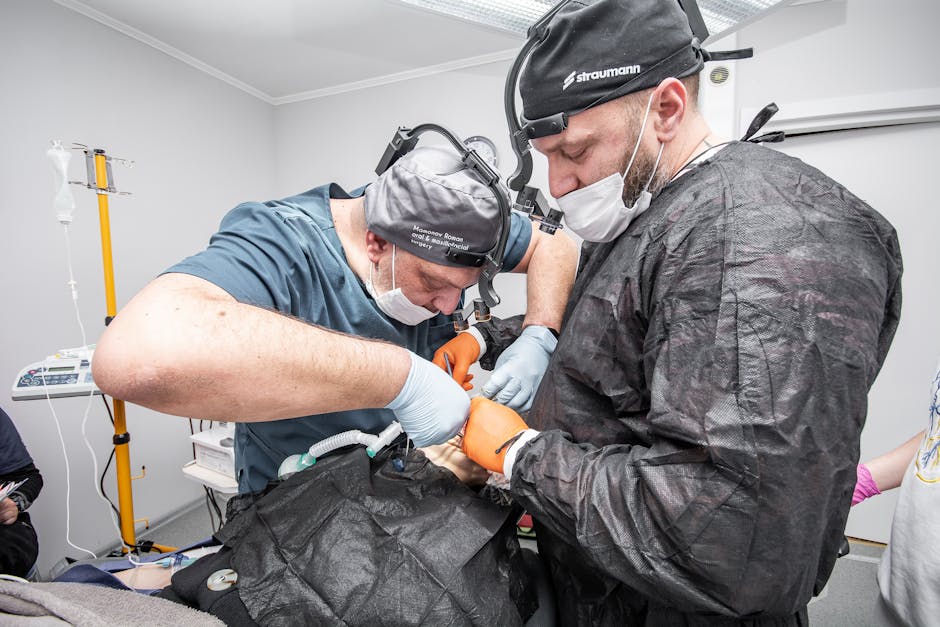
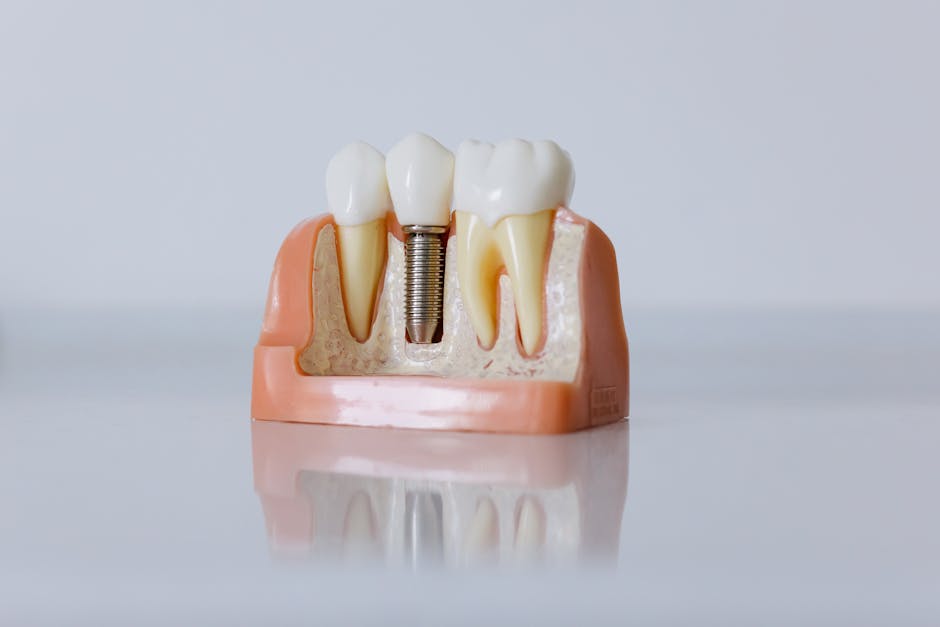
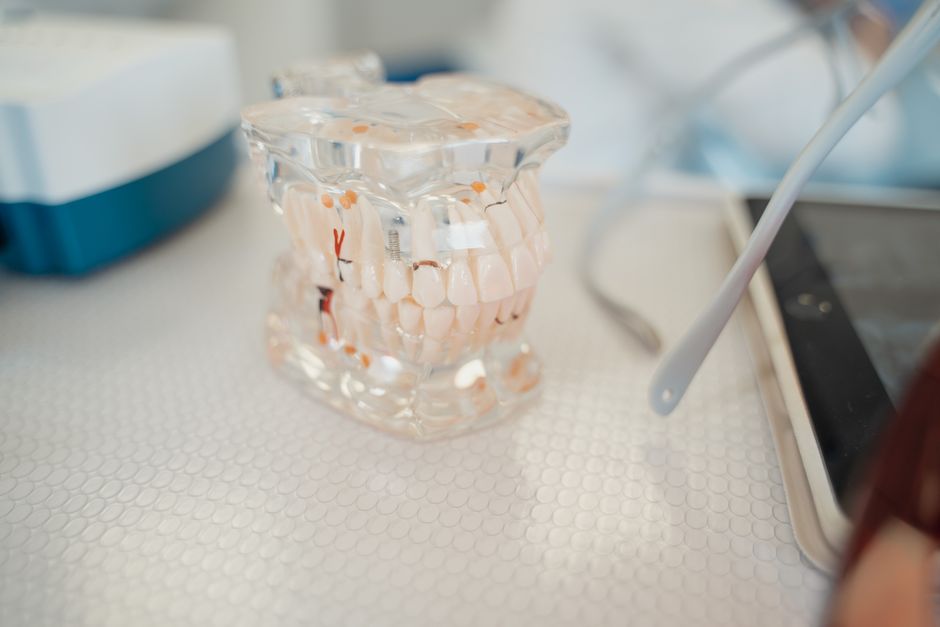
Patients who present with a history of acute periodontal infections may also be candidates for implants later in life. While NUG is distinct from peri-implant disease, it reinforces a core principle in implant dentistry: long-term success depends heavily on biofilm control, periodontal/ peri-implant tissue maintenance, and risk-factor management (such as smoking and inadequate hygiene).
In full-arch cases, these considerations become even more important because hygiene access, prosthetic design, and patient compliance strongly influence outcomes. For a prosthetically driven overview relevant to comprehensive treatment planning, see All-on-4 vs All-on-6: Key Differences for Full-Arch Implant Planning. From an educational standpoint, integrating periodontal risk assessment into implant workflows is a key learning objective in hands-on implantology programs at Istanbul Dental Academy.
Clinical documentation and dental photography: improving case communication
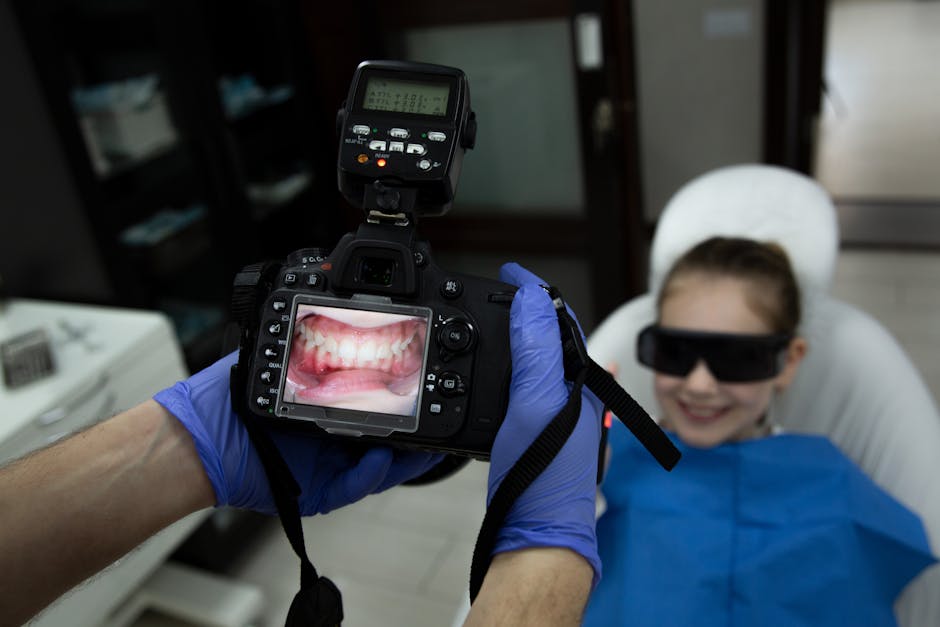
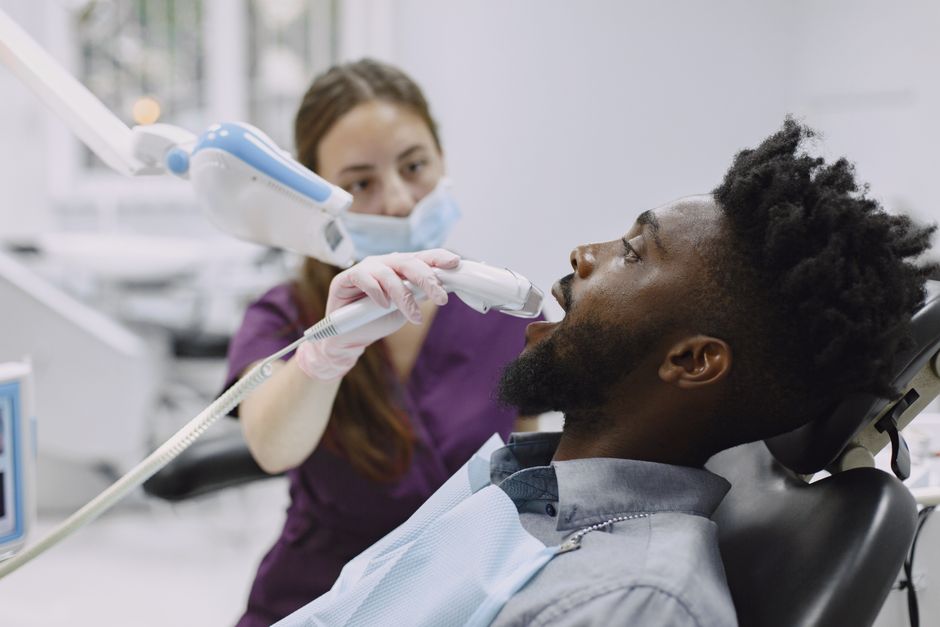
Acute gingival lesions can change quickly, making baseline documentation valuable. High-quality intraoral photos help track healing, support patient education, and improve referrals and interdisciplinary communication. For clinicians building structured workflows, learning standardized photo protocols (retractors, mirrors, exposure control, and consistent angles) can elevate both patient records and educational portfolios.
Istanbul Dental Academy emphasizes practical documentation skills within its training ecosystem, particularly where periodontal findings impact restorative and implant planning.
Learning takeaways for dental professionals
NUG is a condition where clinical fundamentals matter: careful history, accurate recognition of hallmark signs, gentle instrumentation, and clear patient communication about risk factors. It also highlights the importance of interdisciplinary thinking—periodontal stability underpins esthetic dentistry, prosthodontics, and implant outcomes.
For dentists and students seeking to strengthen these competencies through structured, supervised practice, Istanbul Dental Academy’s continuing dental education pathway combines evidence-informed lectures with hands-on training—supporting clinicians in translating periodontal diagnosis into safer, more predictable comprehensive care.
This content is for educational purposes only and should not be interpreted as individualized medical or treatment advice.
Diğer Yazılar