
BLOG
Same-Day Dental Implants: Advantages, Limitations, and Case Selection
Understanding “Same-Day Implants” in Contemporary Implant Dentistry
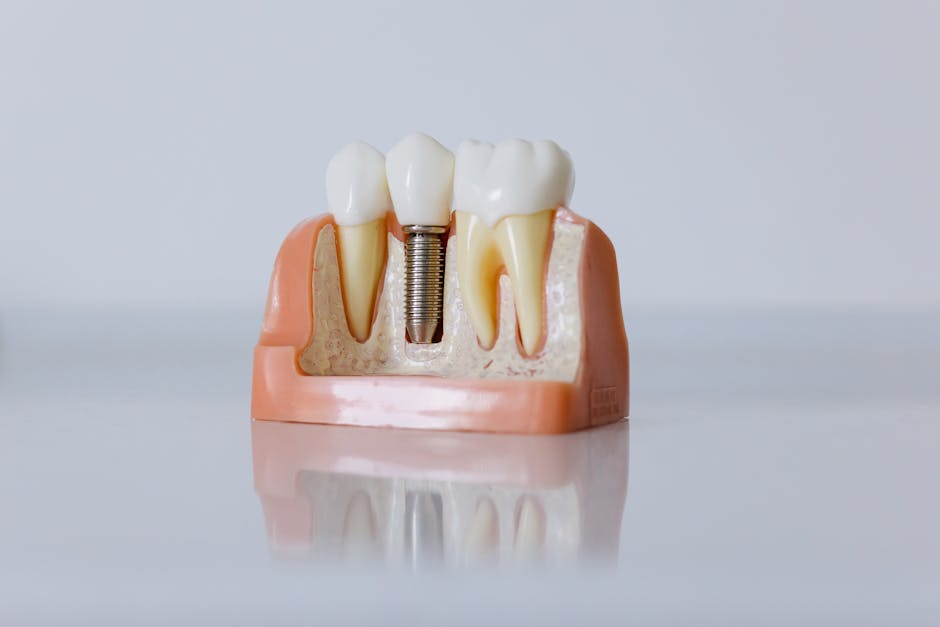
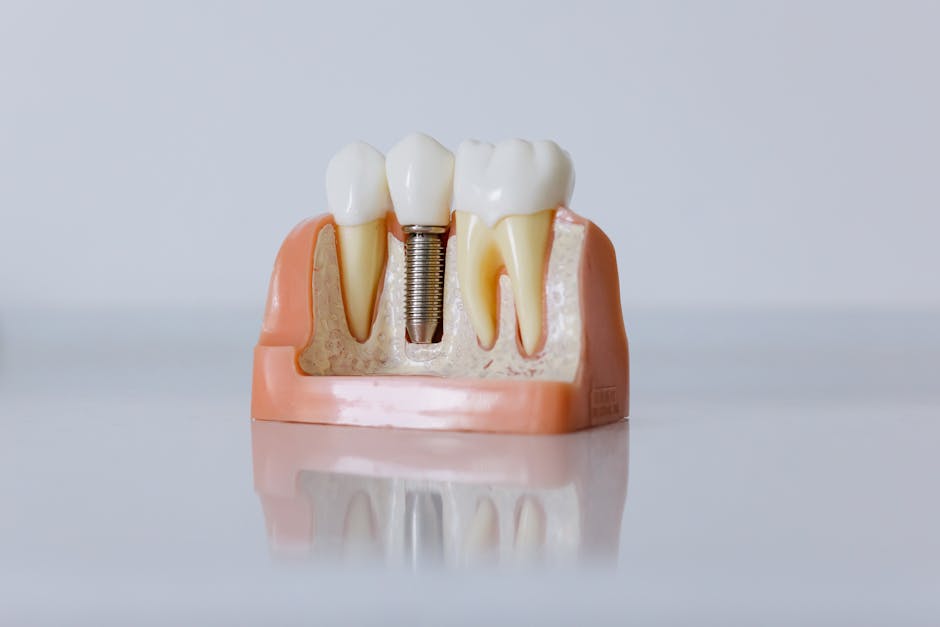
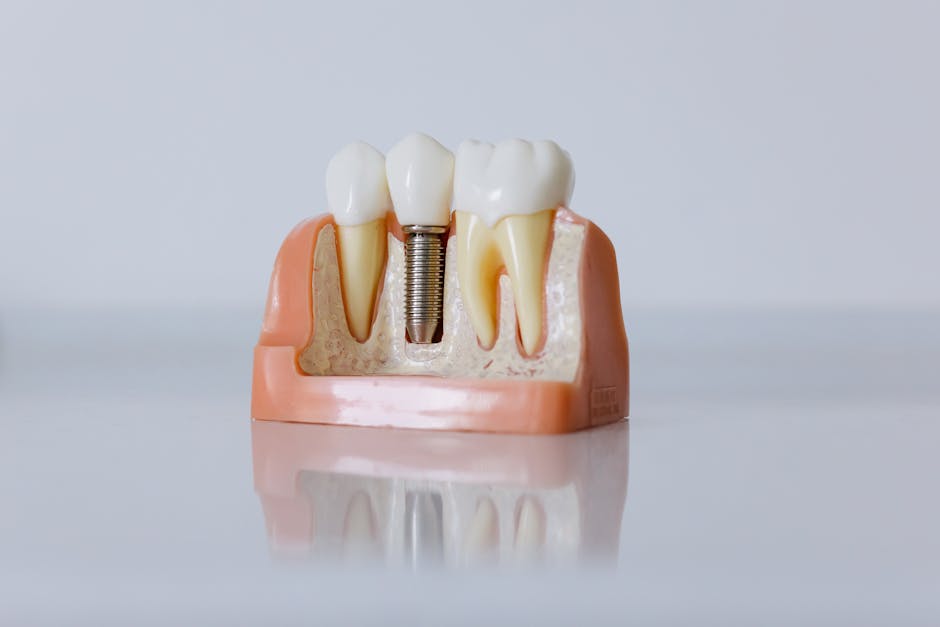
“Same-day implant” is a popular phrase, but in clinical communication it can refer to different protocols. In many practices, it describes immediate implant placement (placing an implant at the time of extraction). In other settings, it may imply immediate provisionalization (delivering a temporary tooth on the same day), and some cases combine both approaches. Each workflow has its own biological requirements, risk profile, and restorative implications.
For dental professionals, the key is to distinguish what is truly “same day” (surgery only vs. surgery plus provisional restoration) and to set realistic expectations with patients. At Istanbul Dental Academy, these protocols are often discussed in the context of surgical principles, prosthodontic planning, digital workflows, and soft-tissue management—because predictable outcomes rarely depend on one discipline alone.
Clinical Advantages of Same-Day Implant Protocols
1) Reduced overall treatment time and fewer surgical appointments
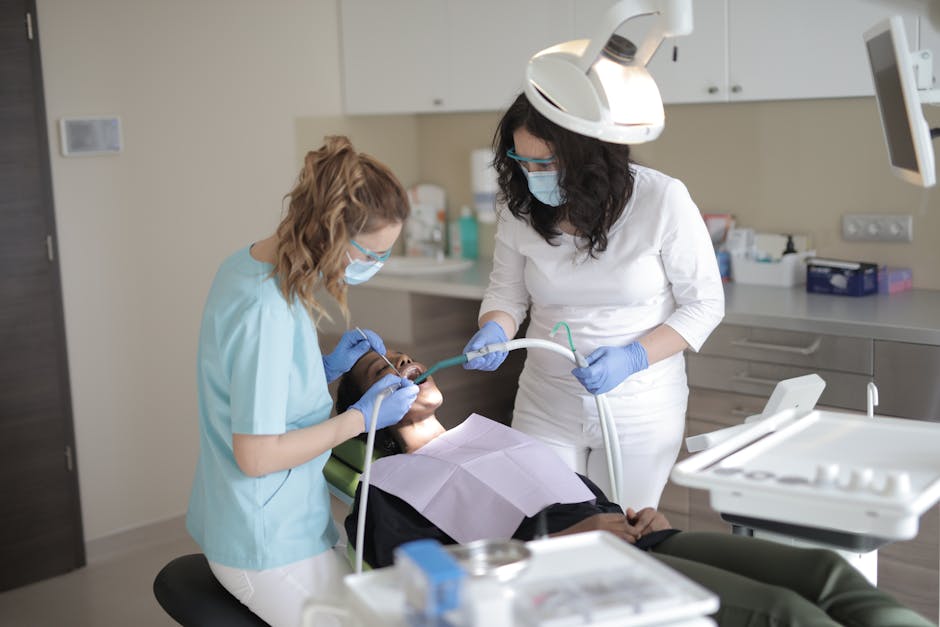
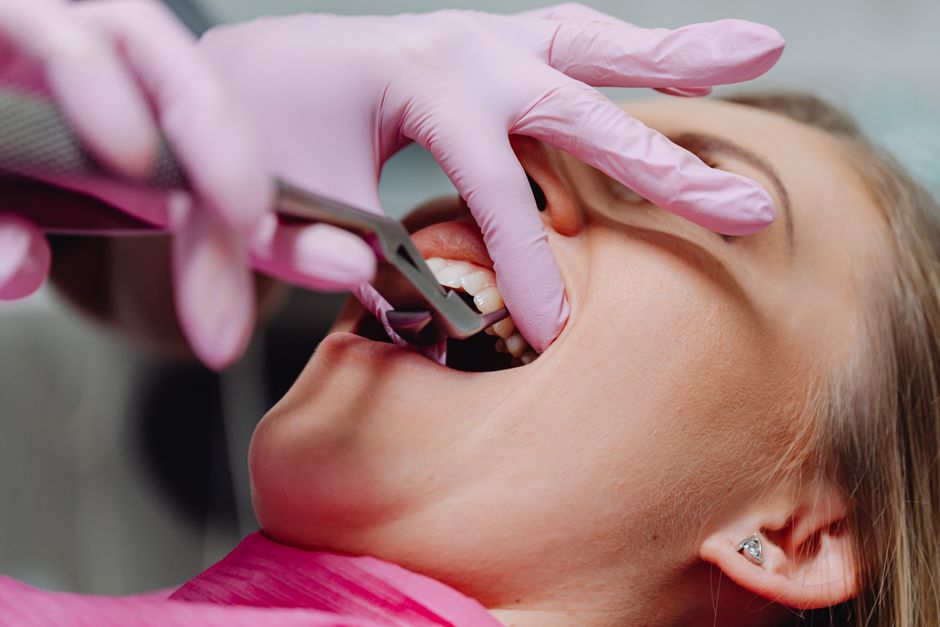
Immediate placement can streamline care by combining extraction and implant surgery into one visit. When conditions allow, patients may benefit from fewer interventions and a shorter timeline to final restoration. From a practice-management perspective, consolidation can improve workflow efficiency, while clinically it may reduce repeated flap elevation and tissue manipulation.
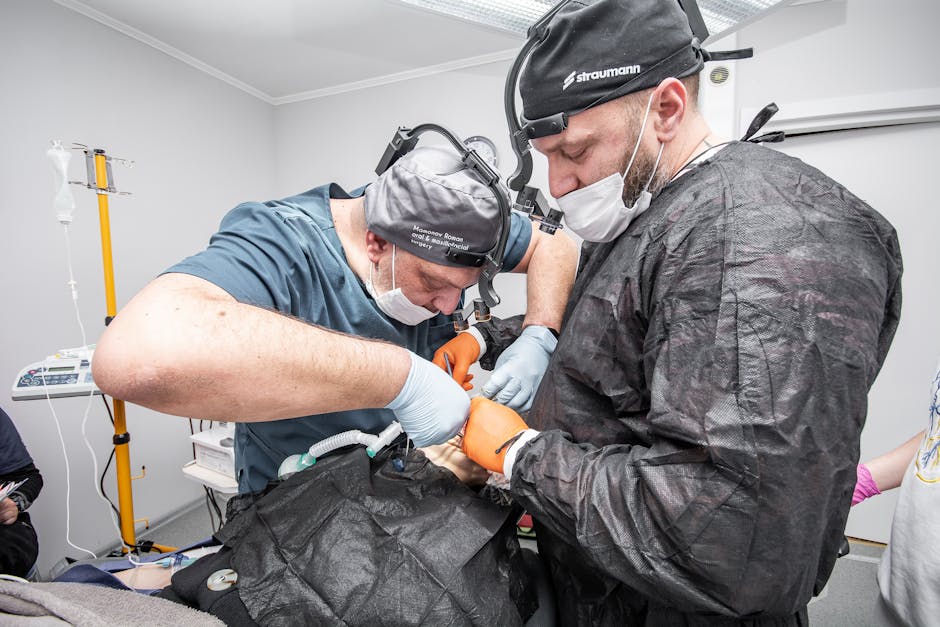
For a practical overview of surgical steps and decision points, see Istanbul Dental Academy’s clinical guide on same-day tooth extraction and immediate implant placement, which frames the protocol around diagnosis, atraumatic extraction, and primary stability.
2) Potential preservation of hard and soft tissue architecture
After extraction, physiologic remodeling of the socket begins quickly, with changes that may affect ridge contour and gingival architecture. Immediate implant placement—particularly when combined with thoughtful grafting strategies and provisional contours—may help support the existing tissue envelope in selected cases. However, “preservation” is never guaranteed; biology, phenotype, and defect morphology still dictate outcomes.
3) Improved patient experience and esthetic confidence (when provisionalization is appropriate)
In the esthetic zone, the psychological value of avoiding a visible gap can be significant. Immediate provisionalization can support patient confidence, but it should be approached cautiously: occlusal control, emergence profile, and soft-tissue fragility all influence risk. Many clinicians reserve immediate temporization for cases with excellent primary stability and controllable loading conditions.
4) Integration with digital dentistry for planning and predictability
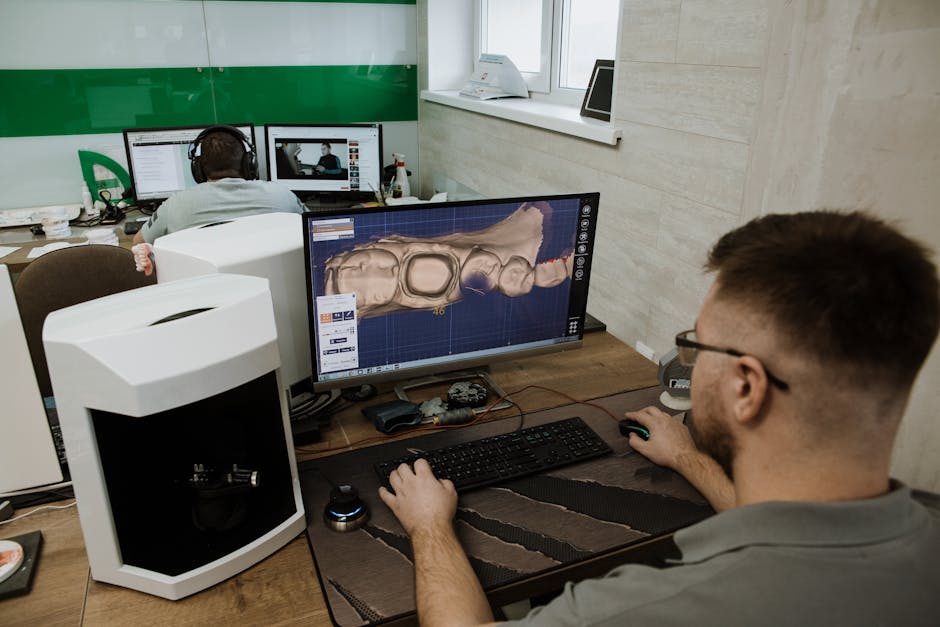
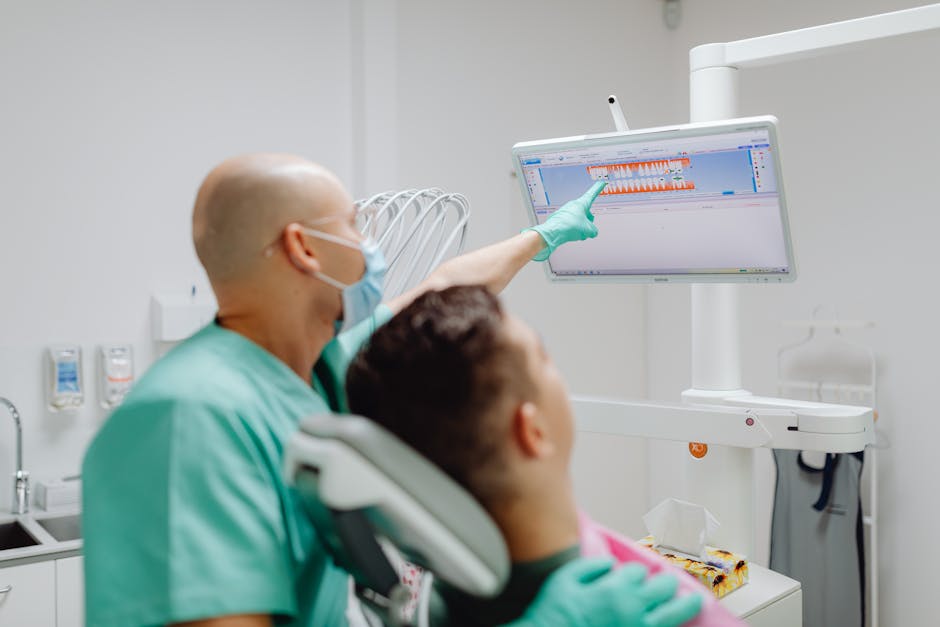
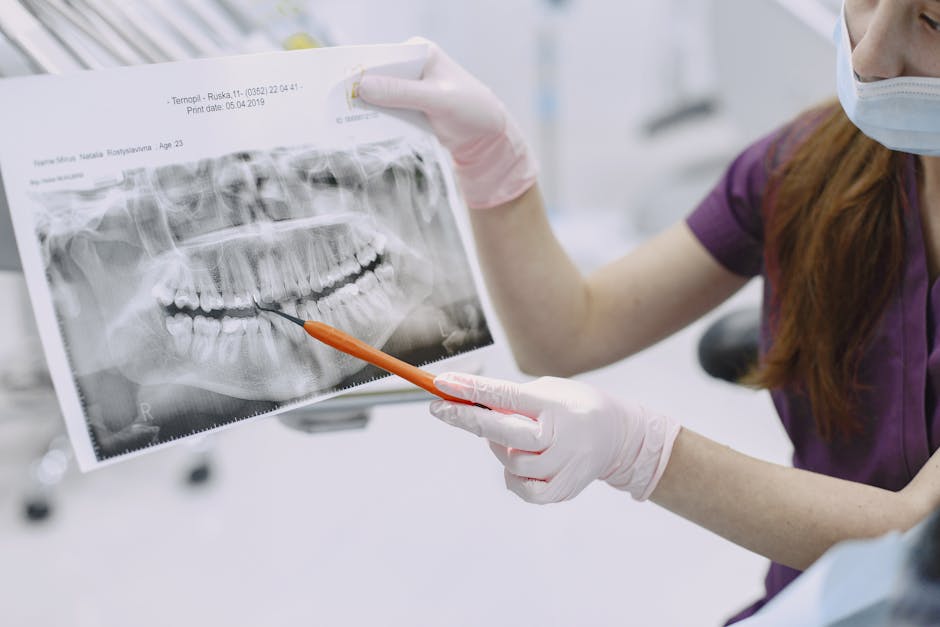
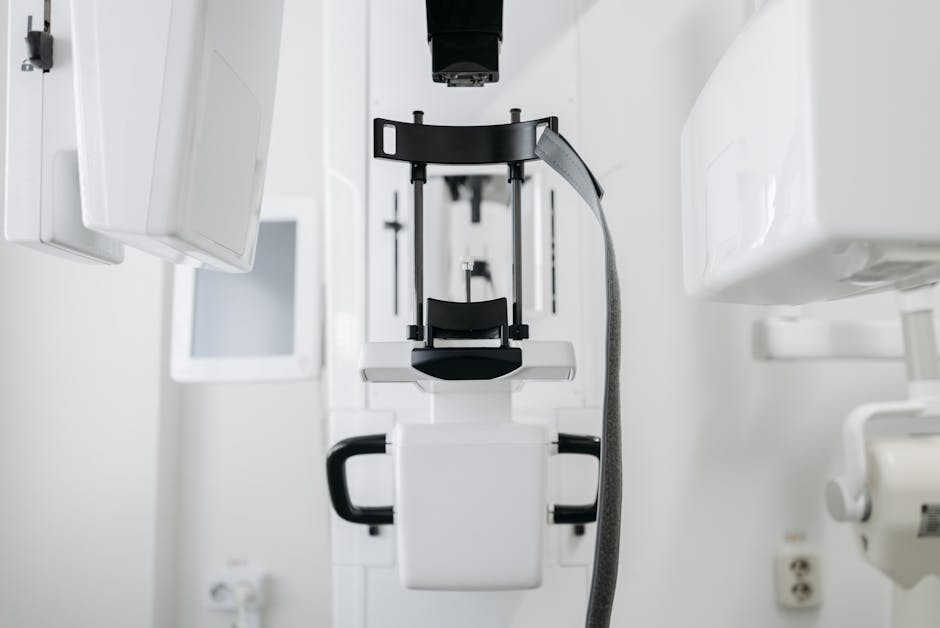
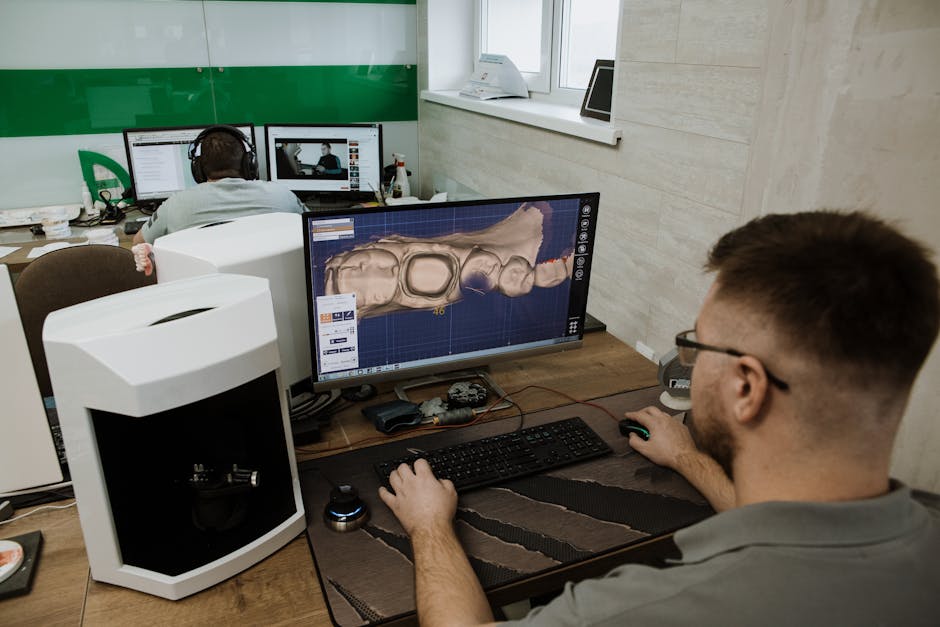
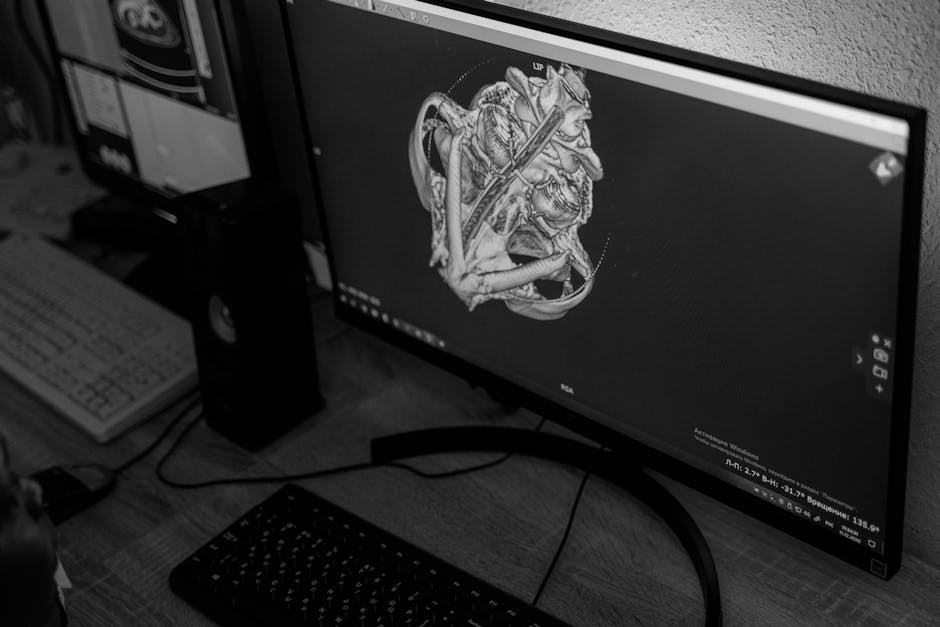
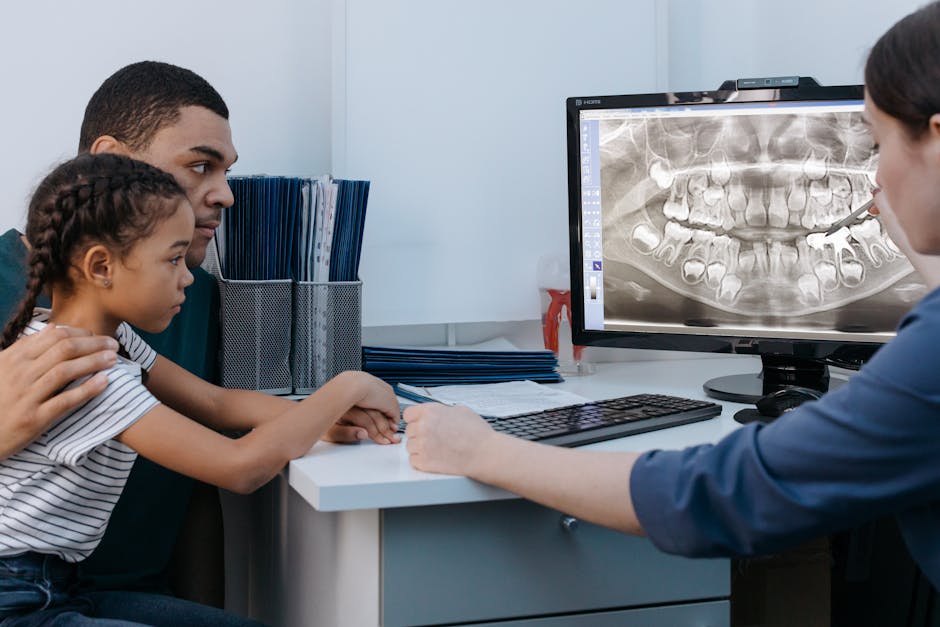
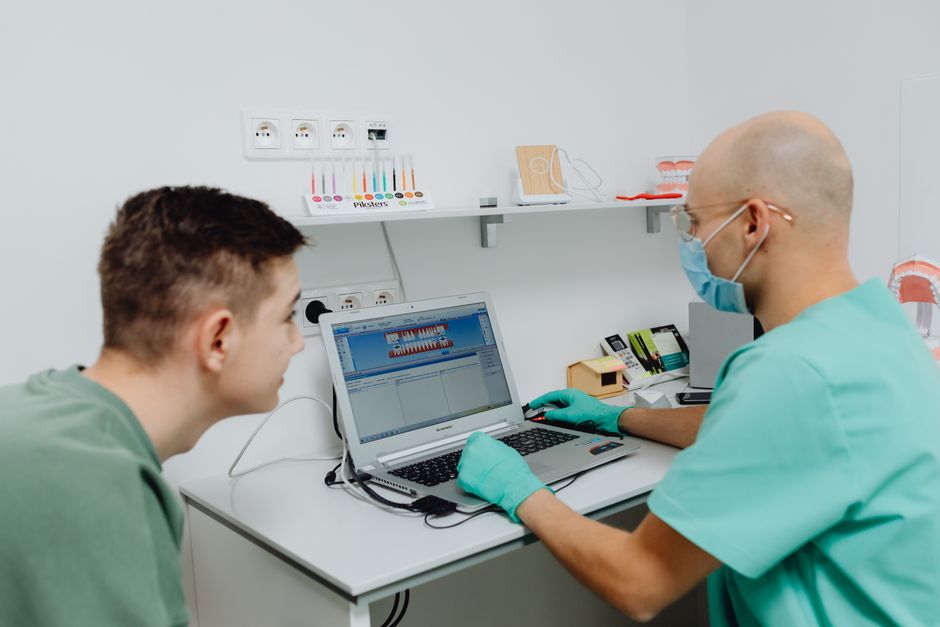
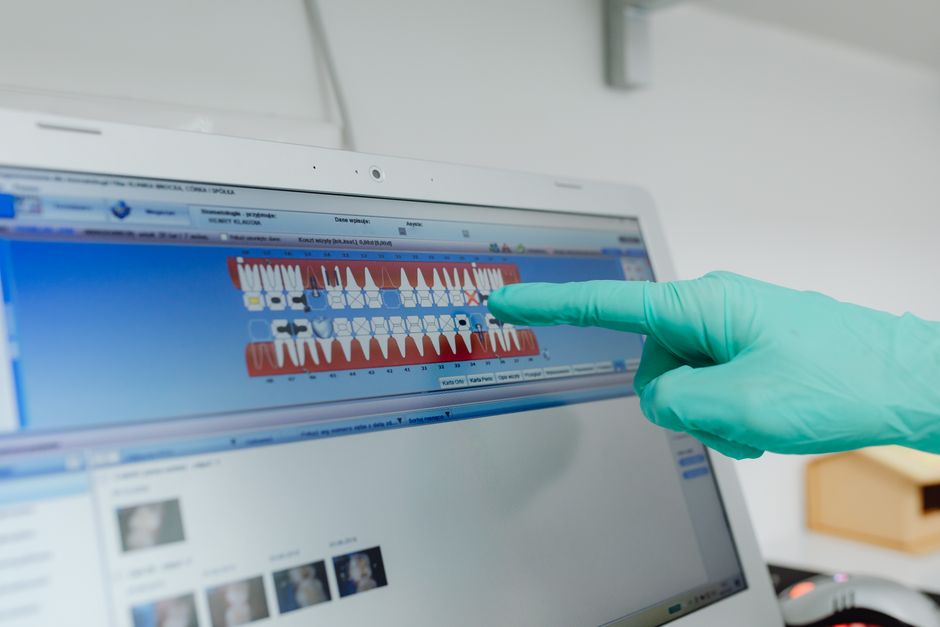
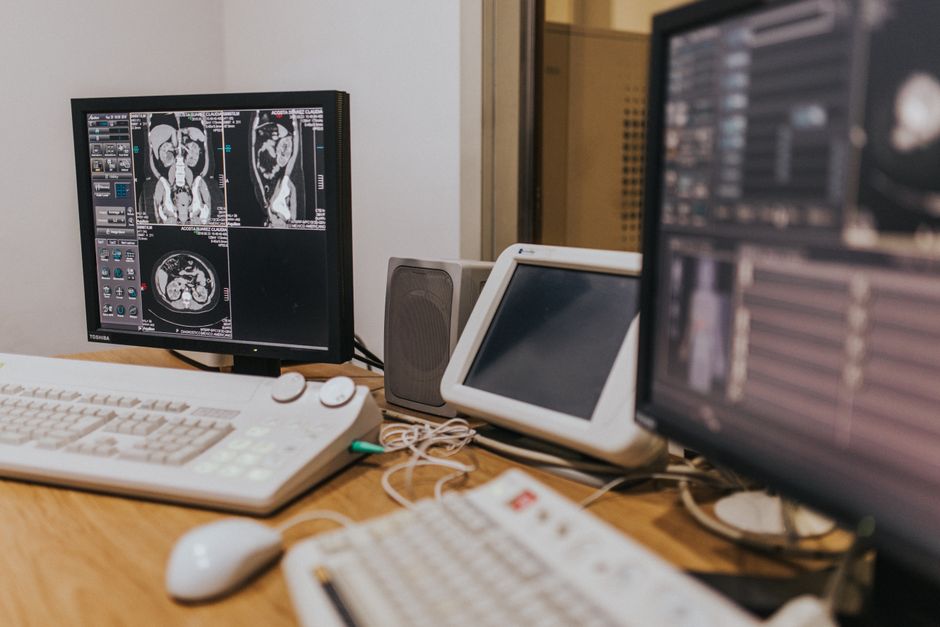
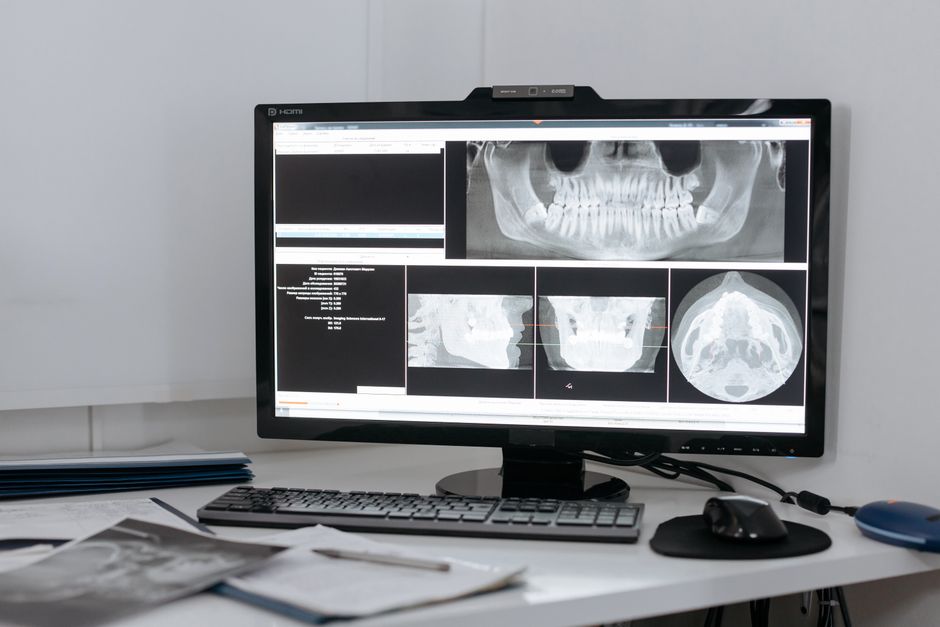
Digital planning can strengthen decision-making by visualizing prosthetic endpoints, restorative space, and implant trajectory before surgery. For complex cases, especially full-arch rehabilitations, planning is not merely a convenience—it can be central to minimizing errors, guiding surgery, and communicating with the laboratory.
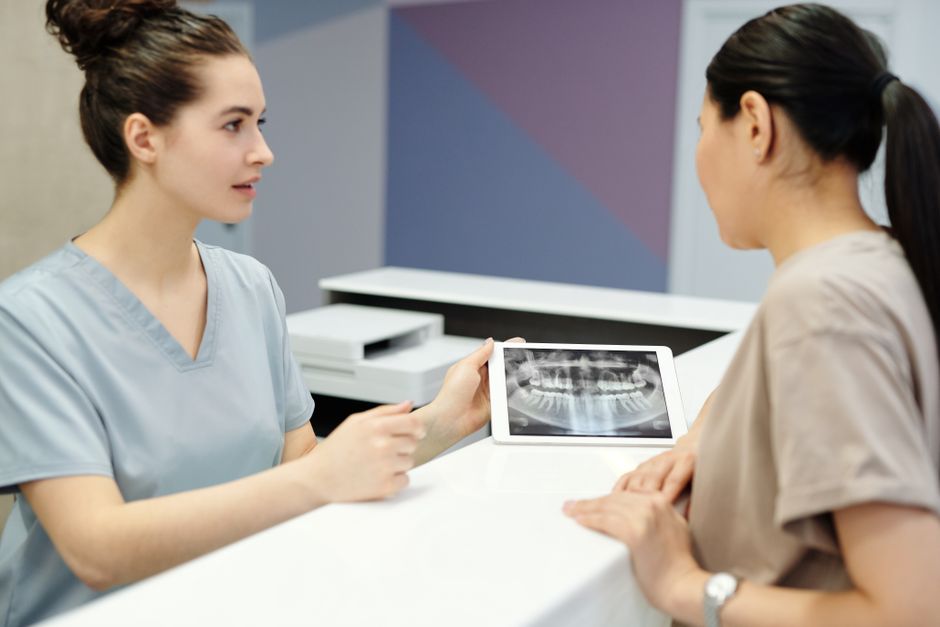
To explore this approach, review digital planning for full-arch implant cases, which highlights modern workflows that connect CBCT, intraoral scans, and prosthetically driven implant positioning.
Potential Disadvantages and Clinical Limitations
1) Higher technique sensitivity and a narrower margin for error
Same-day implant placement is not simply “placing the implant earlier.” It requires atraumatic extraction, meticulous debridement, correct 3D positioning, and the ability to manage gaps and defects. Small deviations may be magnified in the esthetic zone, where implant angulation, depth, and buccal contour influence mucosal stability and final crown emergence.
2) Primary stability is not always achievable
Primary stability depends on bone quality, available apical/palatal bone, implant design, and surgical technique. In sockets with limited native bone, active infection, or unfavorable anatomy, achieving a stable implant may be difficult. Without stability, immediate provisionalization becomes riskier, and in some cases, immediate placement itself may be contraindicated.
3) Soft-tissue complications can compromise esthetics
Even when osseointegration is successful, soft-tissue outcomes may be unpredictable. Midfacial recession, loss of papilla height, or uneven mucosal margins can affect patient satisfaction—especially in high-smile-line patients. These risks increase with thin gingival phenotypes, buccal plate deficiencies, and inadequate prosthetic support.
Because mucogingival stability is a frequent limiting factor, clinicians benefit from revisiting fundamentals such as phenotype assessment and recession risk. Istanbul Dental Academy’s resource on gum recession: causes, symptoms, and evidence-based management offers a useful framework for understanding risk modifiers and how periodontal considerations intersect with restorative and implant decisions.
4) Infection and inflammation risk may be underestimated
Active infection is not always an absolute contraindication to immediate placement, but it raises the bar for case selection and decontamination. Residual granulation tissue, endodontic-periodontal lesions, or sinus-related issues in the posterior maxilla can complicate healing. In addition, peri-implant mucositis and peri-implantitis risks are influenced by patient-level factors (smoking, hygiene, systemic health) and prosthetic design (excess cement, contours that hinder cleaning).
Inflammatory signs should never be ignored in preoperative screening. A concise educational review of differential considerations is provided in bleeding gums: what conditions could they signal?—a reminder that periodontal inflammation may reflect local biofilm control issues or broader health factors relevant to implant risk assessment.
5) Immediate “teeth in a day” can create unrealistic expectations
Marketing language sometimes compresses a multi-stage biological process into a one-day promise. While immediate temporaries are feasible in selected cases, final restoration still depends on tissue maturation, occlusal assessment, and long-term maintenance. Ethical communication should emphasize that speed should not replace predictability.
Case Selection: When Same-Day Implants May Be Considered
This section is for educational purposes and not a substitute for individualized clinical decision-making. In general, candidates for immediate placement and/or provisionalization are often those who demonstrate:
- Favorable local anatomy: intact socket walls (especially buccal plate), adequate apical/palatal bone for anchorage, and manageable defect morphology.
- Healthy or controllable soft tissues: stable periodontal status, acceptable phenotype, and realistic esthetic demands.
- Good systemic and behavioral profile: strong oral hygiene, non-smoking or low-risk status, and compliance with follow-up.
- Prosthetically driven feasibility: adequate restorative space, ability to control occlusion (particularly in immediate temporization), and a plan for emergence profile development.
Red flags that may push clinicians toward delayed protocols
Immediate protocols may be less suitable when there is extensive bone loss, uncontrolled periodontal disease, parafunction with limited ability to manage loading, complex infection patterns, or when the prosthetic endpoint is uncertain. In these situations, staged ridge preservation, periodontal stabilization, or endodontic/restorative alternatives may reduce risk.
Restorative and Esthetic Considerations Beyond the Implant
Emergence profile and provisional contours
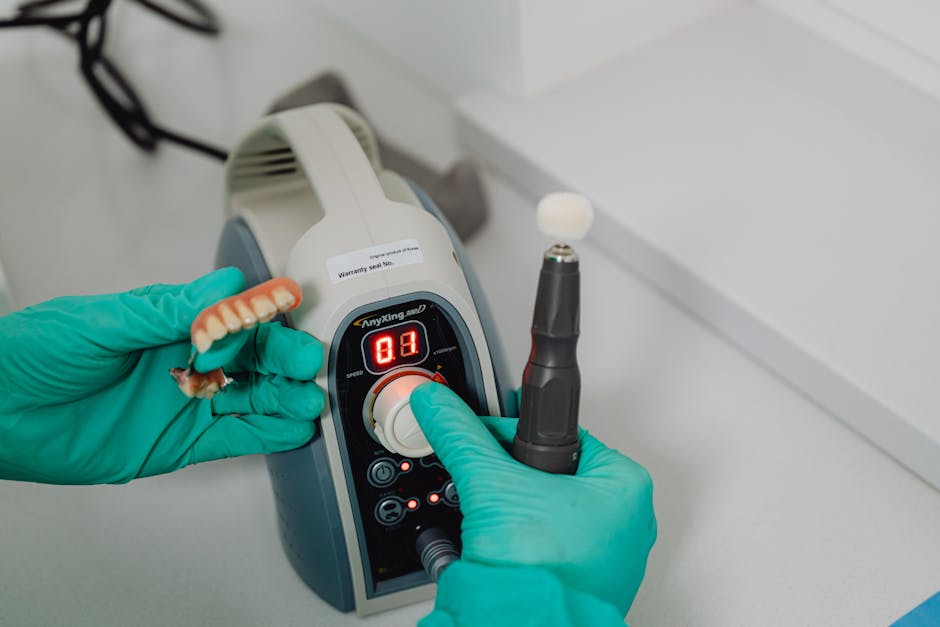
When immediate provisionalization is used, the temporary restoration can act as a soft-tissue “trainer,” supporting cervical contours and helping guide the mucosal margin. Poorly designed provisionals, however, may contribute to tissue blanching, recession, or inflammation. The restorative team’s understanding of contour, surface finish, and cleansability becomes critical.
Adjacent teeth may need conservative restorative enhancement
Not every esthetic problem is solved by an implant crown alone. Adjacent teeth may require conservative additive dentistry to harmonize shape, midline perception, and color transitions—especially when a patient seeks an overall “smile design” improvement. For clinicians refining these skills, Istanbul Dental Academy’s guidance on how to achieve natural aesthetics in anterior composite restorations can be particularly relevant when blending an implant restoration into the anterior segment.
Occlusion and loading control
Immediate temporaries should generally be designed to minimize functional loading, particularly in excursive movements. Even in full-arch immediate load concepts, occlusal schemes, splinting strategies, and material selection are nuanced topics that benefit from structured training and careful follow-up.
How Digital Dentistry Supports Same-Day Implant Workflows
Digital tools can improve communication and reduce uncertainty, but they do not replace surgical judgment. In same-day contexts, clinicians often use:
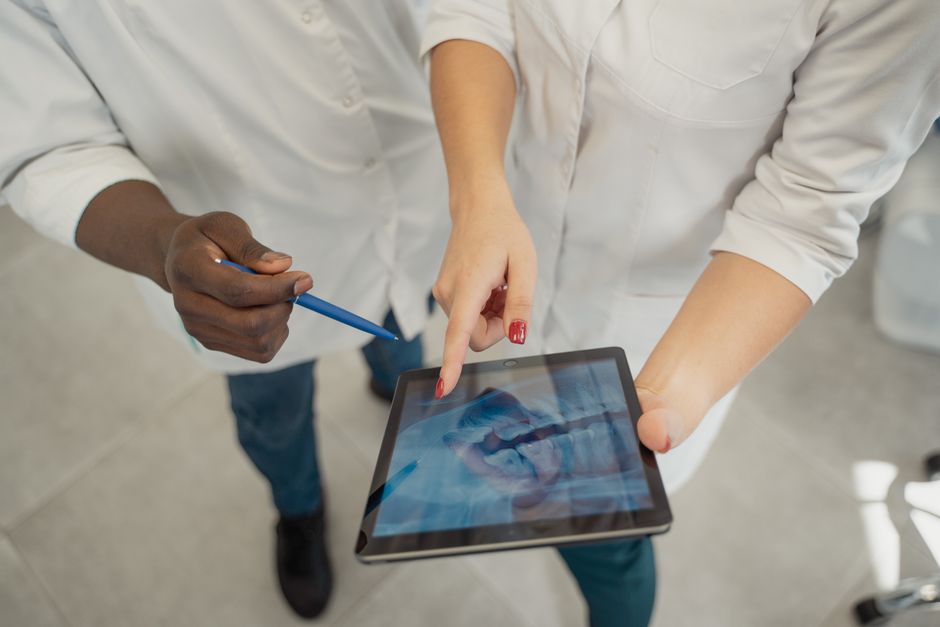
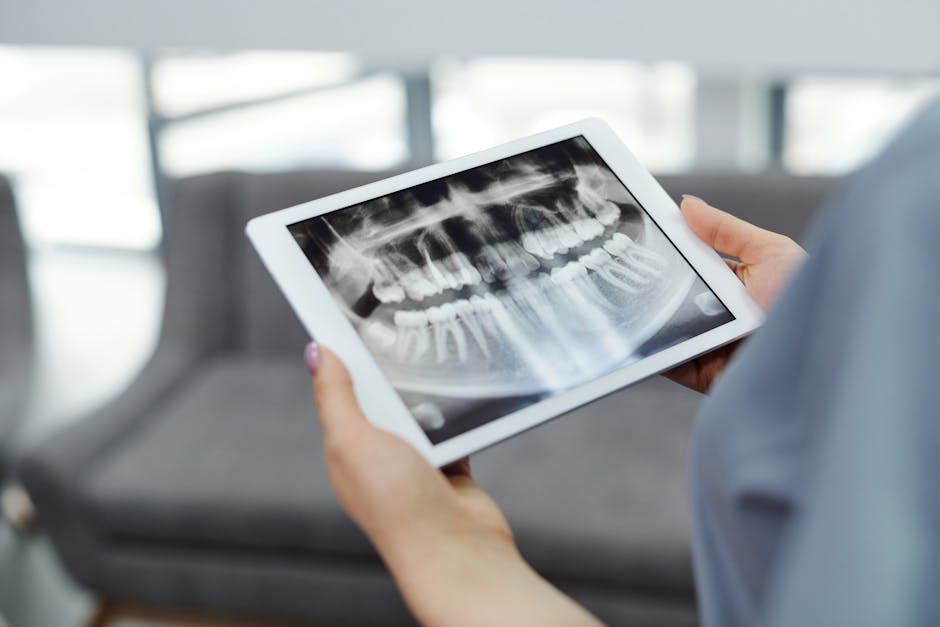
- CBCT-based diagnosis for evaluating anatomy, defects, and proximity to critical structures.
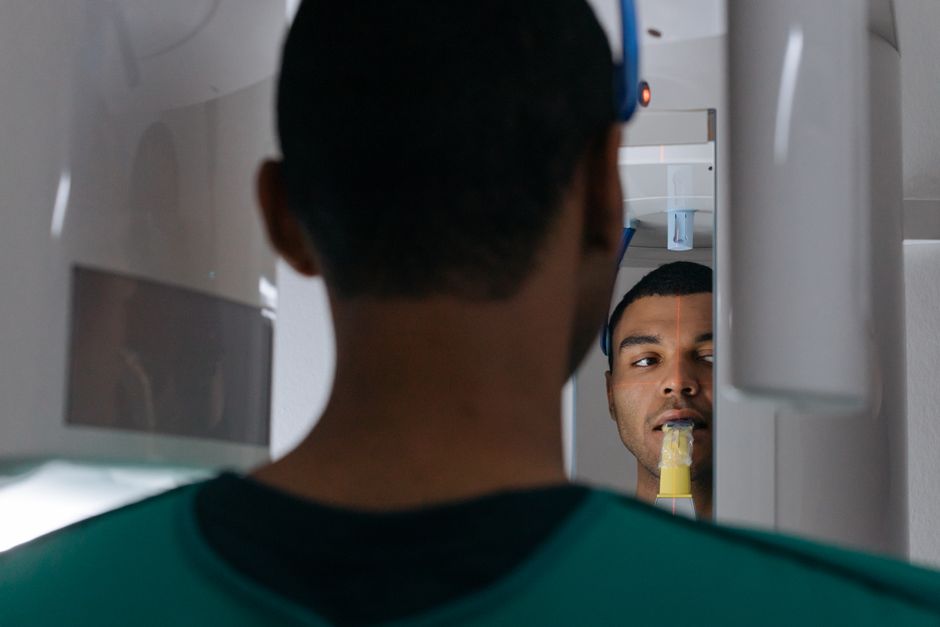
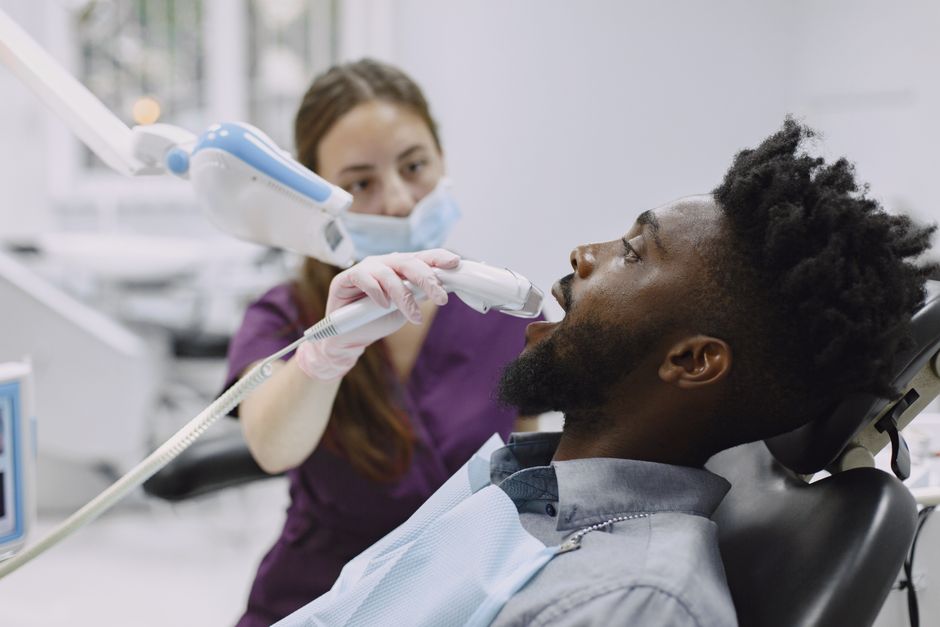
- Intraoral scanning to capture baseline occlusion and plan restorative endpoints.
- Guided surgery (when appropriate) to support prosthetically driven positioning—particularly valuable for less experienced operators or complex restorative demands.
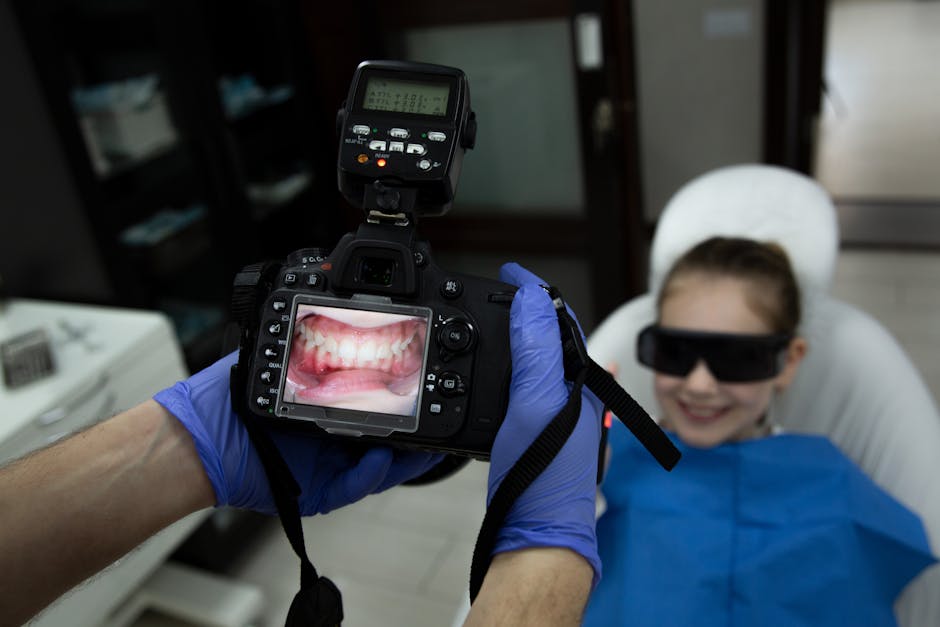
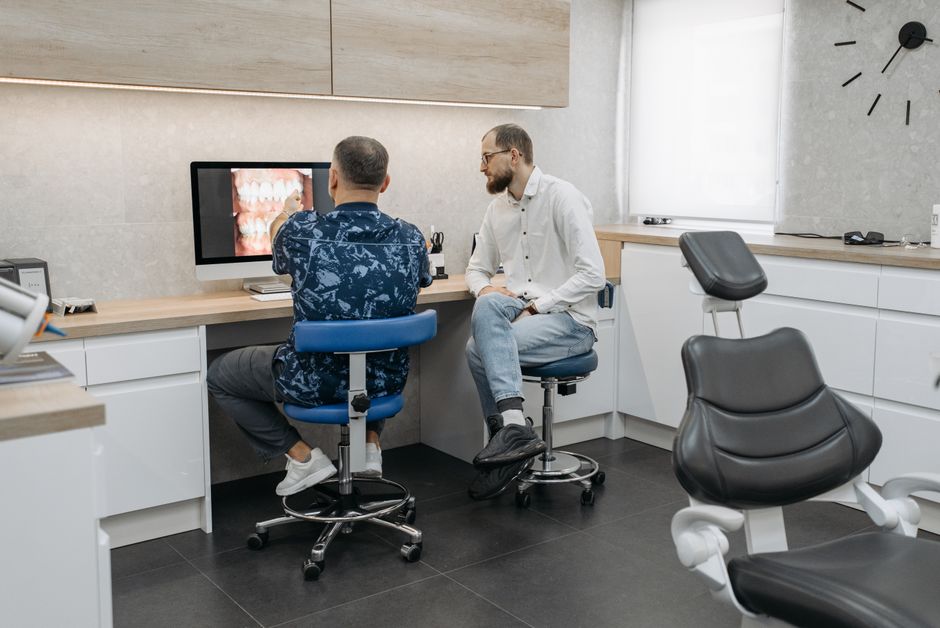
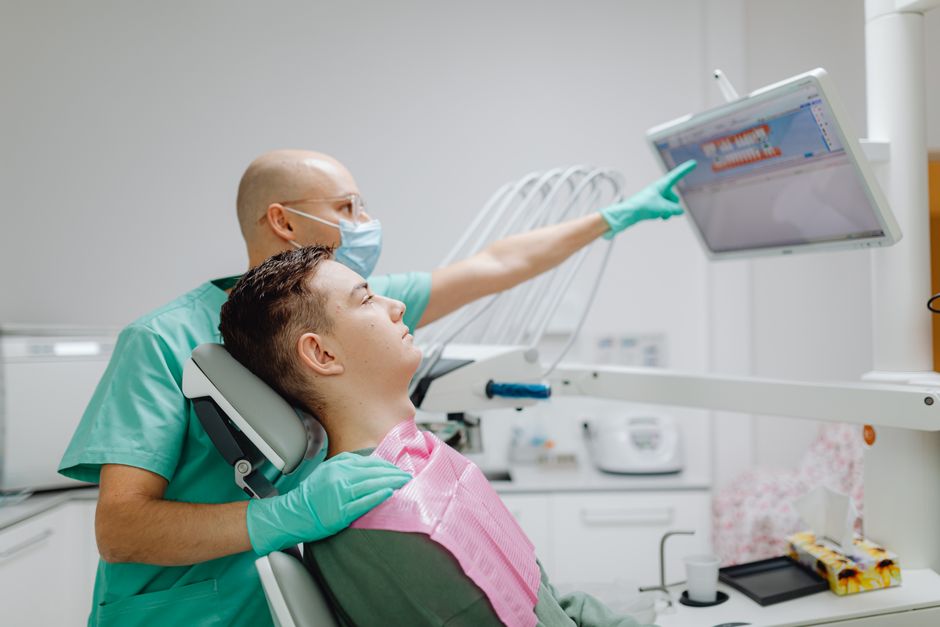
- Digital smile planning and dental photography to align patient expectations with realistic outcomes and document baseline soft-tissue parameters.
At Istanbul Dental Academy, these topics are commonly integrated into hands-on learning: participants can connect diagnosis, surgical placement, and restorative planning as one coherent workflow rather than isolated steps.
Training Perspective: Why Hands-On Education Matters
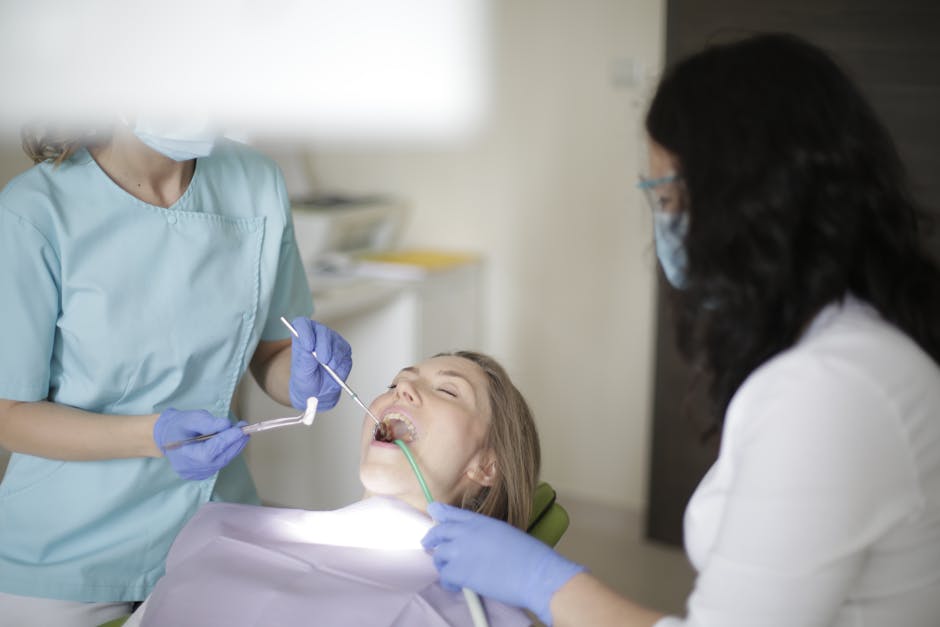
Same-day implant protocols compress multiple critical steps into a shorter timeframe, which increases the need for well-rehearsed clinical sequences: atraumatic extraction, socket evaluation, implant site preparation, stability assessment, soft-tissue handling, provisional design, and postoperative instructions. For dentists and postgraduate learners, simulation, mentorship, and supervised clinical practice can help translate theory into safer decision-making.
Istanbul Dental Academy’s continuing dental education approach emphasizes practical skill development—often combining implant dentistry with related modules such as periodontology, prosthodontics, digital dentistry, and dental photography. This interdisciplinary focus reflects real-world practice: esthetic success depends on both osseointegration and soft-tissue stability, and long-term maintenance depends on patient education and hygienic prosthetic design.
Postoperative Follow-Up and Maintenance: Setting a Long-Term Mindset
A “successful same-day implant” is not defined at day one. Educationally, clinicians should think in phases: early healing, soft-tissue maturation, prosthetic refinement, and ongoing maintenance. Monitoring plaque control, mucosal inflammation, and occlusal changes is essential—particularly because peri-implant disease can progress silently.
Encouraging patients to report bleeding, swelling, or discomfort early—and documenting peri-implant mucosal indices—supports timely intervention. Maintenance protocols should be individualized, especially for patients with a history of periodontal disease.
Conclusion
Same-day implants can offer meaningful advantages—reduced treatment time, fewer surgeries, and improved patient experience—when biology and case selection align. However, these protocols are technique-sensitive and demand strong surgical-restorative coordination, careful soft-tissue management, and honest communication about limitations.
This content is for educational purposes and does not constitute medical or treatment advice. For clinicians aiming to incorporate immediate implant concepts more predictably, structured continuing dental education and hands-on training—such as the programs offered at Istanbul Dental Academy—can help build the diagnostic confidence and practical skills needed to choose the right case, execute the protocol safely, and support long-term outcomes.
Diğer Yazılar