
BLOG
Dental Operating Microscope in Modern Endodontics: Better Vision, Better Outcomes
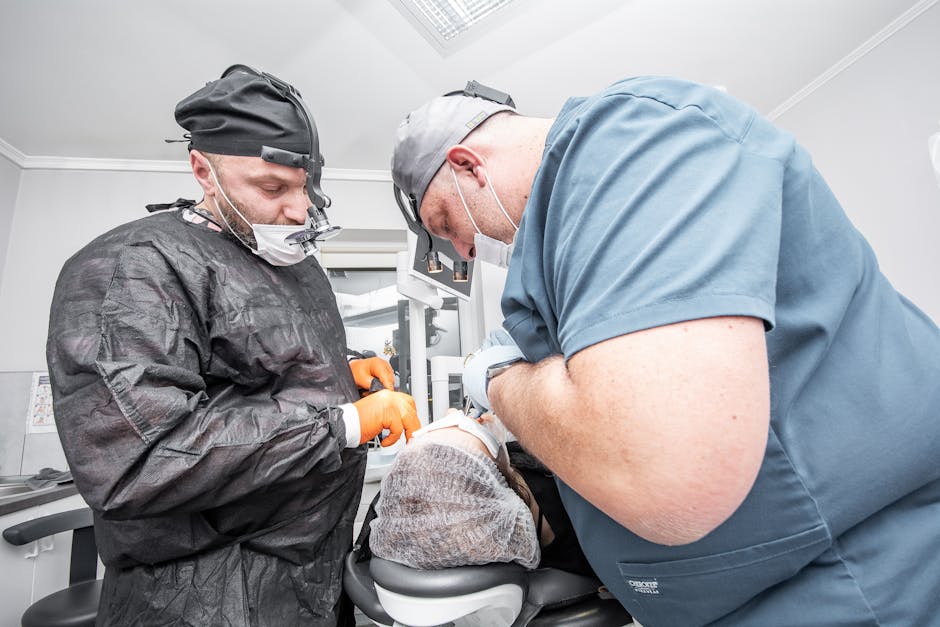
Why Microscopes Matter in Contemporary Endodontics
Endodontics has always been a specialty where millimeters—and sometimes fractions of a millimeter—determine whether a tooth can be predictably saved. The introduction of the dental operating microscope (DOM) has shifted root canal treatment from “working by feel” toward a more visual, documentation-driven, and precision-oriented approach. In modern practice, magnification and coaxial illumination are no longer perceived as luxury tools reserved for complex retreatments; they are increasingly part of a standard of care mindset in many clinics.
From a clinical education perspective, the microscope is also a teaching platform. When learners can see what the operator sees, instruction becomes more consistent, errors become easier to correct, and clinical workflows become easier to standardize. At Istanbul Dental Academy, microscope-based training is often discussed as a bridge between foundational endodontic principles and advanced problem-solving—especially for clinicians who want to improve predictability across routine and complex cases. This content is for educational purposes and does not replace individualized clinical judgment or professional guidelines.
What a Dental Operating Microscope Adds Beyond Loupes
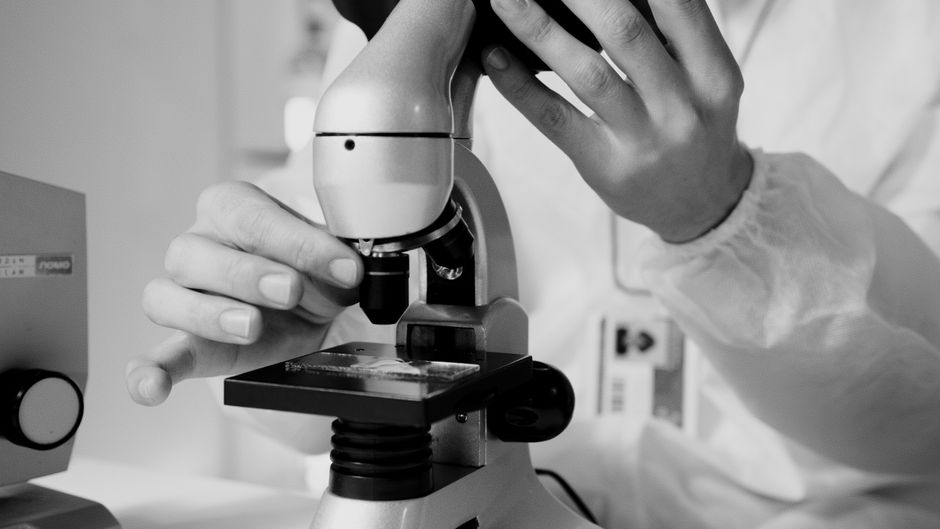
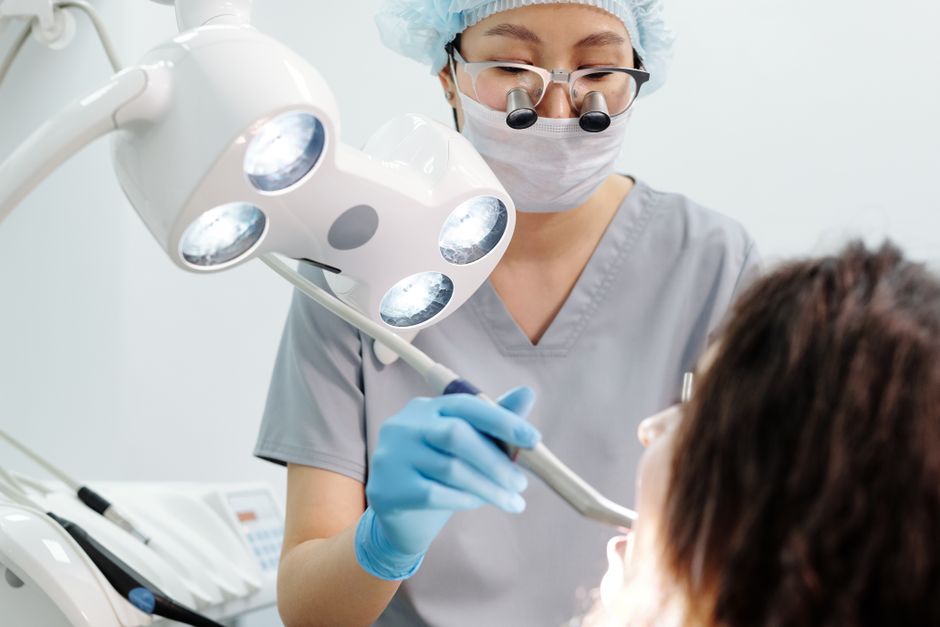
Magnification loupes can improve posture and detail recognition, yet the DOM provides a different level of control: variable magnification, stable illumination aligned with the visual axis, and the possibility of photo/video documentation. These differences influence not just how well a clinician can see, but how well they can decide what to do next.
Key advantages of the DOM
Enhanced visualization of microanatomy: Canal orifices, accessory canals, developmental grooves, and calcifications are more identifiable—particularly in maxillary molars and mandibular incisors where anatomy can be deceptively complex.
Improved illumination: Coaxial light reduces shadows inside the access cavity, supporting more conservative access designs while maintaining visibility.
Precision and conservative dentistry: Better visibility can support tooth structure preservation—an important long-term restorative goal that intersects with prosthodontic planning and coronal sealing.
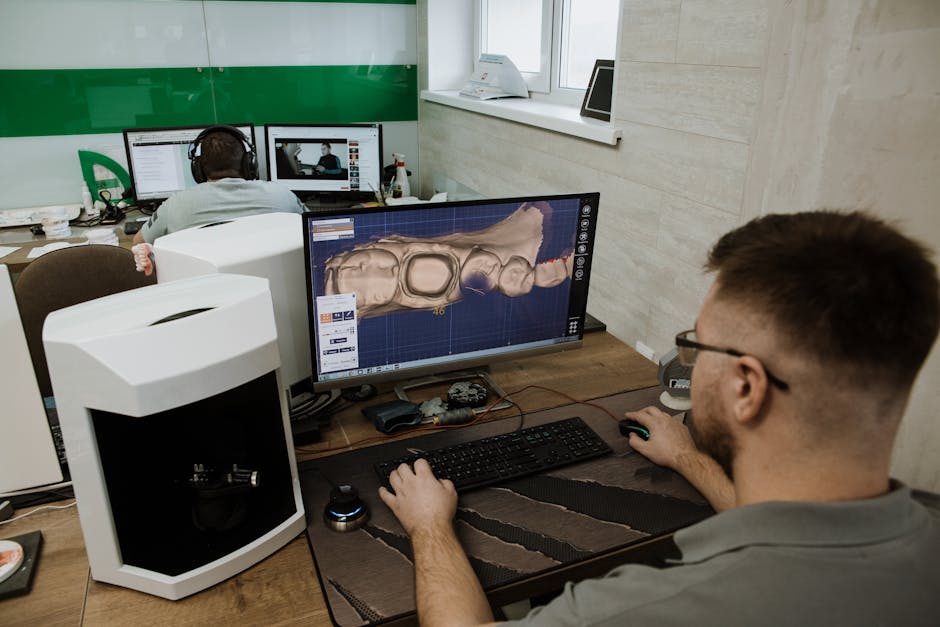
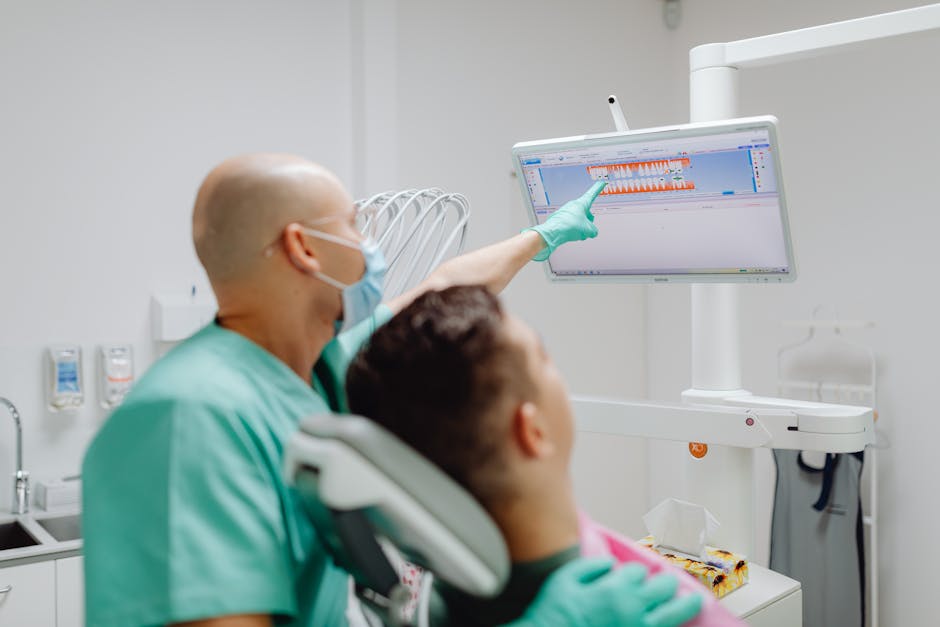
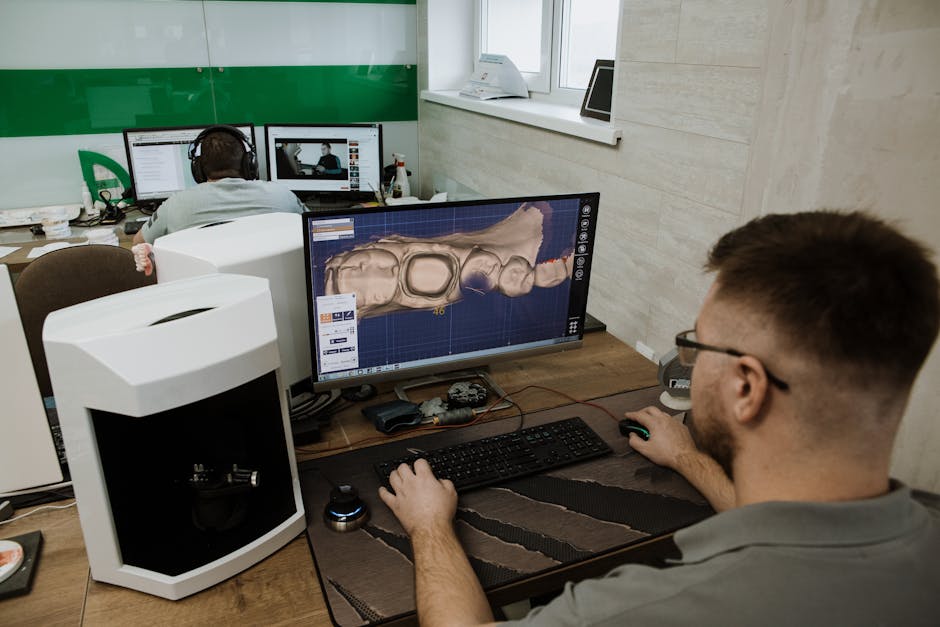
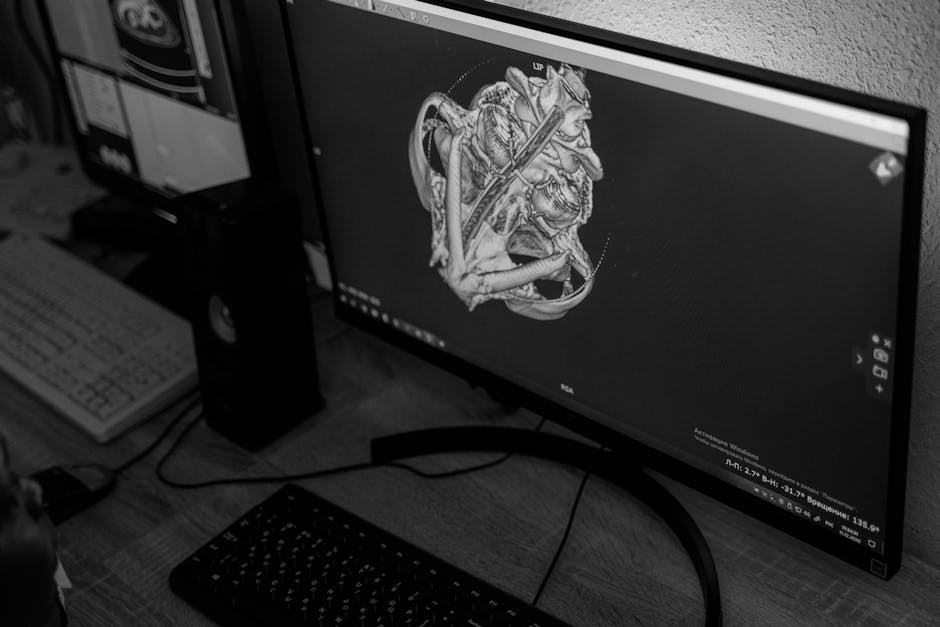
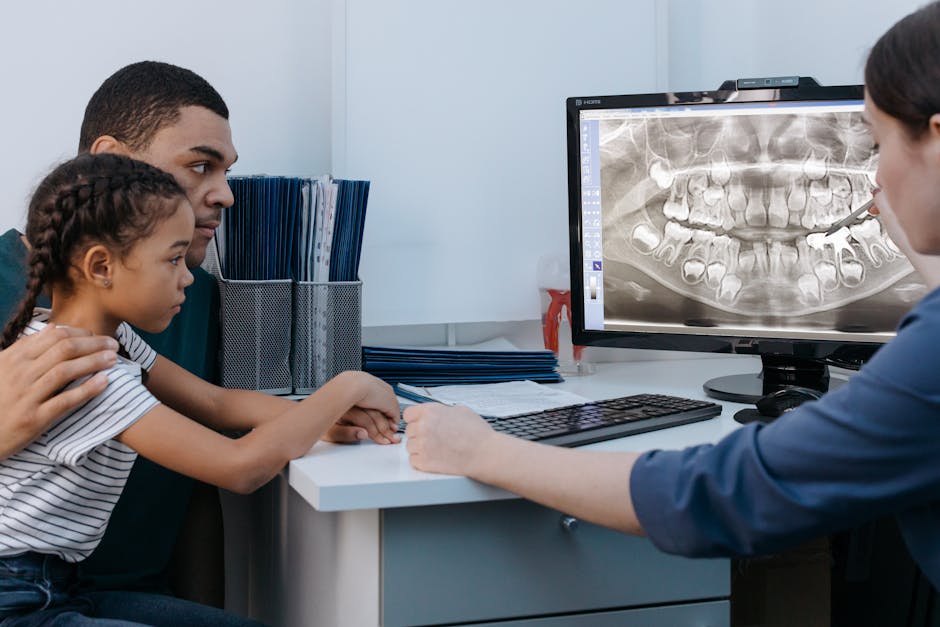
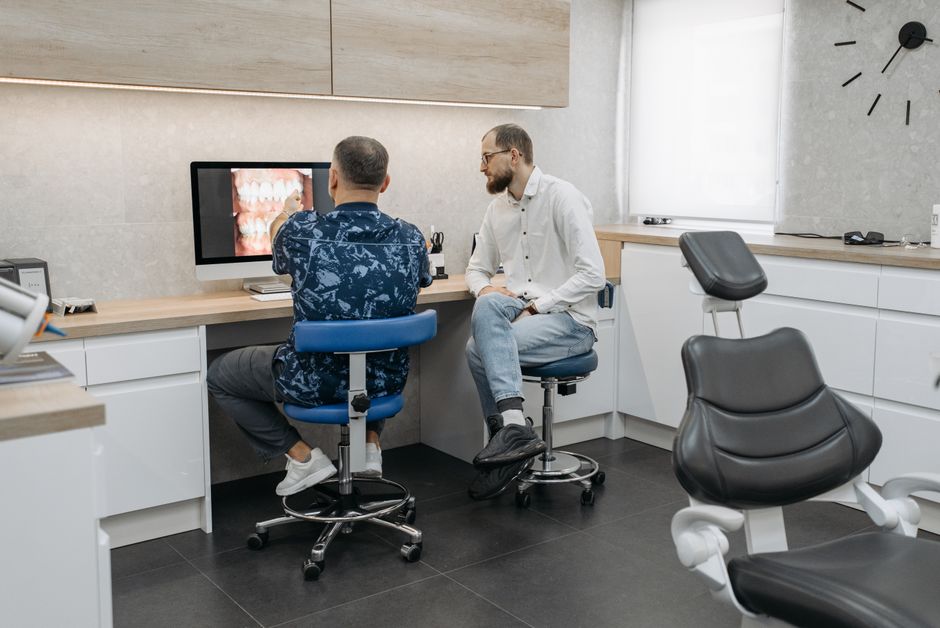
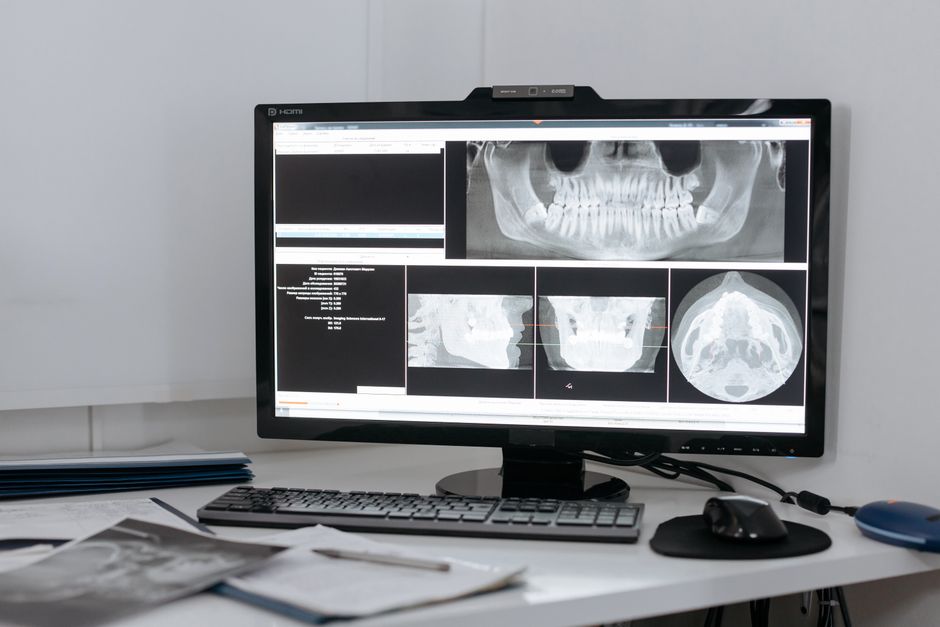
Documentation and communication: Microscopic imaging can help clinicians communicate with patients and colleagues, support referrals, and contribute to case-based learning. It also complements the broader trend toward digital dentistry and clinical documentation.
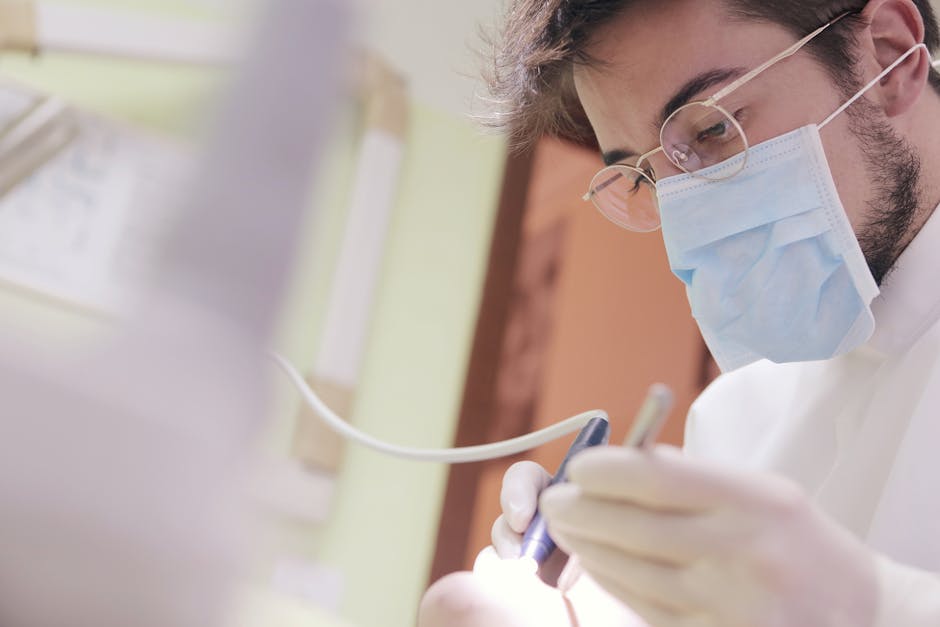
Where the Microscope Can Influence Success Rates
“Success rate” in endodontics is multifactorial: diagnosis, disinfection, shaping strategy, irrigation, obturation quality, coronal seal, and restorative planning all play major roles. The microscope does not replace these fundamentals—but it may strengthen them by increasing diagnostic accuracy and execution precision.
1) Locating missed canals and complex anatomy
One of the most cited benefits of DOM use is improved detection of additional canals (for example, MB2 in maxillary molars). Missing a canal can compromise disinfection and increase the risk of persistent apical periodontitis. By enabling clearer identification of the pulpal floor map and subtle color changes, microscope use may contribute to more thorough canal location in appropriate cases.
2) Managing calcified canals and pulp stones
Calcification can be a significant obstacle in older patients or teeth with prior trauma/restorations. Under high magnification, clinicians can better differentiate dentin, calcified tissue, and canal path indicators. This can reduce unnecessary dentin removal and help maintain a safer, more conservative approach when scouting the canal.
3) Detecting cracks and structural risks
Cracked tooth diagnosis is complex. While no single tool definitively diagnoses all crack scenarios, microscopic inspection can aid in identifying suspicious lines, craze patterns, and fracture propagation—information that influences prognosis discussions and restorative planning. This also aligns with broader aesthetic-restorative goals; for example, a patient considering comprehensive cosmetic changes may be reading about Hollywood Smile techniques, materials, and clinical workflow, yet underlying structural risks (including cracks or endodontic history) should be evaluated before initiating elective smile design steps.
4) Retreatment and procedural troubleshooting
Microscopes are especially helpful in retreatment: identifying residual obturation material, locating bypassable ledges, detecting perforations, and negotiating unusual anatomy. They can also support removal of separated instruments in select scenarios, depending on location, canal curvature, and remaining dentin thickness.
Microscope-Guided Endodontic Workflow: Practical Considerations
Integrating a DOM is not only about purchasing equipment. It requires workflow adjustments, assistant coordination, and new muscle memory for indirect vision and fine motor control. Clinicians often report that the first weeks feel slower—then efficiency improves as positioning, focus control, and ergonomic habits become automatic.
Operatory setup and ergonomics
Proper microscope positioning supports clinician longevity. A stable operator posture, patient head position, and consistent microscope-to-field distance reduce fatigue. Ergonomics is not just comfort—it affects fine hand control and overall treatment quality, especially in long molar cases.
Isolation and field control
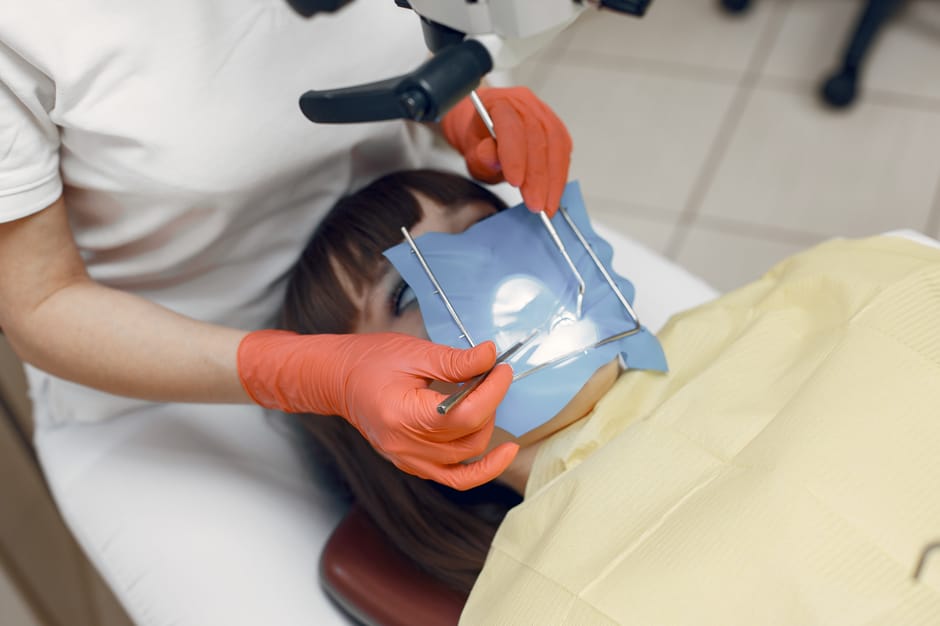
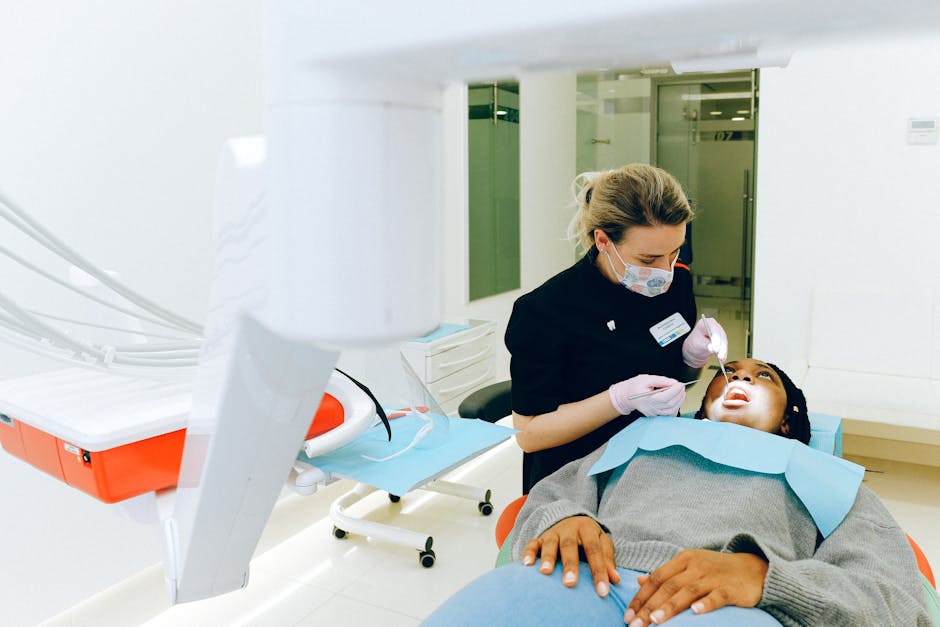
Rubber dam isolation becomes even more valuable under a microscope because the visual field is highly detailed and sensitive to moisture and contamination. A clear, dry field also improves bonding outcomes for coronal restoration steps.
Irrigation, visibility, and the “hidden variables”
Even with perfect vision, irrigation remains a biological determinant. Tissue dissolution and bacterial reduction depend on irrigant chemistry, activation, and access. Salivary contamination can complicate field control and influence the microbial environment—one reason clinicians should understand the oral ecosystem as part of endodontic predictability. For a wider preventive lens on the oral environment, see Why saliva matters: the unsung protector of oral health.
Microscope Use Beyond Endodontics: A Multidisciplinary Advantage
While endodontics is the most common entry point to microscopy, the benefits extend into restorative dentistry, periodontology, and even surgical procedures. Many clinicians discover that once they become comfortable with magnification, they start “seeing” dentistry differently—margin quality, tissue handling, and microleakage risks become more apparent.
Periodontal considerations: gingival margins and recession risk
Endodontic outcomes are linked to periodontal health. In patients with thin biotype or existing recession, restorative margin placement and tissue management must be planned carefully. Understanding periodontal risk is particularly relevant when placing crowns after root canal treatment or managing cervical lesions. For an evidence-oriented overview of soft tissue considerations, read Gum recession: causes, symptoms, and evidence-based management.
Implant planning and “save vs replace” discussions
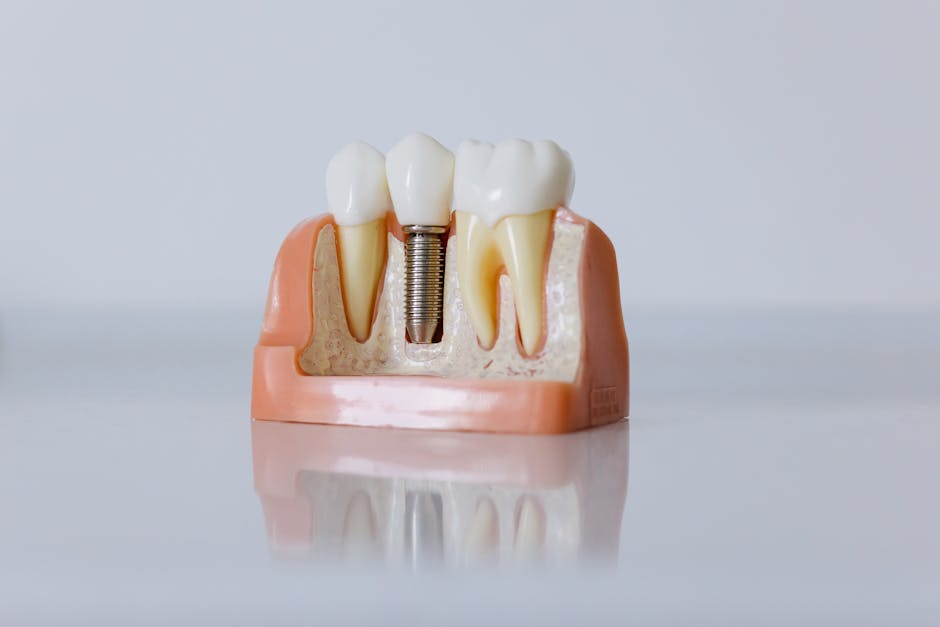
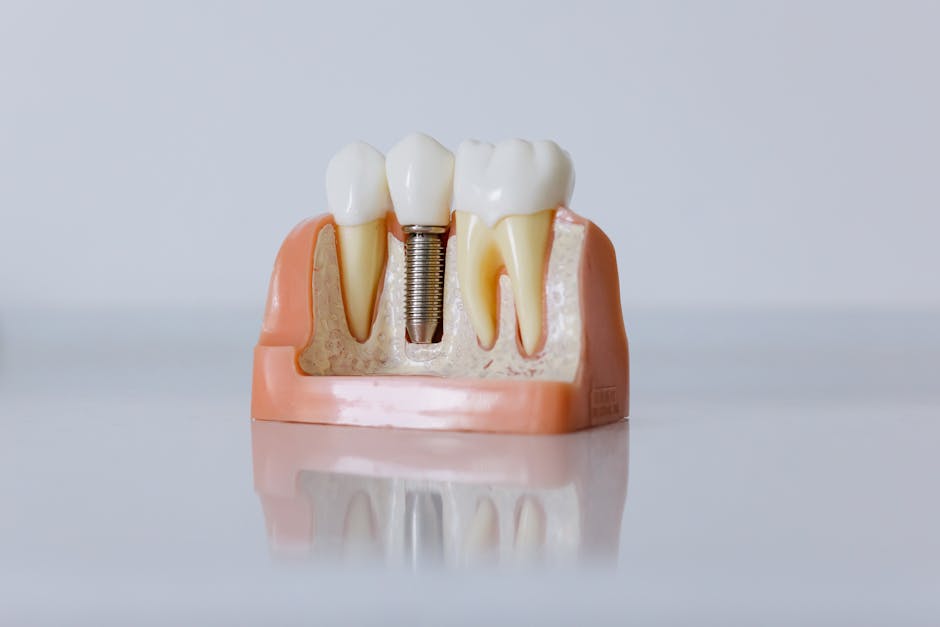
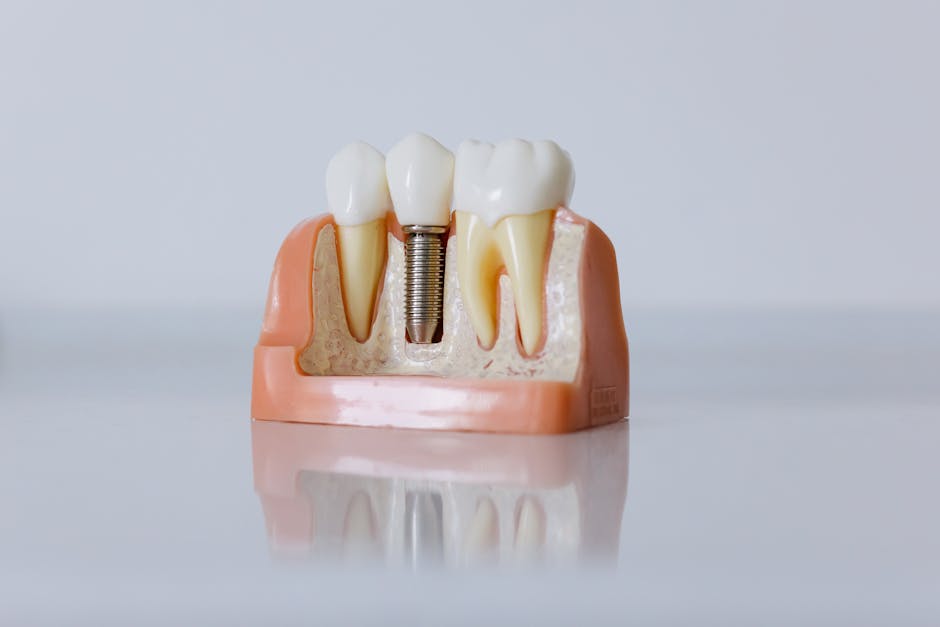
Modern dentistry frequently involves deciding between endodontic retreatment, apical surgery, or extraction with implant rehabilitation. While this decision is individualized, microscopy can influence the diagnostic clarity and technical feasibility of saving a tooth. At the same time, clinicians who provide implant therapy should understand full-arch concepts and workflows when advanced tooth loss is present. Istanbul Dental Academy emphasizes interdisciplinary planning, including implant education pathways where clinicians compare protocols such as All-on-4 vs All-on-6 for full-arch implant planning and review how All-on-4 works for full-arch tooth loss as a clinical workflow guide—because comprehensive care often requires speaking both the endodontic and implant “languages.”
Training Curve: Why Skills, Not Just Equipment, Drive Results
A microscope can reveal details that were previously invisible—but it can also reveal technique weaknesses. For example, under magnification, access walls may show micro-gouging, canal scouting may appear less controlled, or obturation defects become obvious. This is why structured training is critical. In continuing dental education, the goal is to shorten the adaptation period and build repeatable protocols.
Common challenges when transitioning to microscopy
Hand-eye coordination: Fine movements feel amplified at higher magnification. Learning to work at lower magnification for gross steps and increasing magnification for inspection can improve flow.
Indirect vision and mirror use: Many endodontic steps rely on mirror control; microscopy makes mirror fogging and minor angulation errors more noticeable, requiring deliberate practice.
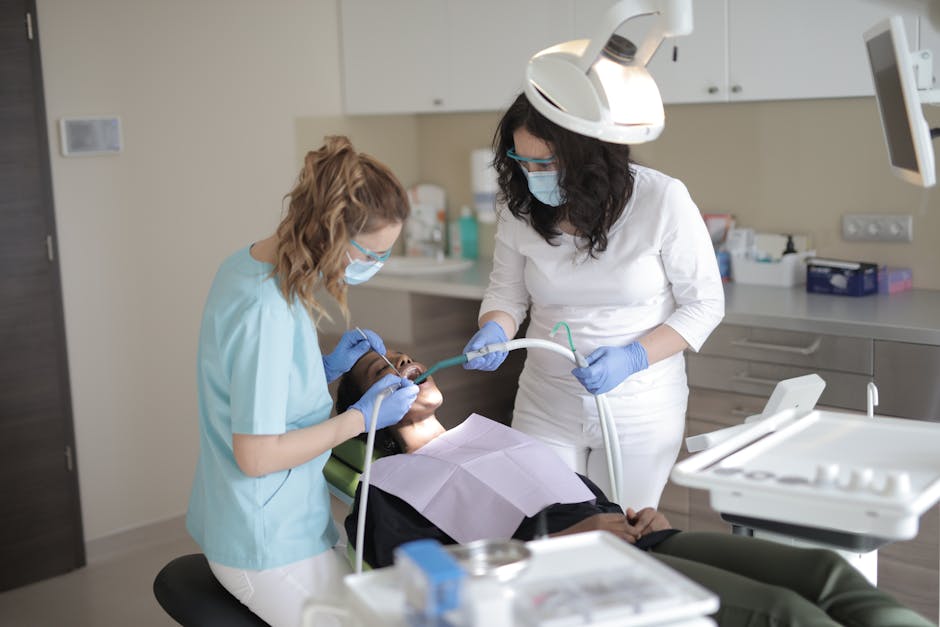
Assistant integration: Efficient suctioning and instrument transfer are essential. A trained assistant who understands microscope workflow can significantly improve operatory rhythm.
Documentation discipline: Once imaging is available, clinicians may be expected to document key findings (e.g., additional canals, crack lines, perforation repair). This can support communication and quality assurance.
How Istanbul Dental Academy Approaches Microscope-Based Education
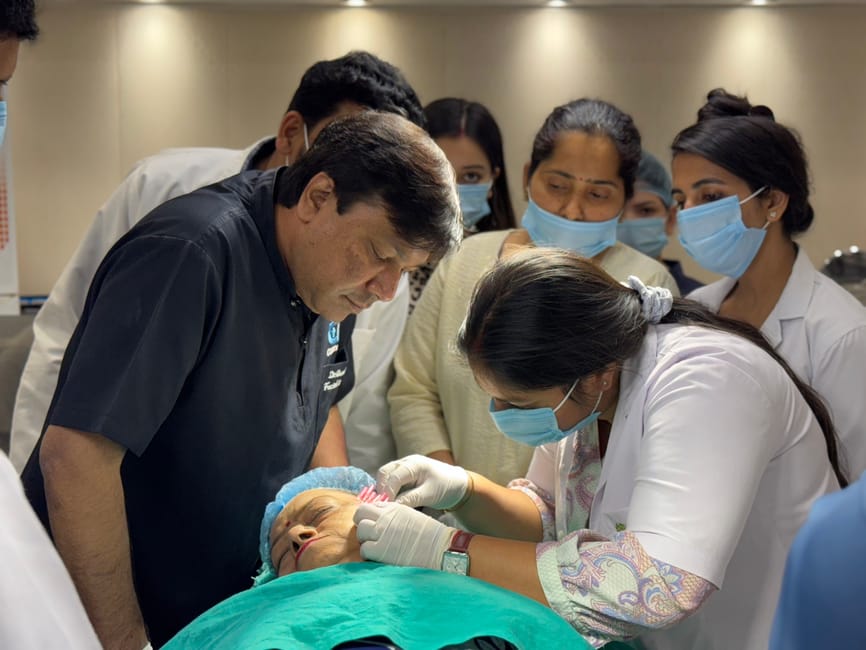
In hands-on learning environments, microscopy supports skill transfer because participants can receive clearer feedback on access design, canal location strategies, and conservative dentin removal. Istanbul Dental Academy’s course philosophy emphasizes practical, clinic-ready routines: ergonomic setup, isolation standards, and step-by-step decision points that translate to everyday practice rather than only “hero cases.”
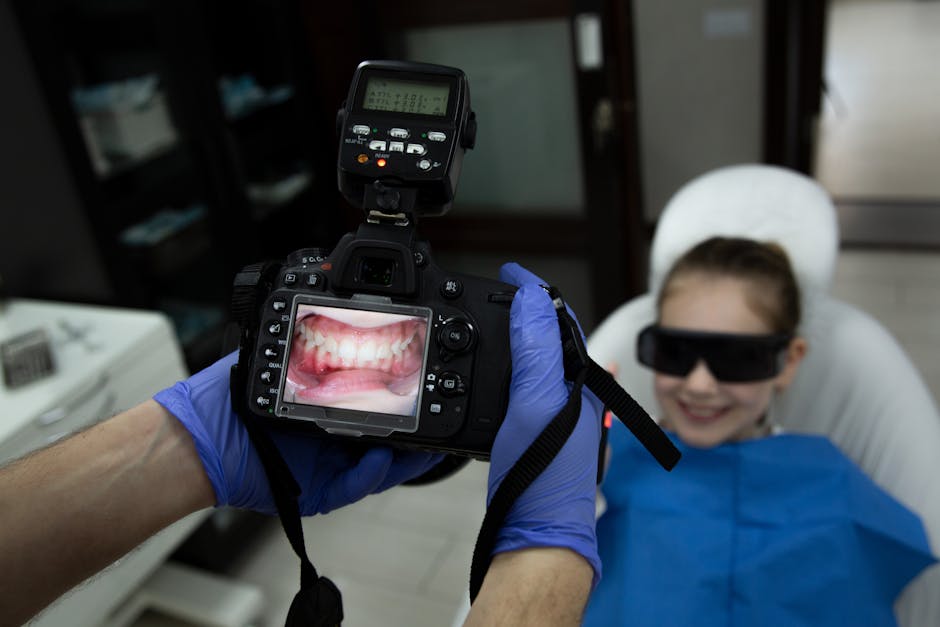
Microscope training also aligns naturally with dental photography and digital documentation. Learning how to capture consistent intraoperative images can elevate case presentations, improve patient communication, and contribute to a reflective learning process—especially for clinicians building a portfolio for referrals or academic progression.
Clinical Takeaways
Microscope-assisted endodontics is best understood as an enabling technology: it improves visibility and supports precision, but it does not replace sound diagnosis, infection control principles, or restorative planning. In many practices, the DOM becomes a catalyst for higher-quality dentistry overall, influencing not only root canal treatment but also restorative margins, periodontal awareness, and interdisciplinary decision-making.
If you are considering integrating microscopy into your workflow, structured hands-on training can help you adopt ergonomic habits, improve efficiency, and apply magnification strategically. This content is for educational purposes and is not a substitute for clinical training, professional guidelines, or patient-specific consultation.
Diğer Yazılar