
BLOG
Amelogenesis Imperfecta and Tooth Sensitivity: Clinical Insights for Dentists
Why Amelogenesis Imperfecta Matters in Everyday Sensitivity Complaints
Tooth sensitivity is often approached as a routine complaint—an exposed root surface, an erosive diet, or an occlusal issue. Yet in some patients, sensitivity is not simply a symptom; it is the functional consequence of a developmental enamel disorder. Amelogenesis imperfecta (AI) encompasses a group of inherited conditions that affect enamel quantity and/or quality, frequently leading to hypersensitivity, rapid wear, compromised aesthetics, and complex restorative needs.
For dental professionals, understanding the relationship between AI and sensitivity is clinically valuable for three reasons: (1) the pain mechanism can be multifactorial, (2) treatment planning often requires long-term staged care rather than a single “desensitizing” intervention, and (3) restorative success depends on thoughtful material selection, bonding strategies, and workflow integration. This content is for educational purposes and is not a substitute for individualized diagnosis or treatment planning.
Amelogenesis Imperfecta: A Brief Clinical Overview
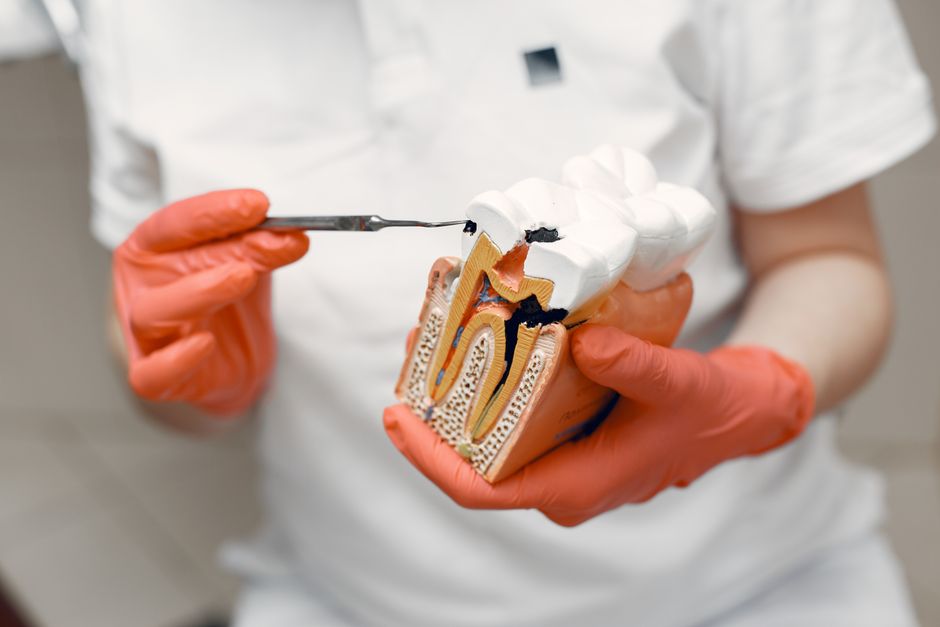
AI is typically classified by enamel phenotype—most commonly hypoplastic (reduced enamel quantity), hypomaturation (enamel of normal thickness but softer/porous), and hypocalcified (poorly mineralized enamel that can be friable). Mixed presentations exist, and severity varies widely within families.
From a chairside standpoint, common clinical features include:
• Enamel breakdown and wear: early posterior attrition and loss of vertical dimension may be present in severe cases.
• Surface texture changes: pitting, rough enamel, or “chalky” appearance.
• Discoloration: from creamy-white to yellow-brown depending on subtype and staining susceptibility.
• Restorative challenges: compromised bonding substrate, increased risk of marginal breakdown, and unpredictable sensitivity response.
How AI Leads to Tooth Sensitivity: Mechanisms and Triggers
1) Reduced Enamel Barrier and Dentin Exposure
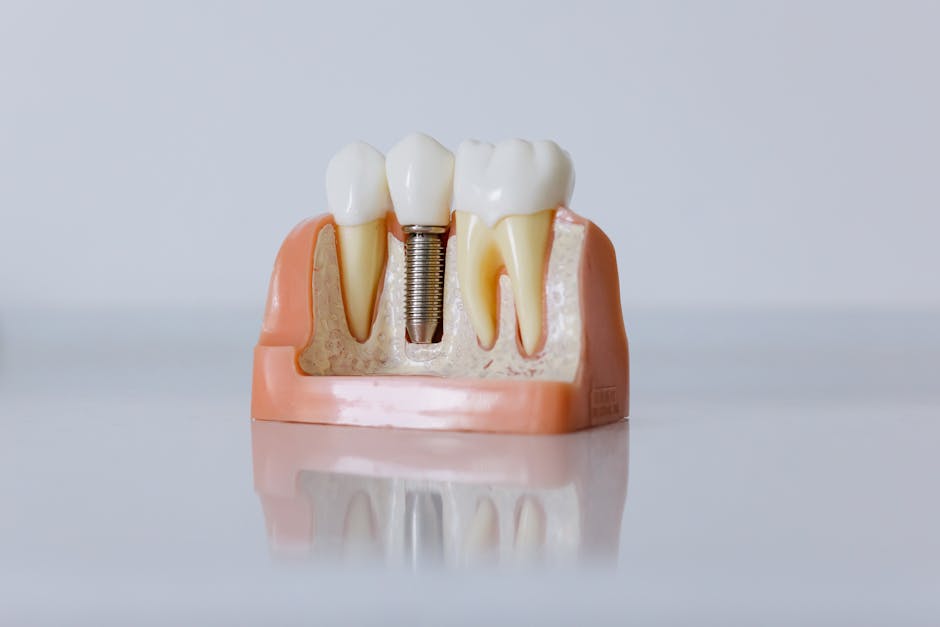
When enamel is thin, porous, or prone to fracture, dentin becomes more exposed to the oral environment. This increases the likelihood of fluid movement within dentinal tubules—consistent with the hydrodynamic theory of dentin hypersensitivity—especially in response to cold, osmotic changes, or evaporative stimuli.
2) Rapid Tooth Wear and Occlusal Stress
AI-affected enamel may wear faster, leading to flat occlusal surfaces and potential occlusal overload. This can contribute to sensitivity via microcracks, dentin exposure, and in some cases pulpal inflammation. Identifying parafunction and managing occlusion becomes a key part of comprehensive care, especially in patients with significant posterior wear.
3) Secondary Caries and Marginal Breakdown
Porous or defective enamel may increase plaque retention and create an environment where caries progresses rapidly. Even when caries is not extensive, marginal breakdown around restorations can expose dentin and trigger sensitivity. In these cases, the sensitivity complaint may be the patient’s first prompt for re-evaluation.
4) Gingival Recession and Periodontal Inflammation as Co-factors
Sensitivity is not always purely “enamel-based.” Patients with AI may also present with gingival inflammation due to plaque retention around rough surfaces and complex restorations. Recession can expose root dentin and amplify sensitivity. If a patient reports concurrent gum bleeding, clinicians should consider a broader differential diagnosis and periodontal evaluation. For an educational refresher on systemic and local associations, see bleeding gums and the conditions they may signal.
Acute or severe gingival pain—especially with ulceration, fetor, or rapid onset—should be treated as a distinct clinical question rather than assumed to be AI-related. A structured approach is discussed in this clinical perspective on whether severe gum pain could be necrotizing gingivitis.
Diagnosis and Chairside Assessment: Practical Pointers
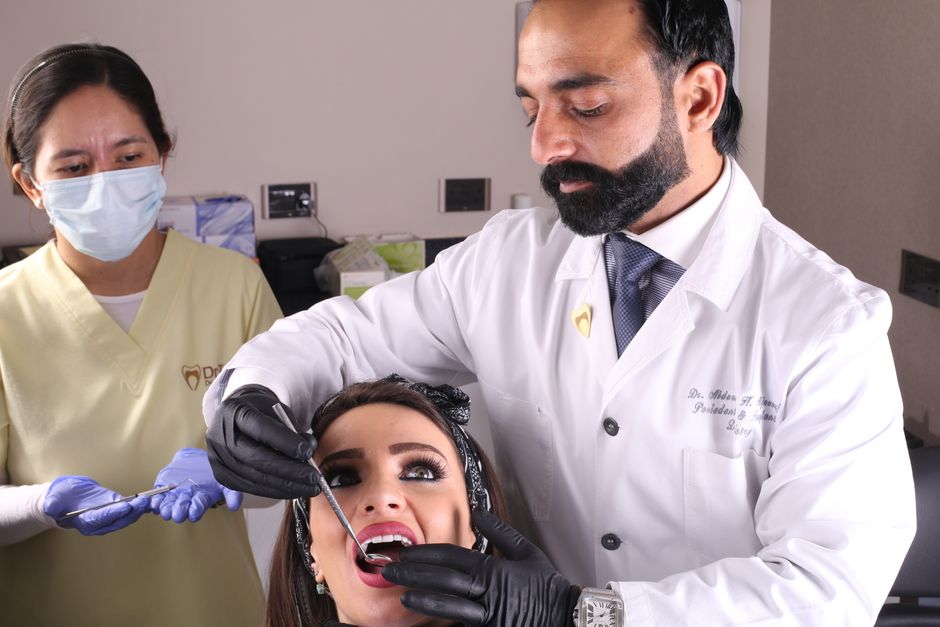
Diagnosis of AI is typically clinical, supported by history, family patterns, and radiographic findings. The diagnostic goal in sensitivity-focused appointments is to clarify whether pain is driven by dentin hypersensitivity, caries, pulpal pathology, occlusal trauma, or periodontal factors.
Clinical steps that help
• History: onset (childhood vs adult), family history, triggers (cold, sweet, brushing), prior restorations, fluoride exposure, and dietary acids.
• Visual exam: enamel thickness, pitting, surface roughness, generalized distribution (AI is typically generalized rather than isolated).
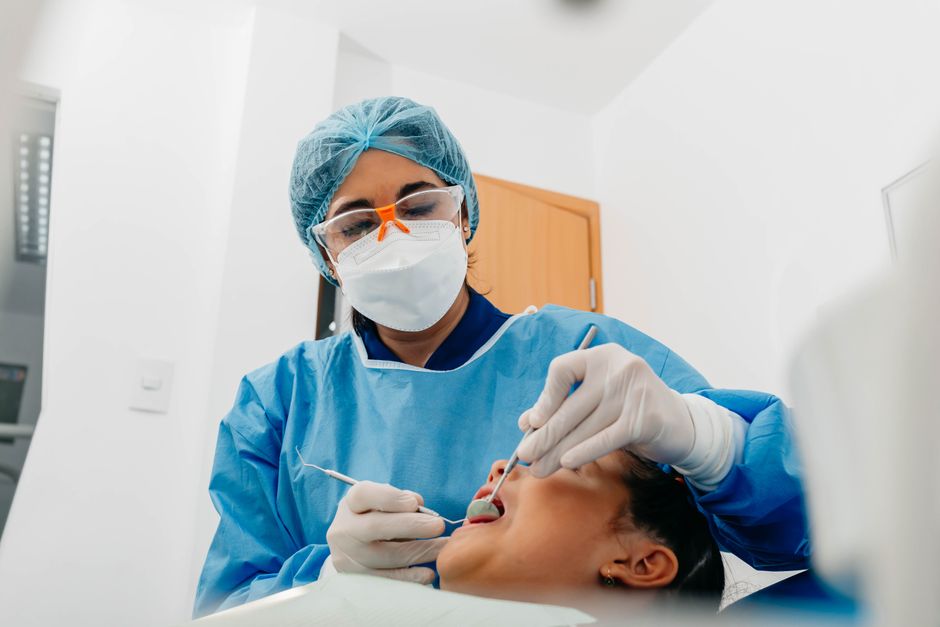
• Sensitivity testing: air, cold, and tactile tests with careful control; record tooth-specific responses.
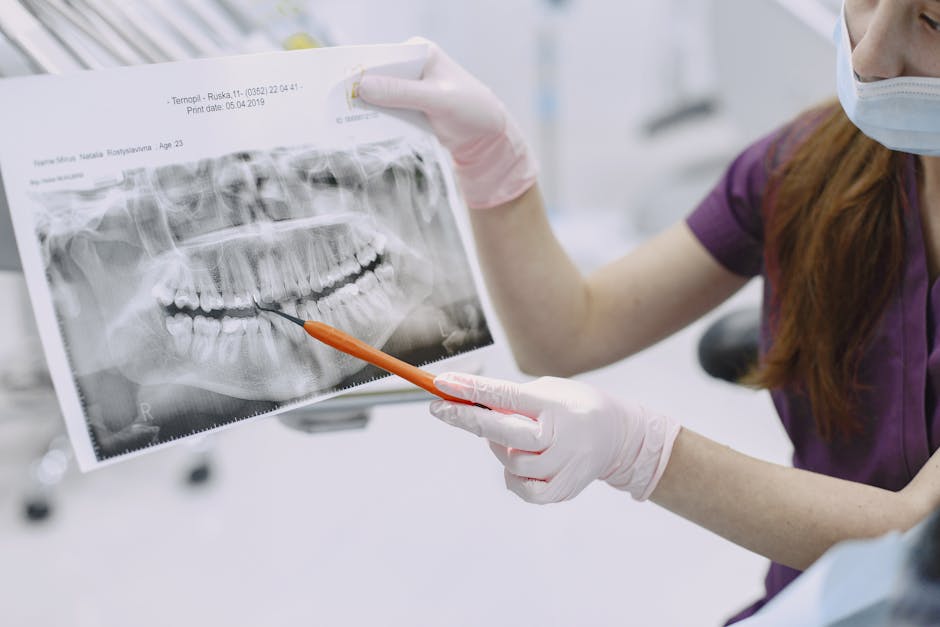
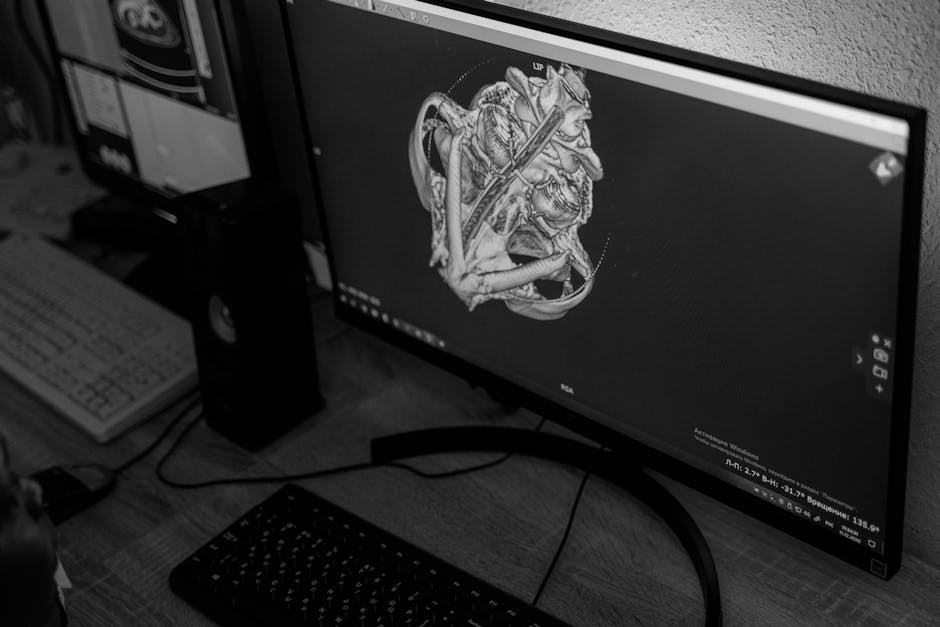
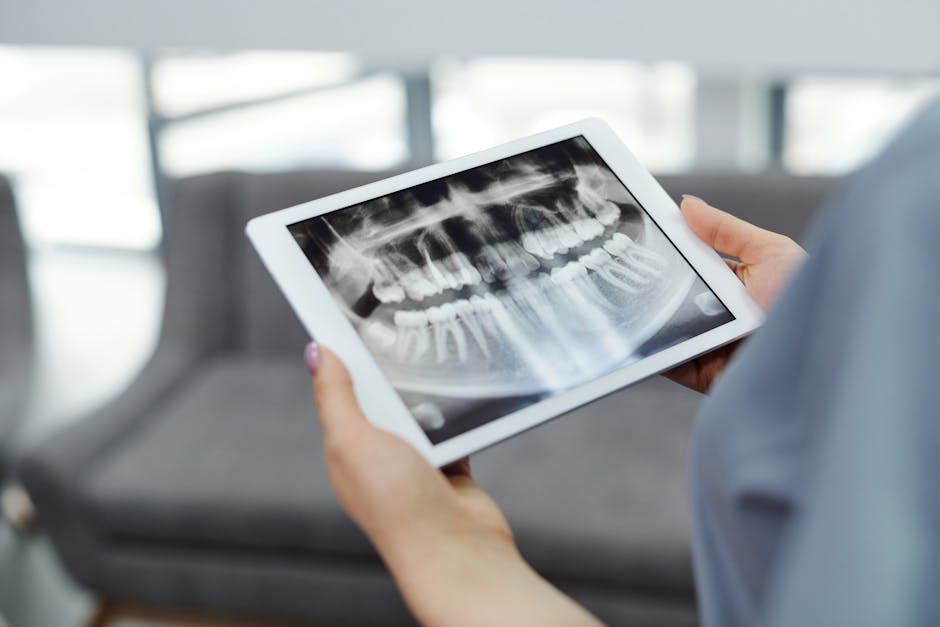
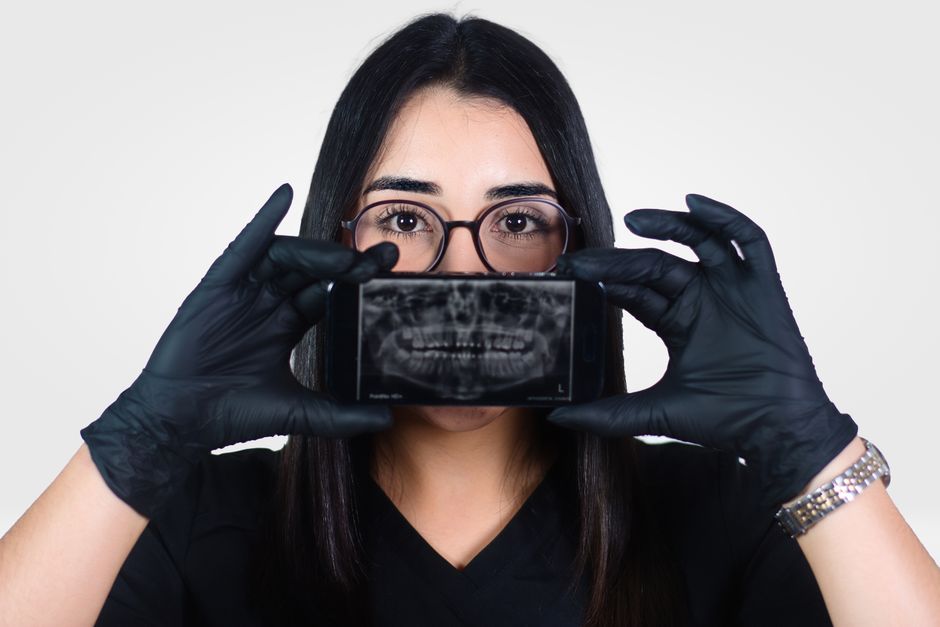
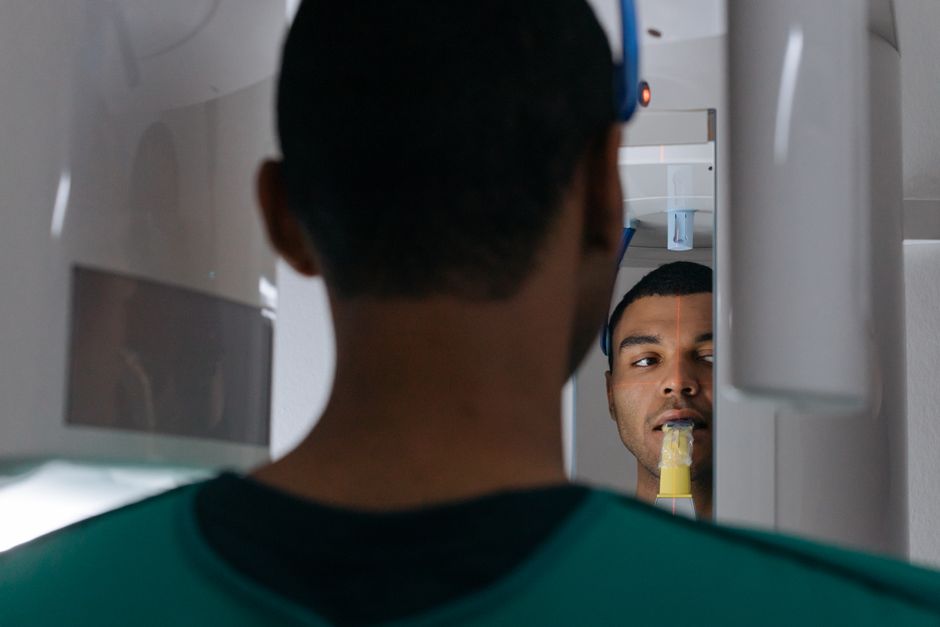
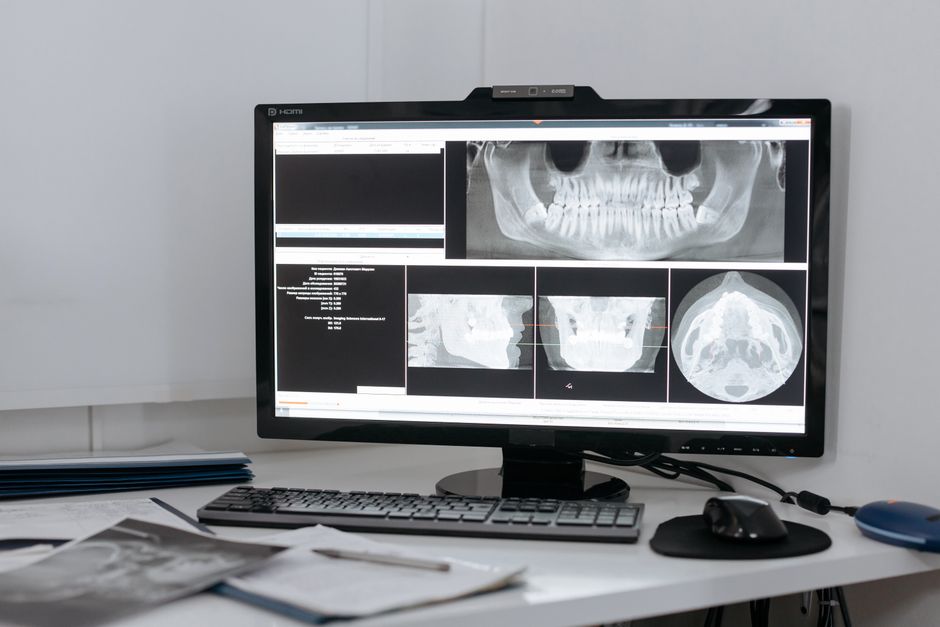
• Radiographs: look for relative radiodensity of enamel vs dentin, caries risk, and pulpal anatomy.
• Occlusal evaluation: attrition patterns, fremitus, parafunction indicators, and loss of vertical dimension.
Managing Sensitivity in AI: A Layered, Long-Term Strategy
In many AI cases, symptom control is a “first step” that must align with a longer restorative plan. Depending on severity, management may range from preventive protocols to full-mouth rehabilitation. The following options are educational considerations; clinicians should individualize care based on patient age, risk, and tooth structure.
Preventive and Non-invasive Approaches
• Desensitizing agents: potassium nitrate, stannous fluoride, arginine-based products, and professional varnishes may reduce symptoms in mild-to-moderate cases.
• Dietary counseling: limiting erosive challenges and optimizing timing of acids can reduce symptomatic episodes and ongoing enamel/dentin dissolution.
• Oral hygiene coaching: soft-bristle technique and low-abrasive toothpaste can be important when enamel is already compromised.
Restorative Stabilization: When Coverage Becomes Part of Sensitivity Control
When enamel is structurally compromised, restorations may be needed not only for aesthetics and function but also to shield dentin and reduce hypersensitivity. Posterior stabilization is often a priority, especially in patients with significant wear. Clinical decision-making between direct and indirect solutions is nuanced; workflow, isolation, occlusal demands, and remaining tooth structure all matter. A practical overview of selection criteria and modern workflows is discussed in direct vs indirect posterior restorations.
Key restorative considerations in AI include:
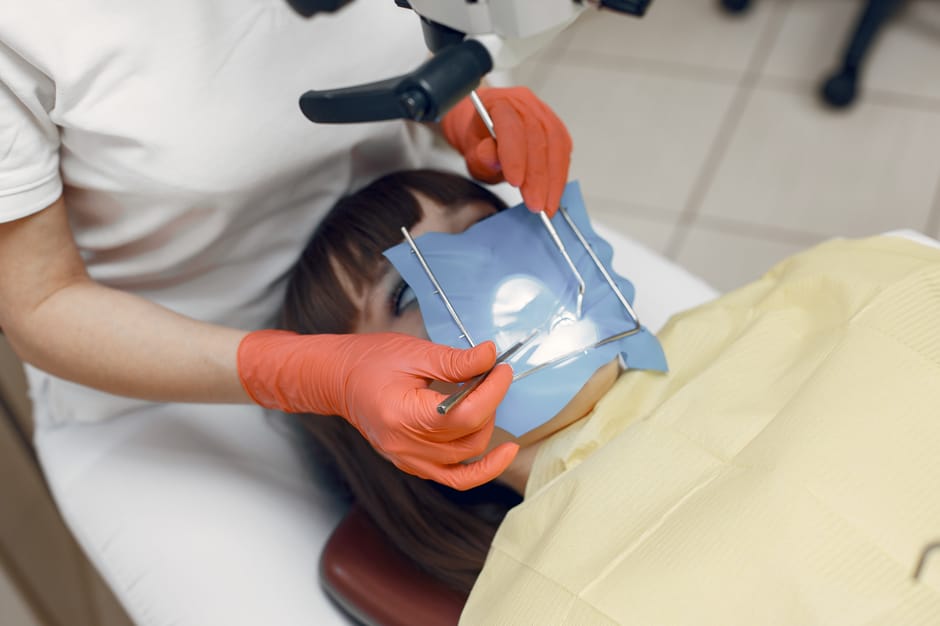
• Adhesion challenges: porous or atypical enamel may etch differently; dentin bonding protocols and isolation become critical.
• Material selection: durable posterior options may be needed to resist wear; anterior choices often balance aesthetics with conservative preparation.
• Margin design and hygiene access: smoother transitions can help plaque control, supporting gingival health and reducing secondary sensitivity triggers.
Porcelain Laminate Veneers and Smile Design in AI: Where Sensitivity and Aesthetics Intersect
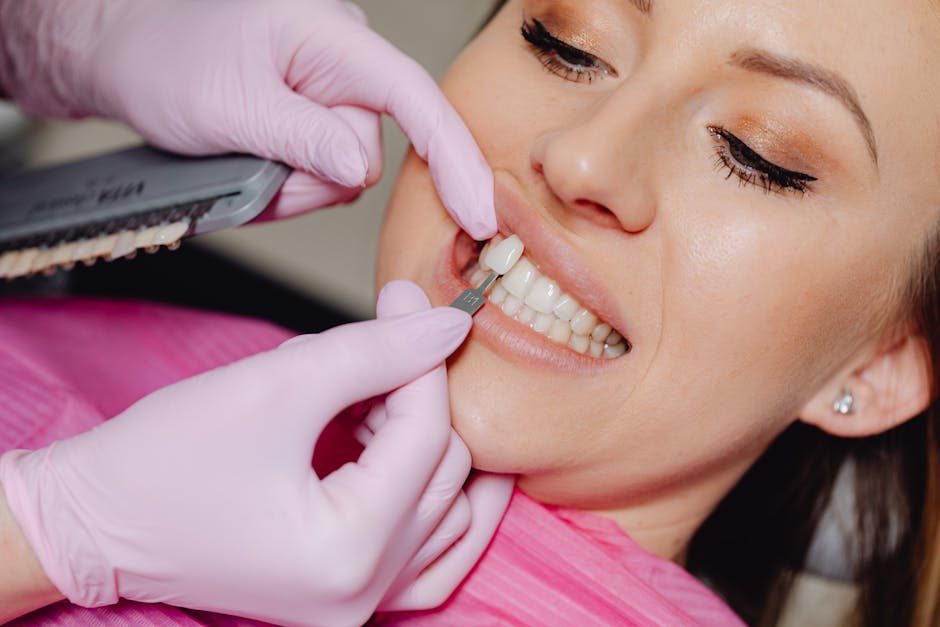
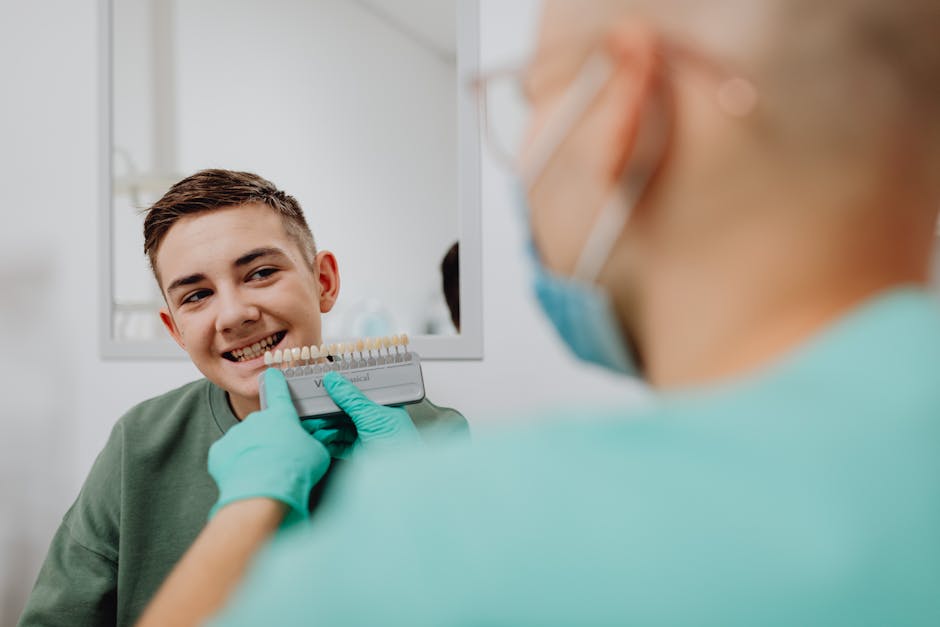
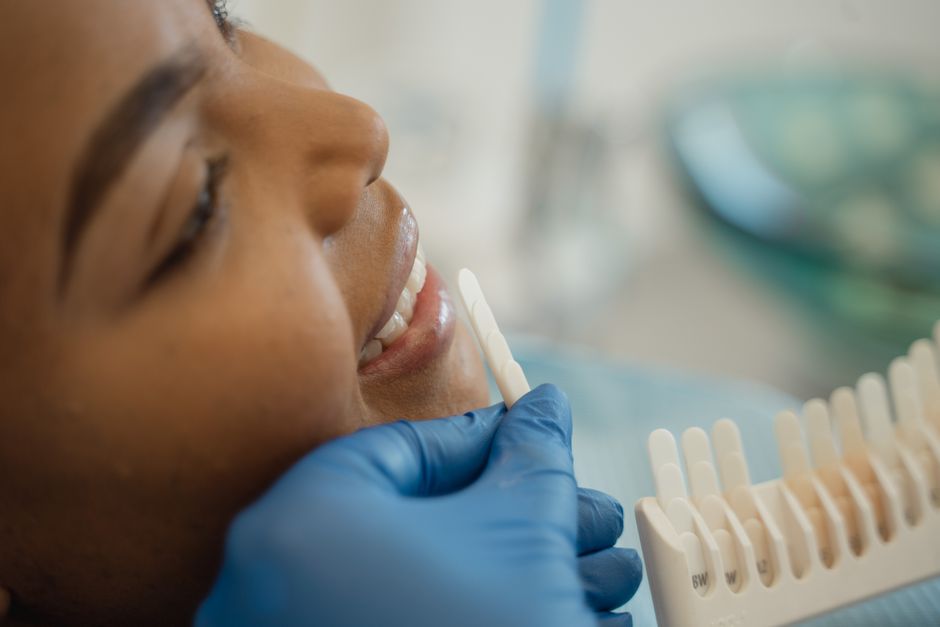
For anterior teeth, patients with AI may seek treatment for both sensitivity and visible discoloration or enamel irregularities. Porcelain laminate veneers can be part of an aesthetic and protective strategy in selected cases—but success depends on conservative planning, substrate assessment, and occlusal management.
AI introduces specific risks: uneven enamel thickness, variable bonding quality, and the possibility that preparation exposes more dentin than anticipated. For clinicians expanding their veneer practice, understanding typical technical pitfalls is essential. Review common mistakes in porcelain laminate veneers—and how to avoid them to strengthen case selection and reduce remakes, sensitivity complaints, and marginal issues.
Digital Dentistry for Predictable Planning
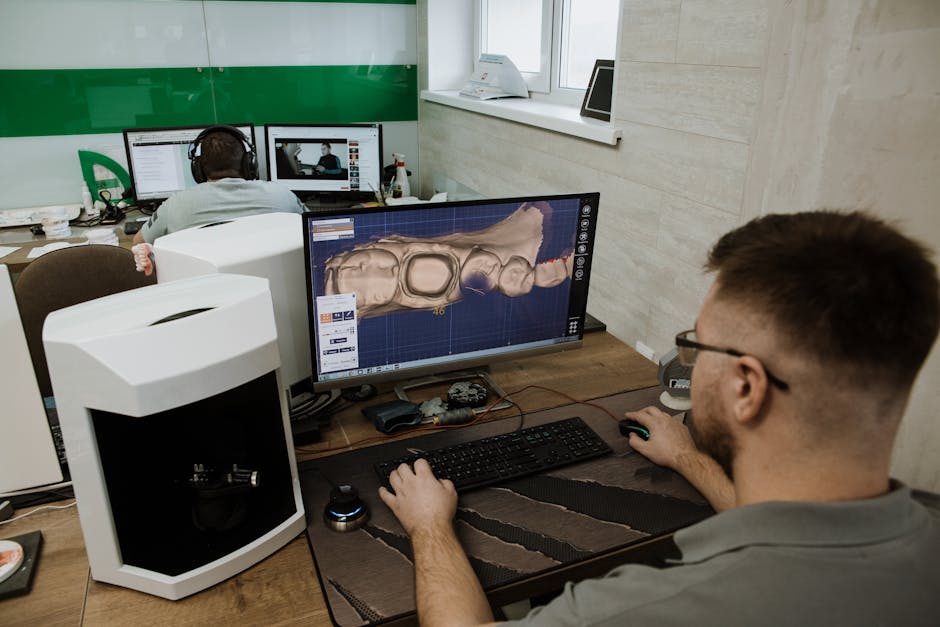
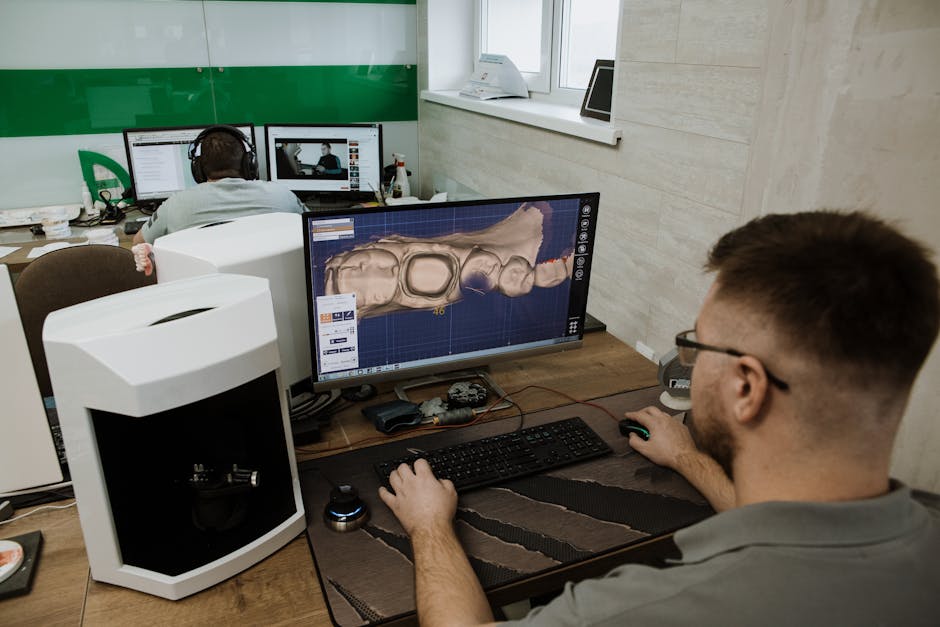
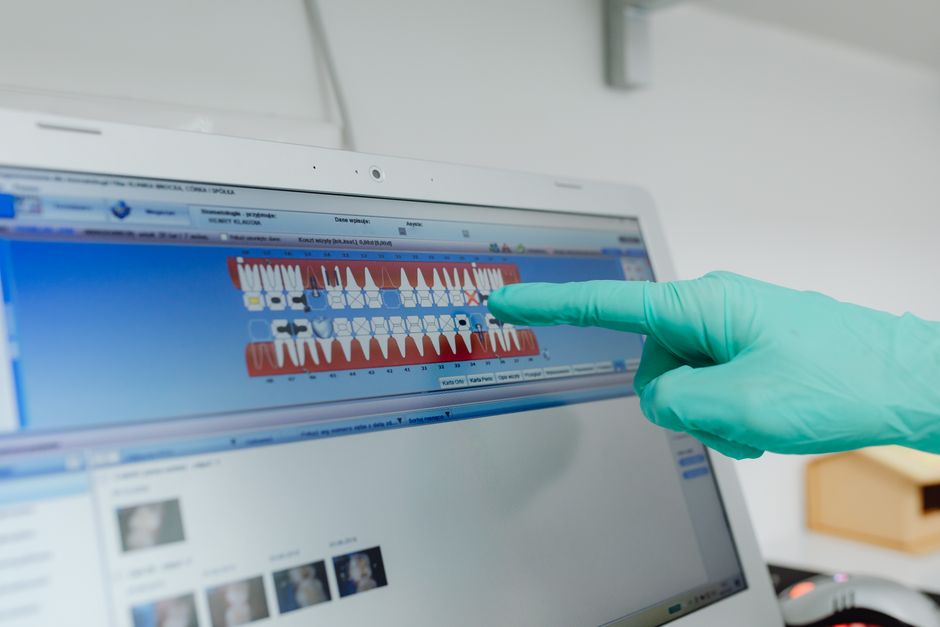
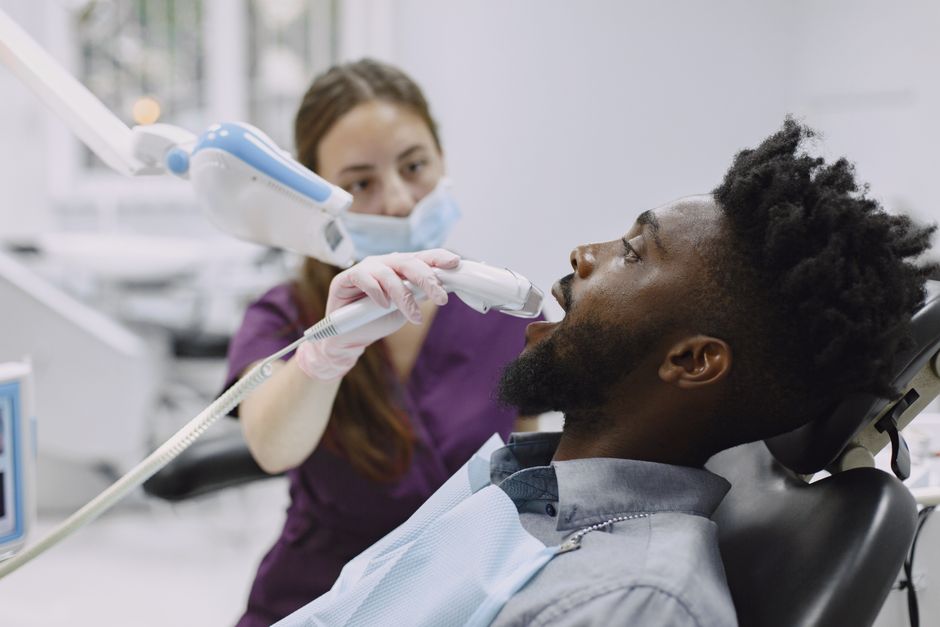
Digital workflows can be especially helpful in AI cases, where conservative reduction and controlled emergence profiles matter. Intraoral scanning, digital mock-ups, and guided reduction matrices can support minimally invasive preparations and reduce unexpected dentin exposure—an important sensitivity-related outcome. If you want a structured workflow from initial records to design and planning, see digital dentistry for laminate veneer planning, which outlines a modern smile design pathway relevant to complex enamel cases.
Endodontic and Periodontal Considerations: Avoiding Diagnostic Oversimplification
A common clinical trap is attributing all pain in AI to “sensitivity.” While hypersensitivity is frequent, clinicians should remain alert to pulpal disease, cracked teeth, caries under restorations, and periodontal pathology. AI teeth may present with extensive wear and restorations that complicate diagnosis; systematic testing (thermal, EPT where indicated, percussion, bite tests) remains essential.
Periodontal health should also be monitored carefully. Rough enamel surfaces and restoration margins can increase plaque accumulation, and the patient may already be brushing cautiously due to sensitivity—ironically worsening inflammation. Persistent gingival bleeding should prompt periodontal assessment rather than being dismissed as a byproduct of painful brushing. Educational context on how to approach bleeding and underlying conditions is covered in this guide to what bleeding gums could signal.
Communicating with Patients: Setting Expectations Without Overpromising
AI patients often have a long history of discomfort, aesthetic concerns, and “failed” restorations. Clear communication improves adherence and satisfaction:
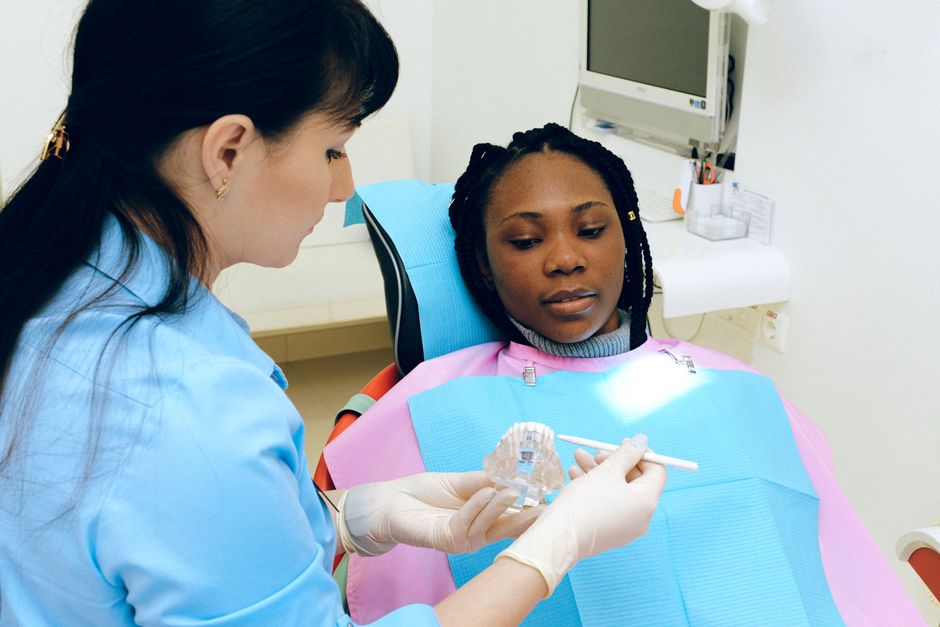
• Explain the enamel condition in simple terms: “The protective outer layer is thinner/softer than usual.”
• Describe why sensitivity happens: link triggers (cold/air) to exposed dentin and enamel breakdown.
• Present a phased plan: symptom control, stabilization, then definitive rehabilitation where needed.
• Discuss maintenance: the best restorative outcomes depend on hygiene, diet, and recall intervals.
Training Takeaways for Dentists: Turning Complex AI Cases into Structured Workflows
From a continuing education perspective, AI is a valuable “systems case”: it forces clinicians to integrate diagnosis, occlusion, adhesive protocols, restorative selection, and aesthetic planning. For many dentists, the most challenging steps are not the individual procedures but sequencing and predictability—especially when sensitivity is the chief complaint.
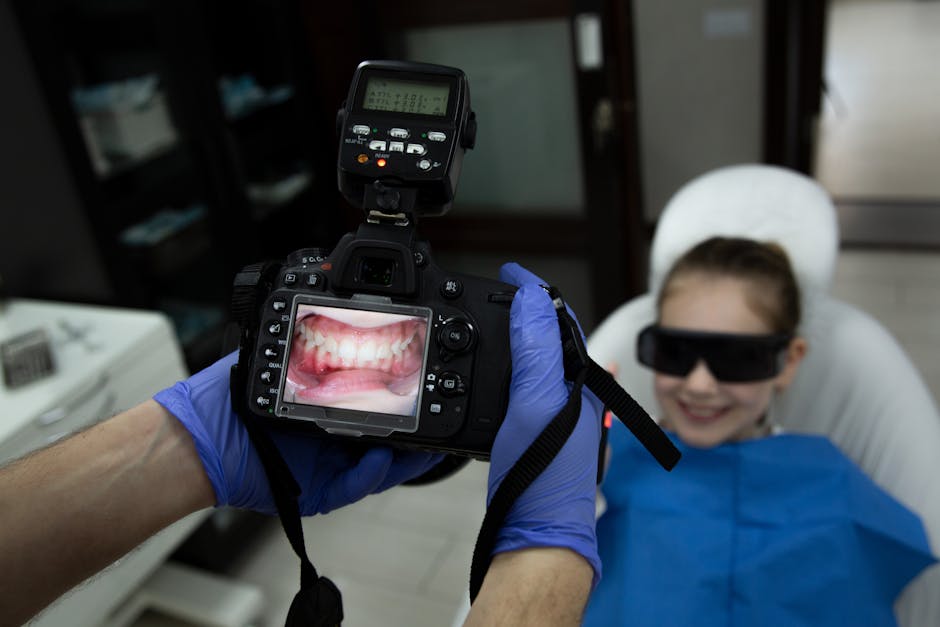
At Istanbul Dental Academy, our hands-on approach to continuing dental education emphasizes building repeatable clinical workflows: from posterior stabilization decisions to digital smile design records, and from adhesive strategies to finishing and maintenance. AI cases highlight why comprehensive documentation (including dental photography), digital planning, and meticulous isolation are not optional extras—but foundational tools for consistent outcomes.
Conclusion
Amelogenesis imperfecta is strongly linked to tooth sensitivity because enamel defects reduce the natural barrier protecting dentin and increase wear-related exposure. For dental professionals, effective management relies on accurate diagnosis, controlling contributing factors (occlusion, caries risk, gingival inflammation), and planning restorations that protect tooth structure while respecting the bonding challenges of atypical enamel.
This content is for educational purposes. Patients with suspected AI or persistent sensitivity should be evaluated by a dental professional for individualized diagnosis and treatment planning.
Diğer Yazılar