
BLOG
Long-Term Success in Posterior Composite Restorations: Clinical Strategies and Training Insights
Blog Tarihi: 15/09/2026
Why “Long-Term Success” Matters in Posterior Composite Dentistry
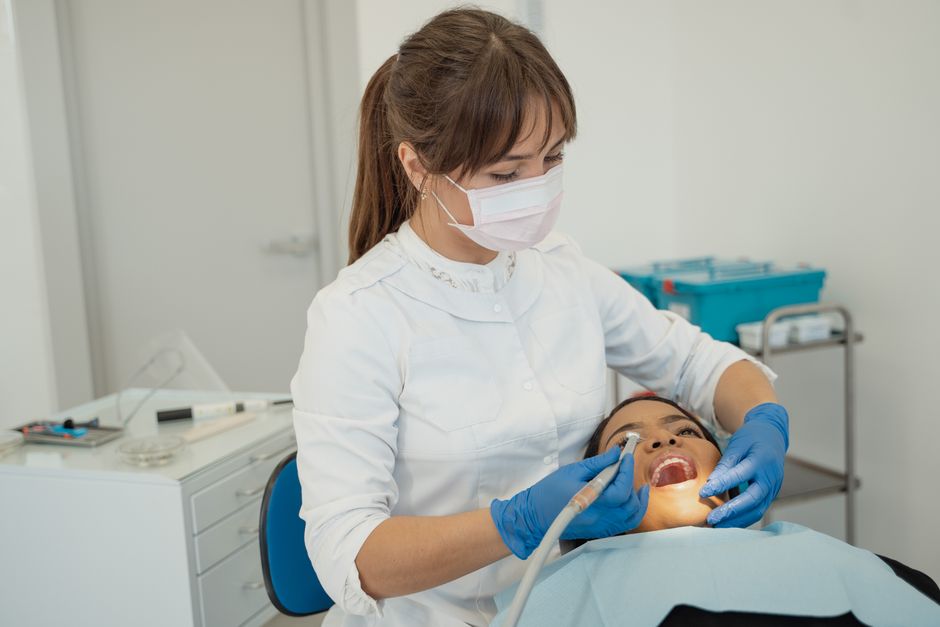
Posterior composite restorations are now a routine solution for restoring occlusal function and aesthetics in premolars and molars. Yet the phrase “long-term success” is more than a desirable outcome—it reflects how well a clinician manages a chain of decisions: diagnosis, material selection, isolation, adhesion, layering, occlusion, and maintenance. In busy practices, small inconsistencies at any step can accumulate into failures such as marginal staining, postoperative sensitivity, fracture, secondary caries, or occlusal wear.
At Istanbul Dental Academy, we view posterior composite longevity as a teachable, repeatable clinical workflow. Whether you are a dental student strengthening fundamentals or a practicing dentist refining technique through continuing education, mastering posterior composites supports broader restorative competence—including indirect restorations, digital workflows, and implant prosthetics. This content is for educational purposes and is not a substitute for individual clinical judgment or patient-specific assessment.
Common Reasons Posterior Composites Fail Over Time
Posterior composite failures are rarely due to a single “bad material.” More often, they result from predictable clinical risk factors. Understanding these patterns helps clinicians prevent failures proactively.
1) Moisture contamination and compromised bonding
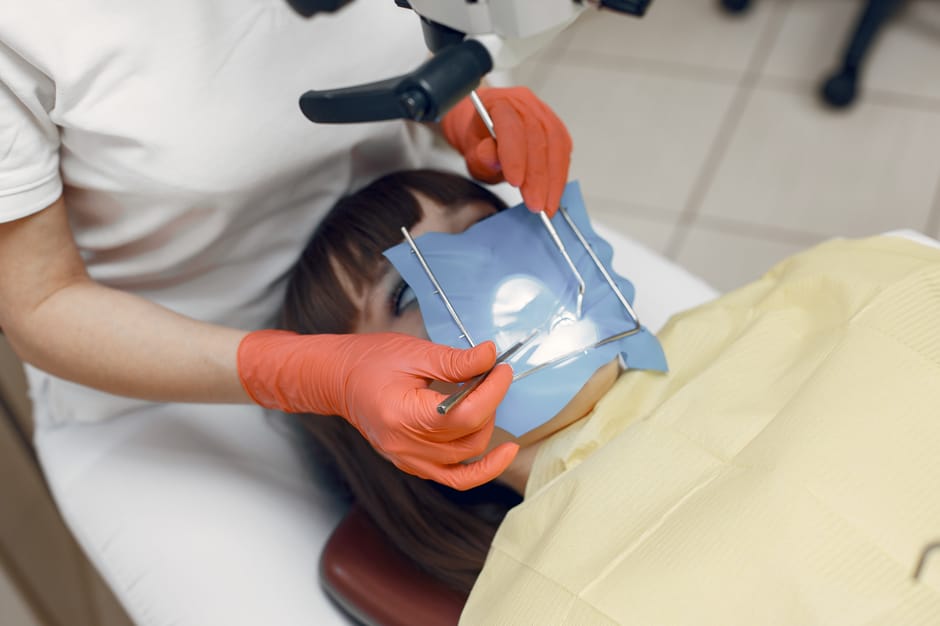
Successful adhesion depends on controlling saliva, crevicular fluid, and blood. Even brief contamination can reduce bond strength, contribute to marginal leakage, and increase sensitivity. Rubber dam isolation remains a gold standard for many posterior cases, and when rubber dam is not feasible, clinicians should apply robust alternative isolation strategies and re-evaluate whether a direct composite is the best option.
2) Inadequate cavity design and caries management
Modern adhesive dentistry supports minimally invasive preparations, but “conservative” should still be biologically and mechanically sound. Unsupported enamel, insufficient caries removal, and inadequate access for matrix placement can compromise contact, contour, and margins—setting the stage for plaque retention and secondary caries.
3) Polymerisation stress and incremental technique issues
Polymerisation shrinkage stress can contribute to gap formation and cuspal deflection, especially in high C-factor cavities. Incremental layering, stress-reducing strategies, and appropriate curing protocols are essential, particularly in deep proximal boxes and wide occlusal restorations.
4) Occlusal overload and parafunction
Even an ideal restoration can fail under heavy functional or parafunctional loads. This is where restorative dentistry intersects with occlusion, temporomandibular considerations, and sleep medicine screening. If a patient’s history suggests bruxism or related sleep-disordered breathing risk, it may be helpful to integrate a broader dental evaluation approach, as discussed in snoring and sleep apnea screening in dentistry.
Case Selection: Choosing the Right Indication for a Direct Posterior Composite
Posterior composites perform well when the indication matches the clinical situation. Thoughtful case selection is an “invisible step” behind long-term success.
Assessing cavity size, cuspal coverage needs, and remaining tooth structure
Moderate Class I and Class II lesions can be excellent candidates for direct composite. However, when cusps are undermined, when the isthmus is wide, or when cracks are present, indirect restorations or cusp coverage strategies may better distribute stresses. A direct composite may still be appropriate in select cases, but clinicians should evaluate risk and patient expectations.
Periodontal and soft-tissue considerations
Gingival inflammation around proximal boxes is a practical barrier to clean margins and dry isolation. Bleeding on probing and tissue fragility can complicate adhesive steps, especially near the cemento-enamel junction. When patients present with acute gingival pain or ulceration, clinicians should first consider periodontal diagnosis and stabilisation; for example, the differential and clinical considerations described in a clinical perspective on necrotizing gingivitis highlight how soft-tissue status can affect restorative planning.
Patient-level risk factors
Caries risk, dietary habits, salivary flow, and systemic conditions influence restoration longevity. For patients with systemic conditions that affect healing and infection susceptibility, restorative planning may connect to broader treatment pathways. In implant dentistry, for example, clinicians often evaluate systemic conditions carefully; similar risk awareness supports restorative success. If you are also involved in implant planning, you may find it helpful to review clinical considerations for dental implants in patients with diabetes, which reinforces how systemic health can influence dental outcomes and follow-up protocols.
Step-by-Step Clinical Factors That Support Longevity
Posterior composite success can be improved by standardising each stage of the procedure. The following checklist-style principles are commonly emphasised in hands-on restorative training.
Isolation: making bonding predictable
Rubber dam isolation improves moisture control, visibility, and safety. It also supports consistent adhesive performance—especially in deep proximal areas. When rubber dam placement is challenging (partially erupted molars, subgingival margins, limited mouth opening), clinicians may need adjunctive tools such as retraction, alternative clamps, or staged approaches. The practical goal is not “rubber dam at all costs,” but rather “predictable isolation for predictable adhesion.”
Matrix selection and contact quality
Posterior composites are often judged by their proximal contacts and emergence profile. Sectional matrix systems can help create tight contacts and anatomically correct contours. However, technique matters: wedge selection, ring placement, and adaptation at the gingival margin are all critical. Poor contacts can lead to food impaction, periodontal irritation, and recurrent caries—common causes of replacement.
Adhesive protocol and substrate management
Dentin bonding is technique-sensitive. Whether using etch-and-rinse, self-etch, or selective enamel etch approaches, clinicians should follow manufacturer instructions, control dentin moisture appropriately, and avoid pooling of adhesive. Attention to sclerotic dentin, caries-affected dentin, and deep cavity conditions can help reduce postoperative sensitivity. Using a liner or base may be considered in specific deep areas, but it should be part of a coherent bonding strategy—not a substitute for isolation and correct adhesive steps.
Layering, curing, and managing polymerisation stress
Incremental placement helps control shrinkage stress and improves curing depth. Clinicians should consider:
- Increment thickness aligned with the composite’s curing recommendations
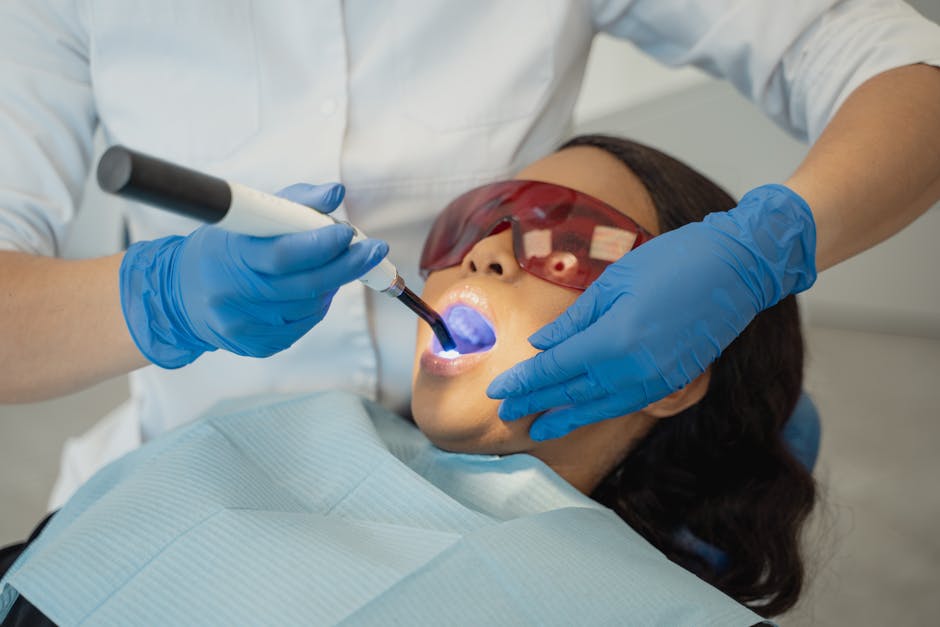
- Light intensity, tip position, and curing time
- Strategic layering to rebuild proximal walls first (when appropriate) and then anatomy
Occlusal anatomy: function-first morphology
Recreating posterior anatomy is not only an aesthetic goal; it supports functional loading. Overbuilt marginal ridges or high spots may cause discomfort, microfracture, and accelerated wear. Conversely, under-contoured anatomy can affect chewing efficiency and promote food stagnation. Finishing occlusion in maximum intercuspation and during excursions (where relevant) helps reduce the risk of chipping and cusp strain over time.
Finishing and polishing: margins that stay clean
Long-term aesthetics and periodontal response depend on smooth, well-adapted margins. Overhanging composite and rough proximal areas can increase plaque retention and gingival inflammation. A structured finishing sequence—occlusal adjustment, marginal refinement, interproximal finishing, and final polishing—supports both patient comfort and clinical longevity.
Integrating Digital Dentistry to Improve Predictability
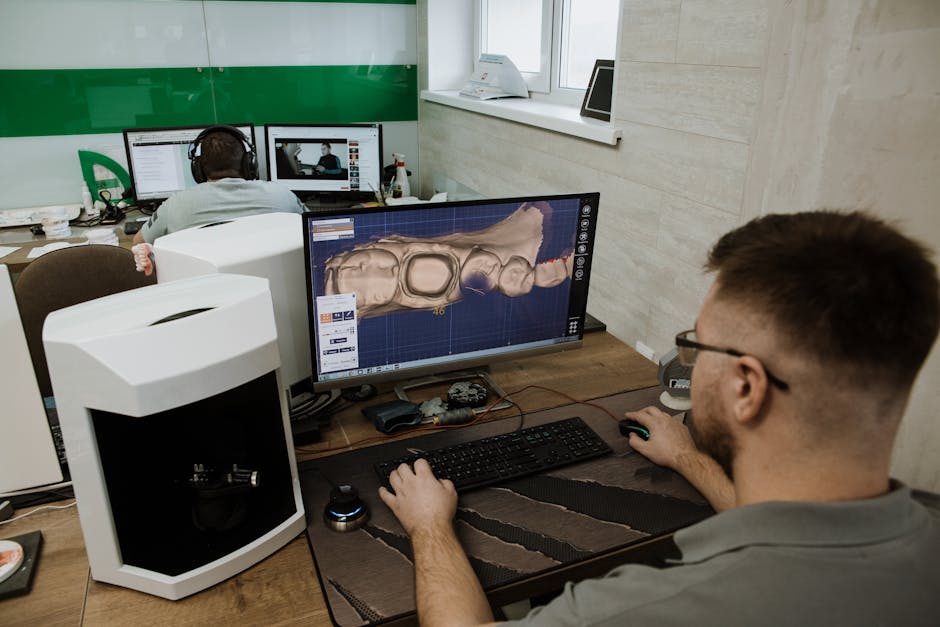
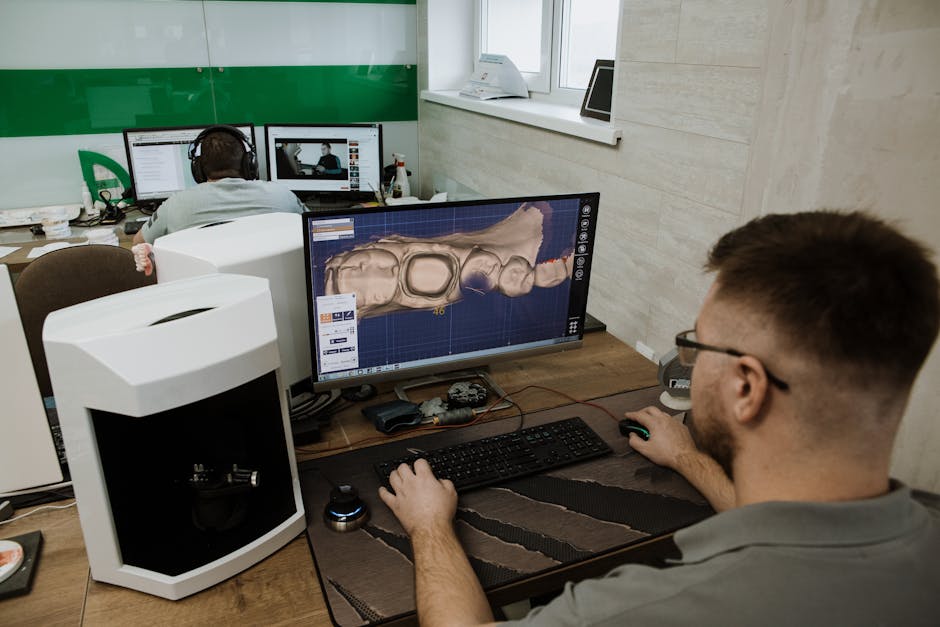
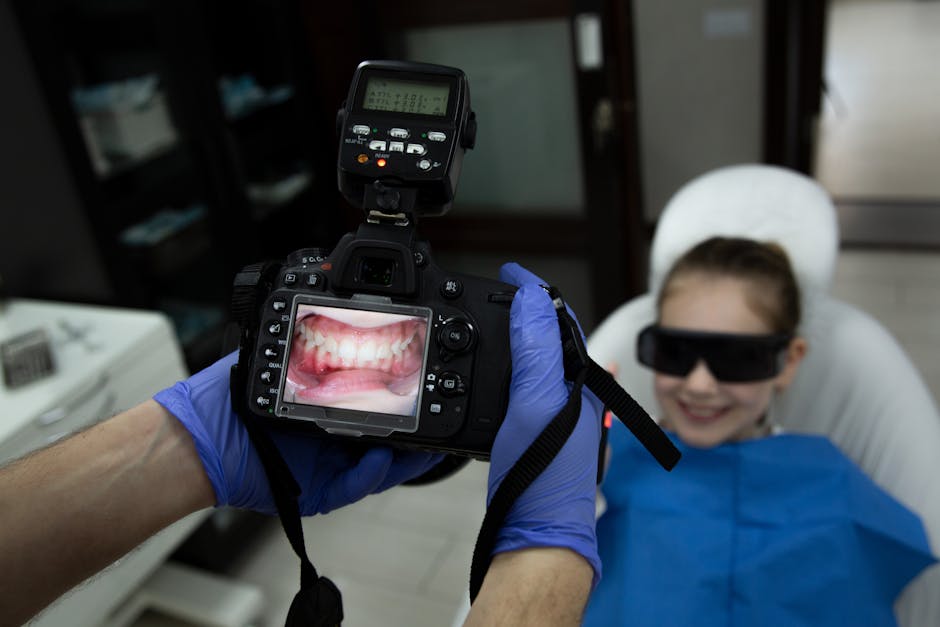
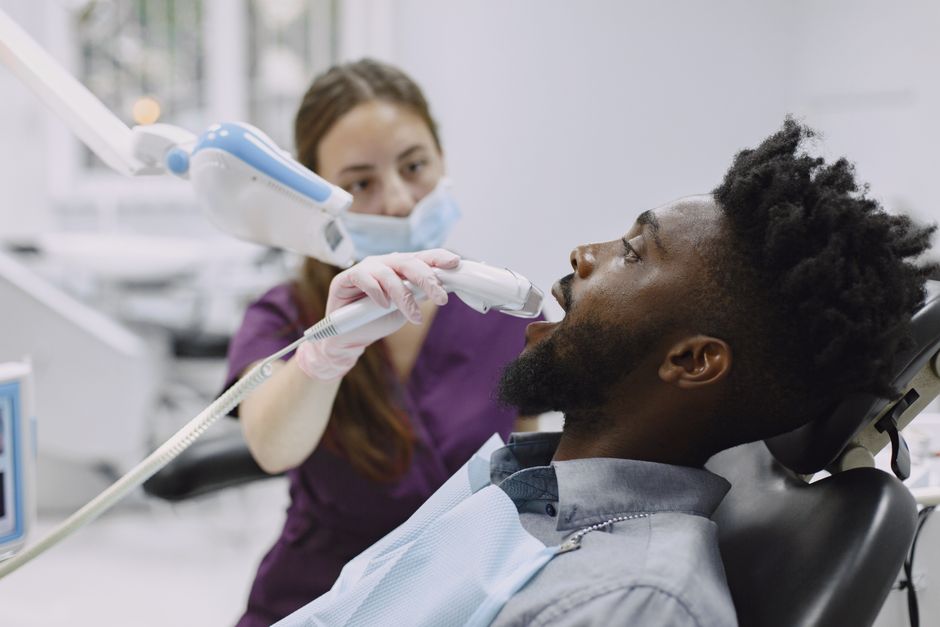
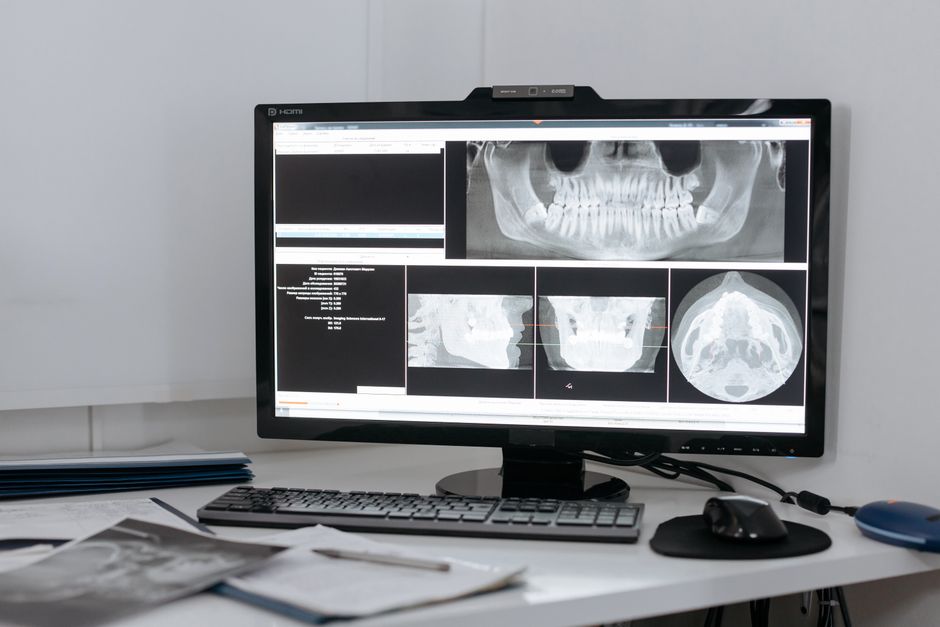
Digital dentistry is not limited to veneers and full-arch workflows. In posterior composites, digital tools can support diagnosis, documentation, and patient communication. High-quality intraoral scans, digital bite analysis (where available), and systematic photographic documentation can help clinicians assess wear patterns, occlusal schemes, and restoration integrity over time.
Digital planning principles also reinforce restorative thinking across disciplines. For example, the structured workflow used in digital dentistry for laminate veneer planning demonstrates how digital records and design logic can improve predictability—an approach that can be adapted to posterior restorative documentation, occlusal evaluation, and case presentation.
Posterior Composites and the Bigger Treatment Plan: When Restorative Choices Connect to Implants
In comprehensive treatment planning, posterior composites may be part of a transitional phase before indirect restorations or implant therapy. For instance, restoring occlusal stability and eliminating caries can be essential before implant placement or prosthodontic rehabilitation. Additionally, occlusal risk management and hygiene coaching influence both restoration lifespan and long-term implant maintenance.

If you are coordinating restorative and implant pathways, it can be valuable to review how timing and case selection impact outcomes in immediate protocols—see same-day dental implants: advantages, limitations, and case selection. While implants are a different treatment modality, the underlying lesson is similar: success depends on indication, planning, and execution—not just the procedure itself.
Maintenance and Follow-Up: Extending Restoration Life in Real Practice
Longevity is not solely created chairside on the day of placement. Recall strategies and patient-level prevention contribute significantly to the clinical lifespan of posterior composites.
Professional monitoring
Periodic evaluation should include marginal integrity, proximal contact status, occlusal wear, and signs of crack propagation. Bitewing radiographs (when indicated) help monitor proximal margins and secondary caries risk. When early issues are detected, conservative refinishing or repair may be considered in appropriate cases rather than full replacement.
Patient education
Dietary counselling, caries risk control, and parafunction awareness can reduce restorative complications. For patients with suspected bruxism, clinicians may consider protective strategies and interdisciplinary evaluation when appropriate, keeping the discussion patient-specific and evidence-informed.
How Hands-On Training Improves Posterior Composite Outcomes
Posterior composites are technique-sensitive, and clinicians often improve most quickly through structured feedback on real-world steps: rubber dam placement, matrix adaptation, contact creation, occlusal adjustment, and finishing protocols. At Istanbul Dental Academy, our continuing dental education approach prioritises practical skills that translate directly to daily clinic workflows—supported by clinical photography, digital documentation, and stepwise treatment planning.
For dental professionals, focused training can help standardise your protocol across different cavity types and patient risk profiles—so outcomes depend less on “case-by-case improvisation” and more on a consistent clinical system. This content is for educational purposes; clinicians should apply these principles within the context of individual patient needs, current evidence, and local regulations.
Key Takeaways for Long-Term Success
Long-term success in posterior composite restorations is achievable when clinicians align case selection, isolation, adhesion, occlusal management, and maintenance. The most durable restorations often come from the most repeatable workflows: control moisture, create predictable contacts, cure properly, finish meticulously, and monitor proactively. When these fundamentals are strengthened—especially through hands-on training—posterior composites can remain a reliable cornerstone of contemporary restorative dentistry.
Diğer Yazılar