
BLOG
How Is Advanced Gum Disease Treated? A Clinical Guide for Dental Professionals

Understanding advanced gum disease (advanced periodontitis)
In daily practice, “advanced gum disease” usually refers to advanced periodontitis: a chronic inflammatory condition associated with biofilm (dental plaque), dysbiosis, and a destructive host response. Clinically, it may present with deep periodontal pockets, bleeding on probing, recession, suppuration, pathologic tooth migration, furcation involvement, and radiographic bone loss. The consequences extend beyond tooth support—advanced periodontitis can complicate restorative dentistry, aesthetics, and implant planning.
This article is for educational purposes and is written for dentists, dental students, and clinicians seeking continuing dental education. Treatment decisions should be individualised based on patient risk factors, clinical findings, and current guidelines.
Step 1: Comprehensive diagnosis and risk assessment
Full-mouth periodontal charting and baseline records
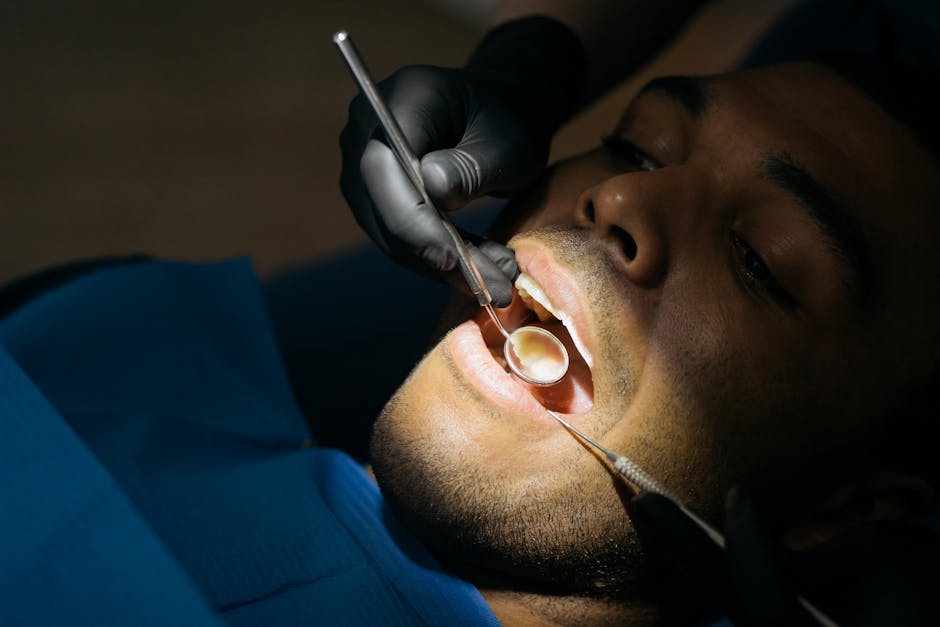
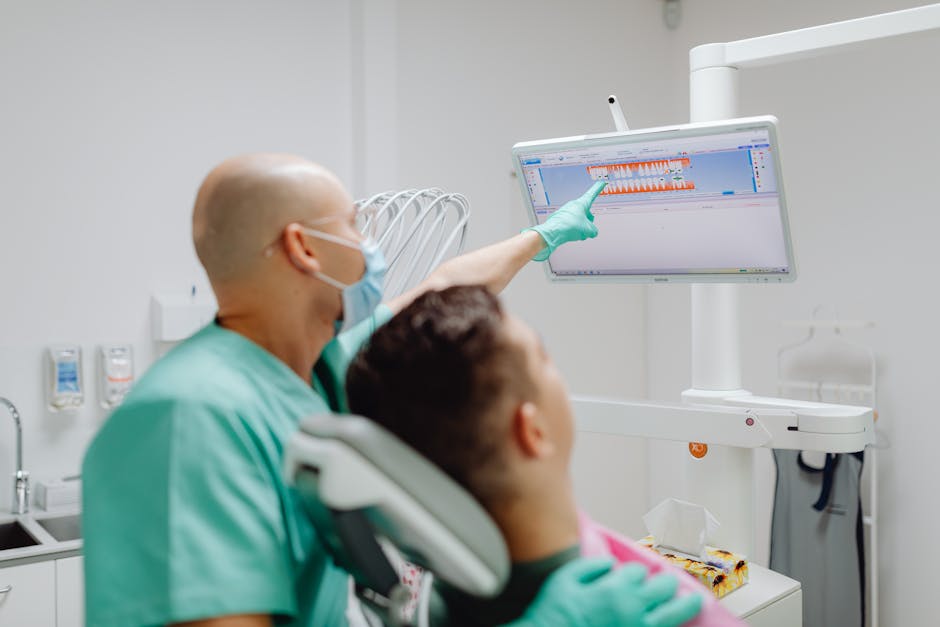
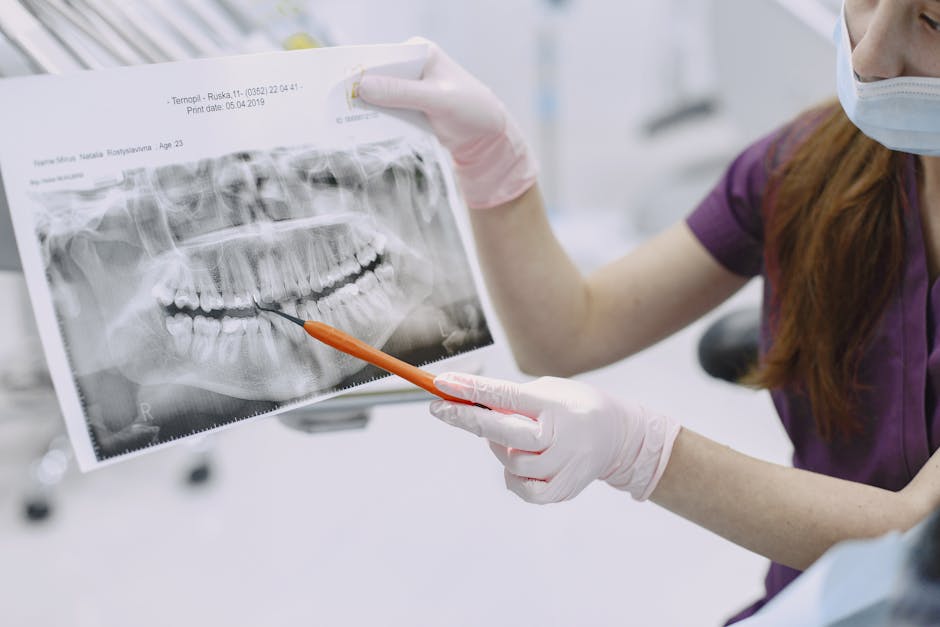
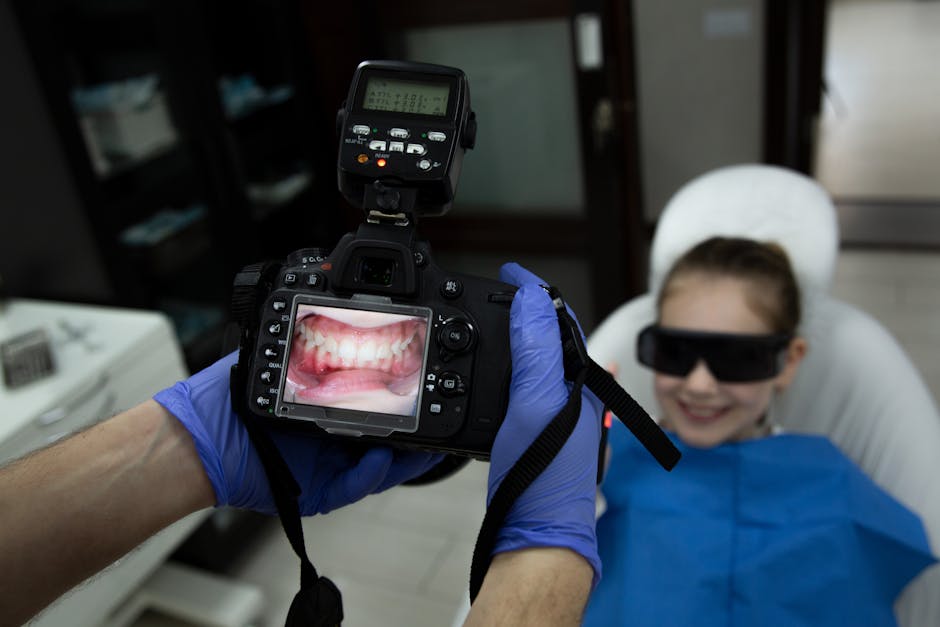
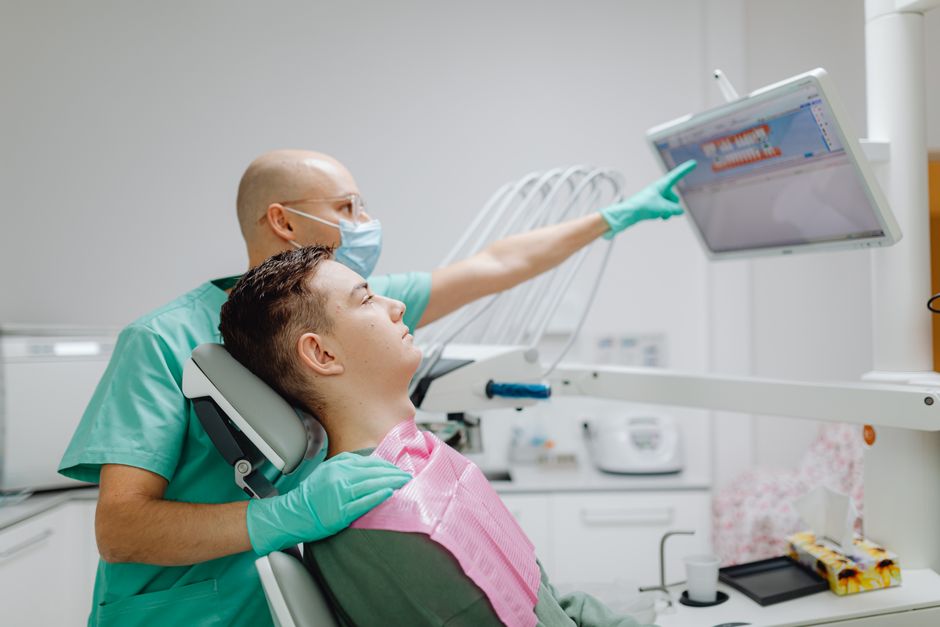
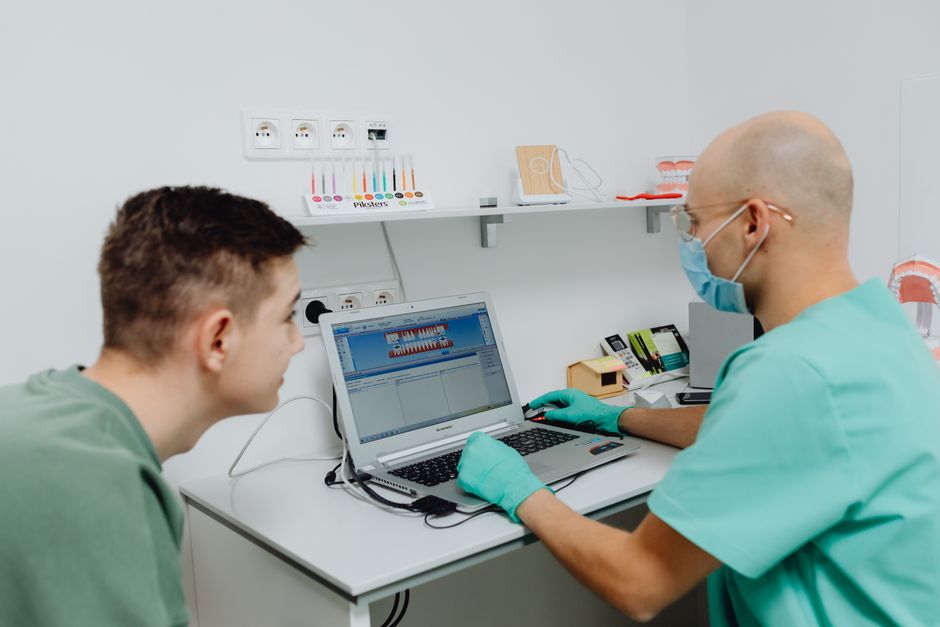
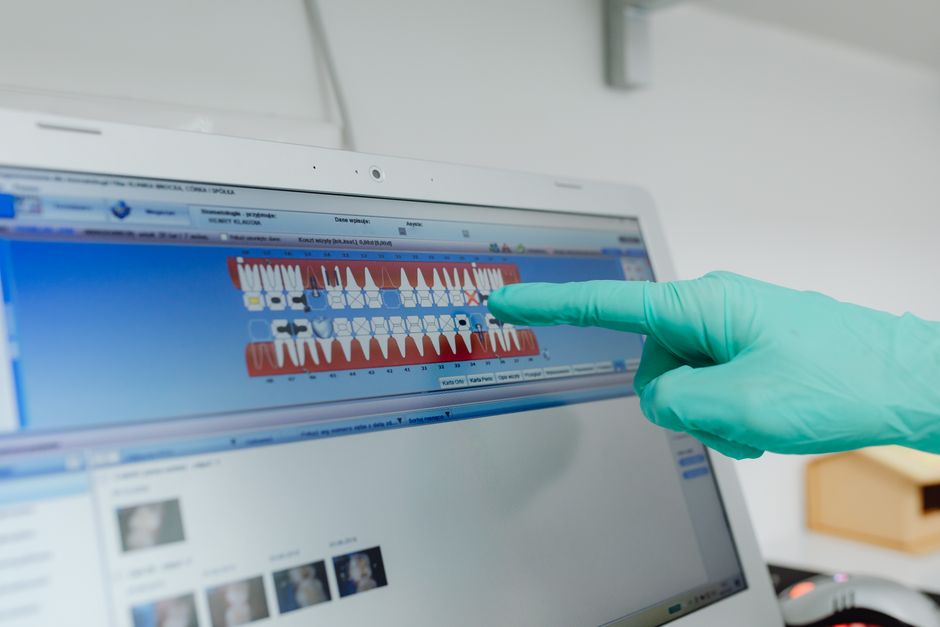
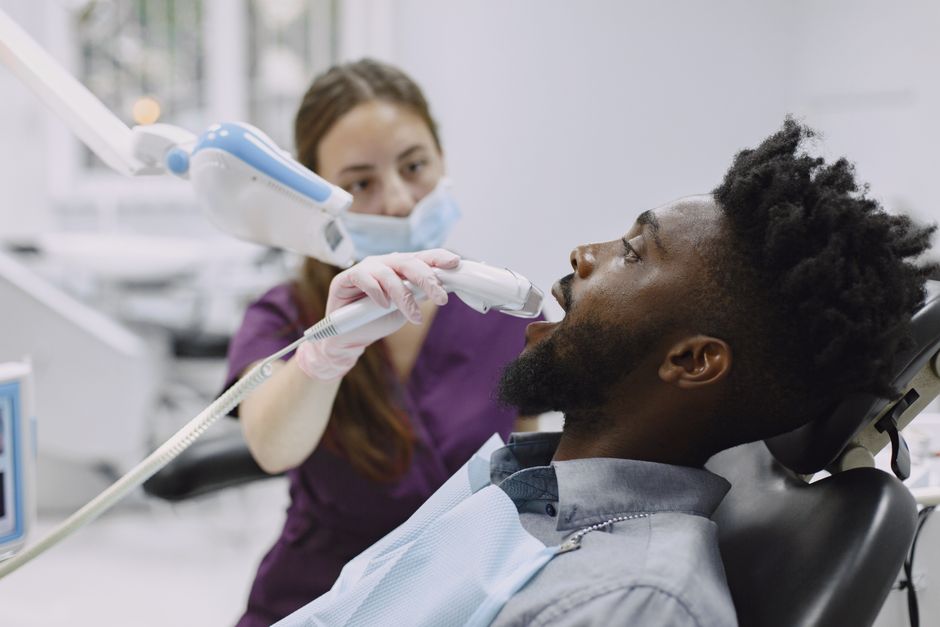
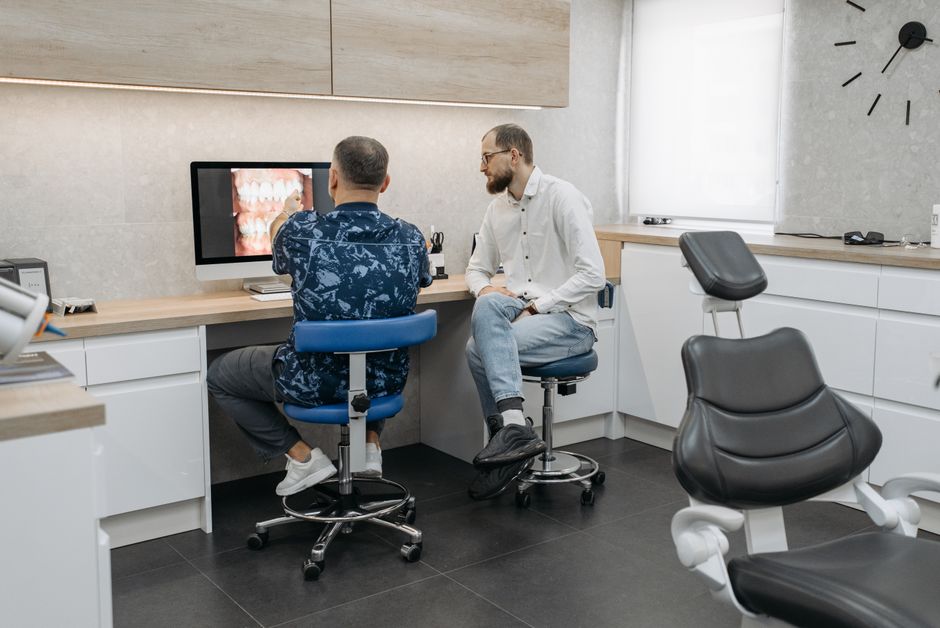
Before any definitive intervention, advanced cases benefit from meticulous baseline documentation. Full-mouth probing depths, clinical attachment levels, bleeding/suppuration, recession, mobility grading, furcation classification, and occlusal assessment are essential. Intraoral photography is particularly valuable for monitoring inflammation, recession patterns, and patient communication—especially when aesthetic concerns are present.
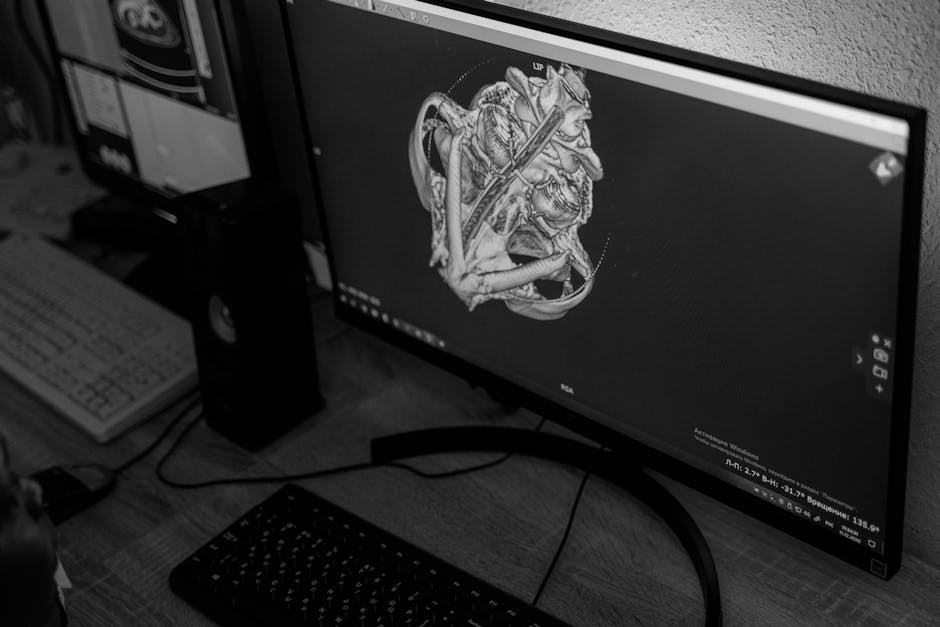
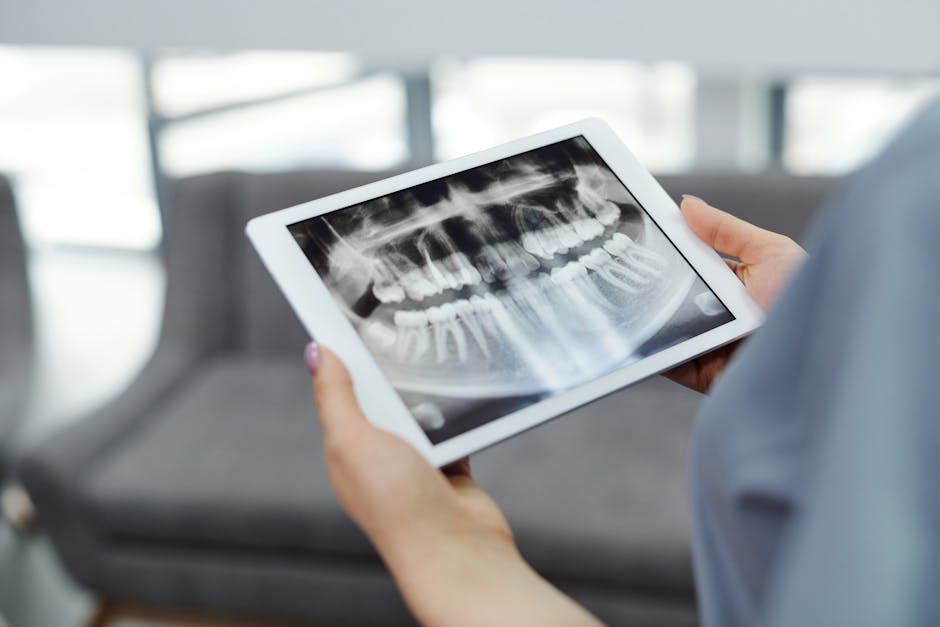
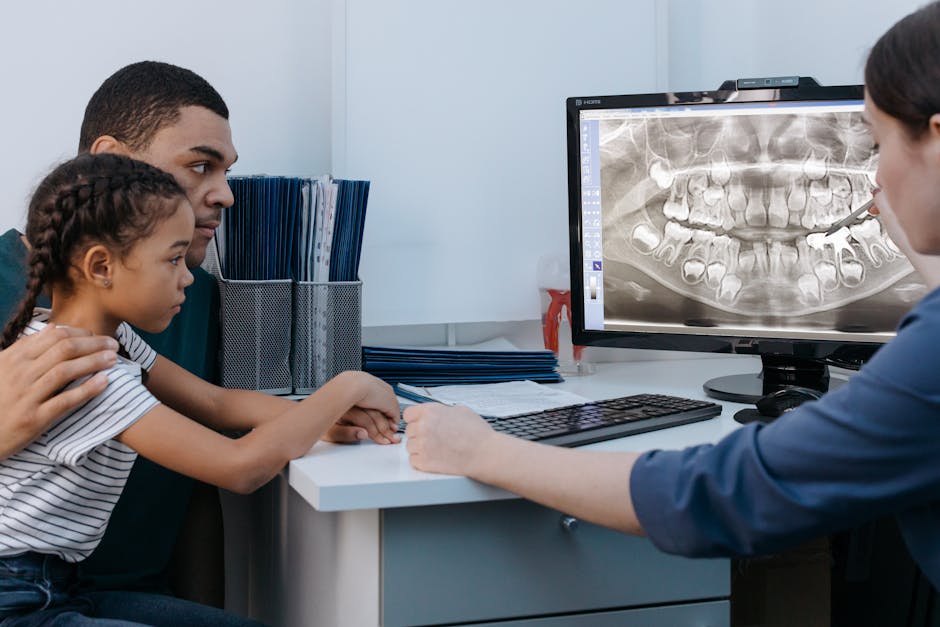
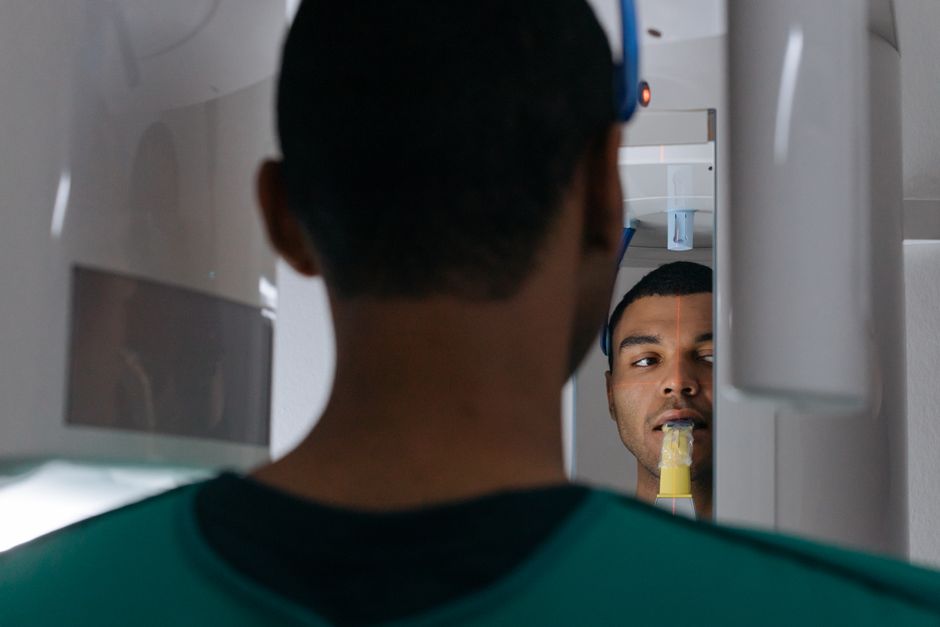
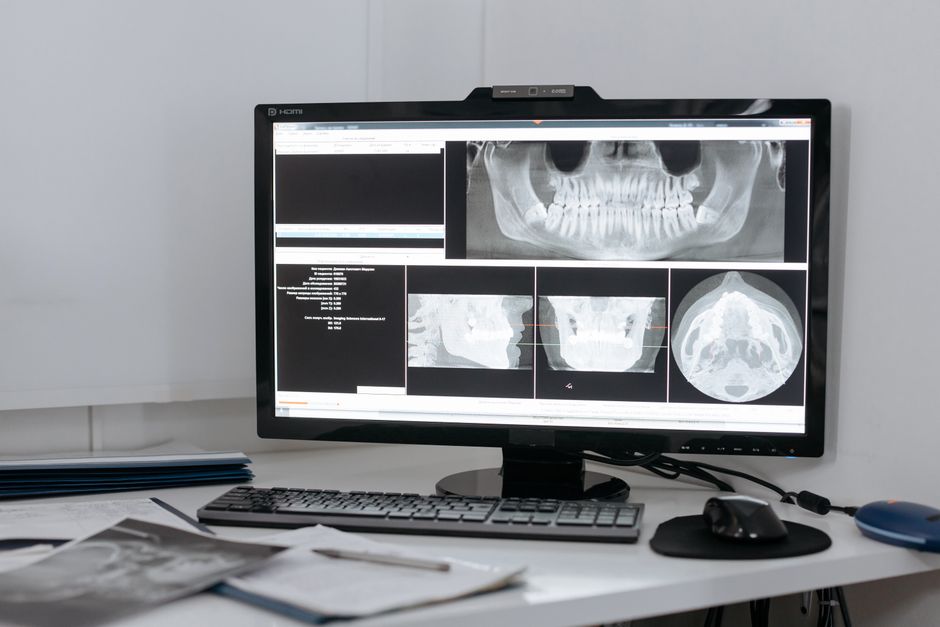
Radiographic evaluation (periapicals and/or bitewings; selected CBCT when indicated) helps assess bone morphology, furcation anatomy, vertical defects, and endodontic-periodontal considerations. If the case is multidisciplinary—such as when tooth migration affects appearance—consider how periodontal findings will influence the final restorative/aesthetic plan. For example, predictable anterior aesthetics may require staged periodontal stabilisation before composite bonding; see How to Achieve Natural Aesthetics in Anterior Composite Restorations for restorative considerations once periodontal health is controlled.
Identify modifiable and non-modifiable risk factors
Risk profiling improves outcomes and supports realistic prognoses. Key factors often include smoking, glycaemic control in diabetes, oral hygiene capability, history of periodontitis, parafunction/occlusal trauma, and iatrogenic plaque-retentive factors (overhangs, open contacts, bulky margins). In advanced disease, documenting these variables also guides maintenance intervals and the intensity of supportive care.
Step 2: Cause-related (initial) therapy—control inflammation first
Patient education and biofilm control
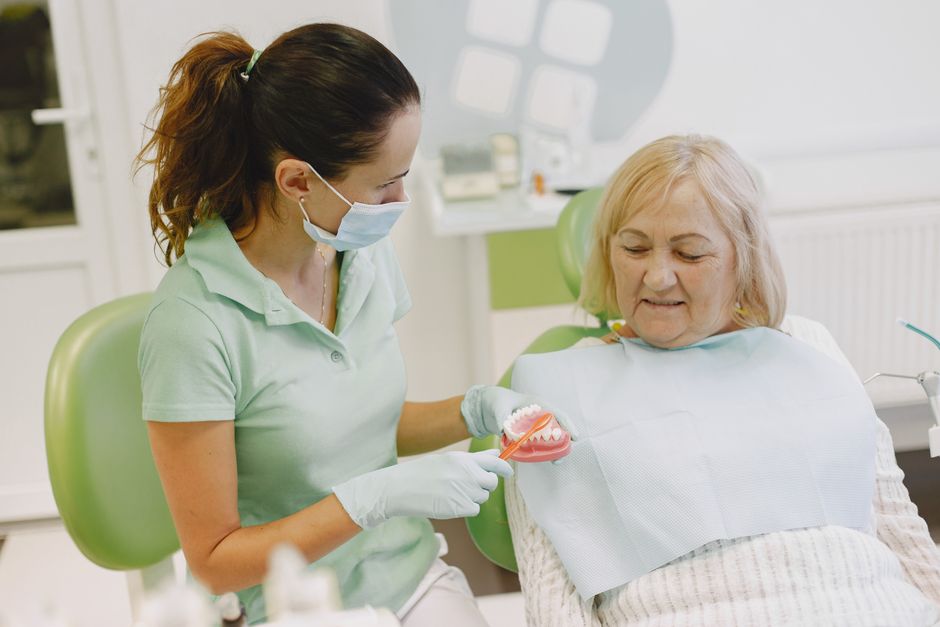
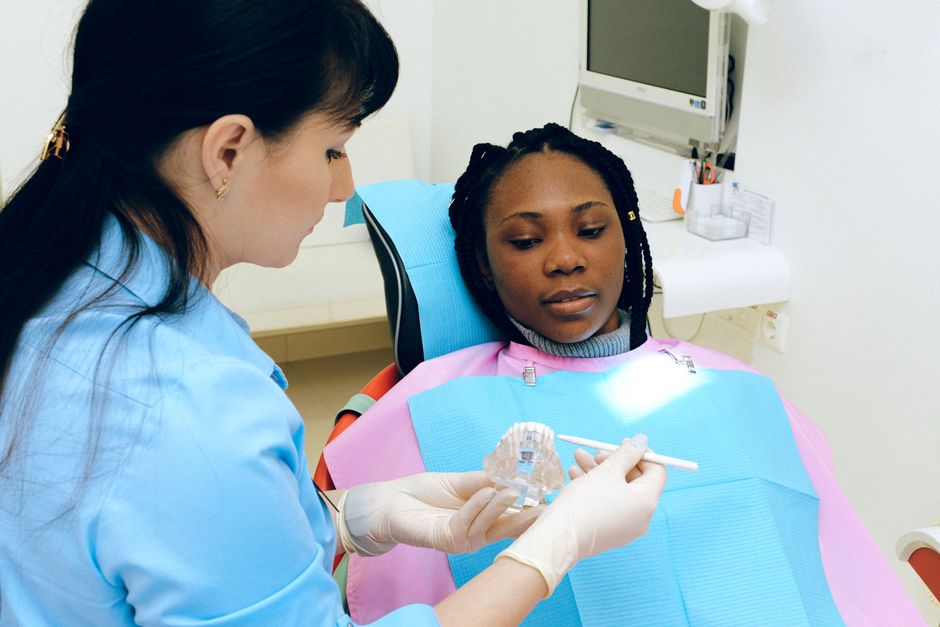
Non-surgical periodontal therapy begins with patient-centred education: demonstrating effective toothbrushing, interproximal cleaning methods, and managing barriers such as sensitivity or dexterity limitations. In advanced cases, clinicians often underestimate how strongly home-care determines long-term stability; investing time here can reduce the need for extensive surgery and improve predictability.
Professional debridement and non-surgical instrumentation
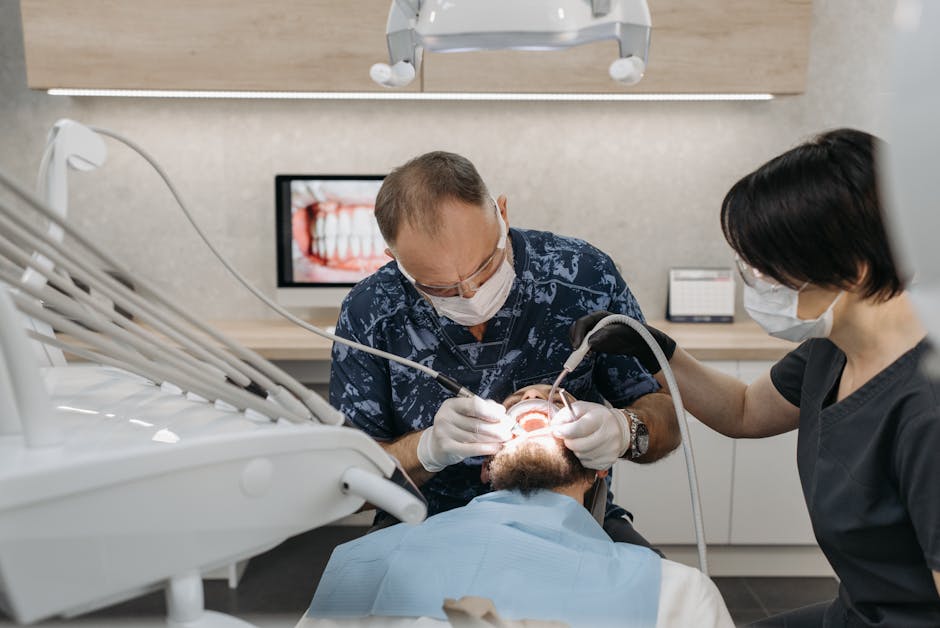
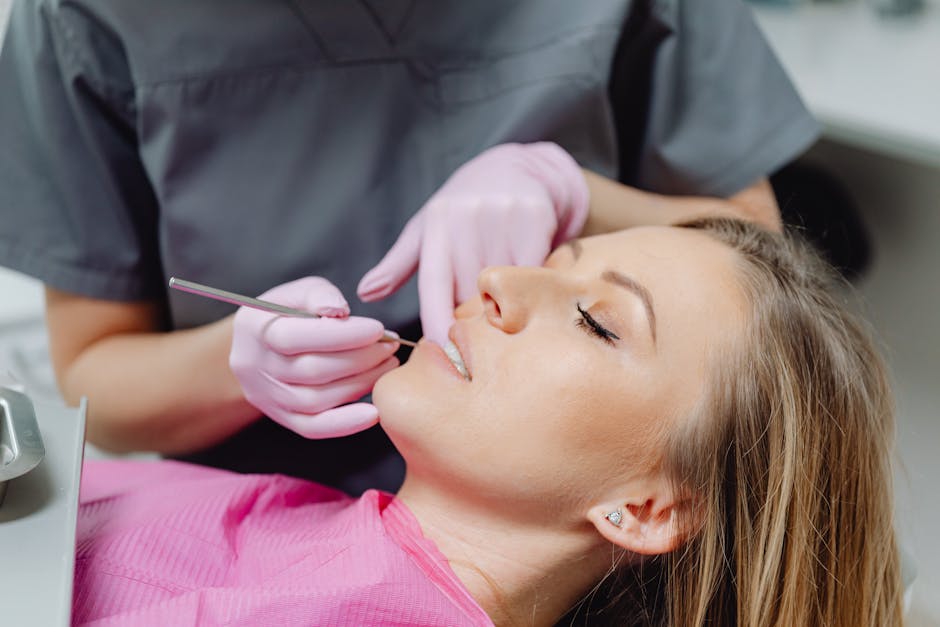
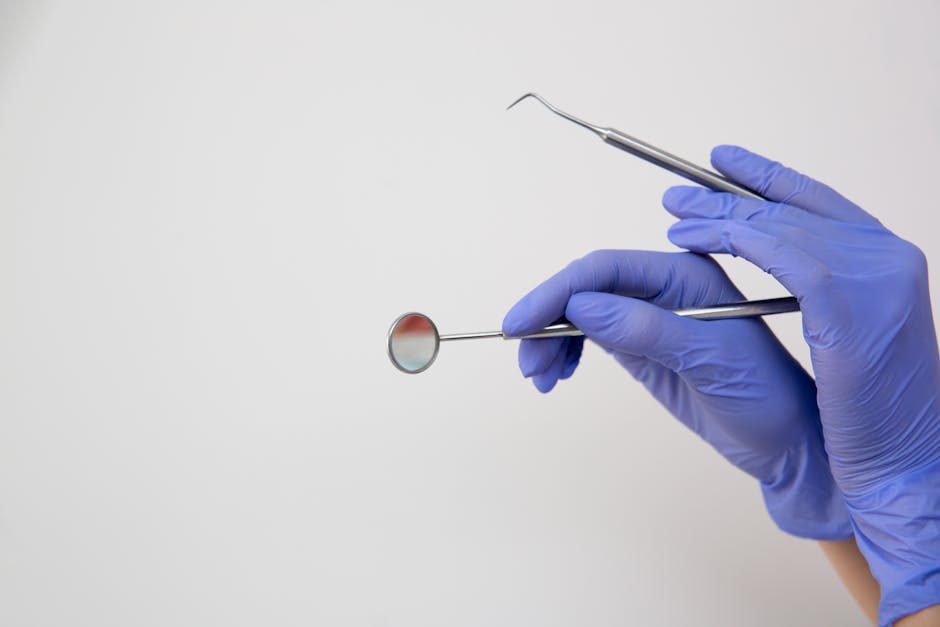
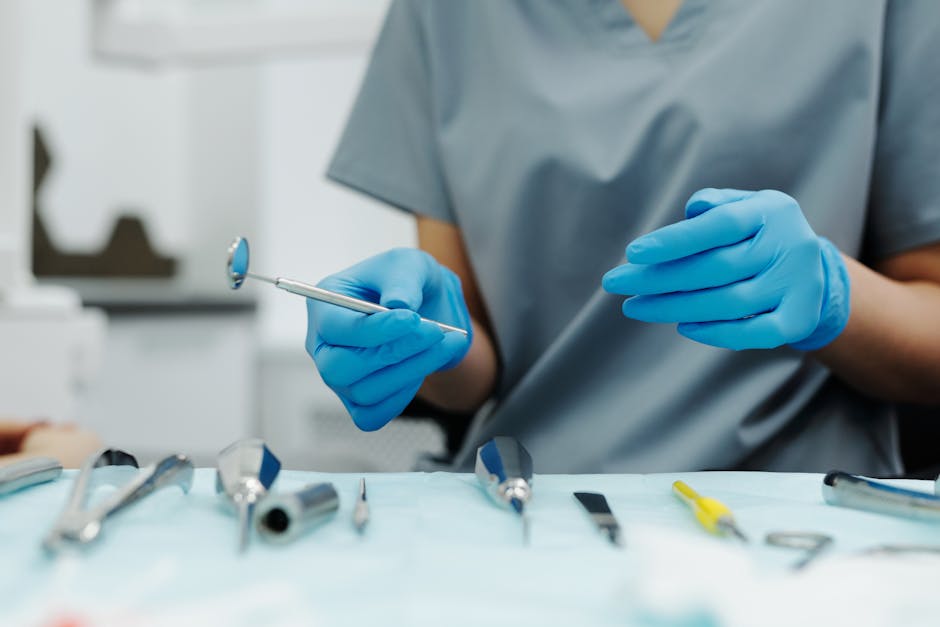
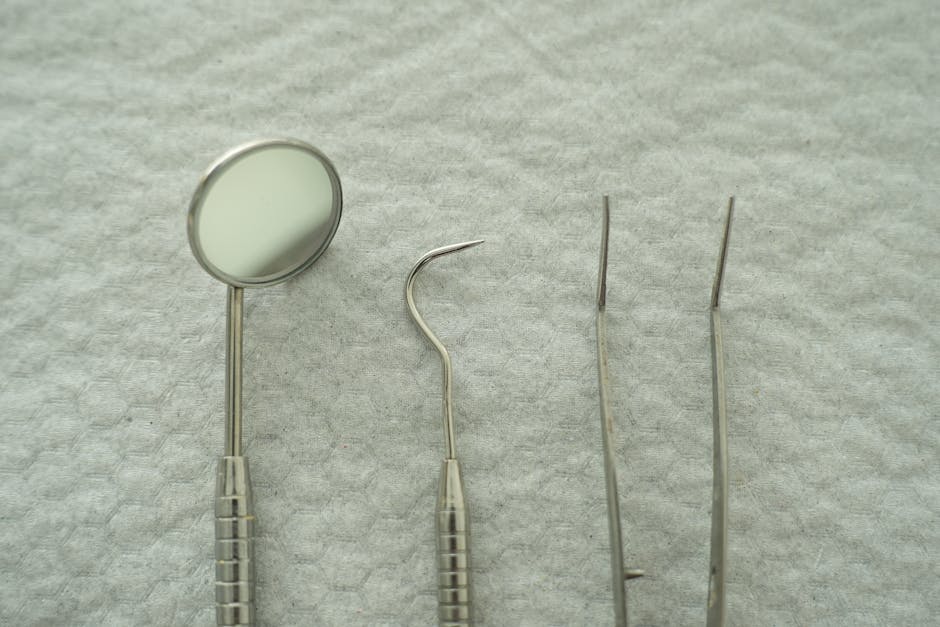
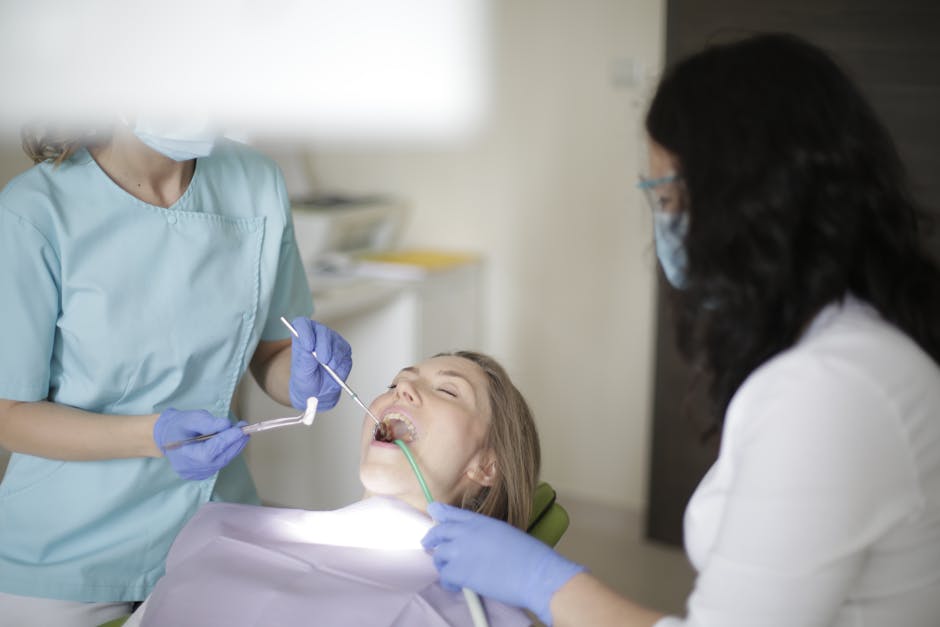
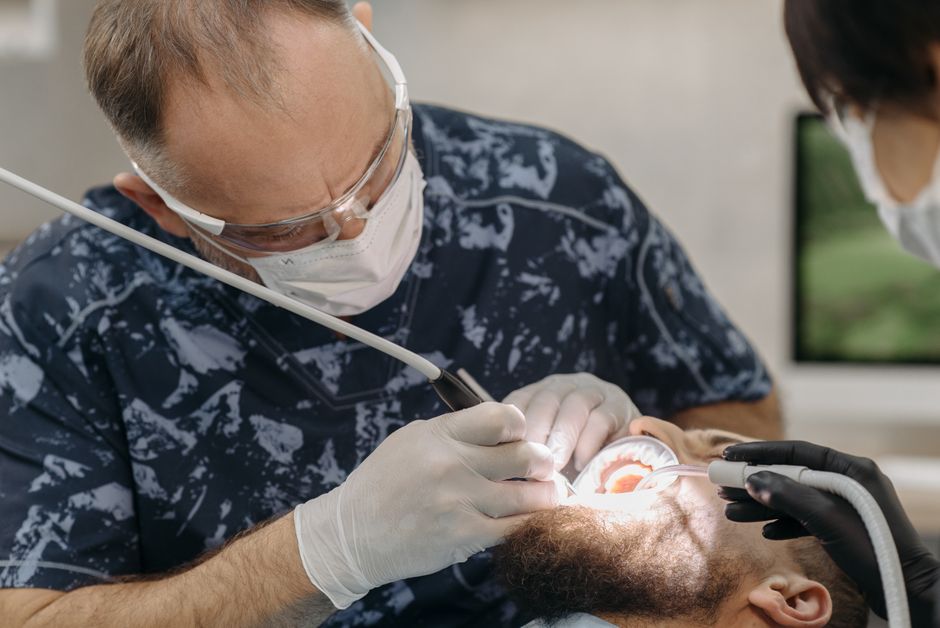
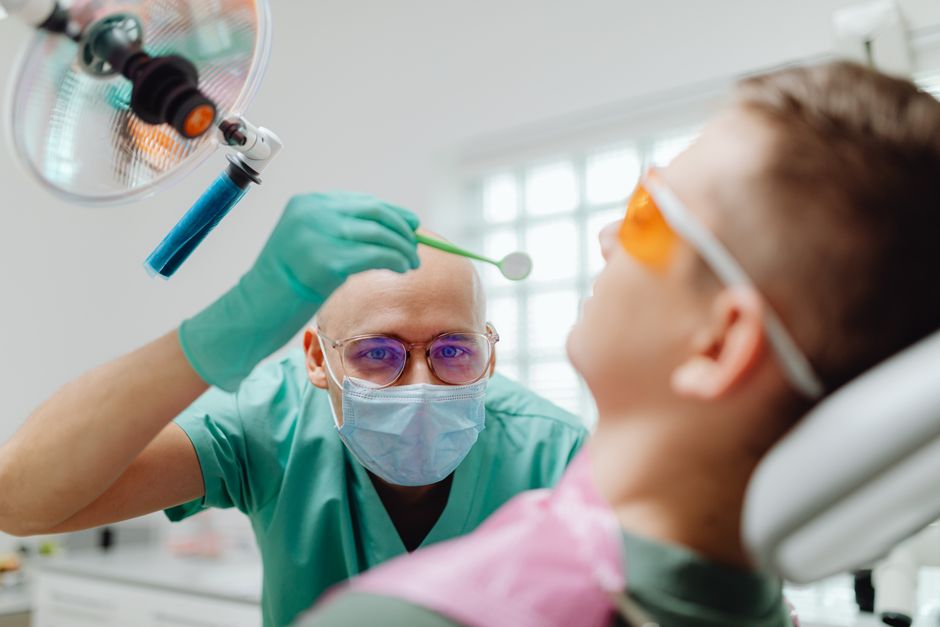
Thorough supra- and subgingival debridement (hand/ultrasonic instrumentation) aims to reduce bacterial load and resolve inflammation. Adjuncts may include local antimicrobials in selected sites, guided by clinical response and patient factors. Re-evaluation—typically several weeks after initial therapy—should assess pocket reduction, bleeding on probing, plaque control, and patient adherence.
Managing iatrogenic factors and restorative contributors
Advanced periodontitis frequently coexists with restorative issues that perpetuate inflammation: subgingival margins, overcontours, rough surfaces, and open contacts that trap plaque. In this phase, reshaping/finishing restorations, correcting overhangs, and rethinking margin design can be as important as instrumentation. Where aesthetics are a driver, digital planning can help align periodontal and restorative sequencing; Digital Smile Design for Predictable Aesthetic Outcomes can be helpful to visualise the end goal while maintaining biologic principles.
Step 3: Re-evaluation and staging the next phase
After initial therapy, the clinician should determine whether the case is stable (low bleeding, improved pocket depths, controlled plaque) or whether residual sites require further intervention. In advanced cases, typical “decision points” include:
• Persistent deep pockets (particularly with vertical defects or furcations)
• Recurrent inflammation due to biofilm control challenges or systemic risks
• Tooth prognosis concerns where extraction and replacement may be more predictable than attempting to maintain a compromised tooth
These decisions are not purely periodontal—they influence endodontic planning, occlusion, aesthetics, and future prosthodontic options.
Step 4: Periodontal surgical options in advanced disease
Access surgery and pocket reduction procedures
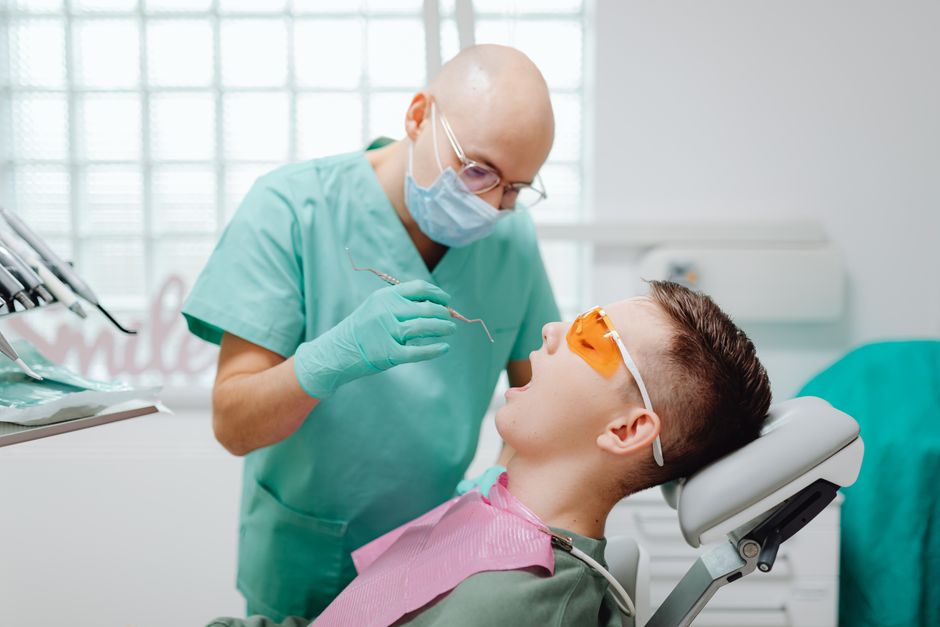
When non-surgical therapy leaves residual deep pockets, surgical access can facilitate thorough root debridement and improve periodontal architecture. Flap approaches can allow better visualization of root anatomy and facilitate pocket reduction, especially in areas with complex anatomy.
Regenerative therapy for intrabony defects and selected furcations
Regenerative procedures aim to restore lost periodontal support in appropriate defect morphologies. Case selection is crucial: defect depth, number of bony walls, patient compliance, and risk factors (e.g., smoking) influence predictability. In advanced periodontitis, regeneration may be part of a broader plan—preserving strategic abutment teeth, improving support before prosthetic work, or stabilising key areas for occlusal function.
Mucogingival and soft-tissue procedures
Recession, thin phenotype, and inadequate keratinized tissue can compromise comfort, plaque control, and aesthetics—particularly in the anterior zone. Soft-tissue grafting and phenotype modification may be indicated in selected cases, often timed after inflammation control. For clinicians coordinating cosmetic cases, understanding how periodontal phenotype affects veneer/crown outcomes is essential; for crown-based smile makeovers, the clinical trade-offs discussed in Hollywood Smile vs Zirconia Crowns: Clinical Differences and Case Selection become far more relevant when gingival margins are unstable.
Advanced periodontitis in multidisciplinary care
Endo-perio lesions and diagnosis pitfalls
Combined endodontic-periodontal lesions can mimic advanced periodontitis or accelerate breakdown. Pulp vitality testing, tracing sinus tracts, and radiographic interpretation are essential to avoid mis-sequencing treatment. In some cases, endodontic therapy may be required before periodontal healing can be accurately evaluated.
Restorative and prosthodontic sequencing after periodontal stability
Once periodontal inflammation is controlled, restorative dentistry can be planned more predictably. Key considerations include biologic width/attachment considerations, margin placement, emergence profile, contact design, and patient cleansability. In the anterior zone, minimally invasive composite or ceramic approaches can be chosen based on occlusal risk, remaining enamel, and gingival stability. Clinicians treating complex enamel conditions should also recognise how underlying tooth structure influences restorative choices and plaque retention; Amelogenesis Imperfecta: What It Is and How It Affects Teeth provides a useful overview when periodontal management intersects with developmental enamel defects.
Implant considerations in patients with a history of advanced periodontitis
When extraction is considered: planning for long-term stability
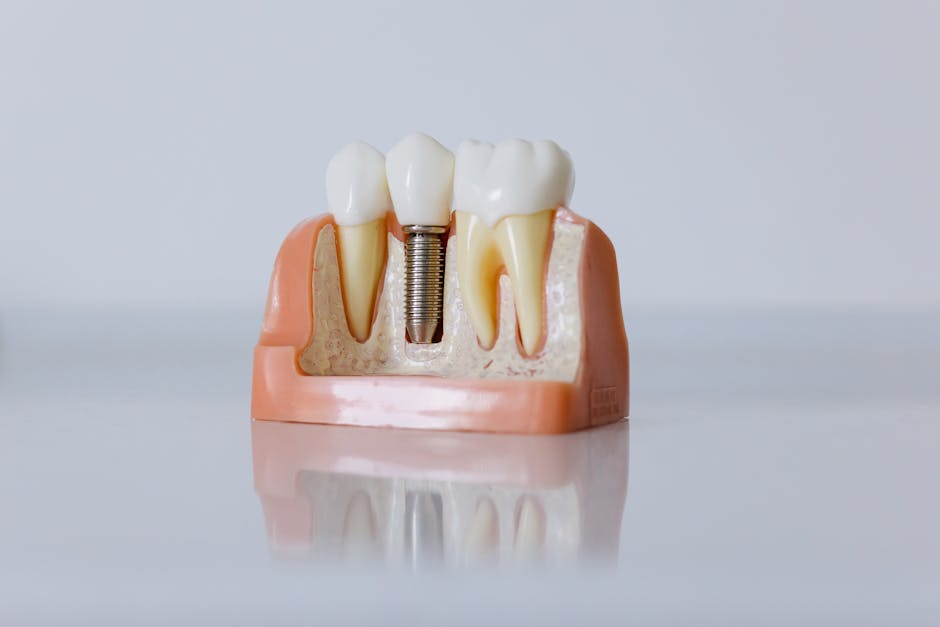
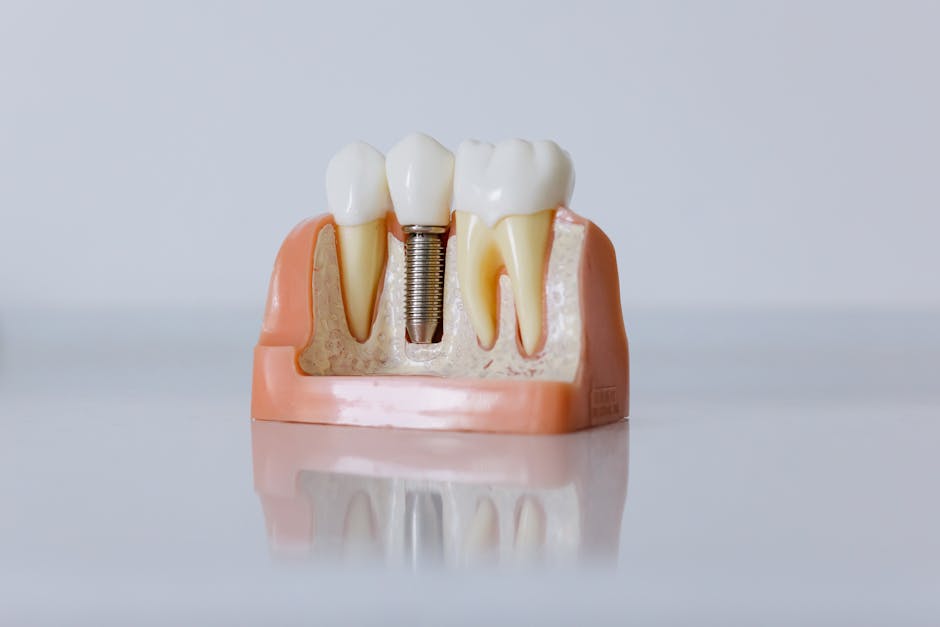
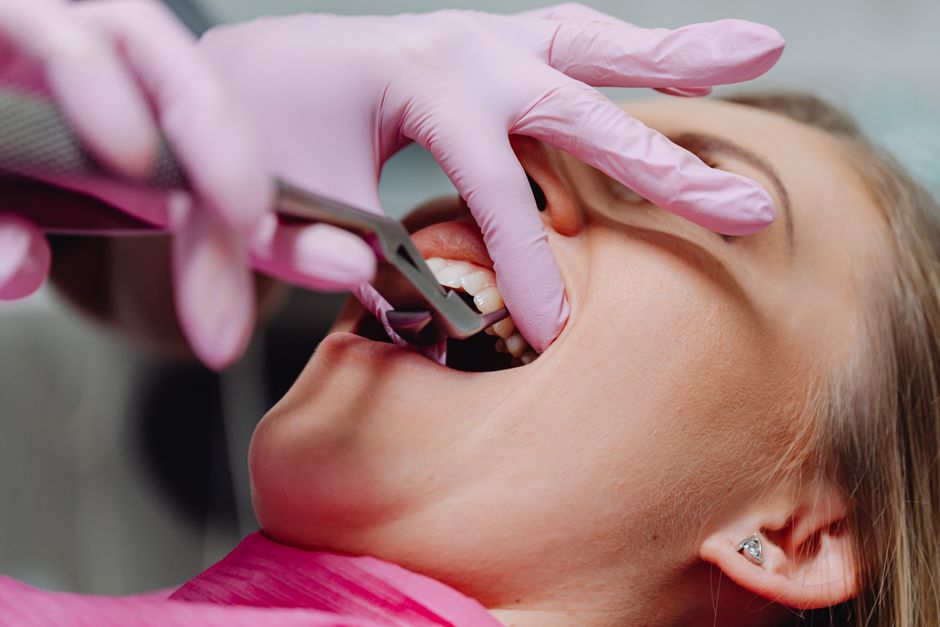
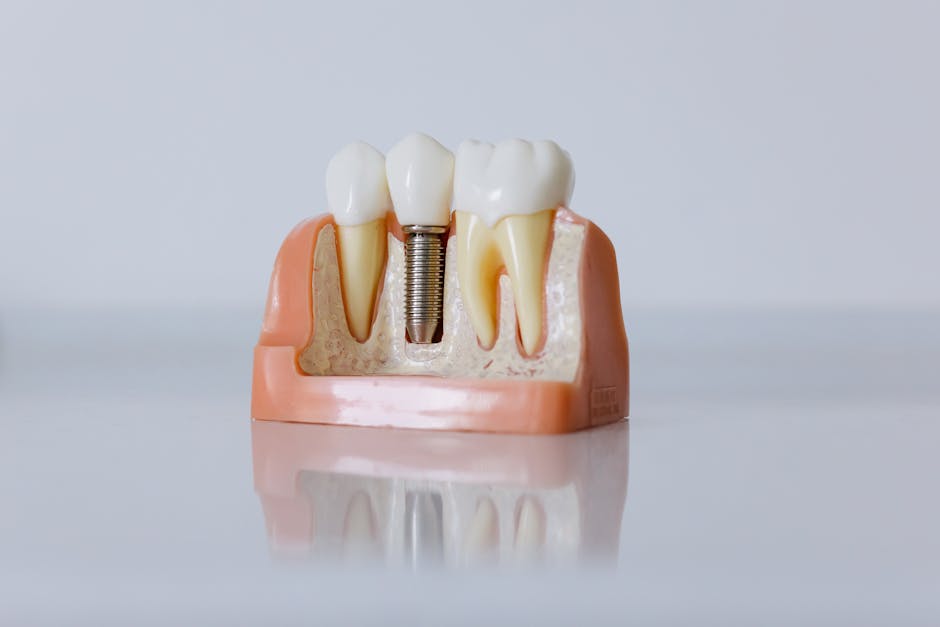
Some teeth affected by advanced periodontitis may have a poor prognosis due to severe attachment loss, advanced furcation involvement, or mobility that compromises function. If extraction is considered, implant planning should be approached cautiously: a history of periodontitis is a known risk indicator for peri-implant disease, making supportive care and risk control central to success.
Digital workflows and precision in implant prosthodontics
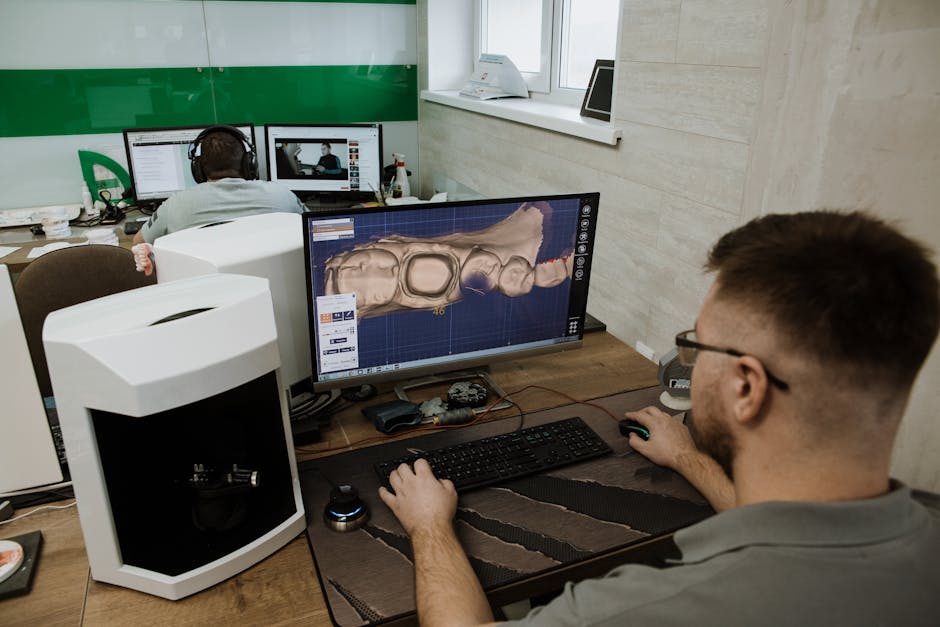
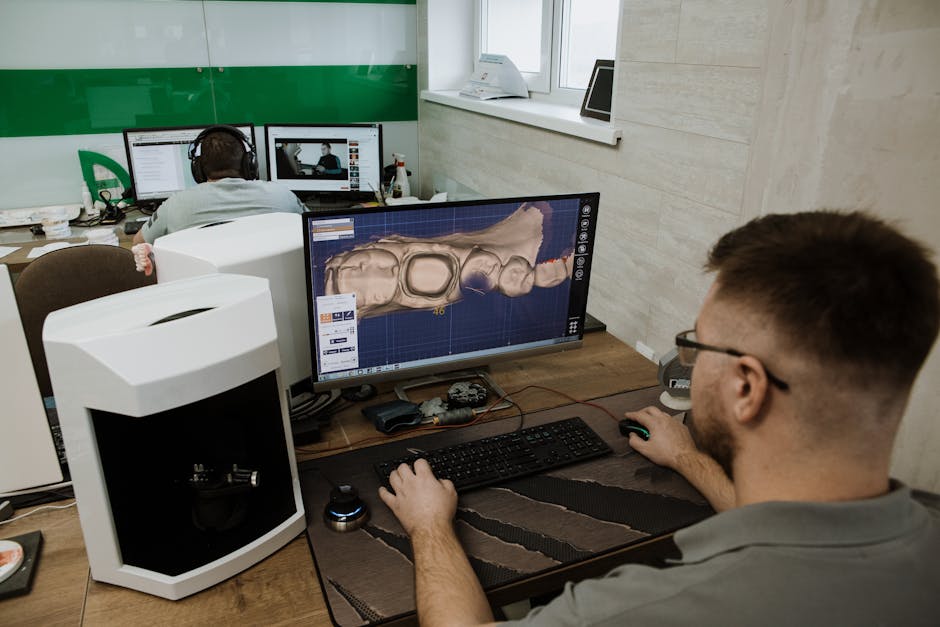
Modern implant dentistry increasingly relies on digital planning to optimise prosthetically driven implant placement, soft-tissue outcomes, and cleansable contours. For clinicians expanding their digital skillset, understanding scanning, CAD design, and guided protocols can improve predictability—especially in periodontally compromised patients where tissue management is challenging. Istanbul Dental Academy explores these topics in depth, and our clinical education frequently connects periodontal risk assessment with restorative/implant workflows, including the concepts discussed in The Role of CAD/CAM Technology in Modern Implant Dentistry.
Supportive periodontal therapy (maintenance): the real “advanced treatment”
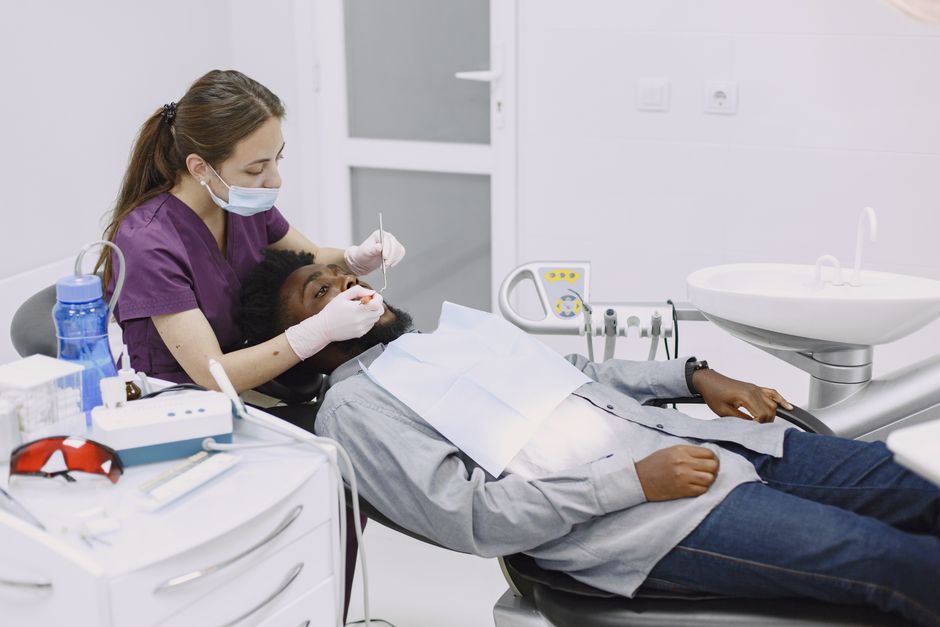
Advanced periodontitis is rarely “finished” after scaling or surgery. Long-term stability depends on supportive periodontal therapy (SPT): tailored recall intervals, professional biofilm disruption, reinforcement of home-care, and continuous monitoring of pocket depths and bleeding. Many relapses occur not because the initial treatment was inadequate, but because maintenance was inconsistent or risk factors were not controlled.
For dentists, building a maintenance protocol is both a clinical and a communication skill—explaining to patients that periodontal stability is maintained through ongoing care rather than a one-time procedure improves adherence and outcomes.
Clinical tips for better outcomes in advanced cases
1) Prioritise inflammation control before aesthetics
Patients may request rapid aesthetic improvements (e.g., closing black triangles, whitening, veneers). However, unstable gingival margins and active inflammation undermine aesthetics and longevity. A staged plan—periodontal stability first, restorative refinements second—reduces remakes and patient dissatisfaction.
2) Treat plaque-retentive contours as “periodontal irritants”
Contours, contacts, and emergence profiles should be evaluated through the lens of cleansability. Overcontoured crowns and bulky composite can perpetuate gingivitis even when pockets are improved.
3) Use photography and digital planning to align expectations
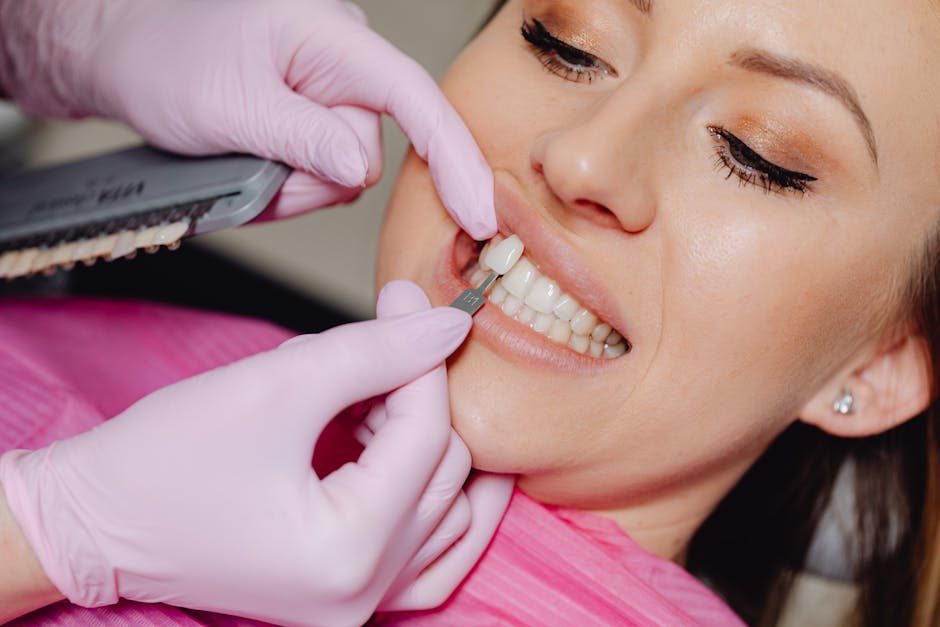
Photographs, wax-ups, and digital simulations support informed consent and clarify what periodontal therapy can (and cannot) deliver. This is particularly helpful when managing recession, papilla loss, or uneven gingival margins.
Learning advanced periodontal decision-making at Istanbul Dental Academy
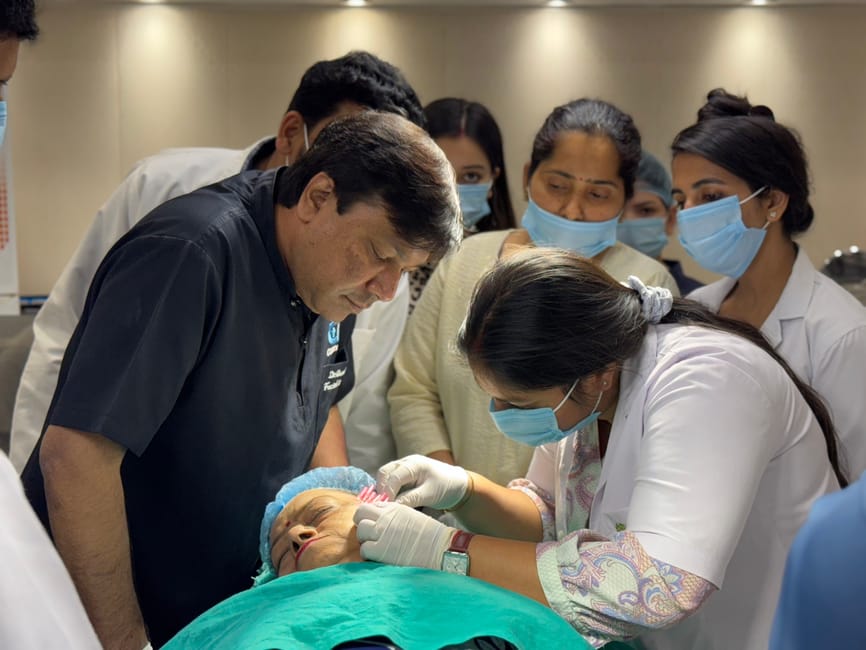
Advanced gum disease management sits at the intersection of periodontology, restorative dentistry, prosthodontics, oral surgery, and digital workflows. For clinicians aiming to strengthen their clinical decision-making, hands-on education can bridge the gap between theory and real patient scenarios—especially for flap design principles, suturing, non-surgical instrumentation strategies, and multidisciplinary planning.
At Istanbul Dental Academy, our continuing dental education approach emphasises practical protocols, case-based discussion, and modern digital integration—helping participants connect periodontal stability to predictable restorative and implant outcomes. Whether your focus is periodontal therapy, aesthetic rehabilitation, or implant dentistry, a structured learning pathway can make advanced cases more manageable and outcomes more consistent.
This content is for educational purposes and does not replace clinical training, diagnosis, or individualised treatment planning. Clinicians should follow current evidence-based guidelines and consider patient-specific factors.
Diğer Yazılar