
BLOG
How Long Does Smile Design Take—and How Long Does It Last?

Smile design: a timeline, not a single appointment
In daily practice, “smile design” is often used as a single umbrella term, but clinically it is better understood as a structured workflow that may include diagnostic records, periodontal evaluation, restorative planning, mock-ups, and—when needed—adjunct procedures such as whitening, endodontic treatment, or implant-supported restorations. For dental professionals and students, the key question is not only “How long does it take?” but also “What determines the schedule, and what drives long-term stability?”
This content is for educational purposes and does not replace individual clinical judgment or a patient-specific examination. At Istanbul Dental Academy, we focus on hands-on, case-based continuing education that helps clinicians build predictable aesthetic and functional outcomes using modern diagnostic and digital dentistry tools.
How long does smile design take?
Timeframes vary because smile design is diagnosis-driven. A straightforward aesthetic case may move from records to delivery quickly, while multidisciplinary cases require staged care. Below are common phases and realistic ranges dentists can communicate to patients while keeping expectations evidence-informed.
1) Consultation and diagnostic records (typically 45–90 minutes, plus lab/analysis time)
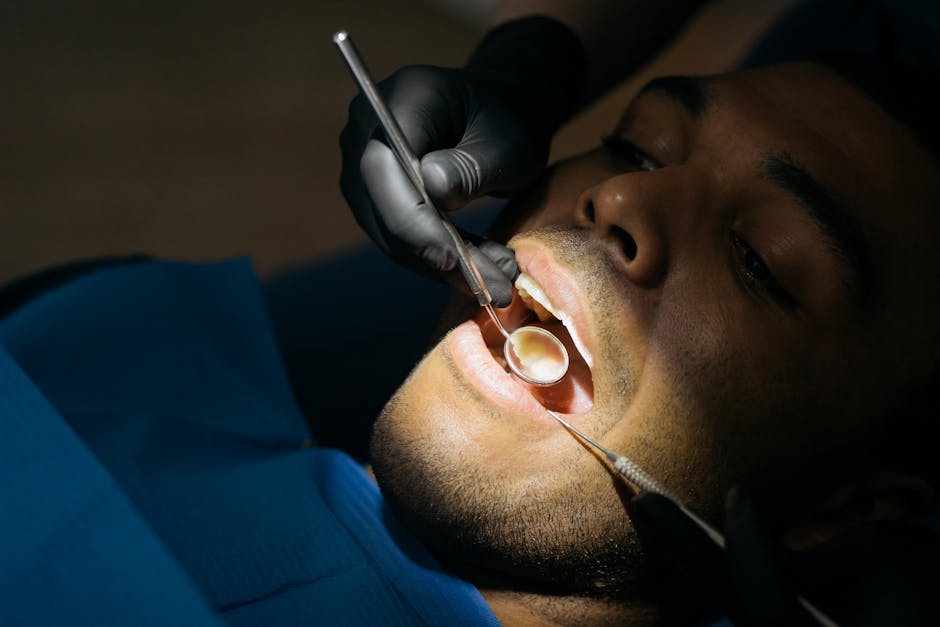
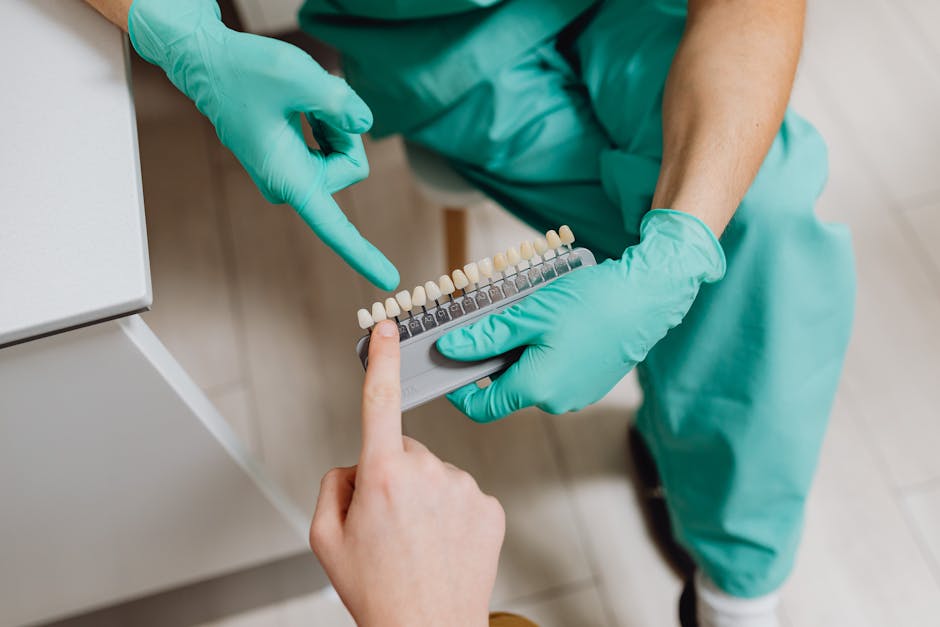
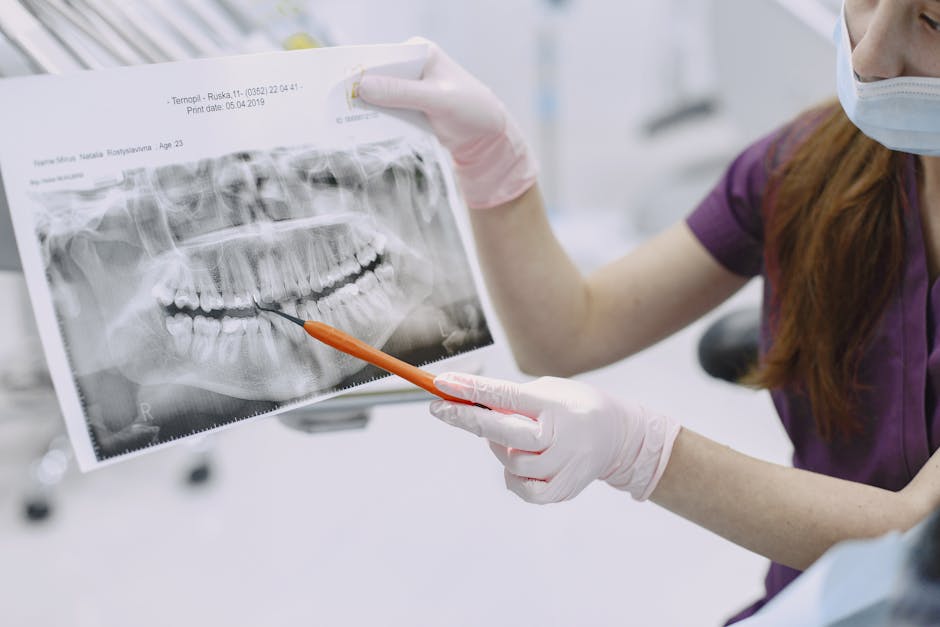
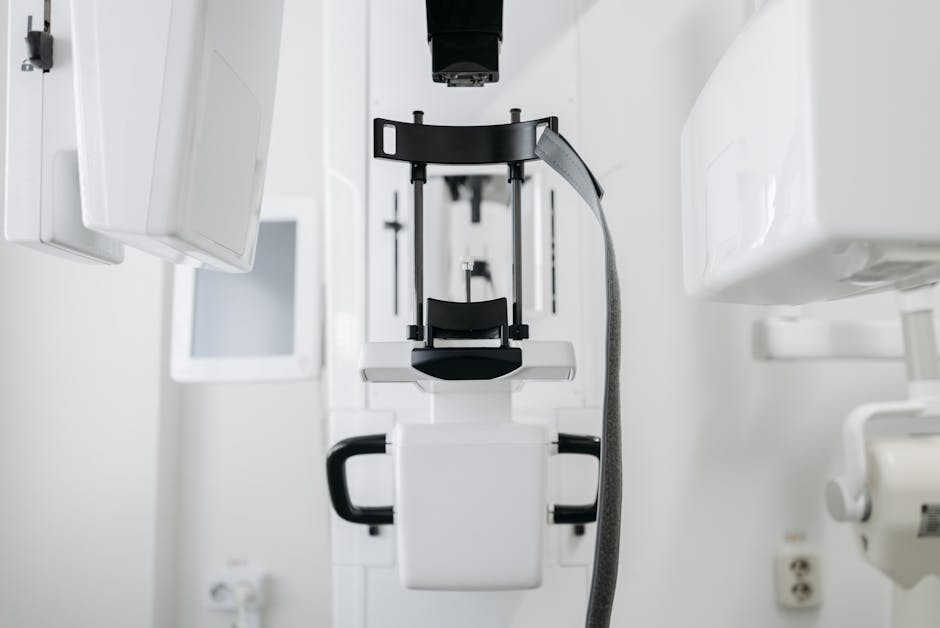
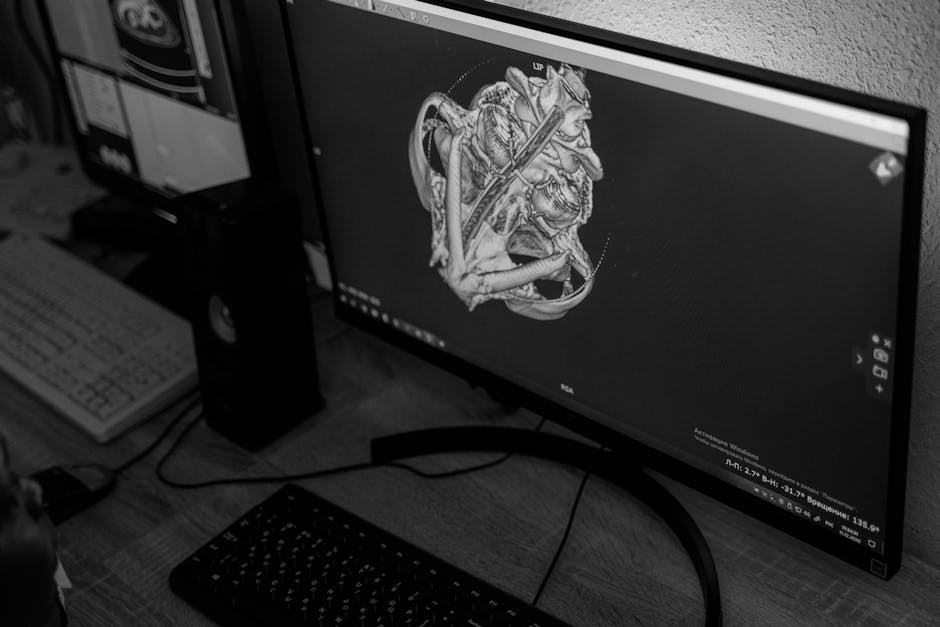
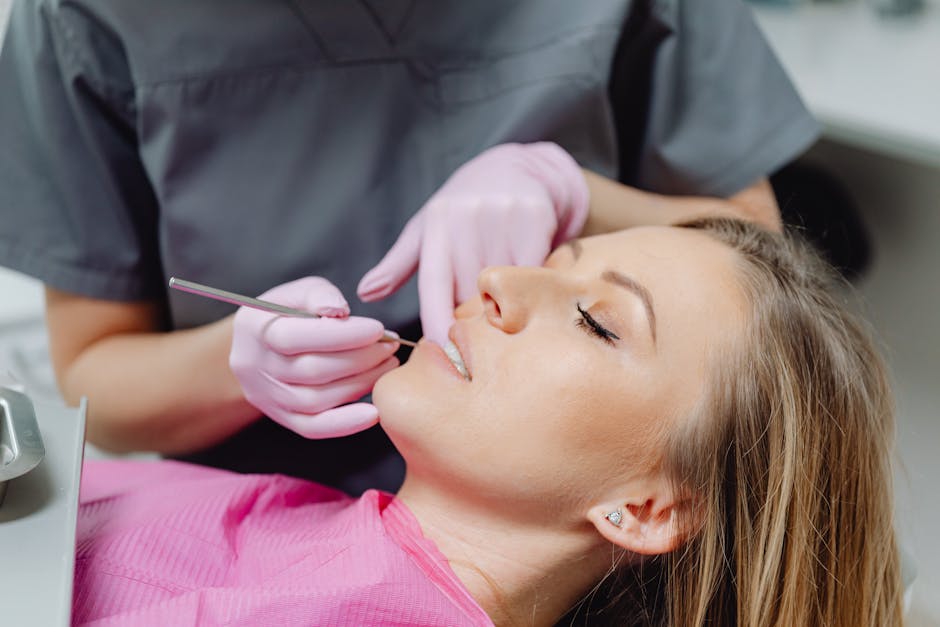
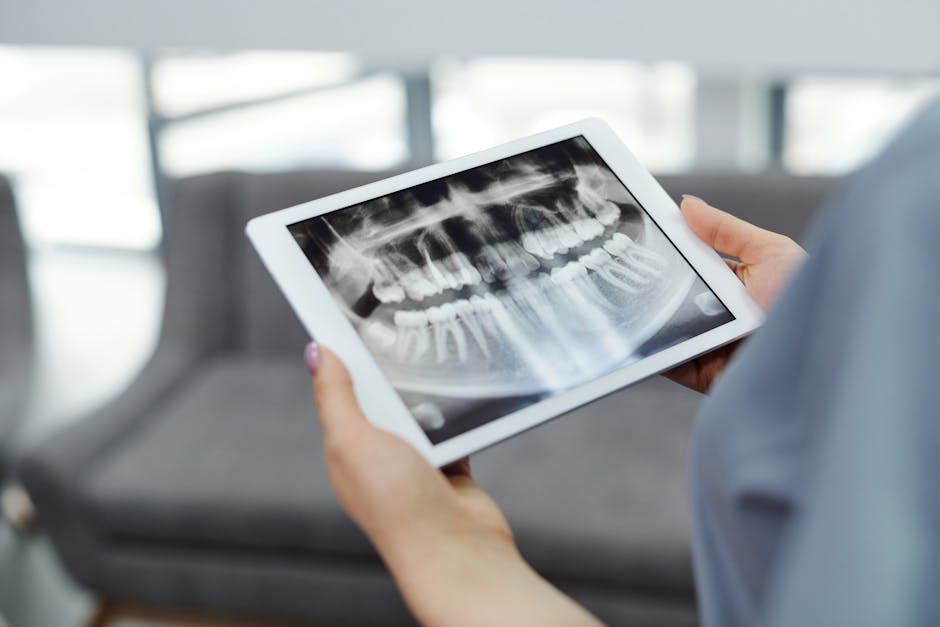
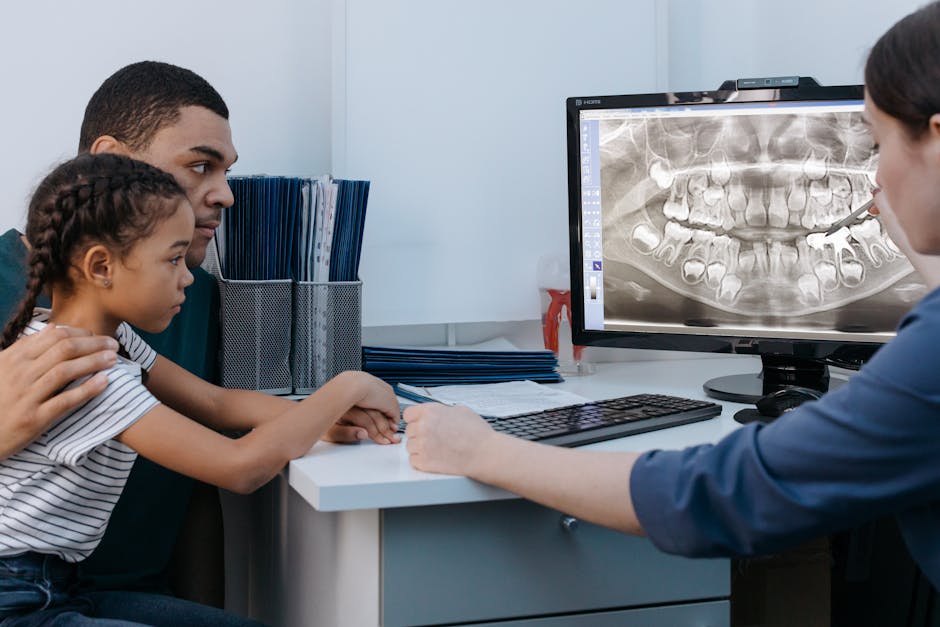
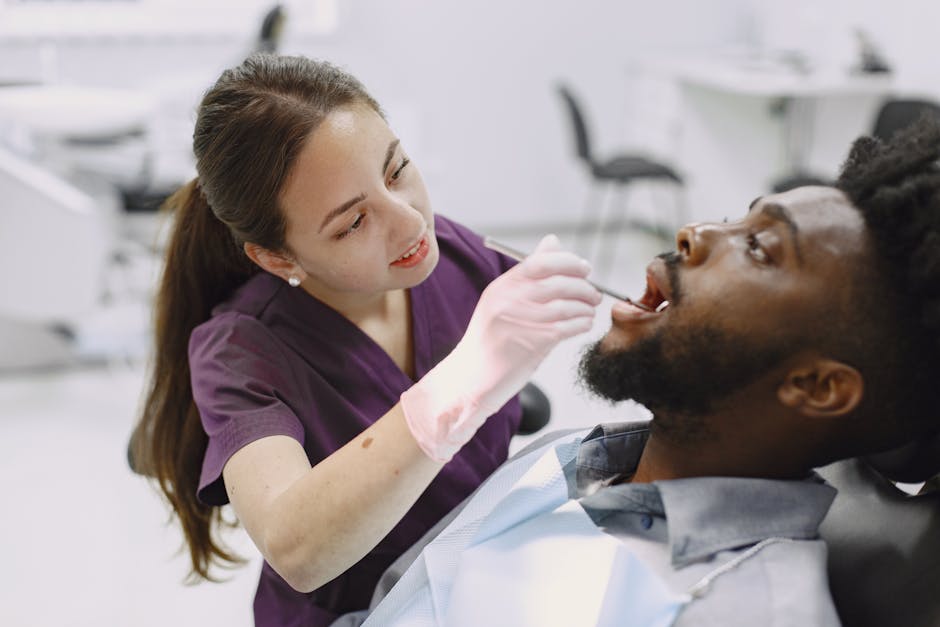
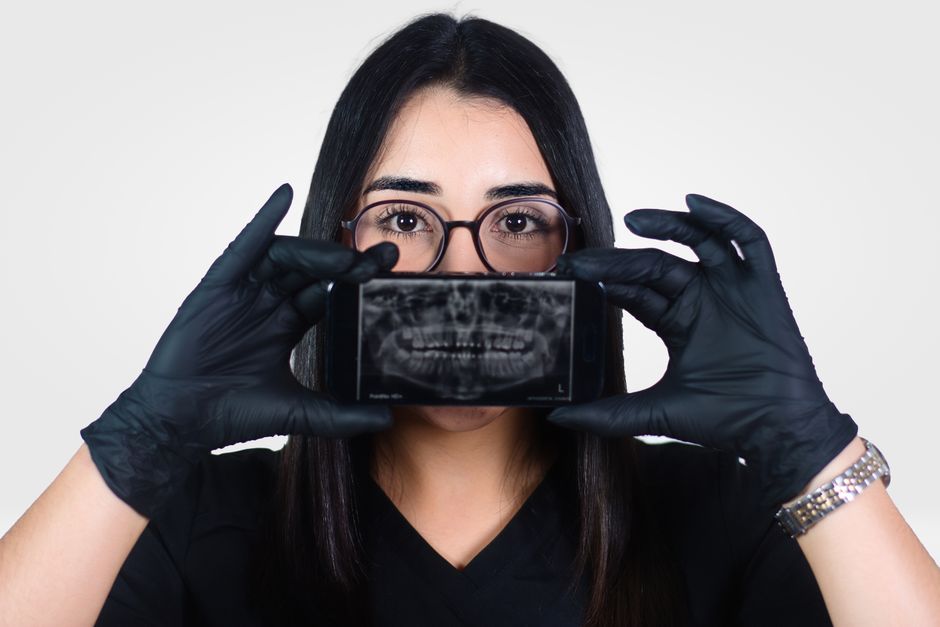
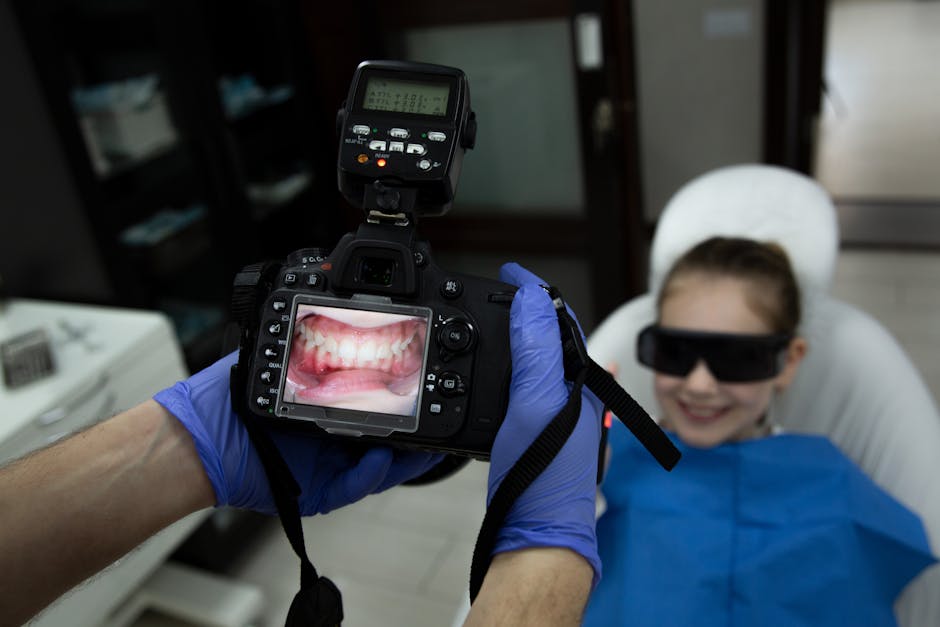
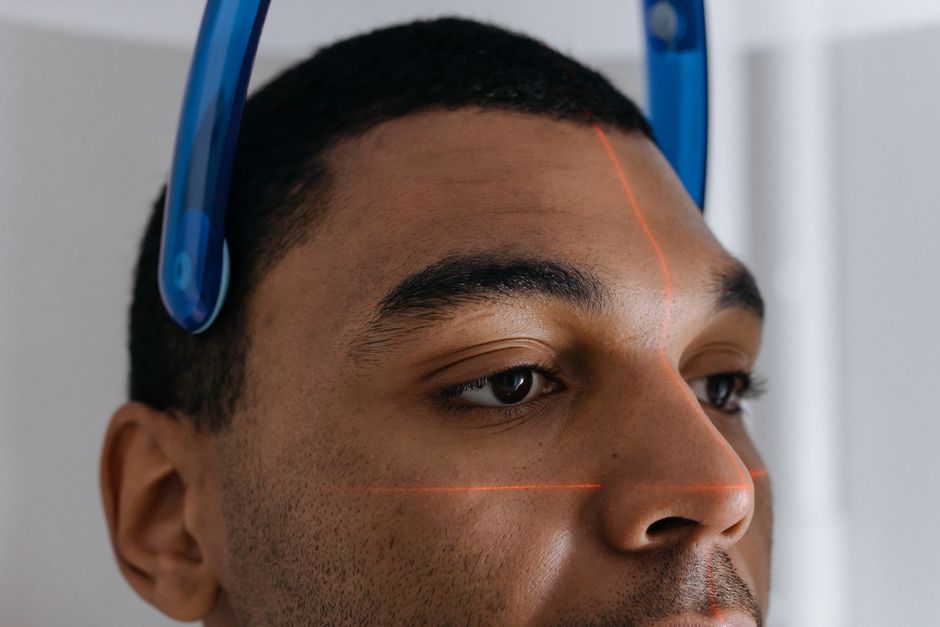
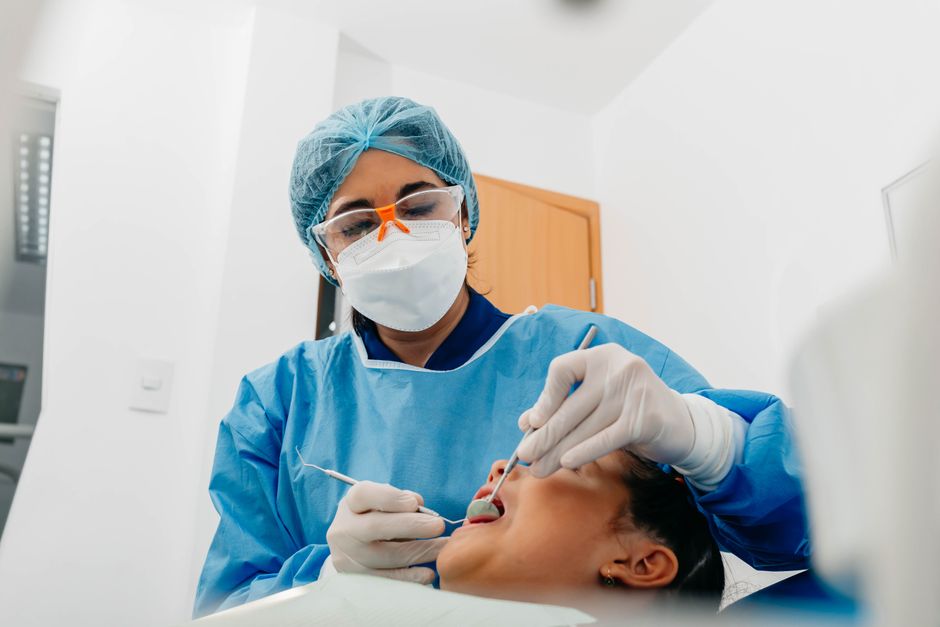
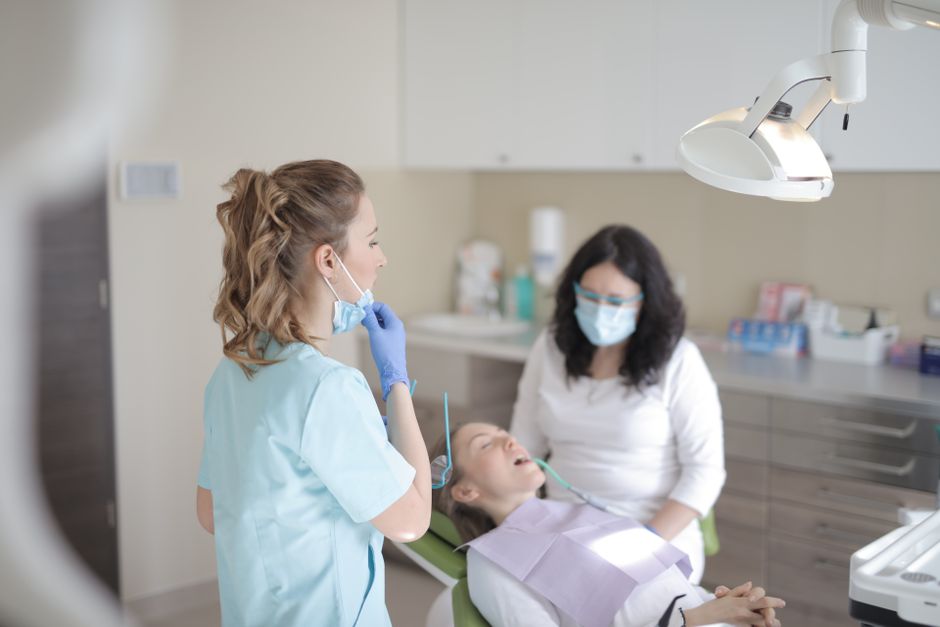
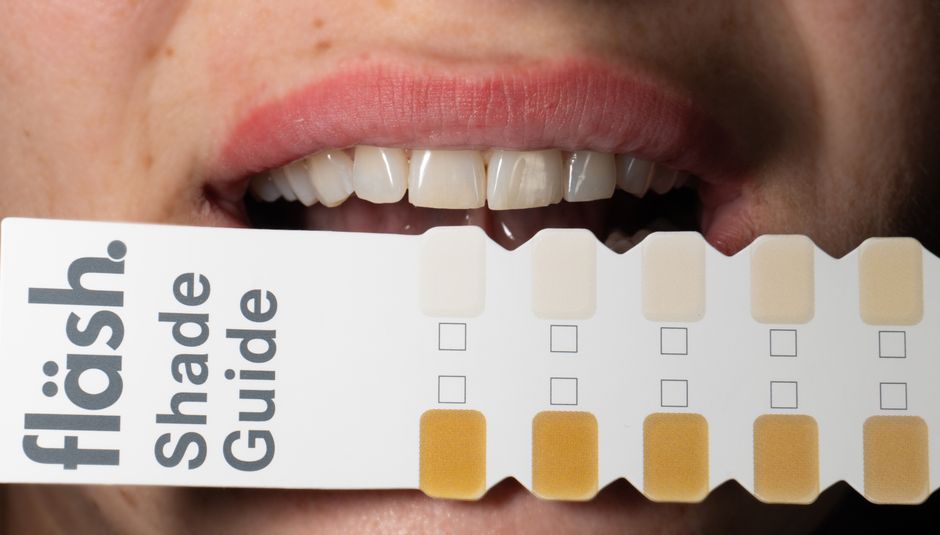
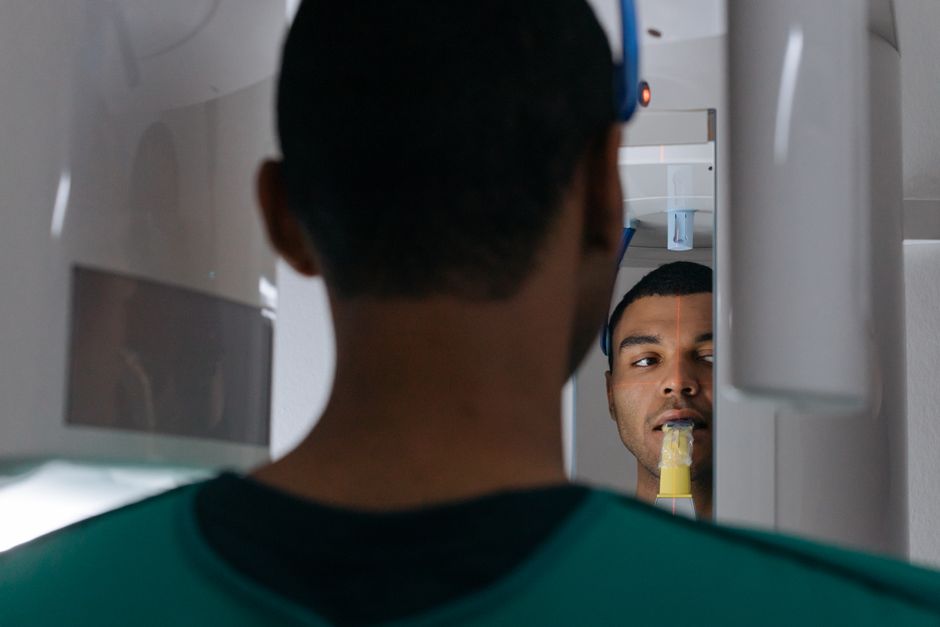
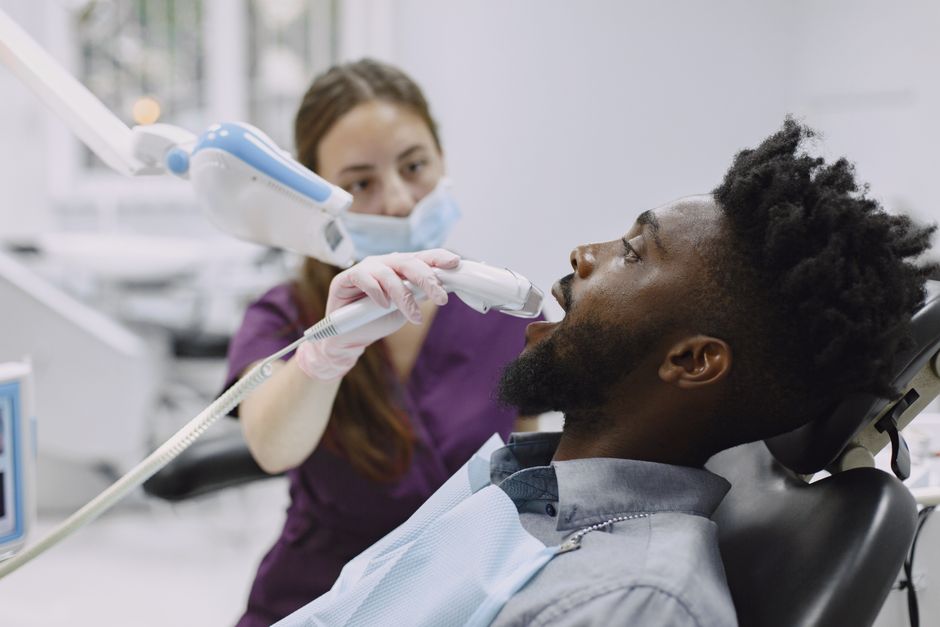
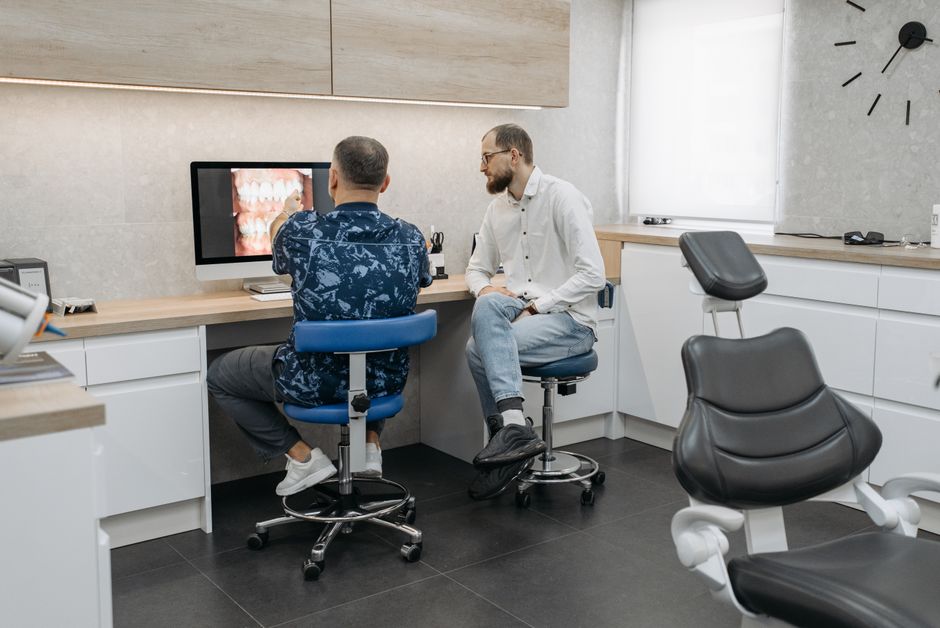
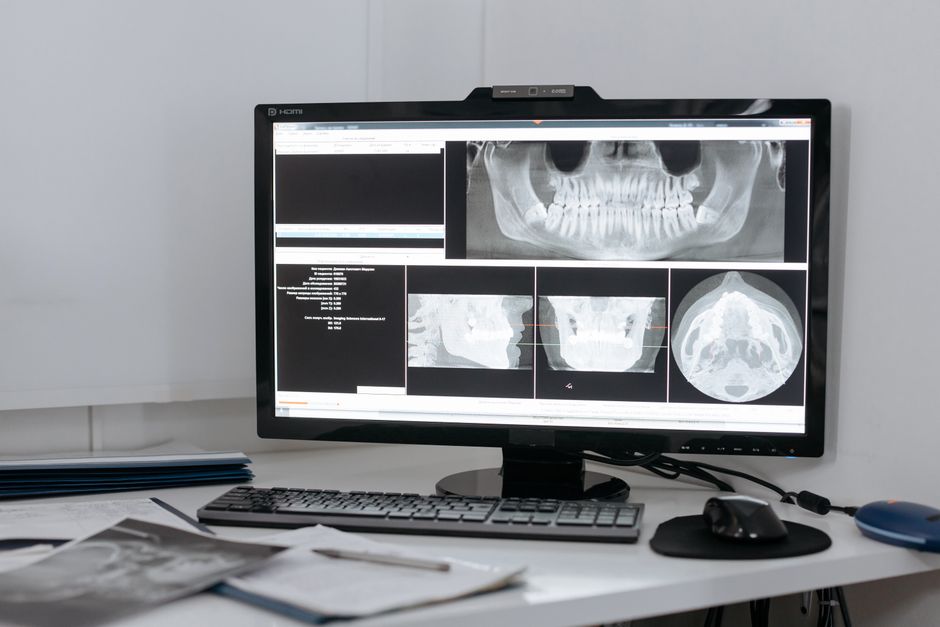
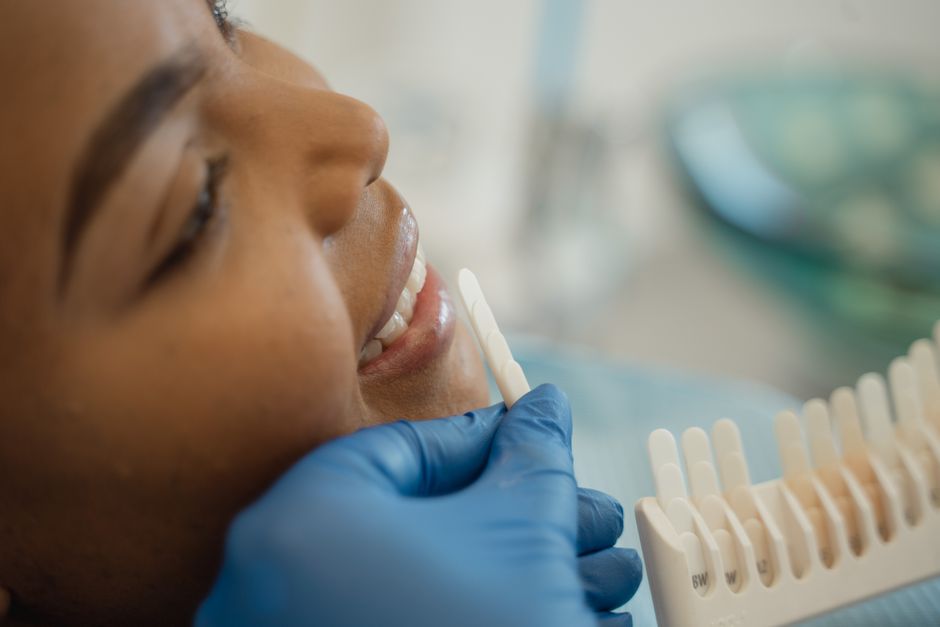
The starting point is a comprehensive exam and record set: intraoral/extraoral photos, digital impressions or conventional impressions, bite registration, shade evaluation, and—when indicated—radiographs or CBCT. Dental photography is not just “marketing”; it is the foundation for analyzing smile line, midline, incisal edge position, gingival symmetry, and lip dynamics.
Soft-tissue health should be assessed early. Salivary flow and quality can influence caries risk, erosion patterns, and restorative maintenance; clinicians may find it helpful to revisit fundamentals such as why saliva matters for oral health and restoration longevity when planning minimally invasive aesthetic cases.
2) Digital planning and interdisciplinary review (2–7 days)
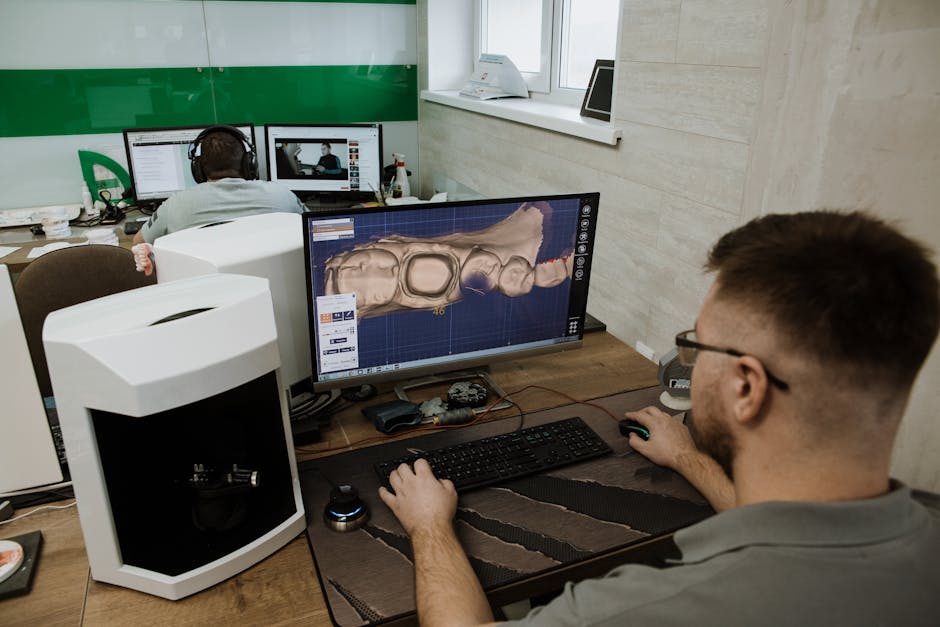
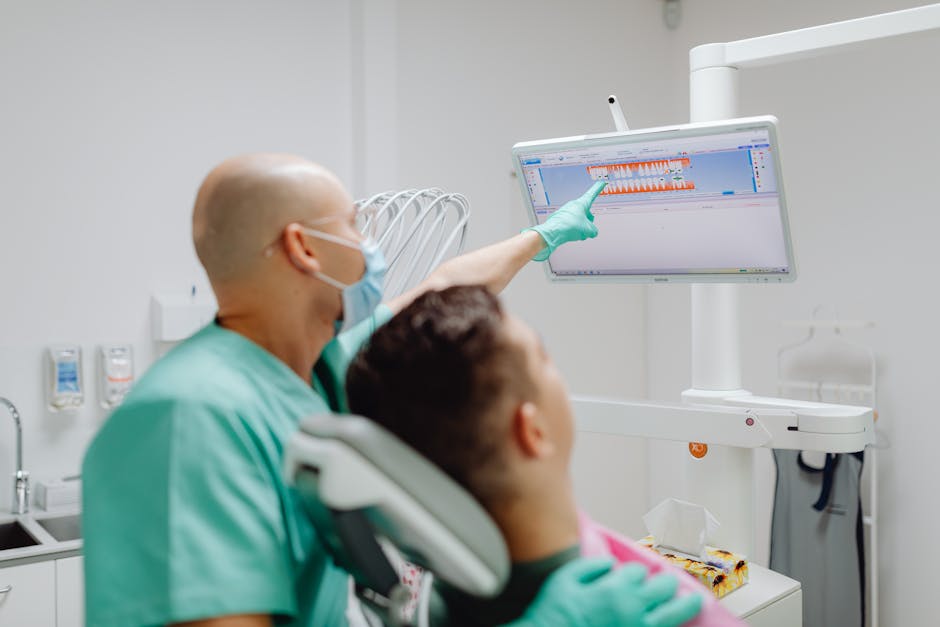
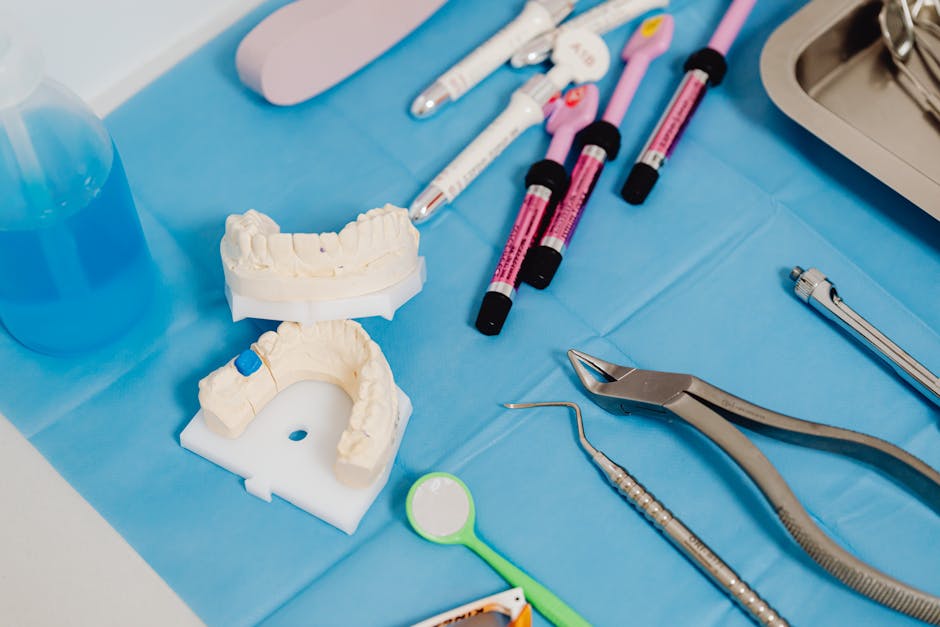
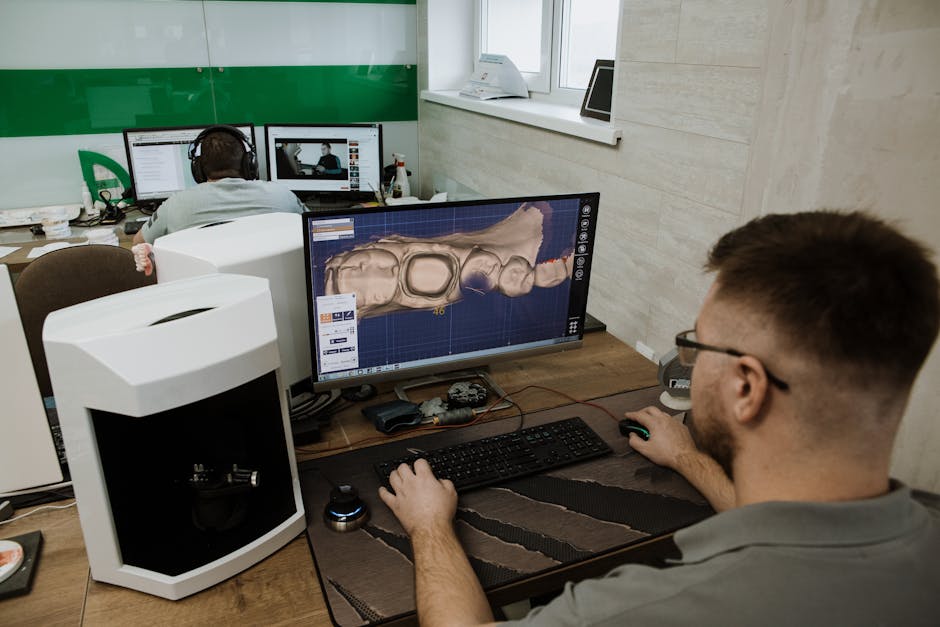
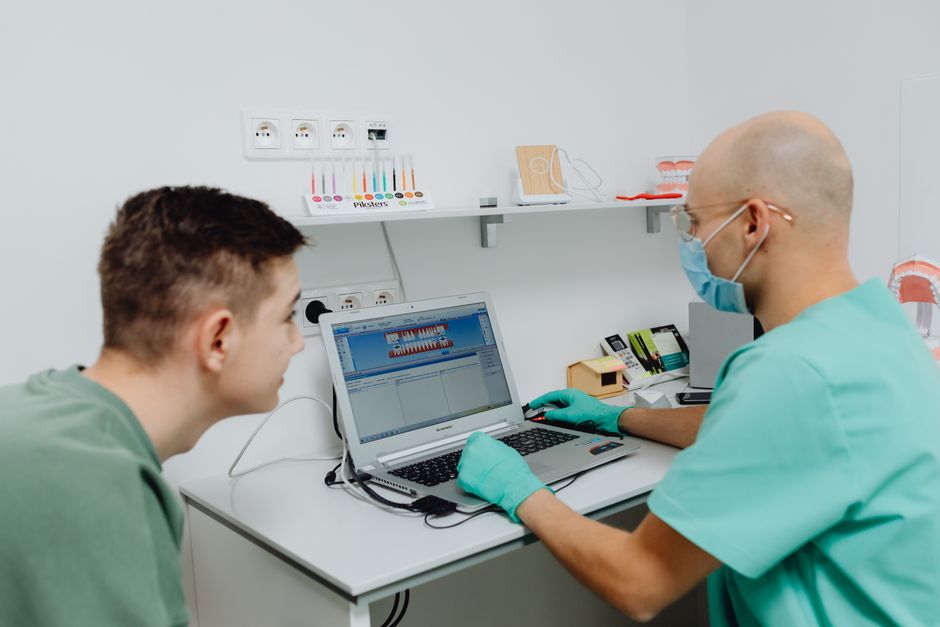
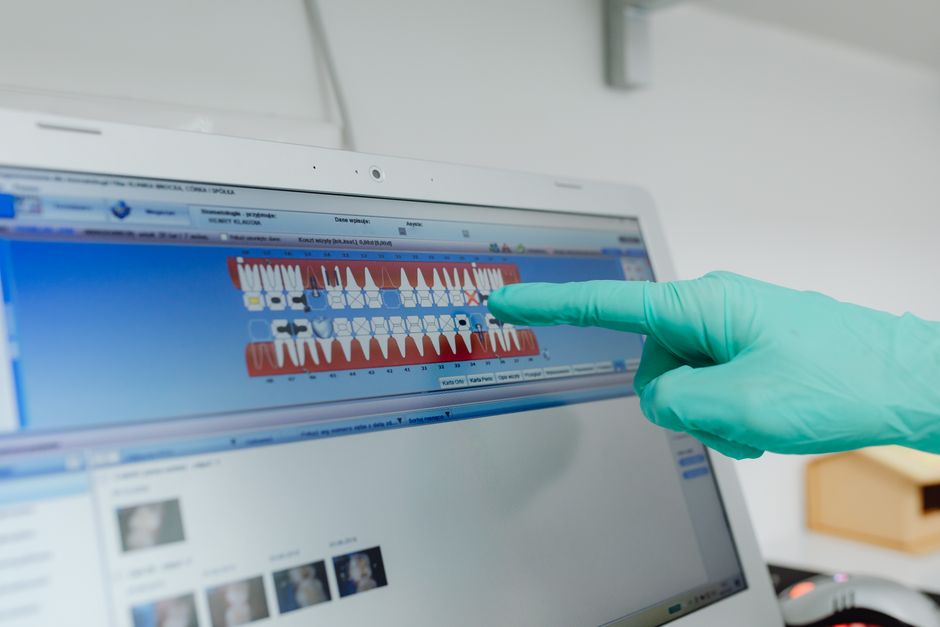
Once records are captured, the clinician (and in many cases the lab) uses digital smile design software or conventional wax-ups to propose tooth proportions, gingival contours, and restorative material options. For clinics with in-house CAD/CAM, the planning-to-prototype cycle can be faster. However, speed should not replace the diagnostic “pause” needed to confirm occlusal principles, parafunction risk, and biological limits.
3) Mock-up / try-in appointment (30–60 minutes)
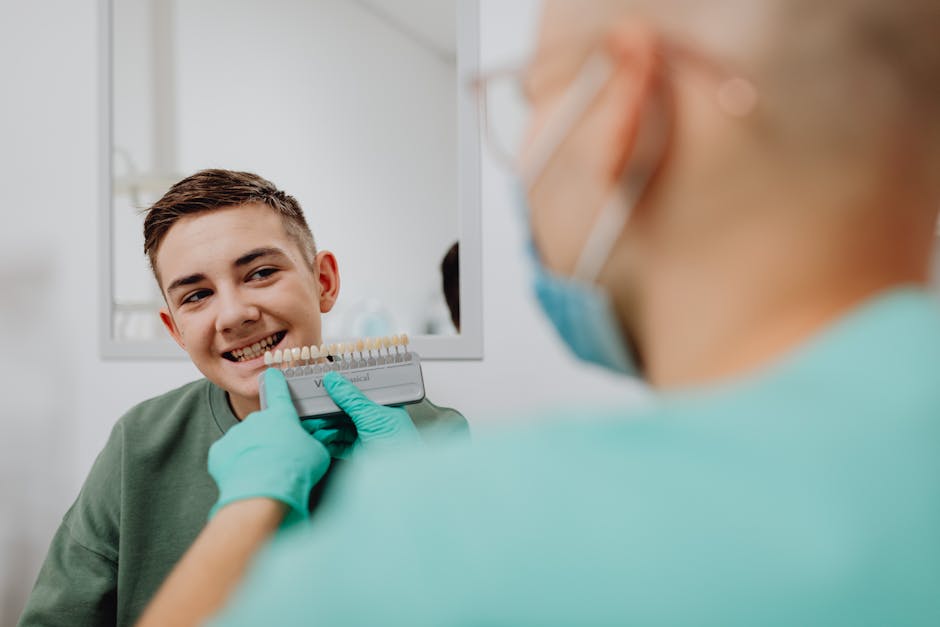
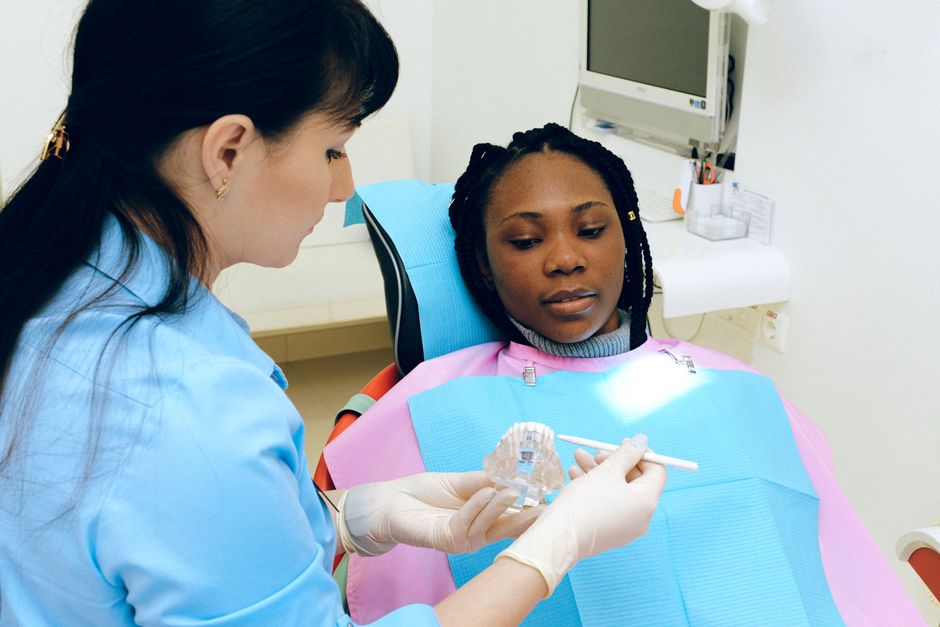
A direct composite mock-up or a 3D-printed/putty index mock-up allows patients to preview the aesthetic proposal and gives the clinician an opportunity to validate phonetics, incisal edge length, and functional envelope. This stage often prevents costly remakes and helps align expectations around shape, brightness, and texture.
4) Tooth preparation and impressions (one visit, sometimes two)
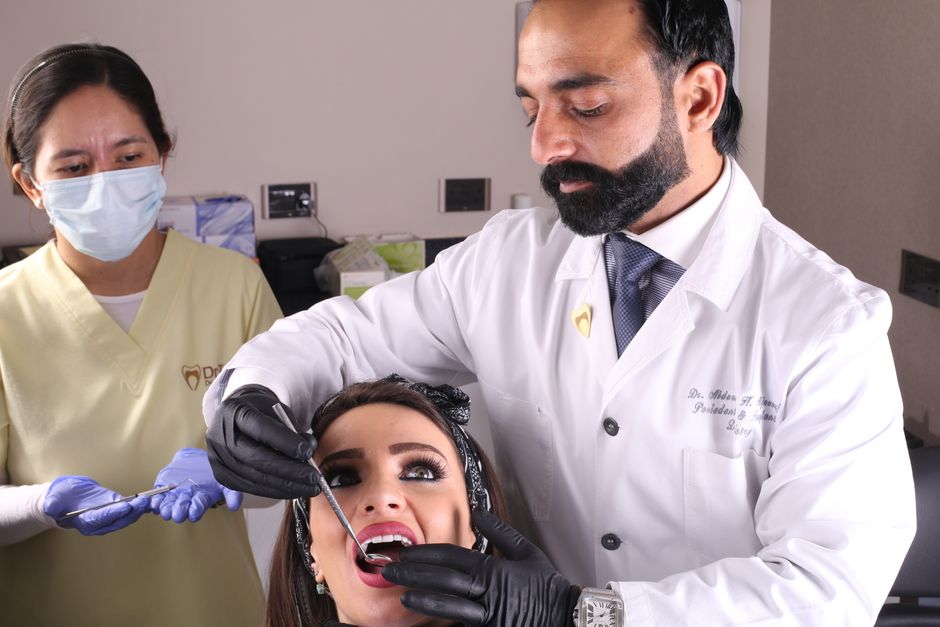
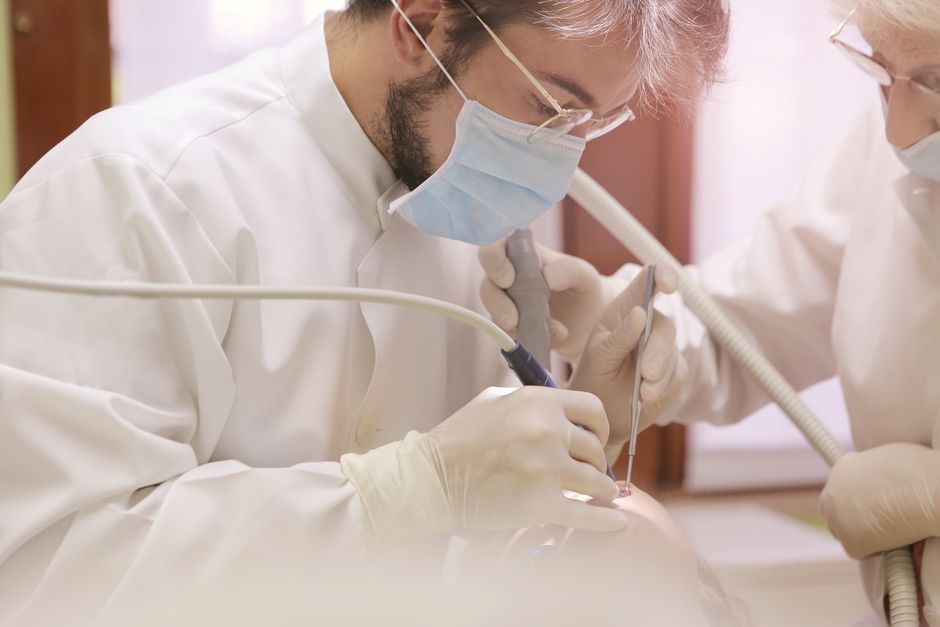
For porcelain laminate veneers, preparation design (or a no-prep approach where appropriate) depends on enamel availability, existing restorations, alignment, and color change needed. In moderate cases, prep and scan can be completed in a single appointment, followed by temporization. Complex cases may require staged preparations—particularly when vertical dimension changes or multiple material types are involved.

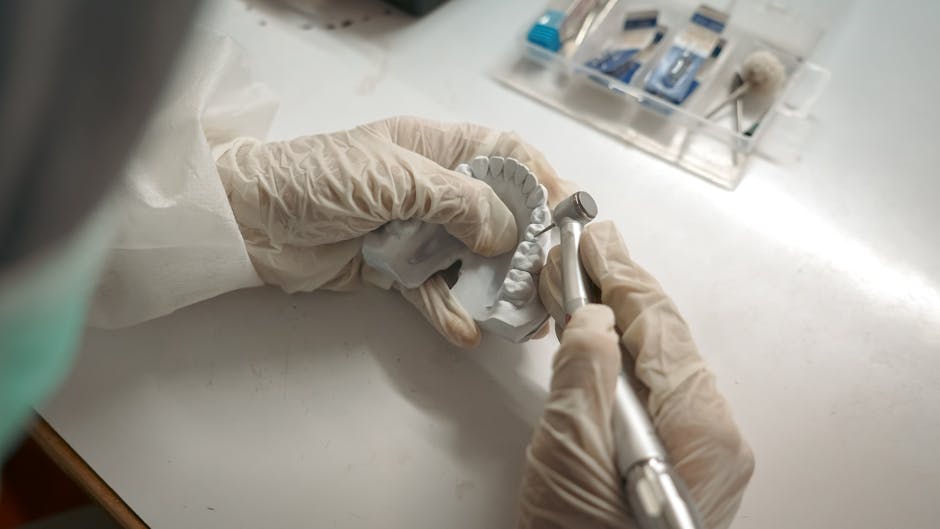
5) Laboratory phase / milling and finishing (5–14 days)
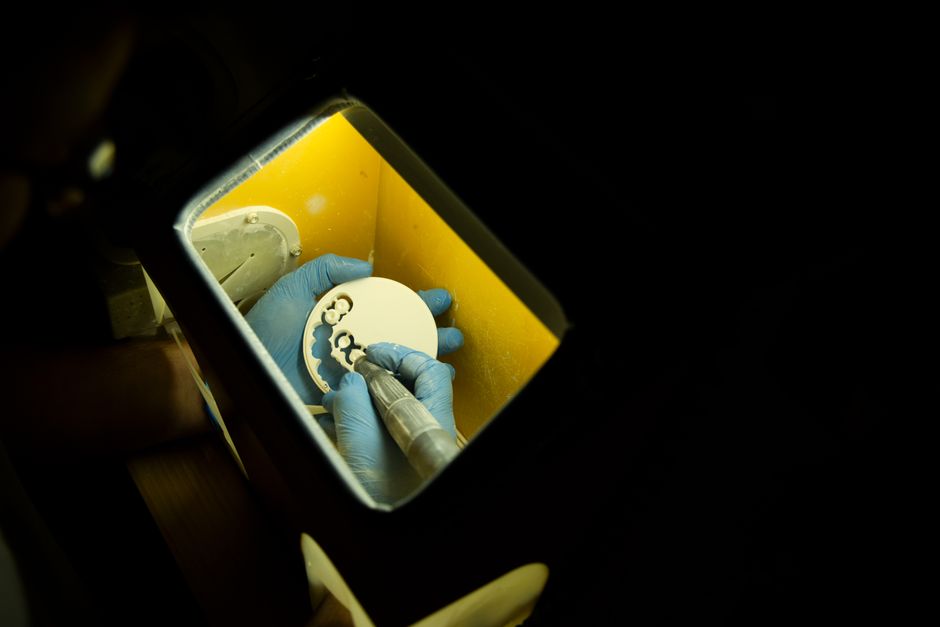
Conventional lab workflows commonly require one to two weeks. Chairside CAD/CAM may deliver same-day restorations for selected cases, but aesthetic layering, characterization, and meticulous polishing/glazing can still benefit from lab craftsmanship. The ideal schedule is the one that preserves quality control.
6) Delivery and bonding (60–120 minutes)
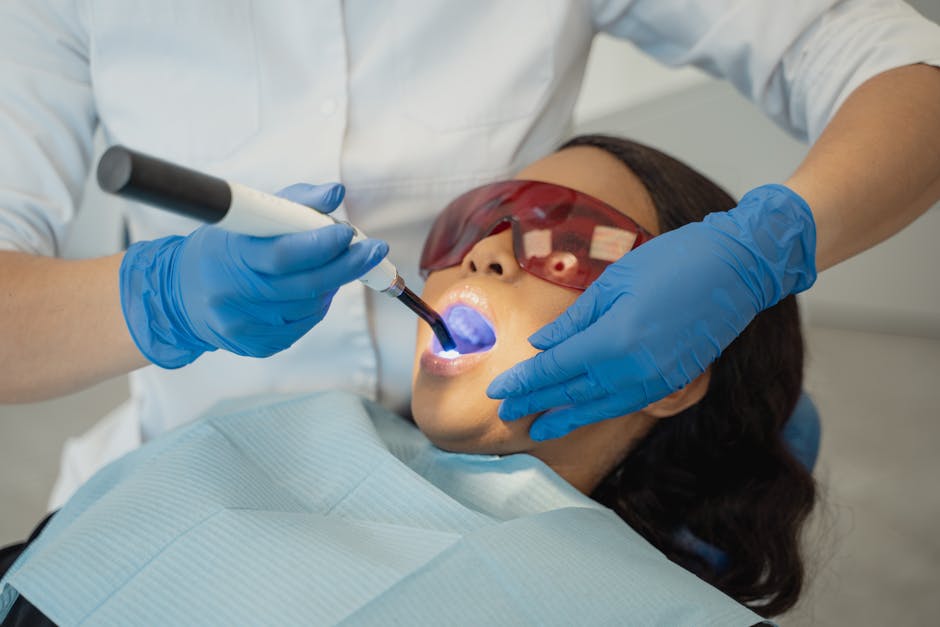
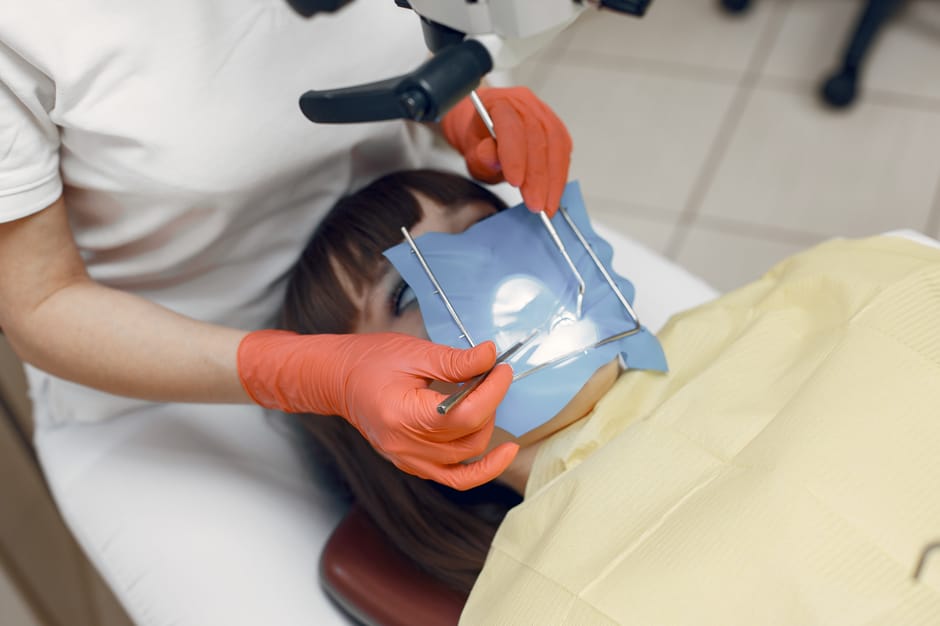
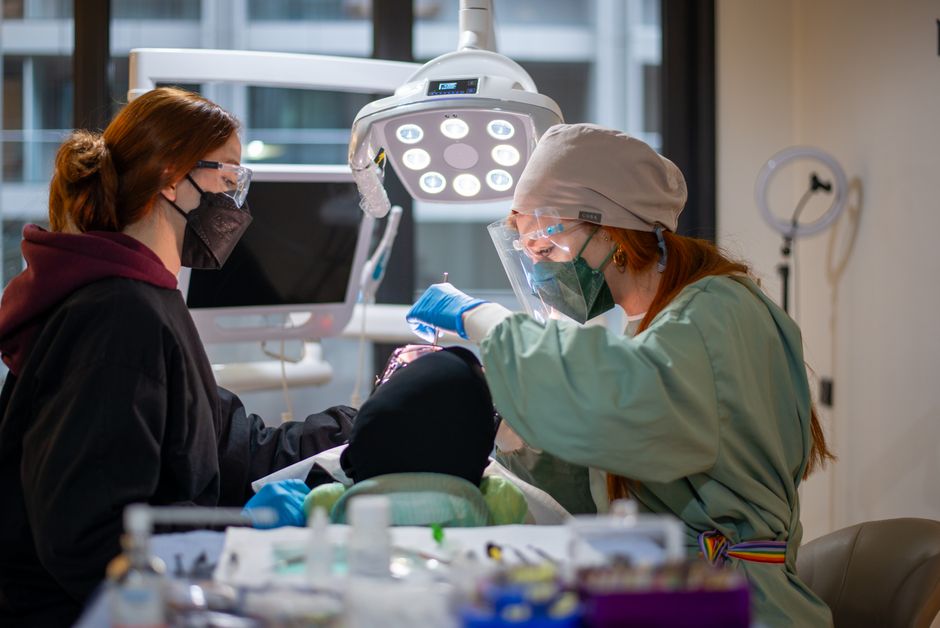
Bonding protocols are technique-sensitive: isolation, adhesive selection, surface treatment, try-in paste evaluation, and occlusal adjustments all matter. For multi-unit cases, clinicians may book longer appointments and consider follow-up visits for minor refinements after the patient adapts.
7) Follow-up and maintenance (1–2 follow-ups within 2–6 weeks)
Even well-executed cases benefit from short-term reviews to re-check occlusion, tissue response, and patient comfort. A maintenance plan—professional cleaning schedules, night guard use where indicated, and risk-factor management—often determines how “long-lasting” a smile design remains in real life.
Why some cases take longer: the biological and clinical variables
Two patients may both request “a new smile,” yet their timelines differ dramatically. The main drivers include:
Periodontal status and gingival architecture
Inflamed tissues compromise impressions/scans, shade matching, and margins. Moreover, gingival recession or uneven zeniths can make even excellent ceramic work look unbalanced. A baseline periodontal assessment is essential; clinicians may also benefit from structured refreshers on gum disease, early signs, risk factors, and clinical insights to help triage whether a patient needs periodontal stabilization before aesthetics.
In acute situations with pain, ulceration, and papillary necrosis, aesthetic treatment should generally be deferred until urgent periodontal care is addressed. For educational context, see Necrotizing Ulcerative Gingivitis (NUG): symptoms, causes, and clinical approach—a reminder that biology sets the pace, not the calendar.
Endodontic needs and structural integrity
Discoloration, deep restorations, or symptoms suggesting pulpal involvement may require endodontic evaluation before definitive veneers or crowns. When endodontic therapy is needed, treatment time expands, but it also reduces the risk of post-restorative complications. Magnification and illumination can support precision in complex anatomy; clinicians exploring modern workflows may appreciate the role of a dental operating microscope in contemporary endodontics as part of an integrated smile design pathway.
Occlusion, parafunction, and bite changes
Bruxism, clenching, and unstable occlusion increase the risk of chipping, debonding, and wear. In such cases, timelines may include occlusal splint therapy, equilibration considerations, or a staged restorative approach. Aesthetic dentistry is at its most durable when it respects function.
Implant dentistry and surgical phases
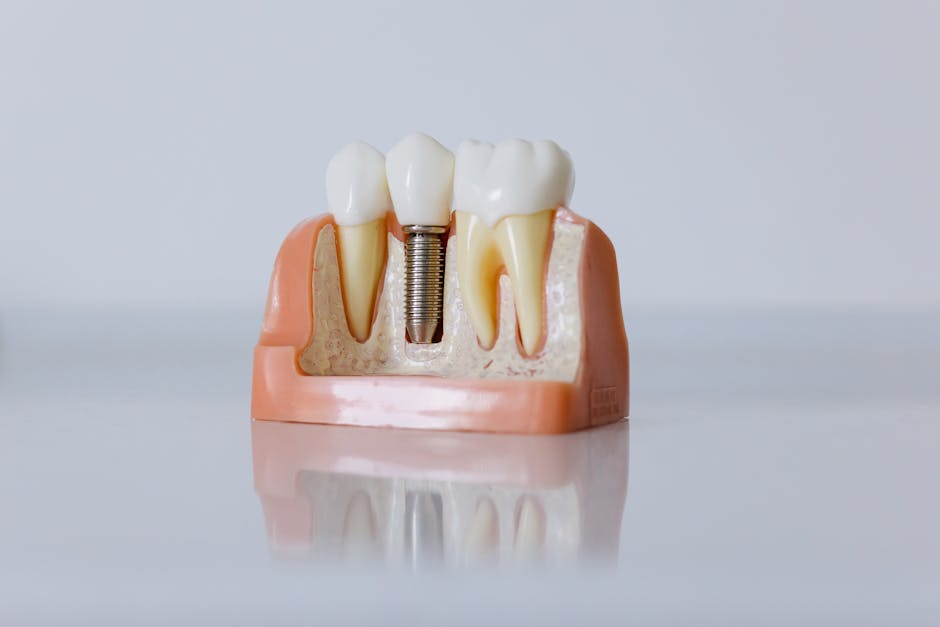
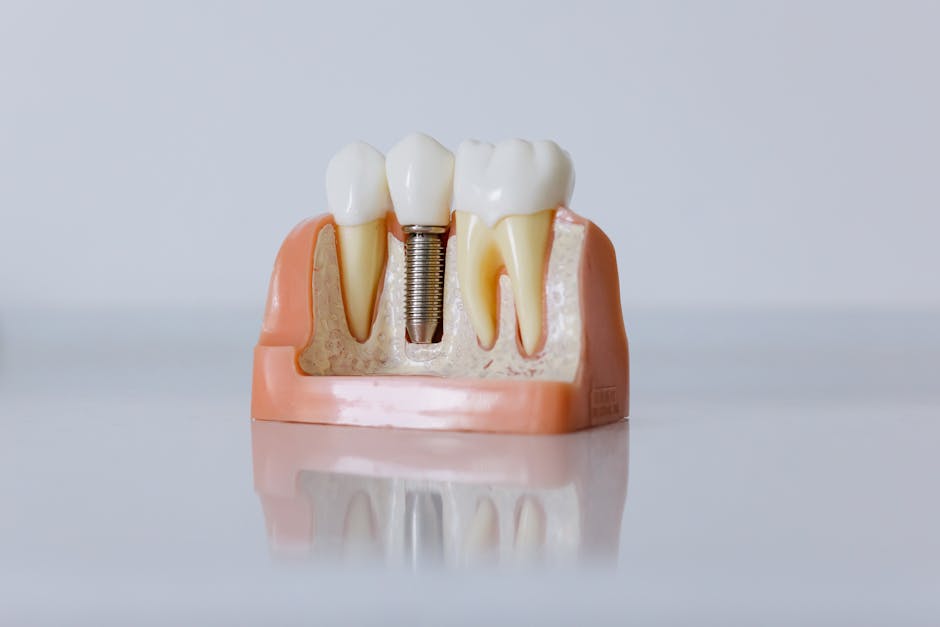
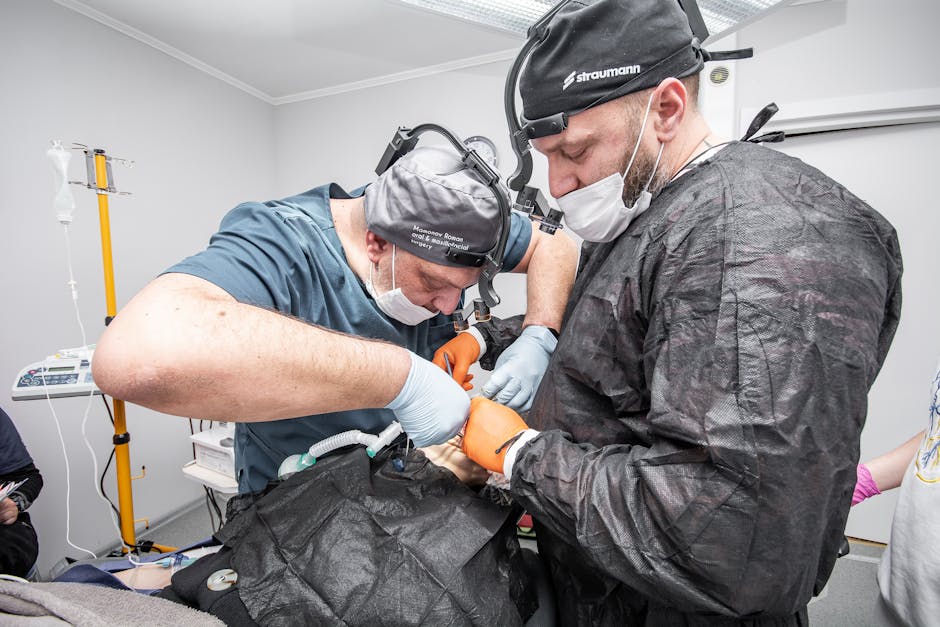
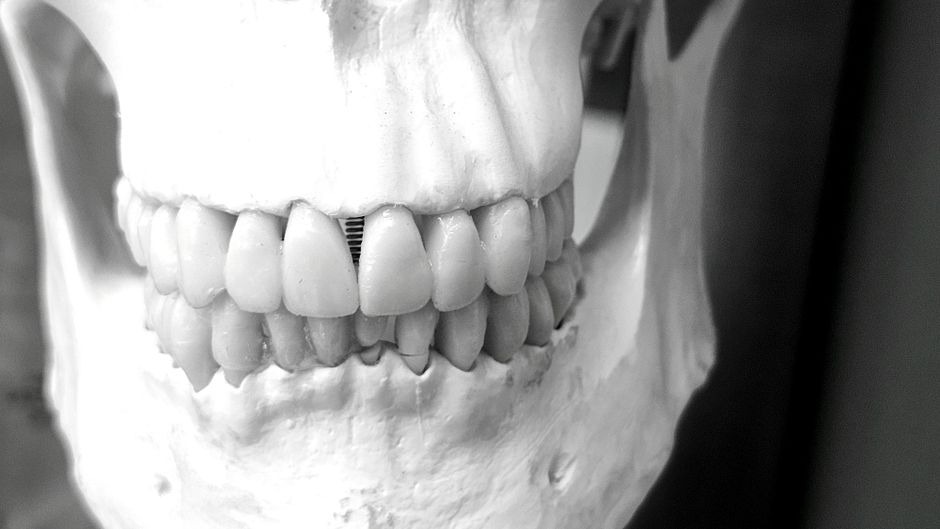
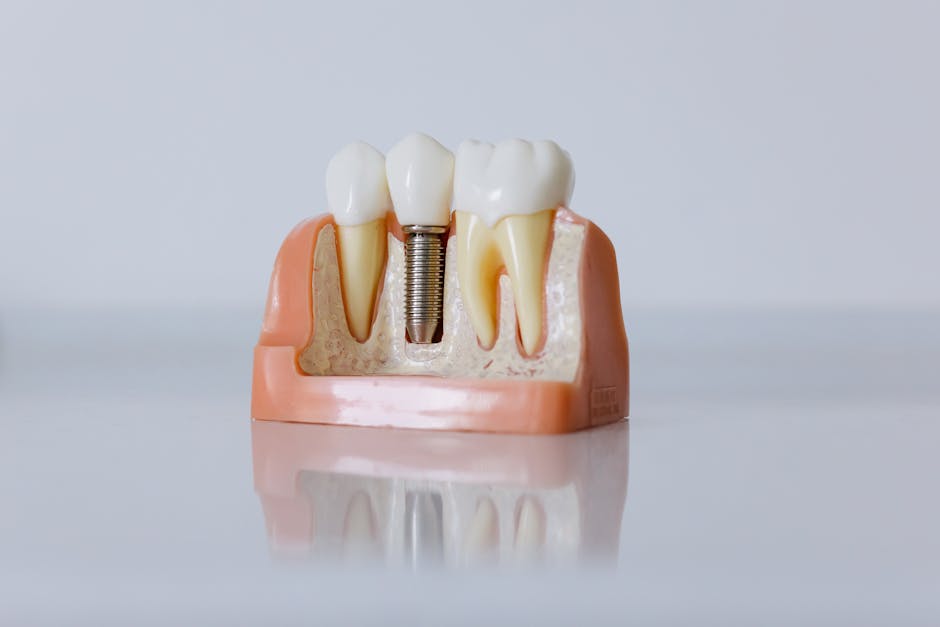
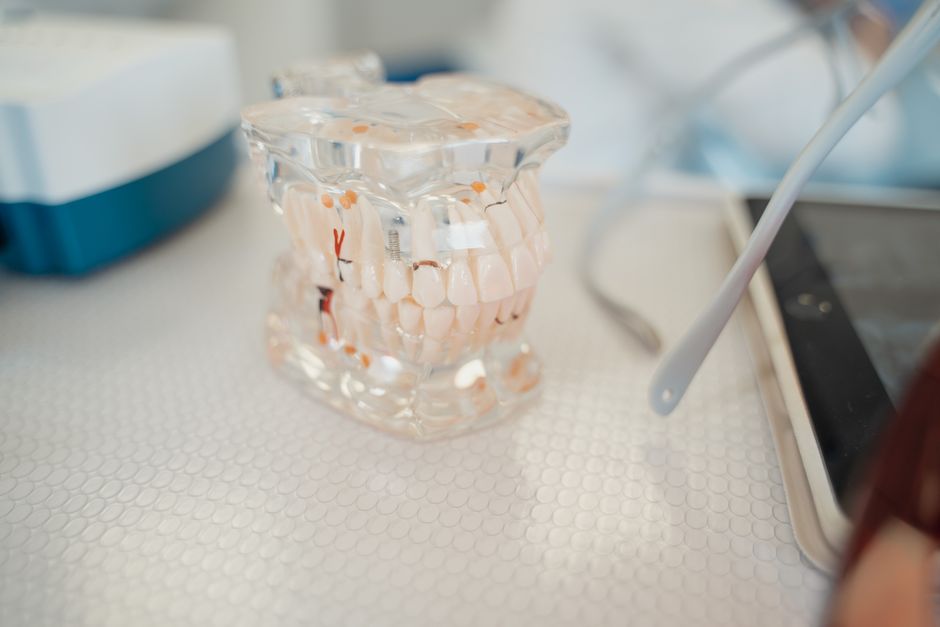
Smile design sometimes includes replacing missing teeth with implants, especially in the aesthetic zone. Surgical planning, healing intervals, and provisionalization protocols can add months to the overall timeline. Systemic conditions also matter; for instance, glycemic control and periodontal risk management can influence planning and maintenance discussions. Clinicians seeking a focused review may consult dental implant success in patients with diabetes to inform risk communication and interdisciplinary coordination.
Is smile design permanent? Understanding “longevity” by component
Patients often ask whether a smile design is “permanent.” Clinically, it is more accurate to describe expected service life, maintenance needs, and repairability. Longevity depends on materials, bonding quality, occlusal forces, oral hygiene, diet, and periodontal stability.
Porcelain laminate veneers
When properly indicated and bonded—ideally with enamel-preserving preparations—porcelain veneers are widely considered a durable aesthetic solution. Their long-term success is closely tied to margin design, adhesive protocols, and risk management (parafunction, erosion, high caries risk). Veneers can chip or debond, and color stability is generally good, but surrounding tooth structure and exposed root surfaces may change over time.
Composite bonding
Composite can be an excellent minimally invasive option and is often easier to repair. However, it may be more prone to staining, surface wear, and marginal breakdown depending on the patient’s habits and maintenance. In smile design sequences, composite mock-ups also function as powerful diagnostic tools before definitive ceramics.
Whitening and color stability
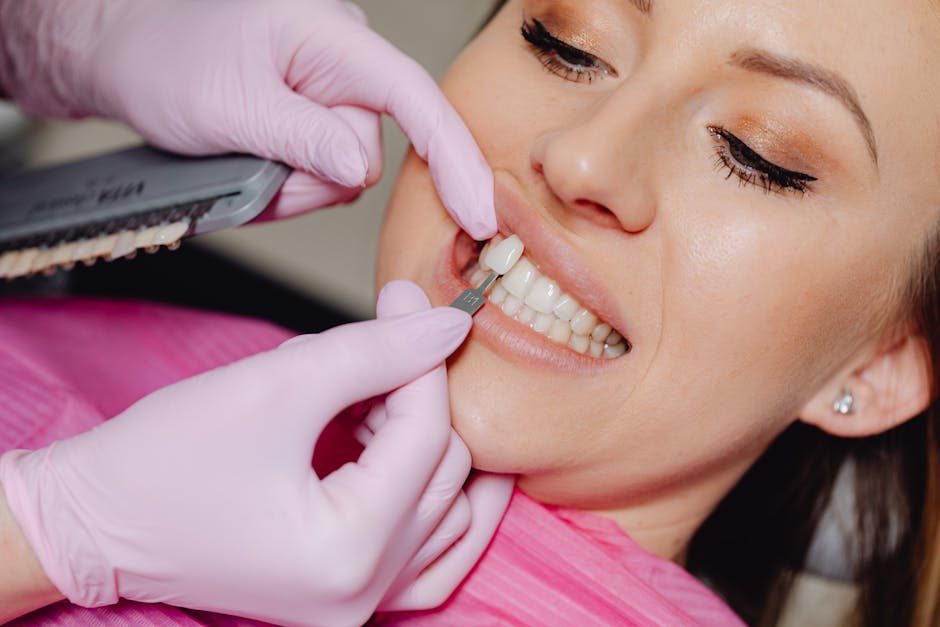
Tooth whitening results are not “permanent” and can regress gradually, particularly with dietary chromogens and smoking. Timing matters: if veneers are planned, whitening is often completed beforehand so that final ceramic shade selection is aligned with the target color.
Implant-supported crowns
Implants do not decay, but peri-implant tissues can become inflamed, and prosthetic components may require maintenance. In aesthetic-zone cases, soft-tissue thickness, implant position, and emergence profile planning strongly influence how natural and stable the result appears over time.
What makes smile design last longer? Practical, evidence-aligned factors
While no restoration is immune to time, clinicians can improve predictability by focusing on controllable variables:
Accurate diagnosis: periodontal screening, caries risk assessment, occlusal analysis, and radiographic review before committing to irreversible steps.
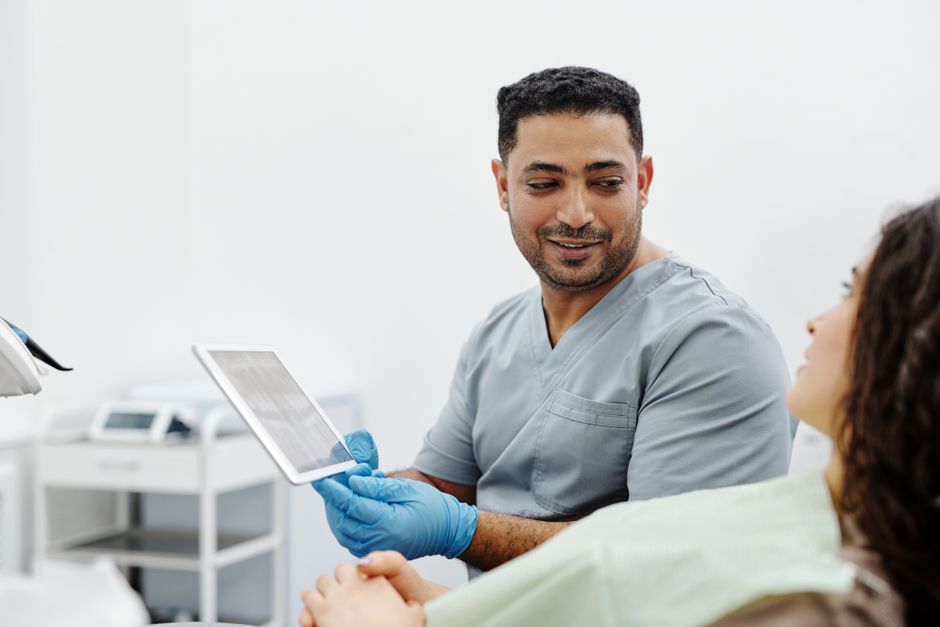
Digital dentistry with quality control: digital impressions, facially driven planning, and calibrated shade communication can reduce remakes—but only when the team standardizes protocols.
Isolation and adhesive excellence: bonding success is frequently determined by moisture control and surface treatment discipline.
Functional design: anterior guidance, posterior support, and protective splints where indicated help minimize mechanical complications.
Maintenance behaviors: effective plaque control, professional prophylaxis, and managing erosive diet patterns can support margins and gingival stability.
Clinical communication: setting realistic expectations about time and durability
From a patient-management perspective, the “how long” question is best answered with ranges and conditional statements: “If your gums are healthy and we are doing veneers only, it may take a few visits across 2–3 weeks; if we need periodontal therapy, endodontics, orthodontic alignment, or implants, it can extend to months.” This approach respects clinical uncertainty and promotes informed consent.
Similarly, for permanence: “These restorations can be long-lasting with good maintenance, but they are not lifetime guarantees. We plan for durability and repairability, and we schedule follow-ups to protect your investment.”
Learning smile design as a workflow: the Istanbul advantage
For dental professionals, smile design is a skill set that sits at the intersection of prosthodontics, restorative dentistry, periodontology, occlusion, and digital planning. At Istanbul Dental Academy, our continuing dental education philosophy emphasizes hands-on training: learning how to capture consistent photo records, execute mock-ups, prepare conservatively, and coordinate with the dental laboratory for aesthetic characterization.
Whether you are refining veneer protocols, integrating digital dentistry into daily practice, or building a multidisciplinary planning mindset that includes endodontics and implant dentistry, structured courses and supervised practice can shorten your learning curve while improving predictability in real cases.
Key takeaways
Smile design typically takes anywhere from a few appointments over 1–3 weeks (for straightforward veneer/composite cases) to several months when periodontal therapy, endodontics, orthodontics, or implants are involved. Longevity is not a fixed promise; it is influenced by diagnosis, materials, bonding, occlusion, and long-term maintenance. A workflow-driven, interdisciplinary approach—supported by digital tools and hands-on clinical training—helps clinicians deliver results that look natural and remain stable over time.
This content is for educational purposes and does not constitute medical advice. Treatment decisions should be made after a comprehensive clinical examination and individualized assessment.
Diğer Yazılar