
BLOG
What Happens If Necrotizing Ulcerative Gingivitis Is Left Untreated?
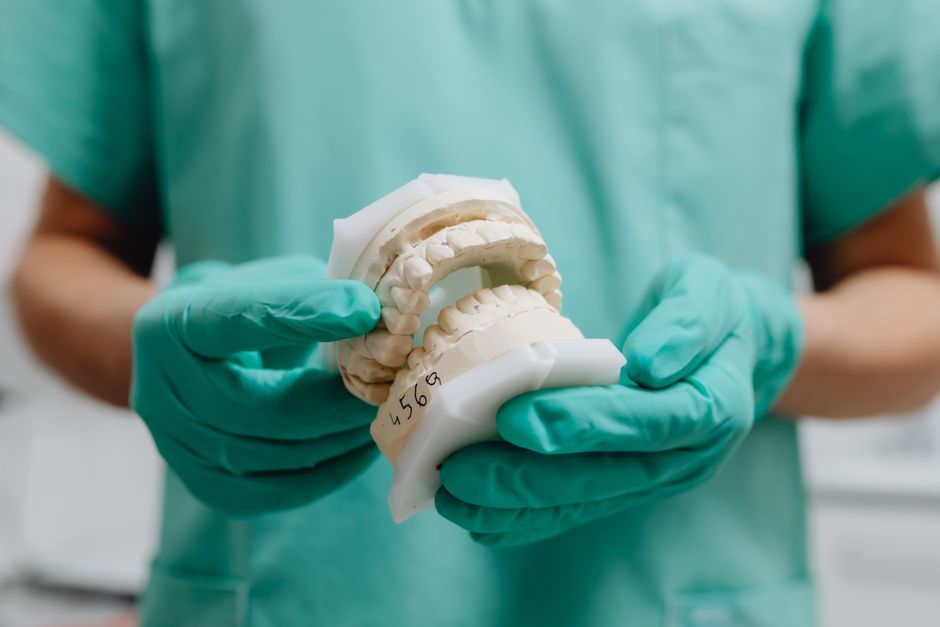
Necrotizing Ulcerative Gingivitis (NUG) in Practice: Why “Waiting It Out” Can Be Risky
Necrotizing ulcerative gingivitis (NUG)—sometimes described in older literature as “trench mouth”—is a painful, rapidly developing periodontal condition characterised by gingival necrosis, spontaneous bleeding, and distinctive interdental “punched-out” papillae. In busy clinical settings, early NUG can be mistaken for severe plaque-induced gingivitis or an acute exacerbation of chronic periodontal disease, especially when patients present late or self-medicate. However, what makes NUG clinically important is its potential to escalate quickly when untreated.
This content is for educational purposes and is not a substitute for individual diagnosis or treatment planning. If you are a patient with severe gum pain, bleeding, or ulceration, seek evaluation by a dental professional.
What NUG Looks Like—and Why It Hurts
Clinically, NUG often presents with intense gingival pain that seems disproportionate to the visible plaque levels, a fetid odour, metallic taste, and bleeding with minimal provocation. Many patients report difficulty eating or brushing, which can worsen plaque accumulation and deepen the inflammatory cycle.
The hallmark feature—necrosis of the interdental papillae—creates crater-like lesions. A grey pseudomembrane may cover necrotic areas and slough off when gently wiped, revealing a bleeding surface. Cervical lymphadenopathy and low-grade fever can occur in more advanced cases, particularly when systemic stressors are present.
Key risk modifiers clinicians should ask about
NUG is associated with local factors (plaque biofilm, calculus, pre-existing gingivitis) but also systemic and behavioural stressors such as smoking, sleep deprivation, malnutrition, immunosuppression, and psychosocial stress. In history-taking, exploring recent illness, medications, and overall health helps refine risk assessment and supports safe clinical decision-making.
What Happens If NUG Is Left Untreated?
Untreated NUG is not simply “more gingivitis.” The condition can progress from superficial necrosis and ulceration into broader periodontal destruction. While individual outcomes vary, delaying care can increase the likelihood of complications, including tissue loss, attachment loss, and recurrence.
1) Rapid soft-tissue breakdown and persistent pain
Without intervention, necrotic areas may expand, intensifying pain and halitosis. Patients frequently reduce oral hygiene because brushing is uncomfortable, which allows biofilm to thicken and further fuels inflammation. This creates a self-perpetuating cycle: pain reduces hygiene, reduced hygiene increases microbial load, and microbial load worsens necrosis.

2) Increased risk of necrotizing periodontitis and attachment loss
NUG can remain confined to gingival tissues, but in susceptible patients it may extend deeper, affecting the periodontal ligament and alveolar bone—often described as necrotizing periodontitis. Clinically, this shift matters because it can be associated with measurable attachment loss and cratered interdental bone defects that complicate long-term stability and aesthetics.
For clinicians counselling patients who underestimate gum disease, it may be helpful to connect the discussion to broader periodontal risk. For a deeper look at how soft-tissue changes can relate to long-term tooth prognosis, see Can gum recession lead to tooth loss? A clinical perspective for dentists, which explores clinical pathways and risk management concepts relevant to periodontal breakdown.
3) Gingival recession, papilla loss, and aesthetic compromise
Even when acute symptoms subside, NUG can leave behind residual soft-tissue deformities—blunted papillae, cratered interdental areas, and recession. In aesthetic zones, these changes may create “black triangles,” phonetic issues, and patient dissatisfaction. For dentists involved in smile design, the key point is that gingival architecture is foundational; restorative or prosthetic solutions may be limited if the tissue scaffold is compromised.
From an educational standpoint, this is where interdisciplinary planning becomes essential: periodontology principles guide tissue stability, while restorative dentistry and prosthodontics refine form and function. At Istanbul Dental Academy, we emphasise hands-on, case-based learning to help clinicians integrate periodontal assessment into aesthetic and rehabilitative workflows rather than treating it as a separate step.
4) Systemic impact and complications in medically complex patients
Acute oral infections can be more consequential in patients with metabolic or immune challenges. While NUG is a local condition, inflammation and bacterial burden may add stress to the host system. Clinicians should take a careful medical history and consider whether collaboration with the patient’s physician is appropriate, especially in uncontrolled systemic conditions.
Diabetes is a classic example of bidirectional interplay between glycaemic control and periodontal inflammation. If you manage implant or periodontal cases in diabetic patients, you may find Dental implants for patients with diabetes: what clinicians should know useful for reinforcing risk communication and treatment sequencing concepts—particularly the importance of stabilising inflammation before advanced procedures.
5) Higher recurrence risk if predisposing factors remain
NUG can recur, especially if smoking, high stress, inadequate plaque control, or systemic vulnerabilities persist. When untreated, patients may normalise episodic flare-ups and present only when pain becomes severe—by then, tissue changes may already be irreversible. Education on triggers and maintenance is therefore not a “nice to have” but a core part of care.
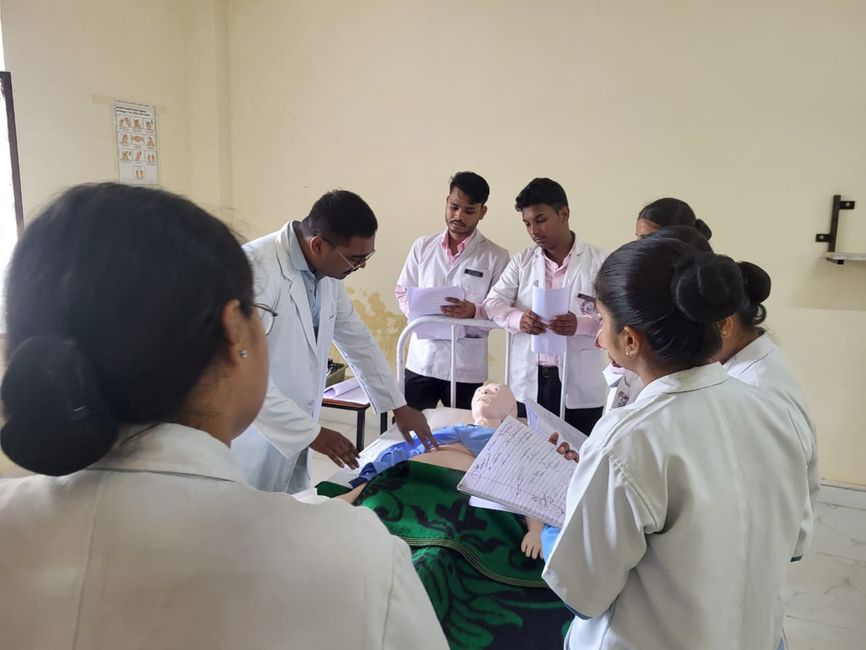
Clinical Approach: Recognition, Differential Diagnosis, and First Principles
NUG is primarily a clinical diagnosis, but the differential can include primary herpetic gingivostomatitis, desquamative gingivitis (e.g., mucous membrane pemphigoid), aphthous ulceration, agranulocytosis-related lesions, and chemical burns. A focused exam and history are essential.
Useful chairside observations
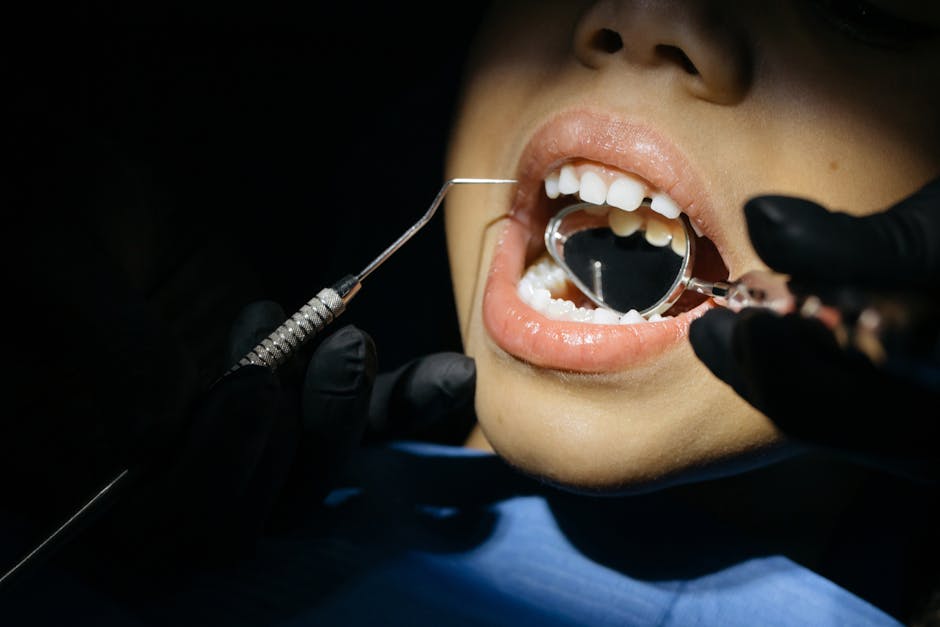
Consider documenting:
• Distribution (interdental papillae, marginal gingiva, generalised vs localised)
• Presence of pseudomembrane and ease of sloughing
• Spontaneous bleeding and severity of pain
• Halitosis and patient-reported taste changes
• Vital signs and systemic symptoms when indicated
• Plaque levels vs severity (disproportion can be a clue)
Why documentation matters in modern workflows
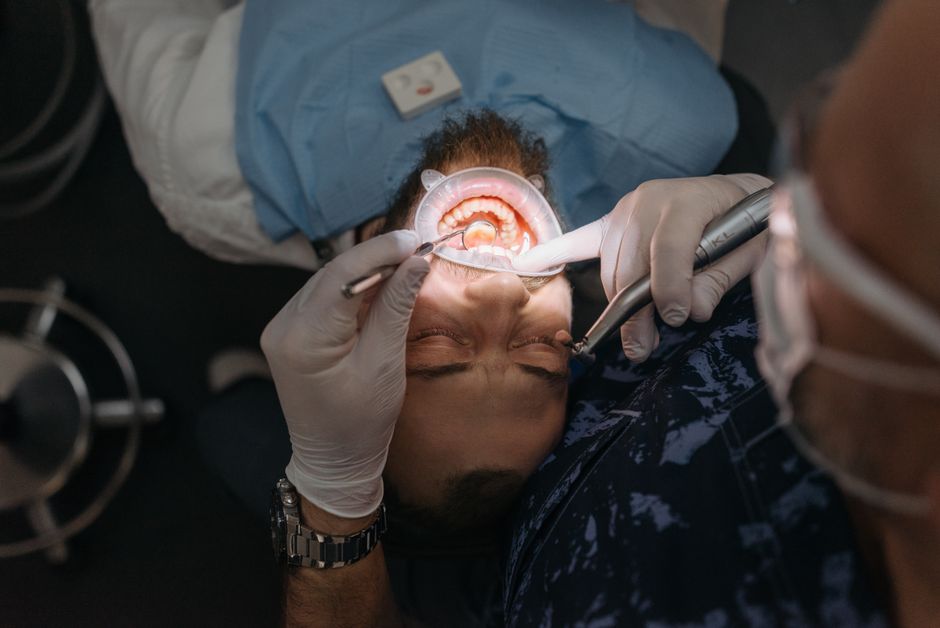
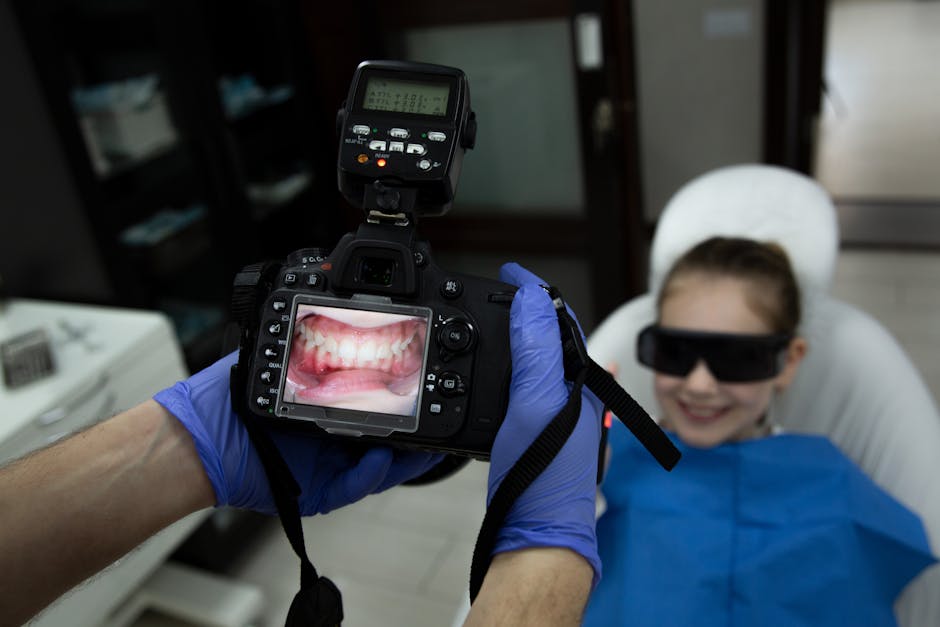
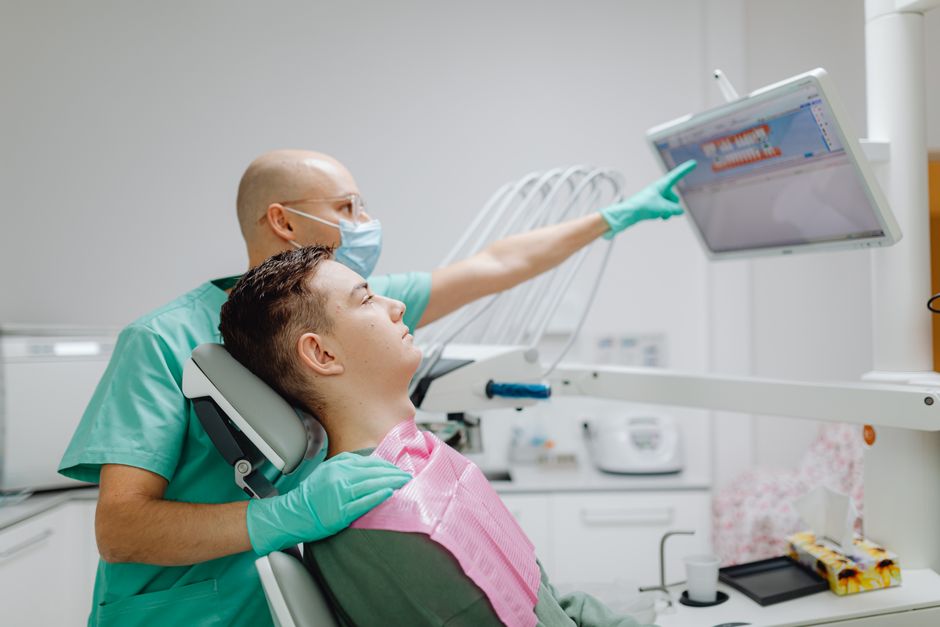
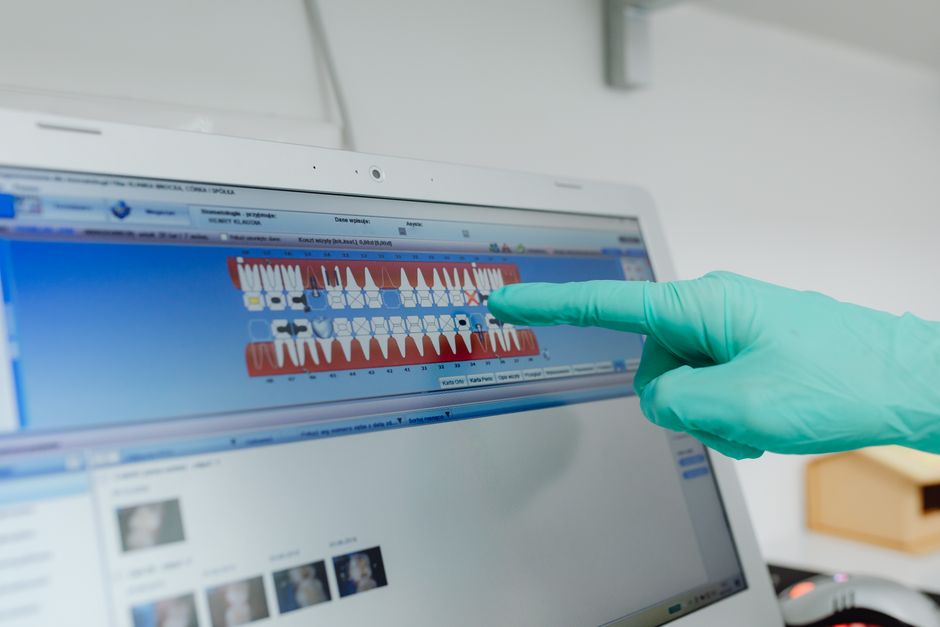
High-quality records help continuity of care and patient communication. In educational environments, structured documentation is also how clinicians learn to connect symptoms with risk factors and outcomes. Dental photography—carefully performed with infection control in mind—can be a valuable adjunct for monitoring healing and explaining tissue changes to patients.
How NUG Can Influence Restorative and Implant Treatment Planning
From a treatment-planning perspective, active necrotizing disease signals an unstable periodontal environment. Even if a patient’s primary request is cosmetic or prosthetic—veneers, crowns, or implant rehabilitation—most clinicians agree that controlling inflammation and improving hygiene capacity are foundational steps before elective procedures.
Implants and timing: why “same-day solutions” still depend on tissue health
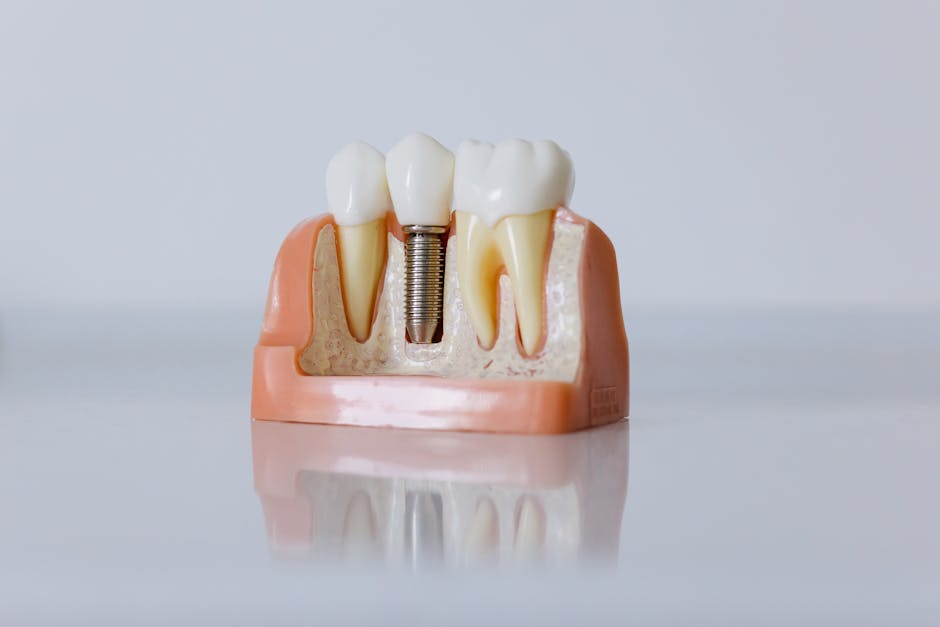
Patients may ask for rapid transformations, including extraction-and-immediate-implant pathways. Yet acute infection and poor plaque control can complicate healing and increase risk. If you are learning or refining same-day protocols, Immediate implants in one day: clinical guide to same-day teeth offers a structured overview of how clinicians evaluate candidates and plan predictably—principles that indirectly reinforce why stabilising periodontal conditions like NUG matters before advanced surgery.
Digital dentistry: precision does not replace biology
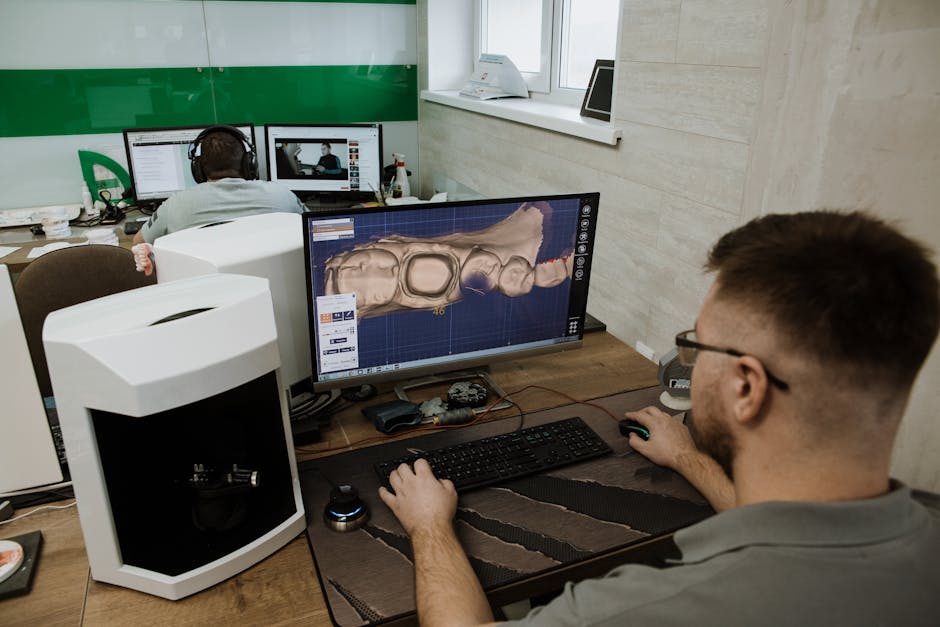
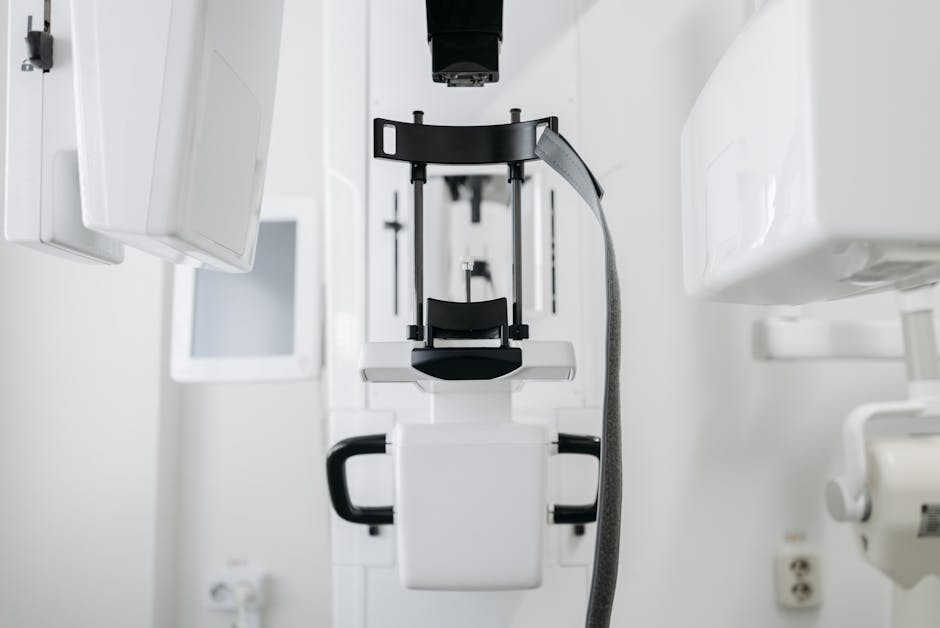
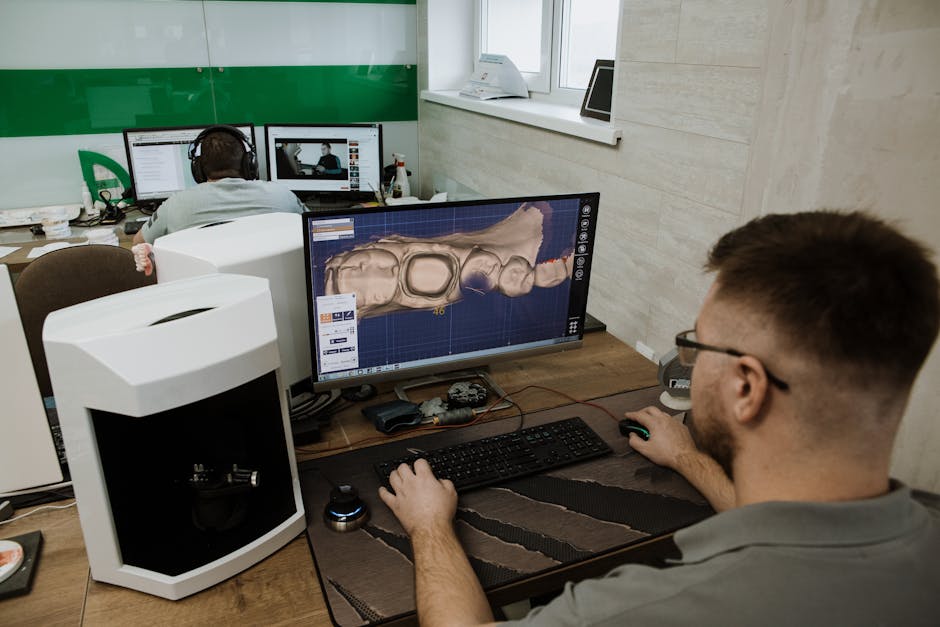
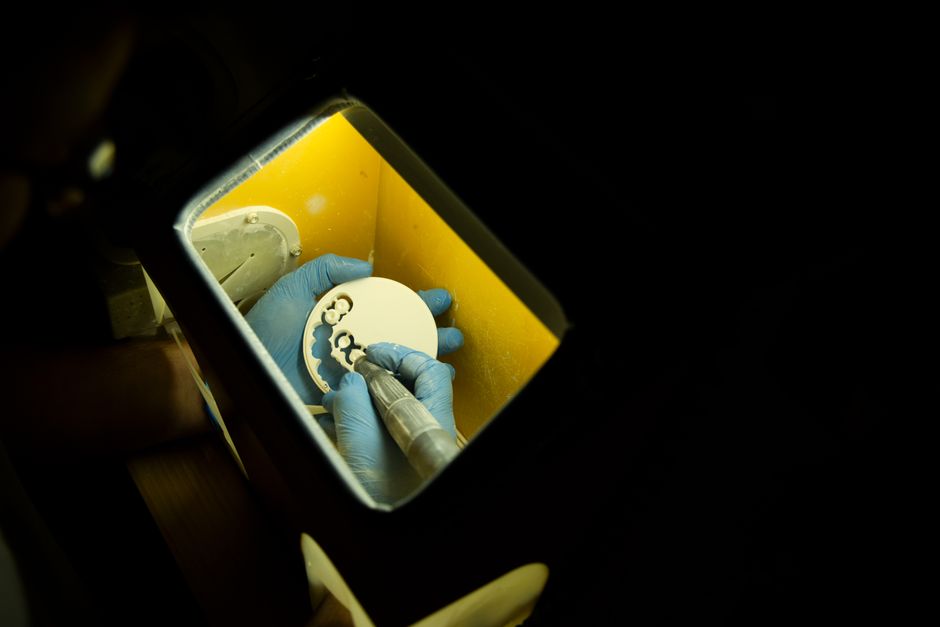
Digital planning and CAD/CAM workflows can enhance precision, efficiency, and communication. But digital excellence is most powerful when the biological environment is healthy. Inflammation-related soft-tissue instability can influence emergence profile design, impression accuracy (digital or conventional), and aesthetic outcomes.
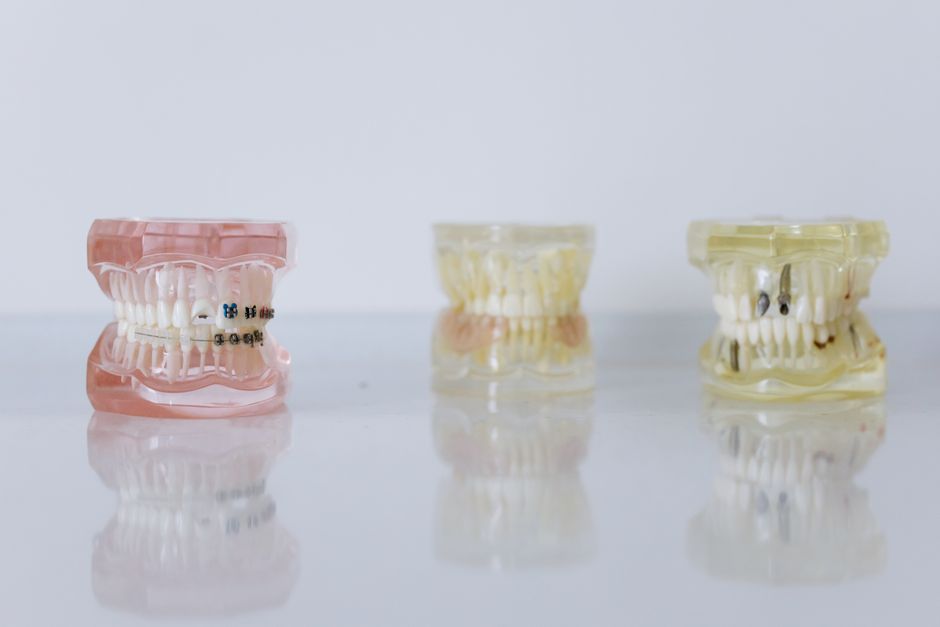
For implant-focused digital workflows, The role of CAD/CAM technology in modern implant dentistry discusses how digital systems support predictable planning—an important complement to periodontal fundamentals taught in continuing education settings.
Patient Communication: Explaining “Why It Matters” Without Alarm
NUG can be frightening for patients because of pain, bleeding, and odour. Clear, non-judgmental language helps improve compliance. Many patients benefit from a simple explanation: “This is an acute gum infection with tissue ulceration. We need to reduce bacteria and inflammation and then support healing with cleaning and home care.” Avoiding blame is critical; instead, frame risk factors (stress, smoking, reduced sleep, systemic conditions) as modifiable contributors.
For dental professionals, motivational interviewing techniques—small, achievable hygiene goals; short follow-ups; and visual progress tracking—often improve outcomes. In hands-on periodontal education, these communication skills are frequently overlooked, yet they strongly influence whether a patient returns for maintenance.
Interdisciplinary Screening: Looking Beyond the Gums
Acute oral pain can coexist with other conditions that influence diagnosis and care planning. For example, parafunction, clenching, and temporomandibular disorders (TMD) may complicate pain reports and affect function during acute episodes. While TMD is distinct from NUG, clinicians benefit from a structured approach to head-and-neck assessment when symptoms overlap.
If you want an evidence-informed framework for evaluating jaw symptoms in parallel with dental findings, read Clinical diagnostic approach to TMD patients: an evidence-informed guide for dentists. In real-world practice, integrated screening supports safer, more complete care.
Learning Takeaways for Dentists and Students
NUG is a high-yield topic for clinical training because it reinforces several core competencies: recognising acute periodontal patterns, triaging urgency, communicating risk, and sequencing care before elective rehabilitation. It also highlights the principle that aesthetics and advanced dentistry depend on periodontal stability.
At Istanbul Dental Academy, our continuing dental education approach prioritises hands-on learning and clinical reasoning—helping dentists connect periodontal diagnosis with restorative, prosthodontic, digital, and surgical decision-making. Whether you are building confidence in periodontal assessment or integrating implants and aesthetics into your practice, strengthening foundational diagnostics is one of the most practical investments you can make.
Conclusion
When necrotizing ulcerative gingivitis is left untreated, the consequences can extend beyond short-term discomfort. Potential outcomes include ongoing tissue necrosis, progression toward deeper periodontal destruction, gingival architecture loss that compromises aesthetics, and increased recurrence risk—especially when systemic or behavioural contributors remain unaddressed. For clinicians and students, NUG is a reminder that prompt assessment, careful documentation, and biologically informed sequencing are central to predictable dentistry.
This content is for educational purposes. Diagnosis and management should be tailored by a qualified dental professional based on the patient’s clinical findings and medical history.
Diğer Yazılar