
BLOG
Is One-Day Dental Implant Treatment Really Possible?
One-Day Implant Treatment: What People Mean (and What It Usually Doesn’t Mean)
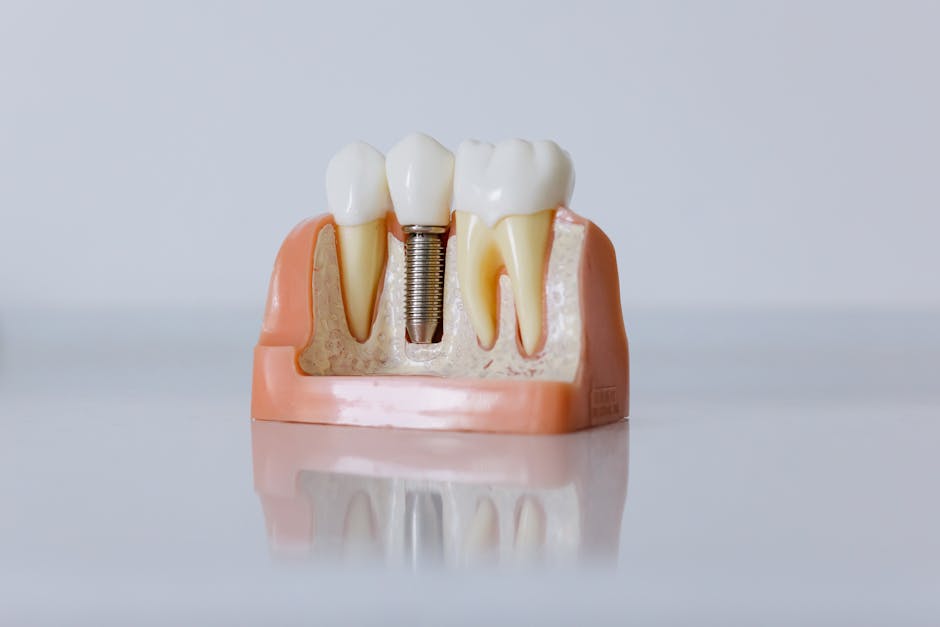
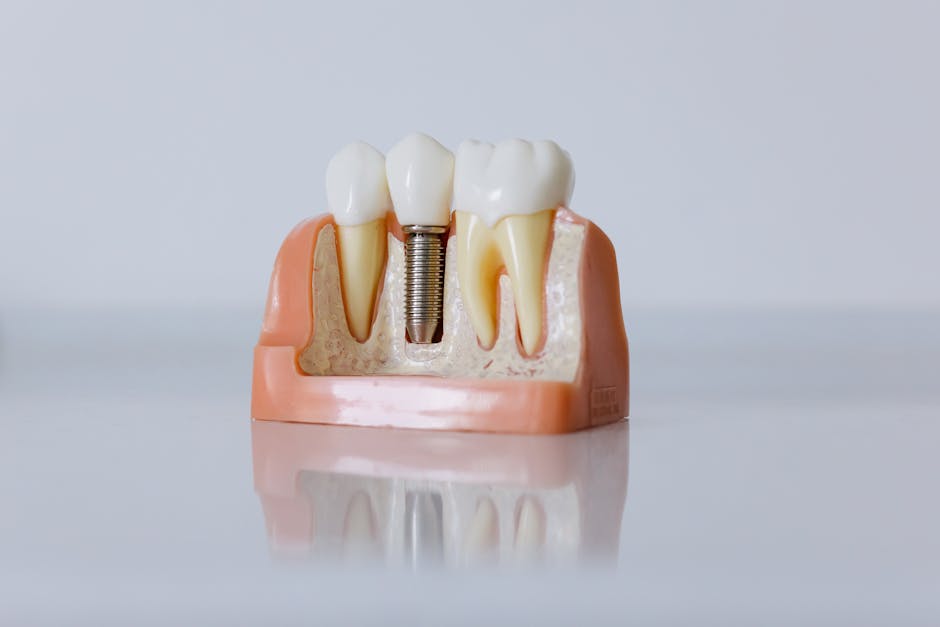
Patients and even clinicians sometimes use the phrase “one-day implant” as if it means an implant is placed and fully finished—surgery, crown, and long-term function—within 24 hours. In reality, “one-day” most often describes one of two concepts: immediate implant placement (placing an implant at the time of extraction) and/or immediate provisionalization (delivering a temporary tooth or temporary bridge the same day).
What typically cannot be rushed is biology: the healing and integration process (osseointegration) that allows an implant to withstand chewing loads long-term. Even when a temporary restoration is delivered quickly, clinicians still plan for staged follow-ups, soft-tissue maturation, and a definitive prosthesis after sufficient healing.
This article is for educational purposes and aims to clarify how “one-day implant treatment” is approached in modern dentistry—particularly within digital workflows and evidence-informed clinical decision-making.
Clinical Pathways Behind “Same-Day” Implant Solutions
1) Immediate Implant Placement (Extraction + Implant in One Visit)
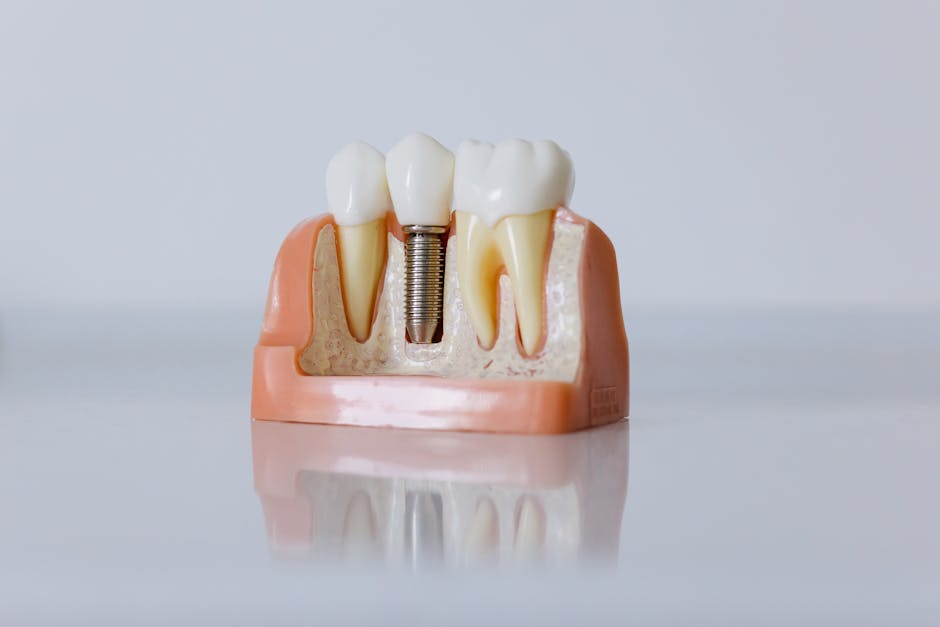
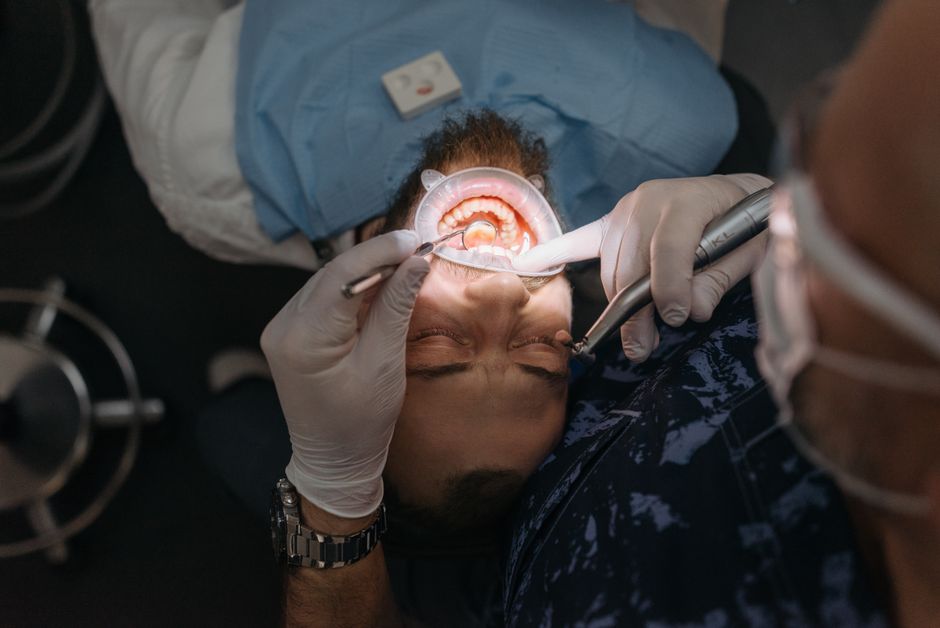
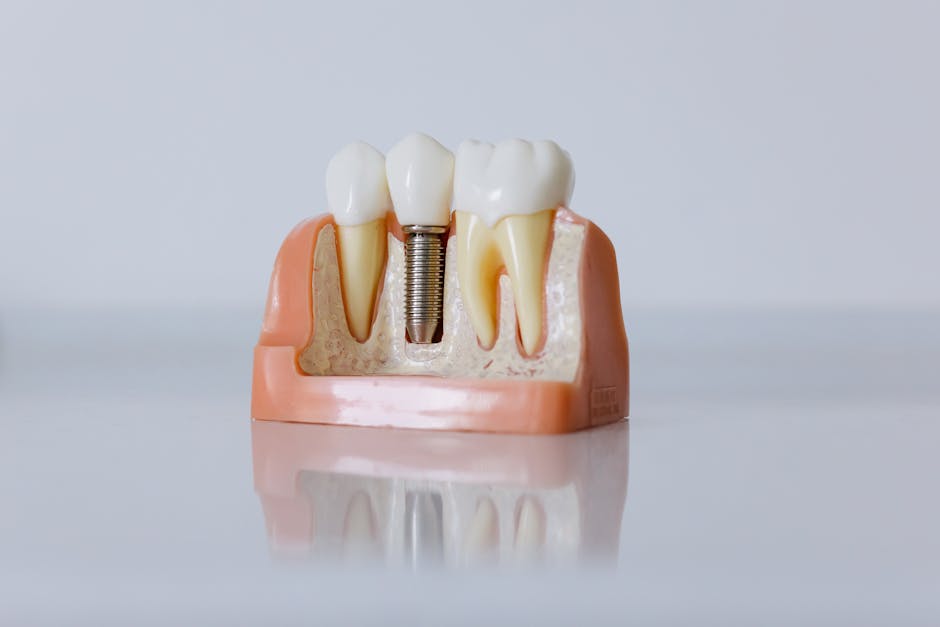
When a tooth must be removed, an implant may sometimes be placed in the same appointment. This approach may reduce treatment time and limit the number of surgical visits. However, it requires careful assessment of socket anatomy, infection control, bone integrity, and primary stability.
Immediate placement is not automatically “faster and better.” It is a technique with indications and contraindications, and case selection has a major impact on outcomes.
2) Immediate Provisionalization (Temporary Tooth the Same Day)
“Teeth in a day” often refers to delivering a temporary crown or provisional bridge right after implant placement. In the anterior region, this can be a powerful tool for protecting aesthetics and supporting soft-tissue contours—especially when the provisional is designed out of occlusion to reduce loading during early healing.
Immediate provisionalization is usually considered when clinicians can achieve strong primary stability and control occlusal forces. It may not be appropriate for every patient, implant site, or bone condition.
3) Full-Arch Immediate Loading (Selected Cases)
Some full-arch protocols aim to deliver a fixed provisional prosthesis on the same day (often called “All-on-4/All-on-X” concepts). These protocols depend on implant distribution, insertion torque, bone density, and a carefully managed prosthetic design. They are technique-sensitive and benefit from a coordinated surgical–prosthetic team.
Who May Be a Candidate for One-Day Implant Approaches?
Eligibility is not based on a single factor. Instead, clinicians weigh multiple variables to reduce risk and improve predictability:
Bone quantity and quality: Adequate bone volume and density support primary stability and proper 3D positioning.
Soft-tissue biotype and periodontal status: Soft-tissue thickness, keratinized tissue, and periodontal stability influence aesthetics, comfort, and peri-implant health.
Infection and extraction-site conditions: Acute infection, significant bone loss, and socket defects may require staged management.
Occlusal scheme and parafunction: Bruxism and heavy occlusal forces can compromise immediate loading strategies, especially with single implants.
Systemic considerations: Conditions such as diabetes, smoking habits, and medications can affect wound healing and long-term maintenance. For example, clinicians often consider glycemic control and risk-reduction strategies when planning implants for diabetic patients; see our educational overview: Dental Implants for Patients with Diabetes: What Clinicians Should Know.
The Diagnostic Foundation: Why Digital Dentistry Matters
Same-day implant workflows are increasingly enabled by digital tools—yet these tools are only as effective as the diagnostic thinking behind them.
CBCT + Intraoral Scanning for 3D Planning
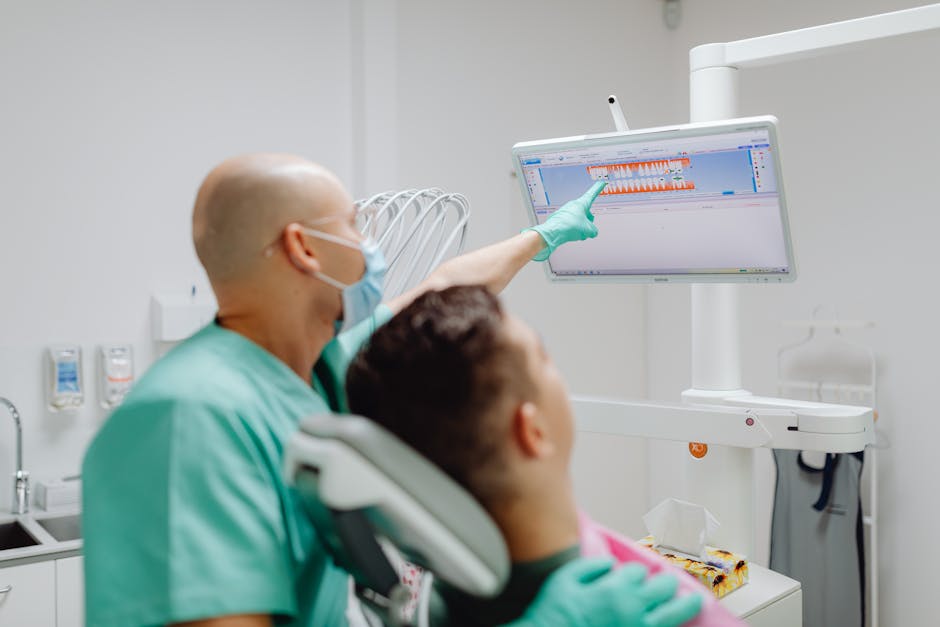
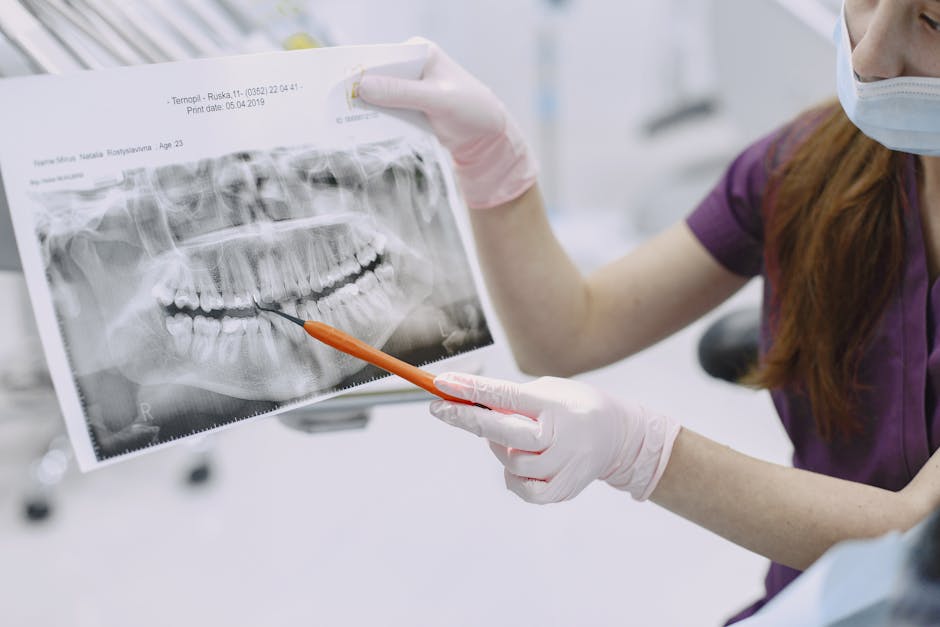
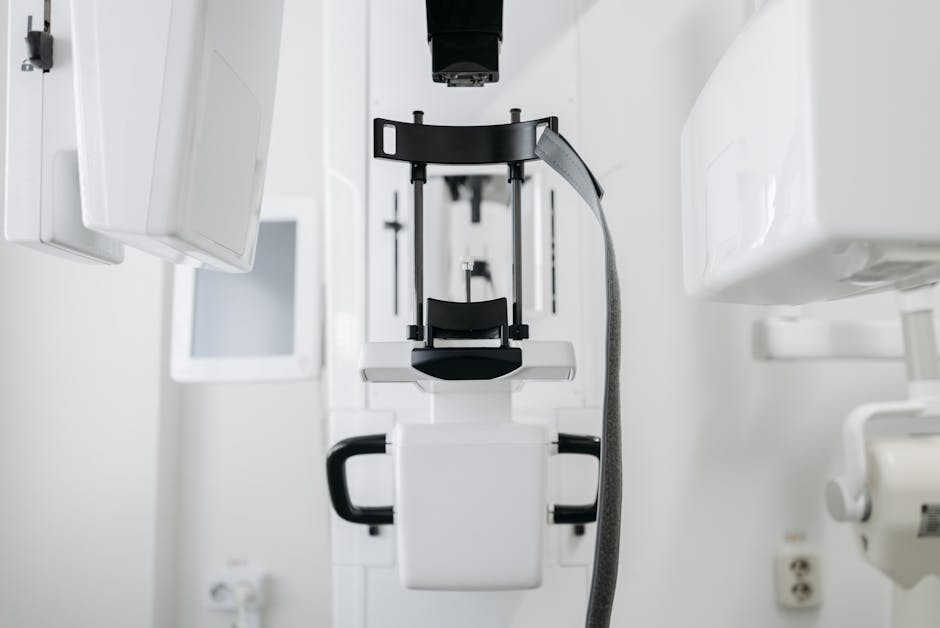
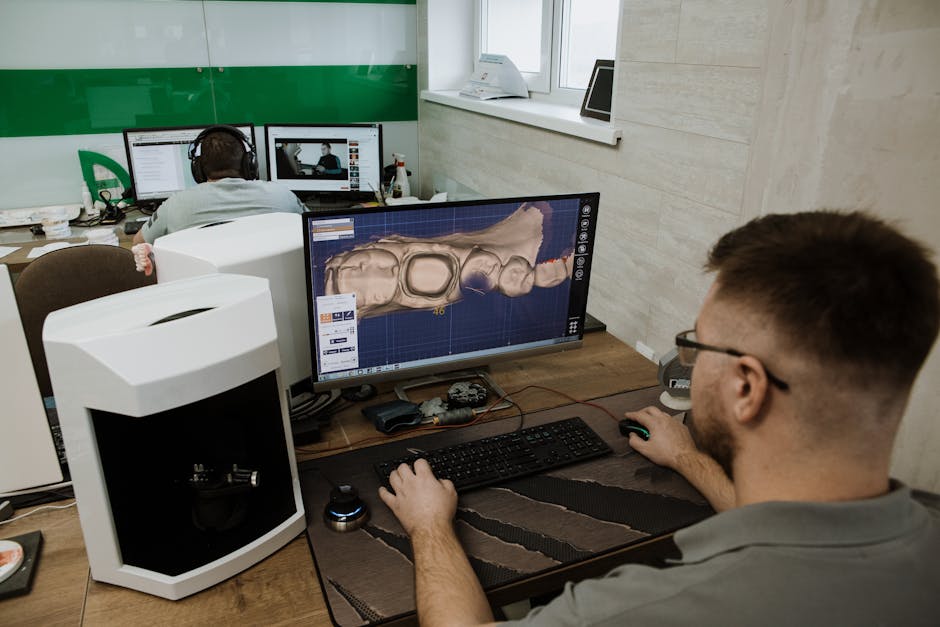
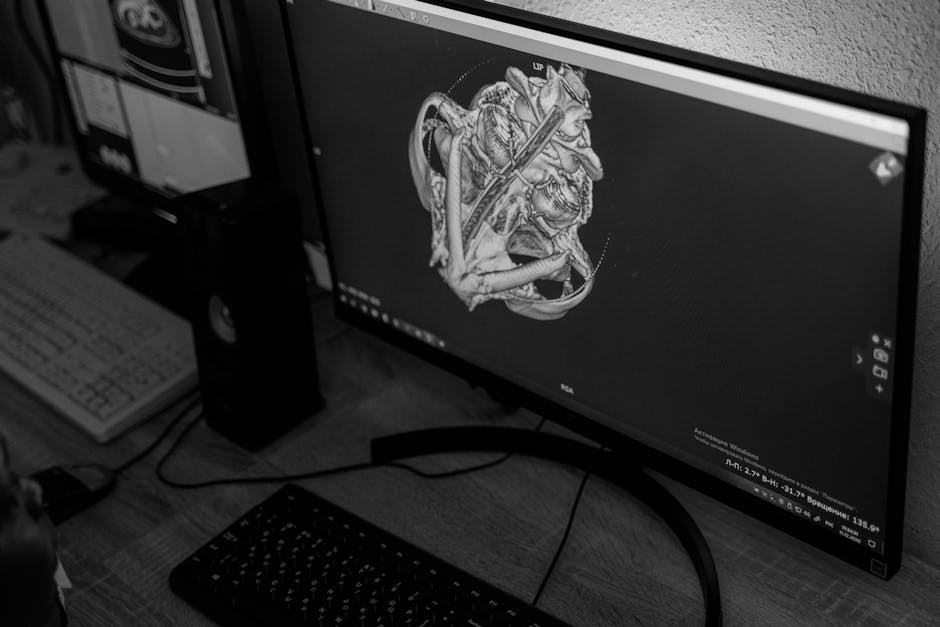
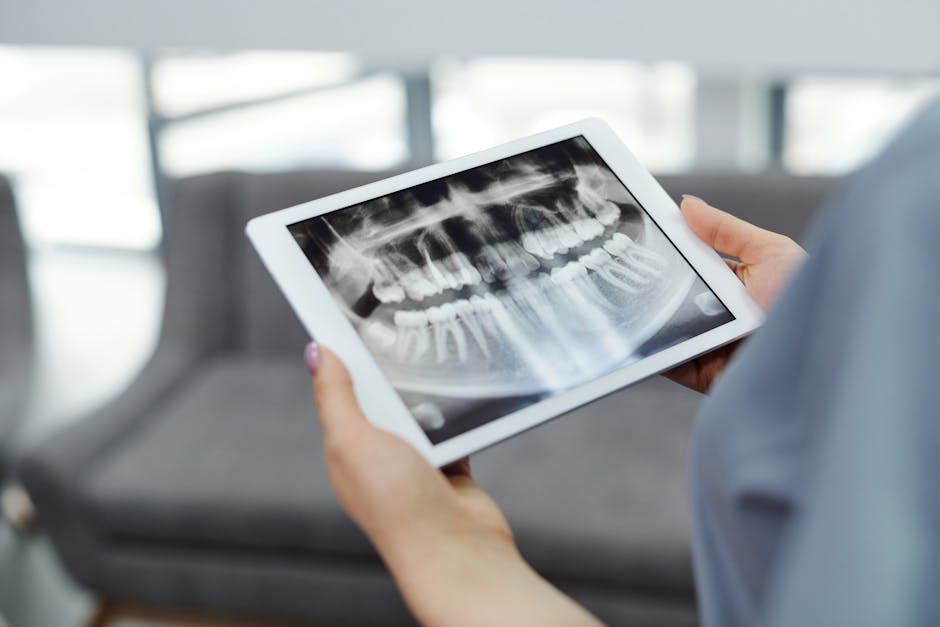
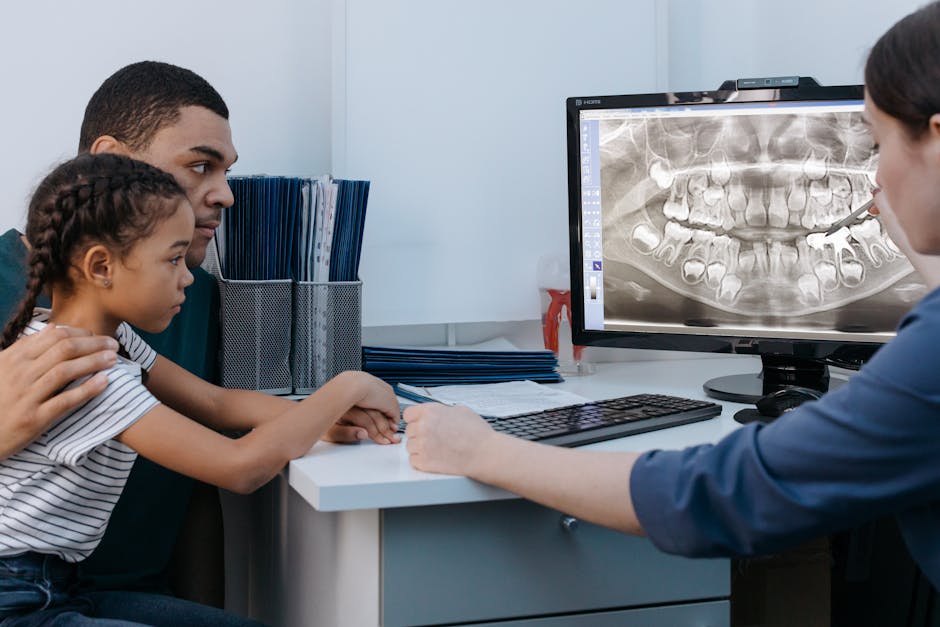
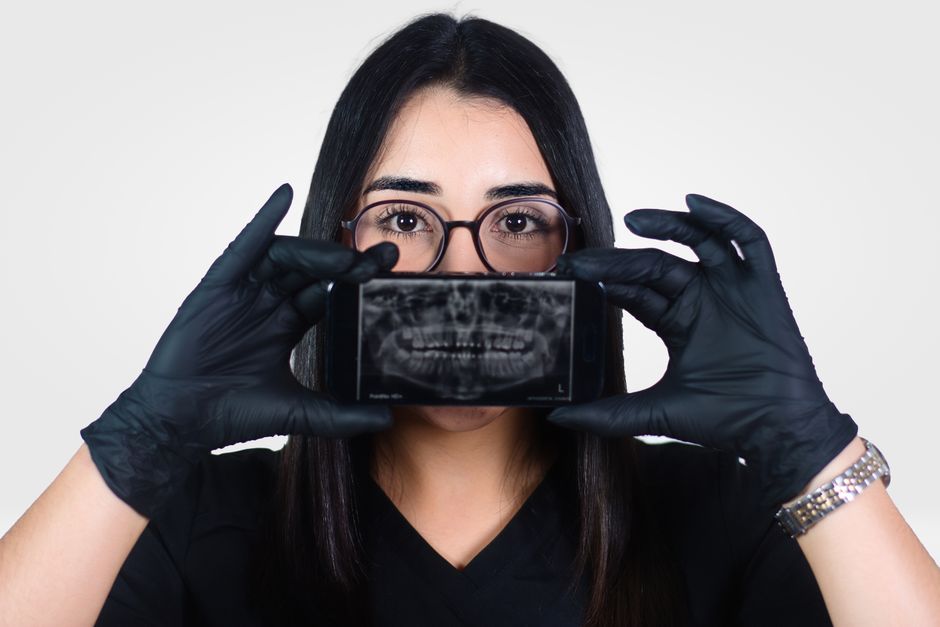
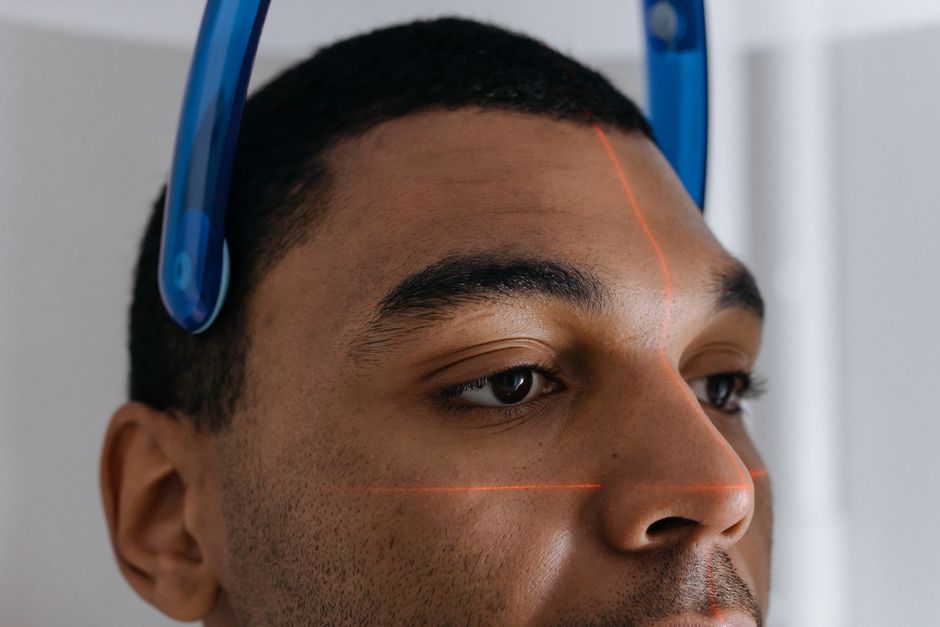
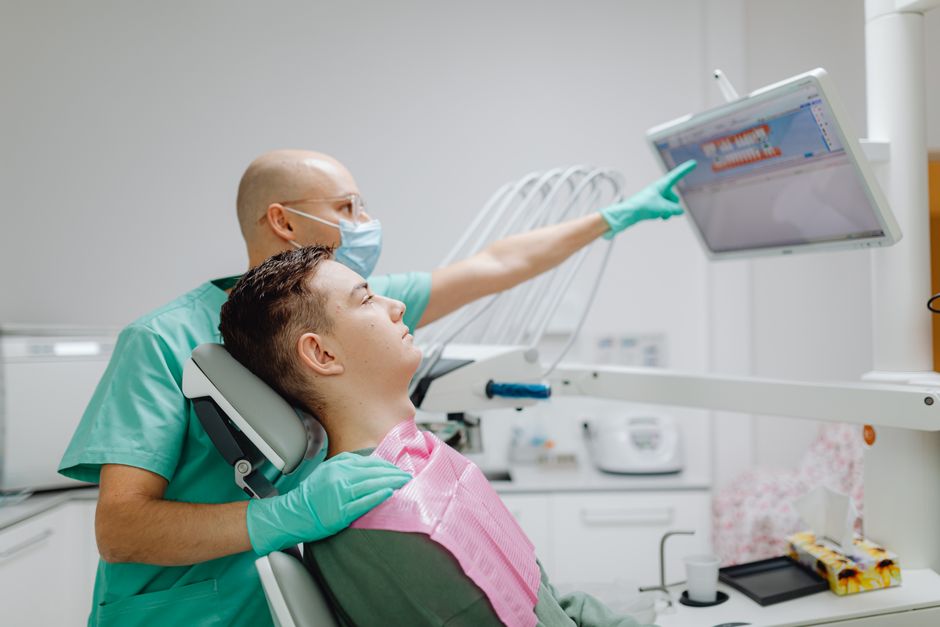
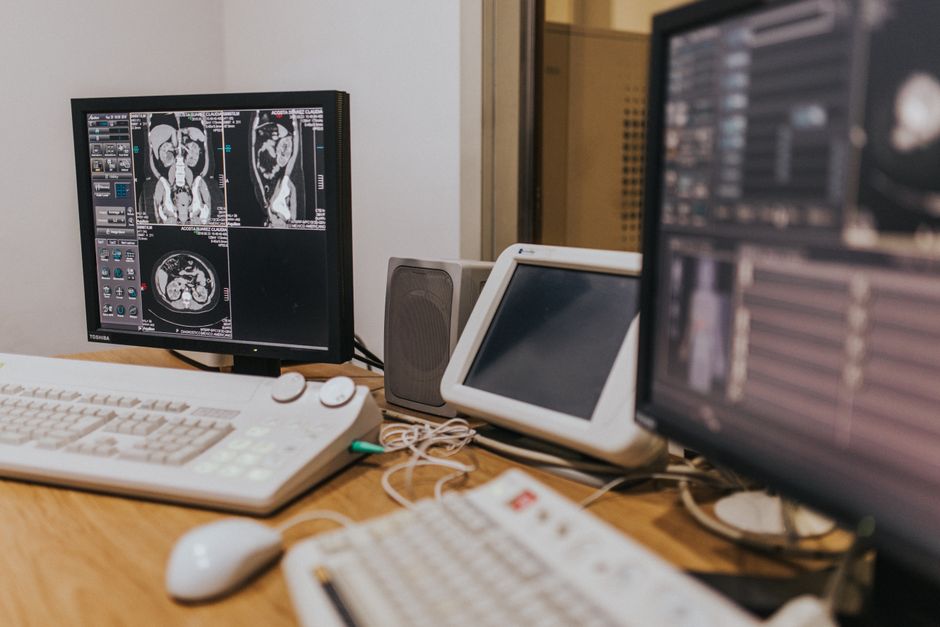
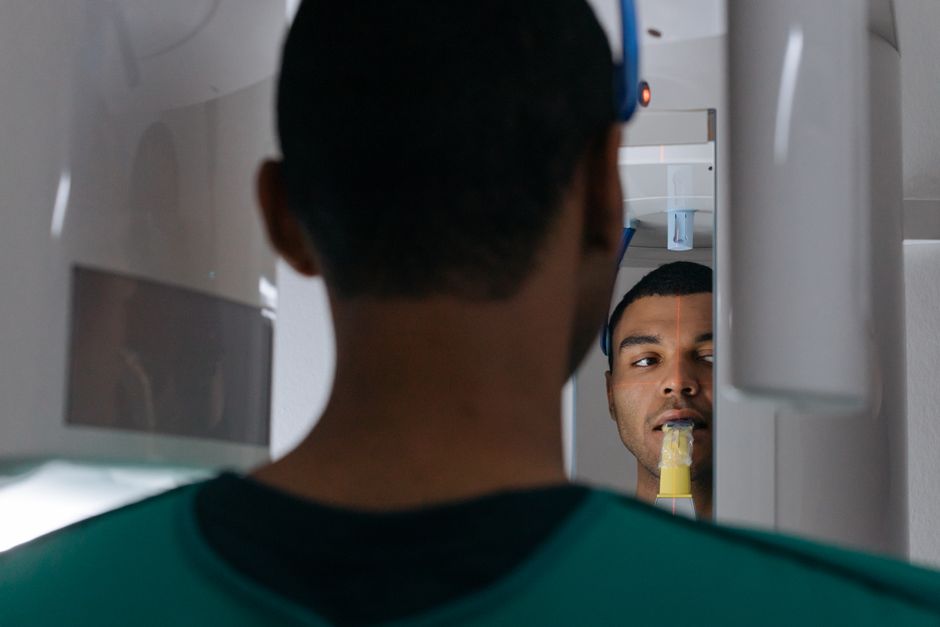
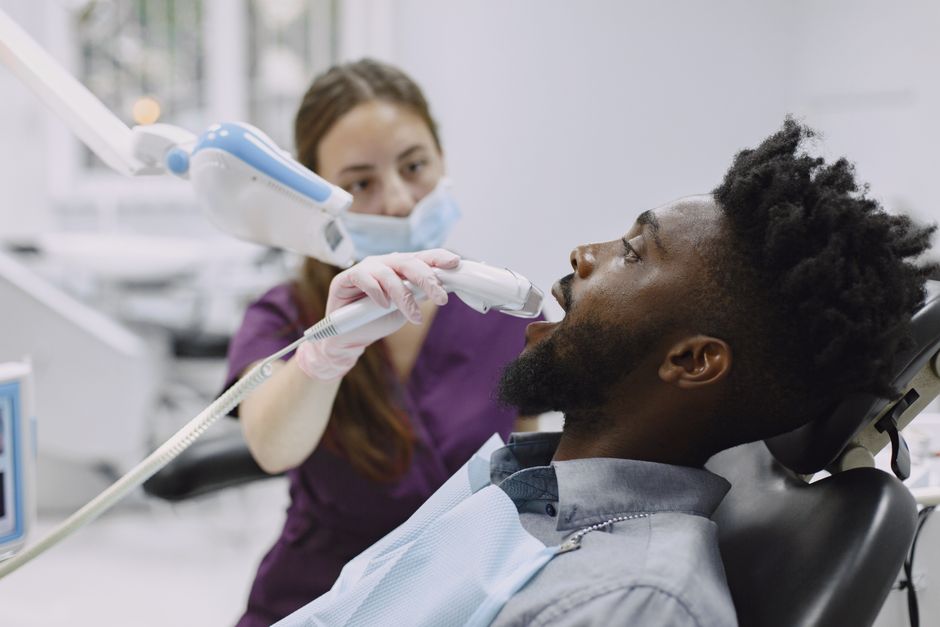
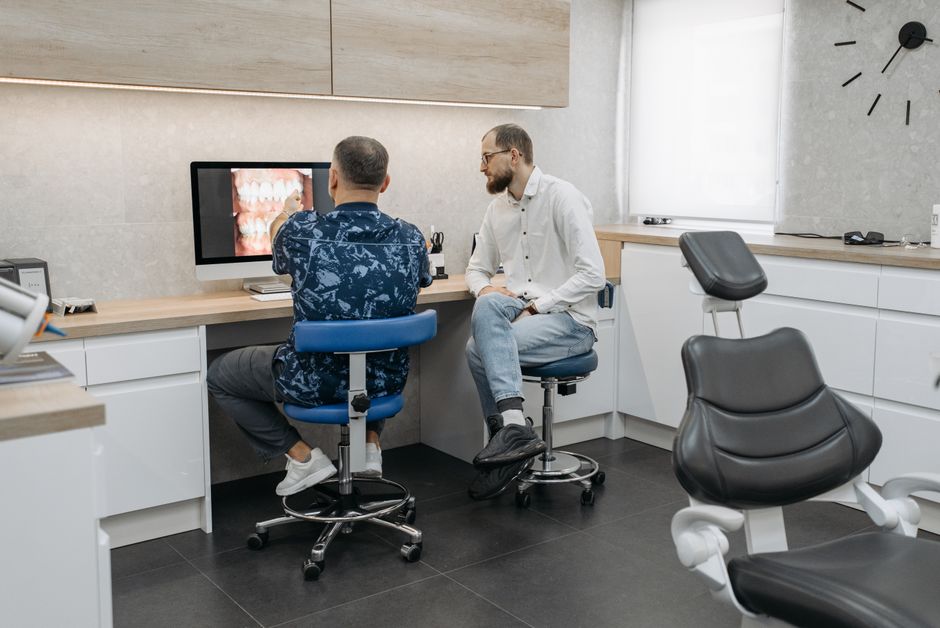
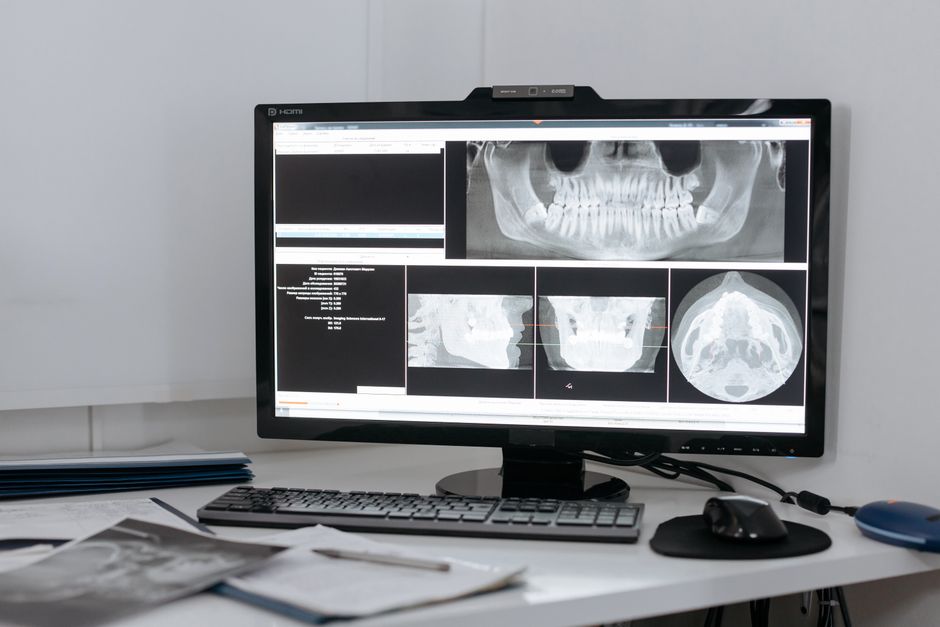
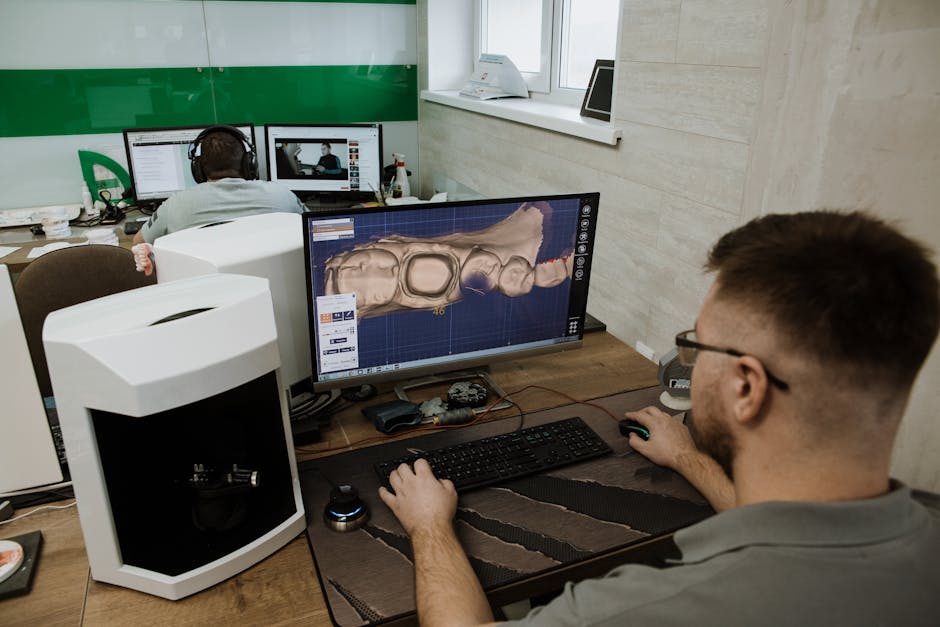
CBCT imaging supports evaluation of anatomical structures, bone morphology, and site-specific risks. Intraoral scans and digital wax-ups help plan prosthetically driven implant positioning. When these datasets are combined, clinicians can simulate implant placement relative to the future crown—often a critical factor in whether immediate provisionalization is feasible.
Surgical Guides and Provisional Design
Guided surgery may help translate the plan to the mouth with improved positional control. It can also streamline immediate provisional fabrication—particularly when the restorative team is prepared with a pre-designed provisional.
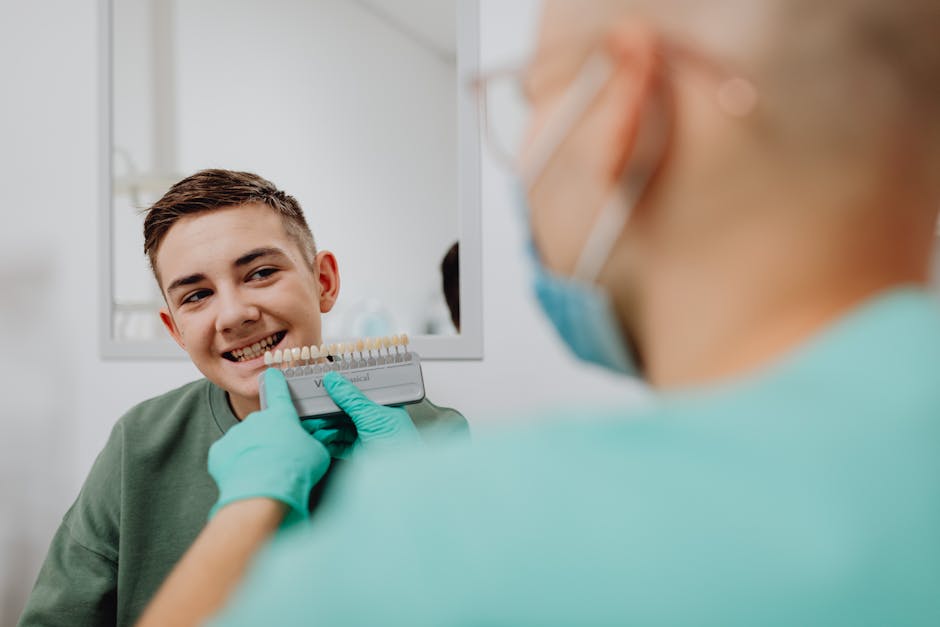
Dental Photography as a Communication and Planning Tool
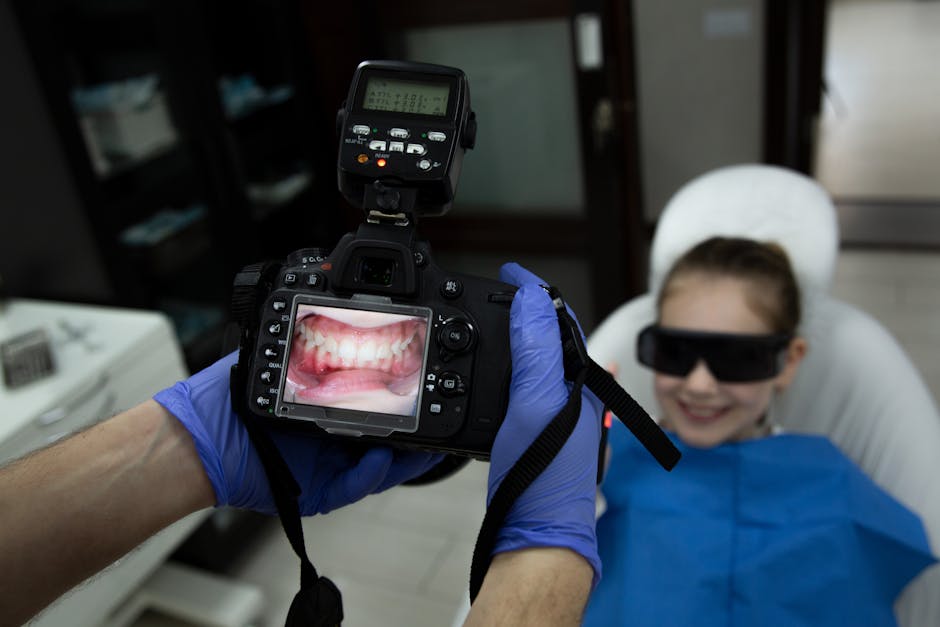
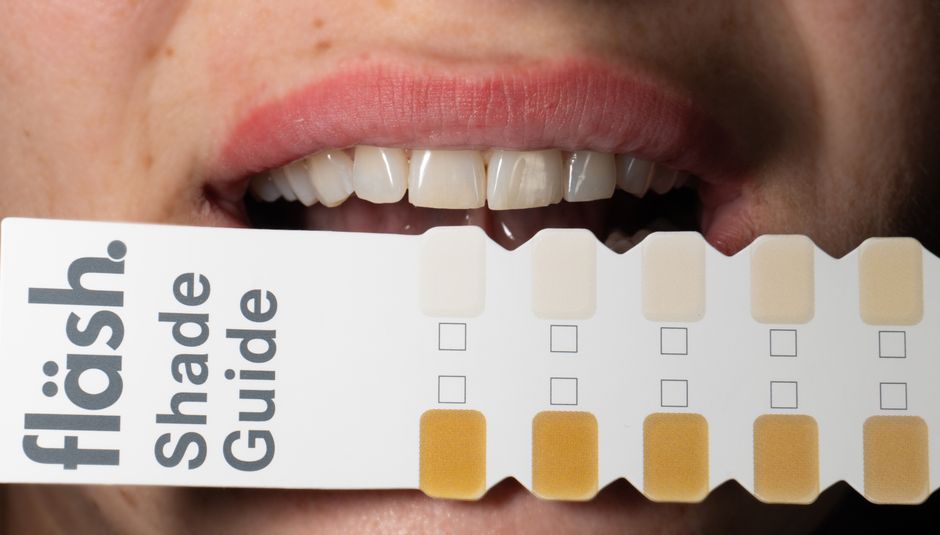
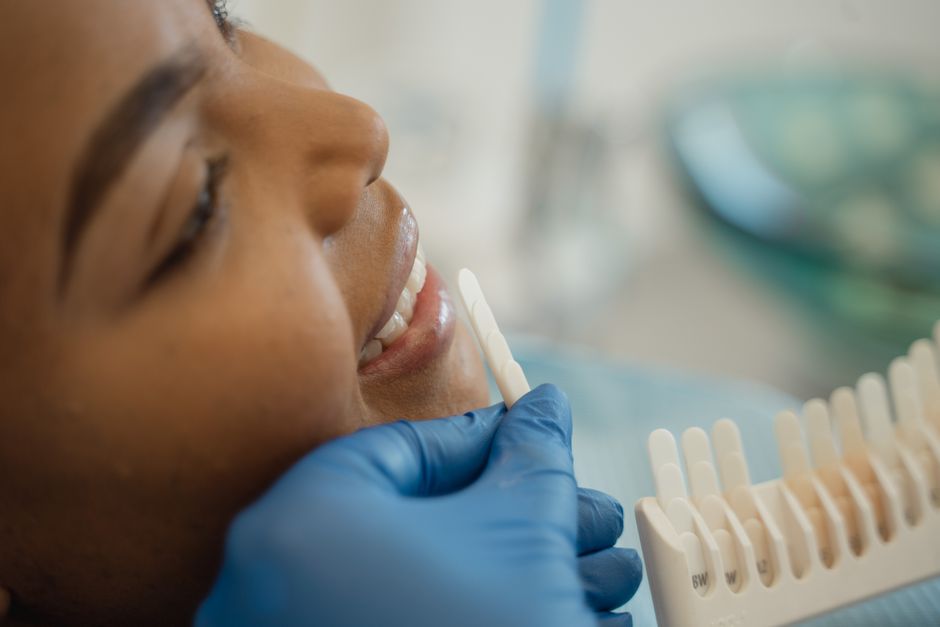
While photography is often associated with aesthetics, it also supports implant dentistry by documenting soft-tissue baselines, smile dynamics, and emergence-profile goals. High-quality records improve interdisciplinary communication and help set realistic expectations.
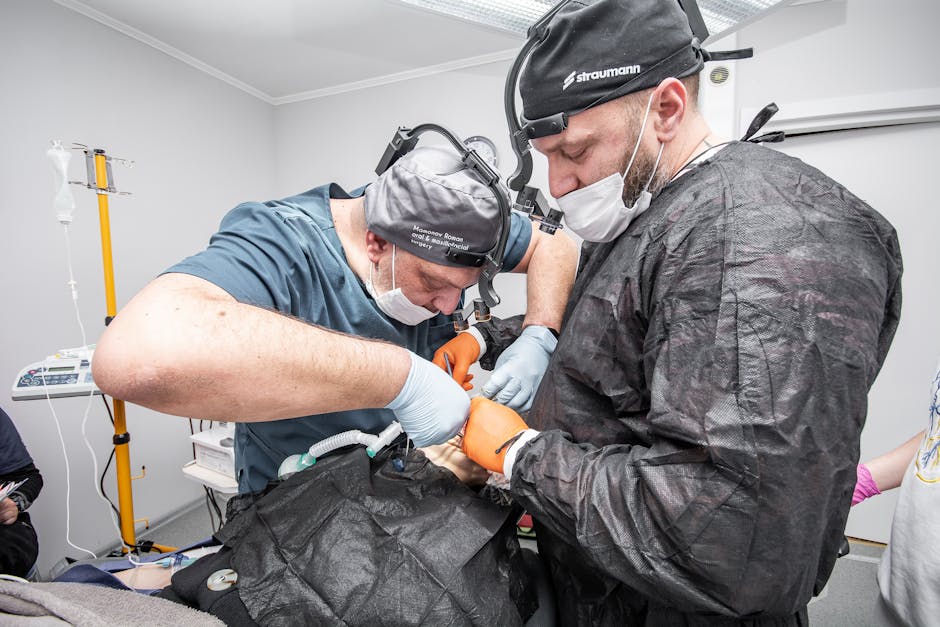
What Happens During a “One-Day Implant” Appointment?
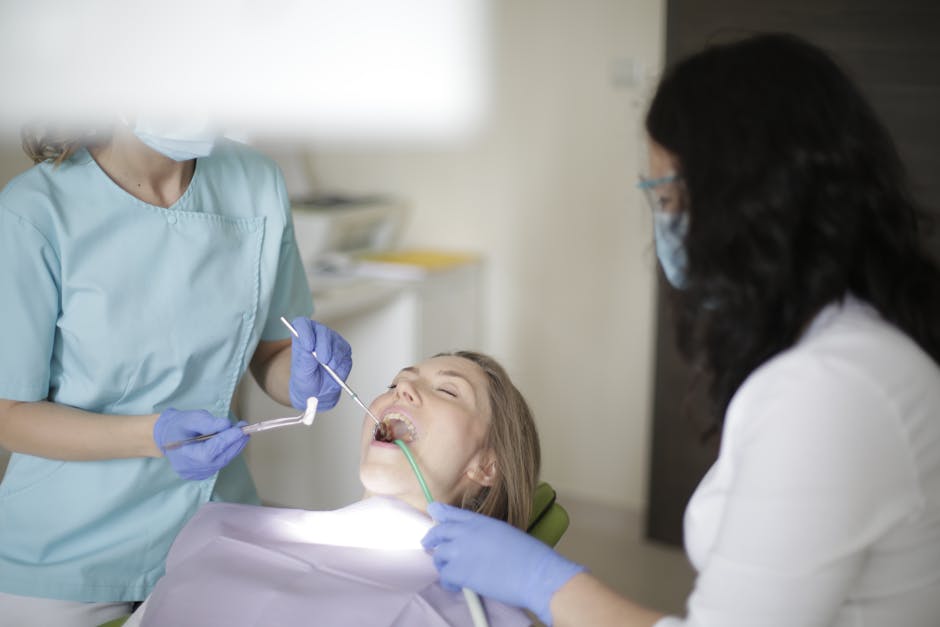
Although each case is unique, same-day protocols often follow a structured sequence:
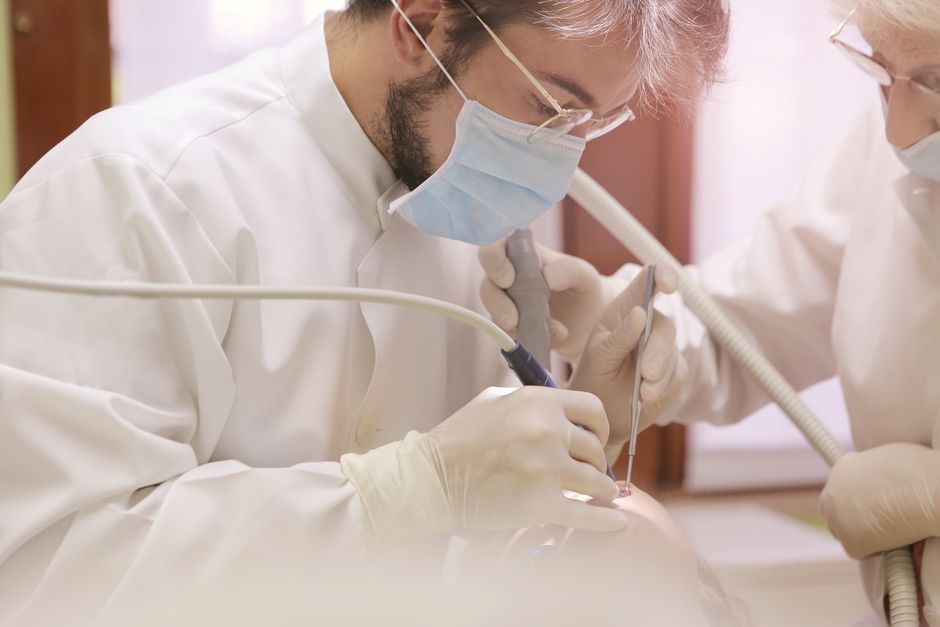
1) Preoperative evaluation: Medical history, risk assessment, imaging, and treatment planning.
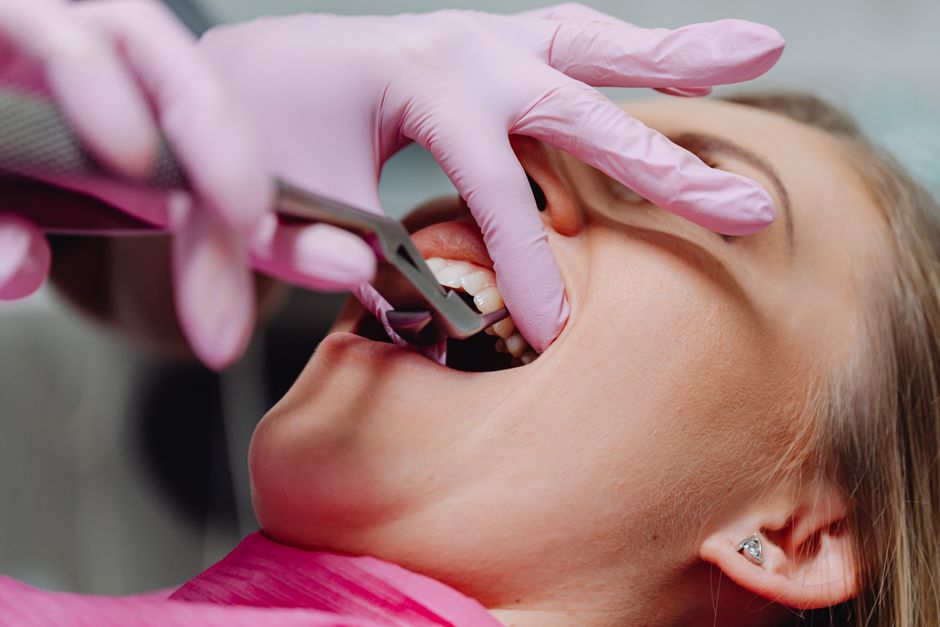
2) Atraumatic extraction (if needed): Preserving socket walls can be essential for immediate placement and aesthetic outcomes.
3) Implant placement: Achieving primary stability and correct 3D positioning is crucial. Prosthetically driven placement helps avoid restorative compromises later.
4) Soft-tissue management: Contours are shaped to support healing and future emergence profile.
5) Immediate provisional (selected cases): A temporary restoration may be delivered with careful occlusal management.
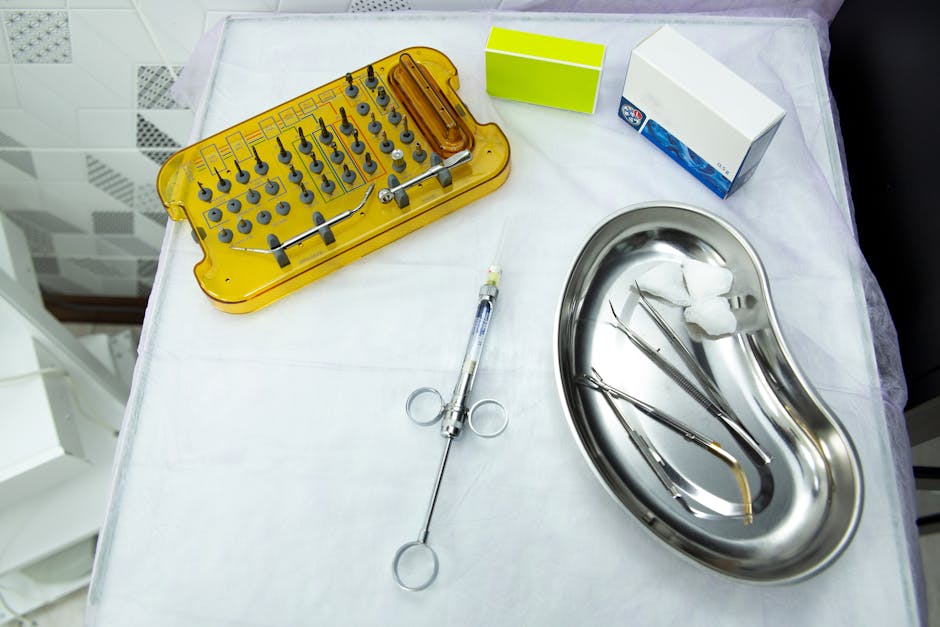
6) Postoperative protocol: Hygiene instructions, follow-up scheduling, and monitoring of tissue response.
Soft-Tissue Considerations: The Often Overlooked Success Factor
Many discussions about “one-day implants” focus on the implant fixture, but long-term success also depends on soft-tissue stability, maintainability, and patient-level hygiene.
When soft-tissue volume is limited, clinicians may consider augmentation strategies to enhance peri-implant mucosal conditions. In some treatment plans, biomaterials may be discussed in the context of tissue management; for additional educational background, see Asellüler Dermal Matriks: Diş Hekimliğinde Kullanımı.
Daily protective factors also matter. Saliva supports buffering, antimicrobial action, and lubrication—elements that influence comfort and oral ecology during healing and maintenance. For a patient-friendly but clinically relevant refresher, read Why Saliva Matters: The Unsung Protector of Oral Health.
Immediate vs. Delayed: Benefits, Trade-Offs, and Risk Management
Potential Advantages
Fewer surgical visits: Immediate placement may reduce total appointments.
Aesthetic and psychological benefits: Same-day temporaries can help patients avoid an edentulous gap.
Preservation of tissue architecture: In selected cases, immediate protocols may help maintain soft-tissue contours.
Potential Challenges
Technique sensitivity: Primary stability, implant positioning, and provisional design must align.
Higher demands on planning: Digital planning and team coordination become more critical.
Risk of complications if overloaded: Immediate temporaries must be designed to minimize functional forces during early healing.
Where Aesthetics Intersect: Veneers, Smile Design, and Implant Restorations
Many patients seeking one-day solutions are also motivated by aesthetics. In modern smile design, implants are not planned in isolation; they are planned within the context of adjacent teeth, gingival architecture, midline, and the patient’s smile line.
In some comprehensive cases, clinicians may combine implant therapy with minimally invasive aesthetic restorations such as porcelain laminate veneers. When veneers are part of the plan, cementation protocols can significantly influence longevity and appearance. For clinicians refining their adhesive workflow, explore Porselen Lamina Simantasyonunda Kritik Noktalar.
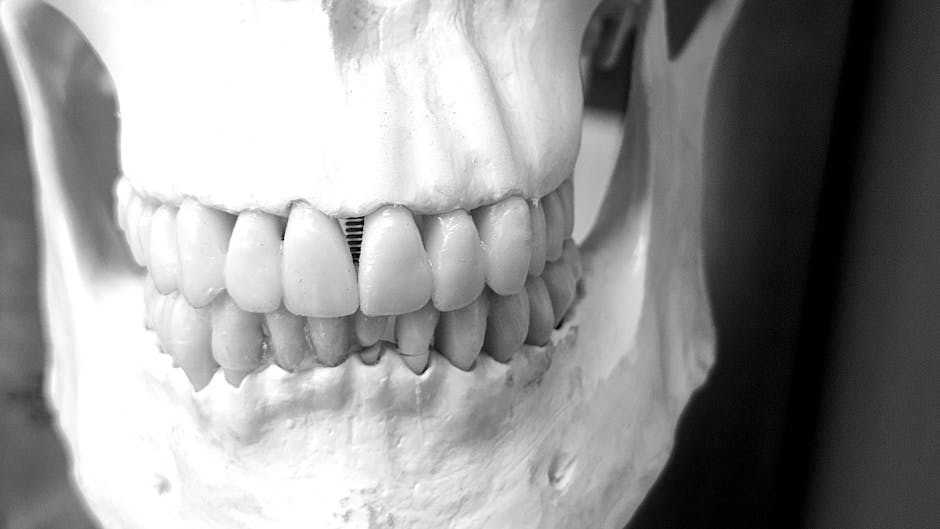
From an educational standpoint, this interdisciplinary overlap is exactly why implant dentistry training benefits from exposure to prosthodontics, restorative principles, occlusion, and photography—not just surgical steps.
How Istanbul Dental Academy Approaches Training for Same-Day Implant Workflows
“One-day implants” are rarely a single technique; they are a workflow. For dentists, developing competence in these workflows typically requires structured learning across diagnostics, digital planning, surgical execution, and prosthetic delivery.
At Istanbul Dental Academy, our continuing dental education philosophy emphasizes hands-on training supported by evidence-based concepts and practical clinical decision-making. Courses commonly integrate:
Prosthetically driven implant planning: Translating aesthetic and functional goals into implant position and restorative design.
Digital dentistry integration: CBCT interpretation, intraoral scanning, and guide-based workflows where appropriate.
Soft-tissue management principles: Understanding peri-implant mucosal stability, augmentation concepts, and maintenance considerations.
Interdisciplinary thinking: Linking implant restorations with restorative dentistry, periodontology, prosthodontics, and aesthetic protocols.
Setting Expectations: What Patients Should Understand
For patient communication, clarity matters. “Same-day” may mean a temporary tooth is delivered quickly, but it does not remove the need for follow-up, hygiene, and a definitive restoration phase. Patients benefit from understanding that:
Healing takes time: Even with a provisional, the bone and soft tissue need weeks to months to mature.
Maintenance is essential: Home care, professional cleanings, and monitoring reduce long-term complications.
Not every case is suited to immediate loading: A staged plan can be the safer, more predictable route depending on risk factors.
Key Takeaways
One-day implant treatment can be possible for selected patients when immediate placement and/or immediate provisionalization is clinically appropriate. Predictability depends on diagnosis, 3D planning, soft-tissue management, occlusal control, and patient-specific risk factors. Digital tools can streamline these steps, but they do not replace sound clinical judgment.
This content is for educational purposes and does not replace individualized diagnosis or treatment planning. For clinicians aiming to expand their skills in modern implant workflows—from digital planning to prosthetic execution—Istanbul Dental Academy offers hands-on courses designed to connect theory with practical application in everyday dentistry.
Diğer Yazılar