
BLOG
What Is Smile Design? Candidates, Workflow, and Clinical Considerations
Smile Design: More Than “A Beautiful Smile”
In contemporary dentistry, “smile design” refers to a structured, diagnosis-driven process that aims to improve the appearance of a patient’s smile while maintaining or enhancing function, periodontal health, and long-term restorative stability. In Istanbul—where dentistry frequently serves both local patients and international visitors—smile design has become closely linked with digital workflows, minimally invasive ceramics, implant-supported rehabilitation, and interdisciplinary treatment planning.
From an educational perspective, smile design is also a valuable framework for dental professionals because it forces clarity: What is the patient’s chief complaint? What is the biological and functional risk? What is realistically achievable with additive dentistry, and when do we need periodontal or surgical support? At Istanbul Dental Academy, these questions commonly appear in case-based discussions across restorative dentistry, prosthodontics, digital dentistry, and implant education.
This content is for educational purposes and does not replace individualized diagnosis or treatment planning.
Who Is Smile Design Suitable For?
Smile design is not limited to “cosmetic” cases. In practice, it is appropriate for a wide range of clinical scenarios—provided that the foundational conditions (disease control, stable occlusion, and predictable restorative parameters) are addressed first.
1) Patients with aesthetic concerns (color, shape, alignment, asymmetry)
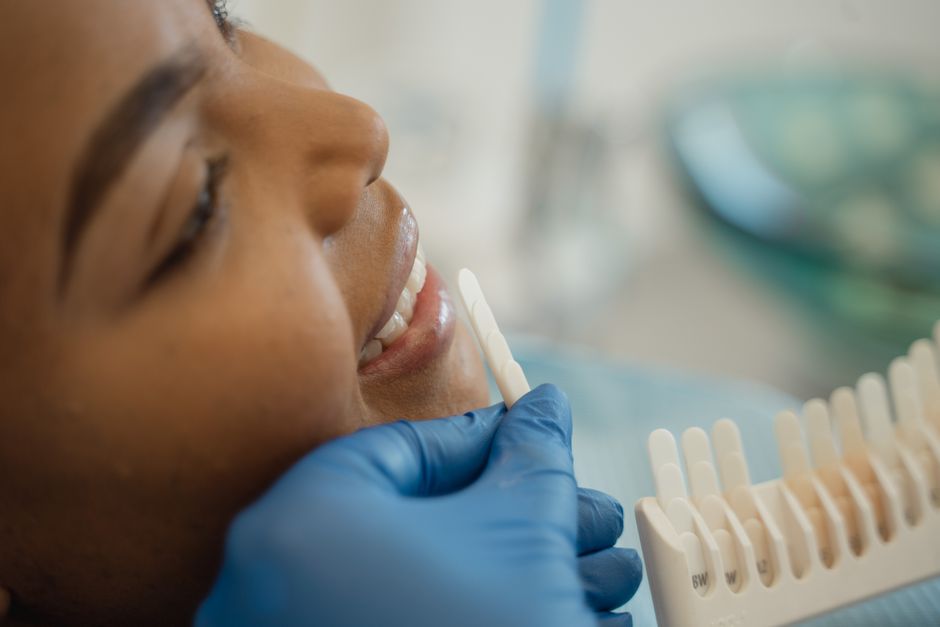
Common indications include discoloration, uneven incisal edges, worn teeth, diastema closure, minor rotations, and asymmetries between the dental midline and facial midline. In many of these cases, additive approaches (composite bonding or porcelain laminate veneers) may be considered after a thorough risk assessment.
2) Patients with wear, erosion, or functional issues
Smile design often overlaps with management of attrition, parafunction, and loss of vertical dimension (case-dependent). Here, aesthetics cannot be separated from occlusal design. Diagnostic wax-ups, trial mock-ups, and careful control of guidance are central to achieving predictability.
3) Patients with periodontal challenges
Gingival health and architecture strongly influence smile aesthetics. Inflammatory periodontal conditions, recession, altered passive eruption, or uneven gingival margins can compromise even the most meticulously crafted ceramics. If periodontal screening reveals risk factors, clinicians should prioritize stabilization and education. For a deeper clinical overview, see What Is Gum Disease? Early Signs, Risk Factors, and Clinical Insights.
4) Patients with missing teeth or failing restorations
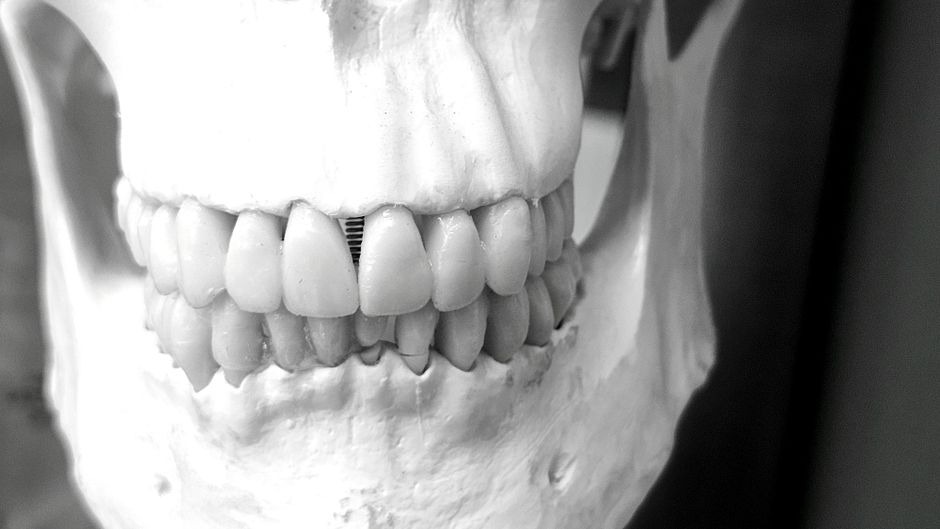
When anterior teeth are missing or posterior support is compromised, smile design becomes prosthetically and surgically driven. Implant planning, provisionalization strategy, and soft-tissue management can determine the final aesthetic outcome. In advanced cases, full-arch rehabilitation may be required rather than isolated aesthetic restorations.
Core Principles: The Smile Design “Checklist”
While philosophies vary, most evidence-informed smile design workflows consider a blend of facial, dento-gingival, and dental parameters. For dental professionals and students, turning these into a consistent checklist helps reduce subjectivity.
Facial parameters
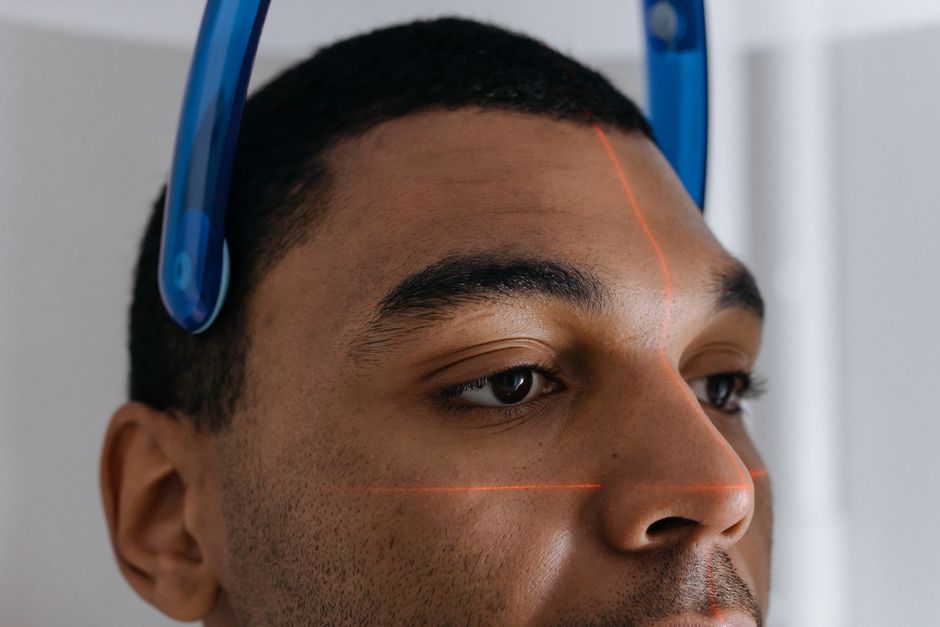
Facial midline, interpupillary line, smile line, lip dynamics at rest and in full smile, and overall facial symmetry are assessed. Dynamic video can be useful in addition to still images, especially for high-smile-line cases.
Dento-gingival parameters
Gingival zenith positions, papilla fill, gingival biotype, and crown length-to-width ratios guide whether restorative-only treatment is feasible or whether periodontal interventions may be needed. In many cases, “pink aesthetics” become the limiting factor rather than tooth form.
Dental parameters
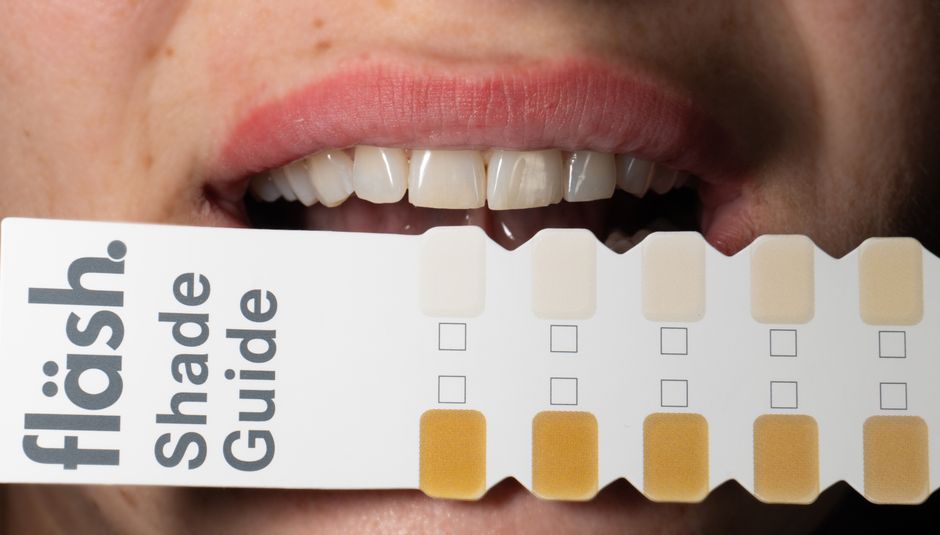
Tooth proportion, incisal edge position, embrasure form, texture and translucency, shade mapping, and occlusal scheme are planned. The goal is not only symmetry, but also natural optical behavior and functional harmony.
A Modern Clinical Workflow (Analog + Digital)
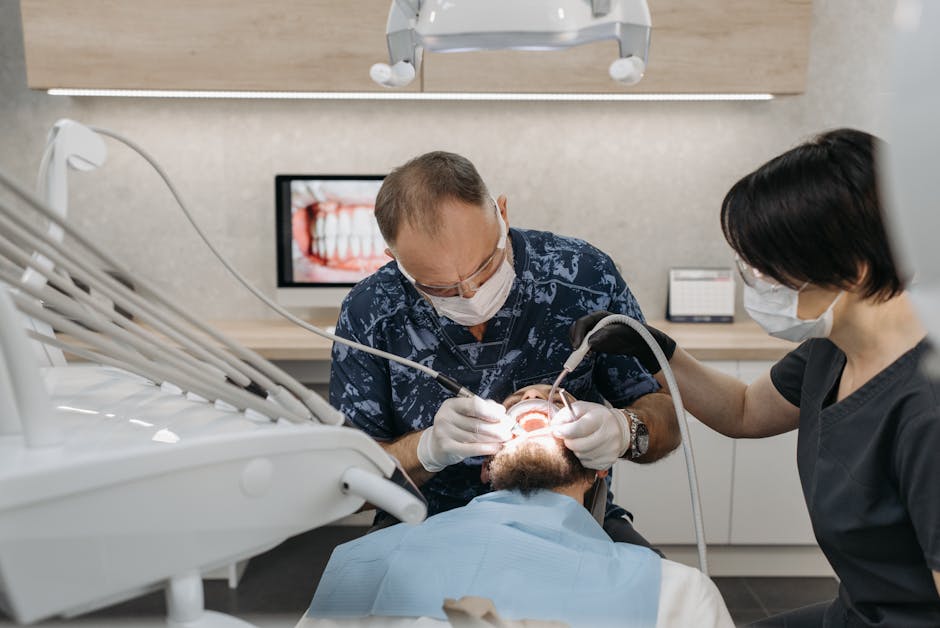
A predictable smile design case typically follows a sequence that integrates diagnostics, patient communication, and technical planning. The workflow below is a practical scaffold used in many teaching clinics and continuing education programs.
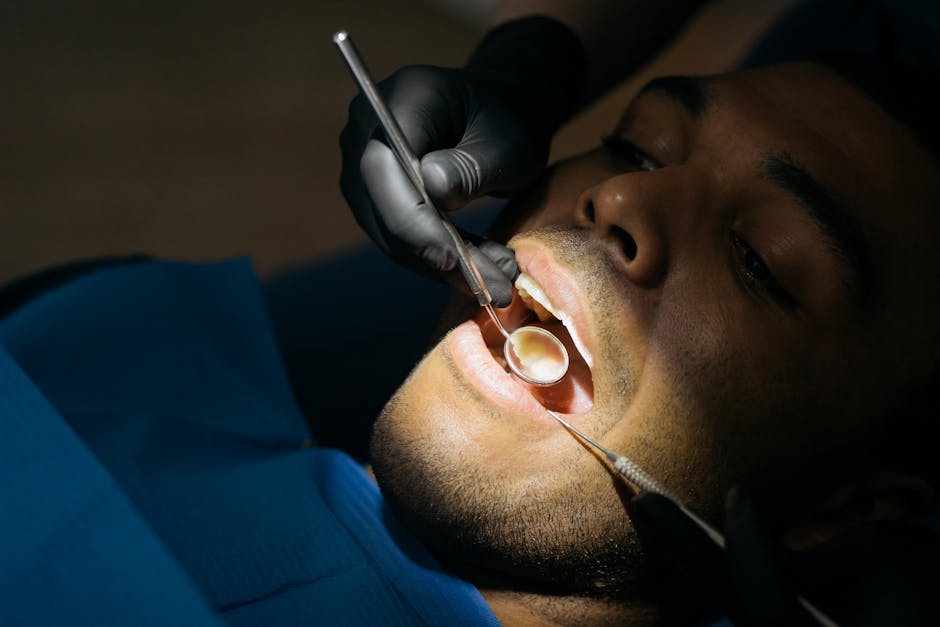
Step 1: Comprehensive examination and risk assessment
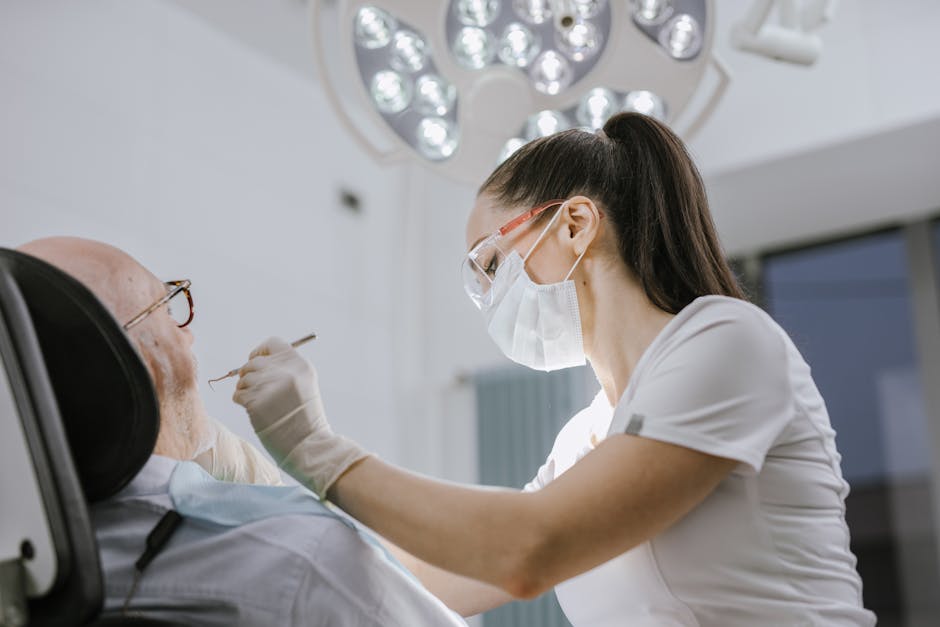
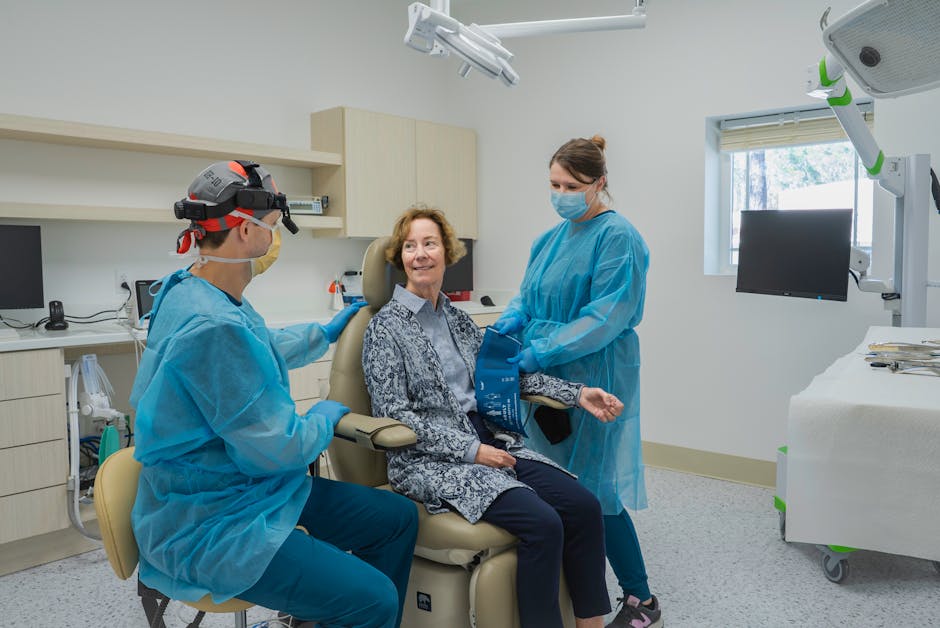
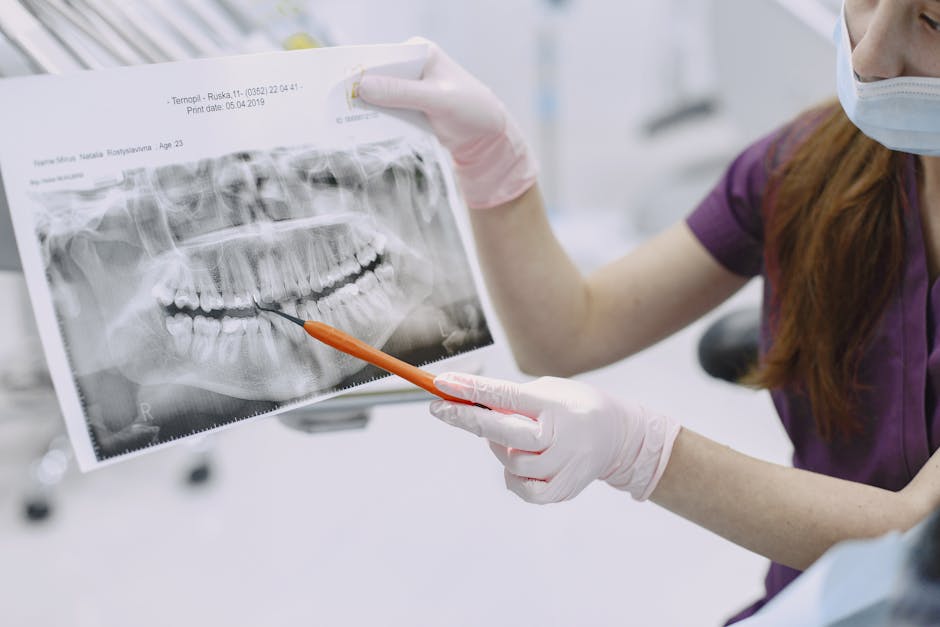
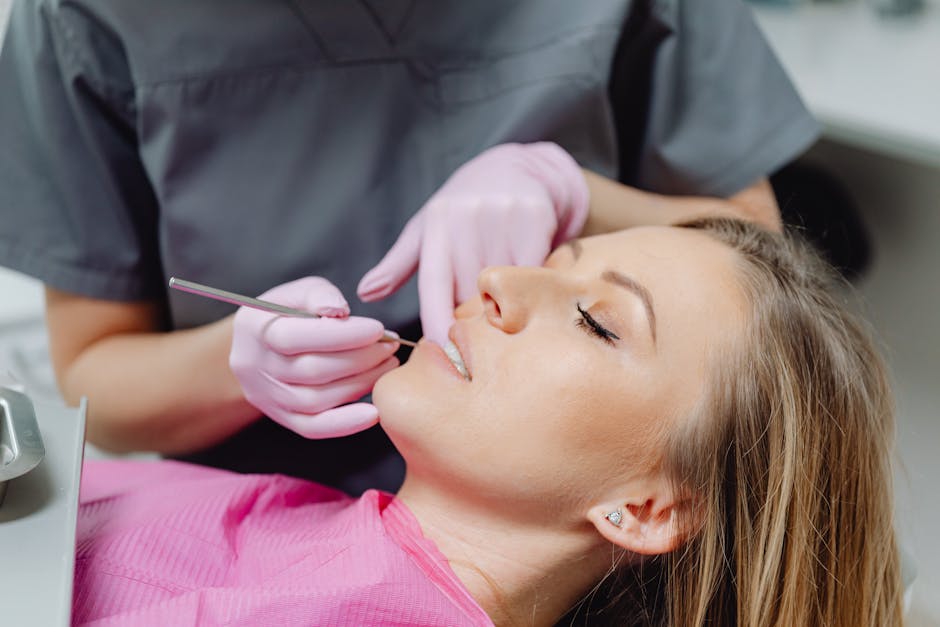
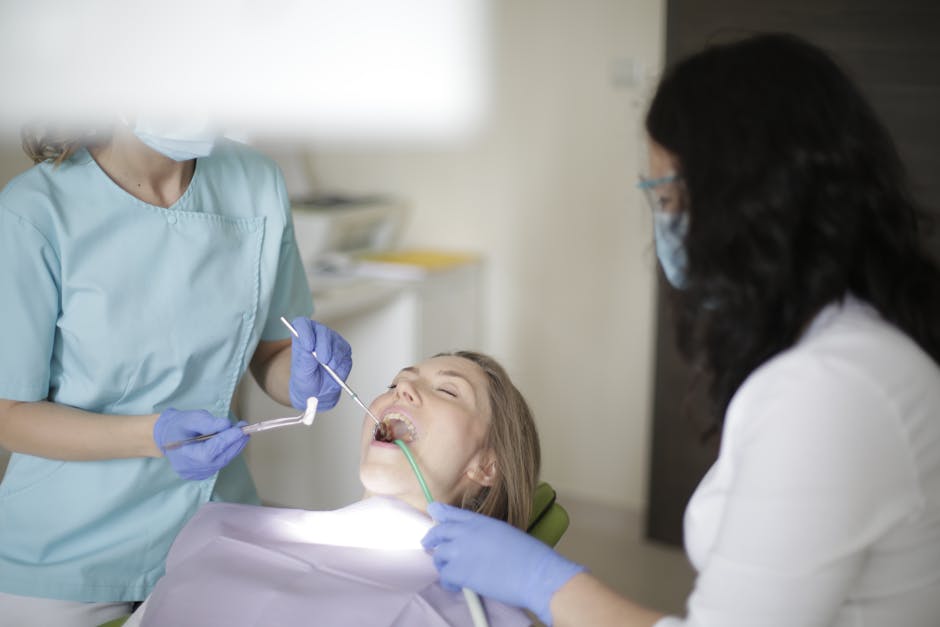
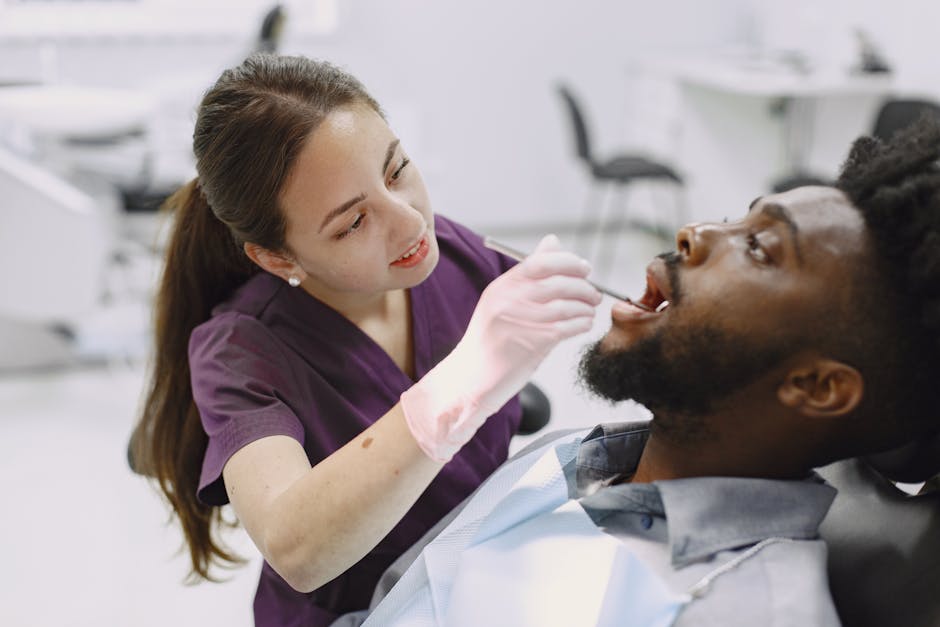
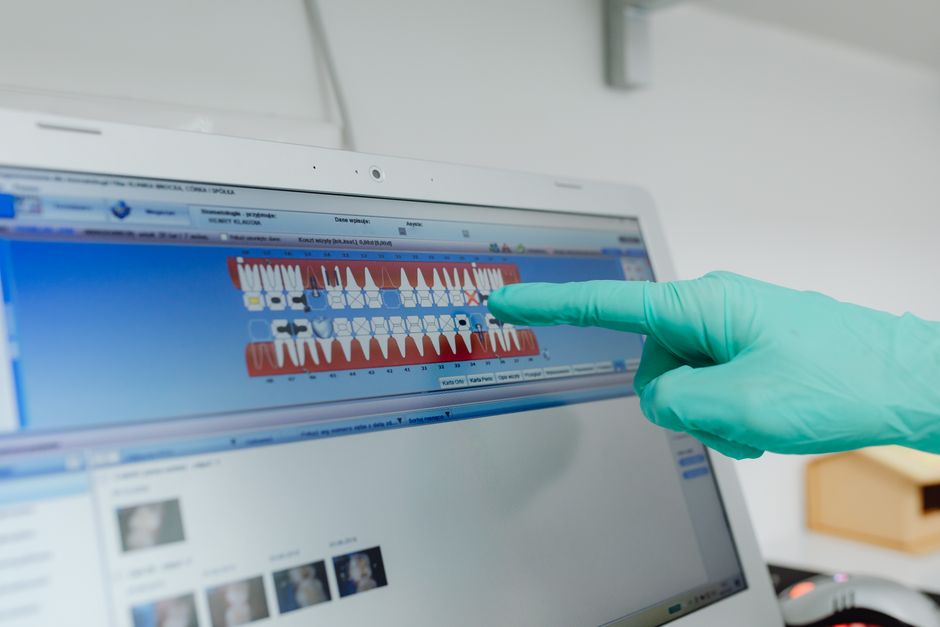
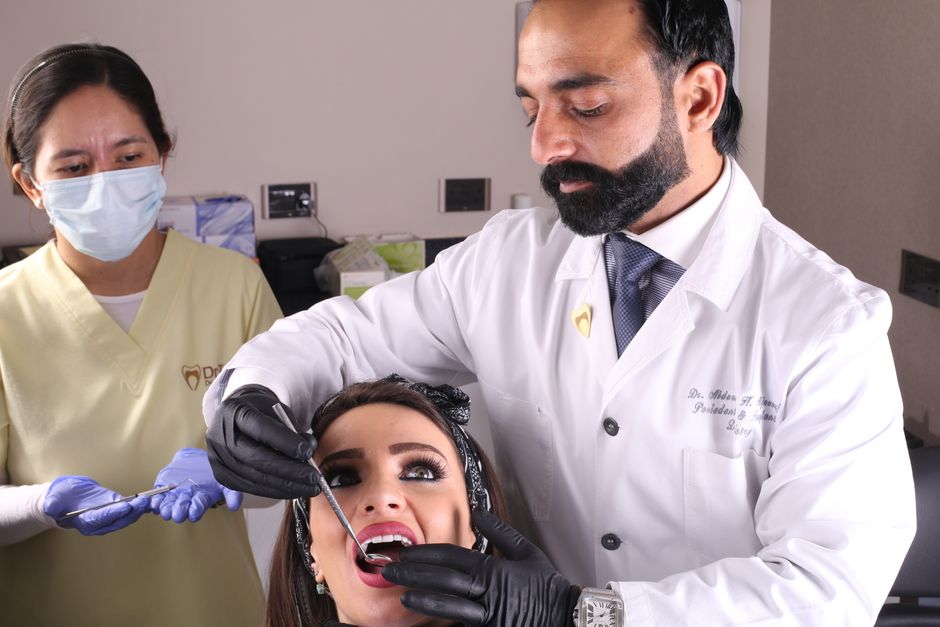
Before any aesthetic decisions, clinicians evaluate caries risk, periodontal status, endodontic prognosis, occlusion, and parafunction. Existing restorations are assessed for marginal integrity and biomechanical risk. In a smile makeover context, ignoring disease control can result in short-lived aesthetics and frequent complications.
Step 2: Dental photography and records
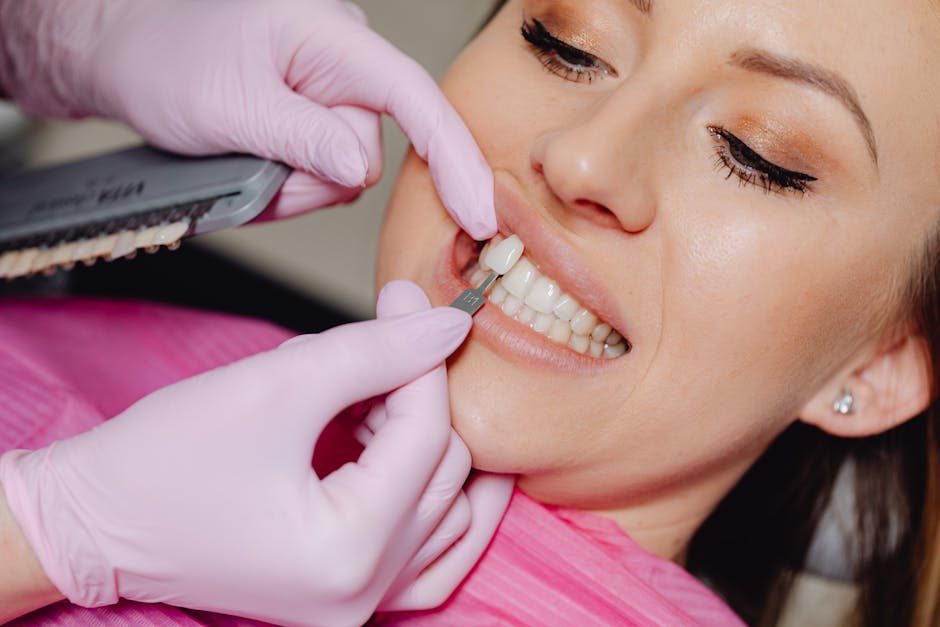
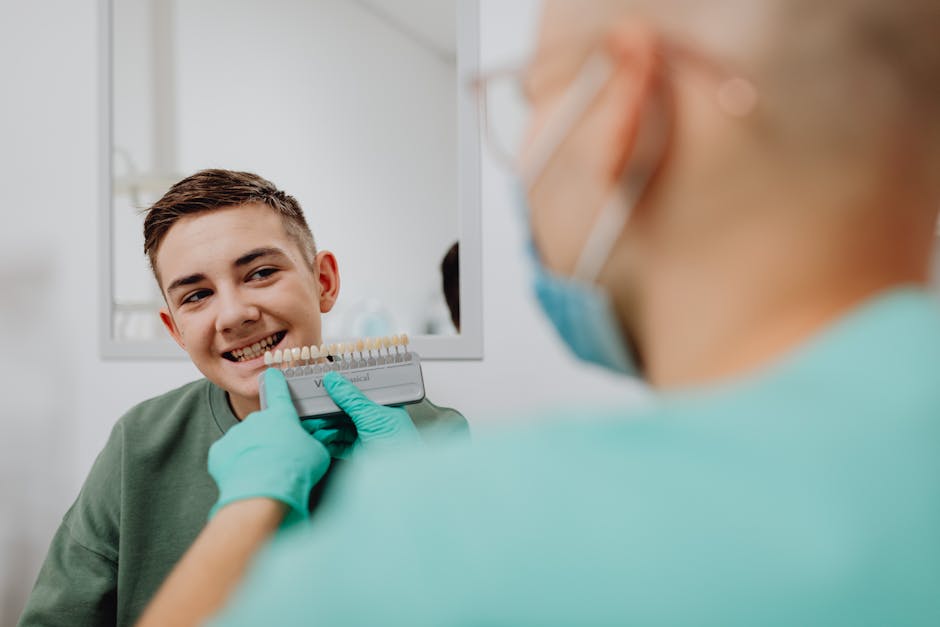
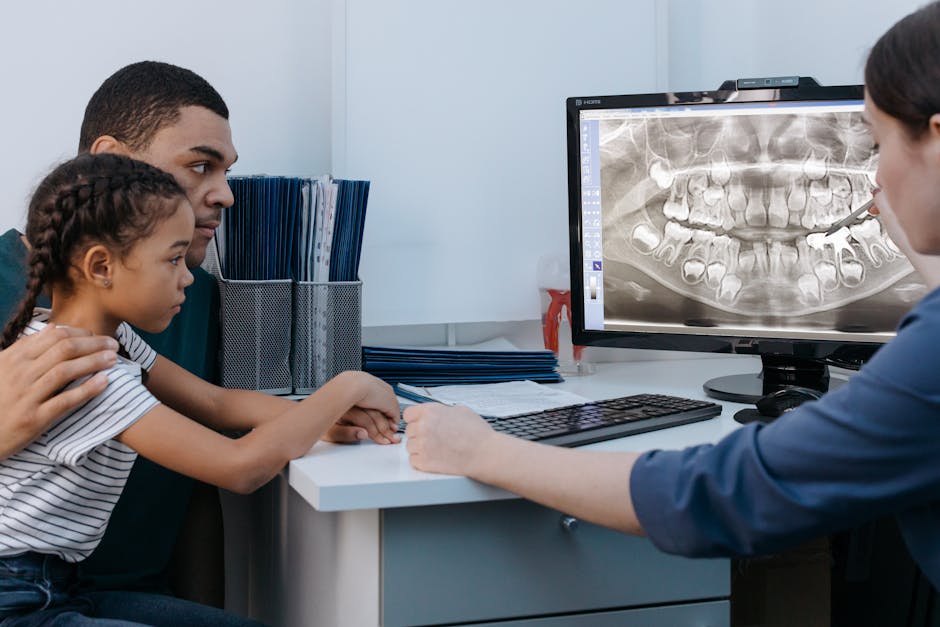
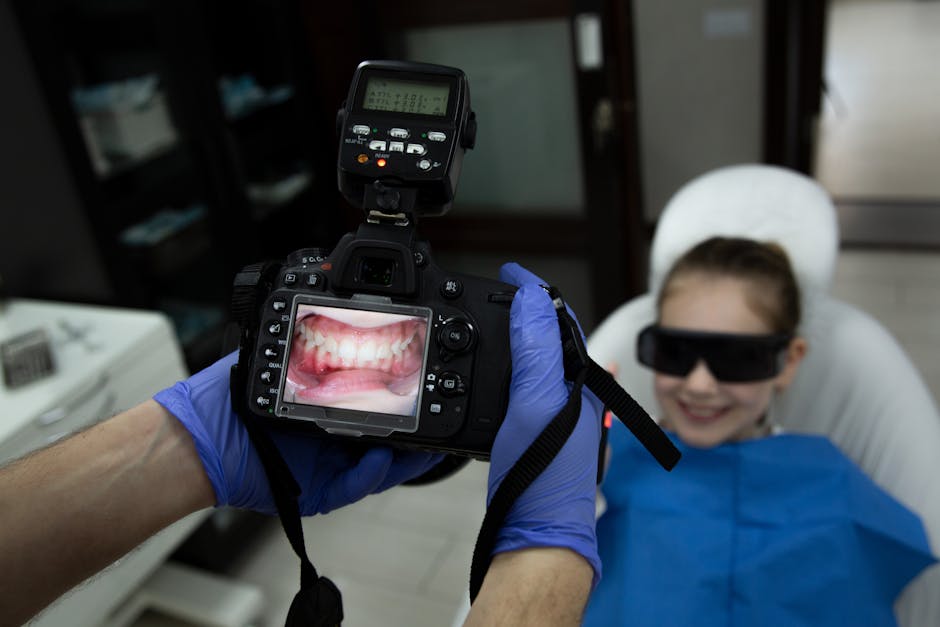
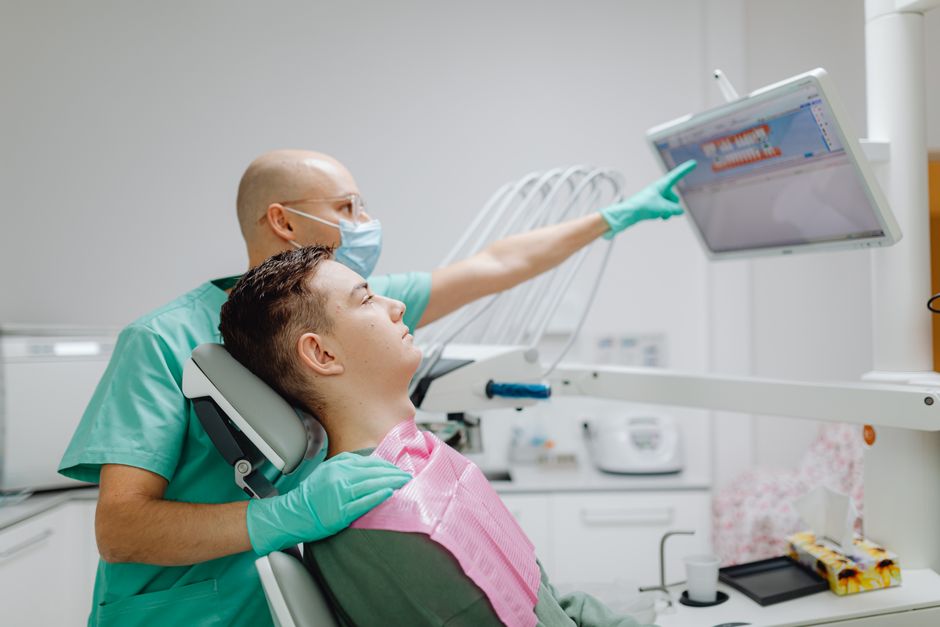
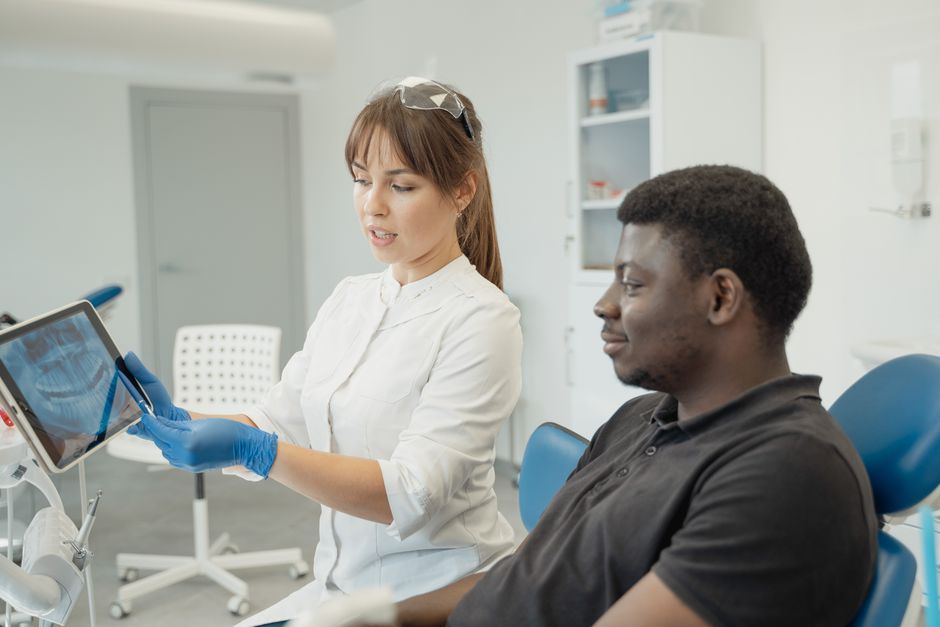
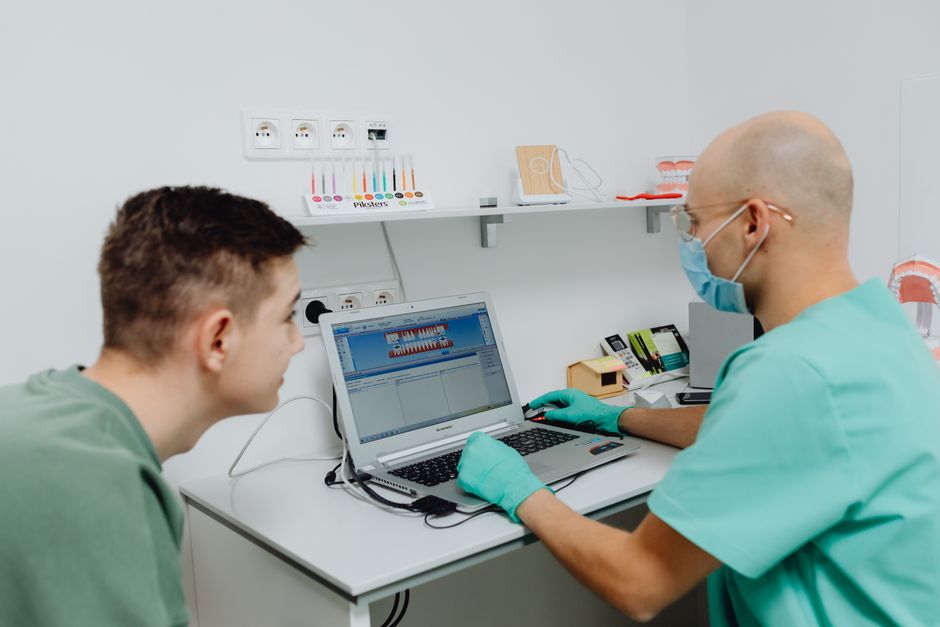
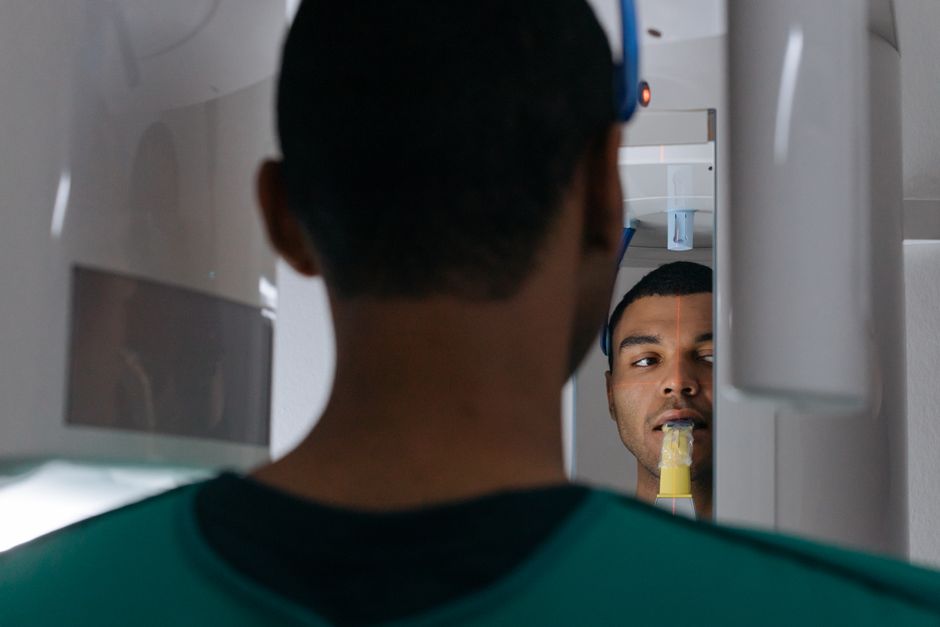
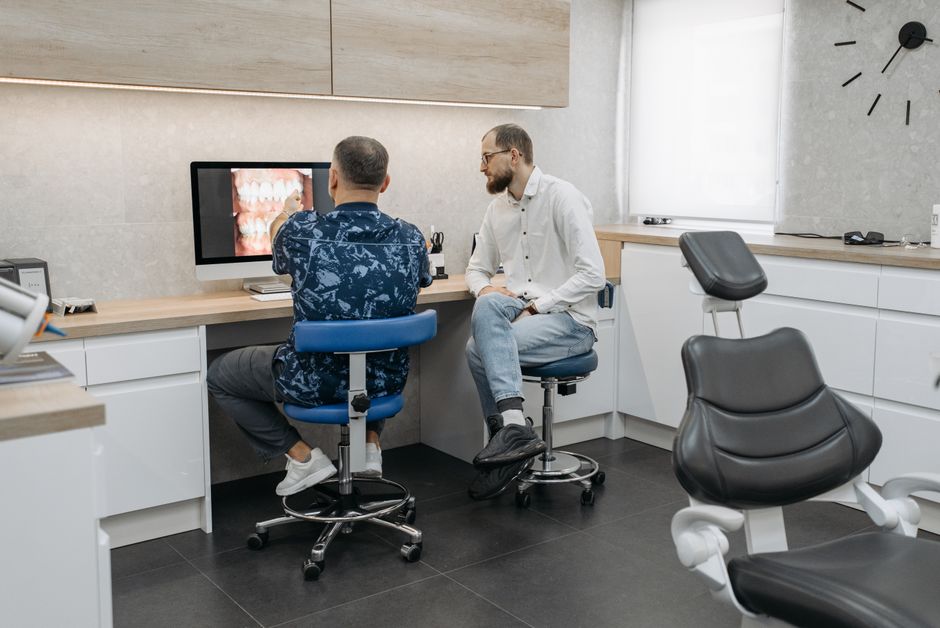
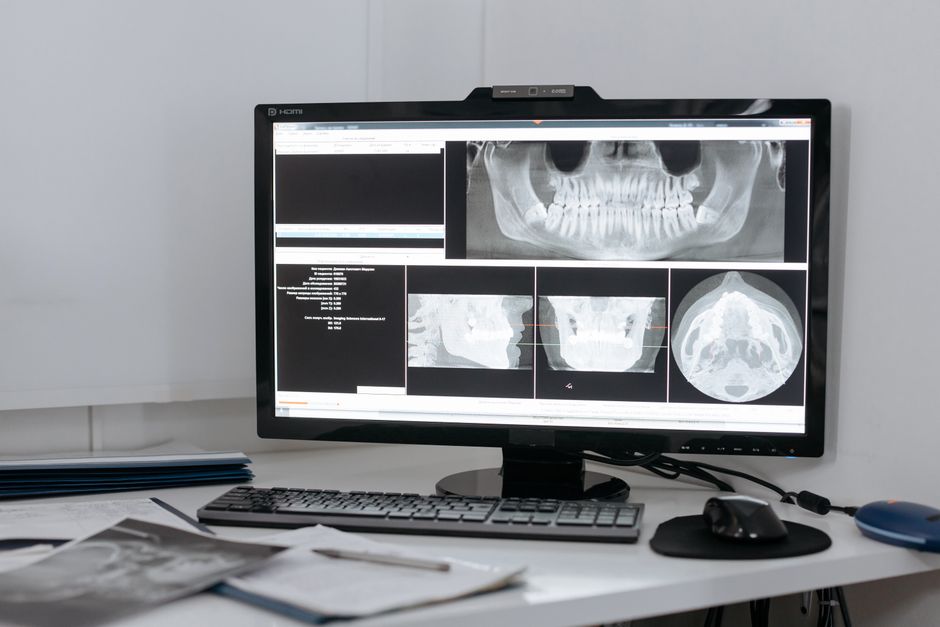
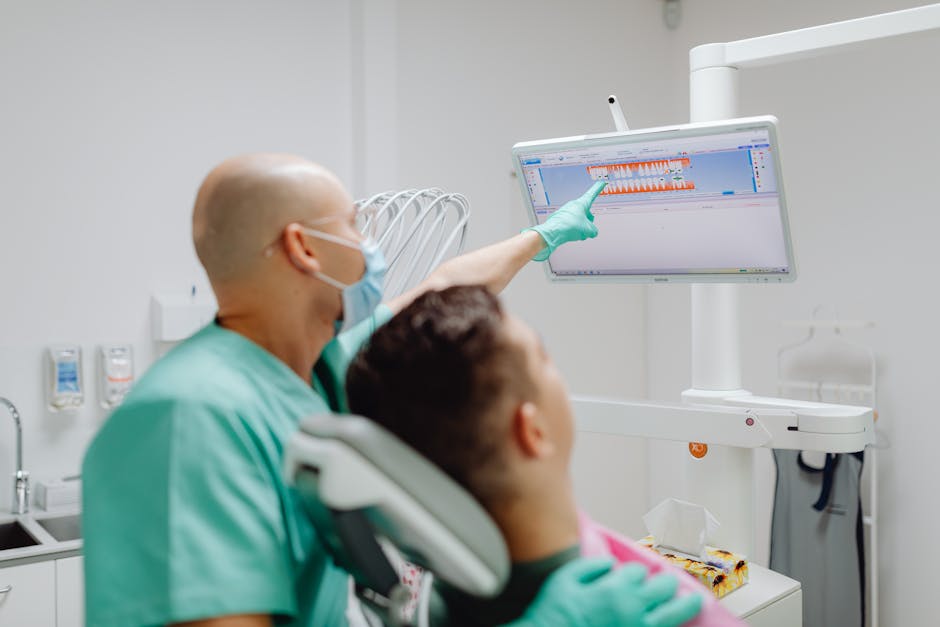
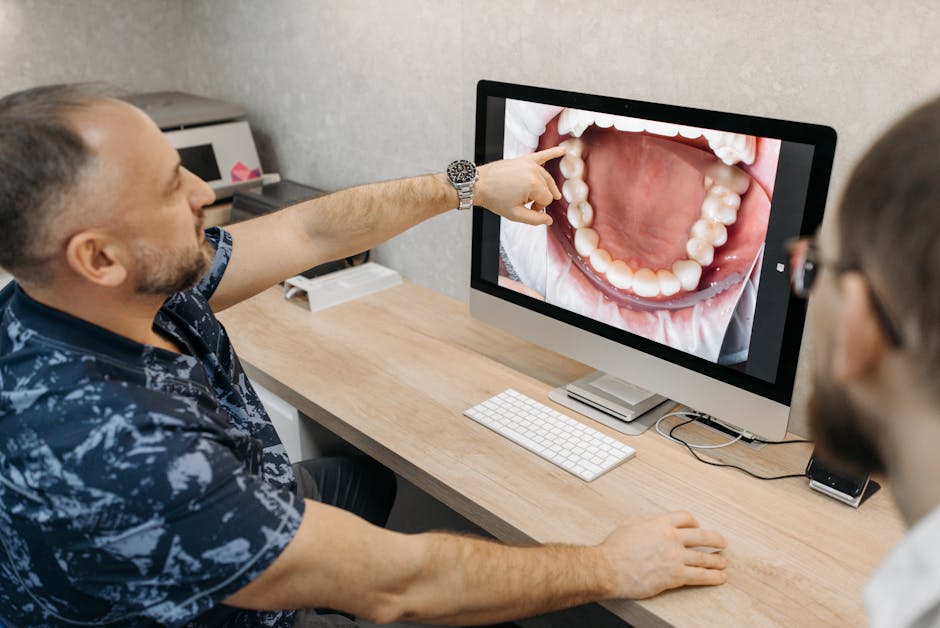
High-quality photography is not “marketing”—it is clinical documentation and communication. Standardized extraoral and intraoral views support shade analysis, midline evaluation, and lab communication. When integrated into digital smile design (DSD) software, calibrated photos help translate facial reference lines into tooth proportions and incisal edge planning.
Step 3: Digital scan or conventional impressions
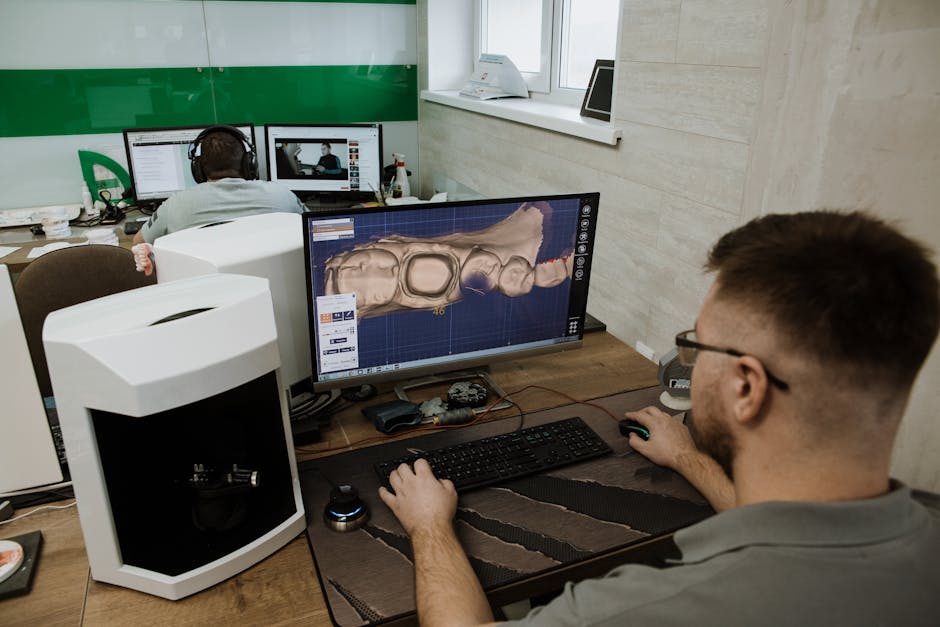
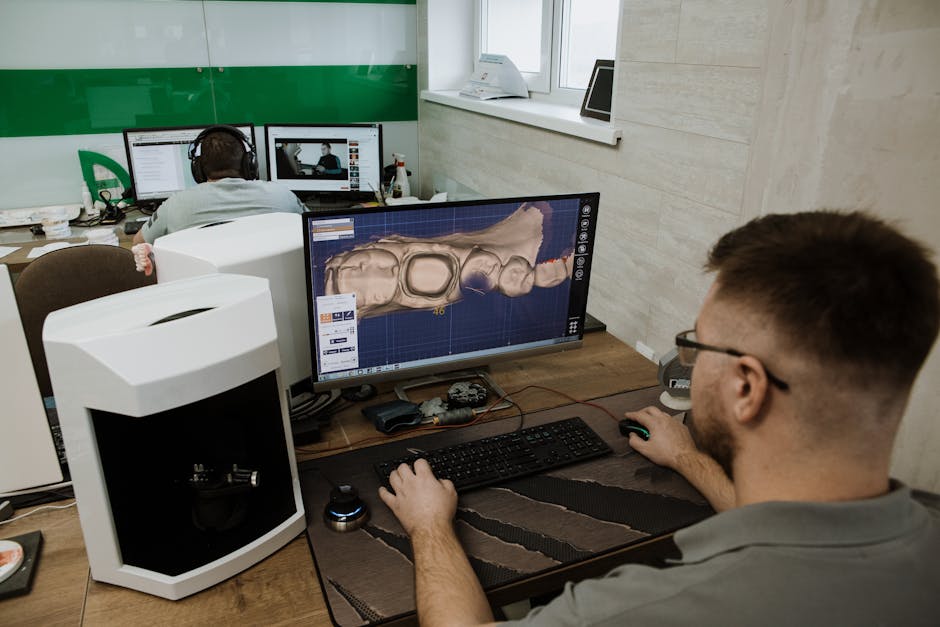
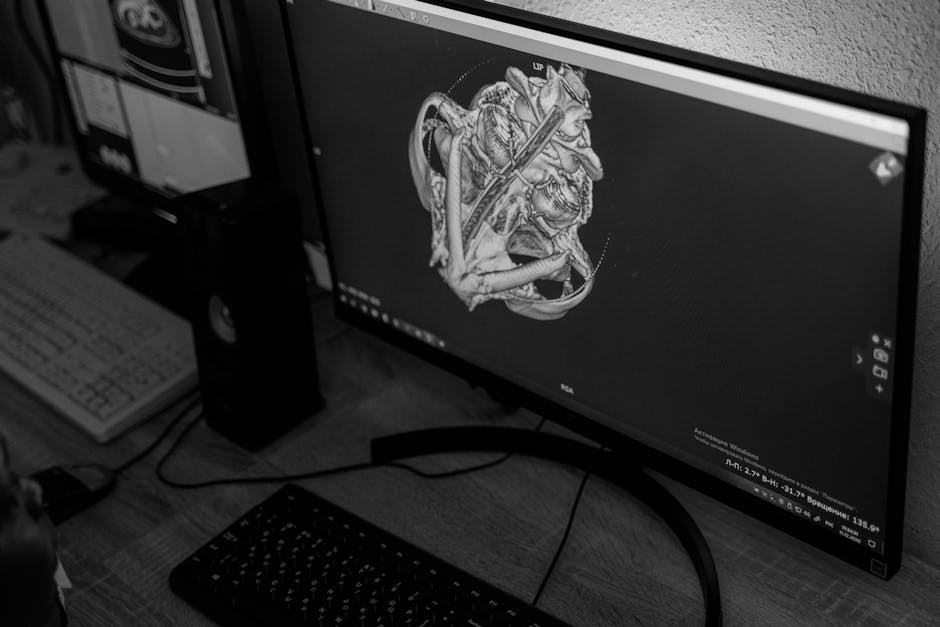
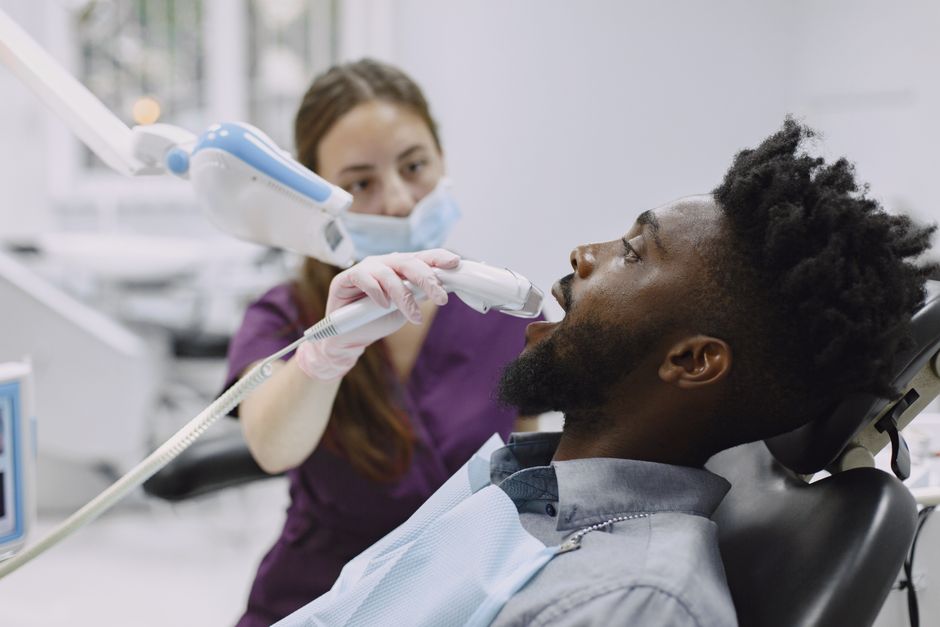
Intraoral scanners can streamline mock-up and provisional workflows, especially when combined with CAD/CAM planning. Conventional impressions remain valid in certain situations, but digital records improve repeatability and enable faster iteration with the lab.
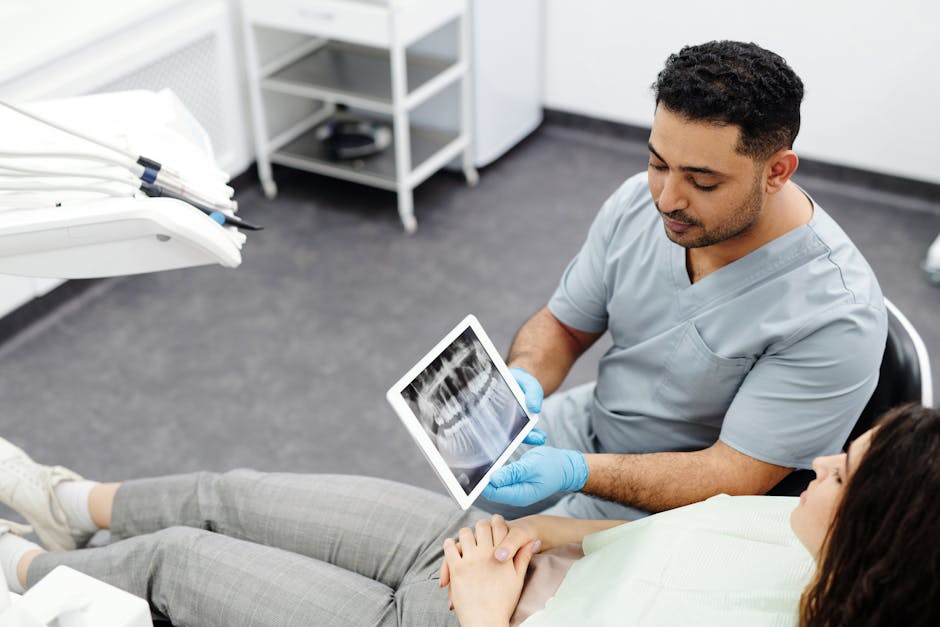
Step 4: Diagnostic wax-up and intraoral mock-up
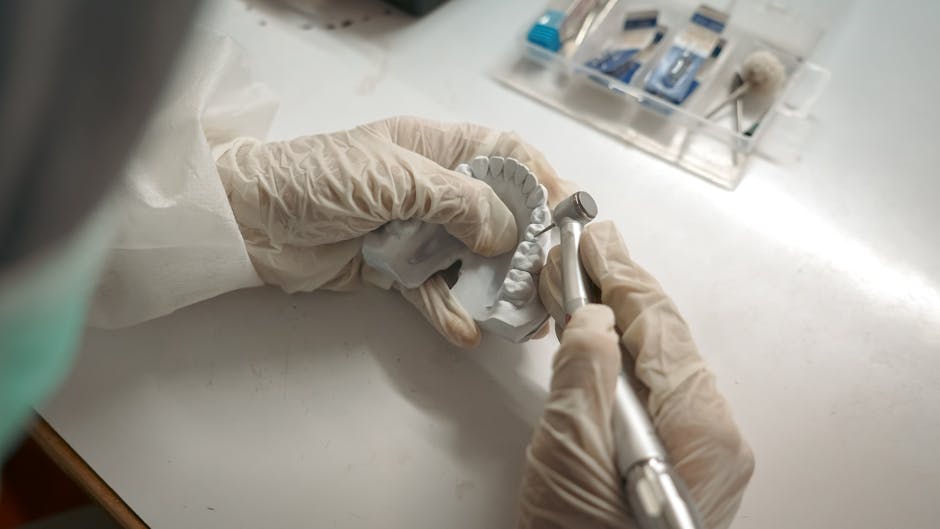
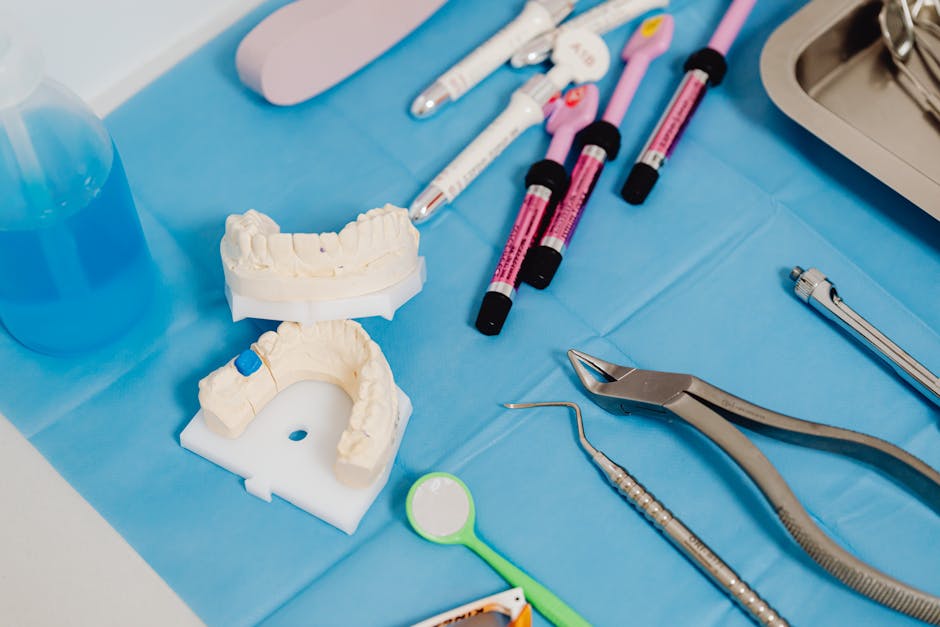
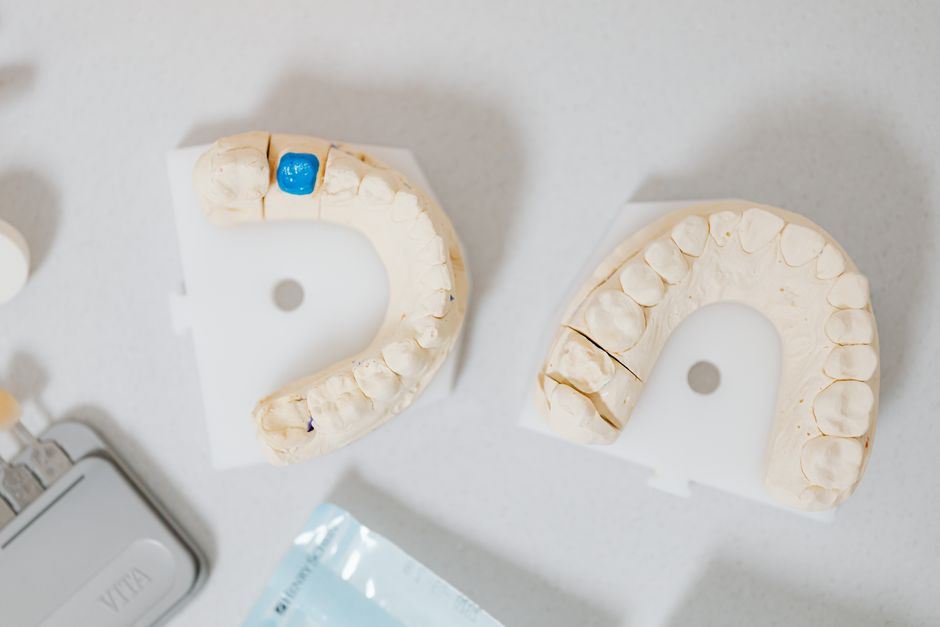
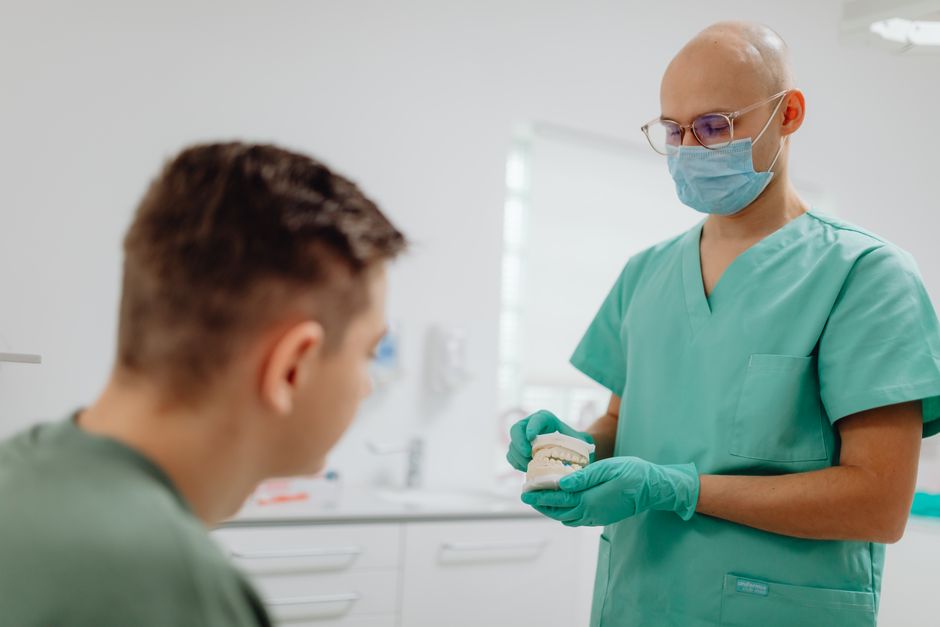
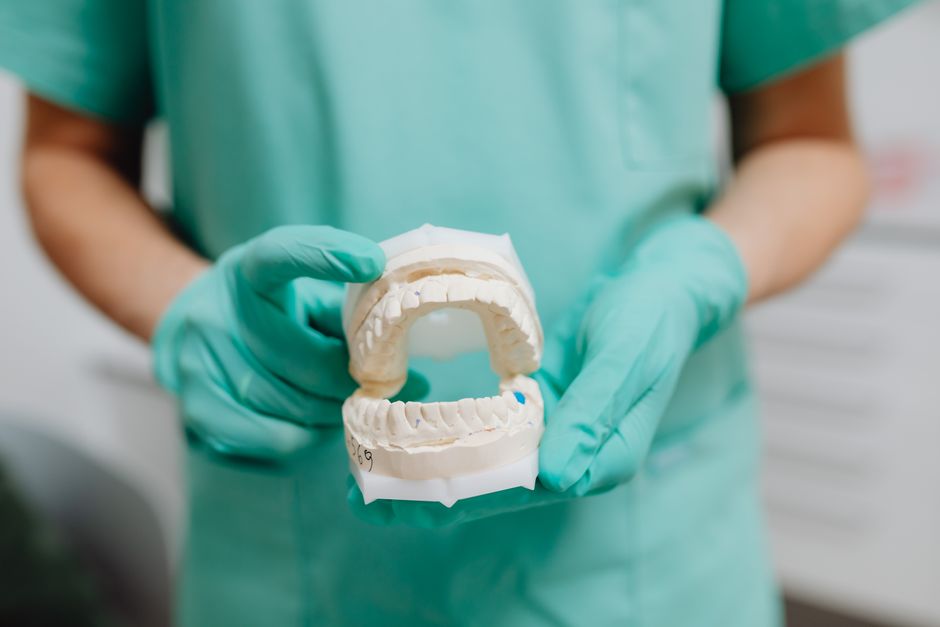
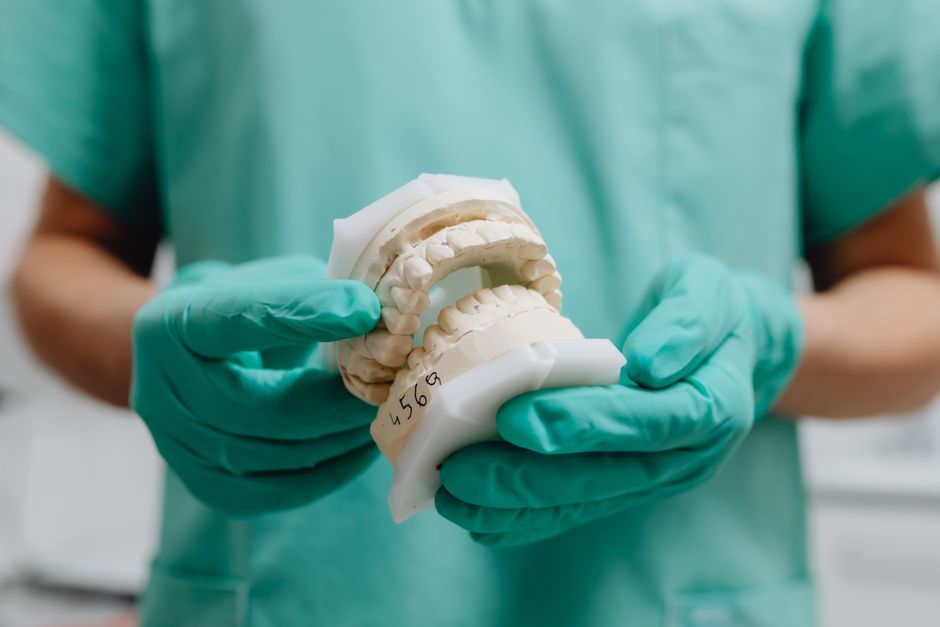
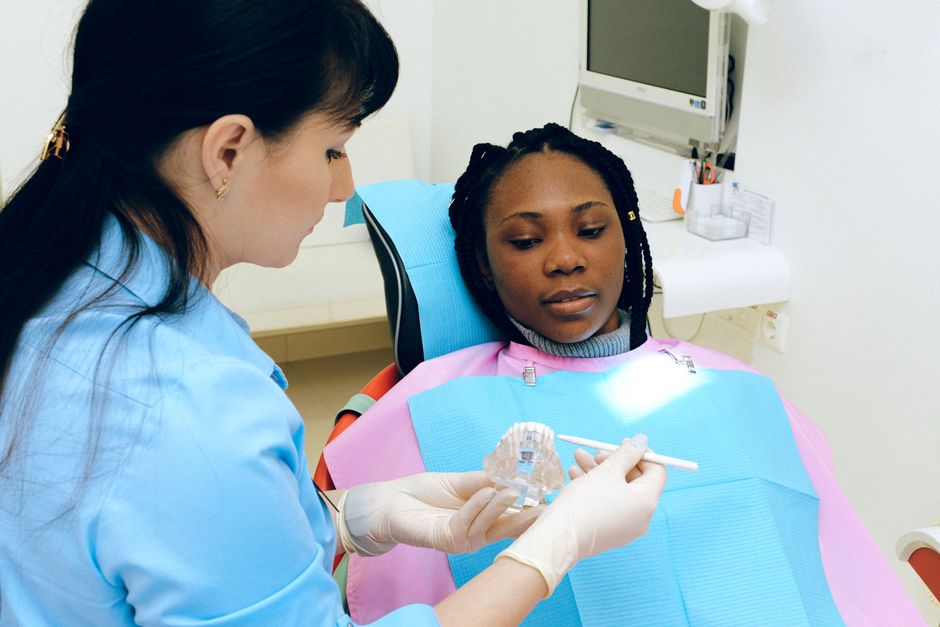
Wax-ups (digital or analog) convert ideas into measurable geometry. A direct mock-up allows the patient to preview the proposed outcome and gives the clinician a functional prototype to test phonetics and guidance. Clinically, the mock-up can also act as a reduction guide for minimally invasive preparations.
Step 5: Definitive treatment (restorative, periodontal, ortho, implant as needed)
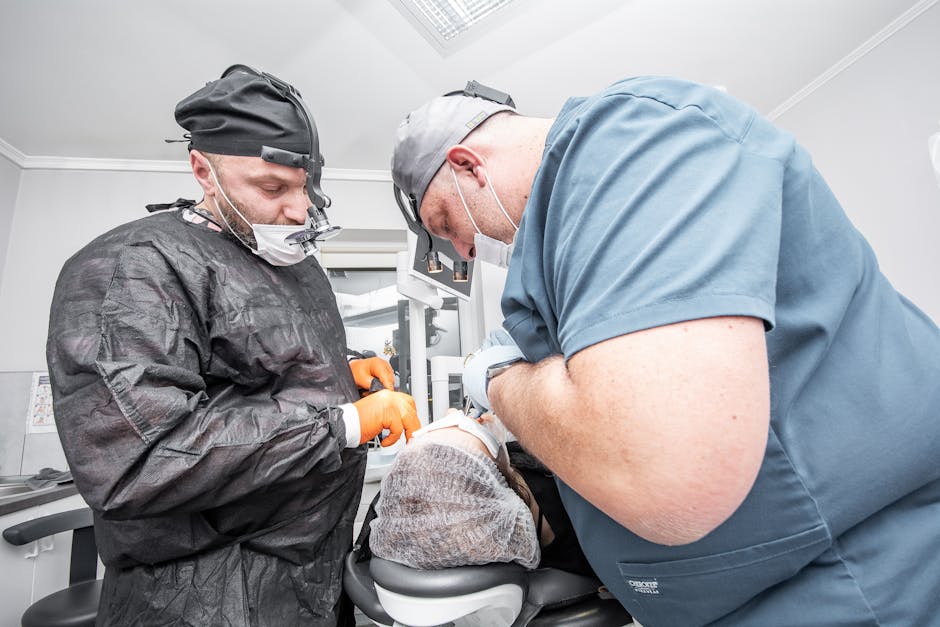
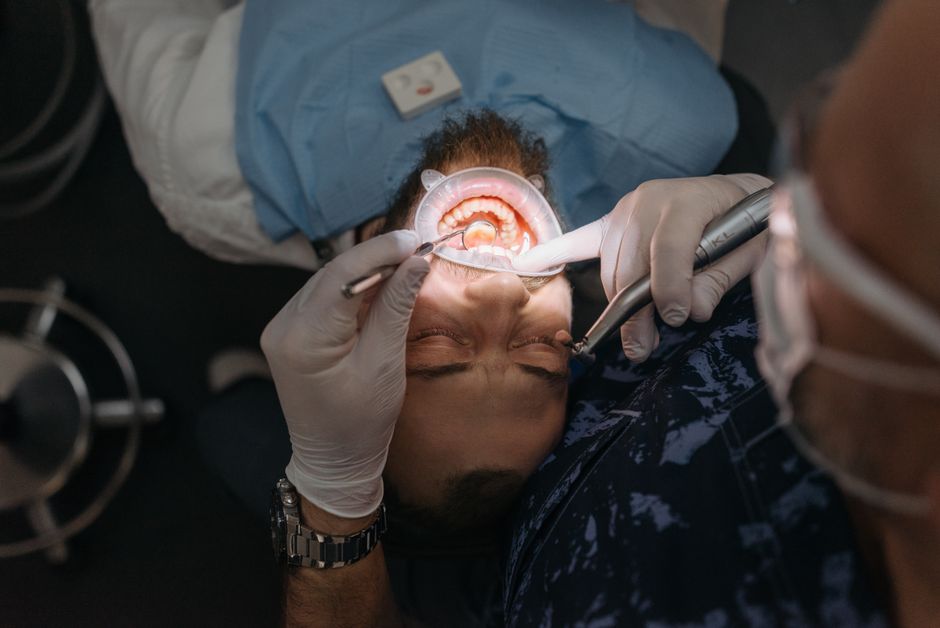
Depending on the diagnosis, definitive treatment may range from bleaching and additive bonding to ceramics, crown-lengthening, aligner therapy, or implant-supported restorations. Interdisciplinary sequencing is crucial: for example, periodontal stabilization should precede margin placement decisions for veneers and crowns.
Porcelain Laminate Veneers in Smile Design
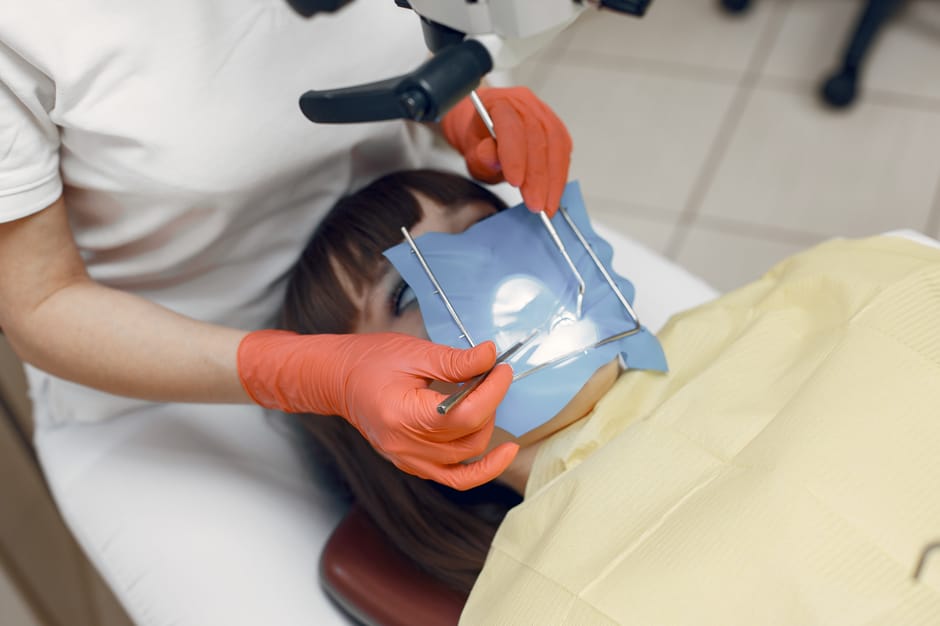
Porcelain laminate veneers are commonly selected when a patient requires shape and color changes with conservative tooth reduction (case-dependent). However, veneer success is technique-sensitive: preparation design, substrate management, isolation, and bonding protocol all influence longevity and aesthetics.
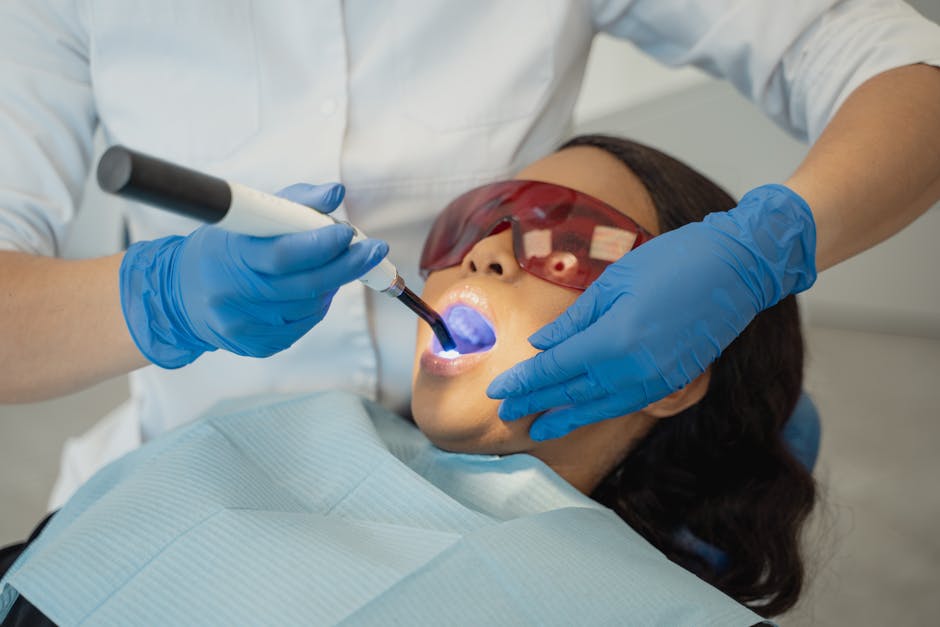
For clinicians refining their veneer workflow, cementation is a frequent source of variability. Light transmission through ceramics, try-in paste interpretation, surface conditioning, and adhesive selection must be aligned with ceramic type and thickness. A focused clinical discussion is available in Porselen Lamina Simantasyonunda Kritik Noktalar, which highlights common pitfalls and decision points relevant to daily practice.
Key clinical considerations (educational overview)
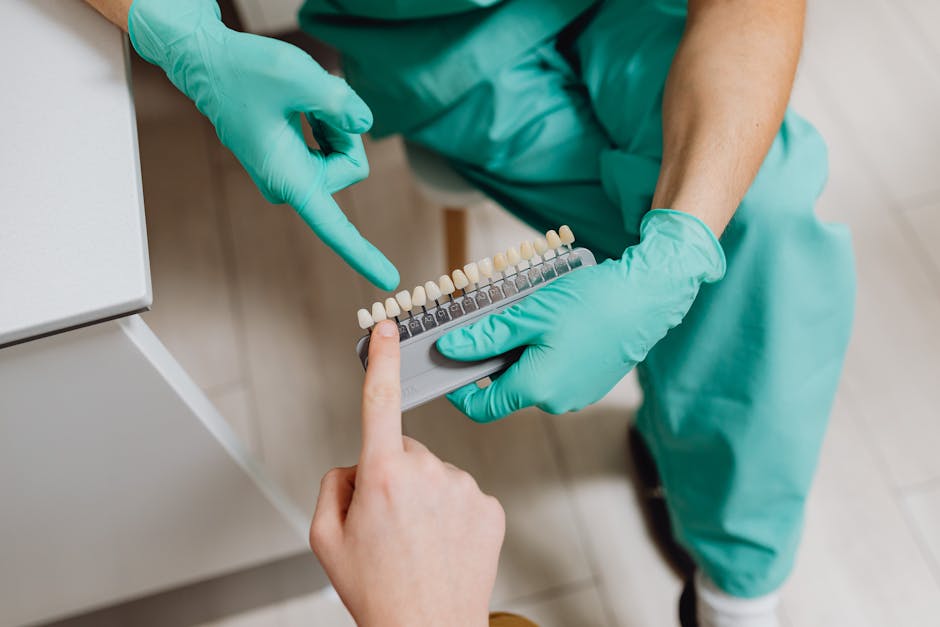
Veneer cases often benefit from: clear margin strategy (equigingival vs supragingival when possible), controlled emergence profile, careful shade mapping under consistent lighting, and a provisional phase that tests aesthetics and function. When the patient has high aesthetic demands, the provisional stage is not optional—it is part of risk management.
When Smile Design Includes Implants
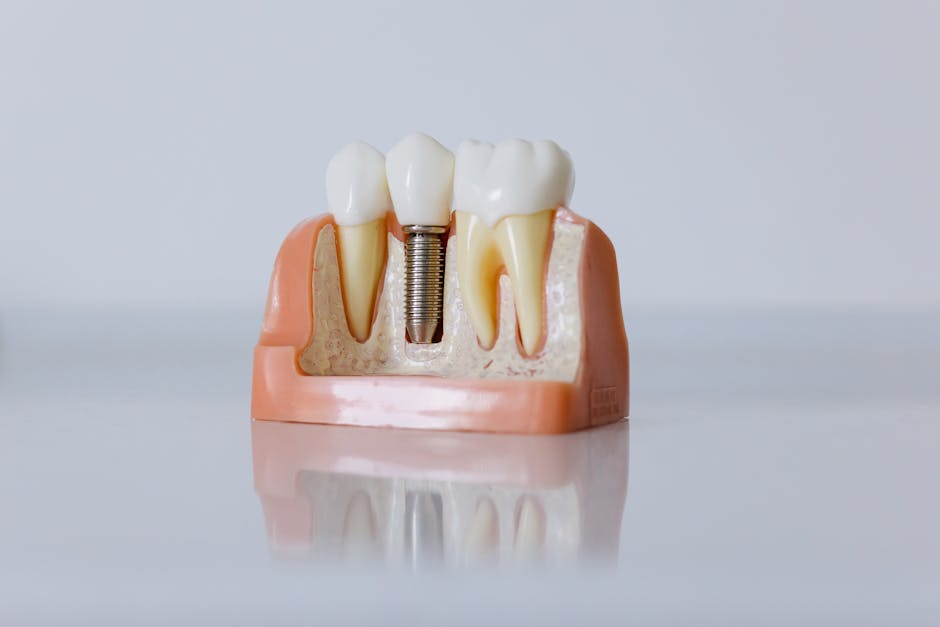
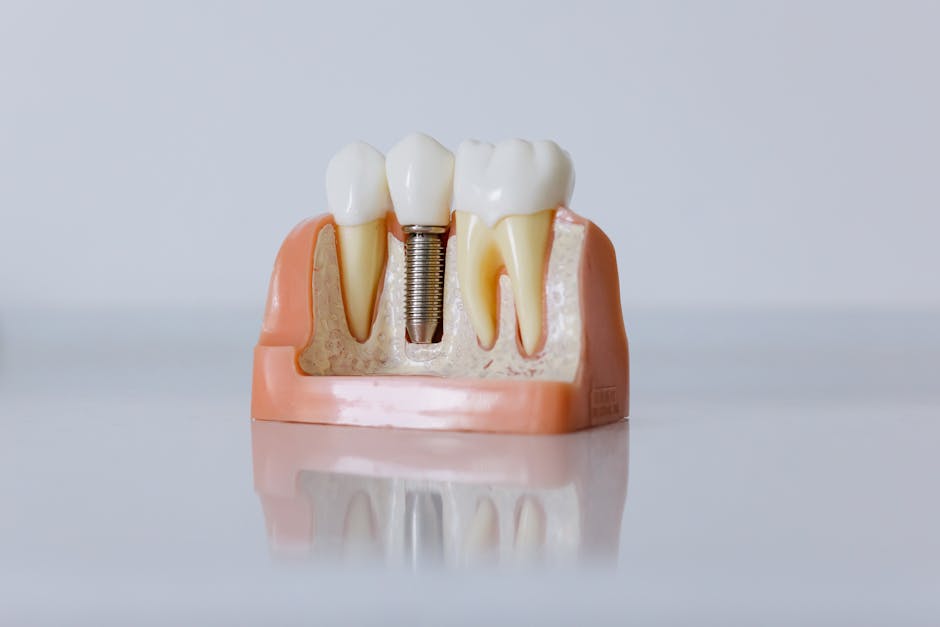
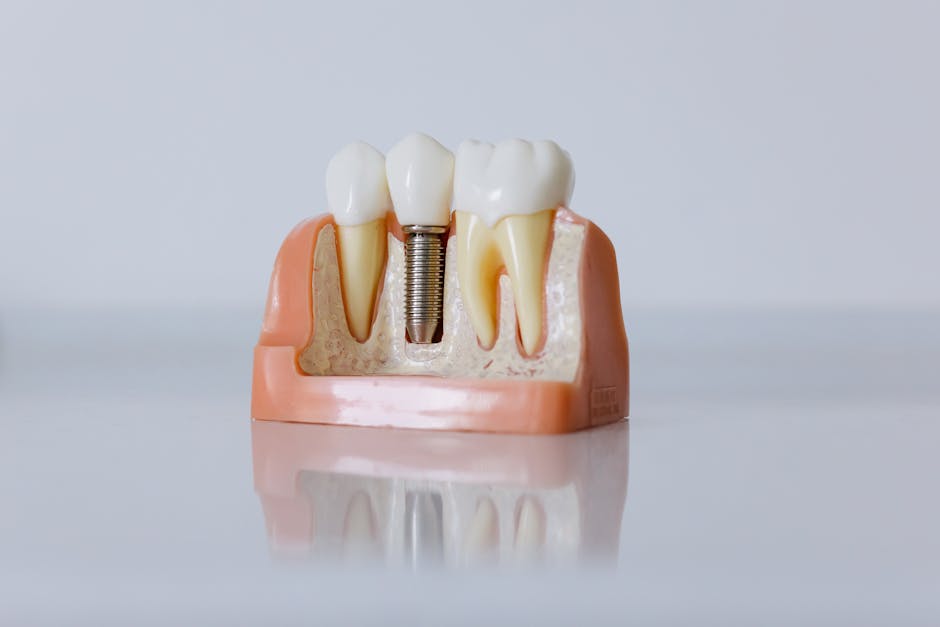
Smile design increasingly involves implant dentistry—particularly when patients present with congenitally missing teeth, trauma-related tooth loss, failing anterior teeth, or complex posterior collapse that affects the smile corridor. Implant cases add additional variables: three-dimensional positioning, soft tissue stability, provisionalization strategy, and timing relative to extraction.
Immediate protocols and patient expectations
Public interest in “fast” dentistry has grown, and clinicians are often asked about immediate solutions. Educationally, it is important to distinguish between same-day surgical steps and definitive prosthetic delivery, and to communicate that case selection governs feasibility. For a clinical overview of the concept and its limitations, read Is One-Day Dental Implant Treatment Really Possible?.
Extraction-to-implant timing in aesthetic zones
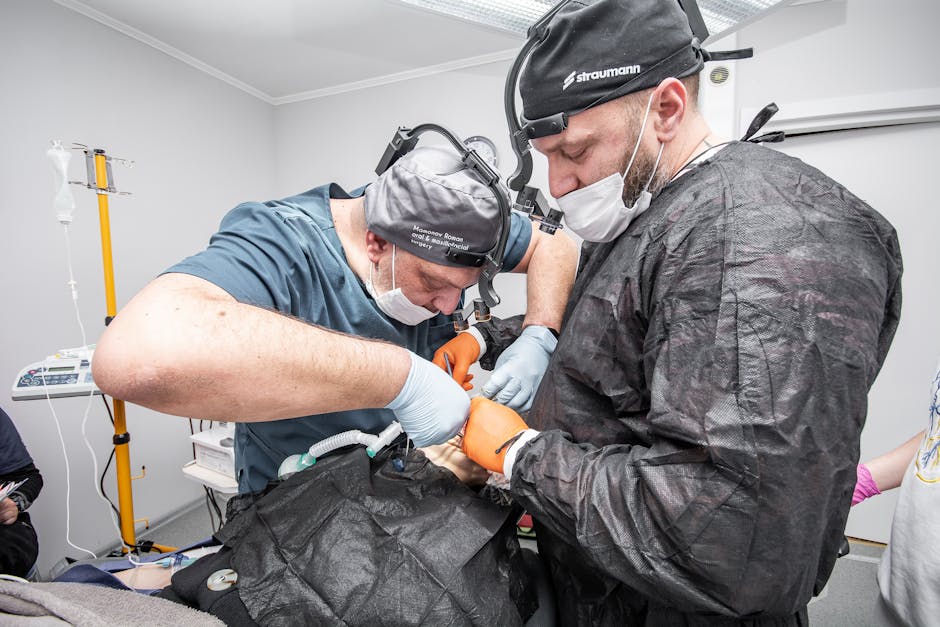
In select cases, extraction and immediate implant placement may support preservation of tissue contours, but it also increases planning complexity and demands strict surgical and prosthetic coordination. Clinicians who want a structured discussion of indications, workflow, and risk factors can review Same-Day Tooth Extraction and Immediate Implant Placement: A Clinical Guide. Within smile design, these decisions directly affect emergence profile, papilla management, and provisional contours.
Full-arch considerations: smile design at scale
For patients with advanced tooth loss or non-restorable dentitions, smile design becomes a full-arch prosthodontic project—often involving occlusal vertical dimension decisions, phonetics, lip support, and hygienic contours. Treatment concepts such as All-on-4 can be part of this conversation when clinically appropriate and properly planned. A step-by-step clinical workflow perspective is outlined in How All-on-4 Works for Full-Arch Tooth Loss: A Clinical Workflow Guide.
Common Pitfalls in Smile Design (and How Education Helps)
Even aesthetically successful cases can fail biologically or functionally if the planning is incomplete. In training environments, recurring pitfalls include:
Underestimating periodontal influence: Inflammation, inadequate plaque control, or thin biotype can lead to recession and black triangles, changing the aesthetic result over time.
Over-preparing teeth: Excessive reduction compromises enamel bonding and increases sensitivity and endodontic risk. Minimally invasive dentistry is a philosophy supported by planning, not a marketing phrase.
Ignoring occlusion and parafunction: Chipping, debonding, and accelerated wear may occur when guidance and protective strategies are not considered.
Communication gaps: Without standardized photo sets, shade protocols, and clear design targets, the restorative team may struggle to reproduce the planned outcome.
Smile Design Training at Istanbul Dental Academy: Bridging Theory and Hands-On Skills
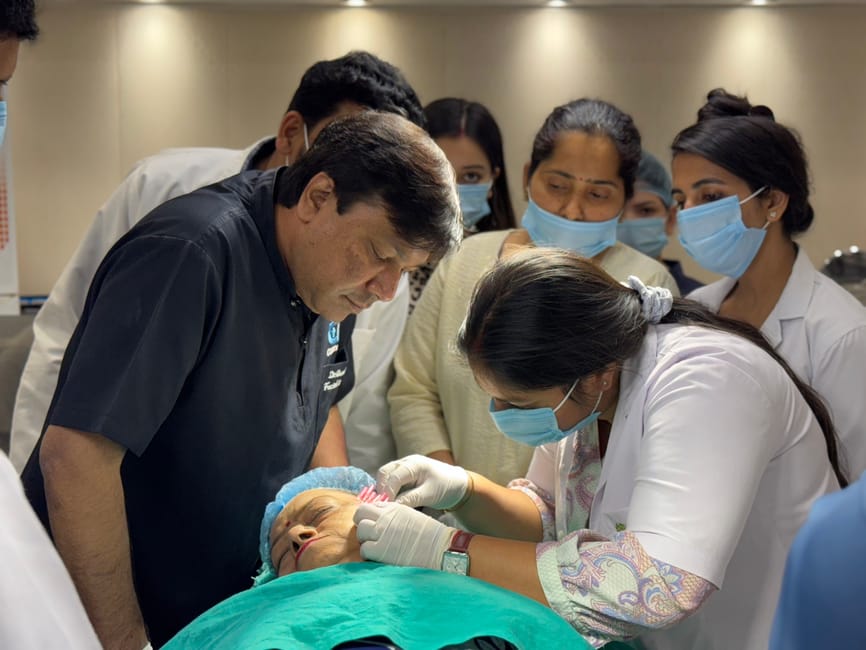
For dental professionals, smile design competence is built through repetition and structured feedback—especially in procedures where small technique variations have large aesthetic consequences (photography, provisionalization, bonding, and occlusal adjustment). Istanbul Dental Academy emphasizes hands-on learning and case-based planning so participants can integrate digital tools with core clinical principles.
In practical training settings, participants typically focus on: creating diagnostic mock-ups, using photography to establish reliable reference lines, understanding ceramic selection and adhesive protocols, and coordinating interdisciplinary sequences (periodontal therapy, restorative design, and implant planning). This integrated perspective reflects real-world practice in Istanbul, where clinicians often manage both local patient needs and complex aesthetic expectations.
Conclusion
Smile design is a comprehensive clinical approach that merges aesthetics with biology and function. Suitable candidates range from patients seeking minor refinements to those requiring veneers, periodontal optimization, or implant-supported rehabilitation. For dentists and dental students, a consistent workflow—rooted in diagnostics, photographic documentation, mock-up validation, and disciplined execution—improves predictability and patient communication.
This content is for educational purposes. Clinicians should base decisions on individualized assessment, risk evaluation, and appropriate clinical protocols.
Diğer Yazılar