
BLOG
Can Gum Recession Lead to Tooth Loss? A Clinical Perspective for Dentists

Gum recession and tooth loss: what’s the real relationship?
Patients often ask a direct question: “Will my gums receding make me lose my teeth?” As clinicians, we know the answer is nuanced. Gingival recession describes an apical shift of the gingival margin with exposure of root surface. By itself, recession does not automatically equal tooth loss. However, recession can be an important clinical marker of underlying risk—especially when it co-exists with periodontal attachment loss, inflammation, traumatic brushing habits, occlusal trauma, or anatomical predispositions.
In everyday practice, recession can also change the prognosis indirectly: exposed root surfaces are more susceptible to root caries and non-carious cervical lesions, patients may avoid brushing due to sensitivity, and plaque control may deteriorate. Over time, these pathways can contribute to tooth loss in high-risk patients. For an evidence-based overview of etiologies and management pathways, see our detailed post: Gum Recession: Causes, Symptoms, and Evidence-Based Management.
Key distinction: gingival recession vs. periodontal disease
Recession is a positional change of the gingival margin; periodontitis is a biofilm-induced inflammatory disease characterized by loss of periodontal attachment and supporting bone. A patient may have recession with minimal probing depths and stable bone levels (for example, due to traumatic brushing or a thin gingival phenotype). Conversely, a patient can have active periodontitis with deep pockets and limited visible recession (especially in thick tissue phenotypes).
This distinction matters for tooth loss risk. Tooth loss is more directly linked to the progression of periodontitis, recurrent periodontal breakdown, and cumulative attachment loss—not simply the visual appearance of “lower gums.” If you want a concise clinical refresher on diagnostic clues, patient risk factors, and early symptoms, explore: What Is Gum Disease? Early Signs, Risk Factors, and Clinical Insights.
How gum recession can contribute to tooth loss (the main pathways)
1) Attachment loss and reduced periodontal support
When recession is accompanied by clinical attachment loss (CAL), the periodontal support apparatus is compromised. As support decreases, mobility can increase, and prognosis may worsen—particularly in the presence of persistent inflammation, furcation involvement, or an unfavorable crown-to-root ratio. In such cases, recession is not the cause but a visible component of a broader periodontal breakdown that can ultimately lead to tooth loss if not controlled.
2) Root caries and cervical breakdown
Exposed cementum and dentin are less mineralized than enamel and are more vulnerable to demineralization. Patients with recession often show increased incidence of root caries, especially when xerostomia, high cariogenic diet, poor plaque control, or inadequate fluoride exposure are present. Advanced root caries can compromise restorability, resulting in fractures or non-restorable lesions that may necessitate extraction.
3) Hypersensitivity → reduced plaque control
Recession-related dentin hypersensitivity can lead patients to under-brush areas that need the most attention. This behavior change can increase plaque accumulation and gingival inflammation, creating a cycle that accelerates periodontal deterioration. From a clinician’s perspective, addressing sensitivity and improving patient self-care technique are often key steps in risk reduction.
4) Mucogingival and anatomical risk factors
Thin periodontal phenotype, limited keratinized tissue, shallow vestibule, high frenum attachment, and prominent root contours may predispose to recession progression and complicate plaque control. Combined with orthodontic tooth movement beyond the alveolar envelope or aggressive brushing, these factors may create localized sites with higher breakdown risk—even when the rest of the dentition remains stable.
5) Occlusal overload and parafunction (as modifiers)
Occlusal overload alone is not considered a primary etiological factor for periodontitis, but it can act as a modifier in susceptible patients. When mobility and inflammation co-exist, excessive forces may worsen patient comfort and complicate stabilization. Comprehensive assessment (including parafunction screening) becomes part of a tooth-retention strategy—especially in advanced cases.
Clinical assessment: how to estimate tooth loss risk in a recession patient
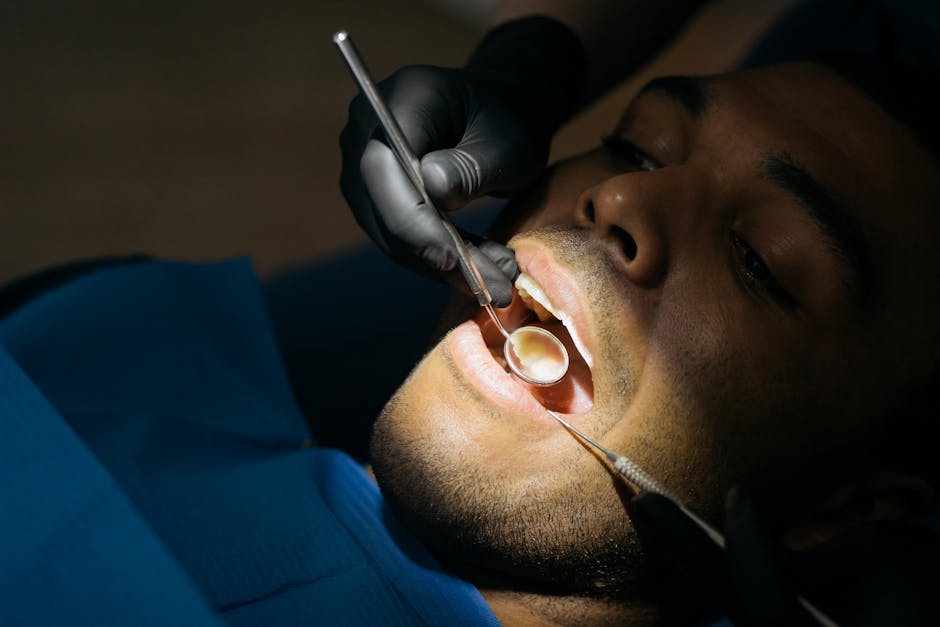
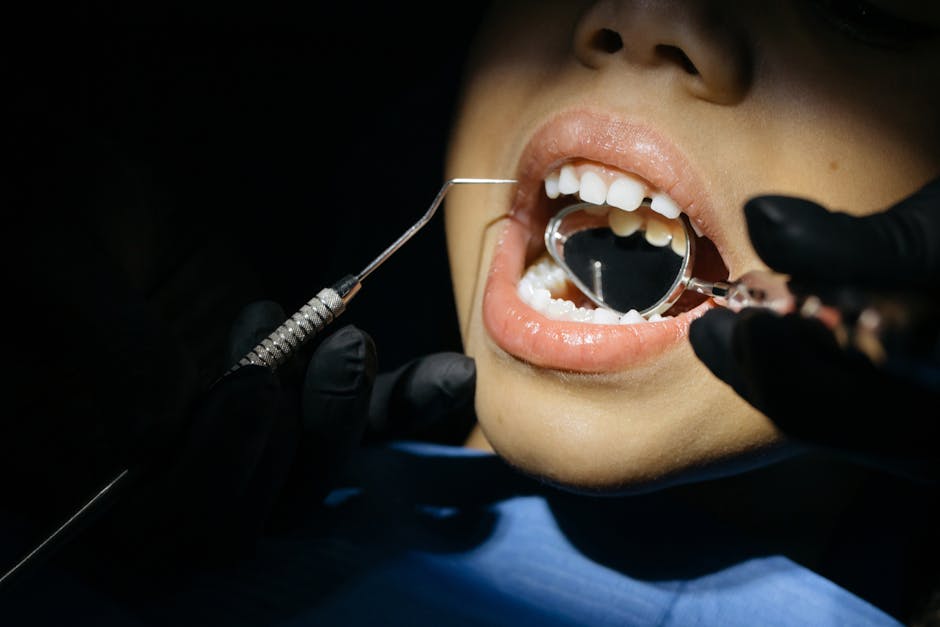
For dental professionals, a recession complaint is an opportunity for structured risk assessment. Consider documenting:
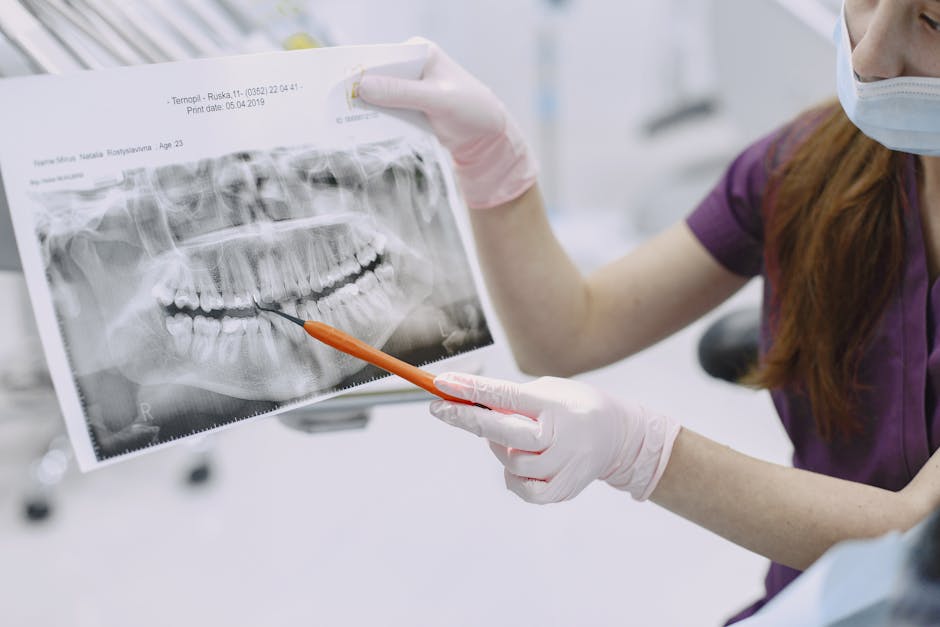
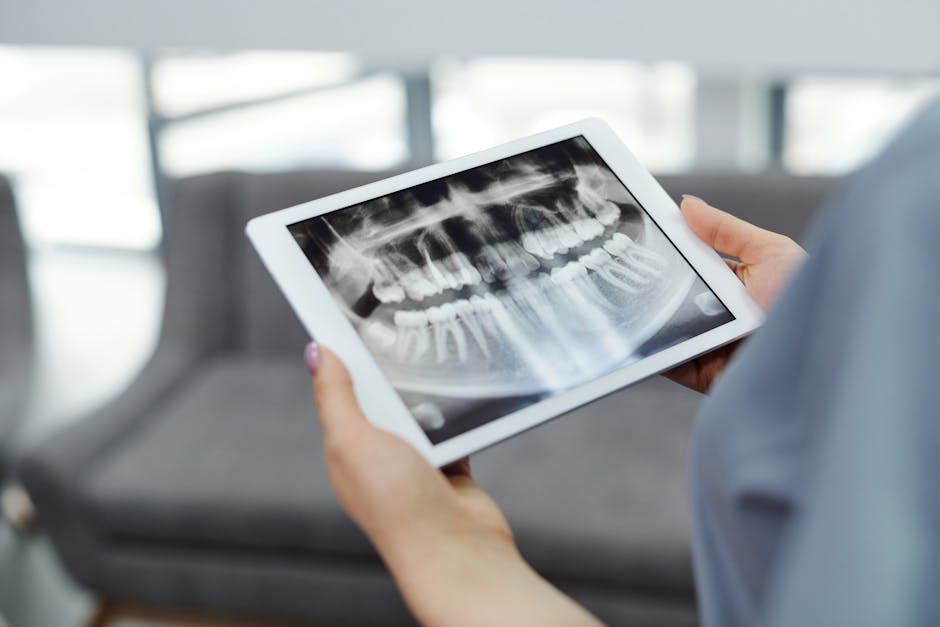
Periodontal parameters: full-mouth probing depths, bleeding on probing, recession depth, CAL, mobility, furcation, plaque indices, and radiographic bone levels.
Patient-level modifiers: smoking status, diabetes control, medications affecting saliva, history of periodontitis, compliance, and restorative status.
Site-level factors: phenotype, keratinized tissue width, frenum pull, tooth position, cervical restorations, and traumatic brushing evidence (abrasion, wedge-shaped NCCLs).
Among systemic conditions, diabetes deserves special emphasis. It is associated with increased risk and severity of periodontitis, and it can influence healing and long-term maintenance. When recession co-exists with tooth loss risk—or when missing teeth require replacement—implant planning should integrate systemic and periodontal risk assessment. A focused clinical discussion is available here: Diabetes and Tooth Loss: Implant Planning and Clinical Considerations.

Management principles: stabilise first, then rebuild aesthetics
In contemporary periodontology and restorative dentistry, the sequence matters. Before aesthetic corrections, aim to control inflammation and stabilize risk factors. This is particularly relevant in Istanbul, where patients frequently seek “fast smile makeovers” while underlying periodontal issues remain untreated.
Non-surgical foundations
Core measures typically include individualized oral hygiene instruction (often focusing on technique, brush type, and force), professional debridement where indicated, caries risk management, desensitizing strategies, and behavior modification (e.g., smoking cessation counseling and dietary guidance). Adjunctive measures depend on diagnosis, patient risk, and clinical findings.
Mucogingival surgery and soft-tissue augmentation (when indicated)
For selected cases, periodontal plastic surgery may be considered to increase soft-tissue thickness, improve root coverage, or facilitate plaque control. The decision is influenced by recession type, interdental attachment, patient expectations, and the overall periodontal stability. From an educational standpoint, proper case selection, flap design, and biomaterial handling are critical competencies for predictable outcomes.
Restorative management of exposed root surfaces
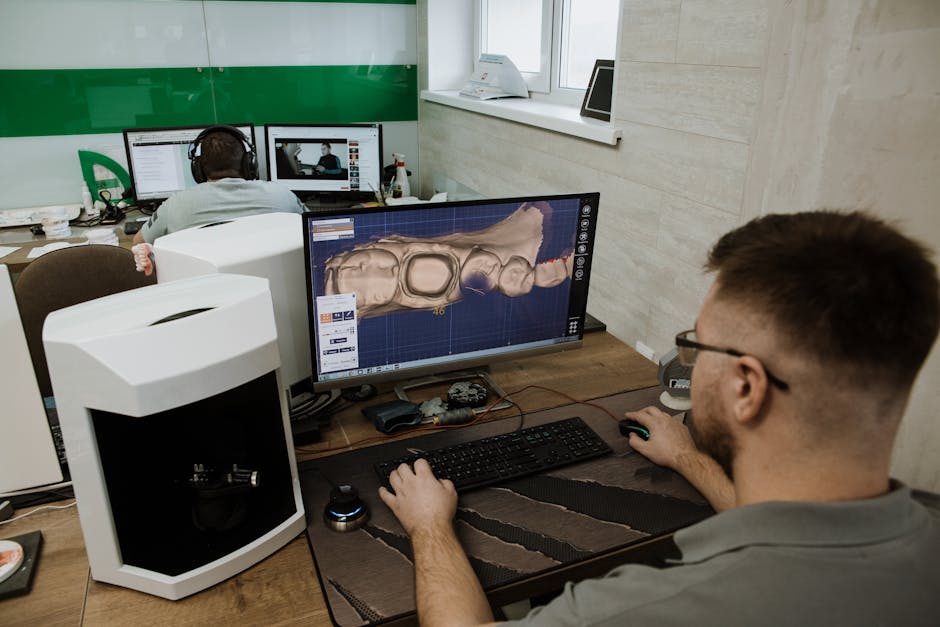
When cervical lesions or root caries are present, minimally invasive restorative options may support comfort and function. Material selection and margin placement should respect periodontal health, especially in thin phenotypes. Digital workflows can help with documentation and communication, but they do not replace the fundamentals of periodontal diagnosis and tissue management.
When aesthetics enters the conversation: recession, smile design, and veneers
Patients often perceive recession as an aesthetic defect: “my teeth look longer,” “my gums are uneven,” or “my smile looks older.” While these concerns are valid, clinicians should ensure that aesthetic plans do not mask active disease.
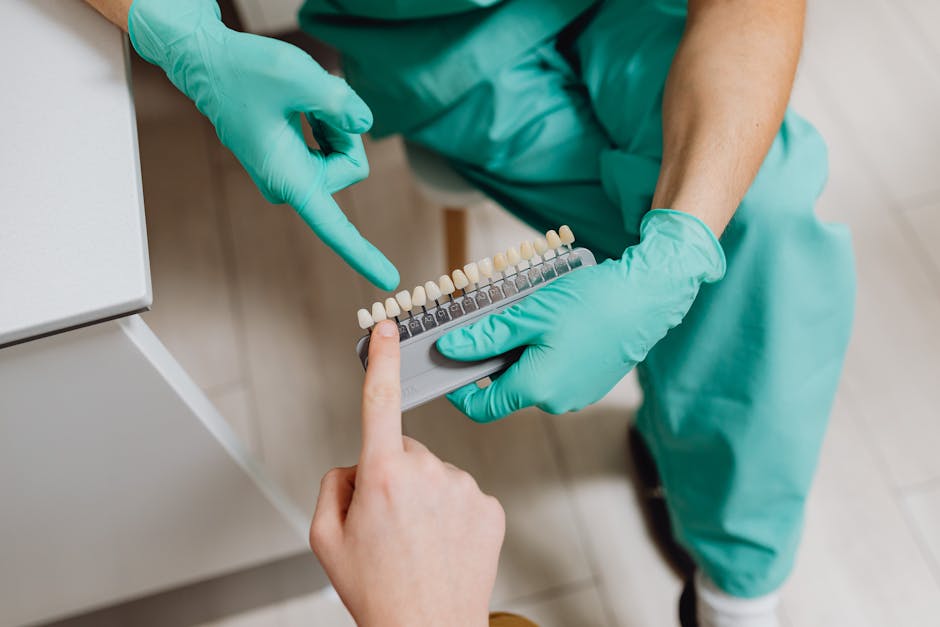
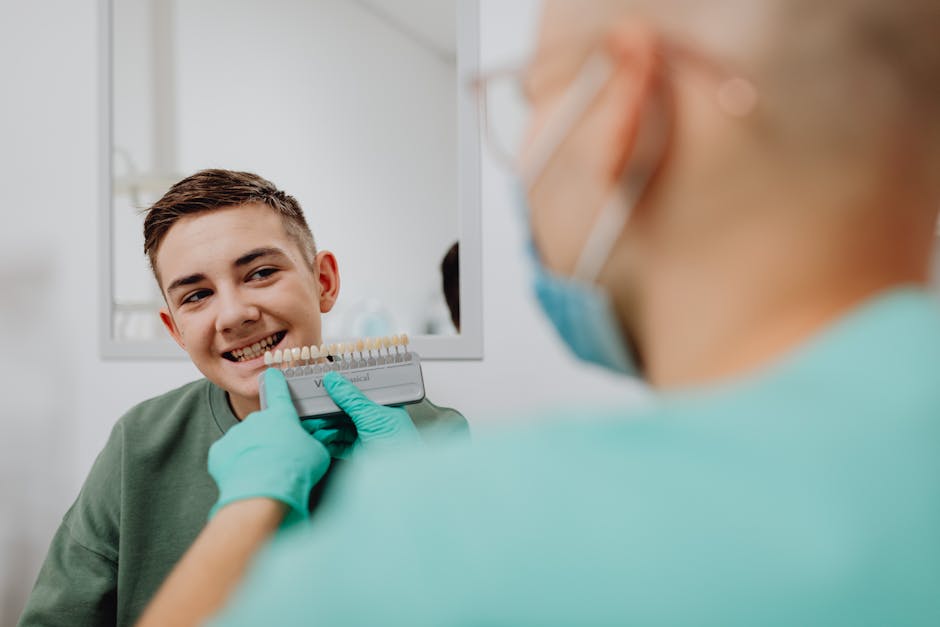
In multidisciplinary cases, smile design may involve periodontal recontouring, additive restorative strategies, or veneers—depending on enamel quality, tooth proportions, and gingival architecture. If you are planning a cosmetic rehabilitation, it helps to consider how digital smile planning interacts with soft-tissue limitations and periodontal stability. For a clinician-oriented overview, read: Hollywood Smile: A Clinician’s Guide to Modern Smile Makeovers.
Notably, some patients present with enamel-related challenges (hypomineralization, hypoplasia, or generalized defects) where aesthetic restorations are requested early. In such cases, recession and sensitivity may further complicate adhesive decisions and margin placement. A useful clinical perspective is available in: Aesthetic Solutions for Patients with Enamel Development Defects.

Can recession around implants lead to implant loss?
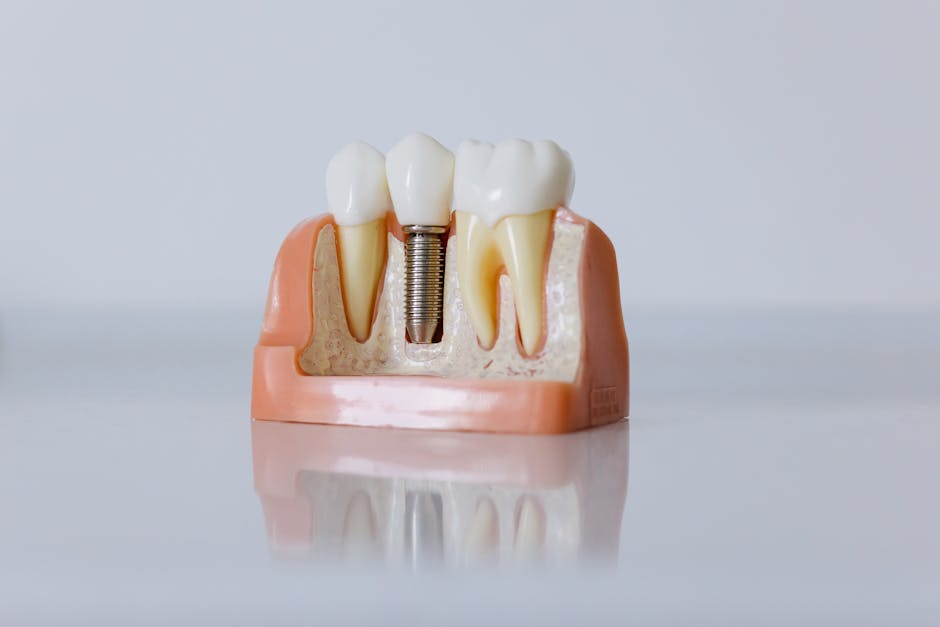
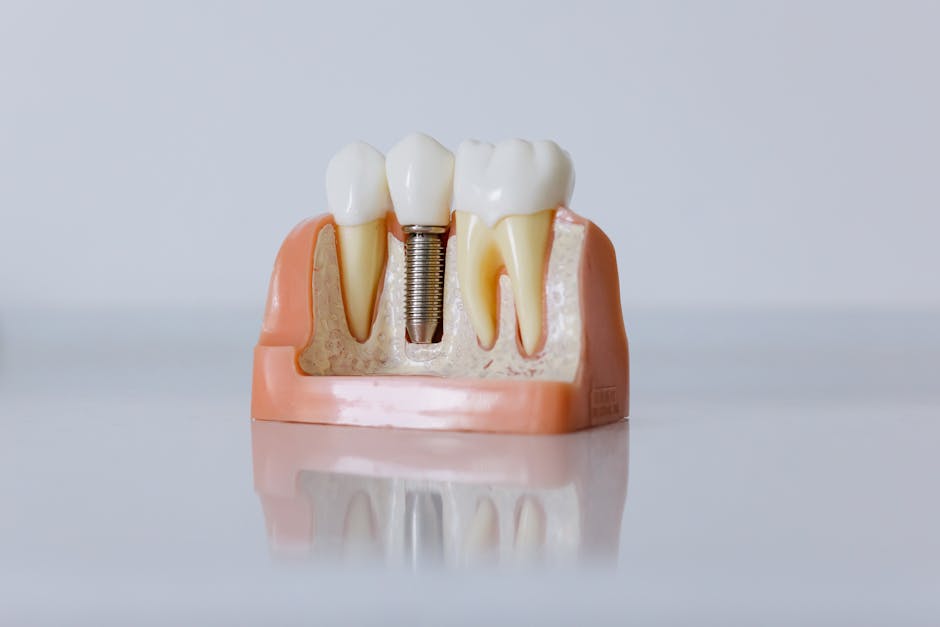
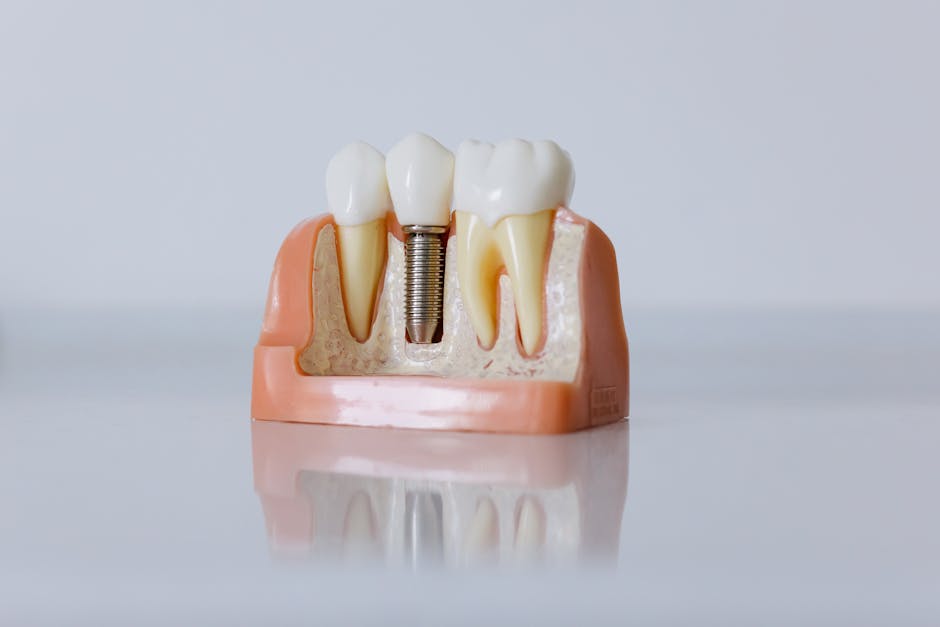
Patients sometimes assume that implants “don’t get gum disease,” while clinicians know peri-implant diseases are prevalent. Soft-tissue recession around implants can occur due to thin phenotype, prosthetic contours, plaque accumulation, malpositioning, or lack of keratinized mucosa. While soft-tissue recession alone does not equal implant failure, it can indicate biological or prosthetic challenges that increase peri-implant inflammation risk—particularly if plaque control becomes difficult.
From a training perspective, modern implant dentistry requires integrated planning: three-dimensional positioning, emergence profile design, soft-tissue management, and long-term maintenance protocols. These competencies are increasingly taught through hands-on programs rather than theory alone.
Clinical red flags: when recession may signal higher tooth loss risk
Consider a more guarded prognosis when recession is accompanied by:
• Generalized bleeding on probing and persistent inflammation despite instruction
• Progressive CAL and radiographic bone loss over time
• Increasing mobility or secondary occlusal trauma signs
• Furcation involvement in molars
• Recurrent periodontal abscesses or suppuration
• High caries activity on exposed root surfaces
• Systemic or behavioral risks (poorly controlled diabetes, smoking, low compliance)
Documentation and communication: turning recession into a teachable moment
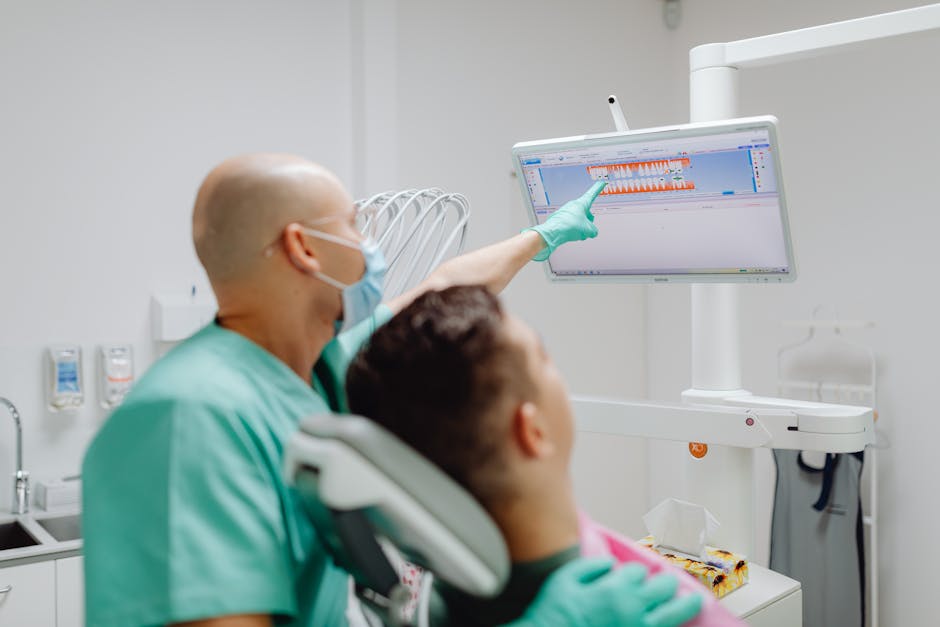
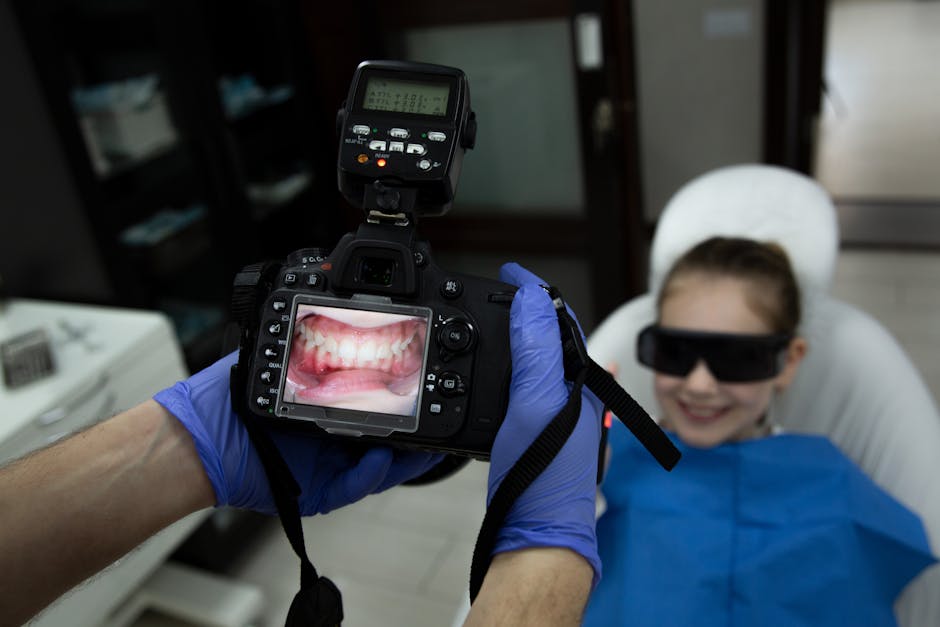
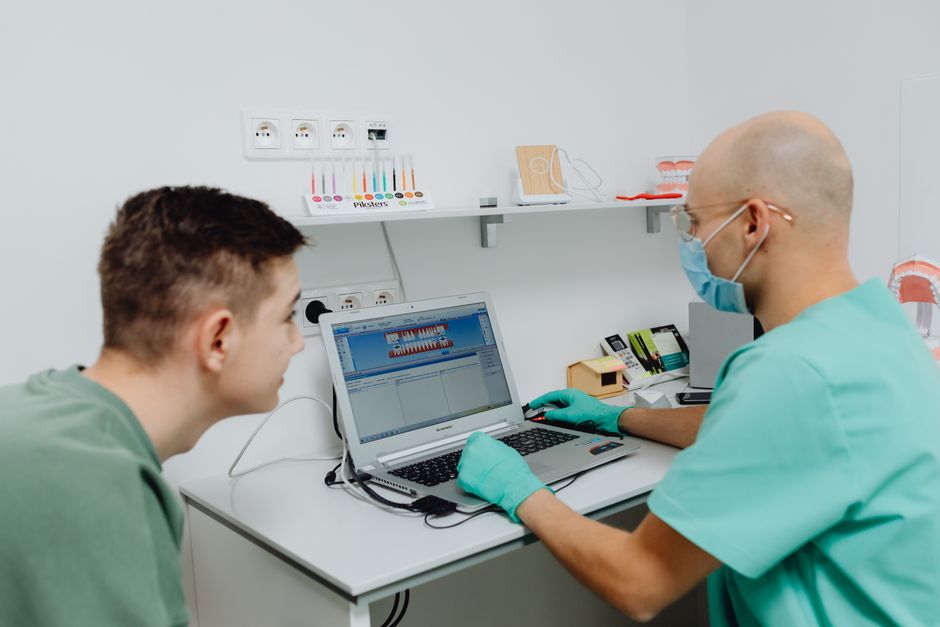
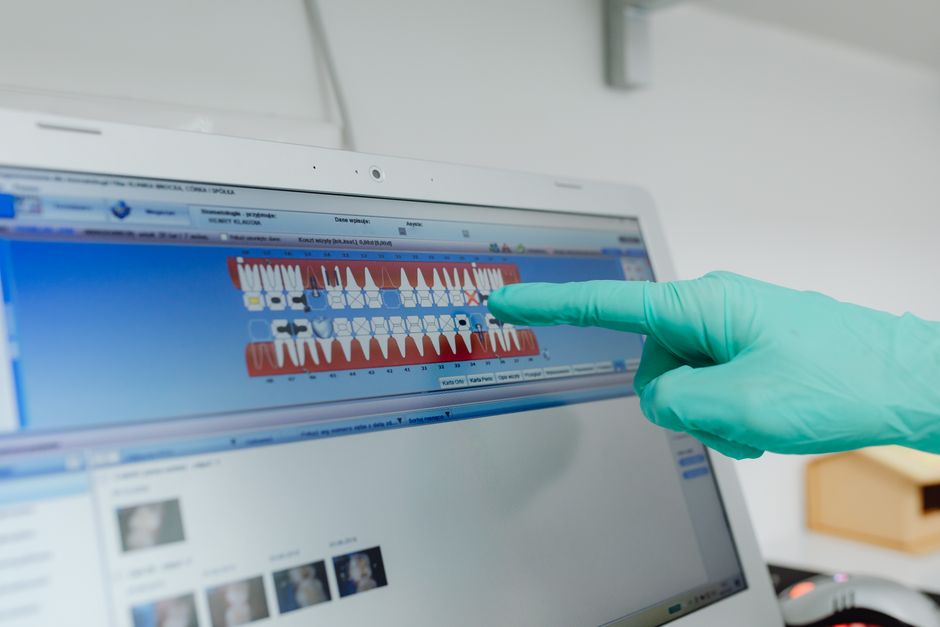
For dentists and students, recession cases are excellent opportunities to strengthen clinical documentation and patient communication. High-quality intraoral photography (with retractors, mirrors, and consistent lighting) can help patients understand progression and improve acceptance of preventive and periodontal interventions. Periodontal charting and radiographic comparisons—when used ethically and clearly—also support shared decision-making.
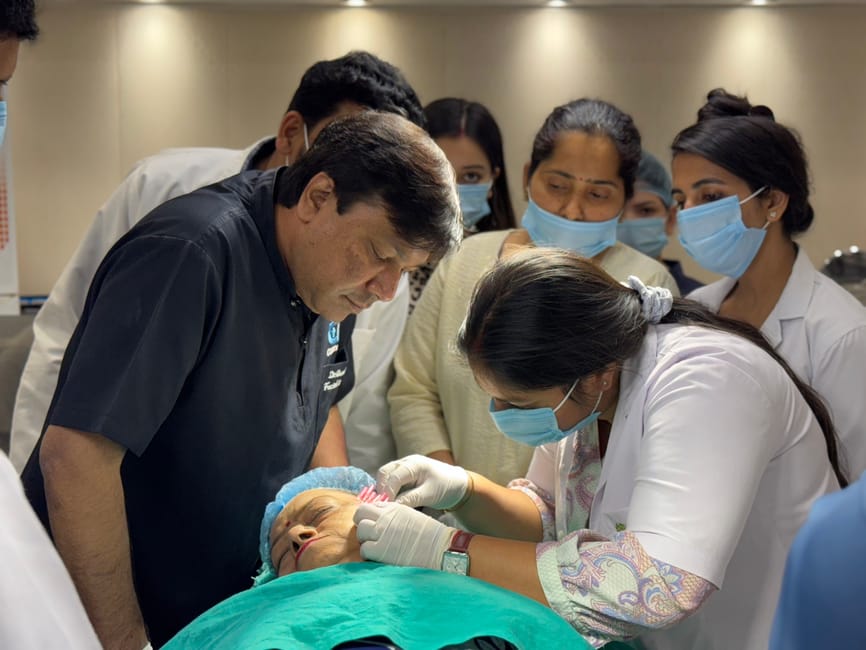
At Istanbul Dental Academy, many clinicians come to refine exactly these practical skills: periodontal examination routines, photographic protocols for case presentation, and interdisciplinary treatment planning that aligns soft-tissue health with restorative and aesthetic goals. Hands-on learning is especially valuable for mastering tissue handling, suturing fundamentals, and the subtle decision-making that differentiates “covering a problem” from treating its cause.
Takeaway for clinicians
Gum recession can be a benign anatomical finding or a visible sign of a higher-risk periodontal environment. It does not inevitably cause tooth loss, but it can contribute to pathways that increase tooth loss risk—particularly when paired with active inflammation, attachment loss, caries susceptibility, and systemic modifiers.
This content is for educational purposes and is not a substitute for individualized diagnosis or treatment planning. For optimal outcomes, recession should be evaluated within a full periodontal and restorative context, and managed with an evidence-based, patient-specific approach—often best delivered through coordinated periodontal, restorative, and prosthodontic care.
Diğer Yazılar