
BLOG
A Practical Implant Guide for Patients with Well‑Controlled Diabetes
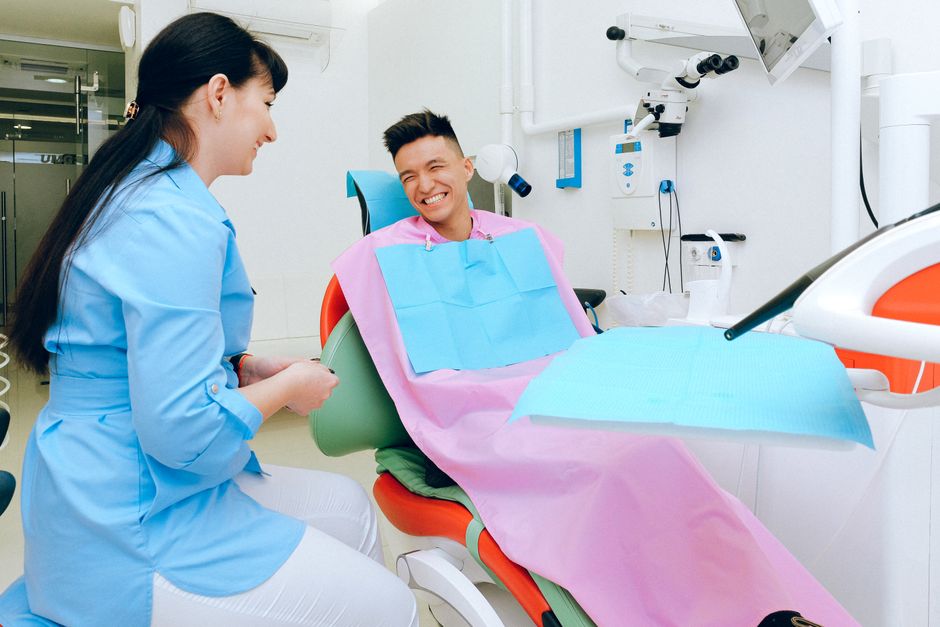
Why controlled diabetes changes implant planning (but doesn’t automatically rule it out)
Diabetes is common in daily dental practice—especially in metropolitan hubs like Istanbul, where clinicians regularly treat medically complex adult patients seeking functional rehabilitation and aesthetic improvement. For implant dentistry, the key concept is not “diabetes: yes or no,” but rather how well the condition is controlled, how stable the patient’s overall health is, and whether local oral risk factors are being managed.
In broad terms, hyperglycaemia may influence wound healing, inflammatory response, and susceptibility to infection. However, many patients with well‑controlled diabetes undergo implant therapy successfully when clinicians apply structured assessment, meticulous surgical technique, and long-term supportive care. This article is for educational purposes and is written for dental professionals and learners who want a practical framework for evaluating implant candidacy and building predictable workflows.
For a focused overview on clinical considerations, see Dental Implants for Patients with Diabetes: What Clinicians Should Know, which complements the decision-making steps discussed below.
Pre‑treatment assessment: build a risk profile, not a single “pass/fail” decision
Medical history and interprofessional communication
A thorough medical history is essential: type of diabetes, duration, medications, history of hypoglycaemia, smoking status, cardiovascular comorbidities, and any complications (e.g., nephropathy, neuropathy). Many clinicians find it helpful to collaborate with the patient’s physician when uncertainty exists about systemic stability or when surgical timing and medication considerations need clarification. The aim is to support safe care—not to replace medical management.
Glycaemic control: trends matter
While a single lab value is not the whole story, understanding recent glycaemic control trends (and how stable they are) supports planning. Consider documenting HbA1c history where available, and ask practical questions: Has the regimen changed recently? Are there frequent symptomatic highs/lows? Is the patient reliably attending follow-up appointments? These factors influence not only surgical risk but also whether the patient is likely to adhere to maintenance—critical for long-term implant health.
Oral risk factors: periodontal inflammation, plaque control, and mucosal health
In diabetes, the bidirectional relationship between glycaemic control and periodontal inflammation is well discussed in the literature. For implant candidates, active periodontitis and poor plaque control can increase the risk of peri‑implant disease. A staged approach is often prudent: initial periodontal therapy, reassessment of inflammation and home care, then implant surgery once the mouth is stable.
If recession, thin biotype, or mucogingival concerns are present around adjacent teeth or planned implant sites, integrate soft-tissue management into the plan. For an overview of contemporary approaches, refer to Gum Recession Treatment: Surgical and Non‑Surgical Options for Modern Dentistry.

Radiographic and digital evaluation
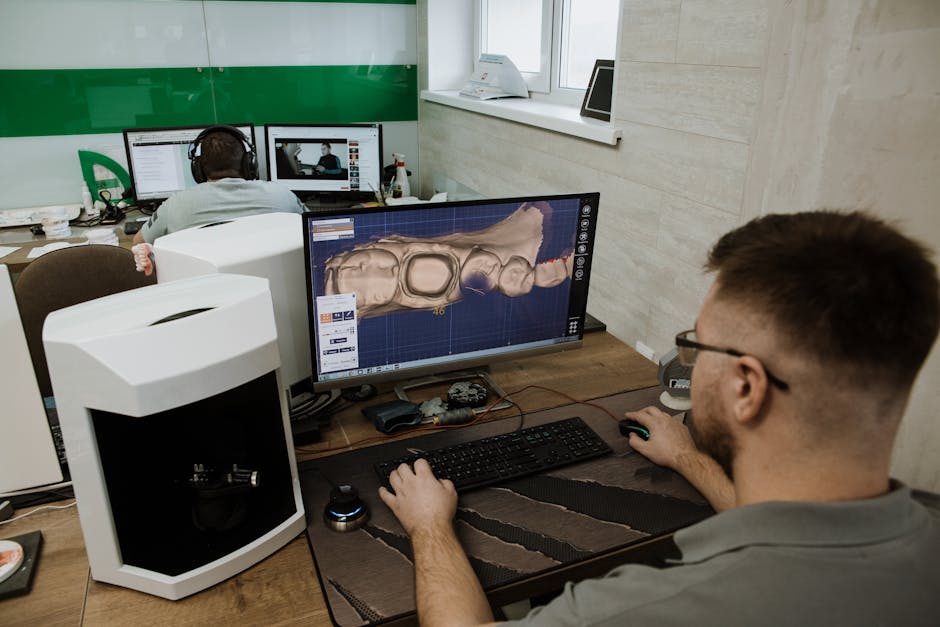
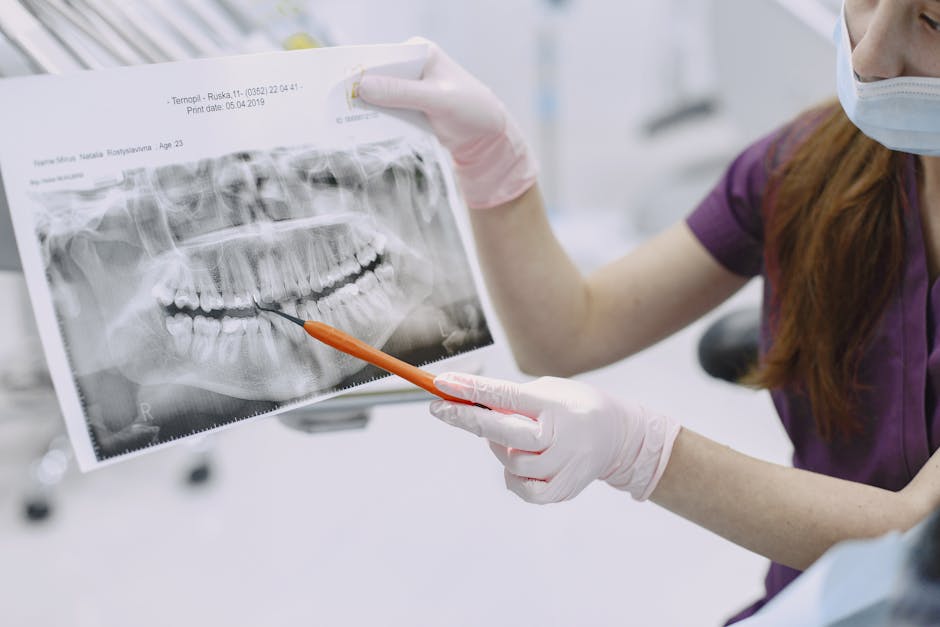
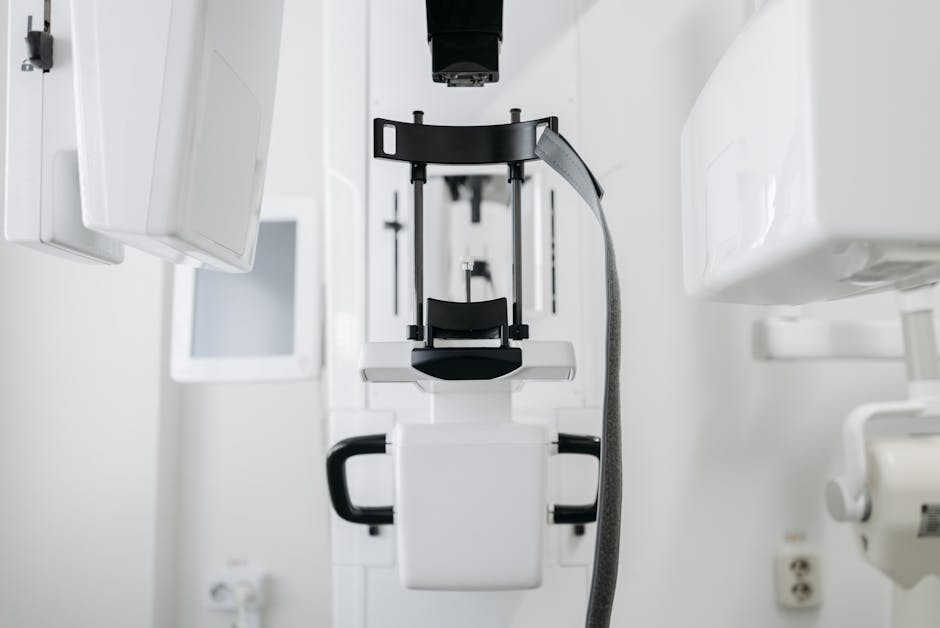
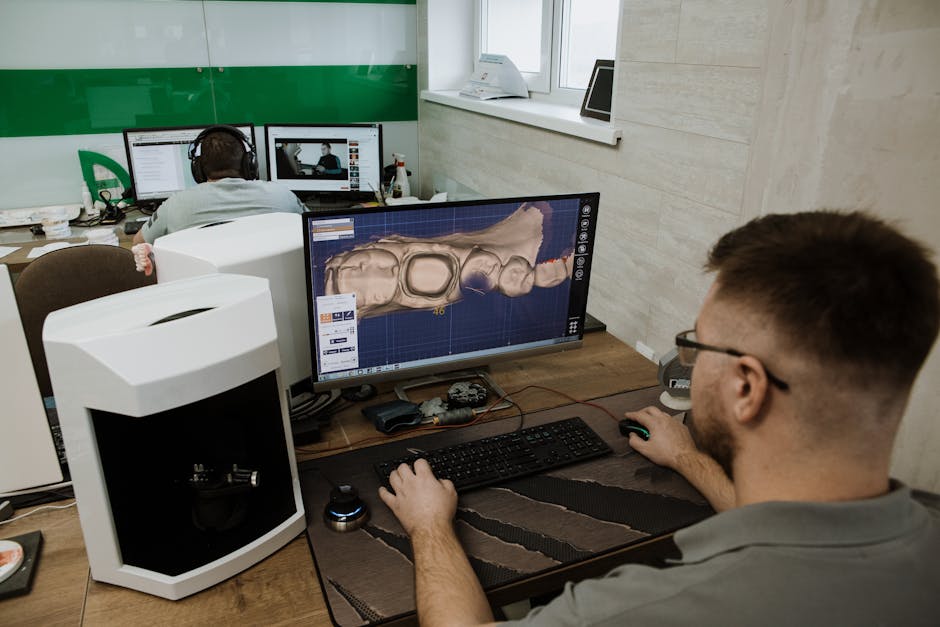
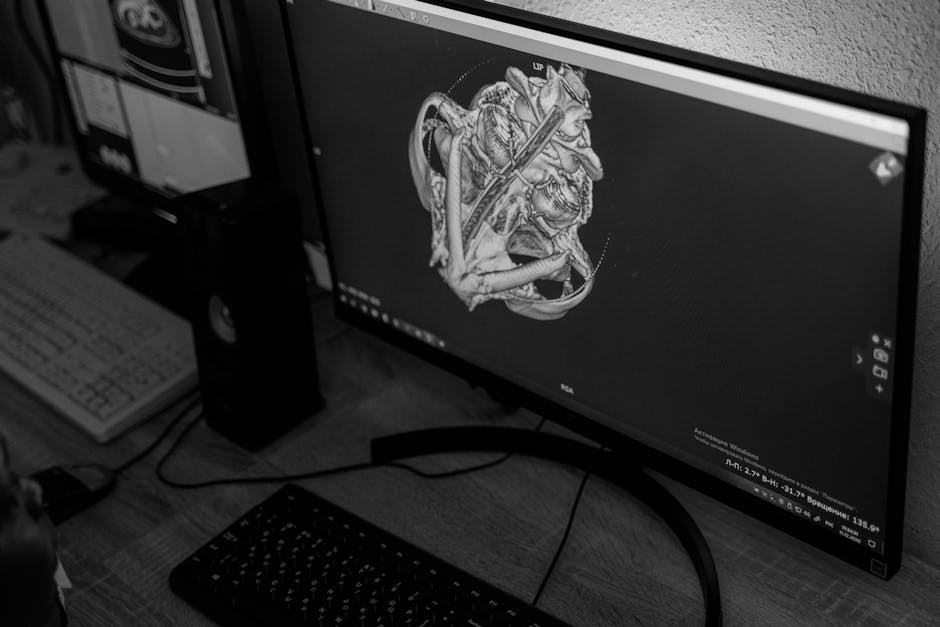
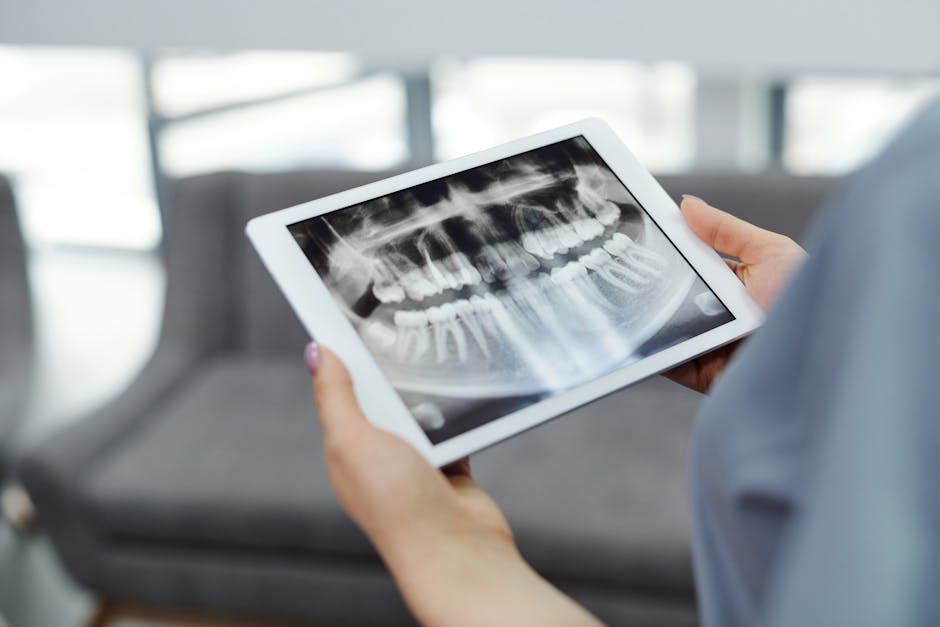
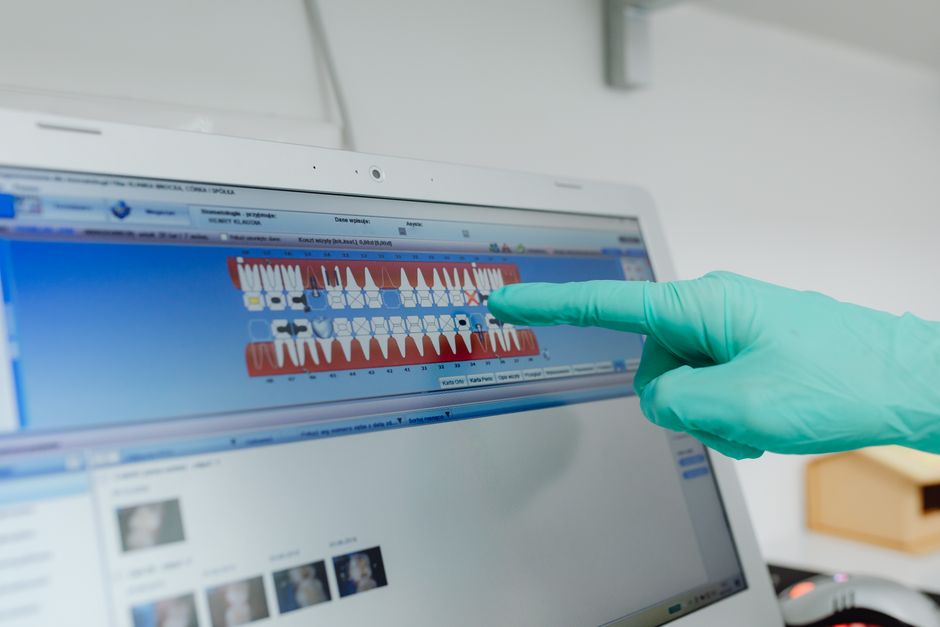
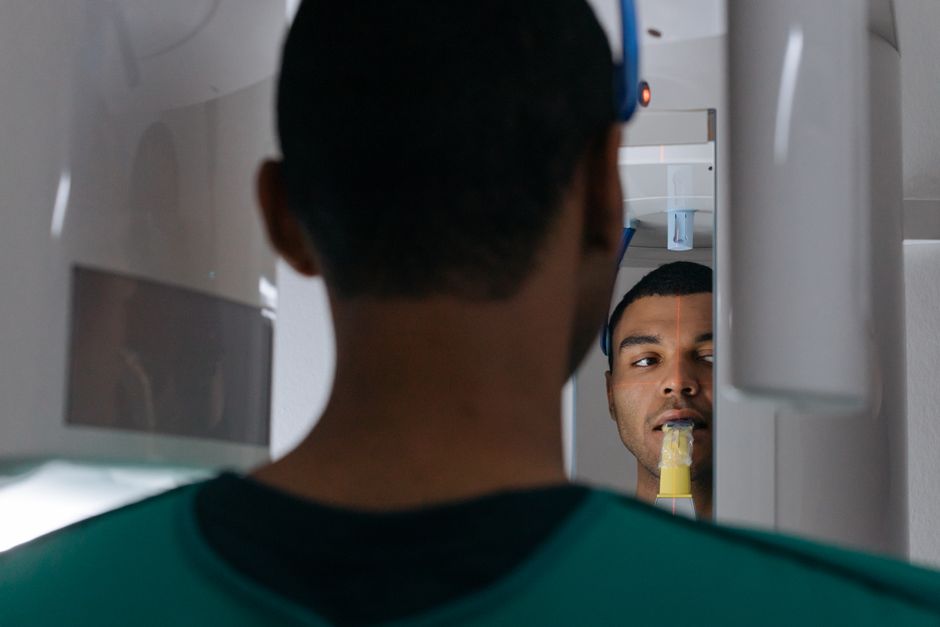
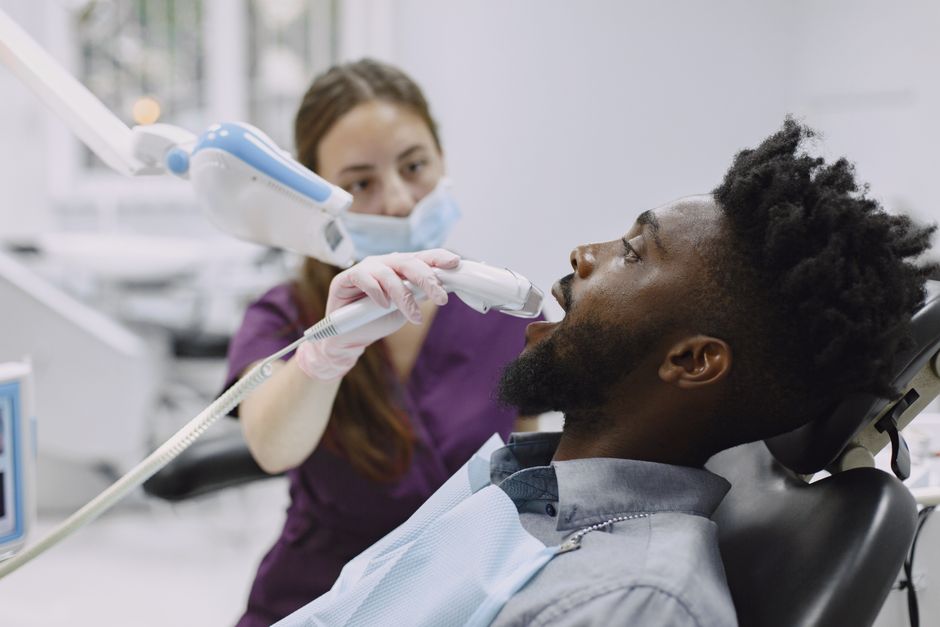
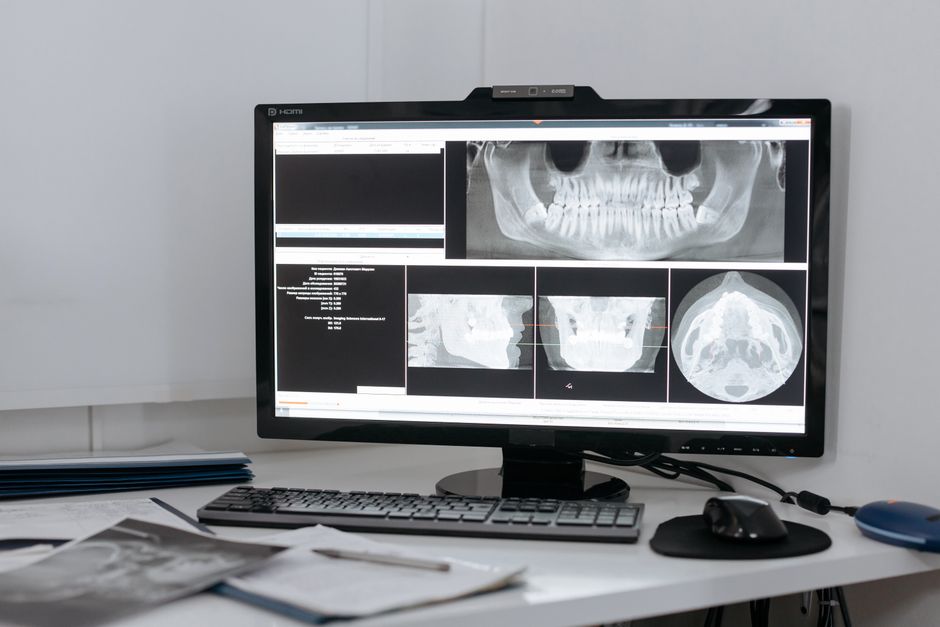
CBCT evaluation helps assess bone volume, anatomical limitations, and potential need for augmentation. In a modern workflow, intraoral scanning and digital planning can improve communication and surgical precision—especially when multiple risk factors are present. The more predictable your plan, the more controlled your surgical and prosthetic variables become.
Case selection and treatment planning strategies for well‑controlled diabetes
Start with realistic goals and a maintainable design
For medically complex patients, treatment planning should prioritize long-term maintainability. That may mean choosing implant positions and prosthetic contours that facilitate cleaning, reducing emergence profile over-contouring, and ensuring the restorative design respects biologic width and soft-tissue thickness.
Timing and staging: when to keep it simple
Even in well‑controlled diabetes, clinicians may prefer a staged approach when local inflammation is present, when extraction sites are infected, or when extensive augmentation is required. Staging can reduce complexity per appointment and allow clearer evaluation of healing response before moving forward.
Immediate placement vs. delayed placement—how to think clinically
Same‑day extraction and immediate implant placement can be a powerful tool, but it is technique-sensitive and depends on socket morphology, infection status, primary stability, and restorative constraints. In patients with controlled diabetes, the decision should be grounded in clinical indicators rather than convenience.
For a step-by-step overview of this approach, see Same-Day Tooth Extraction and Immediate Implant Placement: A Clinical Guide. Use it to benchmark your protocols for atraumatic extraction, debridement, implant positioning, and provisionalization planning.
Surgical considerations: reducing inflammatory load and improving predictability
Principles that matter in higher‑risk healing
Across oral surgery, the fundamentals become even more important when systemic healing capacity may be altered: gentle tissue handling, precise flap design, effective irrigation, careful debridement, stable closure where needed, and minimizing surgical time. Optimizing primary stability and reducing micromovement during early healing support osseointegration regardless of systemic status.
Antimicrobial and anti‑inflammatory strategies (within local regulations)
Medication choices, antiseptics, and perioperative protocols vary by country, guidelines, and patient-specific contraindications. Rather than applying one-size-fits-all regimens, clinicians should base decisions on risk stratification, surgical invasiveness, and local standards of care. This content is for educational purposes and not a substitute for clinical judgment or individualized medical advice.
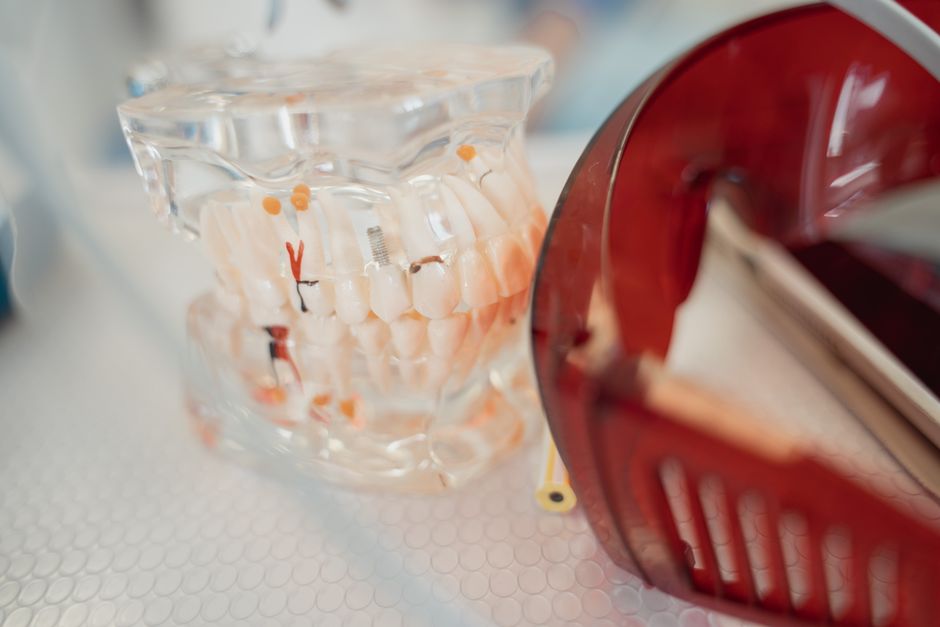
When full‑arch rehabilitation is considered: structured workflows help
For edentulous or near‑edentulous patients with well‑controlled diabetes, full‑arch solutions may be an option when supported by careful planning and maintenance. A standardized workflow—diagnostic records, digital planning, prosthetic-driven implant positioning, and follow-up—can reduce complications and enhance team communication.
If you are building protocols for these cases, explore How All-on-4 Works for Full-Arch Tooth Loss: A Clinical Workflow Guide as a reference framework for sequencing clinical steps and managing restorative transitions.
Prosthodontic phase: design for biology, hygiene, and long-term service
Prosthetic-driven implant placement and emergence profile control
In controlled diabetes, the prosthodontic phase should emphasize tissue-friendly contours and cleansability. Overbulked restorations can trap plaque and elevate peri‑implant inflammation. A prosthetic-driven plan—supported by digital wax-ups and surgical guides when indicated—helps align implant angulation with restorative access and hygiene pathways.
Occlusion and parafunction: manage forces
Biomechanical overload is not unique to diabetes, but implant complications often result from combined biologic and mechanical stress. Evaluate parafunctional habits, consider protective appliances when indicated, and design occlusal schemes that reduce lateral loads, especially in posterior segments or full-arch cases.
Integrating aesthetic dentistry: align expectations with tissue realities
Many implant patients also seek aesthetic upgrades such as smile design or veneers. When diabetes is present, emphasize that soft tissue behaviour and healing timelines may vary. Coordinating implant restorations with minimally invasive aesthetic procedures can work well when sequenced thoughtfully and when periodontal stability is achieved first.
Maintenance and supportive care: the “second half” of implant success
Recall intervals and clinical monitoring
For implant patients with controlled diabetes, maintenance should be proactive: plaque index monitoring, peri‑implant probing where appropriate, bleeding on probing assessment, radiographic review of crestal bone trends, and reinforcement of home-care techniques. The goal is early detection of mucositis before it progresses to peri‑implantitis.
Home-care instruction tailored to the prosthesis
Specific tools (interdental brushes, water irrigation, floss threaders, or implant-specific devices) should be recommended based on emergence profiles and prosthetic design. Teaching the patient how to clean around the restoration is not a one-time event; it is a recurring part of follow-up.
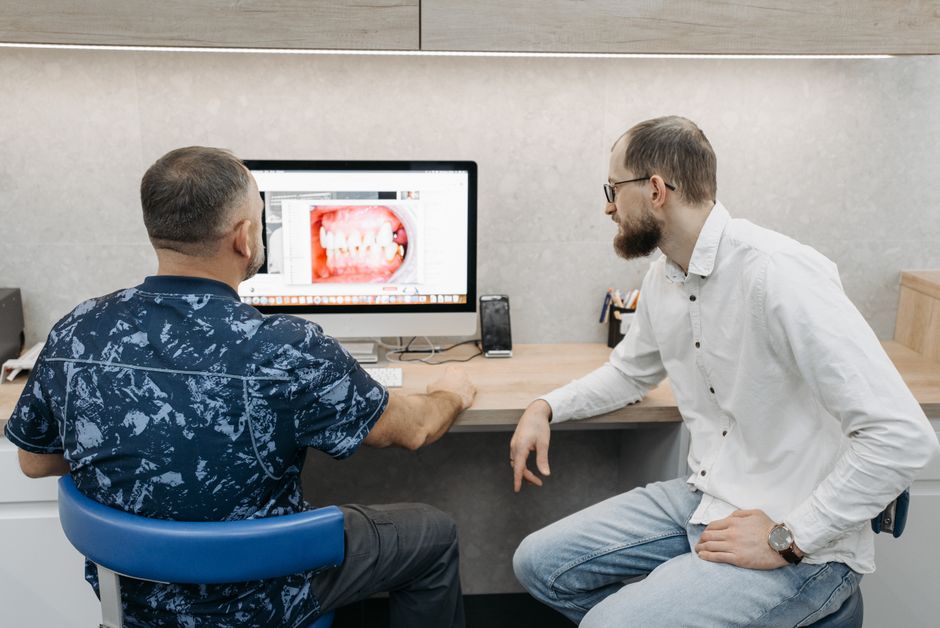
Periodontal stability as a long-term predictor
Because periodontal inflammation and glycaemic control can influence each other, supportive periodontal therapy and coordinated medical follow-up may enhance stability over time. This is especially relevant in patients with a history of periodontitis or inadequate keratinized tissue around implants.
When endodontics enters the implant conversation
Not every compromised tooth should be extracted and replaced with an implant—especially when the tooth may be restorable with appropriate endodontic and restorative care. In controlled diabetes, preserving natural teeth can be a valid strategy when prognosis is favourable and periodontal stability is attainable.
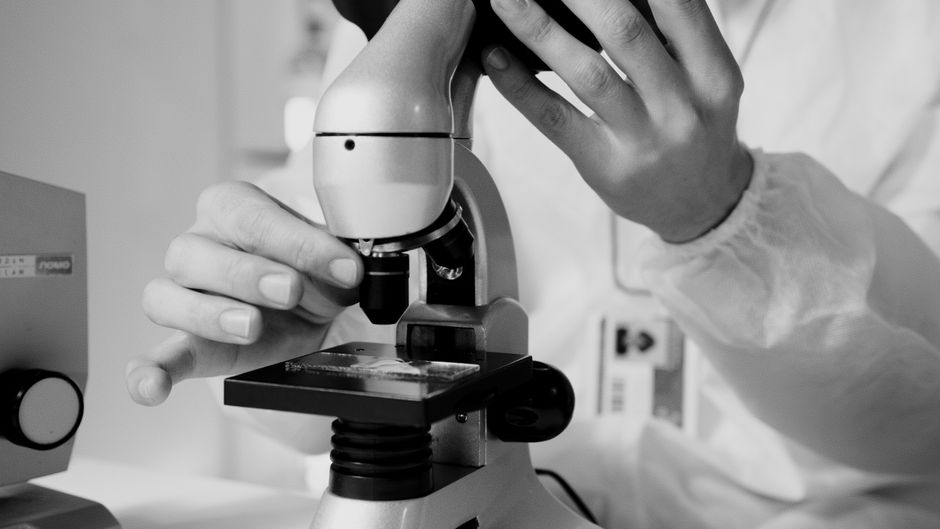
When assessing teeth with complex canal systems, magnification and illumination can improve detection of missed anatomy and support more predictable outcomes. For clinicians refining their diagnostic and technical approach, Dental Operating Microscope in Complex Root Canal Anatomy: Why It Matters provides context for why advanced visualization can be pivotal in decision-making between salvage and extraction.
Clinical education perspective: how to train for predictable outcomes in medically complex cases
Managing implant cases in patients with controlled diabetes demands more than placing fixtures—it requires an integrated understanding of periodontology, oral surgery, prosthodontics, and maintenance planning. For many clinicians, the most effective learning pathway combines evidence-based seminars with supervised hands-on training that mirrors real clinical workflows: digital planning, guided surgery concepts, soft-tissue management, and prosthetic troubleshooting.
At Istanbul Dental Academy, our continuing dental education programs are designed to help dentists and dental students translate principles into chairside practice through structured, hands-on courses. By working through clinical scenarios—including risk assessment, staging decisions, and maintenance protocols—participants can build repeatable systems suitable for everyday practice.
Key takeaways for clinicians
Well‑controlled diabetes does not automatically exclude implant therapy, but it does elevate the importance of structured assessment, inflammation control, prosthetic-driven planning, and disciplined maintenance. When you build a workflow that addresses systemic stability, periodontal health, surgical precision, and patient adherence, you improve predictability and patient experience—especially in cases where complexity accumulates.
This content is for educational purposes and does not provide definitive treatment advice. Clinical decisions should be individualized based on a comprehensive examination, risk assessment, and collaboration with the patient’s medical team when appropriate.
Diğer Yazılar