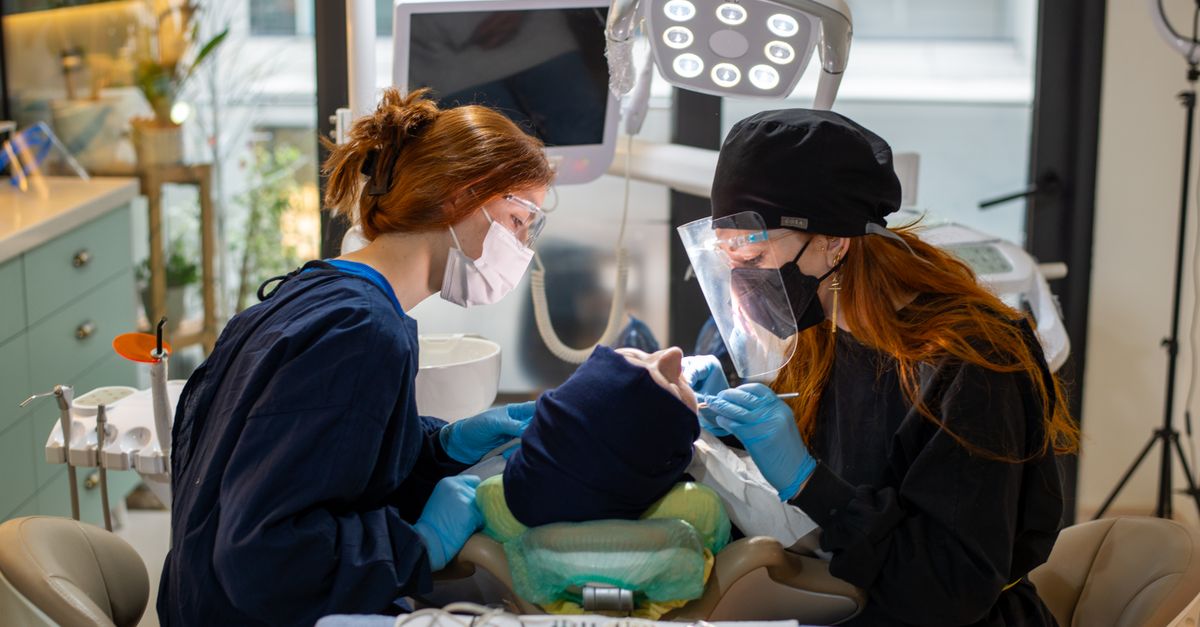
BLOG
What Does an Oral Diseases Diagnosis and Treatment Hands-On Course Add to Clinical Examination Practice?
Blog Tarihi: 16/11/2026
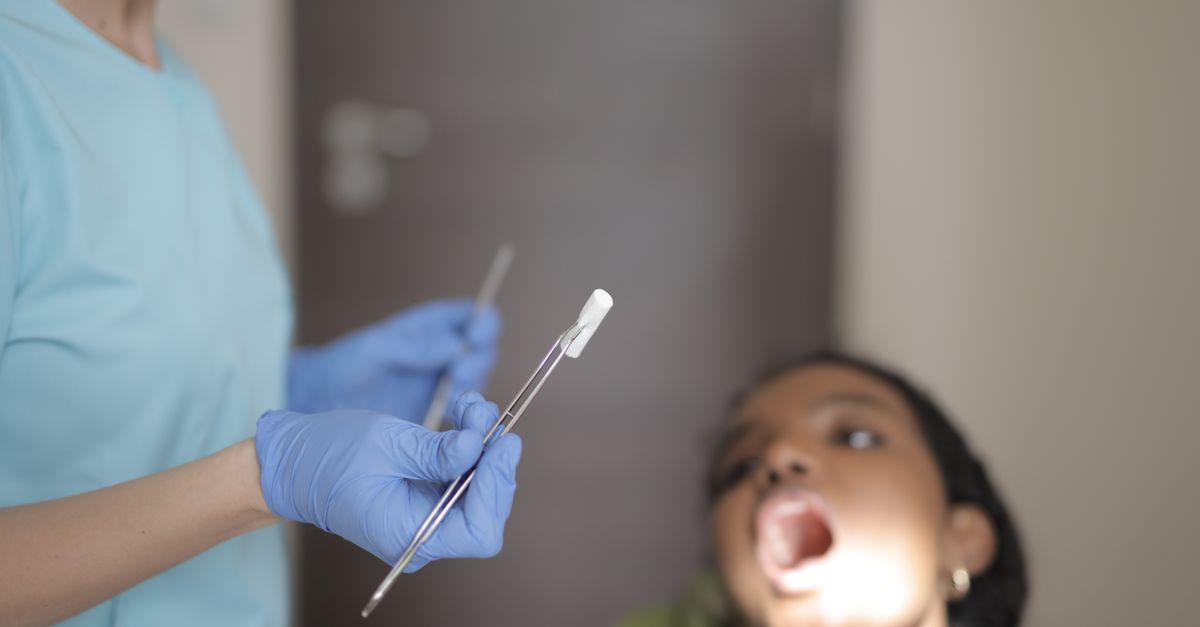
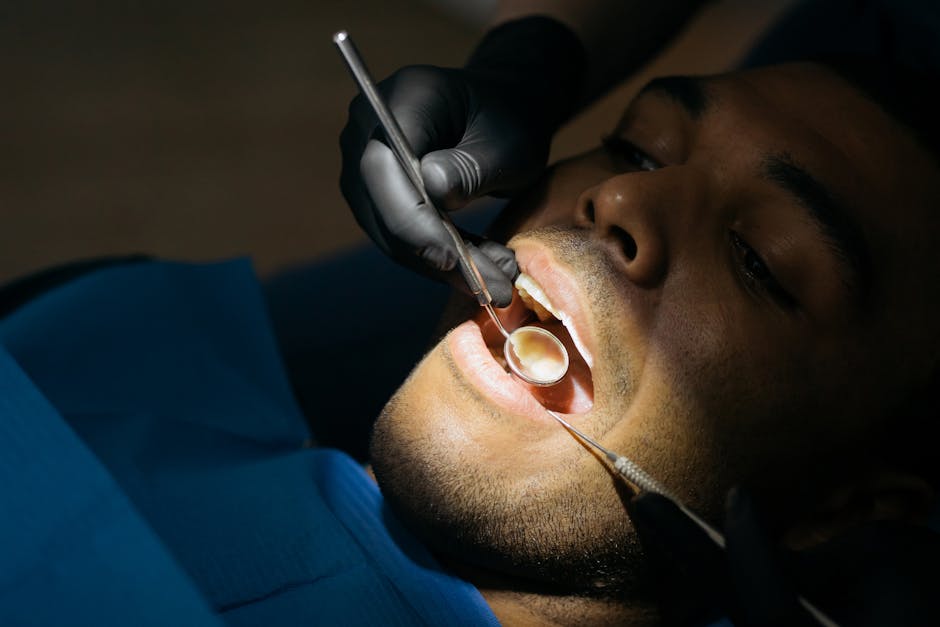
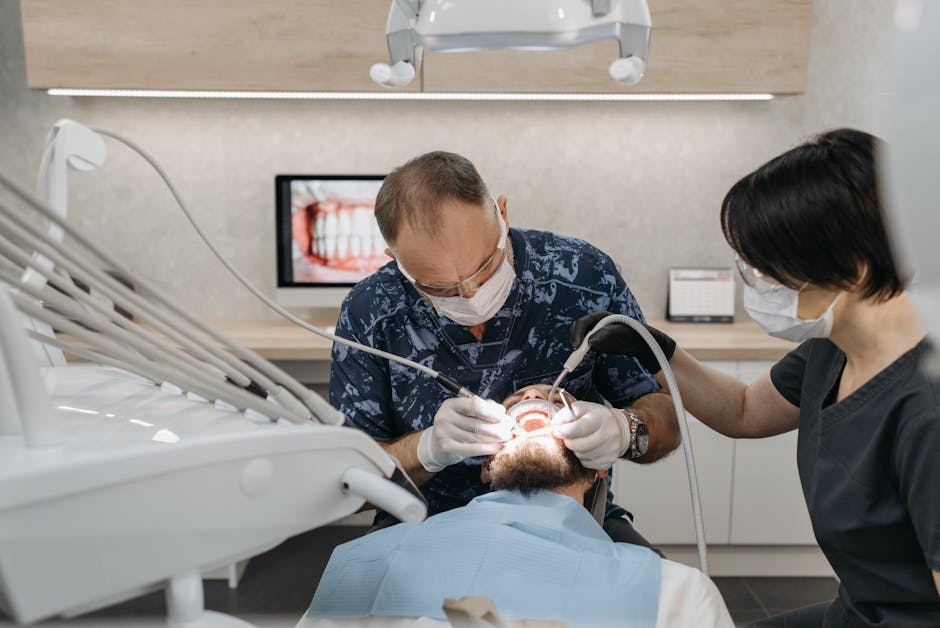
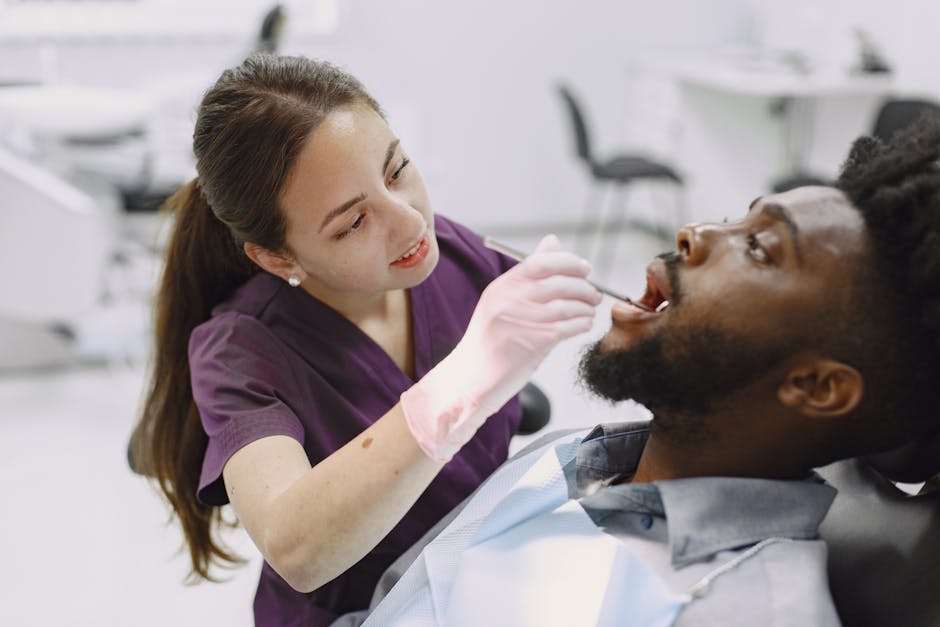
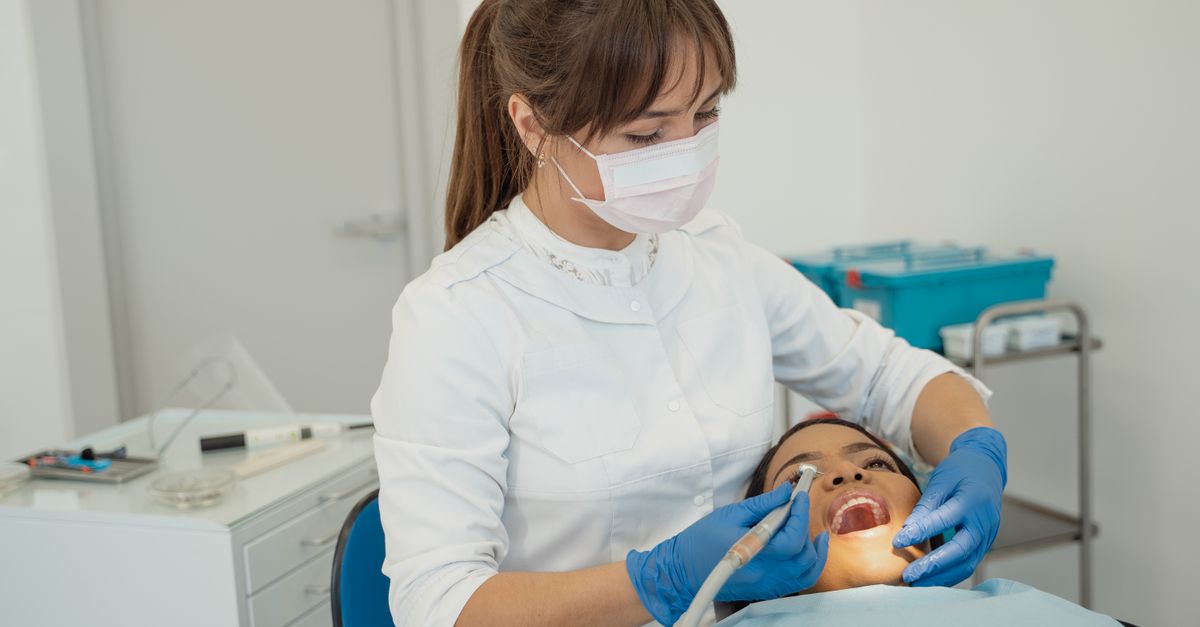
In daily clinical workflow, proper evaluation of oral diseases goes far beyond simply noticing a lesion. History taking, clinical examination, differential diagnosis, appropriate referral, and treatment planning should all be approached as parts of a whole. For this reason, an oral diseases hands-on course creates an important learning environment for dentists who want to see how theoretical knowledge can be translated into examination practice.
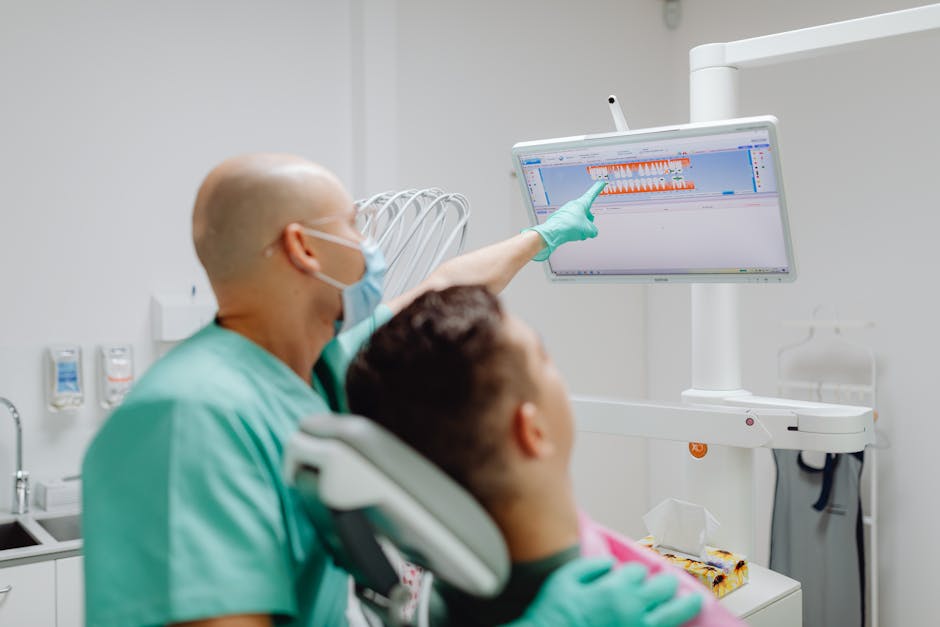
Especially for clinicians who want to make the steps of diagnosis, assessment, and treatment more systematic in routine examinations, practical training is not only about refreshing knowledge. It can also help organize the clinical decision-making process, clarify case approach, and support more controlled progress in daily patient management. This is exactly where a hands-on approach focused on diagnosis, assessment, and treatment in oral diseases becomes valuable.
The clinical importance of practical training in oral diseases

Oral diseases cover a broad area that requires careful evaluation during examination. Correct interpretation of the clinical appearance, framing the patient’s complaint appropriately, and determining the right approach are all directly important in a dentist’s daily practice. However, this is not always a field that becomes fully established through theoretical reading alone.
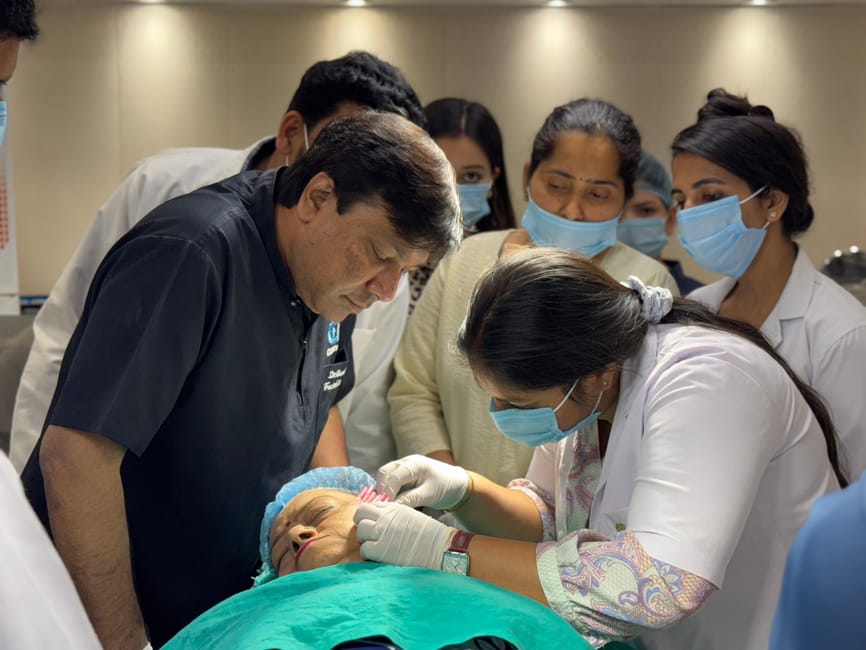
The hands-on training model supports theoretical content with practical application. This allows the clinician to process information actively rather than passively listening. Evaluating scenarios that may be encountered in examination practice provides a more lasting basis for learning in terms of recognizing lesions, interpreting clinical findings, and planning the treatment approach.
Why theoretical knowledge alone may not be enough
In oral diseases, some conditions can present with similar clinical appearances. This requires the clinician to act not only on memorized information, but through a systematic evaluation framework. Practical courses contribute to the development of this mindset by addressing step by step what to pay attention to during examination.
The value of a systematic approach in examination practice
A systematic approach reduces the risk of overlooking possible findings. A structured examination flow makes it easier to connect the patient’s history with clinical findings. This can support more consistent preliminary assessment and more controlled treatment planning.
What skills can an oral diseases hands-on course help dentists develop?
For dentists aiming to improve their examination practice, one of the most important contributions of this type of course is helping move knowledge to a clinically usable level. The hands-on course in diagnosis, assessment, and treatment of oral diseases offers a functional educational framework, especially for clinicians who want to evaluate situations encountered in examination practice in a more organized way.
This educational approach may contribute in the following areas:
- More systematic evaluation of findings that should be considered during examination
- More accurate correlation between patient history and clinical appearance
- More structured development of differential diagnosis thinking
- Clearer clinical decision-making during treatment planning
- Stronger case-based thinking habits
Thinking practice in the diagnosis and assessment process
For many clinicians, the main challenge is transferring theoretically known information into the clinical decision-making process. Practical courses make this transition easier. Topics such as which finding matters most during examination, where extra attention is required, and which approach may be more appropriate become more concrete.
More controlled progress in treatment planning
Treatment is not only the application stage; proper indication, proper timing, and the right approach are also part of treatment. For this reason, practical training focused on oral diseases may help strengthen the conceptual foundation of treatment planning. The clinician gains the opportunity to evaluate more clearly what is being done and why.
Tangible contributions of a hands-on course to examination practice
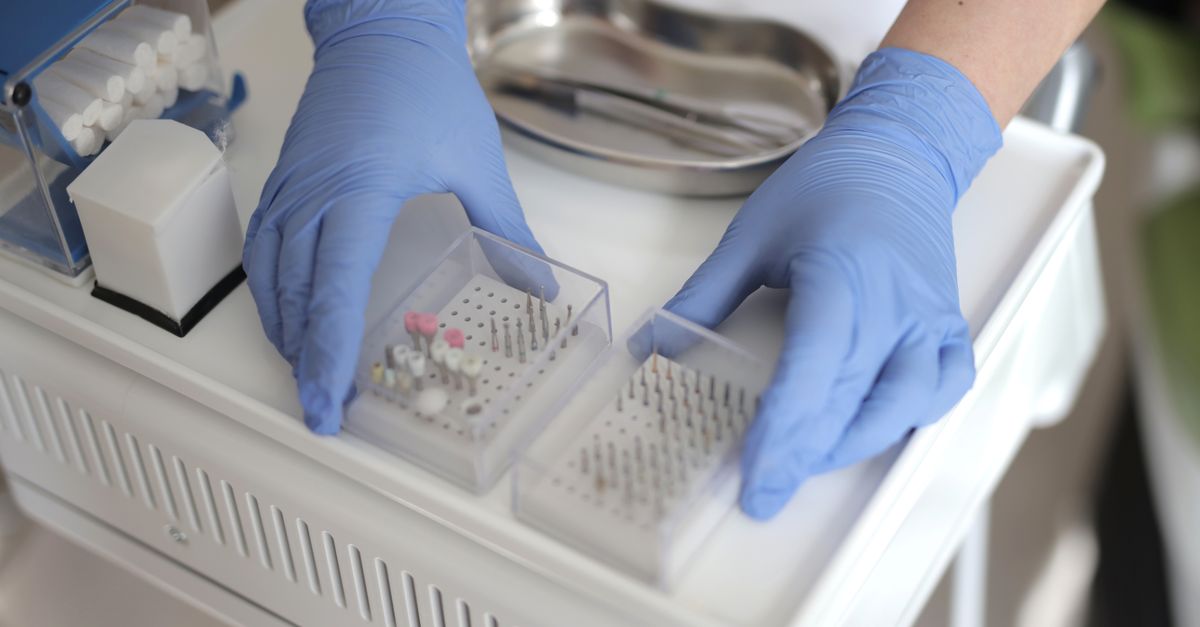
One of the strongest aspects of practical courses is that the knowledge learned can be carried into daily practice more easily. In dental education, the stronger the clinical transfer, the more efficient post-course use can become. In the field of oral diseases, this is even more important because accurate evaluation during examination often influences the entire process that follows.
After this type of course, a clinician may tend to move through examinations in a more planned way. Clinical observation skills, discipline in case evaluation, and the habit of ordering decision steps may improve. These should not be presented as direct guarantees of patient safety or outcomes; however, from an educational perspective, it is clear that practical learning supports professional reflexes.
Clearer evaluation in daily patient flow
In a busy clinical setting, using examination time efficiently is important. Clinicians who receive systematic training may develop a tendency to apply evaluation steps more consistently. This may help reduce hesitation when facing a case and support more controlled management of the process.
Development of clinical perspective through case discussions
Another advantage of the hands-on format is the opportunity to think through different case scenarios. This approach supports the ability to distinguish between situations that may look similar but require different evaluation. Developing clinical perspective is especially important in fields such as oral diseases, where careful attention is essential.
Who is this type of training suitable for?
Practical training in oral diseases may appeal to dentists at different experience levels who want to strengthen their examination practice. It offers a suitable structure especially for clinicians who want to use their theoretical knowledge more effectively in clinical workflow, systematize their case evaluation process, and prefer application-focused learning.
This educational approach may respond to the following needs:
- Dentists who want to progress more systematically in examination practice
- Those aiming to improve clinical thinking in the diagnosis and assessment process
- Clinicians who find hands-on, small-group, or one-to-one learning models more effective
- Dentists who want to transfer current clinical approaches into practice
The key point here is that the course should offer not only information transfer, but also a practice-oriented learning environment. This difference can be decisive, especially for clinicians who want to strengthen their decision-making process in examination practice.
What should you look for when choosing a course?

When choosing among dental courses, it is important to look not only at the title, but also at the content and educational approach. In a field such as oral diseases, which is directly linked to examination practice, an application-focused course offers a meaningful advantage.
The training focus should be clear
It is important that the course addresses diagnosis, assessment, and treatment steps in relation to examination practice. This helps the training move beyond a purely theoretical framework and closer to daily clinical use.
The hands-on approach should be genuinely implemented
The term practical training should be supported by real application. Courses in which the participant takes an active role and is involved in evaluation and application processes may offer stronger learning retention.
Transferability to clinical practice should come first
One of the most important features of a good course is that the knowledge gained can be used in examination practice after the course. For this reason, the training content should be structured in line with real clinical needs.
Conclusion
An oral diseases hands-on course offers a valuable educational model for dentists who want to approach diagnosis, assessment, and treatment processes in examination practice in a more conscious and systematic way. Its application-focused structure can support thinking practice in areas such as clinical observation, case evaluation, and treatment planning.
Especially for clinicians who want to move more confidently through daily patient flow, structure their clinical approach, and turn theoretical knowledge into application, hands-on courses represent an important area of professional development. Training focused on diagnosis, assessment, and treatment in oral diseases directly responds to this need.
Frequently Asked Questions
Who is an oral diseases hands-on course suitable for?
These types of courses are suitable for dentists who want to improve their diagnostic, assessment, and treatment approach in examination practice. They are especially useful for clinicians who aim to transfer theoretical knowledge into practical application more effectively.
What is the main difference between a hands-on course and theoretical training?
While theoretical training focuses on knowledge transfer, a hands-on course offers an application-based learning approach in which the participant is actively involved in the process. This can make clinical transfer easier.
What is the most important contribution of this type of course to examination practice?
One of the most important contributions is that it may help build the habit of evaluating the examination process more systematically. Addressing the steps of diagnosis and assessment in a more organized way can support clinical thinking practice.
Which features should be prioritized when choosing a course?
Priority should be given to whether the training is application-focused, connected to examination practice, and addresses the diagnosis-assessment-treatment process in a comprehensive way.
Diğer Yazılar