BLOG
Anterior Composite Restoration Course
Blog Tarihi: 16/11/2026

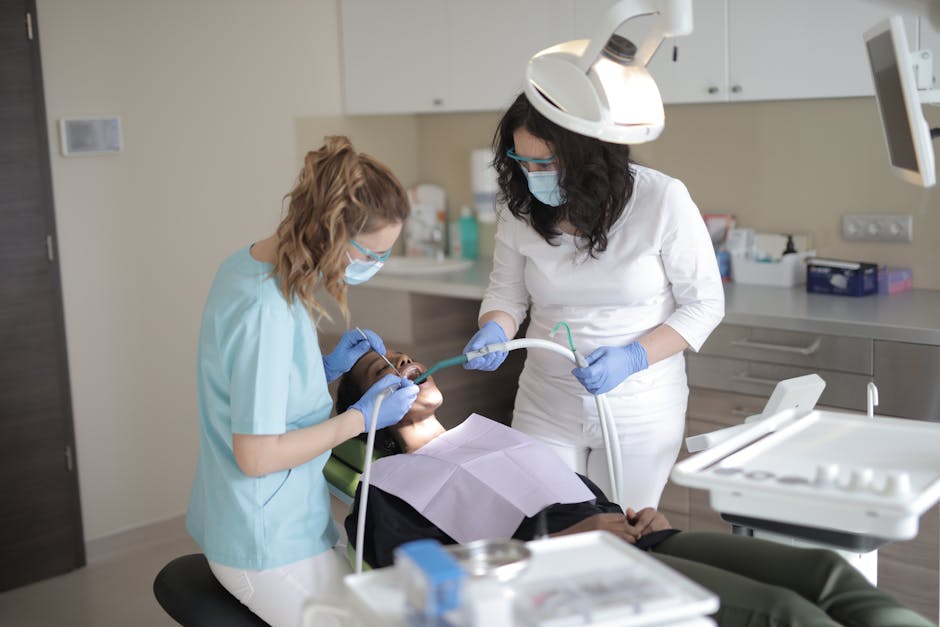
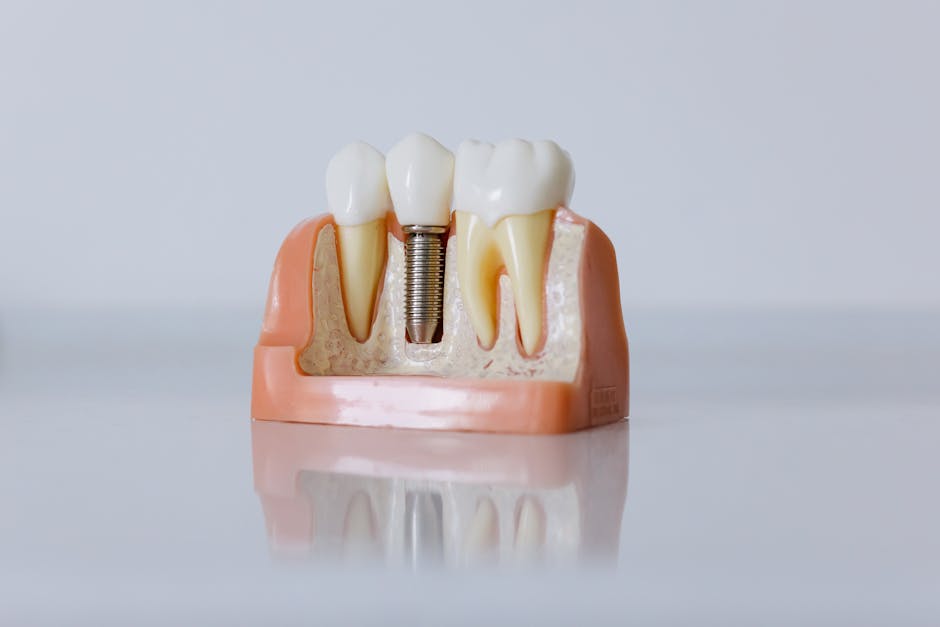
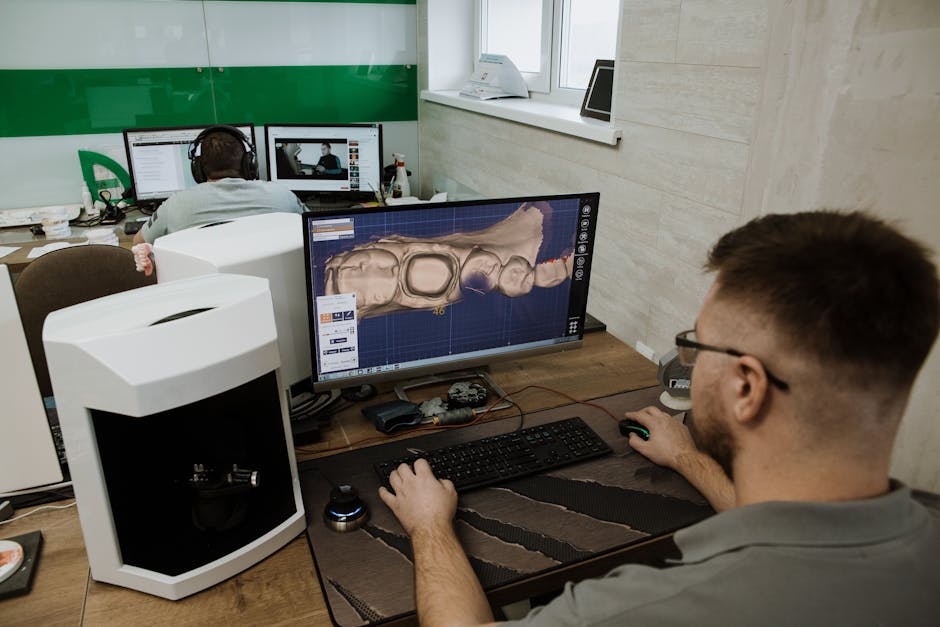
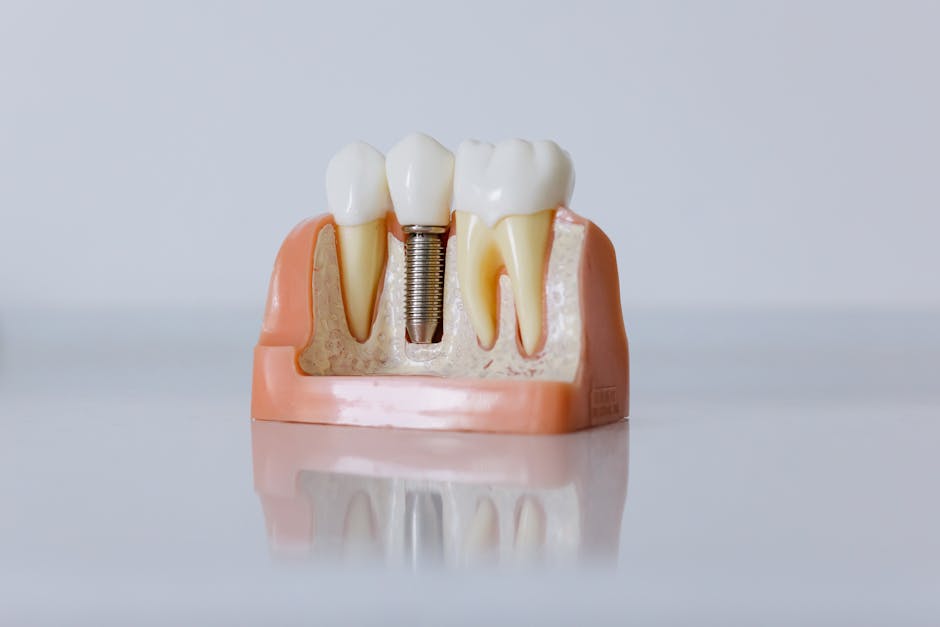
Anterior composite restoration course is a hands-on training area designed for dentists who want to achieve more predictable, controlled, and clinically transferable results in the esthetic zone. Planning and performing restorations in the anterior region requires more than material knowledge alone; it calls for a combined understanding of anatomy, esthetic evaluation, isolation, layering logic, and surface characterization.
The Anterior Composite Restorations Course | Hands-On Training for the Esthetic Zone offered by Istanbul Dental Academy is a training program aimed at improving dentists’ clinical approach to restorations in the esthetic zone. In addition to theoretical instruction, the program places strong emphasis on hands-on learning.
Why is an anterior composite restoration course important?

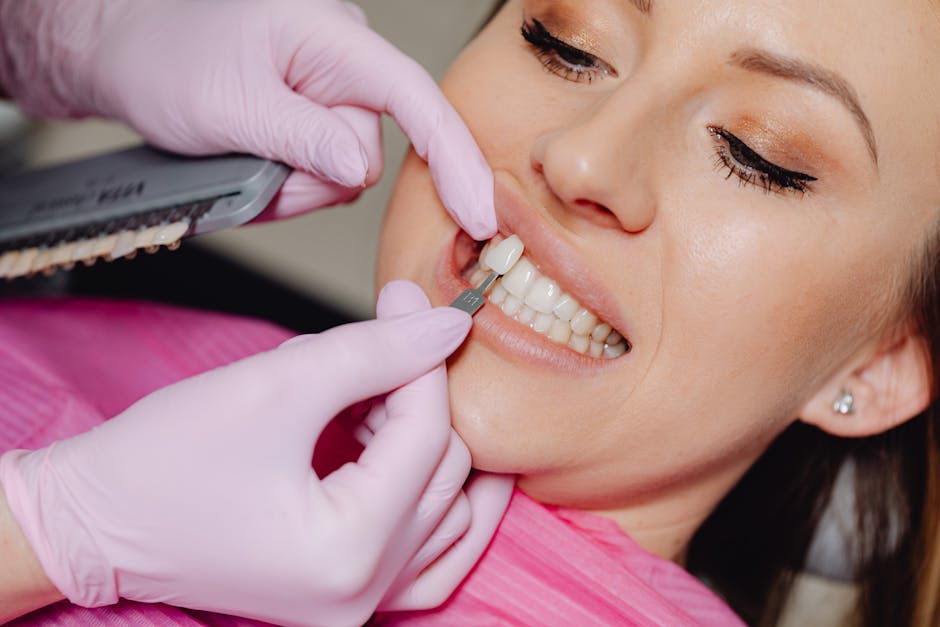
Restorations in the anterior region must meet not only functional requirements but also high esthetic expectations. Factors such as color match, form, translucency, surface texture, and integration with the natural tooth make these restorations especially sensitive from a clinical perspective.
For this reason, anterior composite restoration training should be seen not simply as learning how to place a restoration, but as a development process that includes approaching the case correctly, planning the treatment sequence, and managing details in the esthetic zone.
Clinical sensitivity in the esthetic zone
In anterior tooth restorations, even a small error in form or a slight color mismatch can have a noticeable effect on the final result. That is why gaining a habit of systematic thinking and controlled application during training is highly valuable.
The need to move from theory to practice
Many dentists may already have foundational knowledge of anterior composite restorations, yet still feel the need for more practice in case management and manual skills during clinical application. Hands-on courses help bridge that gap.
Who is this course suitable for?
The anterior composite restoration course is intended for dentists who want to improve their knowledge and skills in esthetic zone applications. It can be especially valuable for clinicians who frequently encounter anterior restorations in daily practice and want to improve the quality of their work in a more systematic way.
The course may be suitable for:
- Dentists who want to work with greater control in anterior restorations
- Clinicians aiming to strengthen their approach to the esthetic zone
- Participants who want to improve manual skills through hands-on training
- Dentists who want to add more predictable restorative protocols to their clinical practice
The hands-on structure of the training supports participants in being active learners rather than passive observers.
Which clinical skills stand out in an anterior composite restoration course?

The goal of training in this area is to help dentists manage esthetic zone restorations in a more planned and controlled manner. Clinical skill development often requires working on several topics together.
Case evaluation and treatment planning approach
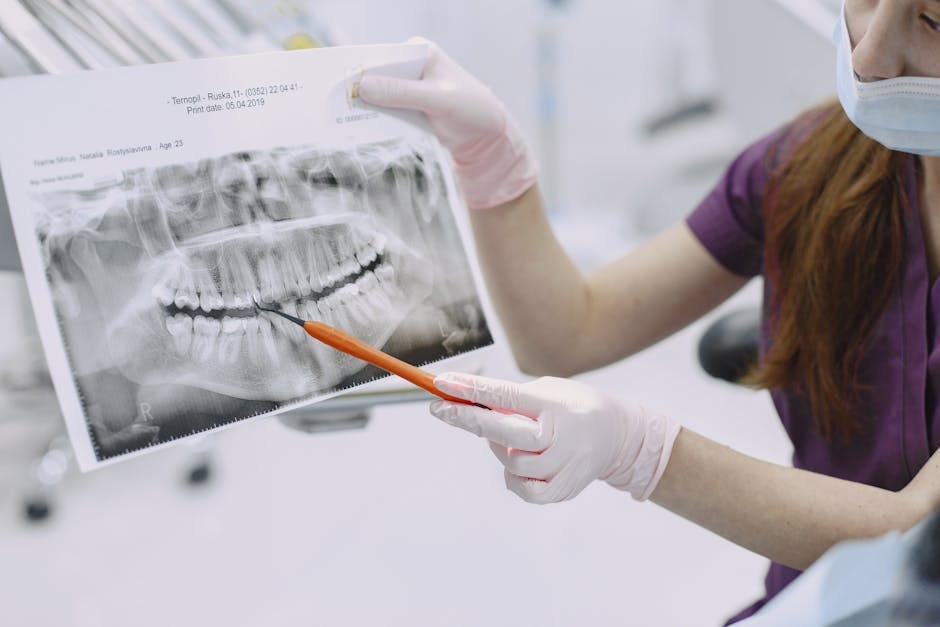
A successful anterior restoration begins with preoperative assessment. The existing condition of the tooth, esthetic expectations, harmony with adjacent teeth, and planning of restoration boundaries all directly affect the quality of the outcome.
Form and esthetic harmony
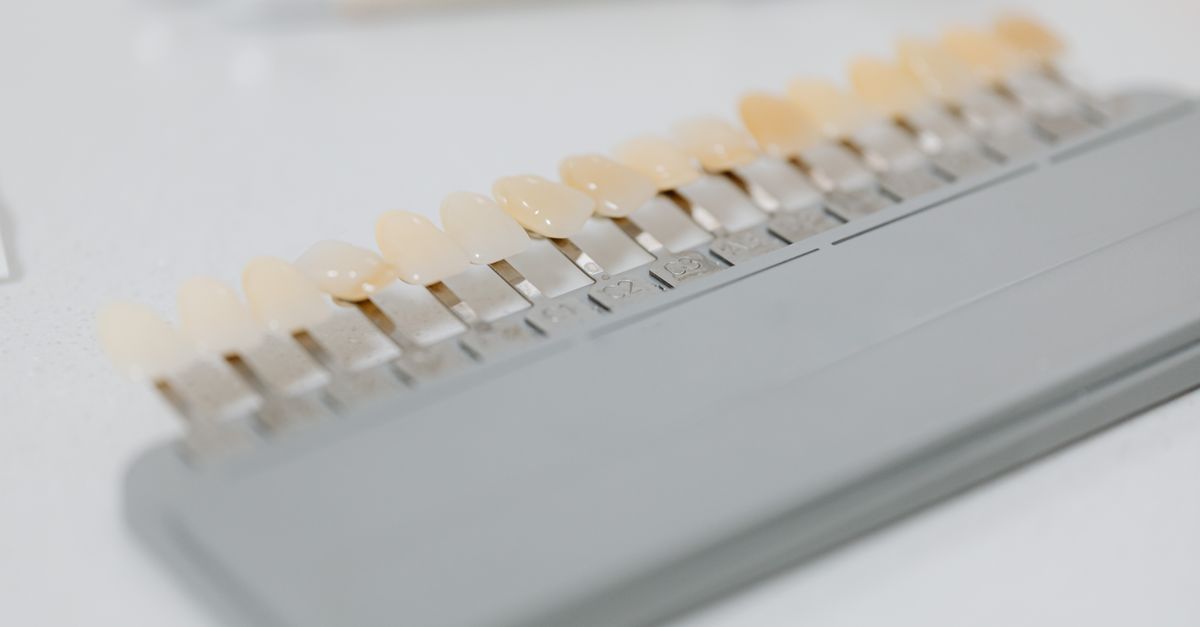
Understanding natural tooth anatomy is important in anterior restorations. Elements such as contour, incisal structure, surface transitions, and overall symmetry are key components of an esthetic result.
Layering and surface management
Controlled use of composite material contributes to a more natural appearance. Layering logic and the finishing-polishing approach are among the important parts of esthetic zone applications.
What does a hands-on training approach add for dentists?
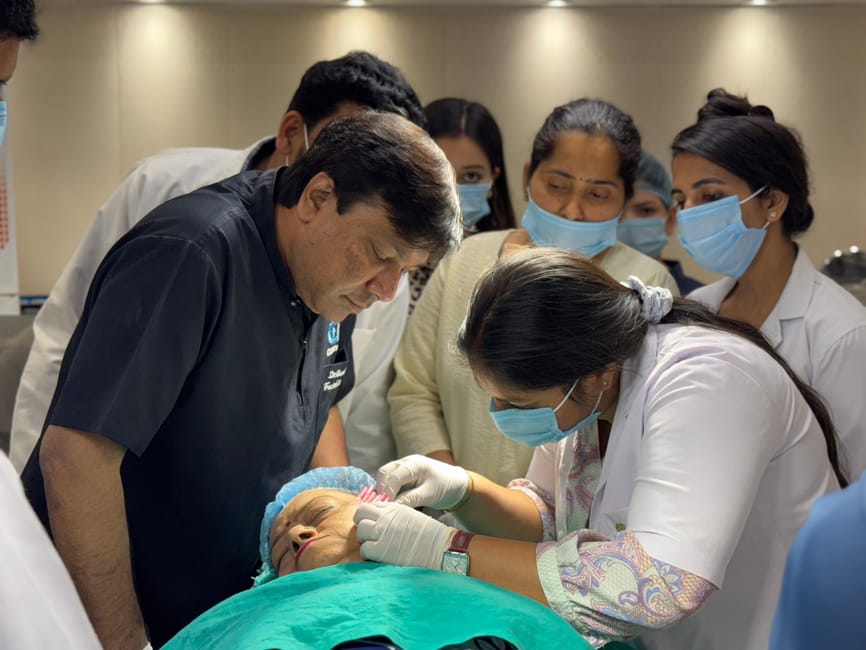
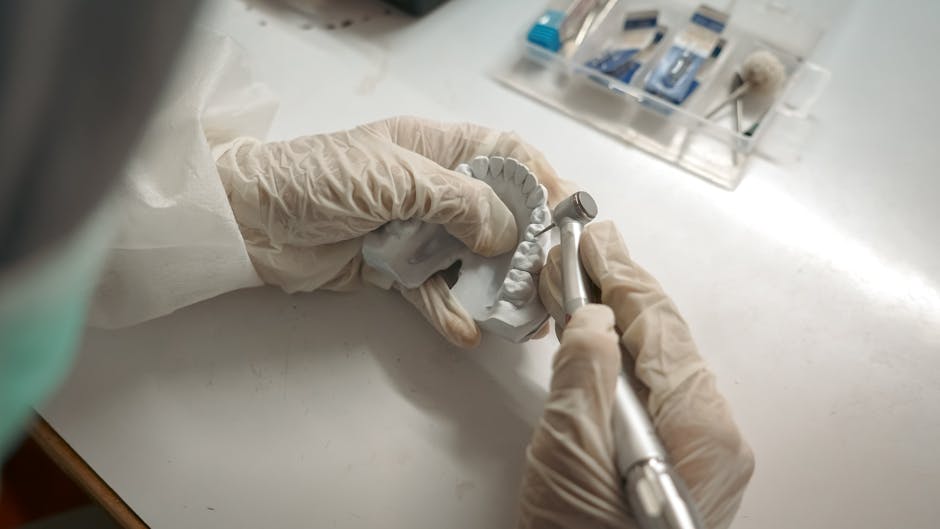
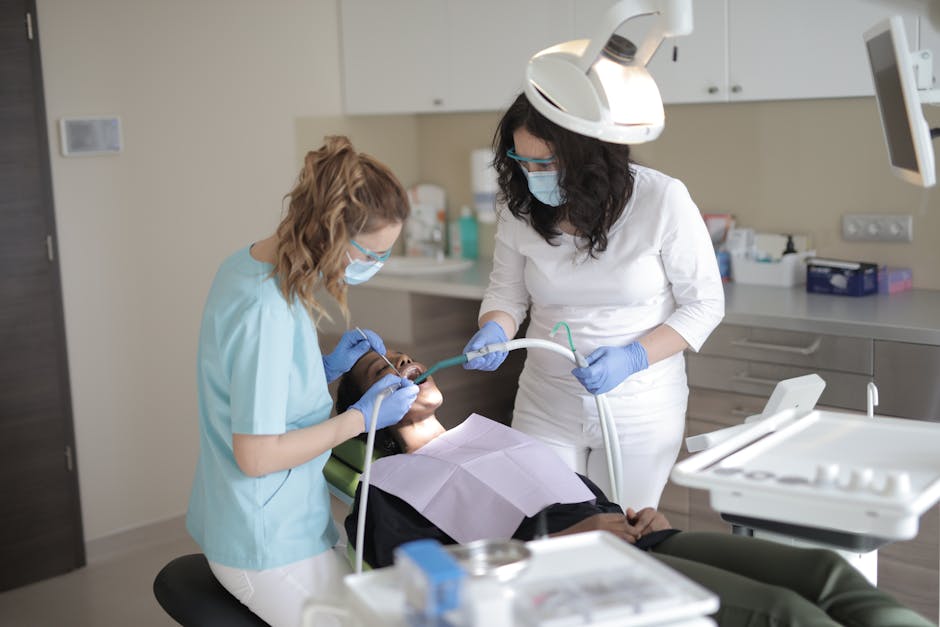
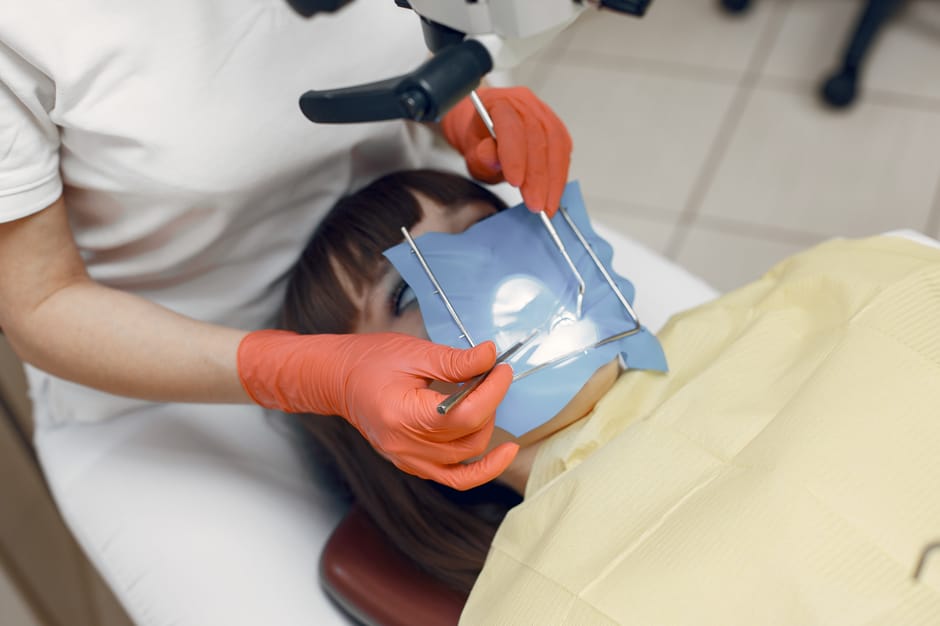
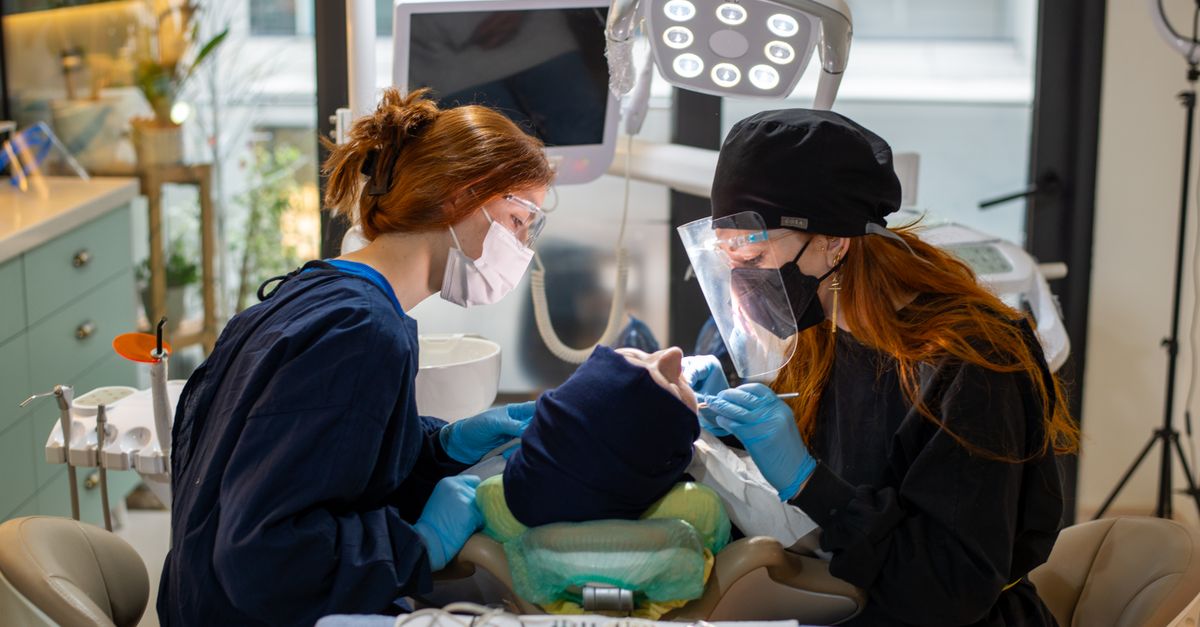
Hands-on dentistry courses make it easier to transfer theoretical knowledge into clinical practice. Especially in esthetic restorations, it is not only explanation that matters, but also decision-making during the procedure and control of manual technique.
The main benefits of a hands-on approach include:
- Understanding the step-by-step treatment logic more clearly
- Building a more repeatable workflow for clinical practice
- Developing awareness to reduce the margin of error by focusing on details
- Gaining a more controlled restorative approach in the esthetic zone
In this sense, the course is not only about transferring information, but also about supporting clinical thinking.
How should dentists choose the right hands-on dentistry course in Istanbul?
When choosing among dentistry courses in Istanbul, it is important to look not only at the course title but also at the structure of the training. In esthetic restoration education in particular, the intensity of hands-on practice, the clinical focus, and the clarity of the targeted skills matter.
These questions may help guide the evaluation process:
- Does the training go beyond theoretical explanation?
- Does it allow the participant to perform active hands-on practice?
- Is the course content transferable to clinical practice?
- Is the target audience clearly defined as dentists?
Istanbul Dental Academy offers course structures that respond to these needs with a hands-on training focus for dentists. Alongside programs centered on the esthetic zone, there are also courses in different clinical fields. For example, dentists who want to improve examination practice from another perspective may also review What Does an Oral Diseases Diagnosis and Treatment Hands-On Course Add to Clinical Examination Practice?.
What should you pay attention to when choosing an anterior composite restoration course?

Choosing the right course directly affects the value you get from the training. In areas such as the esthetic zone, where managing details is essential, the course content and training method are especially important.
A practice-oriented course structure
In skill-based topics such as anterior composite restorations, training programs with a strong practical component are often more functional. This helps participants build a stronger foundation for transferring what they learn into clinical practice.
Clear definition of targeted skills
It is important for the course to clearly define which clinical needs it addresses. In esthetic zone restorations, clear coverage of planning, treatment sequence, and outcome management can be a major advantage when selecting training.
Structured content designed for dentists
When the training is designed directly for dentists, the content can be presented in a way that aligns more closely with clinical reality. This helps the course build a stronger connection with daily practice.
Conclusion
The anterior composite restoration course is an important training area for dentists who want to develop a more conscious, systematic, and practice-oriented approach in the esthetic zone. Successful outcomes in anterior restorations become possible when knowledge, planning, and practical skills improve together.
If you are comparing hands-on dentistry courses focused on the esthetic zone and looking for training that can directly support your clinical practice, you can review the anterior composite restoration training options at Istanbul Dental Academy.
Frequently Asked Questions
Who is the anterior composite restoration course for?
This course is intended for dentists who want to improve their knowledge and practical skills in esthetic zone restorations.
Is this training theoretical or hands-on?
This course at Istanbul Dental Academy is among the dentistry courses offered with a hands-on training approach.
How does an anterior composite restoration course contribute to clinical practice?
It helps improve planning, treatment sequence, form management, and a controlled working approach in restorations performed in the esthetic zone.
Is it suitable for dentists looking for a hands-on dentistry course in Istanbul?
Yes. It is one of the courses that may be considered by dentists seeking hands-on training in Istanbul focused on the esthetic zone.
Diğer Yazılar