BLOG
Anterior Composite Restorations Course | Hands-On Training for the Esthetic Zone
Blog Tarihi: 16/11/2026

Restorations performed in the esthetic zone are among the most sensitive areas of dentistry in terms of both function and patient expectations. Color harmony, form, surface anatomy, marginal adaptation, and a natural appearance all need to be evaluated together. For this reason, composite restoration procedures in the anterior region represent a clinical skill area that can be developed more safely not only through theoretical knowledge, but also through controlled, hands-on training.
Anterior Composite Restorations course is a dentistry course offered to dentists on anterior composite restorations. It provides a valuable development opportunity for clinicians who want to approach the esthetic zone more systematically, understand the application steps more clearly, and aim for more predictable outcomes in daily practice.
Why is an anterior composite restorations course important?

Because restorations in the anterior region directly affect the patient’s smile esthetics, they require a high level of attention. A minor shape error, inadequate surface transition, or an appearance that does not harmonize with the natural tooth structure can limit the esthetic success of the restoration. For this reason, an anterior composite restorations course helps strengthen not only the clinician’s restorative skills, but also esthetic evaluation, case analysis, and treatment sequencing.
A hands-on training approach is especially important for the following reasons:
- Improving clinical thinking specific to the esthetic zone
- Understanding the step-by-step logic of composite restorations
- Approaching form and surface anatomy in a more controlled way
- Developing a more systematic workflow in daily practice
- Combining theoretical knowledge with clinical application
In this respect, the course creates a strong educational foundation for dentists who want to work in the esthetic zone with greater care and planning.
The clinical approach the course focuses on
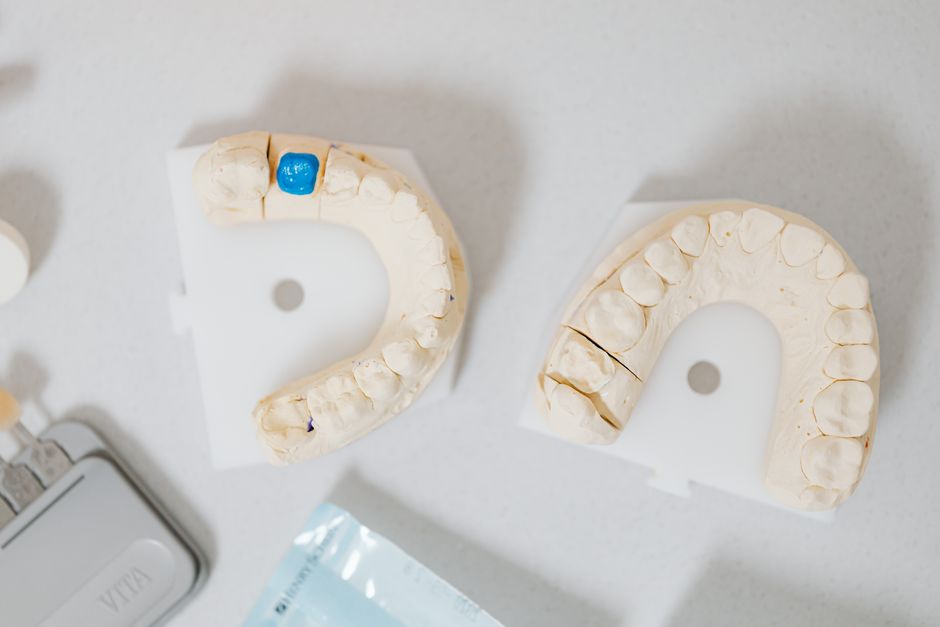
Anterior composite restorations should not be viewed simply as a material placement procedure. A successful outcome requires case selection, esthetic analysis, evaluation of restoration boundaries, and careful management of details during application. Within the course, the goal is to develop a way of thinking that addresses these areas together.
Evaluation of the esthetic zone
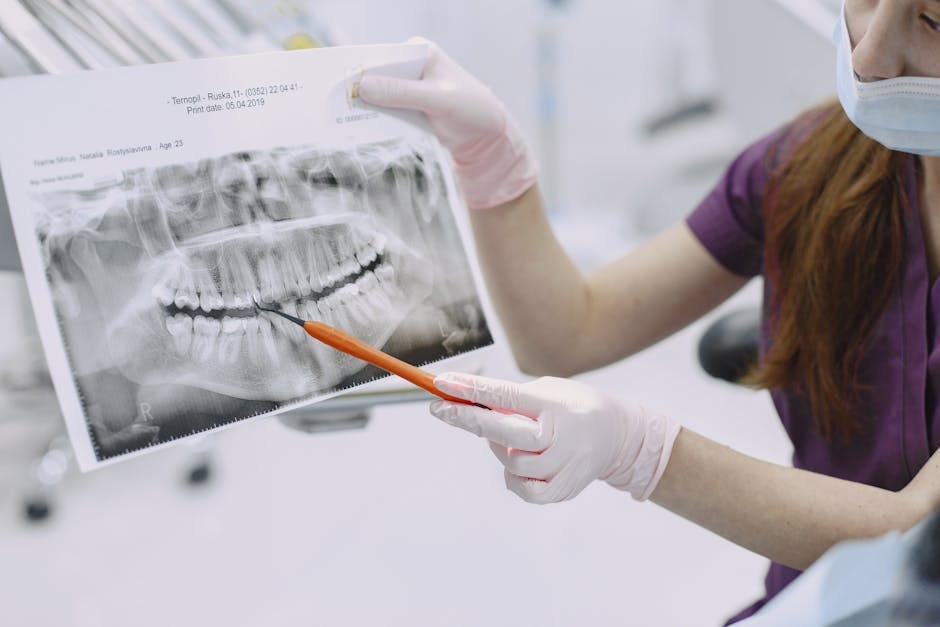
When planning a restoration in the anterior region, the existing tooth structure, relationship with adjacent teeth, symmetry, contour, and overall appearance are all important. During the training process, it is emphasized that the approach to the esthetic zone is not only technical, but also analytical.
Application sequence in composite restorations
In a successful anterior restoration, it is important to address the procedural steps in the correct order. Knowing the control points during treatment supports both the esthetic and functional success of the restoration. The course contributes to understanding this systematic approach.
Awareness of details for a natural appearance
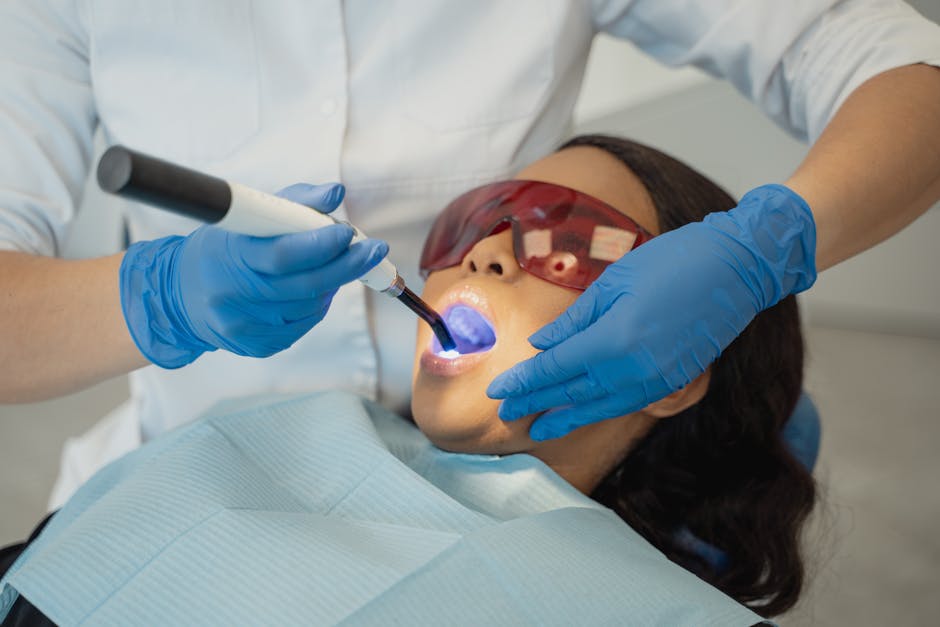
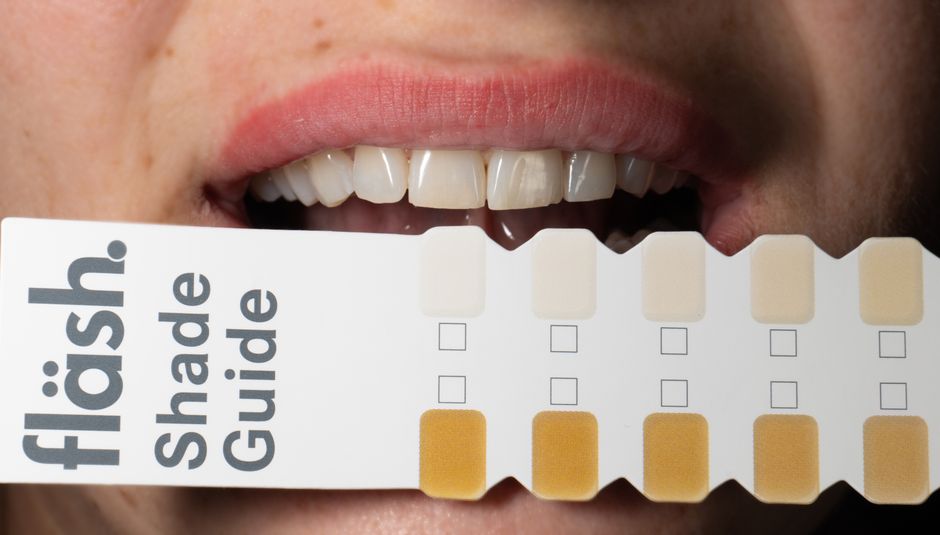
In anterior composite restorations, a natural appearance is related to form, surface texture, transitions, and overall esthetic harmony. Hands-on training offers an important advantage in recognizing these details and transferring them into clinical practice.
Who is it suitable for?

The anterior composite restorations course is intended for dentists who want to improve their clinical skills in the esthetic zone. It may be especially suitable for clinicians with the following needs:
- Those who want to perform more controlled restorations in the anterior region
- Those aiming to improve their esthetic evaluation skills
- Those who want to support theoretical knowledge with hands-on training
- Those who want to build a more systematic approach in daily clinical practice
- Those who prefer learning in small-group or one-to-one training settings
For dentists looking for a hands-on dentistry course, this training offers an opportunity to approach restorative treatment in the esthetic zone within a clearer framework.
How hands-on training contributes to clinical practice
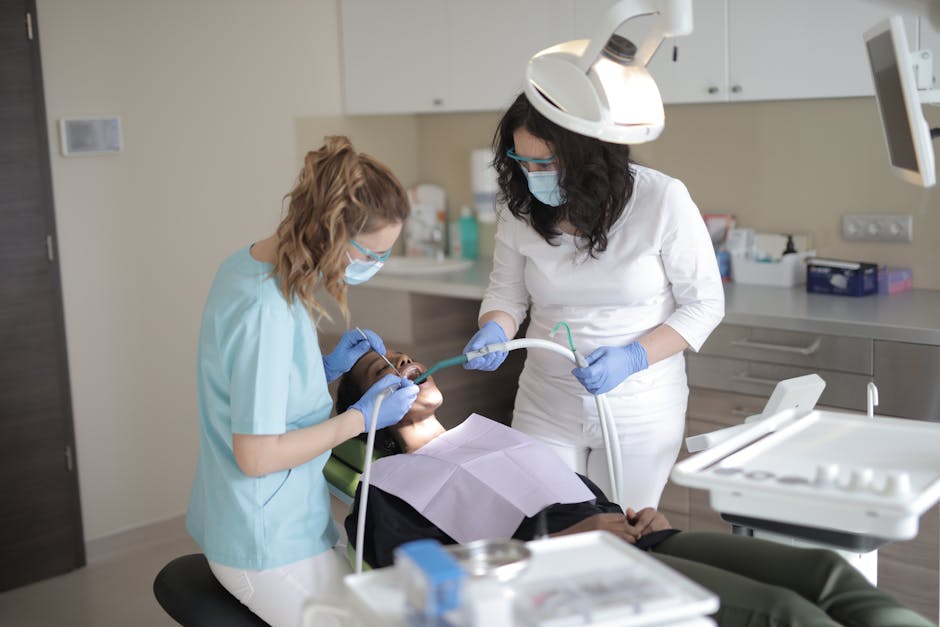
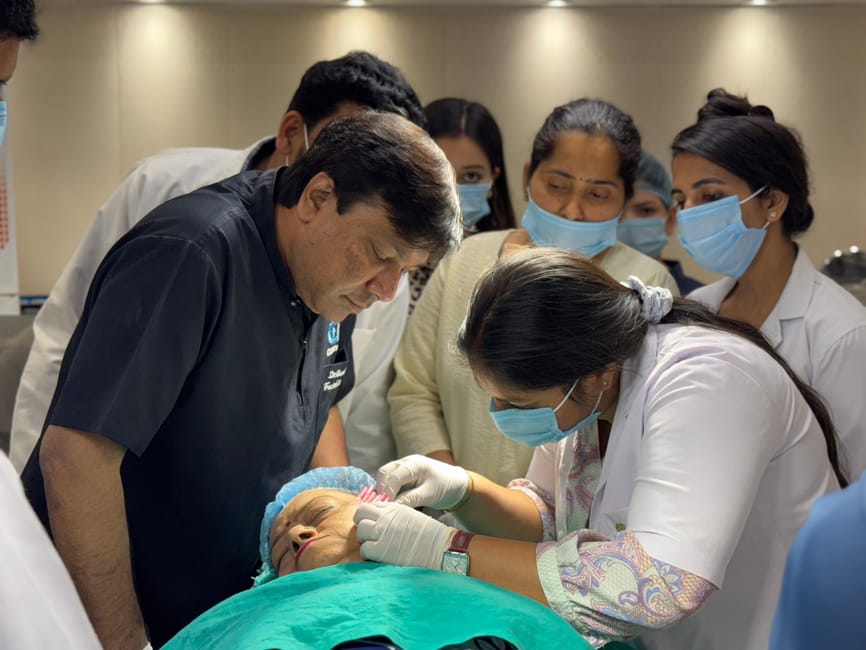
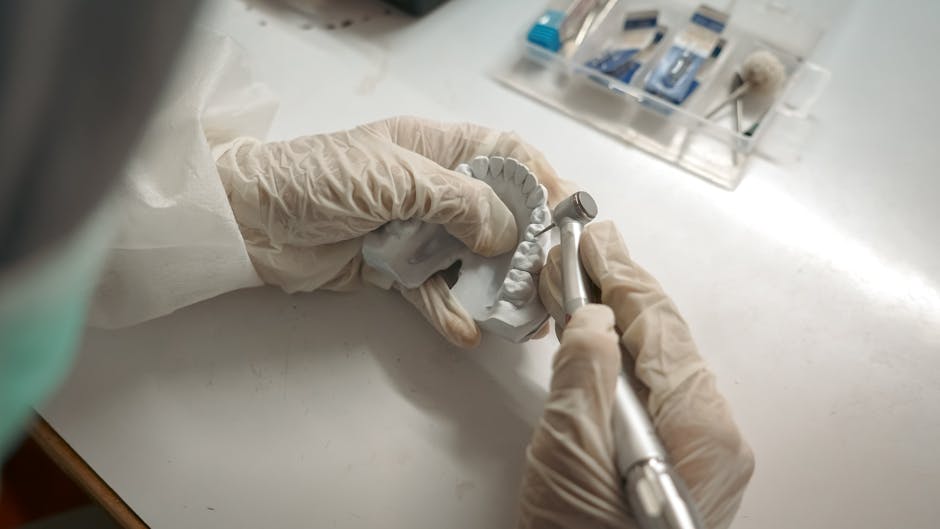
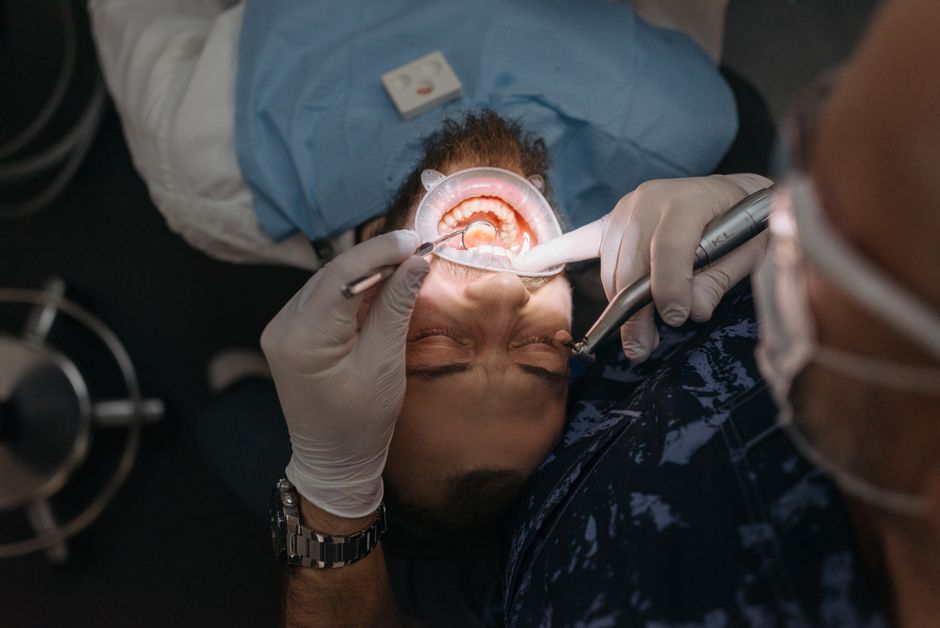
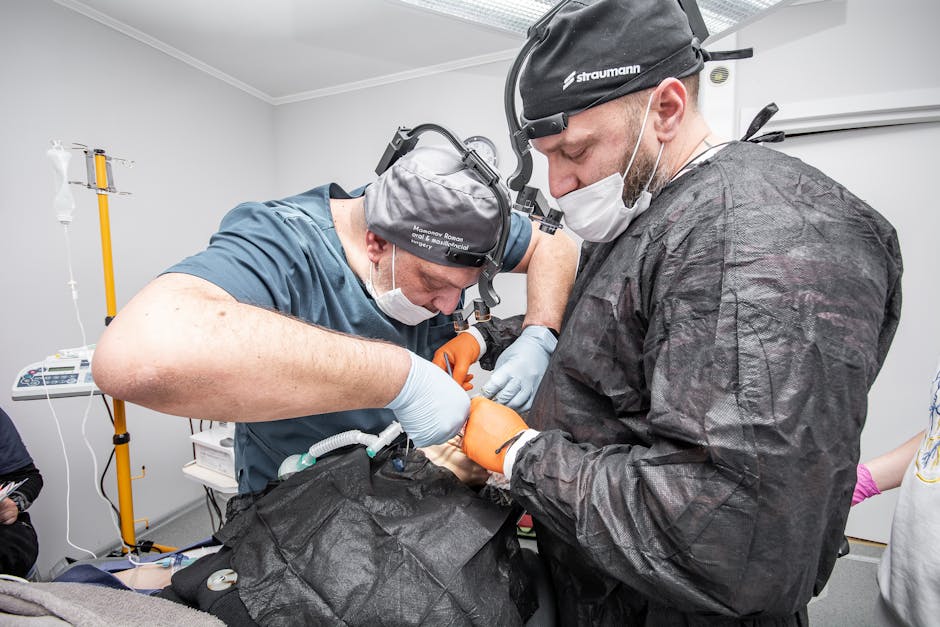
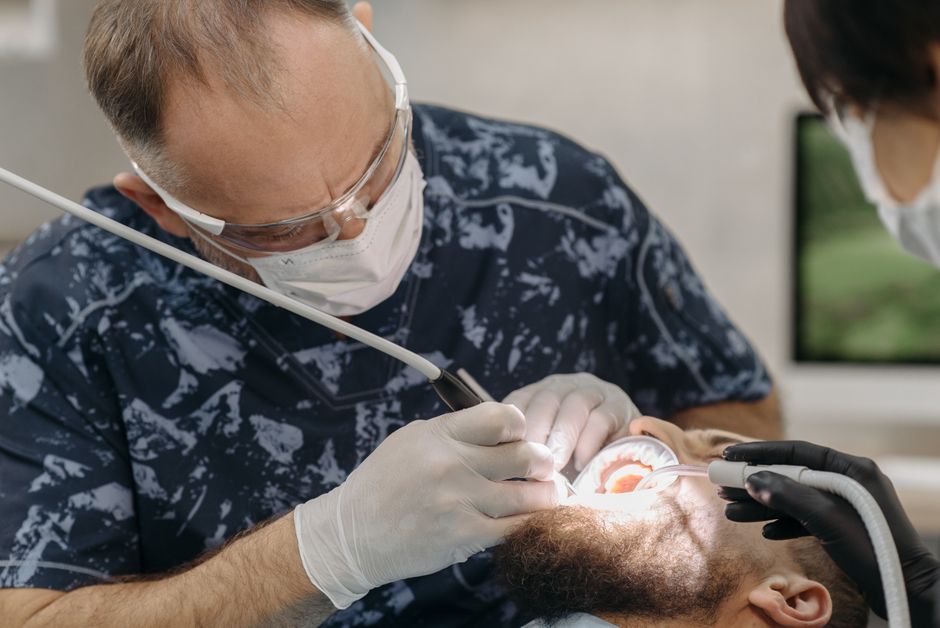
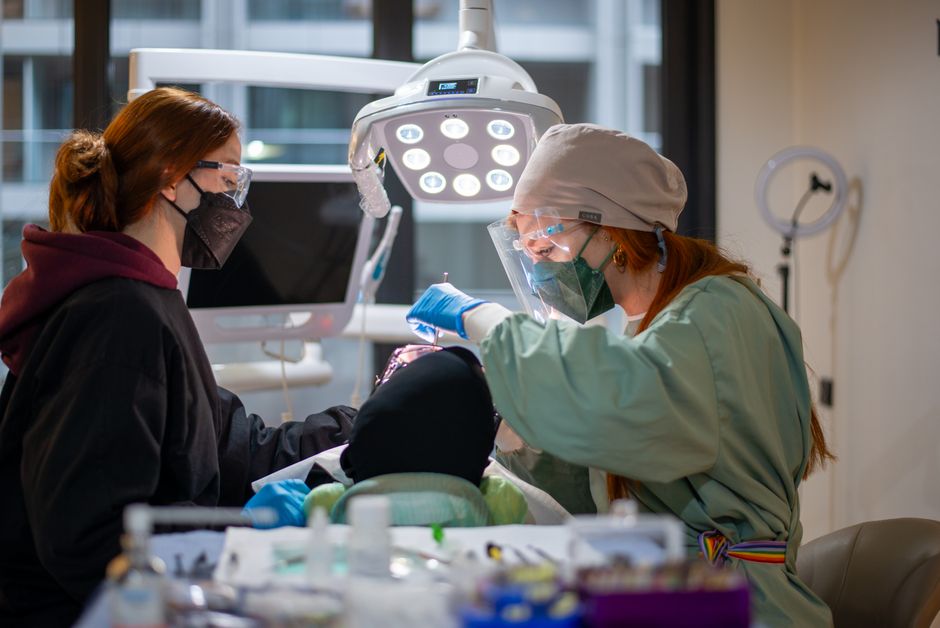
In dentistry, some skills develop best through direct practical experience. Anterior restorations are one of these areas. A hands-on training approach supports the clinician not only in listening to information, but also in seeing the treatment logic step by step and translating it into practice.
The possible contributions of this kind of training process to clinical practice include:
- Approaching treatment planning in the esthetic zone more consciously
- Recognizing key points that require attention during application
- Making the clinical decision-making process more systematic
- Developing a mindset aimed at increasing predictability in restorative procedures
Especially in esthetic zone restorations, hands-on training goes beyond theoretical explanation and provides a learning foundation that clinicians can transfer into their own daily practice.
Why do esthetic zone trainings have particular importance?
The anterior region is highly visible in a patient’s social life and self-confidence perception. For this reason, the success of restorations performed there is evaluated not only technically, but also in terms of visual harmony. Training focused on the esthetic zone helps strengthen the clinician’s attention to detail and supports the development of a more refined restorative approach.
The anterior composite restorations course is an important training topic designed to help dentists working in the esthetic zone improve their application skills in response to this need.
What should be considered when choosing a course before applying?

When choosing a dentistry course, the scope of the training, its target audience, and its practical aspect should be evaluated carefully. For dentists planning to receive training in esthetic restorations, the following points are especially important:
- The training should include content that can directly contribute to clinical practice
- A hands-on learning approach should be available
- The topic should address both esthetic and functional aspects together
- It should be a structured training designed for dentists
This course offered on anterior composite restorations can be considered a strong option for clinicians seeking hands-on training focused on the esthetic zone.
Strengthen your clinical approach with an anterior composite restorations course
Successful restorations in the esthetic zone require knowledge, attention, and practical experience to develop together. The anterior composite restorations course is a hands-on training that helps dentists make their approach in this field more systematic.
If you also want to improve your restorative skills in the esthetic zone, better understand the logic of application, and bring a more controlled approach to your clinical practice, this training may be a valuable step for you.
Frequently Asked Questions
Who is the anterior composite restorations course for?
This course is intended for dentists who want to improve their knowledge and practical skills in anterior composite restorations.
Is this training theoretical or hands-on?
The course is a dentistry course offered on anterior composite restorations, and on this page it is presented within a framework focused on hands-on training.
Why is training in the anterior region important?
The anterior region is an area where esthetic expectations are high. For this reason, it is important to develop a more controlled clinical approach in terms of form, harmony, and natural appearance.
Can this course contribute to daily clinical practice?
Hands-on training can help clinicians combine theoretical knowledge with clinical thinking and treatment steps. This may support a more systematic workflow in daily practice.
Diğer Yazılar