BLOG
Basic Implant Surgery Course | Training in Planning, Incision, Suturing, and Implant Placement
Blog Tarihi: 16/11/2026
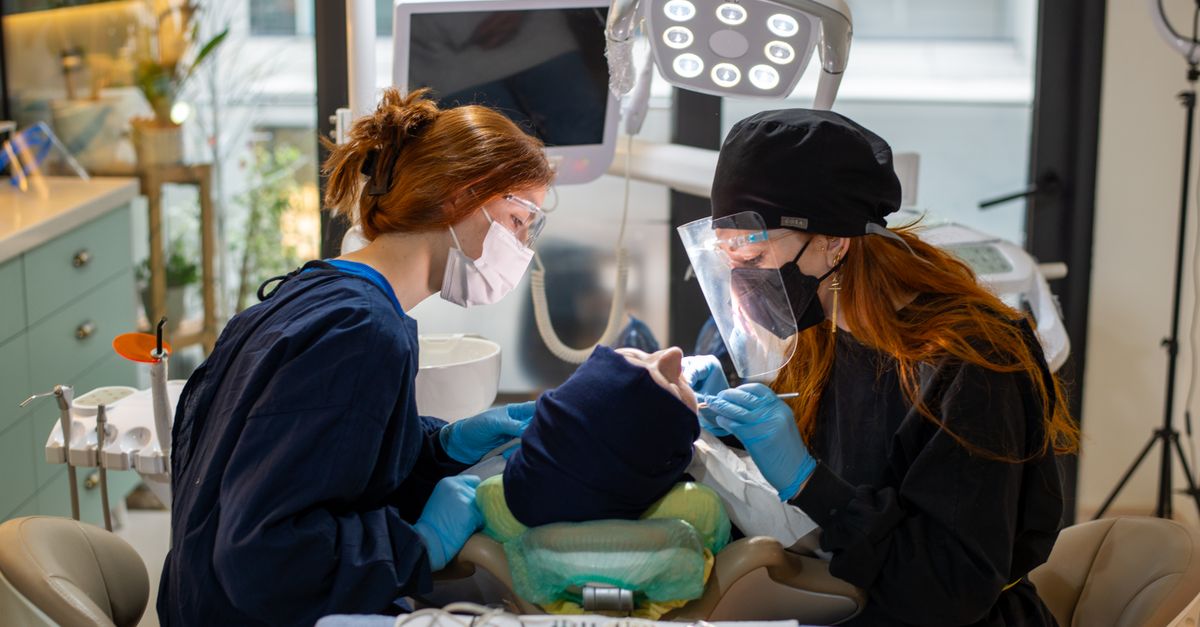
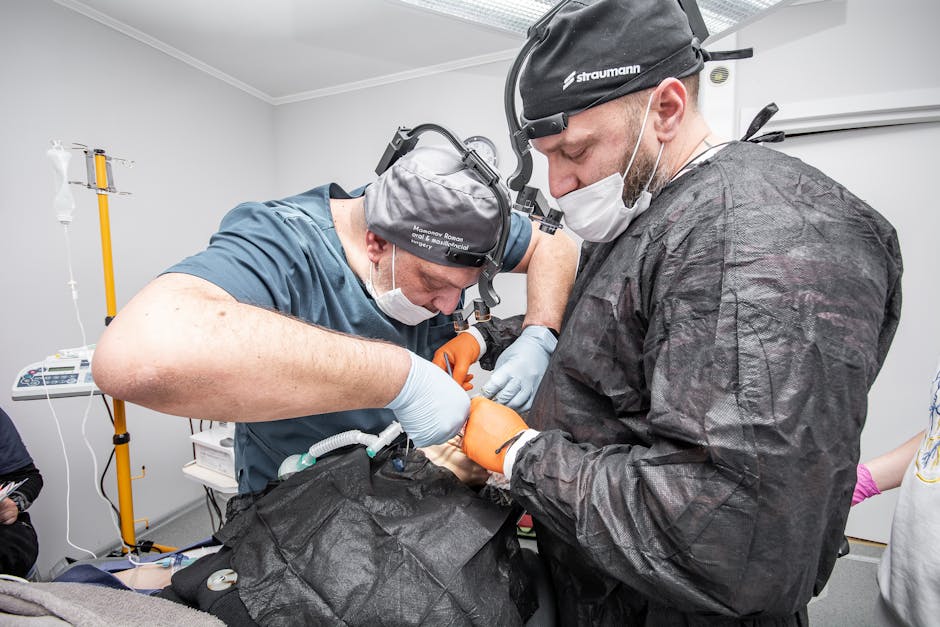
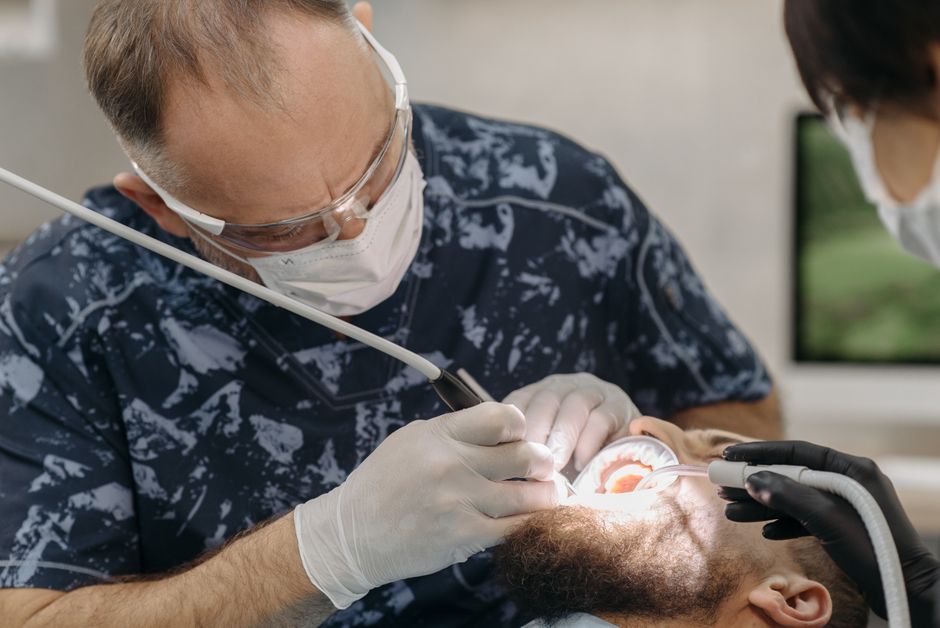
Basic implant surgery course offers a structured hands-on training approach for dentists who want to enter implant treatment or build a more systematic surgical foundation. The aim of this training is not only to deliver theoretical knowledge, but also to address core steps such as planning, incision, suturing, and implant placement within a clinical decision-making framework.
A successful start in implant surgery requires learning proper case evaluation together with a controlled surgical approach. For this reason, the training process emphasizes not only why each step matters, but also how it is applied in practice. Hands-on focused courses are especially valuable because they help dentists develop manual skills and clinical decision-making within the same learning framework.
Who is a basic implant surgery course suitable for?
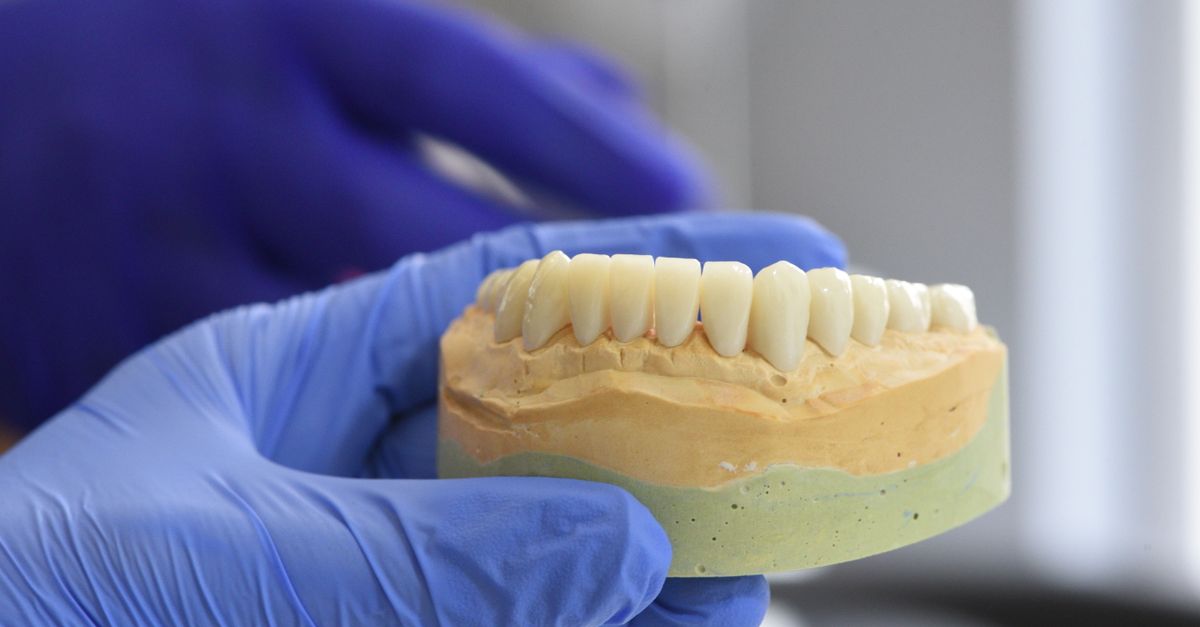
This course is designed for dentists who want to make a controlled and well-planned entry into implant surgery. It provides a suitable educational framework especially for participants who want to establish a clearer understanding of basic surgical principles, implant planning, and the order of clinical application.
In general, the target audience includes:
- Dentists who are new to implant surgery
- Clinicians who want to review their basic surgical approach in a more systematic way
- Dentists who want to improve their practical skills in planning, incision, and suturing stages
- Participants who aim to support theoretical knowledge with hands-on training
For many dentists who want to progress in implantology, a solid foundation directly affects the value of future training. In this sense, basic training is not just an entry-level course; it is the first step toward safe and structured clinical development.
Which topics are covered in the course?
The focus of the basic implant surgery course is on the main clinical stages of implant placement. The training content combines a theoretical framework with practical instruction to help participants understand the workflow more clearly.
Planning
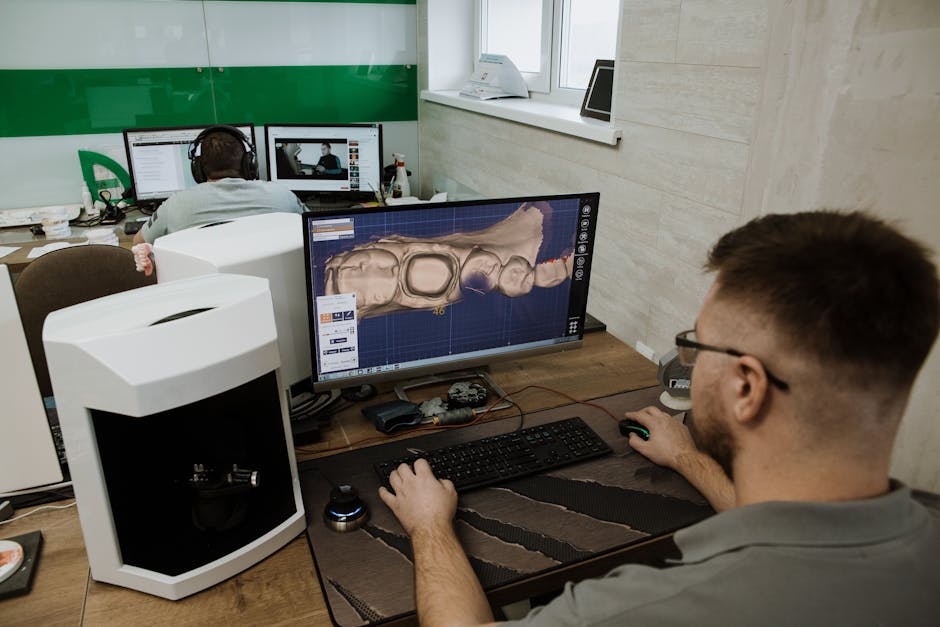
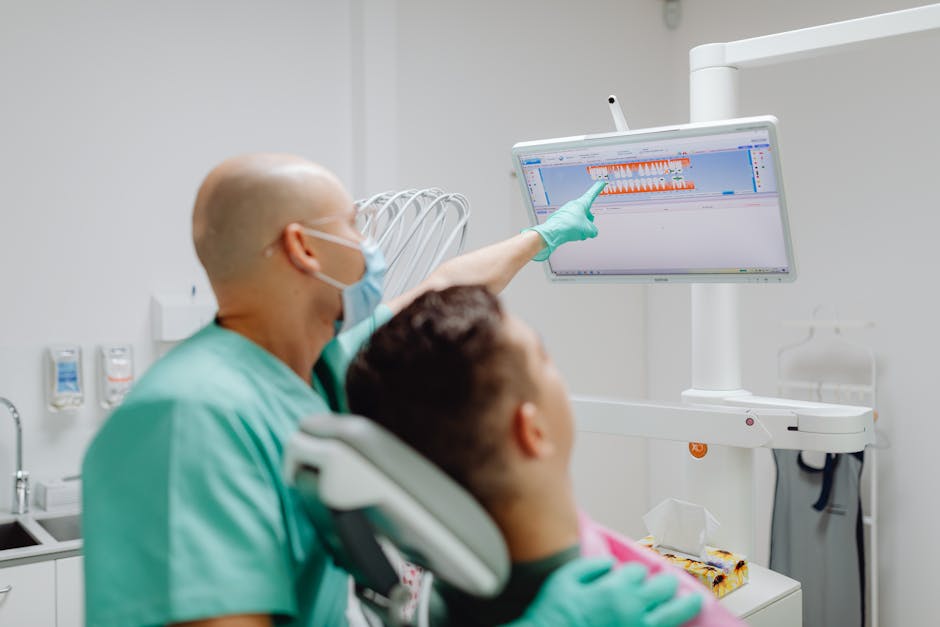
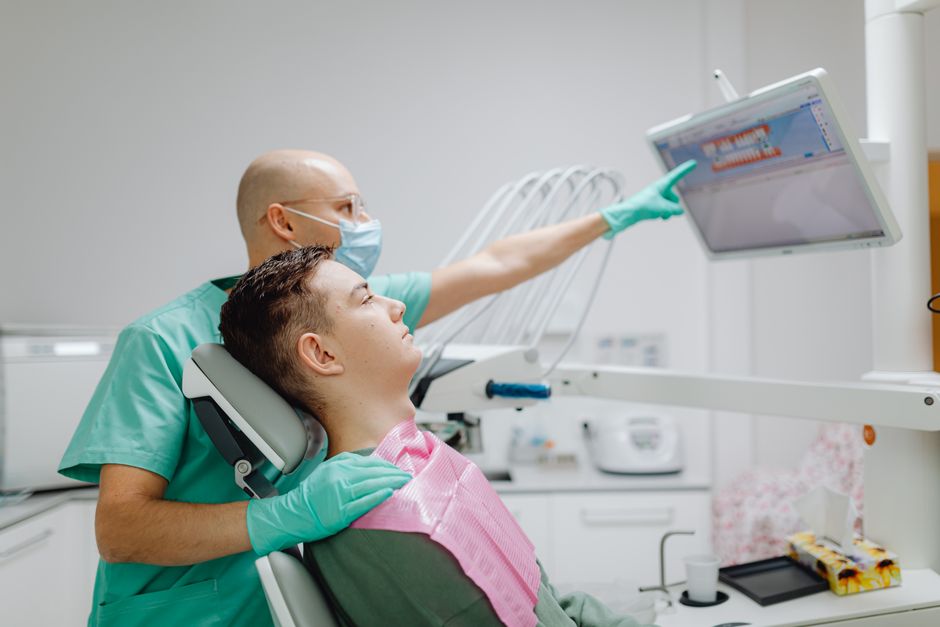
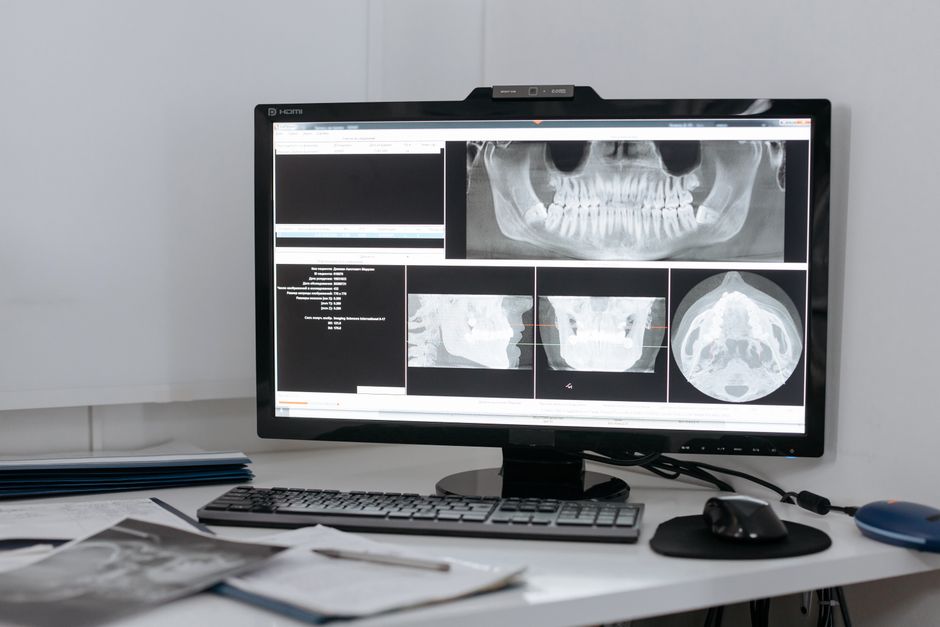
Planning is one of the most critical stages in implant surgery. Proper planning is important for case selection, determining the surgical approach, and improving predictability during the procedure. The course emphasizes the logic of planning and the clinical decision-making process behind it.
Incision
Incision design is a fundamental skill in terms of surgical access and soft tissue management. Within the course, the basic principles of incision approach are discussed, with attention to key points that should be considered during application.
Suturing
Suturing is not only the closing stage of surgery; it is also an important part of tissue stability and the healing process. For this reason, understanding the logic of suturing techniques is considered one of the core competencies in implant surgery.
Implant placement
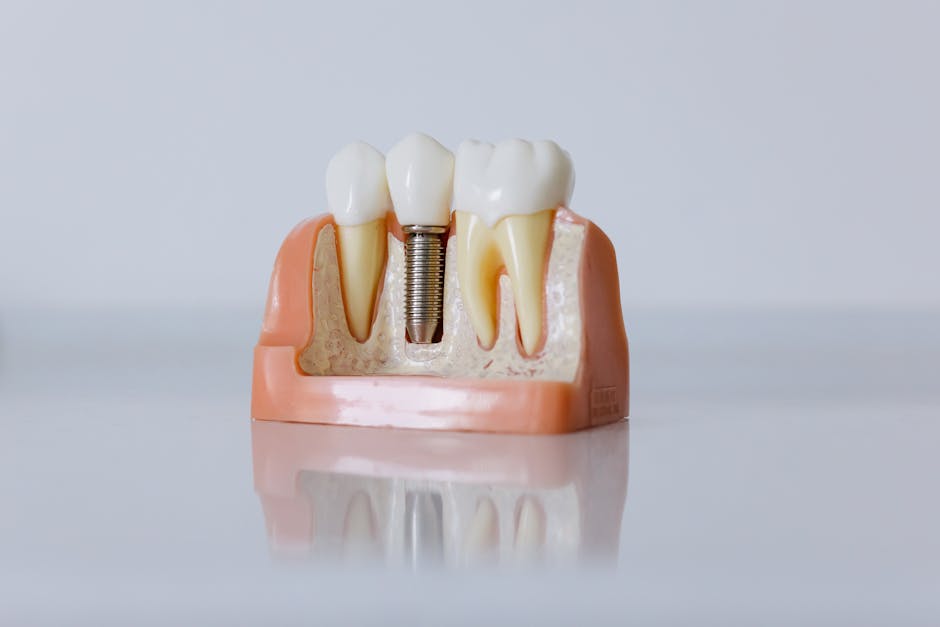
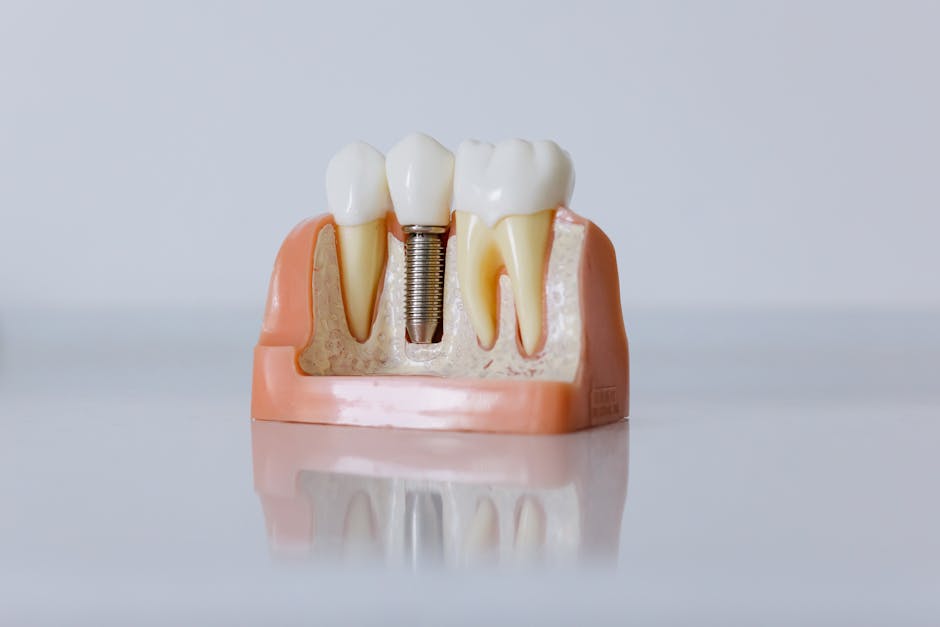
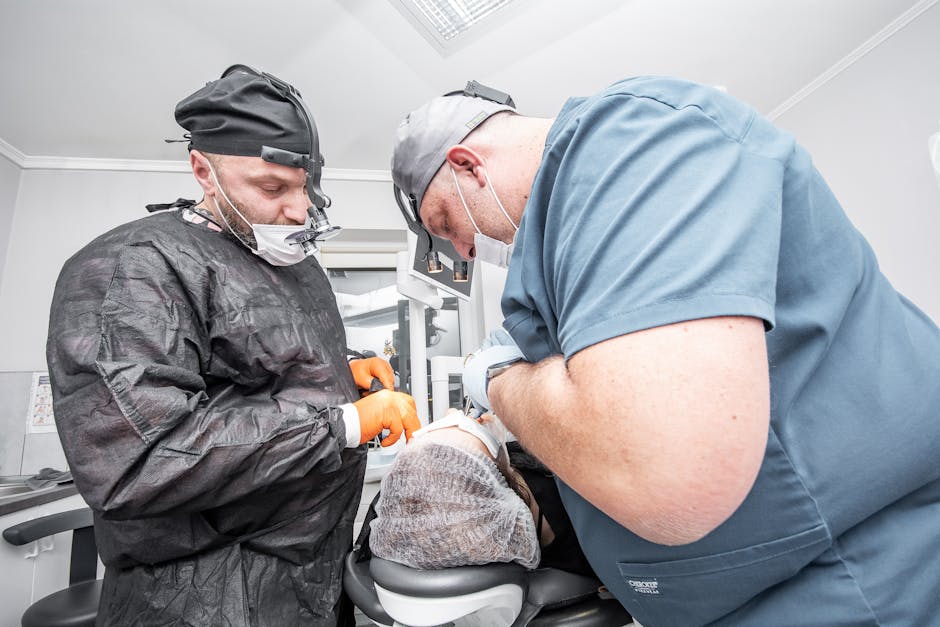
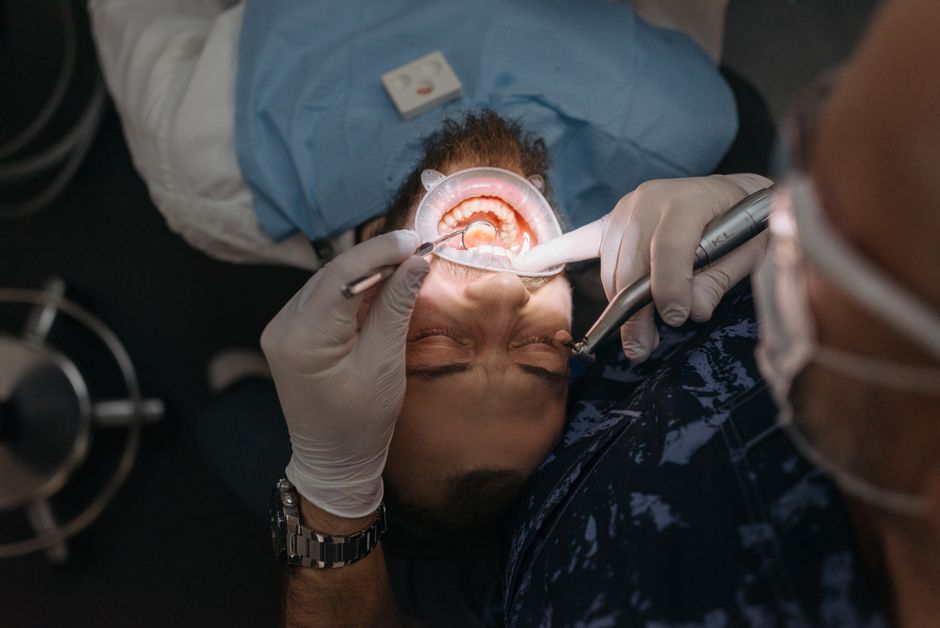
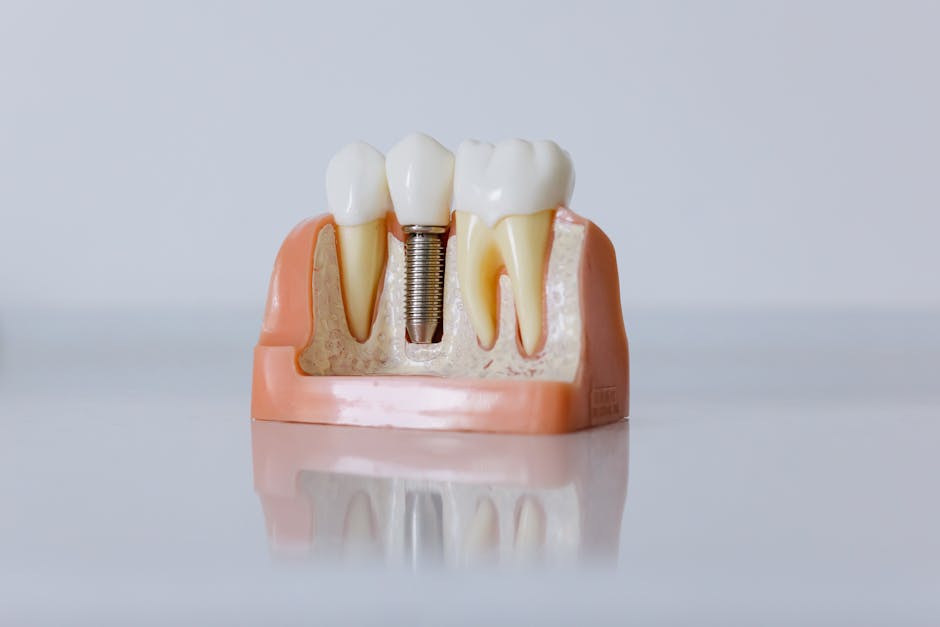
In the practical part of the course, the basic logic of implant placement, the sequence of the procedure, and the main clinical considerations are covered. This section is particularly important for helping participants connect theoretical knowledge with practical application.
Why is hands-on training important?

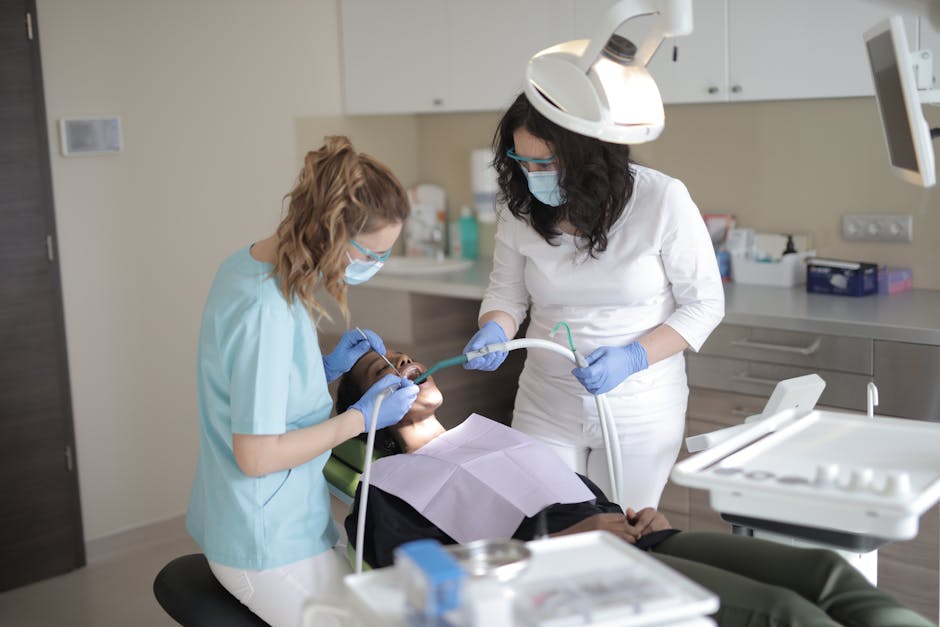
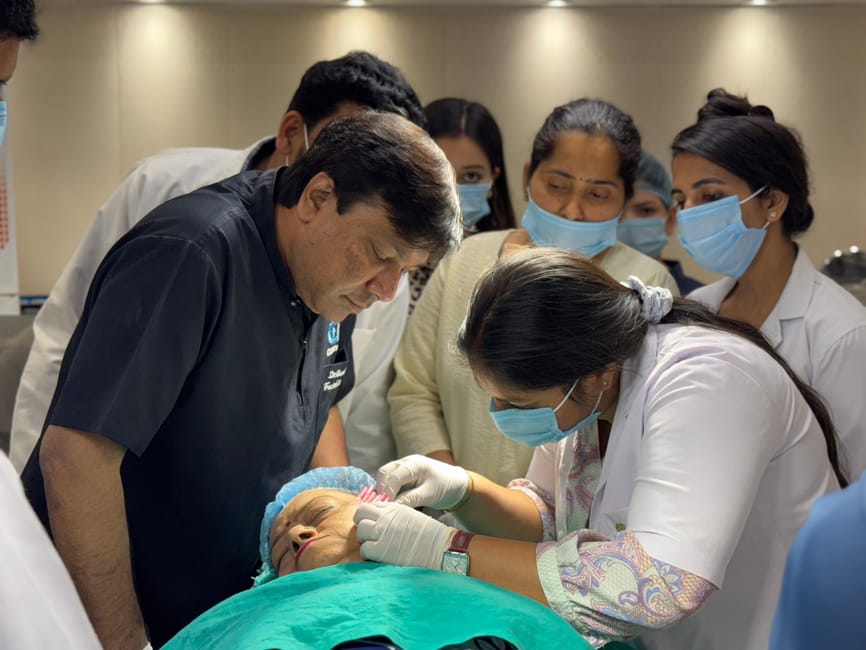
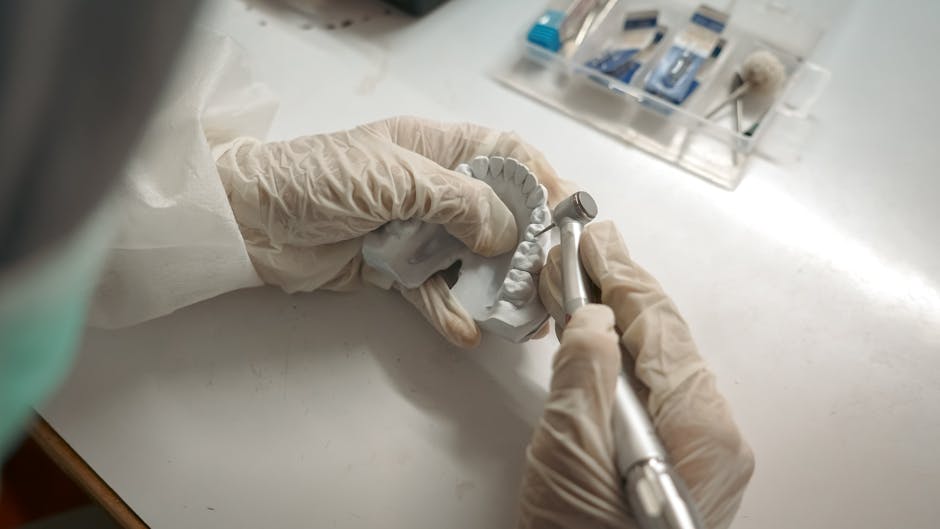
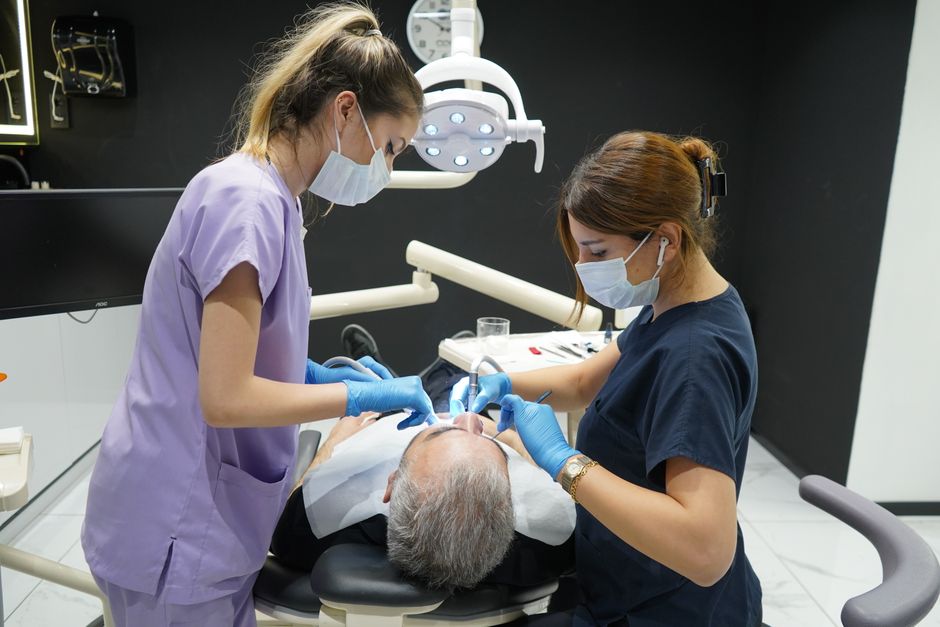
Implant surgery is not a field that can be learned effectively through reading alone. Manual skill, control of the surgical field, procedural sequence, and tissue handling are all areas that develop more effectively through practical training. That is why hands-on education plays an important role in the transition to clinical practice.
In a practical course, participants learn not only what to do, but also how to do it. This approach is especially valuable for:
- Understanding procedural steps more clearly
- Learning the surgical flow in a systematic way
- Reducing the gap between theory and practice
- Supporting more controlled decision-making habits in the clinic
In clinical training, a high level of practice alone does not guarantee confidence; however, controlled practice creates a strong foundation for skill development. For dentists looking for more personalized training, what a hands-on course can add to clinical examination practice may also offer useful perspective.
How does this course contribute to clinical practice?
The clinical value of basic implant surgery training comes from helping participants evaluate procedural steps within a more conscious and organized framework. The goal is to support the dentist in thinking more systematically in their own clinical practice.
The course’s contribution to clinical practice can generally be summarized as follows:
- Building a clearer connection between planning and application
- Evaluating core surgical steps such as incision and suturing more consciously
- Understanding the logic of implant placement in a comprehensive way
- Placing the basic surgical approach into a more structured learning framework
For dentists entering implant surgery, basic training creates a foundation that strengthens clinical thinking before moving on to more advanced stages. For those who also want to improve their skills in esthetic and restorative areas, other hands-on content may be complementary; for example, the anterior composite restorations course offers a separate training area focused on the esthetic zone.
What should you consider when choosing a training course?
When choosing an implant training course, it is important to look not only at the title, but also at how the content is structured and whether it is application-focused. At the basic level, the following elements are especially important:
- The course should cover core topics such as planning, incision, suturing, and application
- Theoretical instruction should be supported with practical training
- Participants should be able to follow the clinical workflow step by step
- The training should be designed in line with beginner-level needs
The right course selection does not simply speed up learning; it helps build a healthier foundation. This approach is especially valuable in the long term for dentists taking their first steps into implant surgery.
Why start with basic implant surgery training?
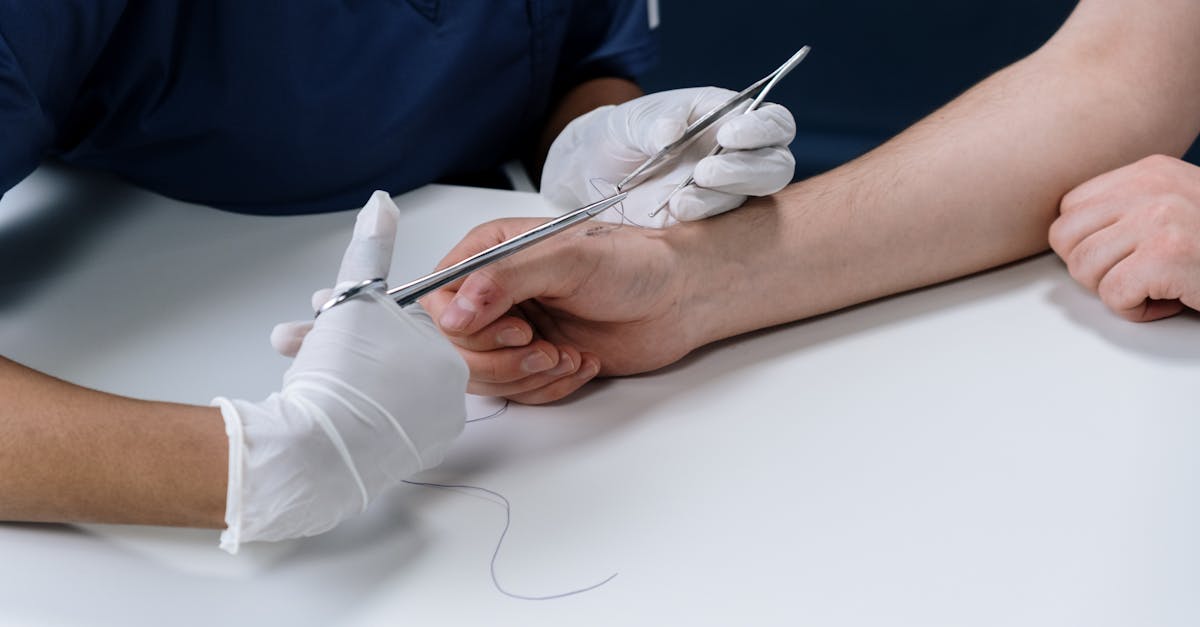
Before moving on to advanced surgical procedures, learning the fundamental principles well is important for sustainable progress in implantology. Planning errors, insufficient soft tissue management, or missing steps in the surgical sequence often need to be addressed at the basic training stage.
For this reason, a basic implant surgery course is not only a beginner program; it is a learning step that builds the backbone of clinical approach. Evaluating planning, incision, suturing, and implant placement within the same training helps the dentist develop an integrated rather than fragmented perspective.
Clarify your expectations before applying
If your goal is to enter implant surgery in a more controlled way, understand the basic procedural sequence more clearly, and strengthen your clinical approach through hands-on training, a basic implant surgery course may offer a suitable framework for these needs. To gain the most value from the training, it is helpful to clarify your current experience level, learning goals, and the stages where you want to improve before applying.
This allows you to evaluate the training process not only as a way of gaining knowledge, but as a development step that can directly support your clinical practice.
Frequently Asked Questions
What are the main topics in a basic implant surgery course?
The course covers planning, incision, suturing, and implant placement within a hands-on training framework.
Is this course suitable for beginner dentists?
Yes. It is suitable for dentists who want to enter implant surgery and learn the basic approach in a systematic way.
Why is hands-on training important?
Because in implant surgery, areas such as procedural sequence, tissue management, and manual skill require practical work alongside theoretical knowledge.
Does this training replace advanced implant courses?
No. This course focuses on the basic surgical approach and the main application steps. Advanced implant surgery training covers broader and different topics.
Diğer Yazılar