BLOG
Lamina Veneer Course | Hands-On Training for Dentists
Blog Tarihi: 17/11/2026
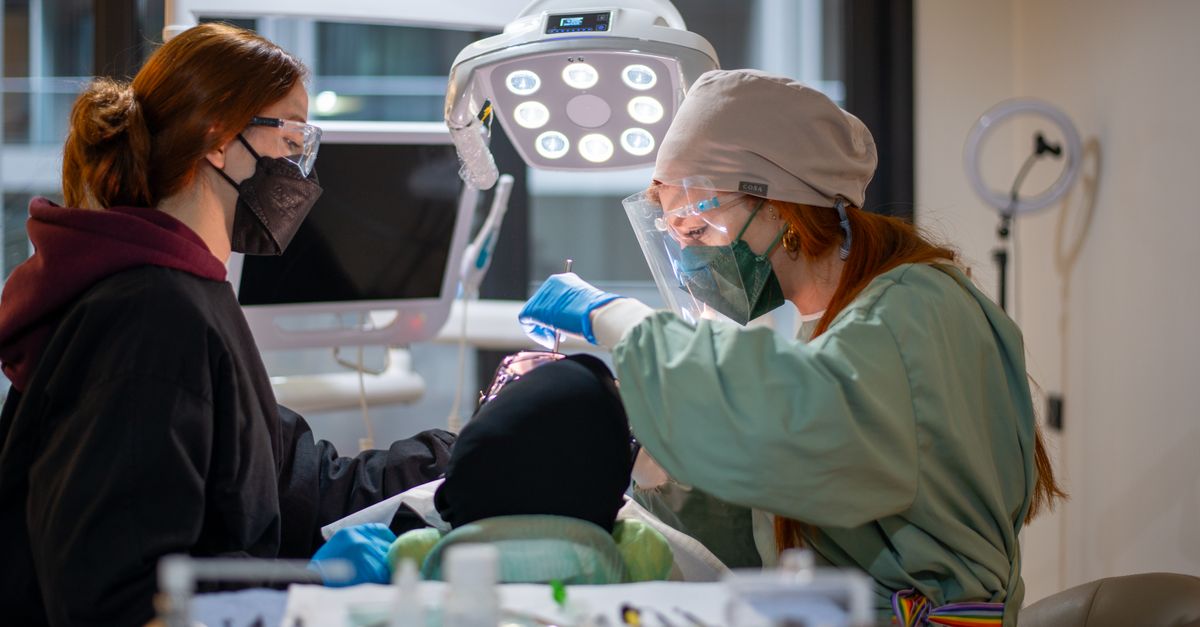
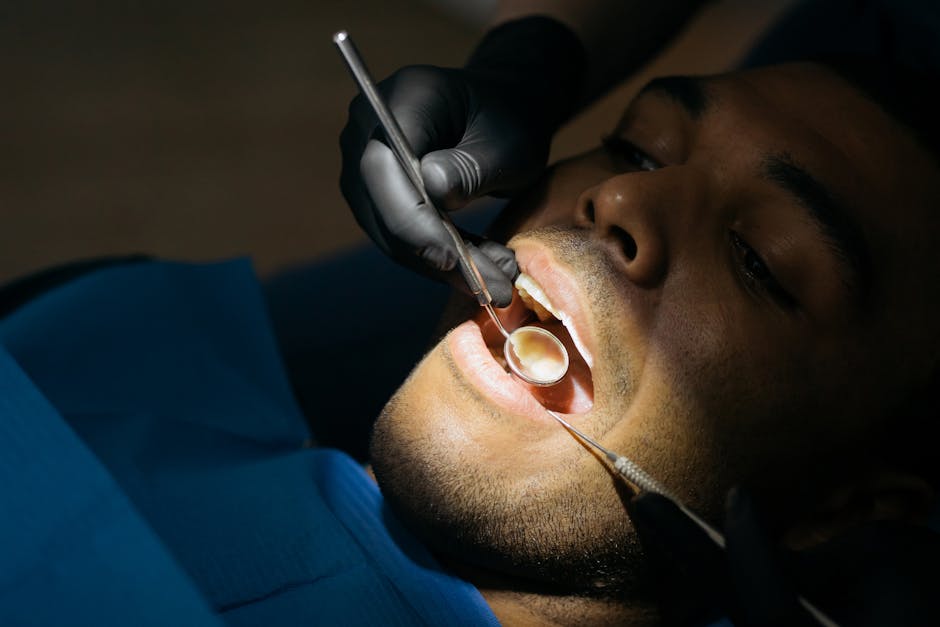
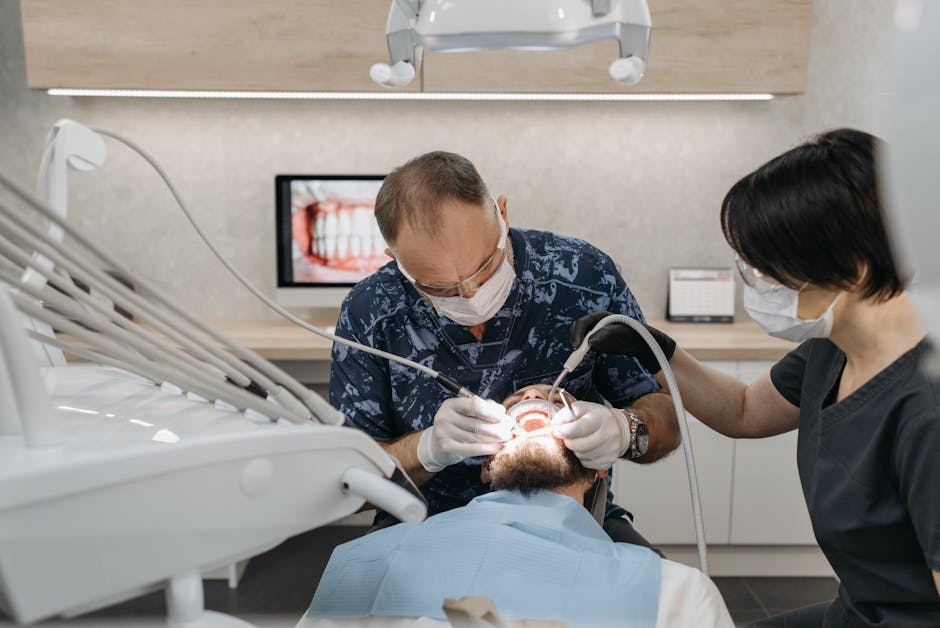
Lamina veneer course is an important area of hands-on training for dentists who want to work more predictably and with greater control in the esthetic zone. In cases where patient expectations are high, being able to evaluate planning, case selection, preparation approach, material awareness, and application steps in a systematic way is highly valuable.
This training is intended for dentists who want to improve both their knowledge and practical approach in the field of lamina veneer. The goal is not only to provide a theoretical framework, but also to create a learning environment that helps clinicians interpret clinical decision points more clearly. Especially for dentists working in the esthetic zone, hands-on learning offers a clear advantage in managing details.
For dentists interested in esthetic restorative dentistry, the Anterior Composite Restorations Course may also be considered a complementary training topic with a similarly practice-oriented focus.
Why is a lamina veneer course important?

Lamina veneer applications are among the treatment areas where esthetic expectations are high and small details directly affect the outcome. For that reason, training should focus not only on the final restorative result, but also on the chain of clinical decisions that leads to that result.
A hands-on course may support dentists in the following ways:
- Evaluating cases in the esthetic zone more systematically
- Recognizing critical points in preparation and application stages more clearly
- Developing a way of thinking that may help reduce the risk of errors in clinical workflow
- Planning more realistically between patient expectations and clinical conditions
At this point, the value of training is not in teaching a single fixed approach, but in helping the dentist make more controlled decisions within their own clinical practice.
What does the course scope add for the dentist?
The lamina veneer course aims to strengthen the clinical perspective of dentists working in esthetic restorations. Because the training content is focused specifically on lamina veneer, it is possible to move forward without unnecessary topic dispersion and stay close to subjects that directly relate to clinical application.
Strengthening the planning approach
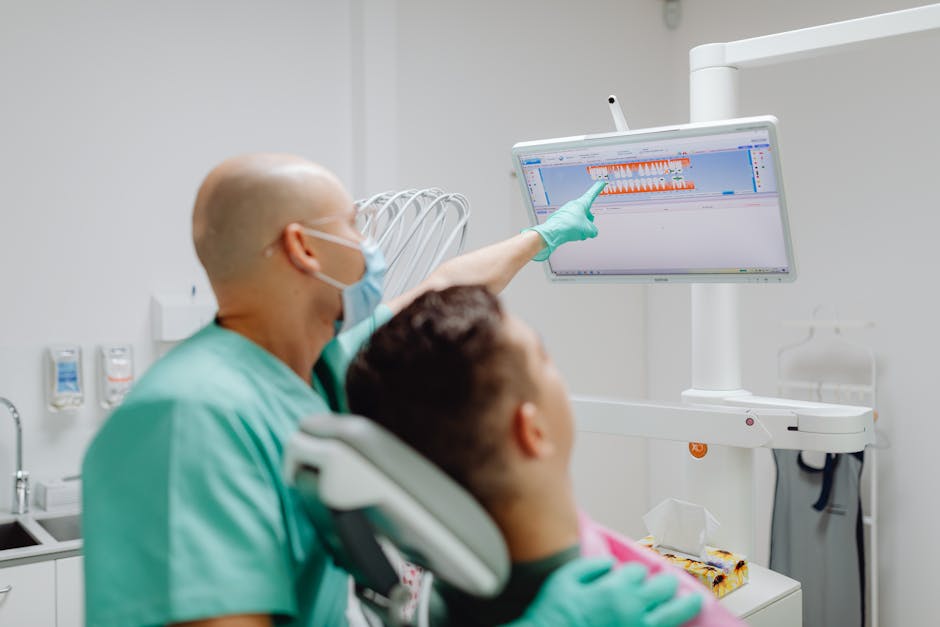
Correct planning is at the core of a successful esthetic result. Understanding the logic of planning during training makes it easier to ask the right questions before starting a case. Being able to assess which approach is appropriate for which case is one of the key factors that improves clinical predictability.
Clearer understanding of application steps
In lamina veneer procedures, small details can make a major difference. For this reason, addressing the sequence of application, the rationale behind each step, and the points that require attention in a systematic way can support the dentist in moving forward more confidently in daily practice.
Decision-making skills in the esthetic zone
Every procedure performed in the anterior region must be evaluated carefully not only in terms of function, but also esthetics. Training helps dentists improve their restorative thinking in the esthetic zone. In this sense, lamina veneer training can provide a broader clinical perspective rather than simply teaching a single procedure.
If you are also interested in different restorative approaches for the esthetic zone, you may review the anterior composite restoration course content as well.
Who is it suitable for?

This course is intended for dentists who want to deepen their knowledge in lamina veneer and improve their practical approach. It may be a meaningful training option especially for the following groups:
- Dentists who want to focus more on esthetic zone restorations
- Those who want to make their lamina veneer approach more systematic in clinical practice
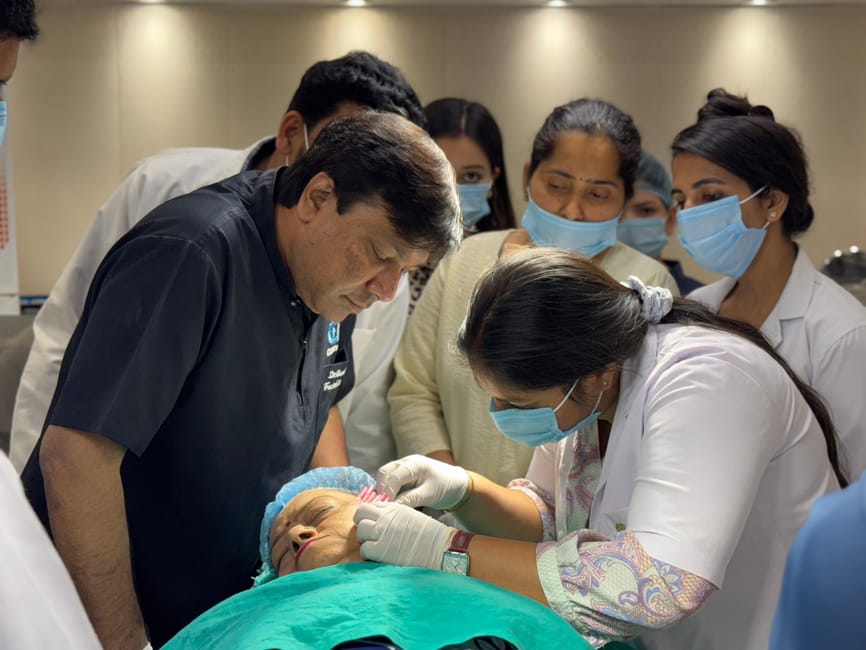
- Clinicians who prefer learning through a hands-on training model
- Participants who want to combine theoretical knowledge with clinical decision-making processes
The practical side of the course is especially valuable for dentists who want not only to gain information, but also to structure their clinical thinking. In esthetic dentistry, success is often closely related to noticing details and managing them in the correct sequence.
Why does a hands-on training approach make a difference?
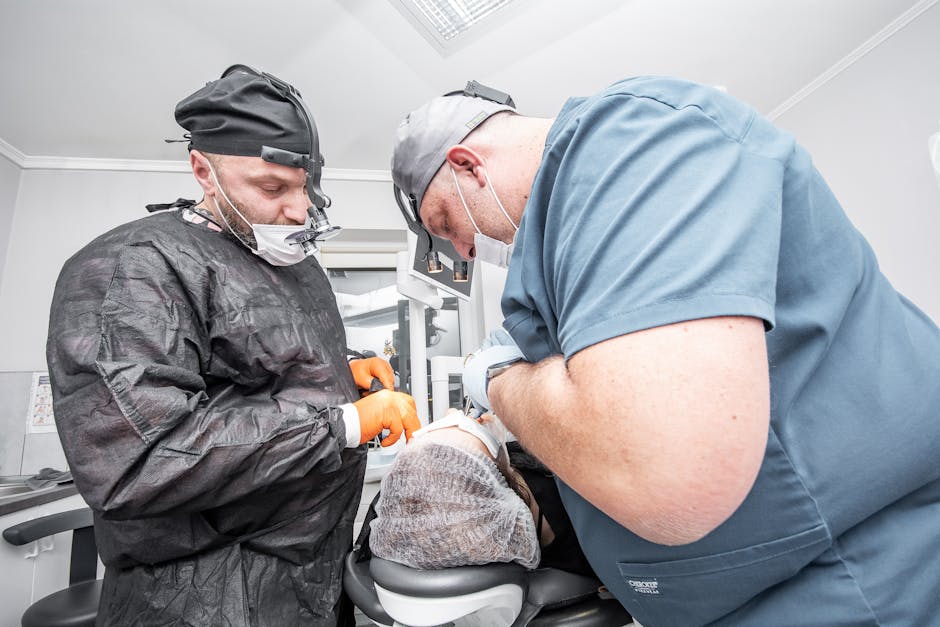
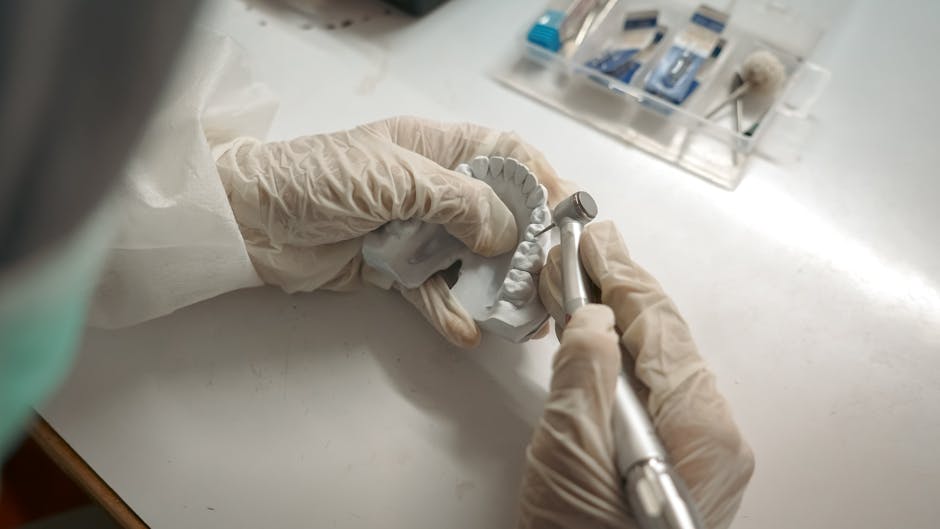
In dental education, a hands-on approach makes it easier to see how theoretical knowledge translates into clinical practice. In subjects that require precision, such as lamina veneer, this difference becomes even more noticeable. Hands-on training helps the dentist understand not only what to do, but also why it should be done that way.
The main advantages of this approach include:
- Understanding the treatment sequence more clearly
- Seeing in concrete terms which points require attention at critical stages
- Evaluating possible clinical difficulties in advance
- Improving manual skills together with decision-making processes
Practice-oriented training contributes to the development of clinical confidence, especially in esthetic and restorative dentistry. For this reason, when choosing a course, it is important to consider not only the topic itself, but also the training model.
What should be considered when choosing lamina veneer training?
For dentists, the value of a course is determined not only by its title, but by how effectively the training can be translated into clinical benefit. When evaluating a lamina veneer course, it may be useful to consider the following points:
Whether the training is application-focused
Theoretical knowledge is important in esthetic restorations; however, without seeing the logic of clinical application, lasting learning may be difficult. For that reason, the practical side of the course should be strong.
Whether the content can be transferred into clinical practice
The real value of a course depends on whether what is taught can be adapted to daily patient care. From the dentist’s perspective, what matters is being able to act more clearly and with greater control in the clinic after the training.
Whether the boundaries of the topic are clearly defined
A well-structured lamina veneer course should stay focused on the subject without overwhelming participants with unnecessary information. This improves learning efficiency.
How should its contribution to clinical practice be evaluated?

The success of training is understood not only by the knowledge gained during the course, but by how much of it is reflected in clinical practice afterward. After a lamina veneer course, it is natural for a dentist to aim for development in the following areas:
- A more conscious approach to case evaluation
- More systematic thinking in esthetic zone planning
- Better management of critical stages during application
- Clearer communication of the treatment process with patients
These contributions are linked more to long-term clinical awareness than to short-term memorized information. To gain the greatest benefit from training, it is important to support the learned approach with regular clinical observation and practice.
Dentists interested in restorative and hands-on education may also review other training topics for different clinical areas, such as the Basic Implant Surgery Course.
Conclusion
A lamina veneer course is a valuable training area for dentists who want to work in a more controlled, planned, and application-focused way in the esthetic zone. This type of training goes beyond simply observing procedural steps; it can also support the development of case evaluation, planning, and clinical decision-making skills.
If you want to strengthen your approach in esthetic restorations, look at lamina veneer applications more systematically, and progress through a hands-on training model, this course may be worth considering as part of your professional development plan.
Frequently Asked Questions
Who is a lamina veneer course intended for?
This course is intended for dentists who want to improve their knowledge and clinical approach in the field of lamina veneer.
Does the lamina veneer course include hands-on training?
The course focuses on a hands-on training approach in the field of lamina veneer. Practical training can help make clinical decision-making processes easier to understand in a more concrete way.
How can this training contribute to clinical practice?
It may support a more systematic approach to case evaluation in the esthetic zone, planning logic, and the management of application steps.
Can a lamina veneer course and anterior composite training be considered together?
Yes. Both topics can be reviewed as complementary training areas for dentists interested in esthetic zone restorations.
Diğer Yazılar