BLOG
What Does a Lamina Veneer Course Cover and Why Is It Important in Clinical Practice?
Blog Tarihi: 18/11/2026
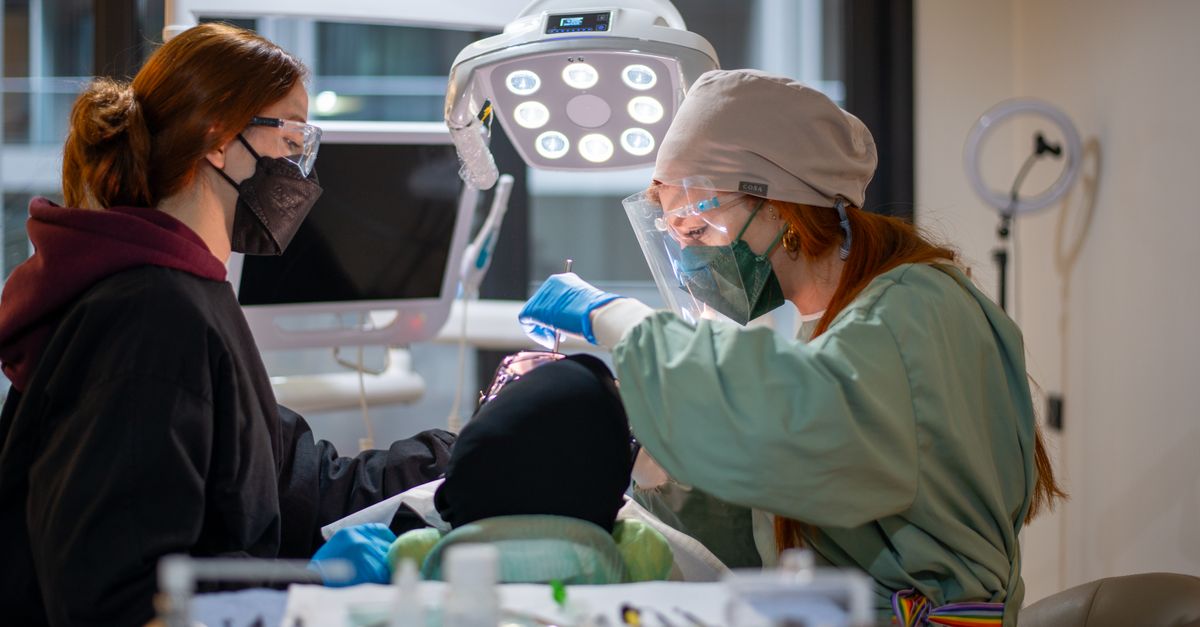
As patient expectations continue to rise in esthetic dentistry, a more predictable and controlled approach to anterior restorations becomes increasingly important. At this point, a lamina veneer course is valuable not only for learning a specific restorative technique, but also for making case selection, planning, preparation strategy, material logic, and clinical decision-making more systematic.
For dentists, lamina veneer applications are part of a field where esthetic expectations are high and where attention to detail directly affects outcomes. For that reason, practical experience is just as important as theoretical knowledge. Hands-on training helps clinicians move through daily practice more confidently and structure the treatment process more effectively.
Programs such as the Lamina Veneer Course | Hands-On Training for Dentists offered in Istanbul provide a practice-focused framework for dentists who want to improve their skills in this area.
What topics does a lamina veneer course generally cover?
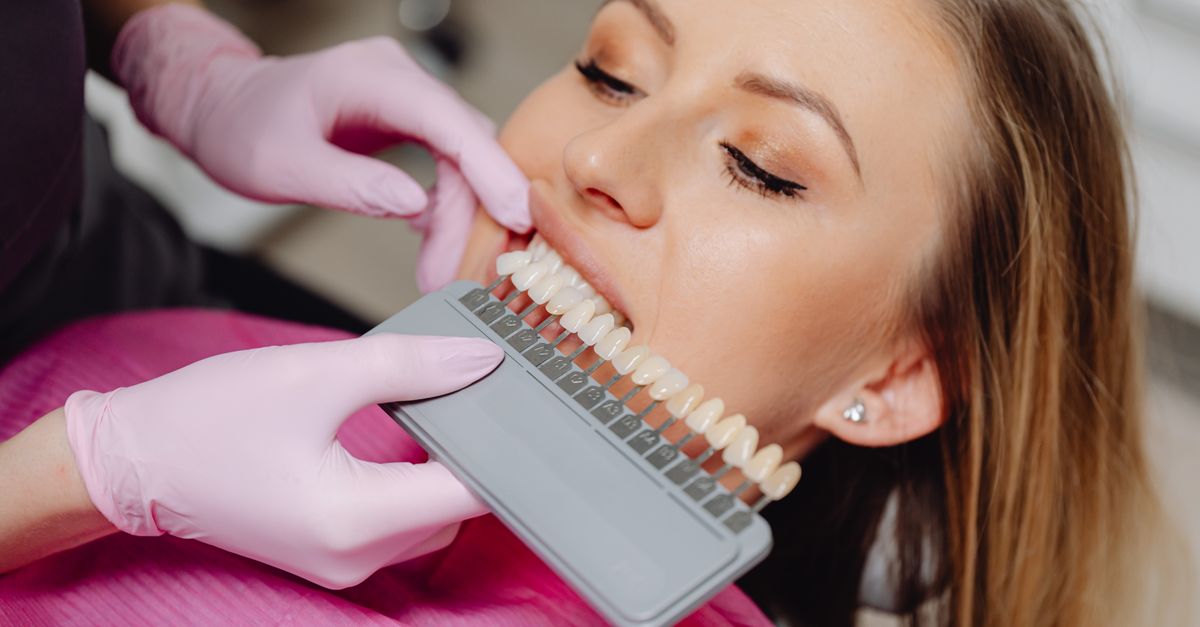
Lamina veneer training is not limited to a single clinical step. Achieving a successful clinical result requires a comprehensive approach, from diagnosis and planning to preparation and finishing stages. For this reason, a well-structured course should answer not only the question of “how is it done?” but also “in which cases is it preferred, and why?”
Case evaluation and indication approach
The first critical step in lamina veneer applications is selecting the right patient and the right case. Not every esthetic request automatically indicates a veneer treatment. Training programs commonly emphasize evaluation points such as:
- The relationship between esthetic expectations and clinical reality
- Assessment of form, proportion, and symmetry in the anterior zone
- A treatment approach that supports preservation of tooth structure
- Defining restorative limits and treatment goals
This evaluation logic helps the clinician avoid unnecessarily invasive procedures and build a more rational treatment plan.
Planning and preparation logic
One of the key elements of clinical success in lamina veneer treatment is control during preparation. In training, it is important to approach preparation not only as a technical procedure, but also in relation to esthetic and biomechanical goals. The aim is to maintain a tissue-preserving approach while properly managing the space required for the restoration.
This part of the course is especially valuable for dentists working in the esthetic zone who want to improve their practical control of delicate margins.
Hands-on practice and clinical workflow
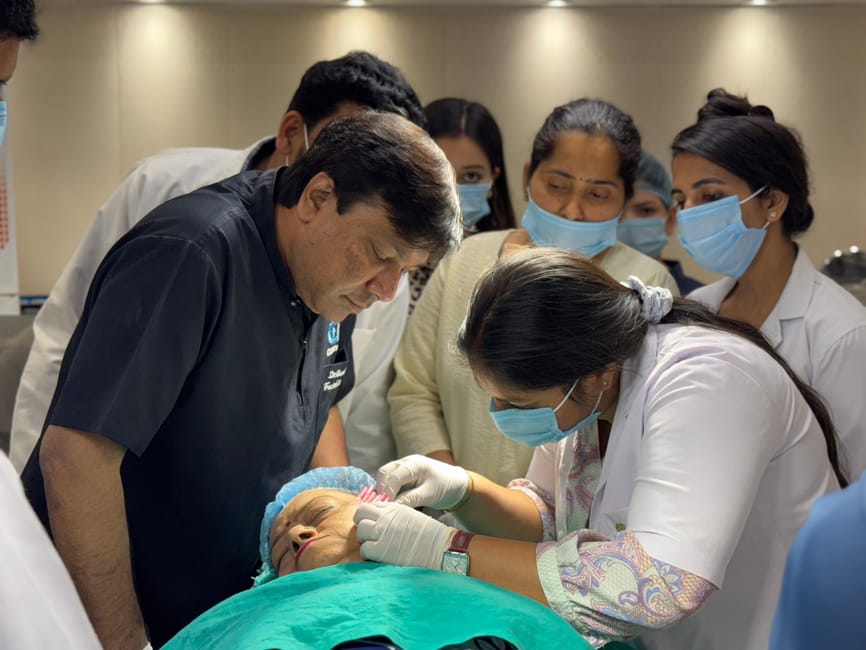
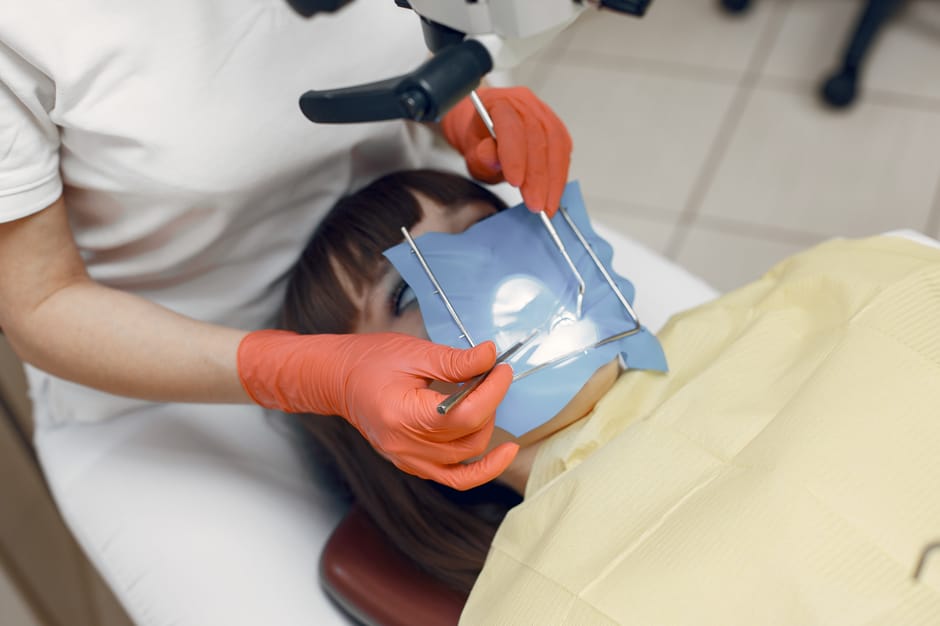
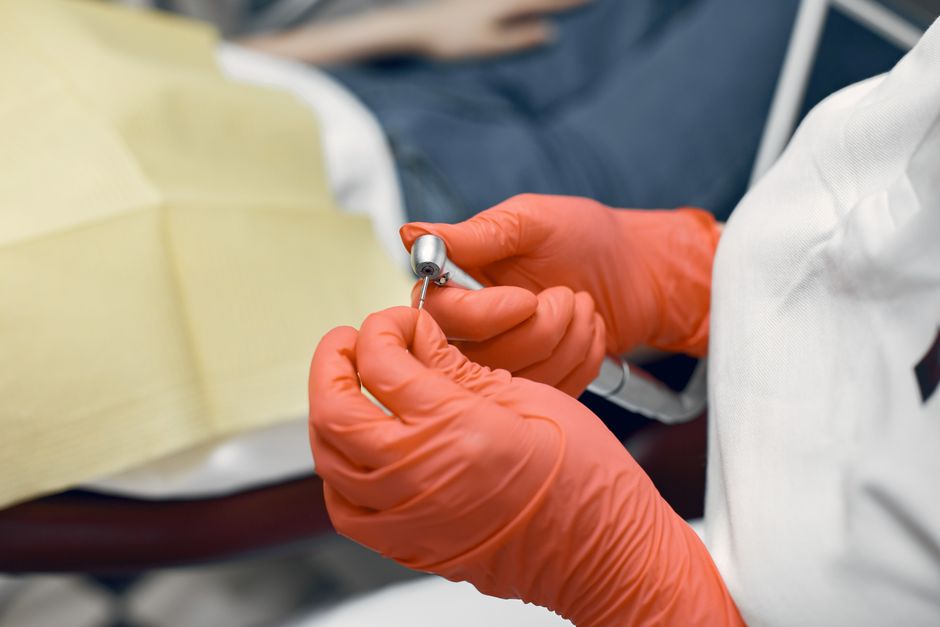
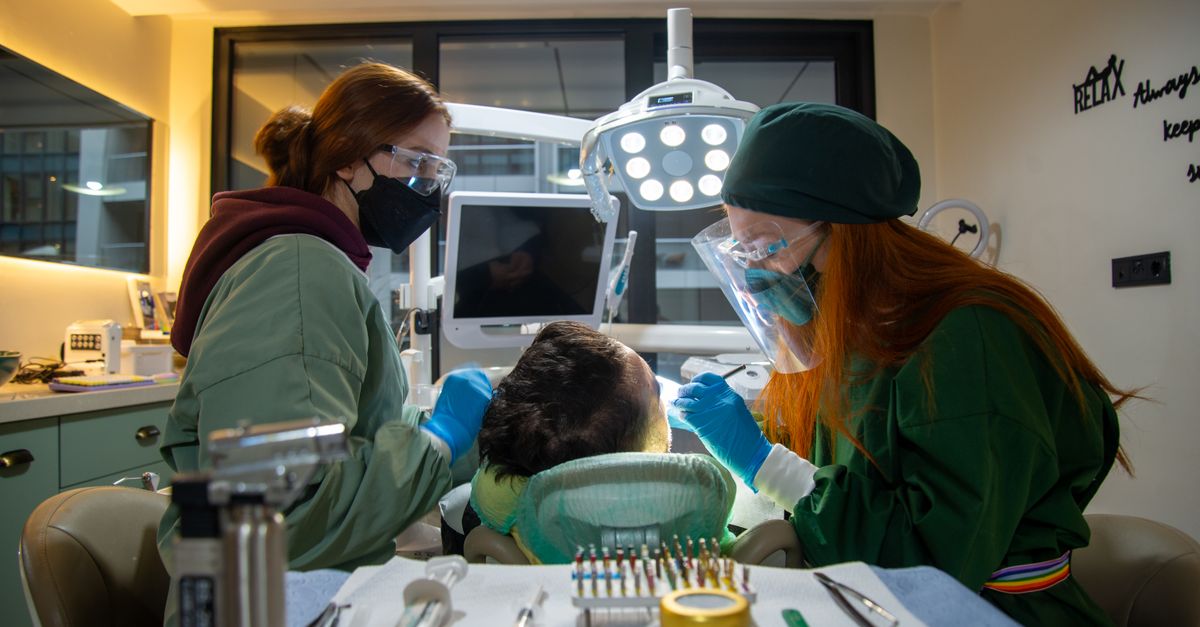
One of the most important contributions of a hands-on approach is turning theoretical knowledge into motor skills. Practical training in lamina veneer courses helps dentists better understand hand movements, procedural sequence, and the critical details that require attention. As a result, topics such as time management, visibility, precise preparation, and detail control become much more concrete in clinical practice.
Why is lamina veneer training important in clinical practice?
Lamina veneer applications are among the most sensitive treatment areas in the esthetic zone. A small planning error or insufficient procedural control can affect both the esthetic result and patient satisfaction. That is why the value of this course lies not only in learning a new treatment area, but also in making current clinical practice more predictable.
It strengthens decision-making in the esthetic zone
In anterior restorations, not only technical skill but also clinical judgment plays a decisive role. Lamina veneer training supports more informed decisions about which approach to follow in a given case, which boundaries should be preserved, and how treatment goals should be clarified.
It makes the treatment sequence more systematic
One of the common challenges in clinical practice is using knowledge within a consistent workflow. The structure of a course helps the clinician think through treatment steps in a more systematic way. This systematic approach supports more controlled progress during preparation, application, and evaluation of the result.
It offers a perspective that can be directly transferred to daily practice
One of the strongest aspects of hands-on training is that what is learned can be applied more easily in the clinic. For dentists interested in esthetic zone restorations, lamina veneer education provides a framework that clarifies case management and increases confidence during application.
For clinicians interested in the esthetic zone, the article Anterior Composite Restorations Course | Hands-On Training for the Esthetic Zone may also be a useful related read. Although these two training topics focus on different application areas, they can offer complementary perspectives in developing clinical thinking for anterior esthetics.
Who can benefit most from this course?

A lamina veneer course is suitable for dentists who want to structure their knowledge in esthetic dentistry or strengthen their practical skills. It may be especially valuable for the following profiles:
- Dentists who want to approach anterior esthetic cases in a more planned way
- Those looking for a clearer framework for preparation and case selection
- Clinicians who want to support their theoretical knowledge with hands-on training
- Dentists aiming to improve their esthetic restorative approach in daily practice
An important point here is that this type of training is valuable not only for beginners, but also for dentists who want to refine and improve their existing clinical approach.
What should you look for when choosing a hands-on course?
Not every course title offers the same learning experience. For that reason, when evaluating a lamina veneer course, it is important to look not only at the topic itself but also at the educational approach behind it.
A balanced combination of theory and practice
Purely theoretical instruction is often not enough to learn delicate procedures in the esthetic zone. In the same way, practice alone may remain limited if the clinical logic is not clearly established. A balanced course should address both cause-and-effect relationships and the practical treatment steps together.
Content focused on clinical applicability
Course content should be transferable to daily clinical practice. After the training, the dentist should gain an approach that can be adapted to their own workflow. This requires practical, application-oriented content that reflects real clinical needs.
The presence of a hands-on structure
In areas that require precision, such as lamina veneer treatment, practical work is central to the learning process. Hand skills, visual angle, margin control, and procedural sequence become more stable through practice. For that reason, a hands-on format is an important criterion when choosing a course.
Conclusion: Why is a lamina veneer course a valuable training topic?

Lamina veneer course training is an important educational area for dentists who want to work more consciously, systematically, and with greater control in esthetic zone restorations. This training helps improve case evaluation, make treatment logic more systematic, and build a more confident framework for clinical practice.
The hands-on training model offers a clear advantage, especially when it comes to combining theoretical knowledge with clinical skill. Since detail management is highly important in esthetic-focused treatments, a hands-on course structure can significantly improve learning efficiency.
If you would like to explore hands-on education in this field more closely, you can visit the Lamina Veneer Course page.
Frequently Asked Questions
Who is a lamina veneer course intended for?
This course is intended for dentists who want to improve their knowledge and clinical approach in the field of lamina veneer treatment.
Why is hands-on training important in a lamina veneer course?
Hands-on training makes it easier to turn theoretical knowledge into clinical skill. In procedures that require precise work, especially in the esthetic zone, a practical approach is highly important.
Can this training contribute to daily clinical practice?
Yes. A more systematic approach to case evaluation, planning, and treatment logic can help dentists make more controlled decisions in their daily clinical workflow.
Can a lamina veneer course be considered together with other esthetic zone trainings?
Yes. Depending on the clinician’s area of interest, different training topics focused on the esthetic zone can be evaluated together. For example, various hands-on courses related to anterior restorations may help broaden clinical perspective.
Diğer Yazılar