BLOG
Posterior Restorations Course | A to Z Hands-On Dental Training
Blog Tarihi: 18/11/2026

Posterior restorations course is an important area of training for dentists who want to approach commonly performed posterior restorations in daily clinical practice in a systematic and application-oriented way. Correct indication assessment in the posterior region, selection of the appropriate material and technique, preservation of occlusal anatomy, and aiming for functional outcomes are all key factors that directly affect treatment success.
The Posterior Restorations Course offered by Istanbul Dental Academy is designed as a dental course covering posterior restorations from A to Z. The training approach focuses on combining theoretical knowledge with clinical application logic and helping clinicians develop a clear working system they can use in their own practice.
The posterior region is an area where function is just as important as esthetics. For this reason, a successful restoration is not limited to simply filling a cavity; contact relationships, occlusal harmony, anatomical form, and the long-term clinical approach should all be evaluated together. Hands-on training helps participants learn this multi-layered structure in a more controlled way.
Who is the posterior restorations course suitable for?

This training is intended for dentists who want to make their restorative procedures in the posterior region more planned, predictable, and systematic. It is especially valuable for clinicians who frequently perform posterior restorations in daily patient care and want to strengthen their practical workflow through a hands-on learning approach.
Clinicians who want to strengthen their clinical practice
In posterior restorations, errors often arise not from a single step, but from different points across the planning and application chain. For that reason, the course is designed to address not only technical execution, but also case evaluation logic, treatment sequencing, and overall clinical approach in a comprehensive way.
Participants who prefer hands-on learning
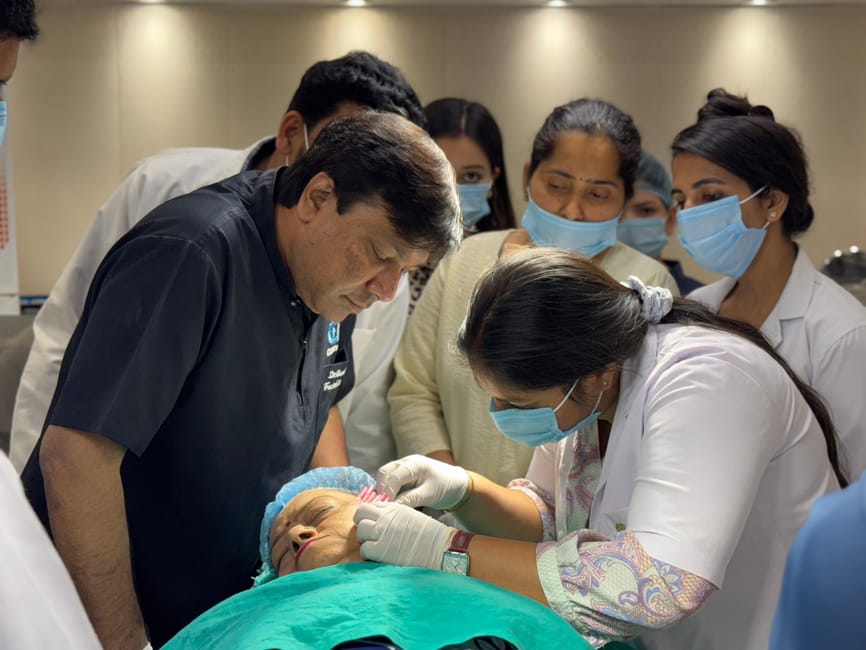
In restorative dentistry, theoretical knowledge alone is not enough. Manual skills, control of each step, and practical application are essential parts of working more confidently in the posterior region. That is why hands-on focused training makes it easier to transfer learned knowledge into clinical practice.
Which topics stand out in a posterior restorations course?
As its name suggests, the posterior restorations course offers a framework that covers posterior restorations from A to Z. The main topics included in the training are structured to support both the planning and application aspects of the clinical process.
Case assessment and treatment planning approach
The first step in a successful posterior restoration is correct evaluation. The condition of the lesion, preservation of existing tooth structure, functional expectations, and the clinical objective of the restoration should all be considered together. Developing this perspective in a systematic way during training can strengthen the clinician’s decision-making process.
Anatomy, contact, and occlusal harmony
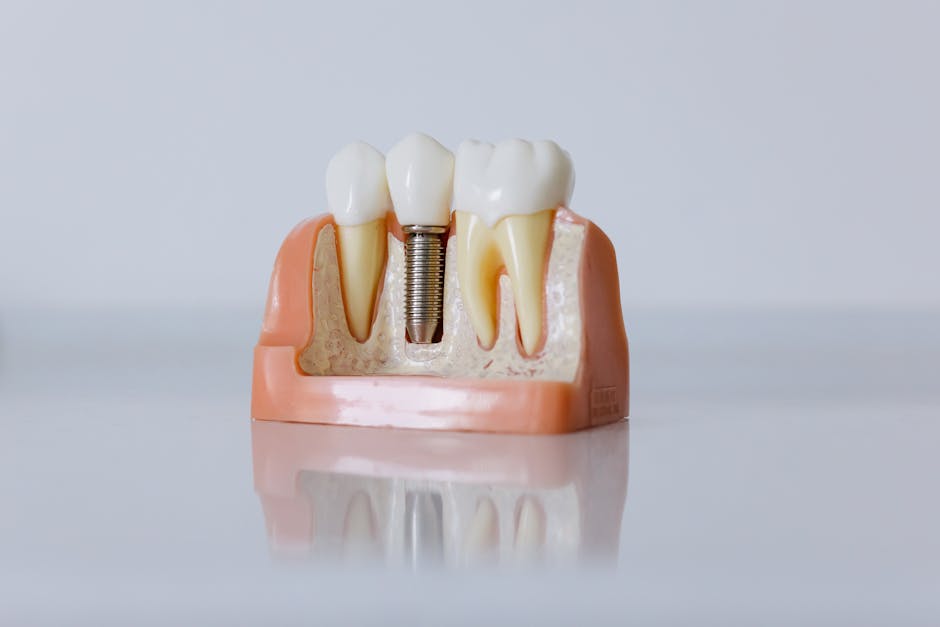
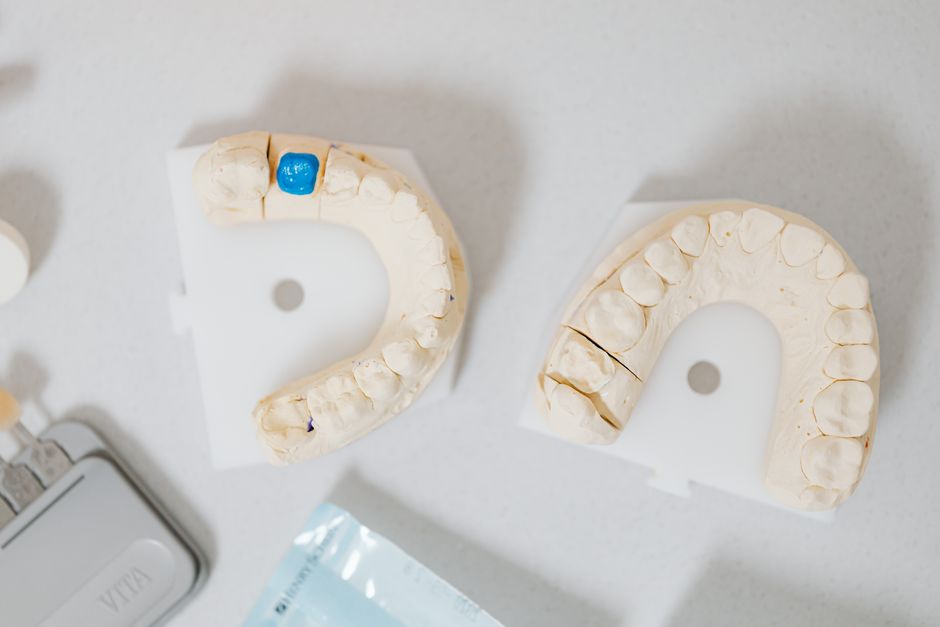
The success of a posterior restoration does not depend only on material application. Accurate formation of anatomical form, functional arrangement of proximal contacts, and careful evaluation of the occlusal relationship are among the main factors that determine the clinical outcome.
Standardization of application steps
To achieve repeatable results in clinical practice, it is important to standardize procedural steps. From isolation to shaping, and from finishing stages to functional control, progressing through each stage with a clear rationale helps create a more controlled workflow in posterior restorations.
Compared with trainings focused on the esthetic zone, the posterior restoration approach requires a different evaluation because of its functional demands. In this respect, the anterior composite restorations course and posterior region training focus on different clinical goals.
Why is hands-on training important in posterior restorations?

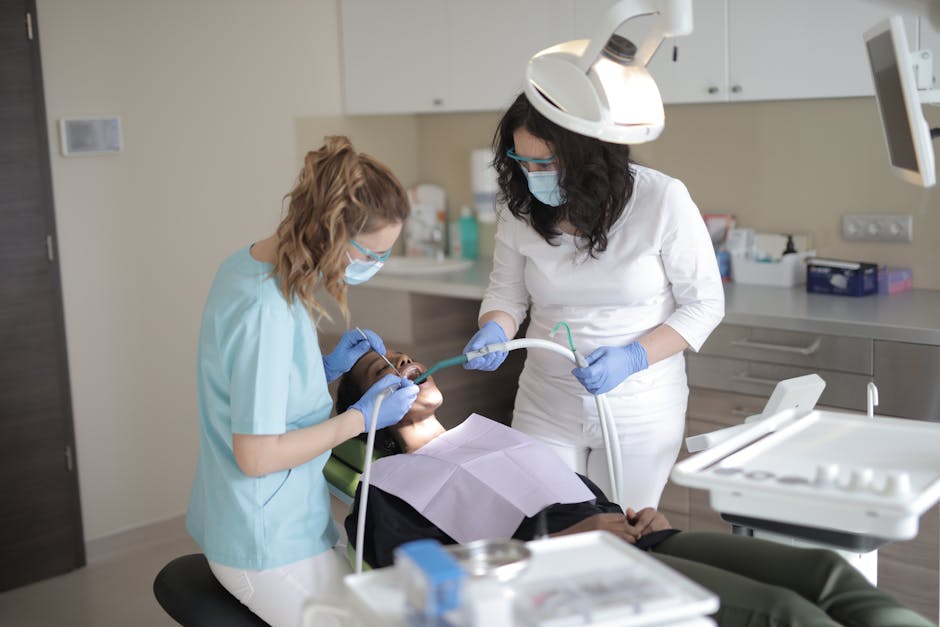
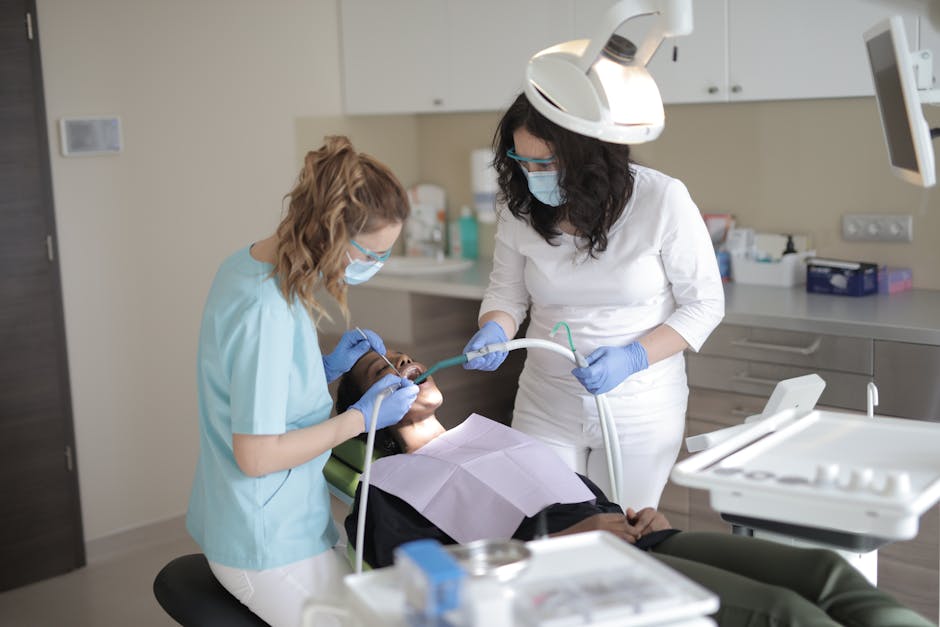
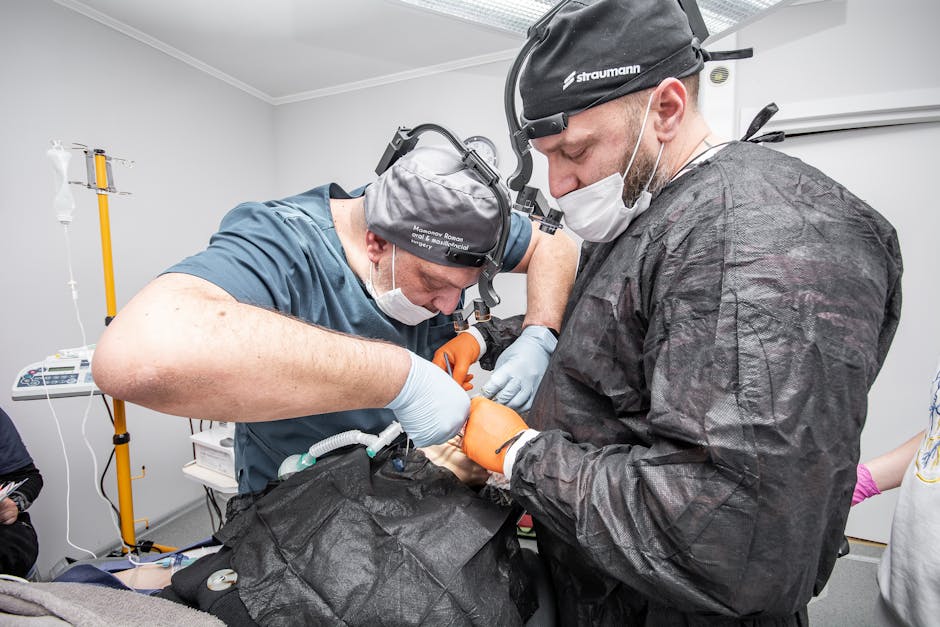
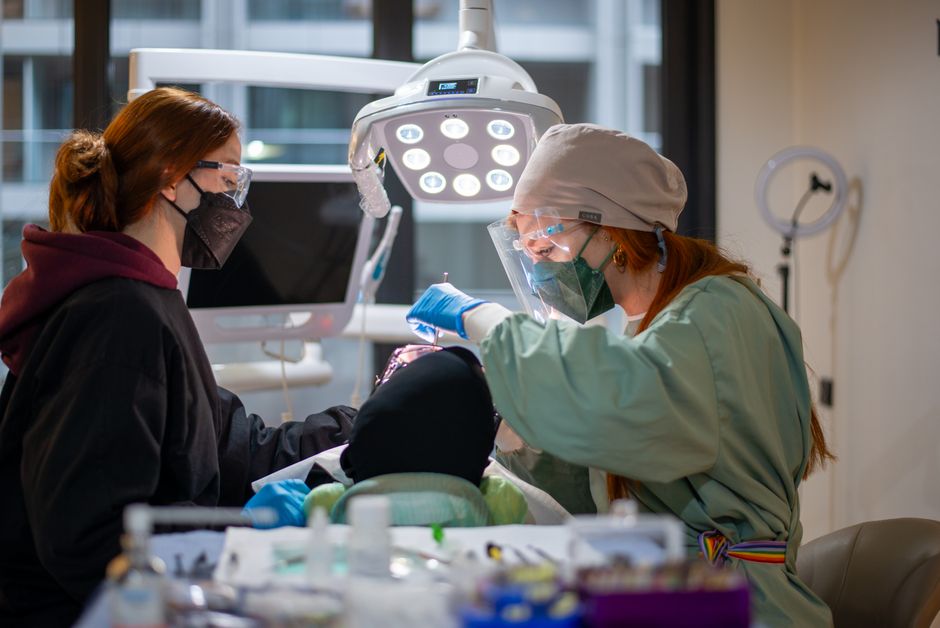
Posterior restorations may seem straightforward in theory, but in practice they require careful management of details. Because of factors such as limited visibility, anatomical structure, occlusal relationships, and treatment sequencing, practical training sits at the center of the learning process.
Manual skills and clinical control improve
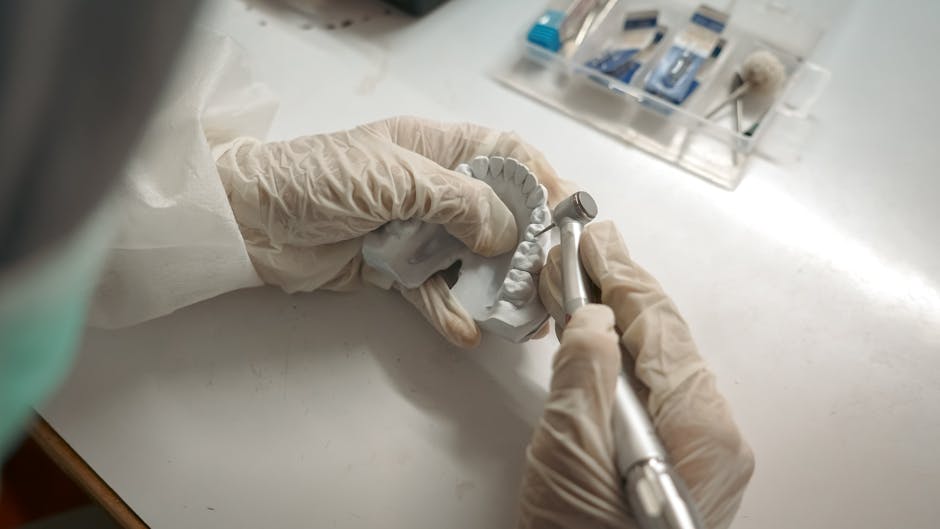
Working in the posterior region requires practice to create the correct form, manage functional surfaces, and complete the restoration in a controlled way. Hands-on courses help clinicians develop these skills more consciously and with greater control.
A bridge is built between theory and clinical application
Understanding why a restoration is performed in a certain order makes the application process safer and more consistent. Addressing the theoretical framework together with practical steps during training supports both decision-making speed and consistency in the clinic.
It can be adapted more easily to daily cases
The value of the approach gained at the end of the course is measured by how easily it can be transferred into daily patient care. A hands-on structure helps clinicians adapt what they learn to their own case flow and supports the development of a more organized clinical approach.
What does posterior restorations training add to clinical practice?
The posterior restorations course is not only a transfer of technical knowledge; it is also a training area that strengthens clinical thinking. The aim is to help clinicians make their restorative procedures in the posterior region more planned, more controlled, and more predictable.
- Building a clearer treatment sequence in posterior restorations
- Evaluating the relationship between function and anatomy more consciously
- Systematizing the case-based decision-making process
- Developing a more consistent approach in daily clinical applications
- Improving the ability to turn theoretical knowledge into practice
For clinicians who want to improve their restorative approach more comprehensively, esthetic zone training can also be complementary. In this context, the anterior composite restoration course and the lamina veneer course offer separate areas of focus for different clinical needs.
Why choose Istanbul Dental Academy’s Posterior Restorations Course?

Istanbul Dental Academy is an education center structured around hands-on training for dentists. In line with this approach, the Posterior Restorations Course stands out as a dental course that covers posterior restorations from A to Z.
The academy’s general training approach is to offer application-focused content that supports clinical practice and professional development. From this perspective, posterior restorations training is a strong option for clinicians seeking a learning experience with direct relevance to everyday patient care.
If you want to make your restorative approach in the posterior region more systematic, improve your practical skills, and strengthen your clinical decision-making process, the Posterior Restorations Course may be the right next step for you.
Frequently Asked Questions
Is the posterior restorations course only for experienced clinicians?
No. The training can provide value for dentists at different levels of experience who want to improve their approach to posterior restorations. What matters is the goal of strengthening clinical practice in a more systematic and application-oriented way.
Is this course theoretical or hands-on?
The Posterior Restorations Course is a dental training program that covers posterior restorations from A to Z, and within the project scope its educational approach focuses on hands-on learning. This makes its clinically transferable aspect especially prominent.
Does posterior restorations training really contribute to daily practice?
Since posterior restorations are frequently part of daily dental practice, a more systematic approach in this area can directly support clinical workflow. It can be especially useful in terms of planning, treatment sequence, and functional evaluation.
Diğer Yazılar