BLOG
Laminate Course | Hands-On Training Led by Prof. Dr. Aslıhan Üşümez
Blog Tarihi: 19/11/2026
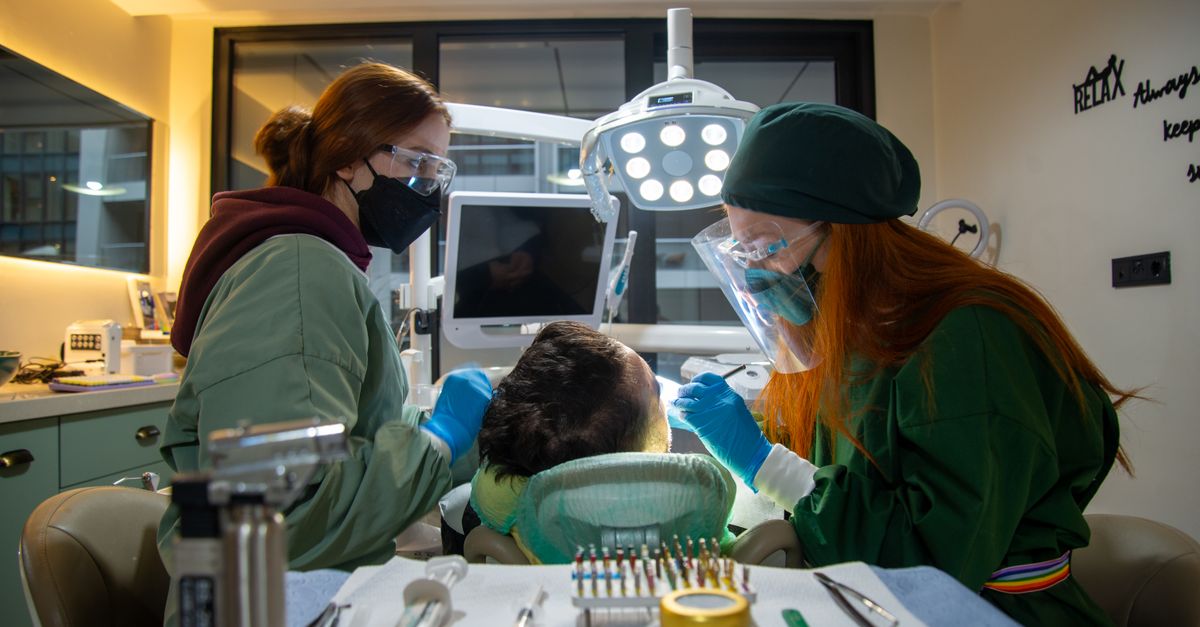
In esthetic dentistry, treatment planning, preparation approach, and restorative decision-making are among the most critical factors behind clinical success. For this reason, a laminate course is important not only for gaining theoretical knowledge, but also for building sound case logic and developing a more practice-oriented clinical mindset.
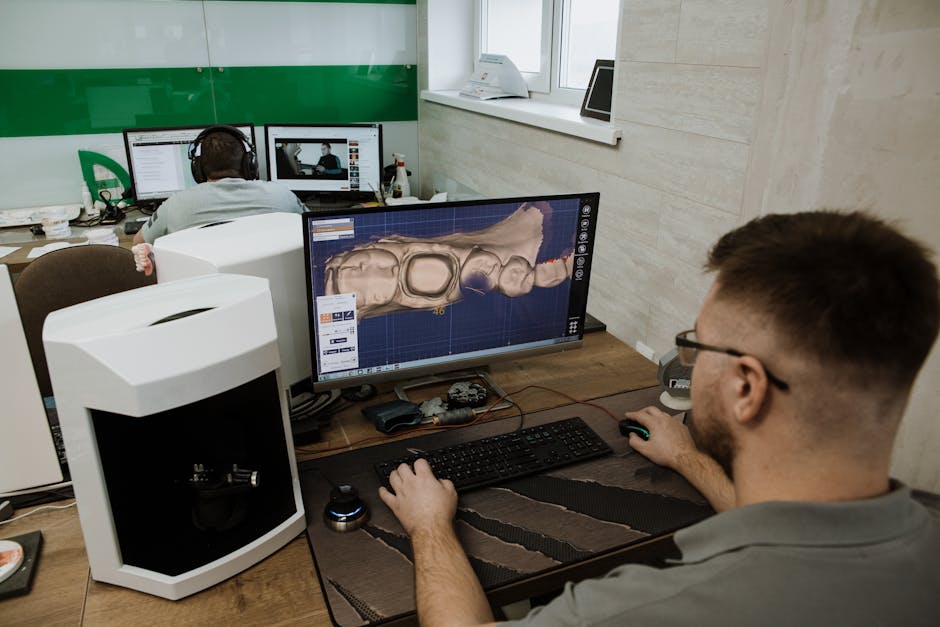
The Laminate Course offered at Istanbul Dental Academy is led by Prof. Dr. Aslıhan Üşümez and is designed to strengthen dentists’ approach to esthetic restorations. The training focuses on knowledge that can be transferred into clinical practice and helps participants make their decision-making process more systematic.
Why is a laminate course important?

Laminate applications require careful management of details, especially in cases with high esthetic expectations. Defining the right indication, planning preparation boundaries accurately, and ensuring that the restorative approach is compatible with biological principles all directly affect the outcome of treatment. That is why training in the laminate field is valuable not only for technical skill development, but also for improving case selection and clinical foresight.
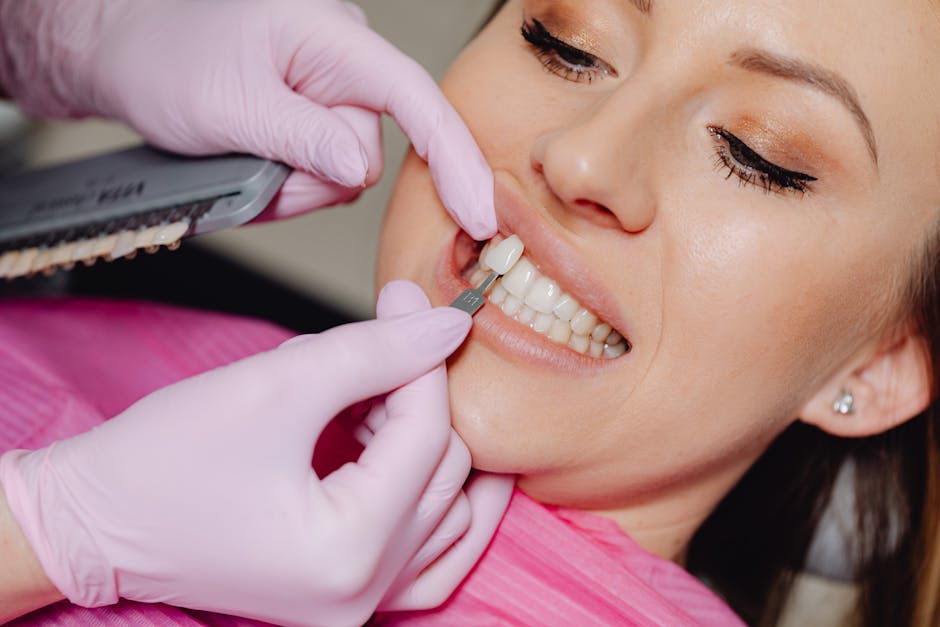
For dentists working in the esthetic zone, the laminate approach is an important clinical discipline for understanding patient expectations, defining treatment limits correctly, and making decisions that support long-term success. In this respect, a laminate course is a strong training topic for clinicians who want to move through daily practice in a more controlled and structured way.
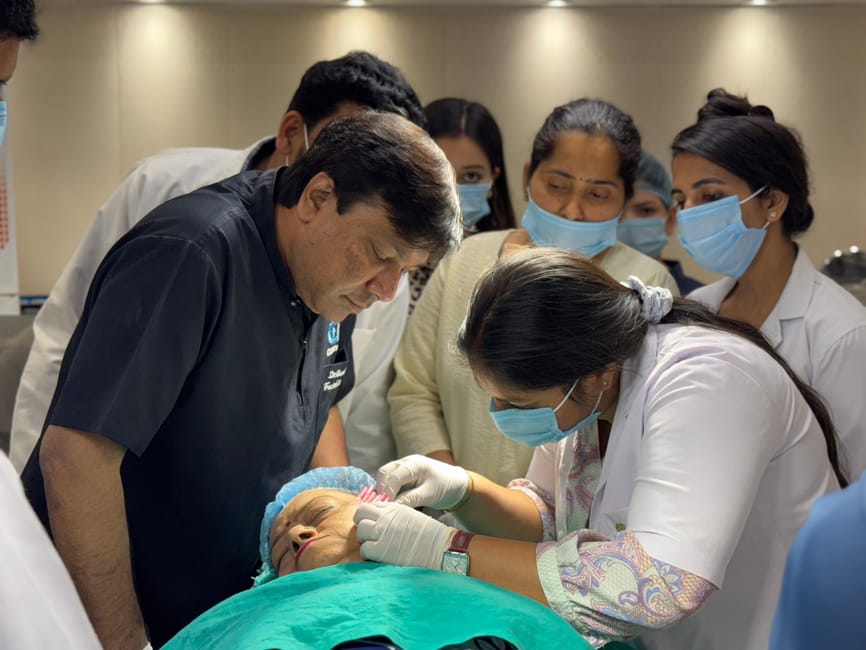
Hands-on training approach led by Prof. Dr. Aslıhan Üşümez
One of the distinguishing features of this course is that it is delivered under the guidance of Prof. Dr. Aslıhan Üşümez. For participants, the instructor’s approach matters not only in terms of knowledge transfer, but also in understanding clinical reasoning, case evaluation logic, and application discipline.
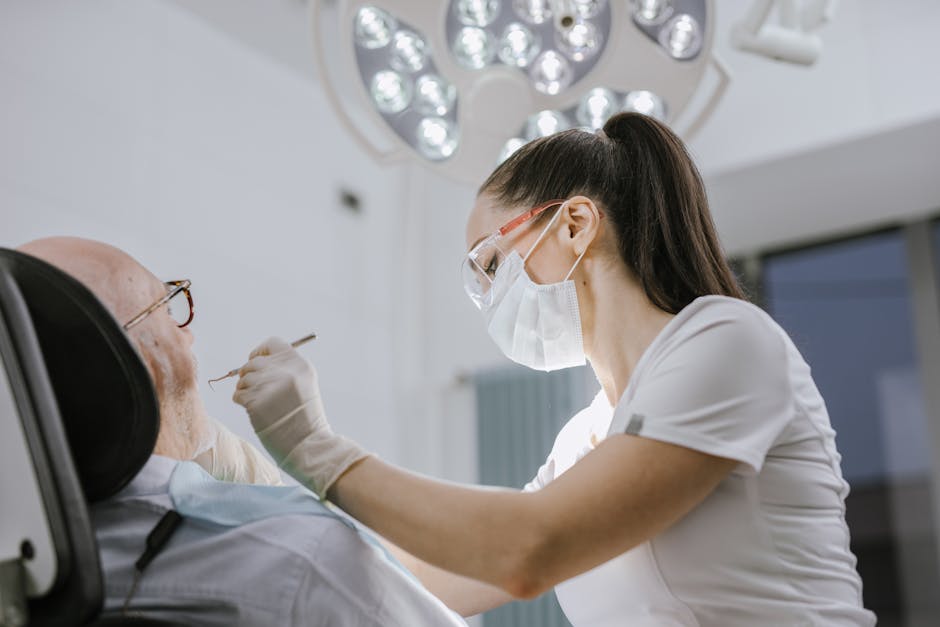
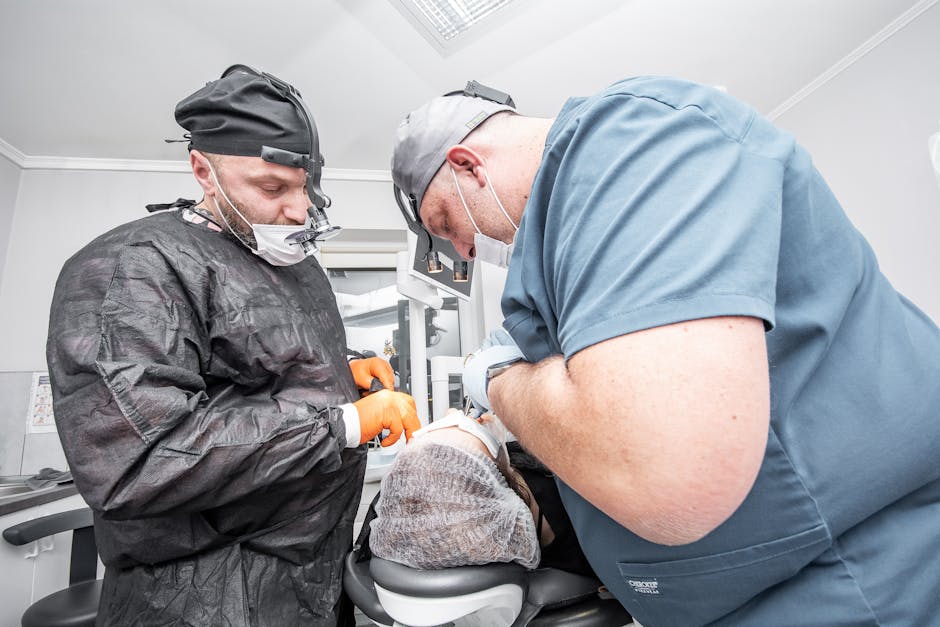
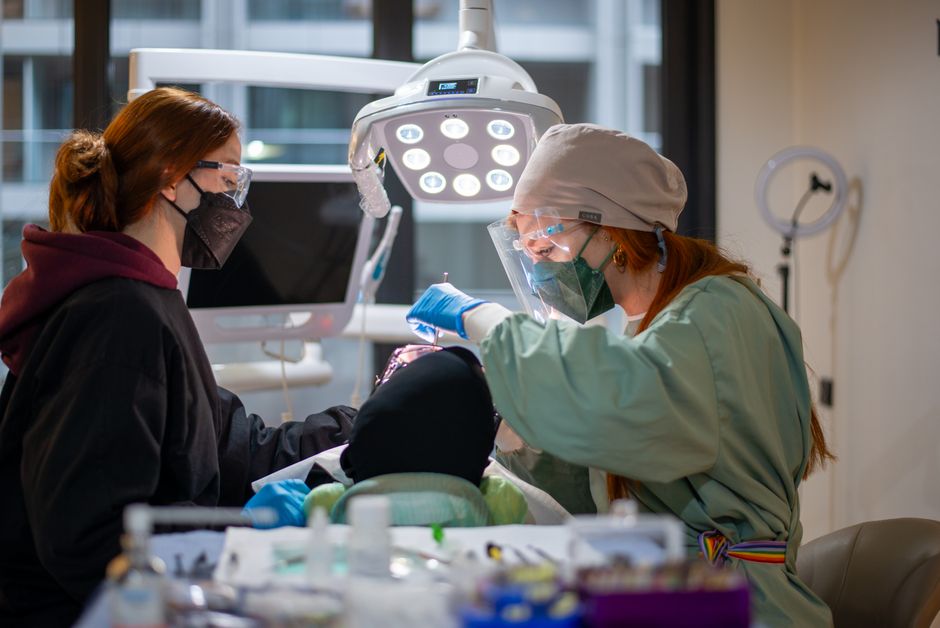
A hands-on training model makes it easier to see the clinical counterpart of theoretical instruction. In this way, dentists can find clearer answers not only to the question of “what is done?” but also to “why is it done this way?” This perspective is especially valuable in esthetic dentistry education.
Clinical contribution of hands-on training
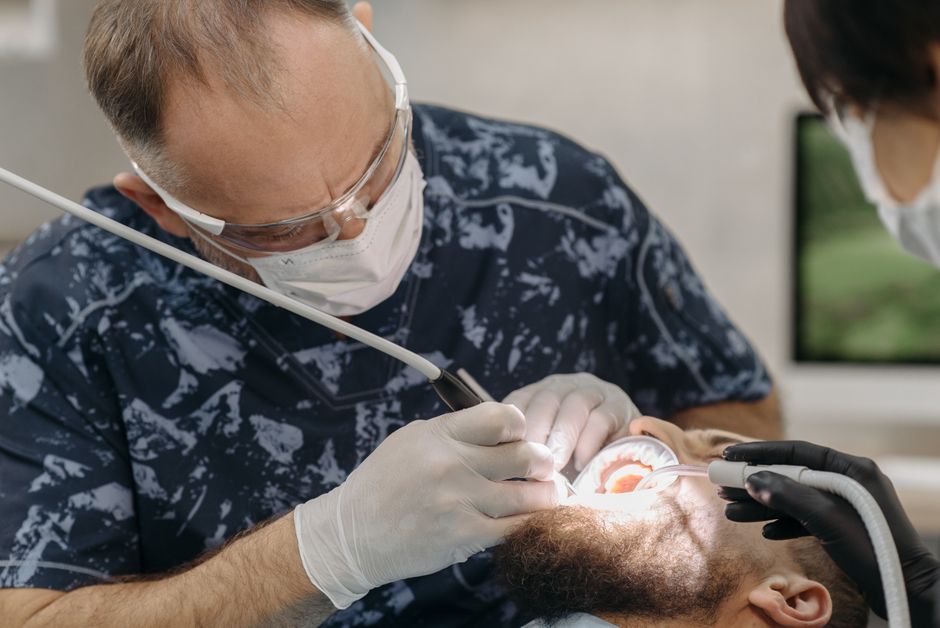
Hands-on focused training turns abstract knowledge into something more tangible. Participants can better understand the key points of esthetic restoration planning and interpret the clinical logic of preparation and restorative approaches with greater confidence. This supports a more predictable workflow in everyday patient care.
Who is this laminate course suitable for?

This training is intended for dentists who want to deepen their knowledge in esthetic dentistry and improve their clinical approach. It is especially suitable for clinicians who perform restorative planning in the anterior region, want to manage esthetic cases more systematically, and aim to support their theoretical knowledge with practical application.
Participants interested in laminate training may come from different levels of experience. What matters is the goal of evaluating esthetic restoration processes more consciously and improving the quality of clinical decisions. In this sense, the course offers a meaningful option both for dentists who want to strengthen their current practice and for those who want to add laminate-focused education to a broader esthetic training plan.
The place of laminate training in esthetic restorative practice
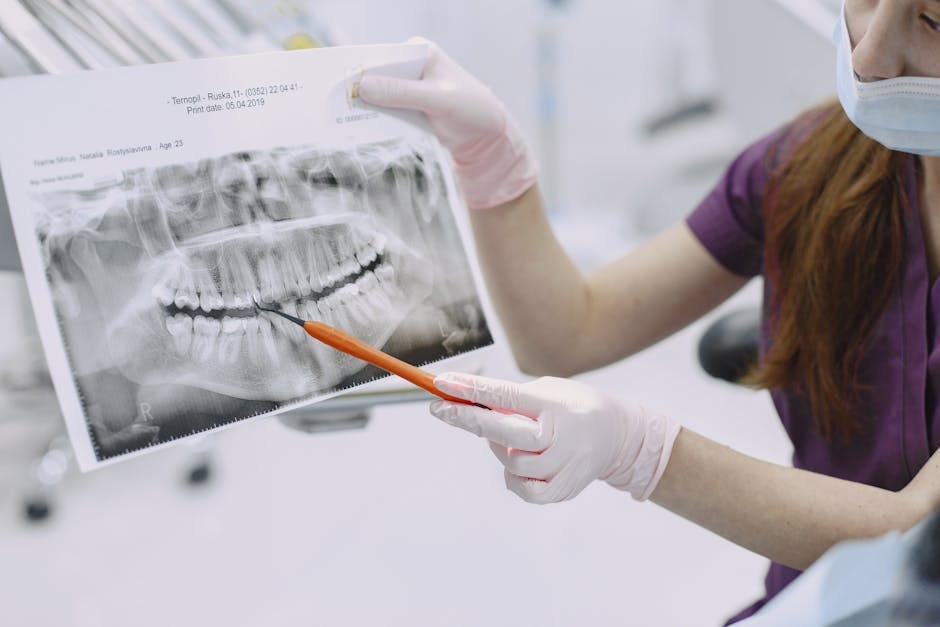
Laminate applications are one of the more sensitive areas of treatment planning in the esthetic zone. For that reason, the perspective gained during training is not limited to a single procedure; it also influences the overall approach to esthetic restorations. From case analysis to material and application logic, the clinician begins to make more consistent decisions across multiple stages of treatment.
For dentists focused on the esthetic zone, this course can also be considered part of a broader development plan alongside other restorative trainings. For example, those who want to compare different restorative approaches in the esthetic region may also review the Lamina Veneer Course | Hands-On Training for Dentists. Dentists who want to learn more about direct restorative approaches may find the Anterior Composite Restorations Course | Hands-On Training for the Esthetic Zone page useful.
Why choose a hands-on laminate course?
In esthetic restoration training, the practical component is decisive for lasting learning. Theoretical structure provides the right foundation, but hands-on education makes the difference when it comes to transferring that knowledge into clinical practice. The clinician not only learns the information, but also sees where that knowledge fits within the real clinical workflow.
The main reasons for choosing a hands-on laminate course include:
- Evaluating esthetic case planning more systematically
- Developing a clearer approach to clinical decision-making
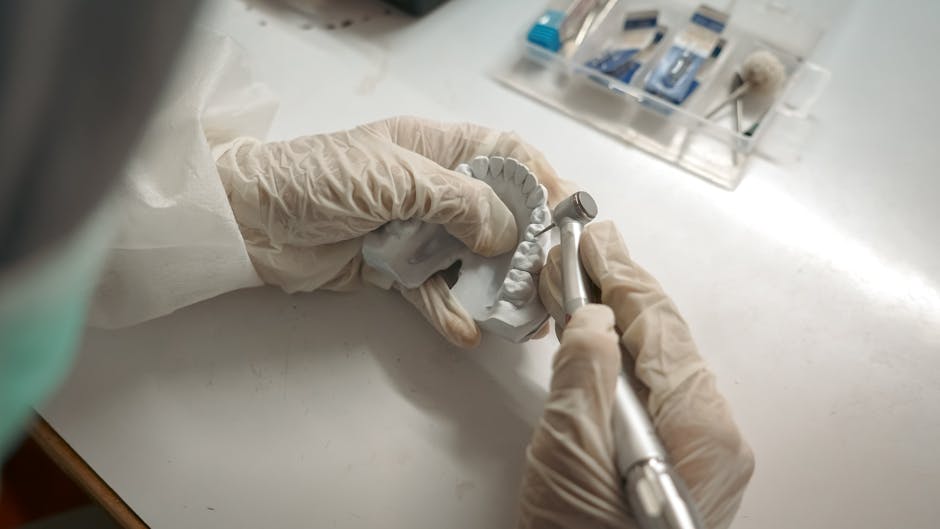
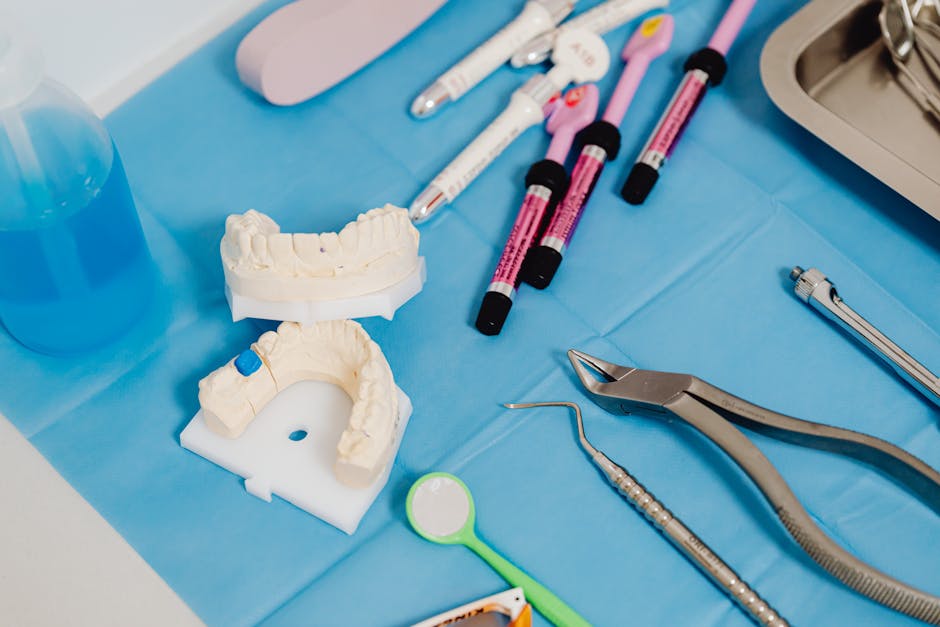
- Seeing preparation and restorative logic within an application-based context
- Gaining knowledge that can be transferred into daily patient care
- Benefiting directly from the instructor’s experience
These types of trainings help dentists working in esthetic dentistry build a more controlled and confident clinical approach.
What should you consider when choosing a laminate course?

When evaluating a laminate course, it is important to look beyond the title and focus on the quality of the training itself. The instructor’s academic and clinical approach, whether the course is practice-oriented, and how closely the content matches real clinical needs all play an important role in the decision process.
Key points to evaluate
- The training should be designed for dentists and remain clinically focused
- Theoretical knowledge should be supported by practical application
- The content should strengthen esthetic restoration logic
- The instructor’s field experience should be reflected in the course structure
- The course should provide a perspective that participants can use in daily practice
From this perspective, the laminate course led by Prof. Dr. Aslıhan Üşümez is a strong training alternative for dentists who want application-oriented development in the field of esthetic restorations.
Clarify your expectations before applying
Before joining a laminate training, it is useful to define your own clinical goals clearly. Do you want to improve case planning in the esthetic zone? Are you aiming to strengthen your preparation approach? Or are you building a more comprehensive education plan in esthetic restorations? Your answers to these questions can help you identify the most suitable training path.
Istanbul Dental Academy offers a training structure that supports clinical development through a hands-on approach designed for dentists. The laminate course is one of the important esthetic restoration topics within this approach. Dentists who want to create a broader education plan can also explore other trainings focused on esthetics and clinical application.
Frequently Asked Questions
Who is the laminate course intended for?
The laminate course is intended for dentists who want to improve their knowledge and clinical approach in esthetic dentistry.
Is this training hands-on?
Yes, the course focuses on a hands-on training approach. This helps make the clinical relevance of theoretical knowledge much easier to understand.
What is the main highlight of the course?
One of the main highlights is that the course is led by Prof. Dr. Aslıhan Üşümez and offers an application-oriented framework for esthetic restorative practice.
How does the laminate course contribute to clinical practice?
This training supports daily clinical practice by helping dentists approach case evaluation, esthetic planning, and restorative decision-making in a more systematic way.
Diğer Yazılar