BLOG
TMD Diagnosis and Treatment Workshop | Hands-On Dental Training
Blog Tarihi: 19/11/2026
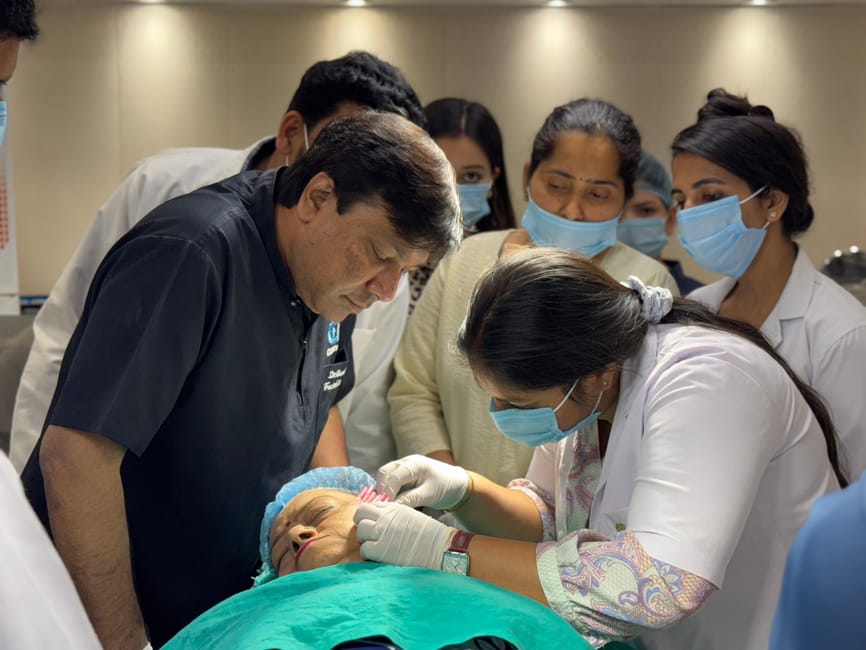
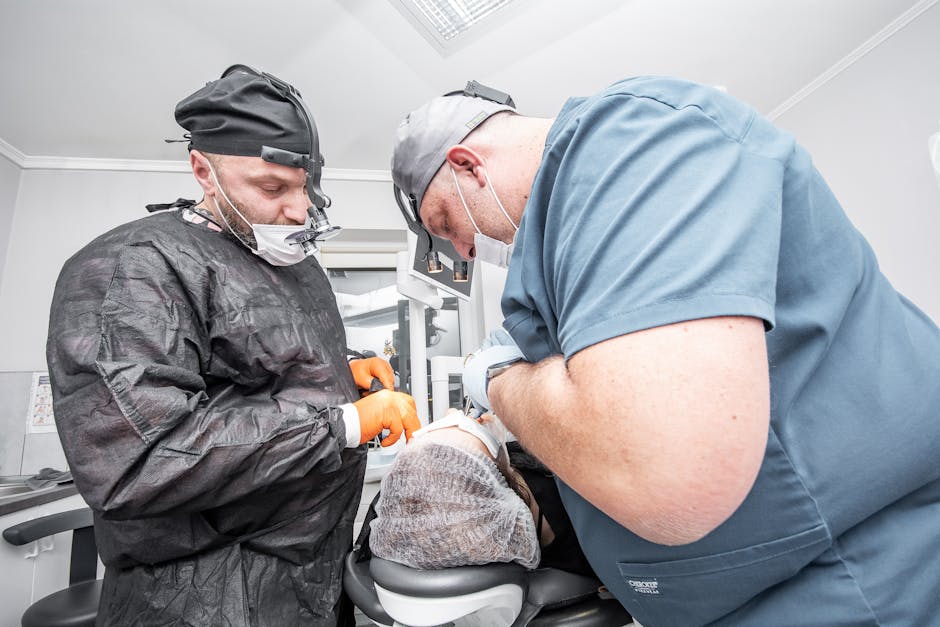
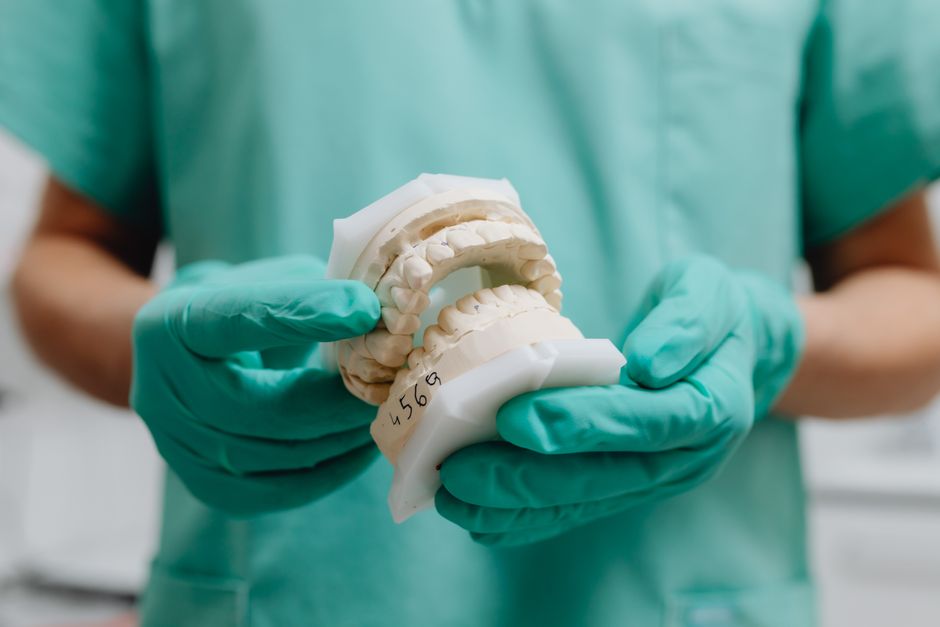
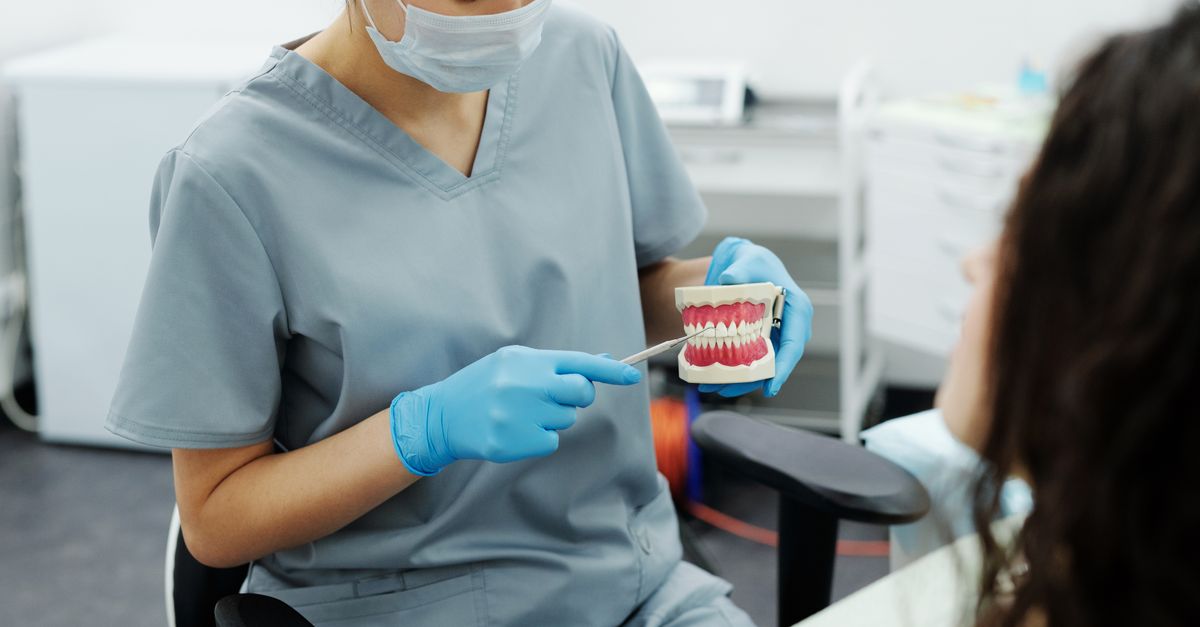
The TMD diagnosis and treatment workshop offers a hands-on training approach for dentists who want to evaluate common temporomandibular joint and muscle-related complaints in a more systematic way. This workshop addresses snoring, obstructive sleep apnea, bruxism, myofascial pain, and TMD together, focusing not only on theory but also on the clinical side of diagnosis and treatment planning.
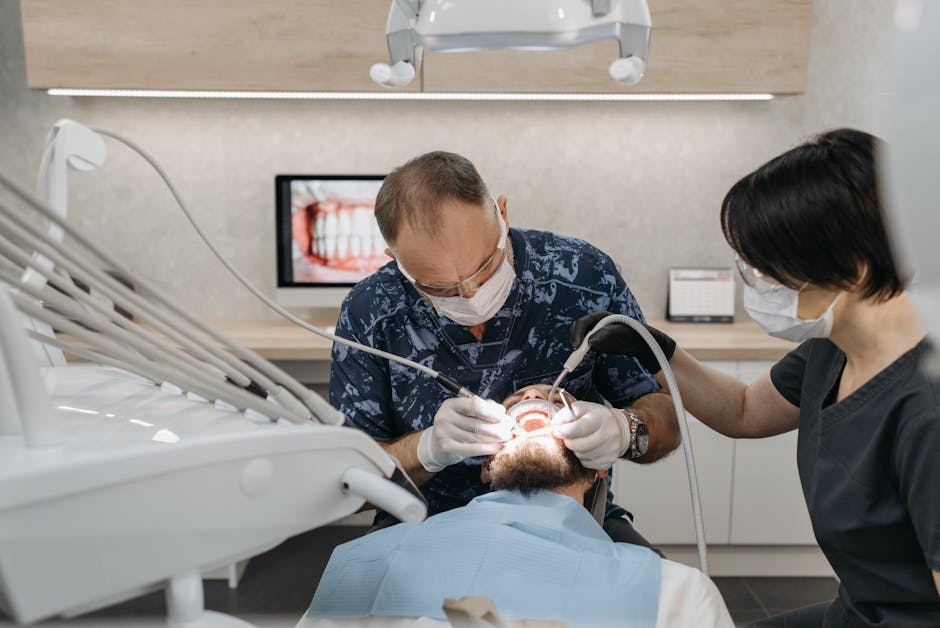
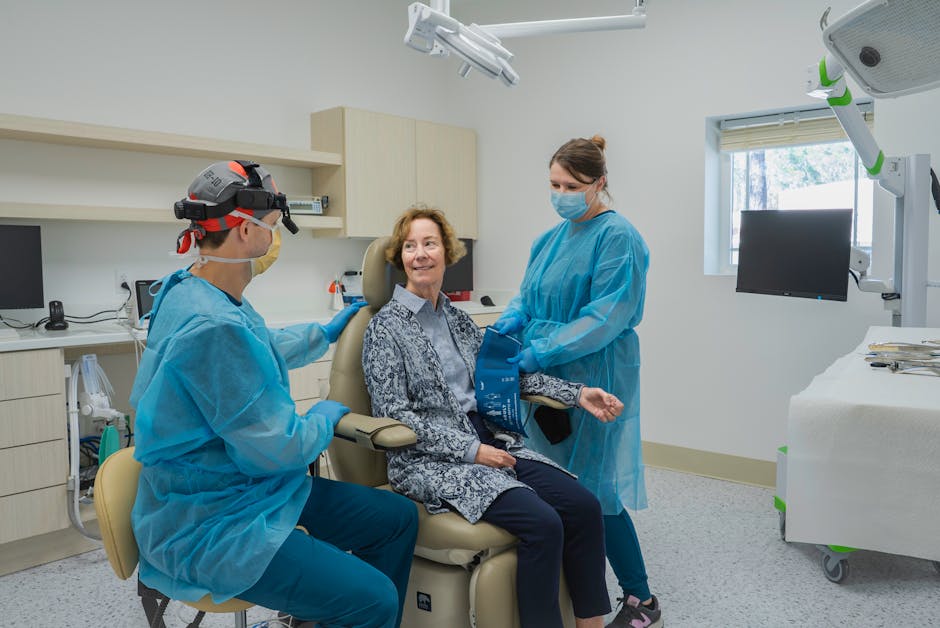
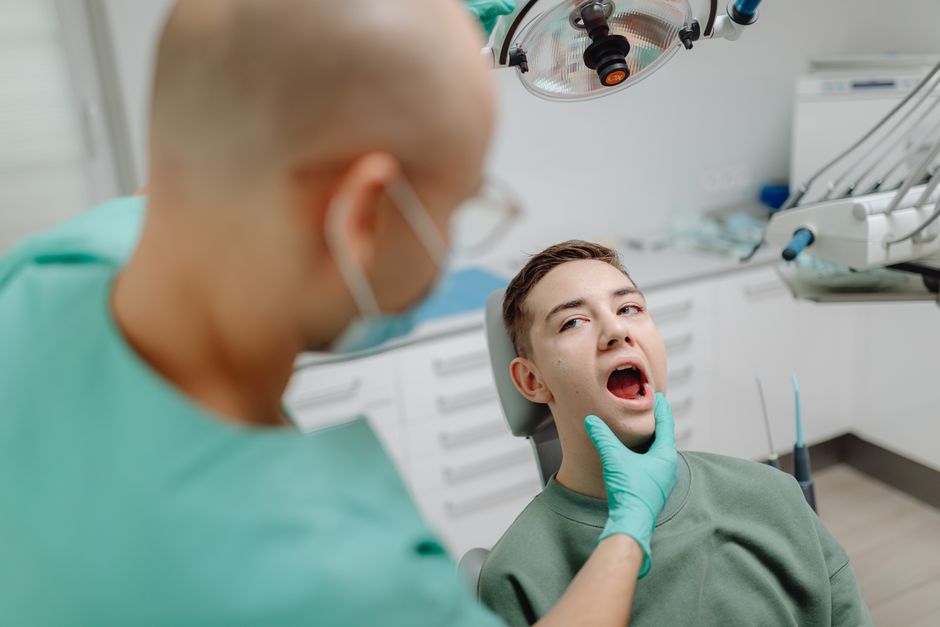
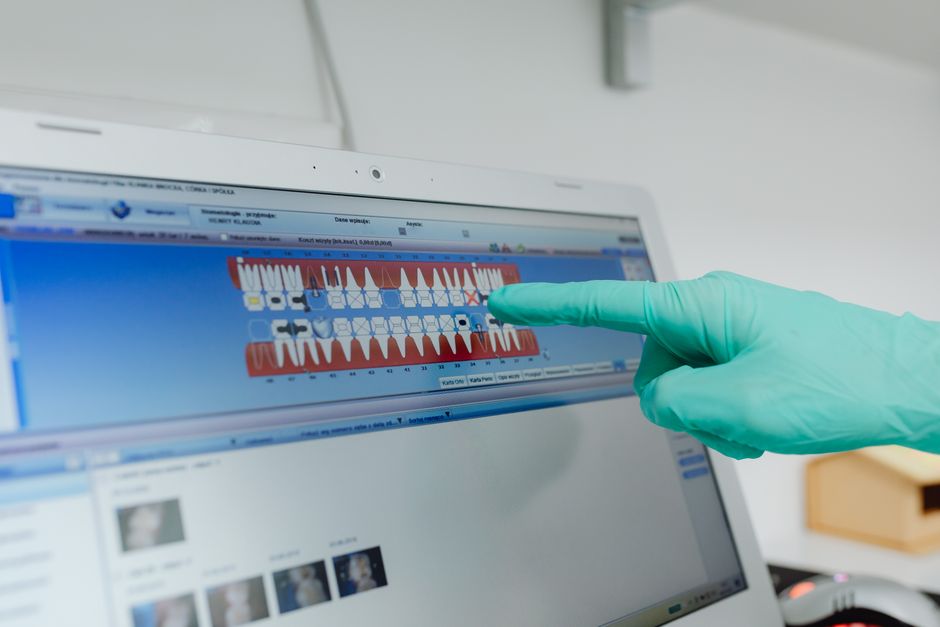
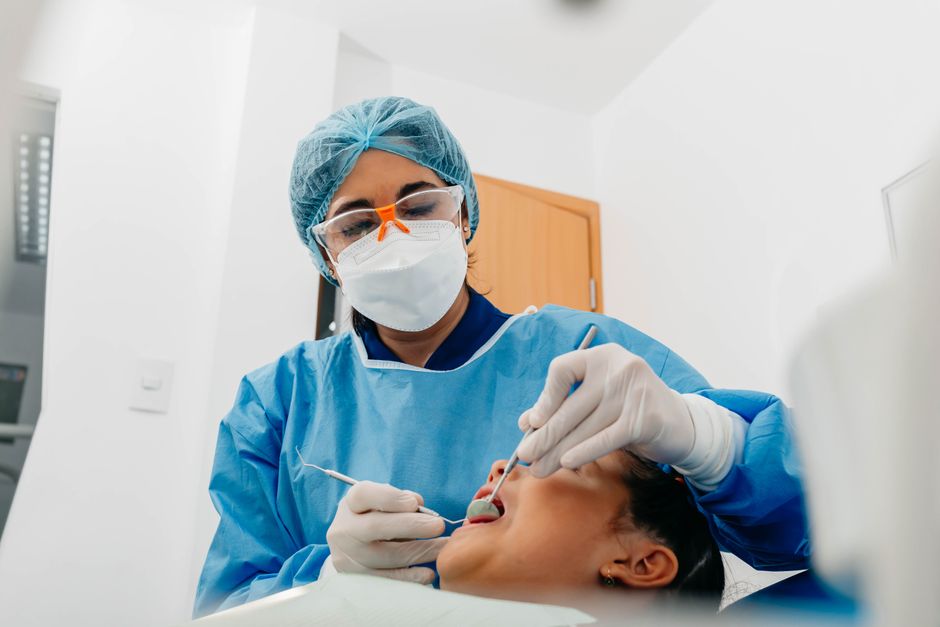
In daily examination practice, pain, joint sounds, limited mouth opening, muscle tenderness, parafunctional habits, or sleep-related complaints may often be interconnected. For this reason, in the TMD approach, proper history taking, careful clinical evaluation, appropriate patient selection, and correct appliance planning are highly important. A hands-on training format helps make this process clearer and easier to transfer into practice.
What does the TMD diagnosis and treatment workshop cover?

This workshop provides a structured framework to help dentists assess TMD and related clinical conditions more comprehensively. The training covers the following main topics:
- Basic evaluation approach for snoring and obstructive sleep apnea
- Clinical interpretation of bruxism and myofascial pain presentations
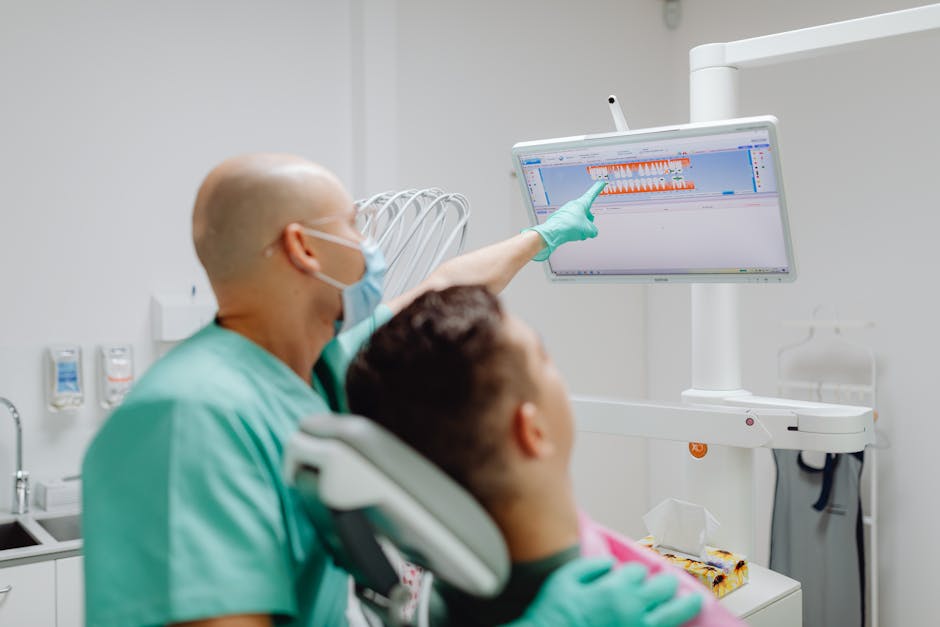
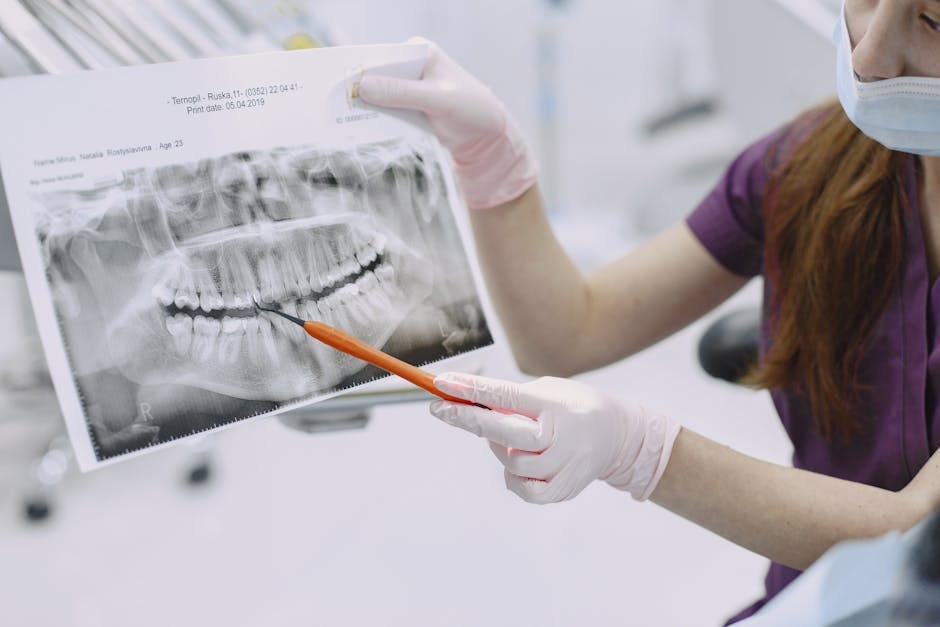
- Diagnostic steps and treatment planning for TMD
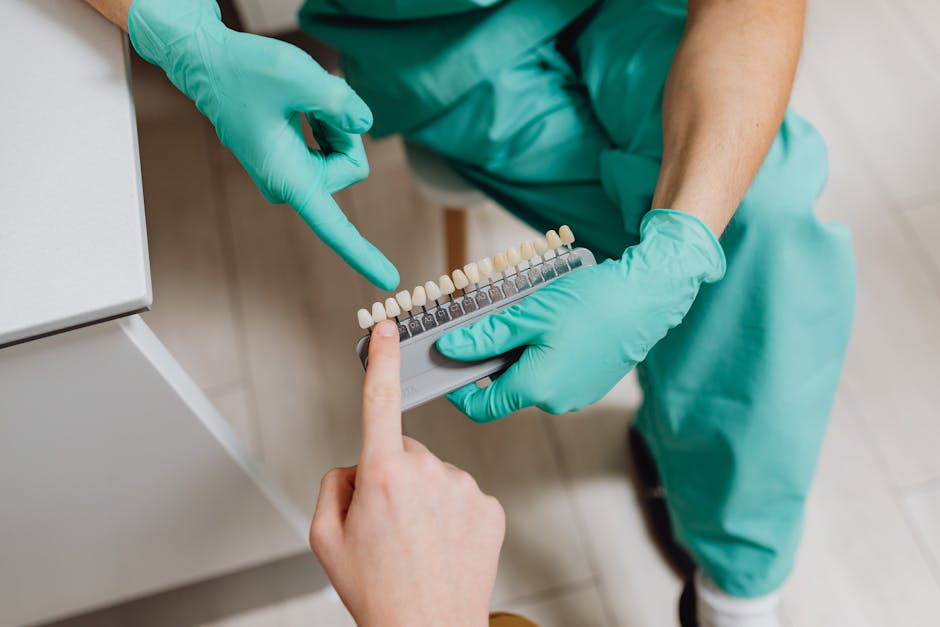
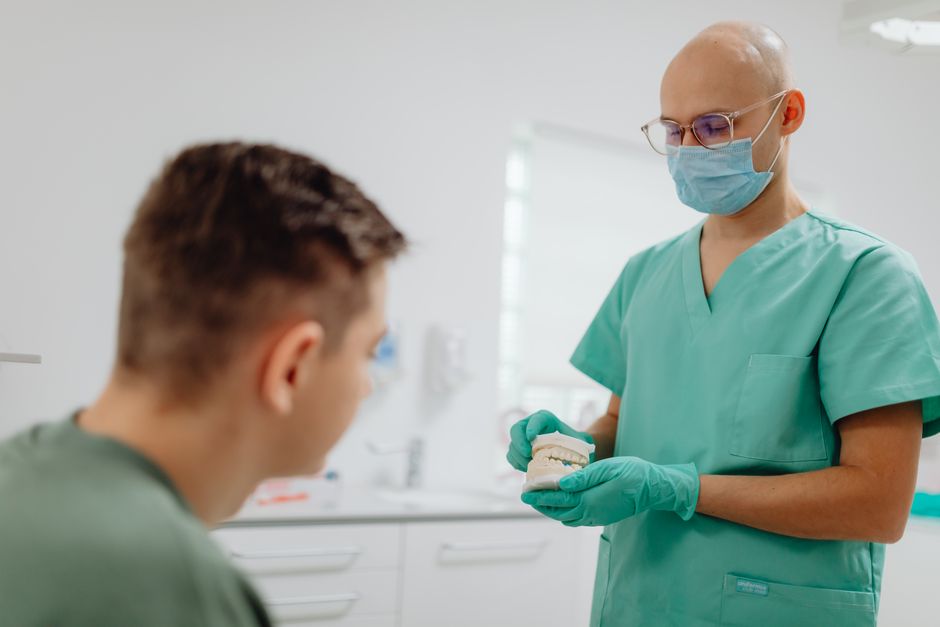
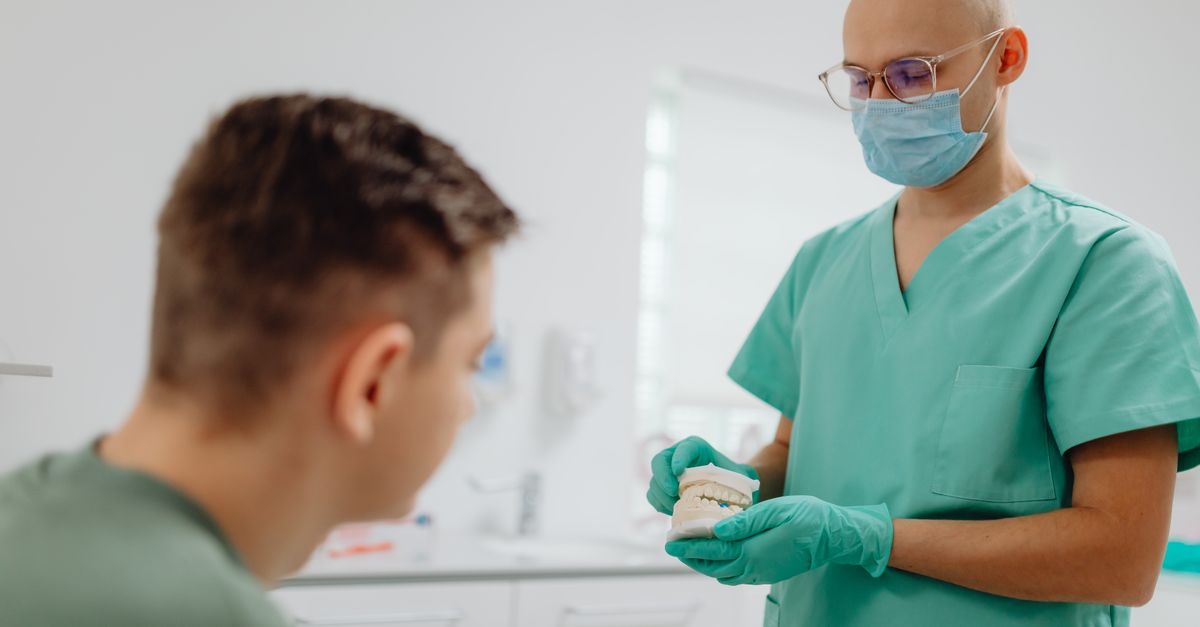
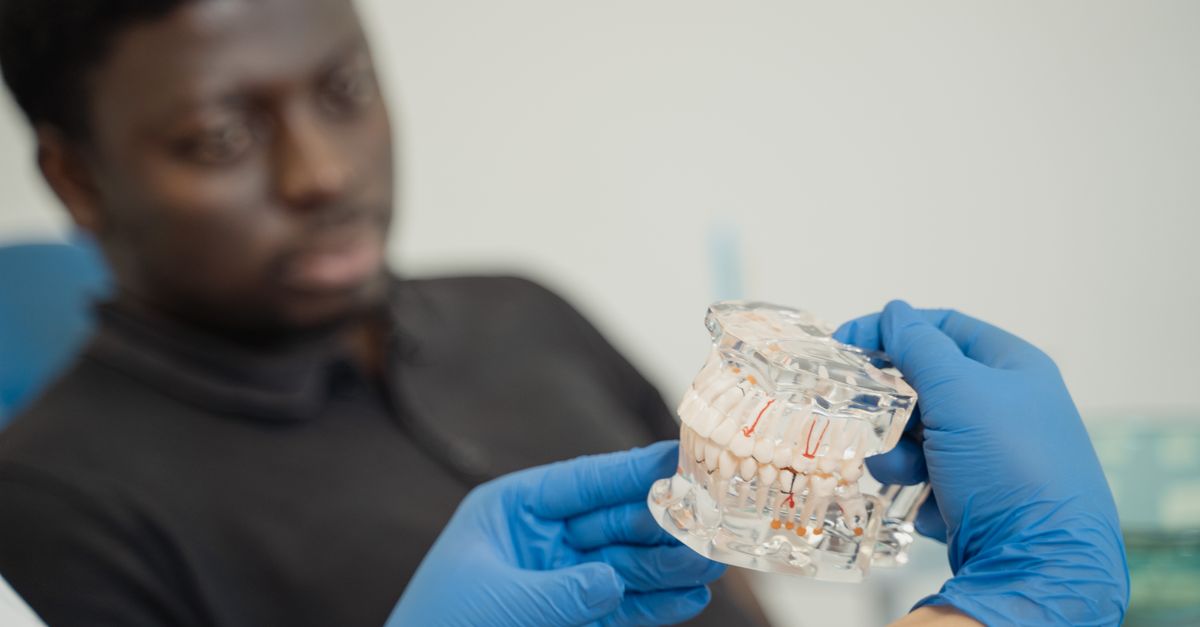
- Assessment of appliance selection and indications for use
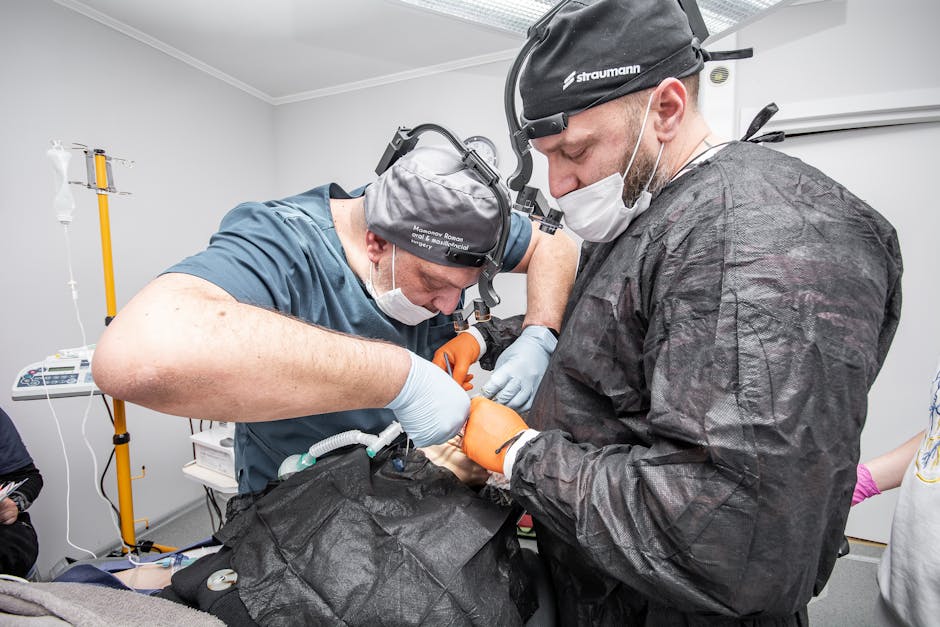
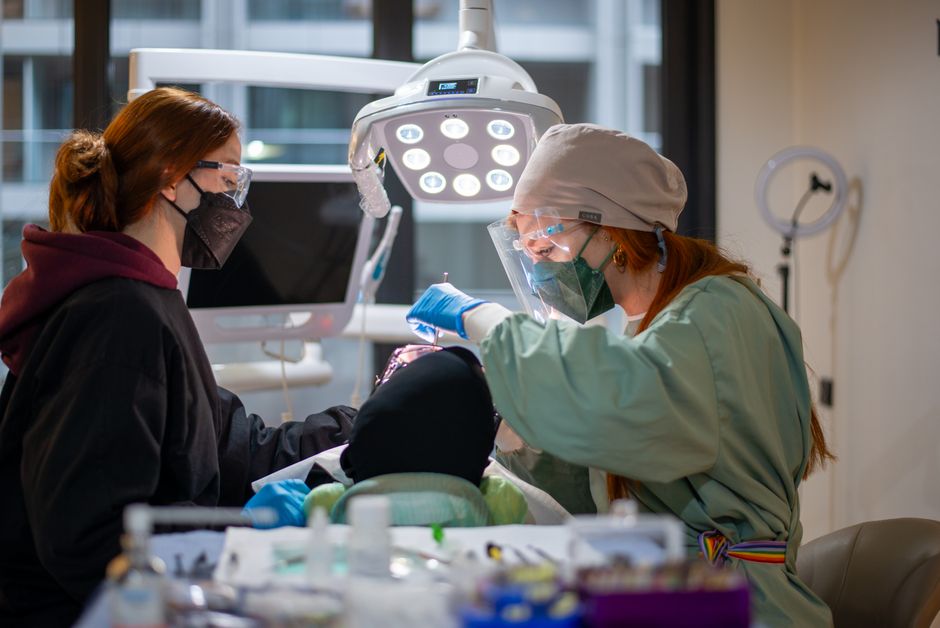
- Clinical application steps presented in a hands-on format
This scope is especially valuable for clinicians who want to improve not only symptom-based thinking but also their decision-making process. The aim of the training is to help participants analyze the cases they encounter in practice within a more organized clinical framework.
Why is a hands-on training format important?
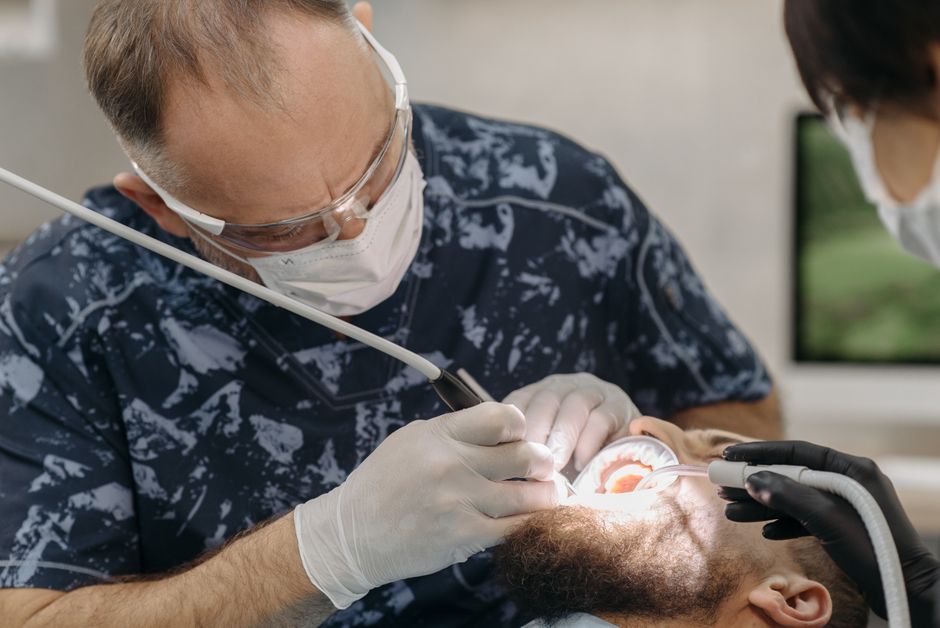
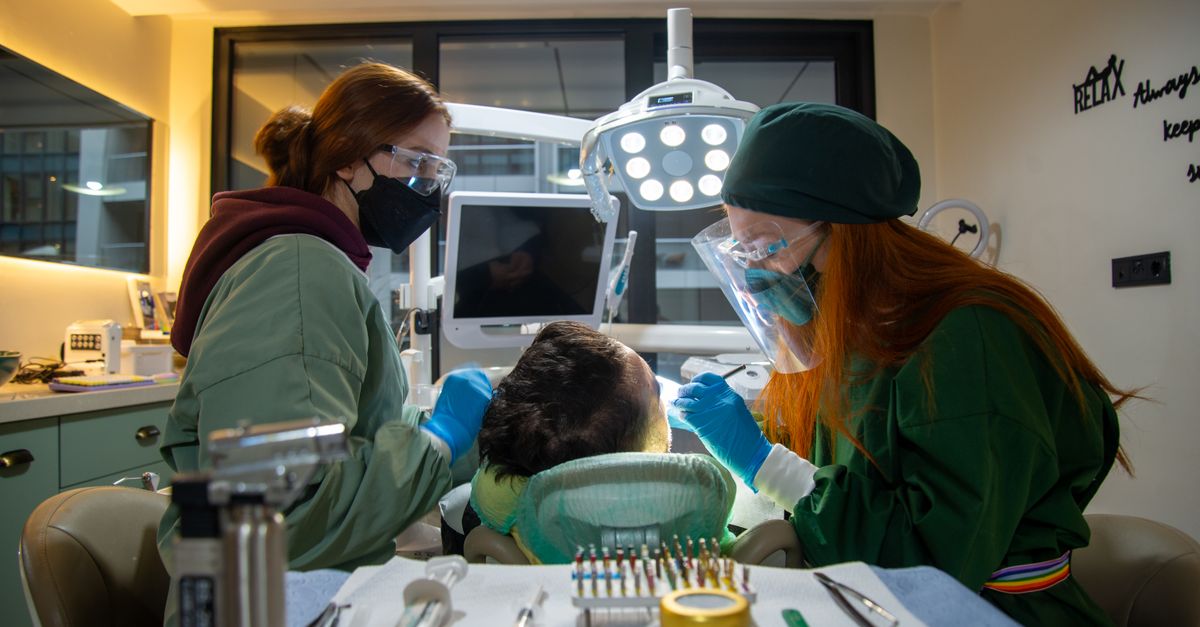
TMD and related functional problems are among the topics that are difficult to learn through theory alone. The diagnostic process requires a multi-step approach, including how history is taken, the order of examination, interpretation of findings, and the correct establishment of a treatment plan. For this reason, a hands-on workshop format significantly increases the educational value.
It strengthens clinical decision-making
Participants learn to see how different symptom clusters relate to one another rather than evaluating each one in isolation. Understanding the clinical connections between snoring, sleep apnea, bruxism, and TMD is important for more accurate guidance and planning.
It makes examination and planning steps more concrete
When theoretical knowledge is supported with hands-on training, it becomes easier to apply in daily practice. In particular, demonstrating appliance selection and clinical application steps helps turn learned information into usable clinical knowledge.
It supports greater consistency in case management
Hands-on training helps clinicians make their own examination systematics more consistent. This makes it easier to develop a more organized approach to patient evaluation.
Who is this workshop suitable for?

The TMD diagnosis and treatment workshop is designed especially for dentists who want to evaluate patients presenting with functional complaints in a safer and more systematic way. It can offer a useful training framework for clinicians who more frequently encounter the following patient groups in practice:
- Patients with temporomandibular joint pain or joint sounds
- Cases with wear patterns and muscle tenderness suggestive of bruxism
- Patients presenting with myofascial pain
- Cases requiring evaluation in terms of snoring and obstructive sleep apnea
- Dentists who want to develop a more structured approach to appliance planning
This training is valuable not only for gaining knowledge, but also for dentists who want to build a clearer diagnostic and treatment workflow in daily examination practice.
How can this workshop contribute to clinical practice?
As with any clinical training, the main goal here is to help participants act in a more controlled and systematic way in daily patient management. A hands-on workshop in the TMD field may contribute in the following areas:
- A more organized history-taking and examination approach during diagnosis
- A clearer clinical perspective when differentiating symptoms
- More accurate interpretation of the relationship between bruxism, myofascial pain, and TMD
- More informed evaluation in appliance selection
- Safer planning of clinical application steps
Especially in a field that requires multidisciplinary thinking, hands-on training can help improve not only a clinician’s knowledge level but also their case management reflexes.
The IST Dental Academy approach
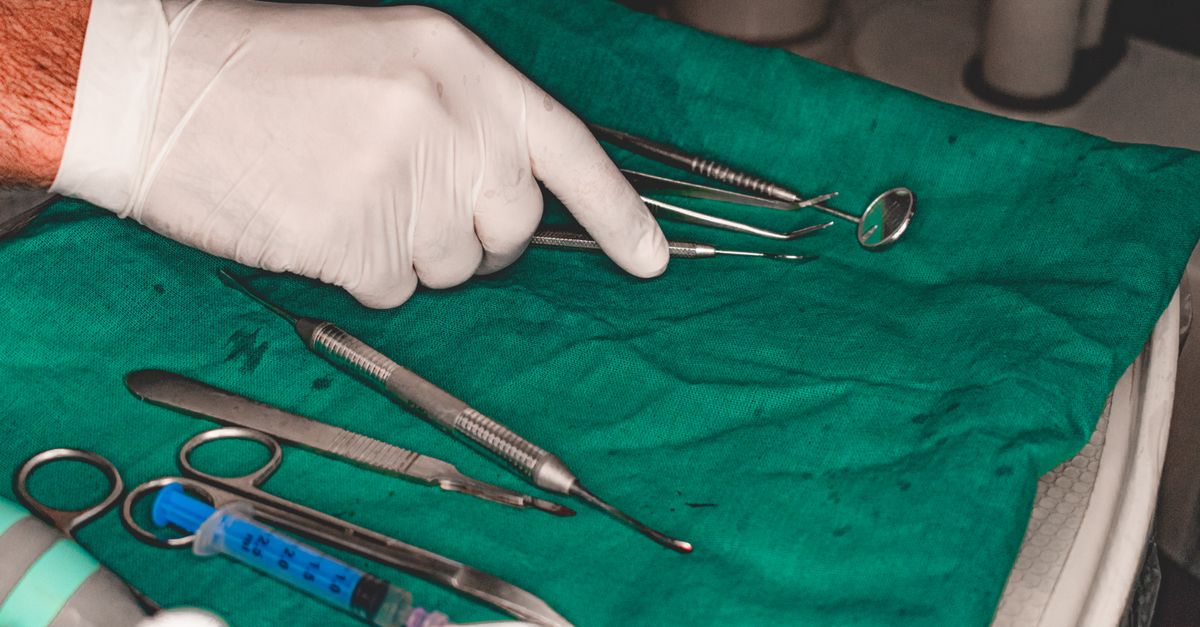
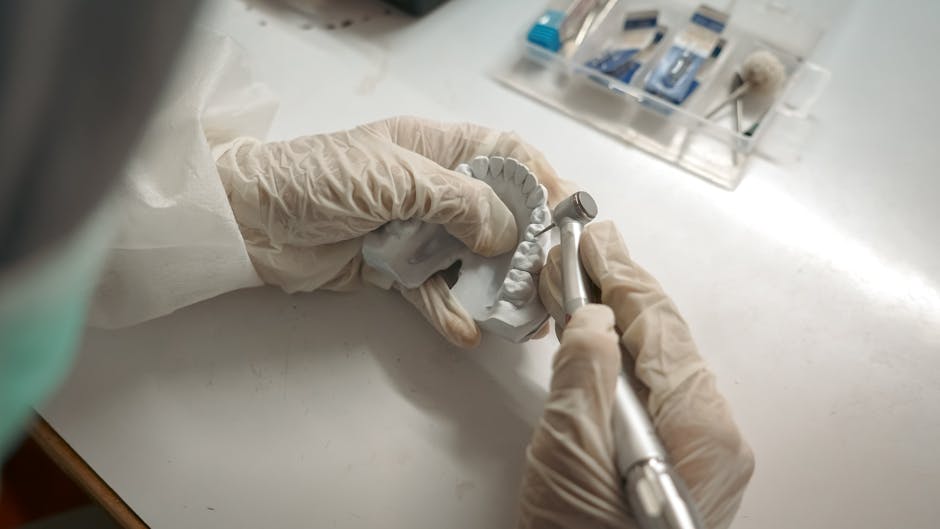
The TMD diagnosis and treatment workshop offered by IST Dental Academy is a hands-on course covering diagnosis, treatment planning, appliance selection, and clinical application steps for snoring, obstructive sleep apnea, bruxism, myofascial pain, and TMD. In this respect, the training provides content designed for direct clinical use.
Prepared with a practice-oriented educational approach, the workshop format aims to combine theoretical knowledge with application. If you want to approach TMD and related functional problems in a more systematic way in your examination practice, this training can be a strong area of professional development.
You can also review other training content designed to strengthen examination practice. For example, the What Does an Oral Diseases Diagnosis and Treatment Hands-On Course Add to Clinical Examination Practice? supports an examination-focused perspective, while other hands-on clinical training options include the Basic Implant Surgery Course | Training in Planning, Incision, Suturing, and Implant Placement, Lamina Veneer Course | Hands-On Training for Dentists, and Anterior Composite Restorations Course | Hands-On Training for the Esthetic Zone.
Frequently Asked Questions
Does the TMD diagnosis and treatment workshop focus only on TMD?
No. The workshop also covers snoring, obstructive sleep apnea, bruxism, and myofascial pain. This approach helps participants evaluate related clinical conditions together.
Does the training include appliance selection?
Yes. The workshop content includes appliance selection and its relationship to clinical evaluation.
Is this training theoretical or hands-on?
This workshop is a hands-on training program. The content is planned to include clinical application steps as well.
Who is it most suitable for?
It is suitable for dentists who want to evaluate patient groups related to the temporomandibular joint, bruxism, myofascial pain, snoring, and sleep apnea in a more systematic way.
Diğer Yazılar